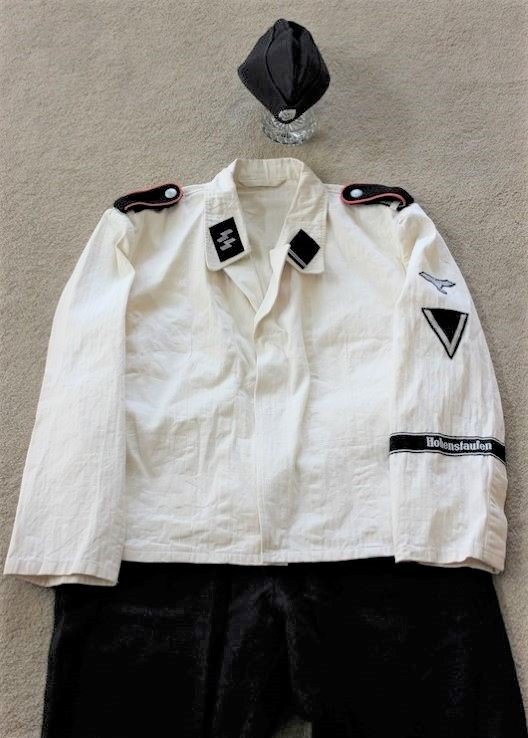
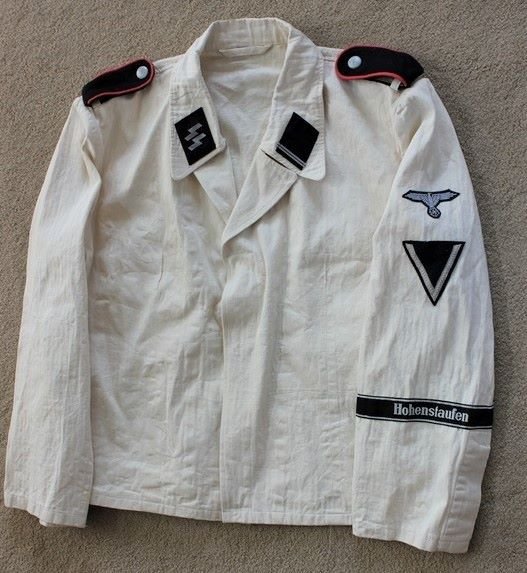
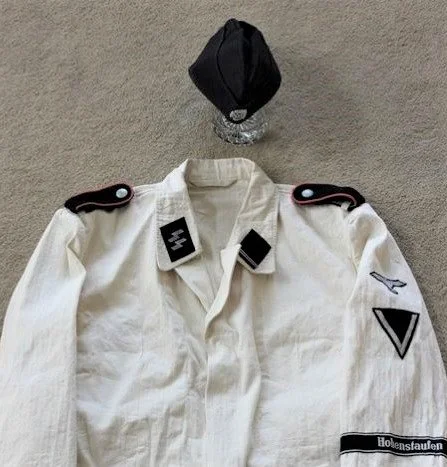
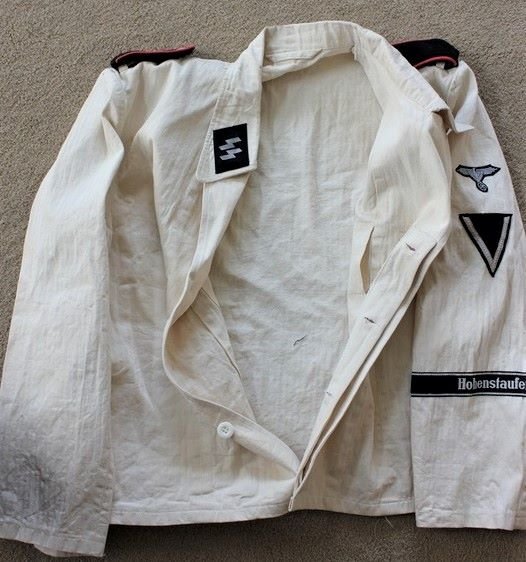
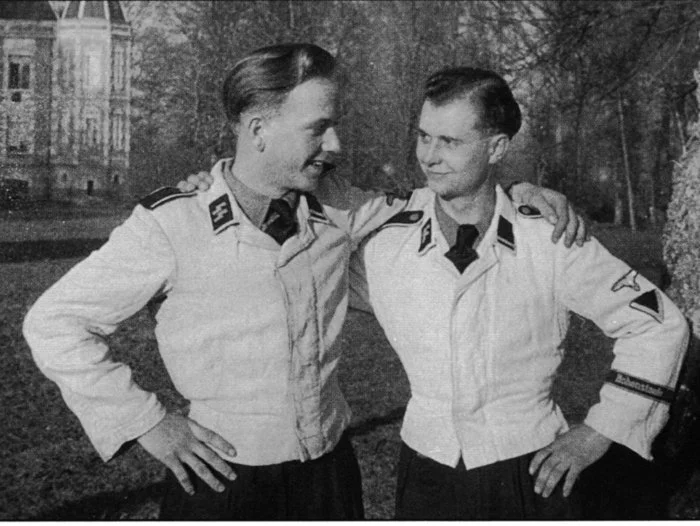
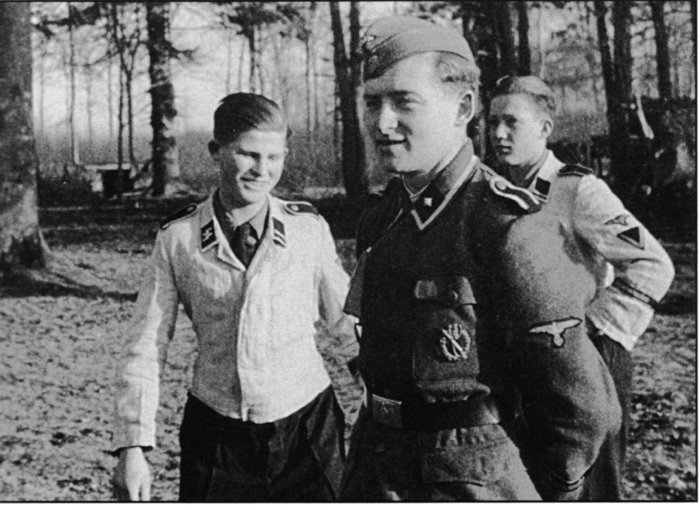
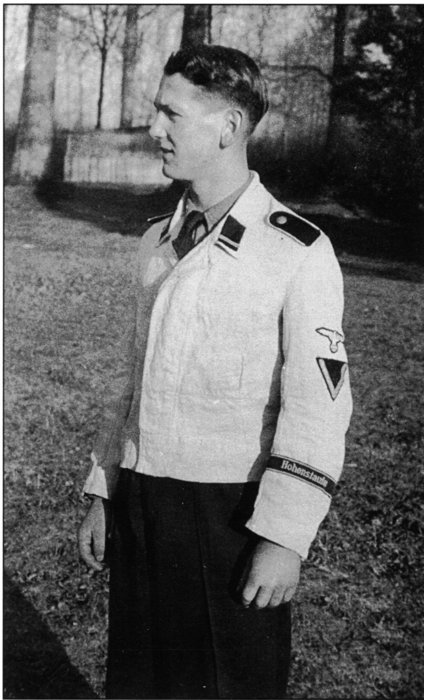
‘Hohenstaufen’ 9th SS-Division:
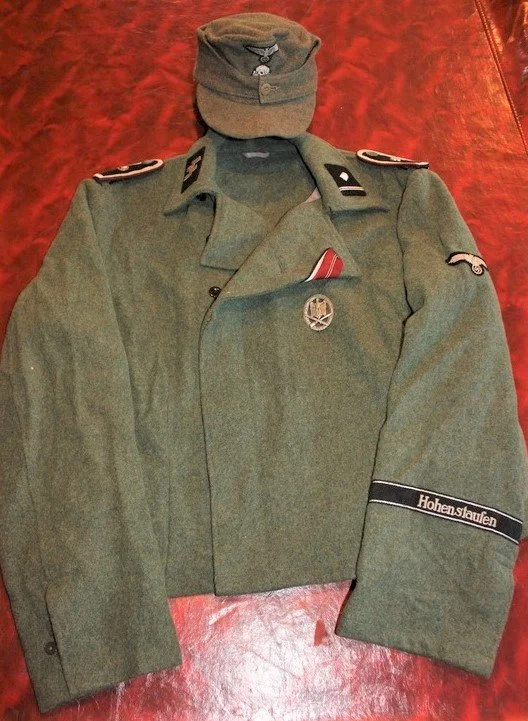
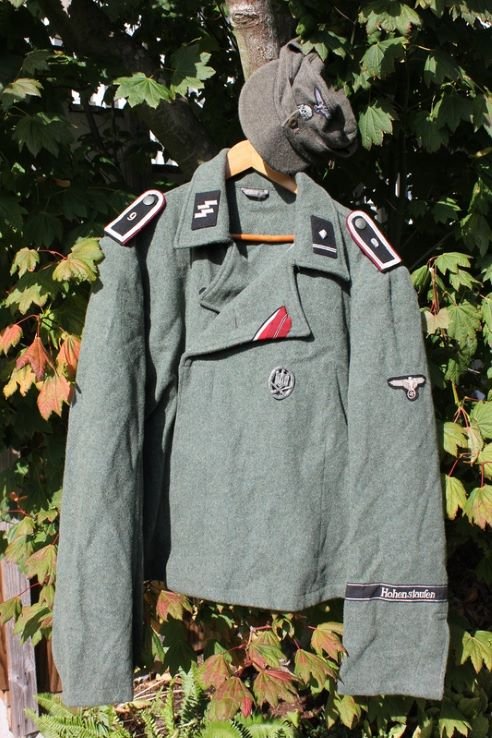
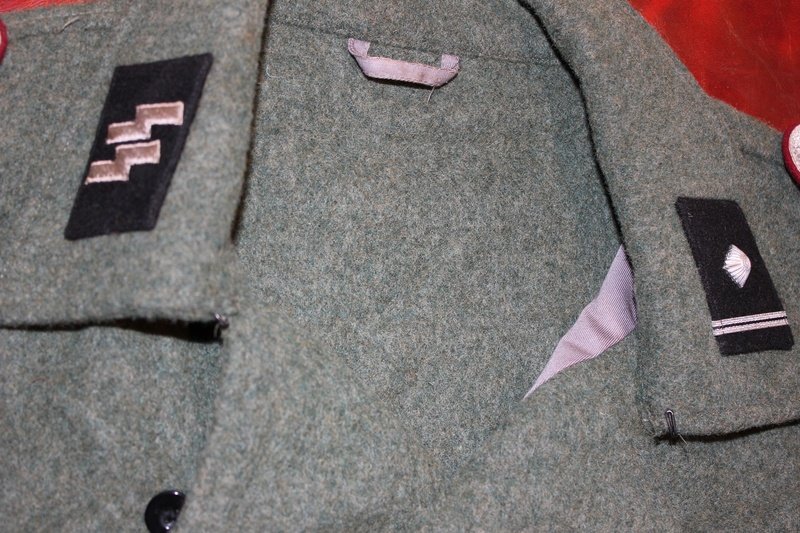
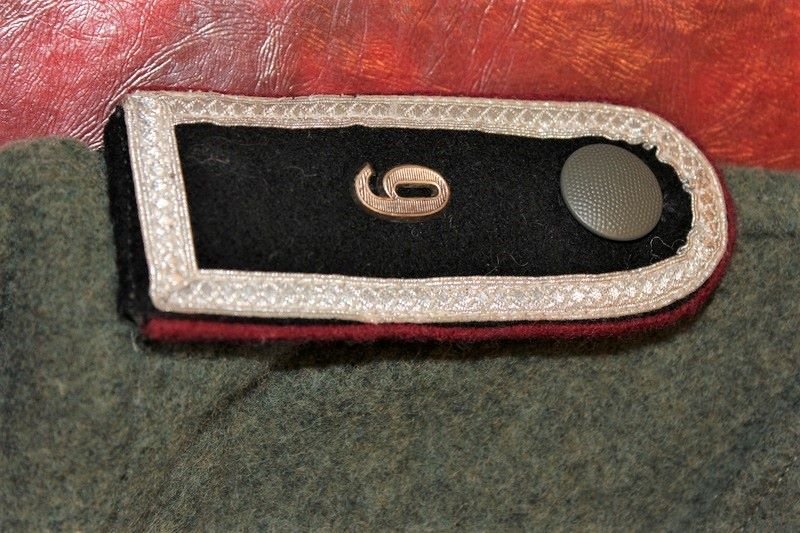
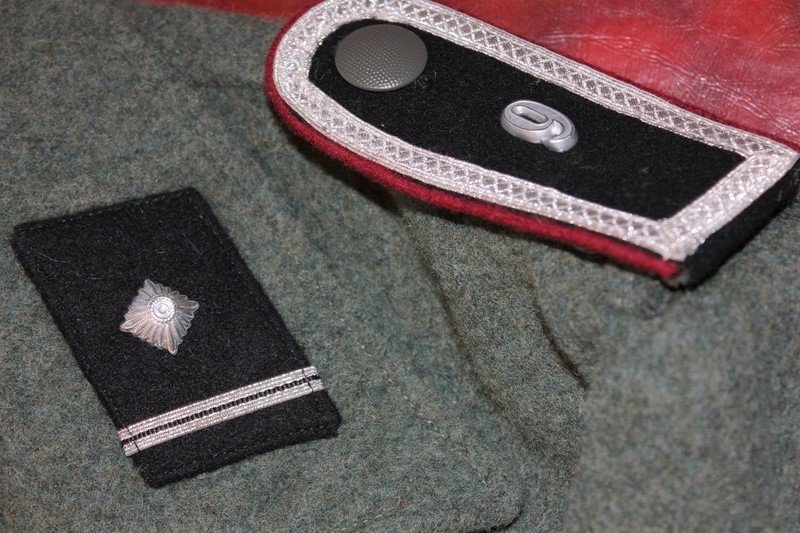
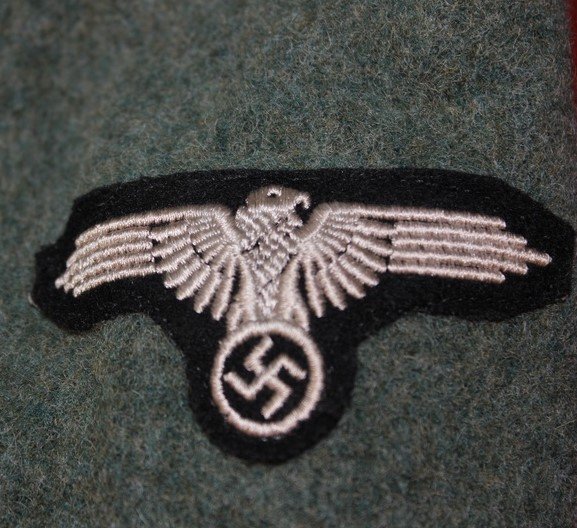
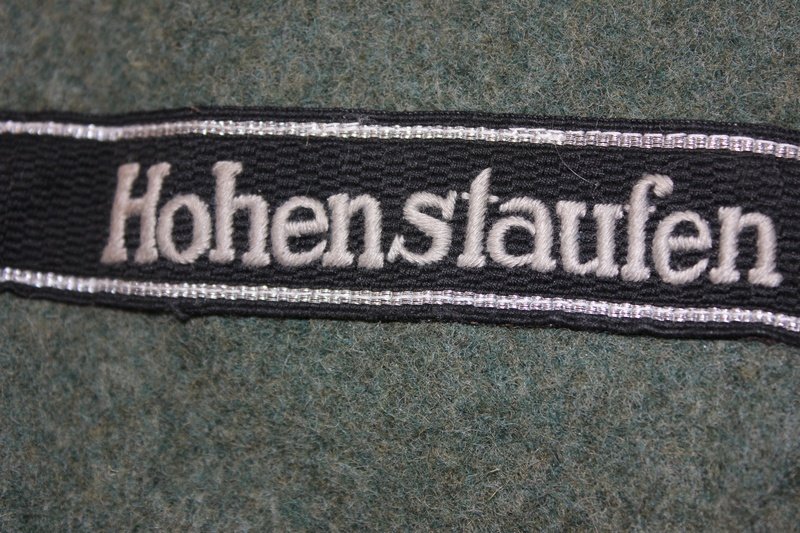
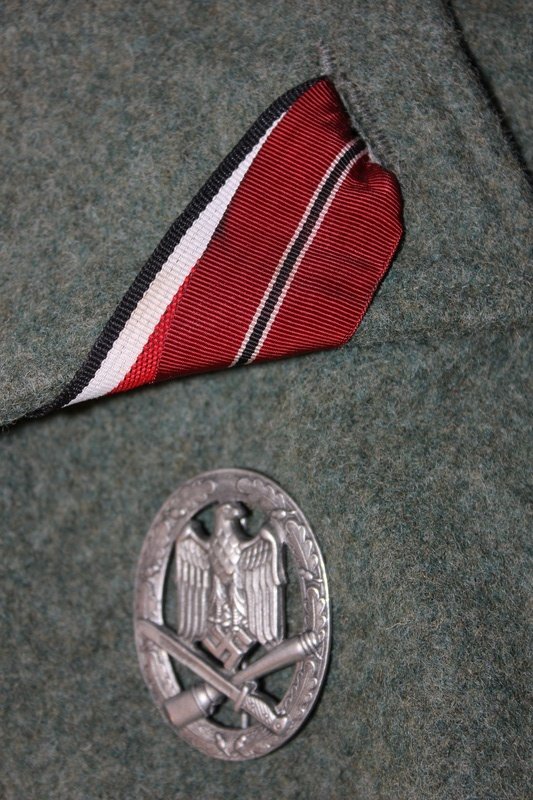
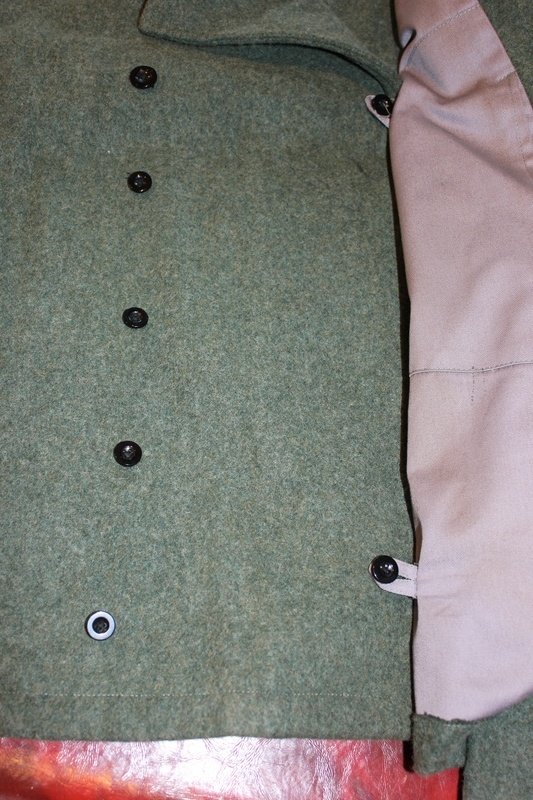
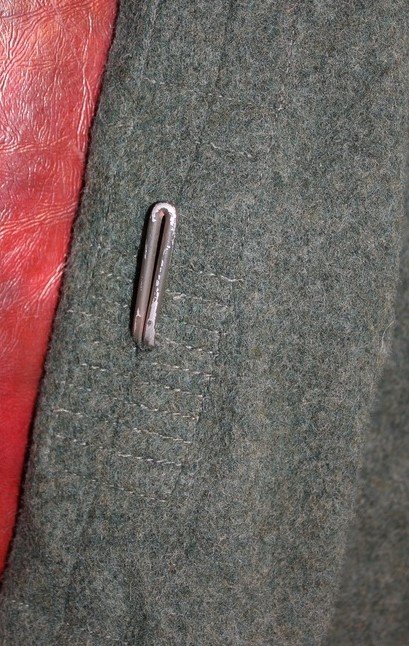
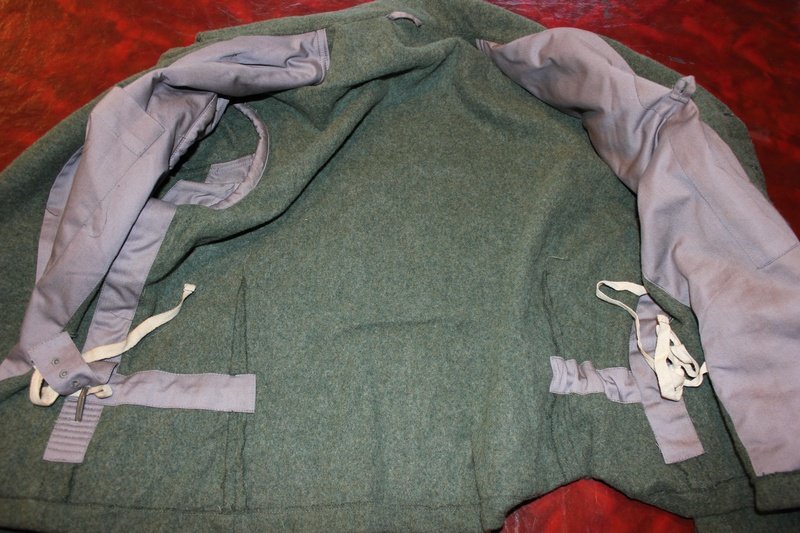
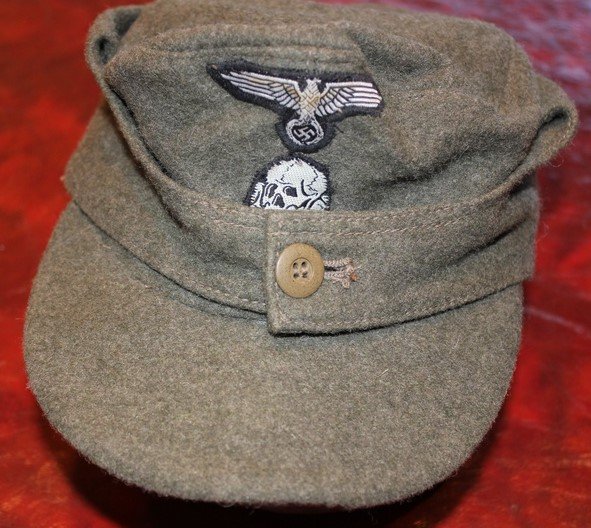
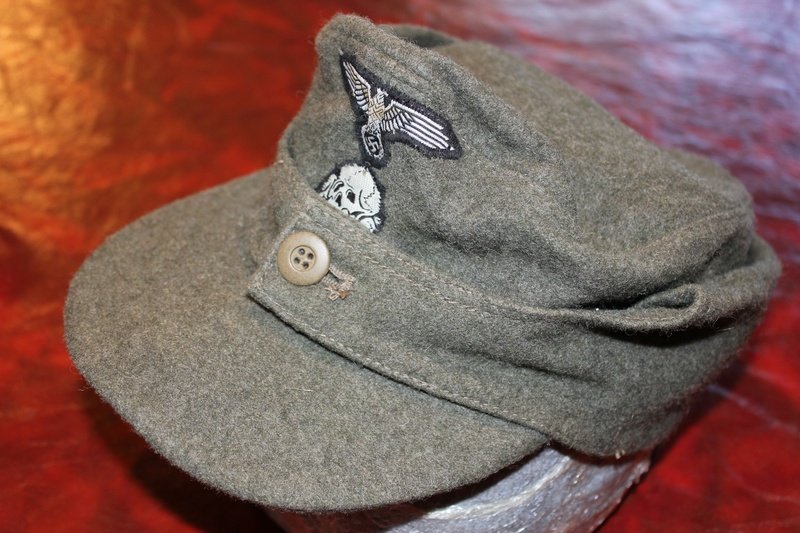
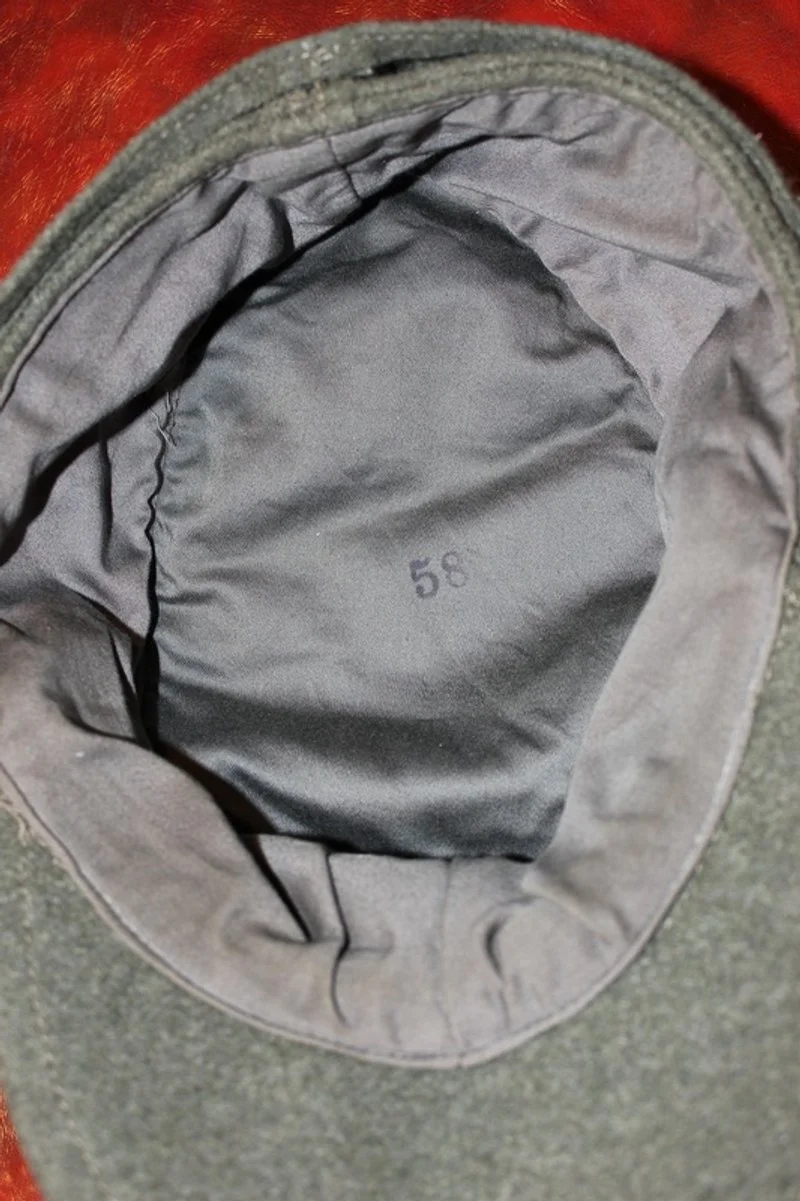
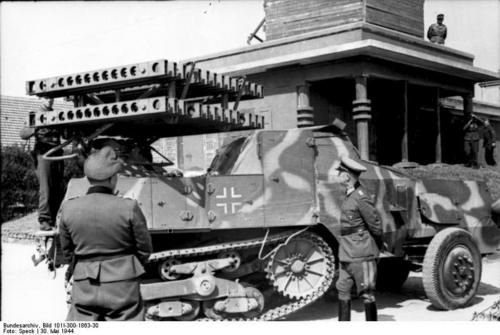
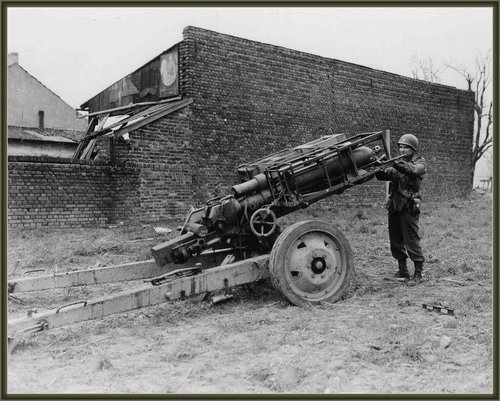
SS-Scharführer, SS-Werfer-Abteilung 9., SS-Panzerdivision „Hohenstaufen“:
The 8cm RAKETENWERFER auf SOMUA MCL S303(f) or Nebelwerfer Raken-Vielfachwerfer was a copy of the Russian ‘Katyusha’ or ‘Stalin’s Organ’ system of rockets mounted on a captured French Army’s Somua Halftracks. The Vielfachwerfer had 12 rails fitted on the top and bottom of a launch mount, with each rail mounting a top and bottom, giving a total of 48 rockets per launch cycle.
The Rocket itself was 78mm in diameter, using tail fins to secure stability in-flight without rotation, and the employment of a novel fuse arming device. When the rocket was fired, the heat of the propellant gases melted a ring of metal, permitting the detonator magazine to approach the striker to a space that armed the projectile.
The 9th SS Panzer Division ‘Hohenstaufen’ saw action on both the Eastern and Western Fronts. The division was activated on the 31st of December 1942. The men of the division were German conscripts aged 18, with a cadre of experienced staff from the 1st SS-Panzer-Division, Leibstandarte SS Adolf Hitler.
Their first action was in March 1944 in Poland; they were moved to Normandy in June of that year. Following the brutal Battle of Normandy and retreat East, they were moved to Arnhem in September 1944 to rest and refit. Unknown to the Allied planners of Operation Market Garden, despite increased reports of German armor in the area by the Dutch Resistance, the Airborne carpet of US, British, and Polish paratroopers dropped on top of the Germans who held the critical Bridge at Arnhem. The Allies paid a high price for their denial of the enemy's presence.
Their next action was the German Ardennes Offensive or the Battle of the Bulge. After initial advances towards the Meuse River and Hitler’s goal of splitting the Allied Forces in Belgium, the Allies regained the momentum and ‘Hohenstaufen’ again began a fighting retreat to Germany, and rebuilt a final time, and was sent to Hungary, where it took part in the fighting to the west of Budapest in February and March. Falling back into Austria, the division surrendered to the advancing United States Army on 5 May 1945, at Steyr.
The Waffen-SS forces had depended on the Nebelwerfer Regiments for their heavy assault rocket firepower. By 1943, Hitler had given the green light for more development of the Panzerwaffe 43. This branch was supplied with launching units mounted on armored vehicles, trucks, and portable stands, and in the way of rocket units they had 3-4 different types of rockets, and at this point supply definitely could not keep up with the demand; there was never enough rockets to make these units overly effective, as the Russian rockets were devastating on the German defenses.
Never one to be behind any Heer development, Reichsminister and commander of the Waffen-SS, ordered the creation of independent Nebelwerfer batteries that would be attached to SS-Panzer Divisions. As always, the SS worked to make use of captured equipment and technology to move forward most frugally, using captured French vehicles and copying French vehicles and copying successful Russian rocket technology. The first of the Nebelwerfer Raken-Vielfachwerfer, or ‘Himmler’s Organ’ as they were called, and crews arrived in Normandy just before the June invasion. SS Werfer-Abteilung 9 became part of ‘Hohenstaufens’ artillery and remained so until the final defeat.
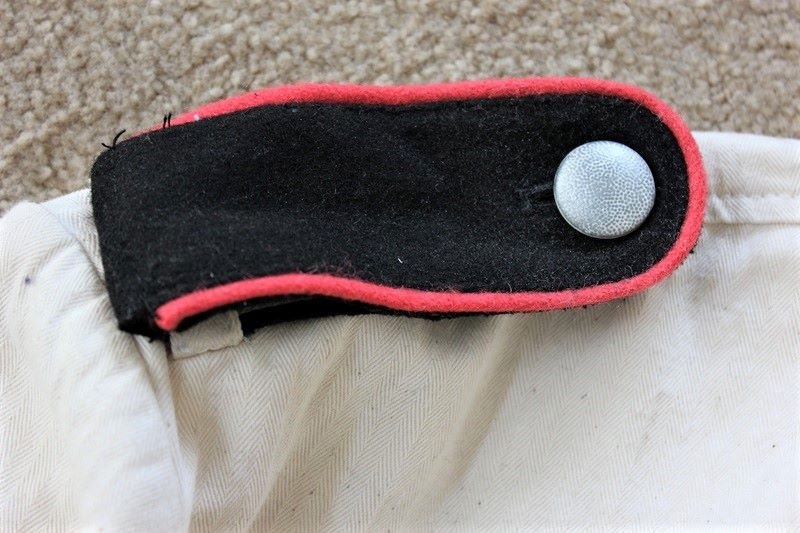
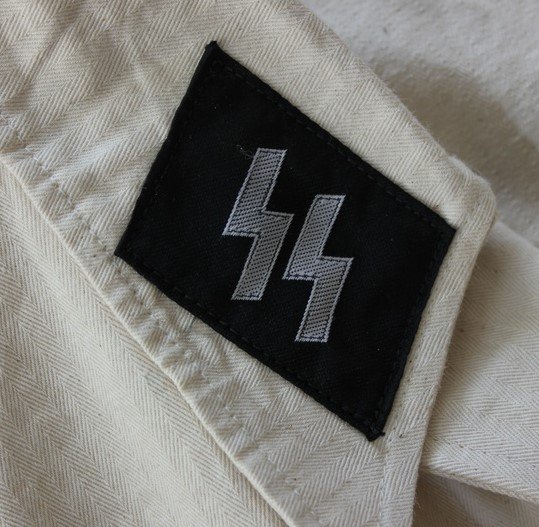
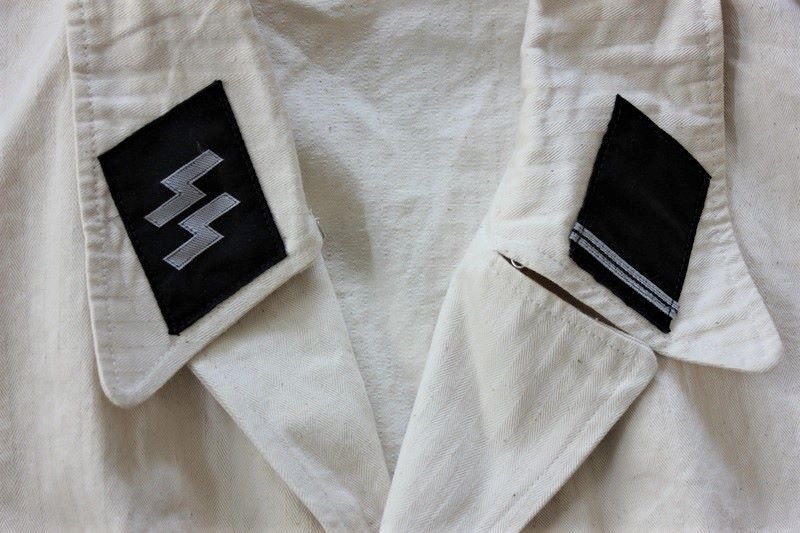
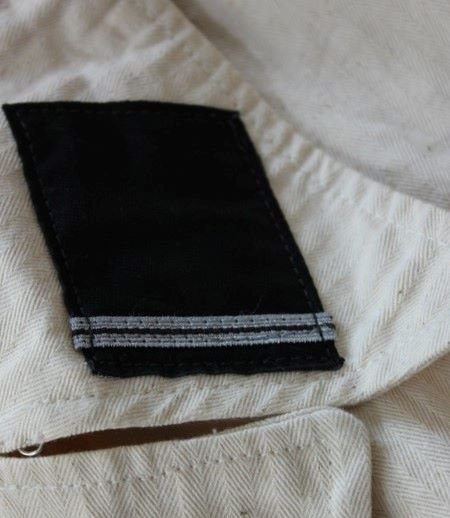
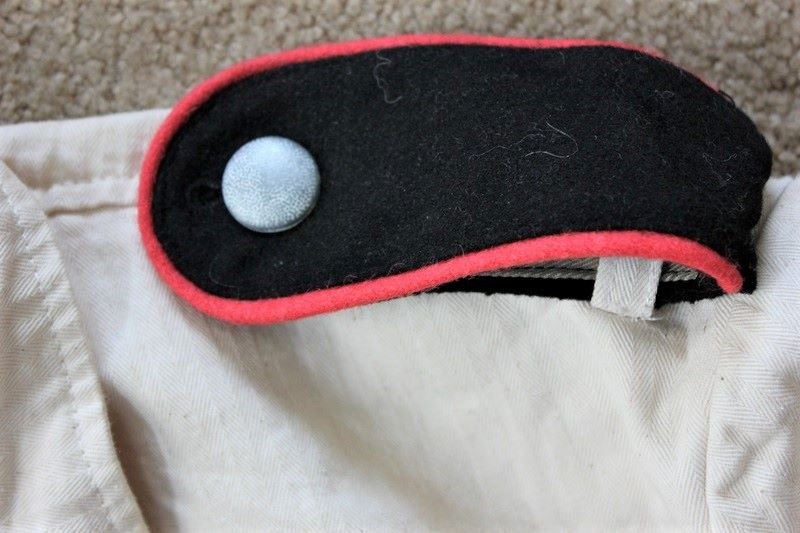
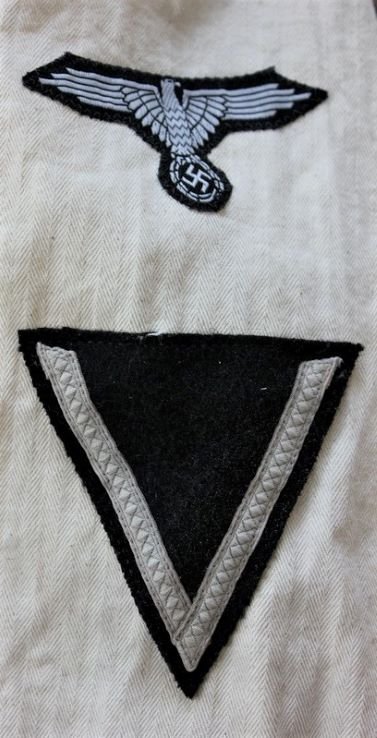
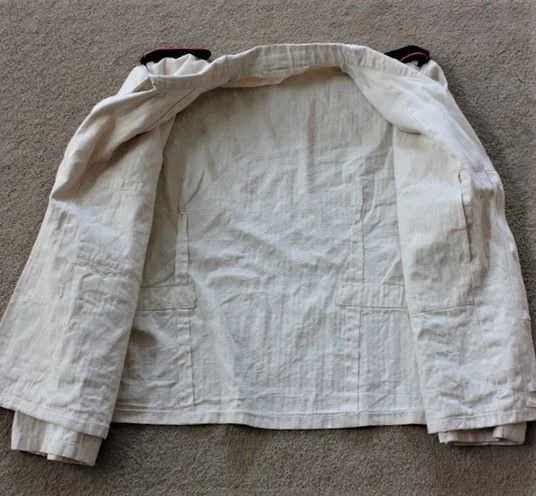
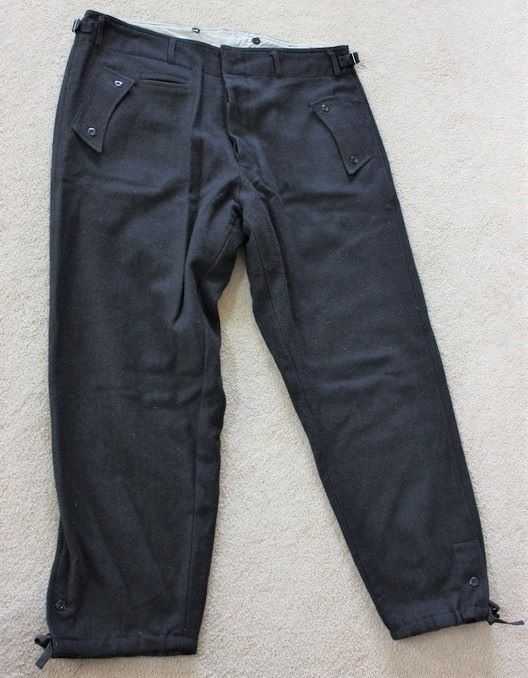
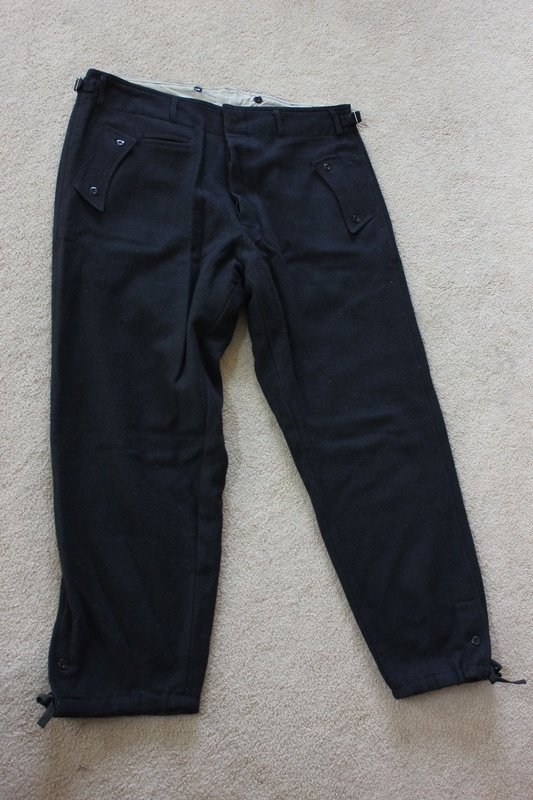
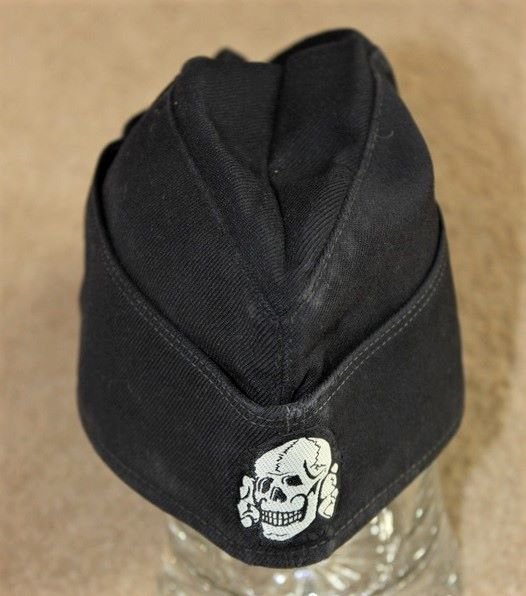
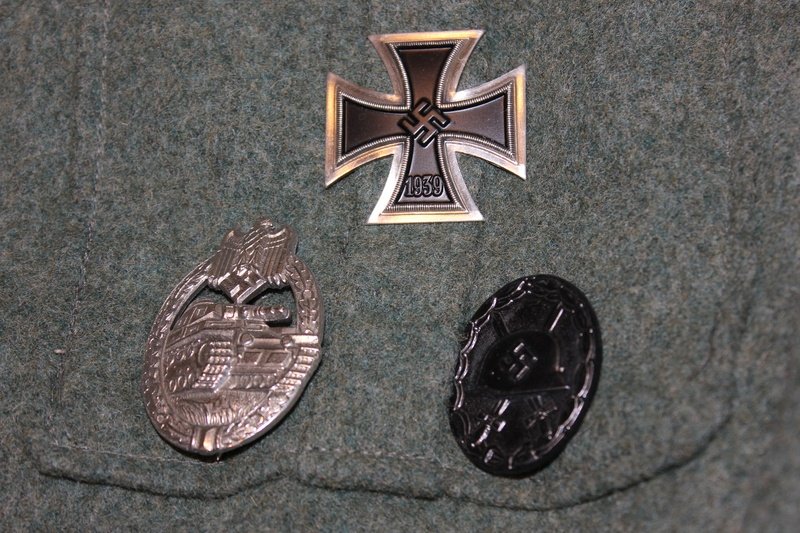
The SS-Scharführer wears the standard SS cut armored uniform in Feldgrau. He may, like his Heer counterparts, wear the HBT for his uniform as well. The dark wine-red Waffenfarben piping on his very rare shoulder boards. With the uniform, he wears the final pattern Einheitsfeldmutz or M43 cap, boots, and a cartridge belt with a holstered sidearm. From his ribbons, it can be deduced that he has been a soldier since at least 1941, as he was in desperate fighting during the First Winter in Russia. He has earned the Eisernen Kreuz II. Klasse for his combat leadership as well as the Allgemeine Sturmabzeichen. We may laugh at his machine and how it’s used, but a barrage of rockets, of any kind, I’m sure any soldier would say is absolutely terrifying, so the effect is the same.
The use of captured vehicles and towed weapons has always happened; people laugh at it, but they’re totally expendable, free, still work, and you don’t have to fix it when it breaks… and perfectly open to being field modified for firing rockets onto the enemy lines; this, in fact, is still being done with CJ5s, Toyotas, Rovers, etc. With weapons being attached by bars and bolts to any 4×4 or truck, everything from Aircraft and helicopter rocket pods to recoilless rifles, 20 and 30mm Anti-Aircraft guns for Pete's sake, some get .50 and .51-calibre machine guns, or 7.62mm, M-60s and the 5.56mm and SAW-type machine guns, or the Russian and Chinese equivilent weapons, and the fellows using them are very willing to do so. These work fine till something more deadly faces them, like an IED, or a hand-held rocket, or the newest-hottest tank, a $100.00 drone with a 155 warhead under it, or a mortar round- hell, a fragmentation grenade would work. There is always something worse: an unmanned, bulletproof, stealth aircraft, at 35,000 feet, with nothing but ordnance under it, pin-point accurate-smart bombs, J-DAM, and Hellfire rockets, cluster bombs, a mini-gun, and a jammer, digitized tracking radar, and sensors, cameras that can identify your face, that can loiter for many hours, with the driver on the other side of the world; I digress.
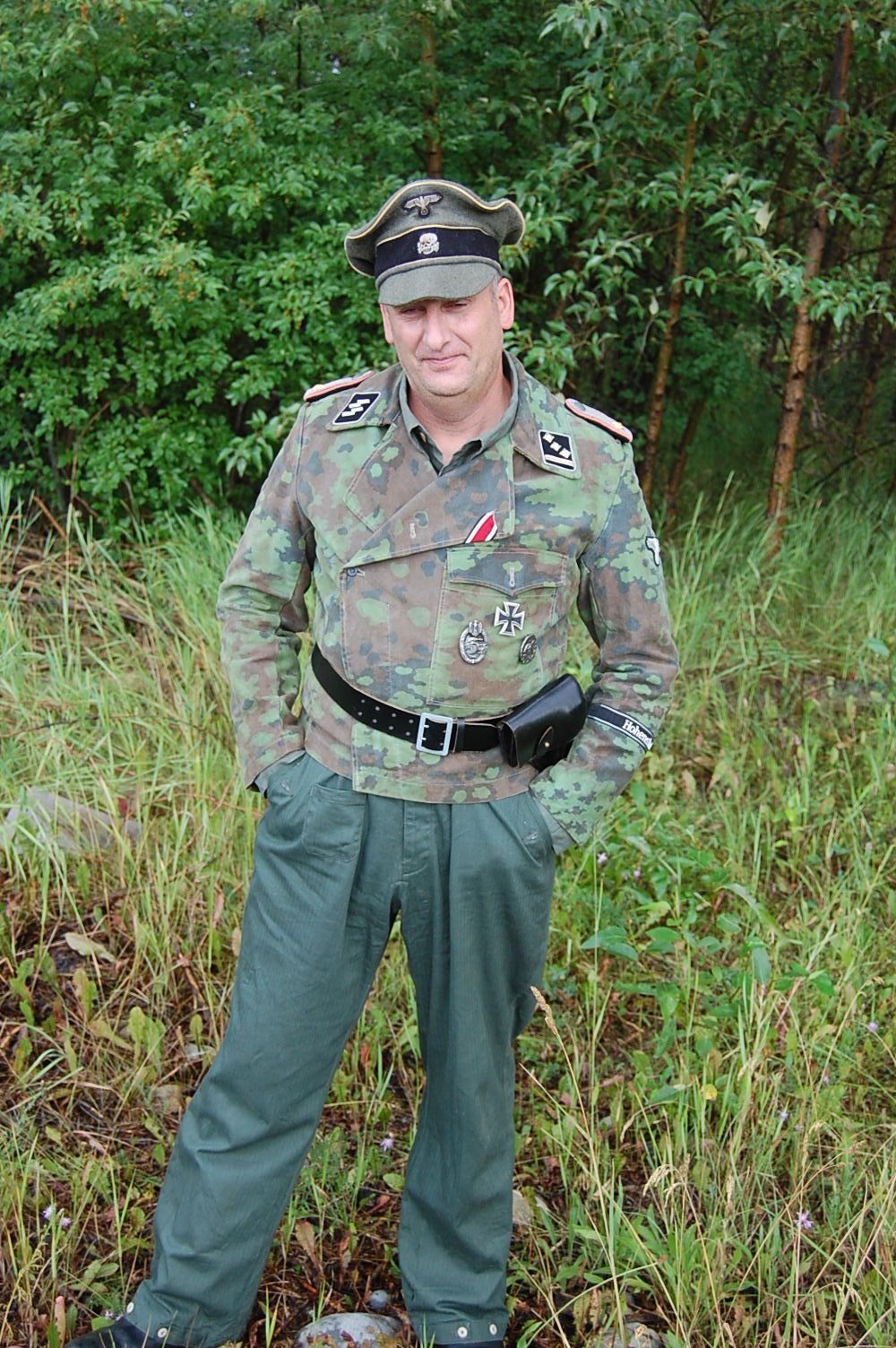
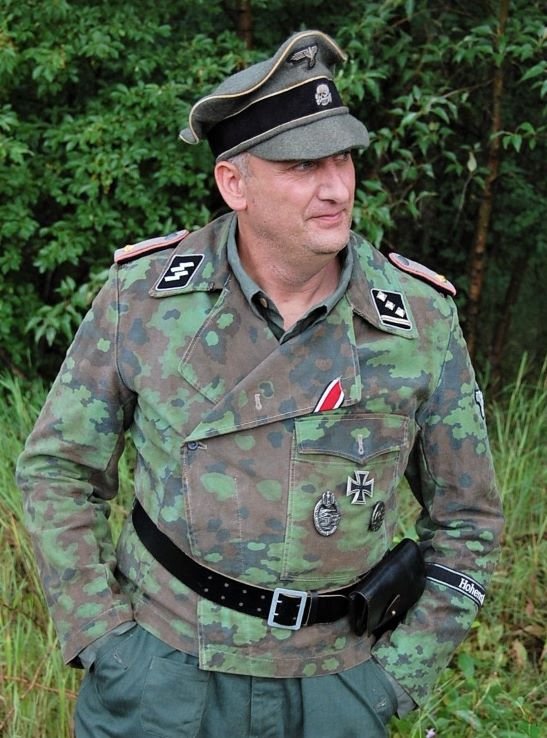
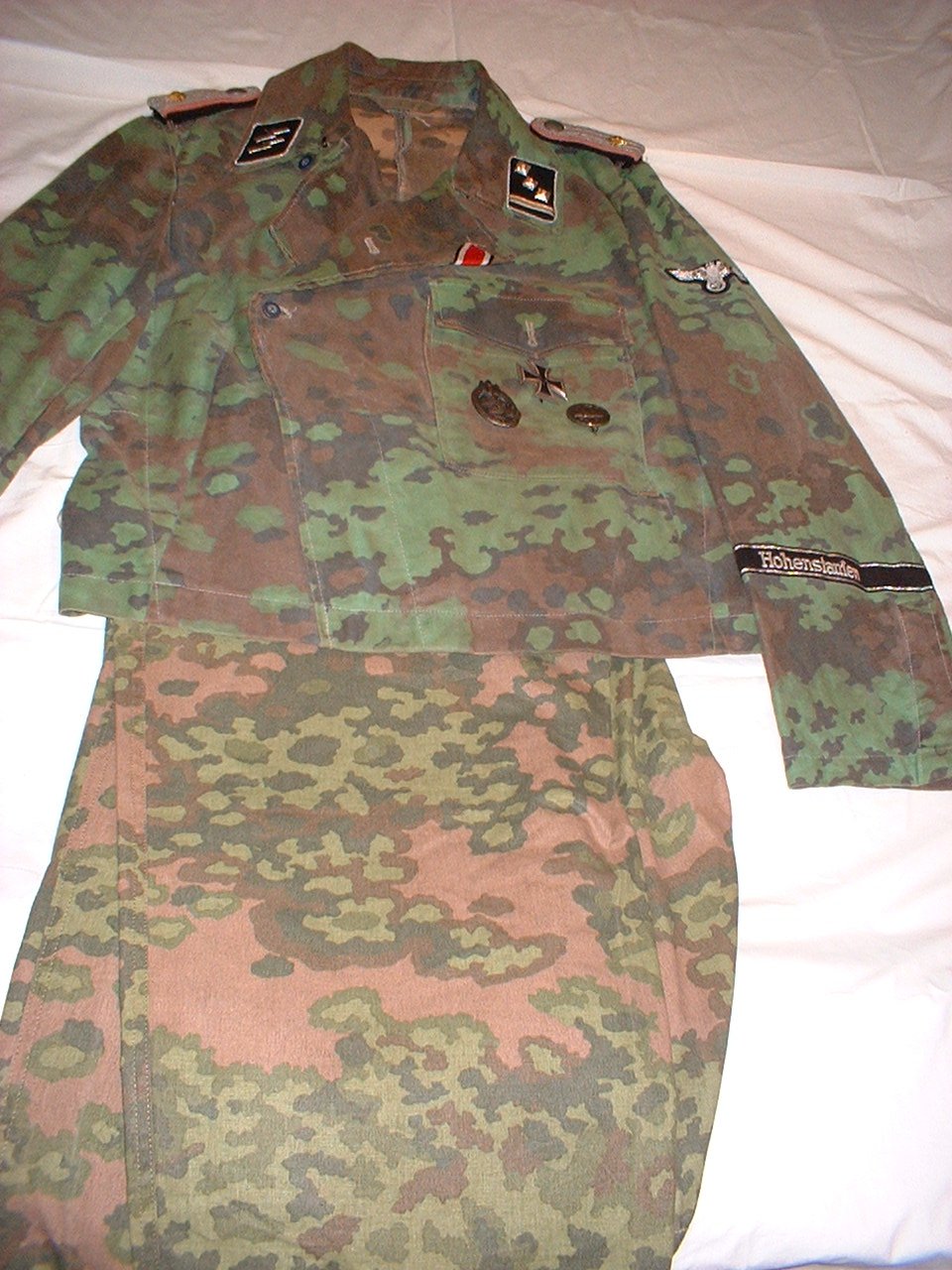
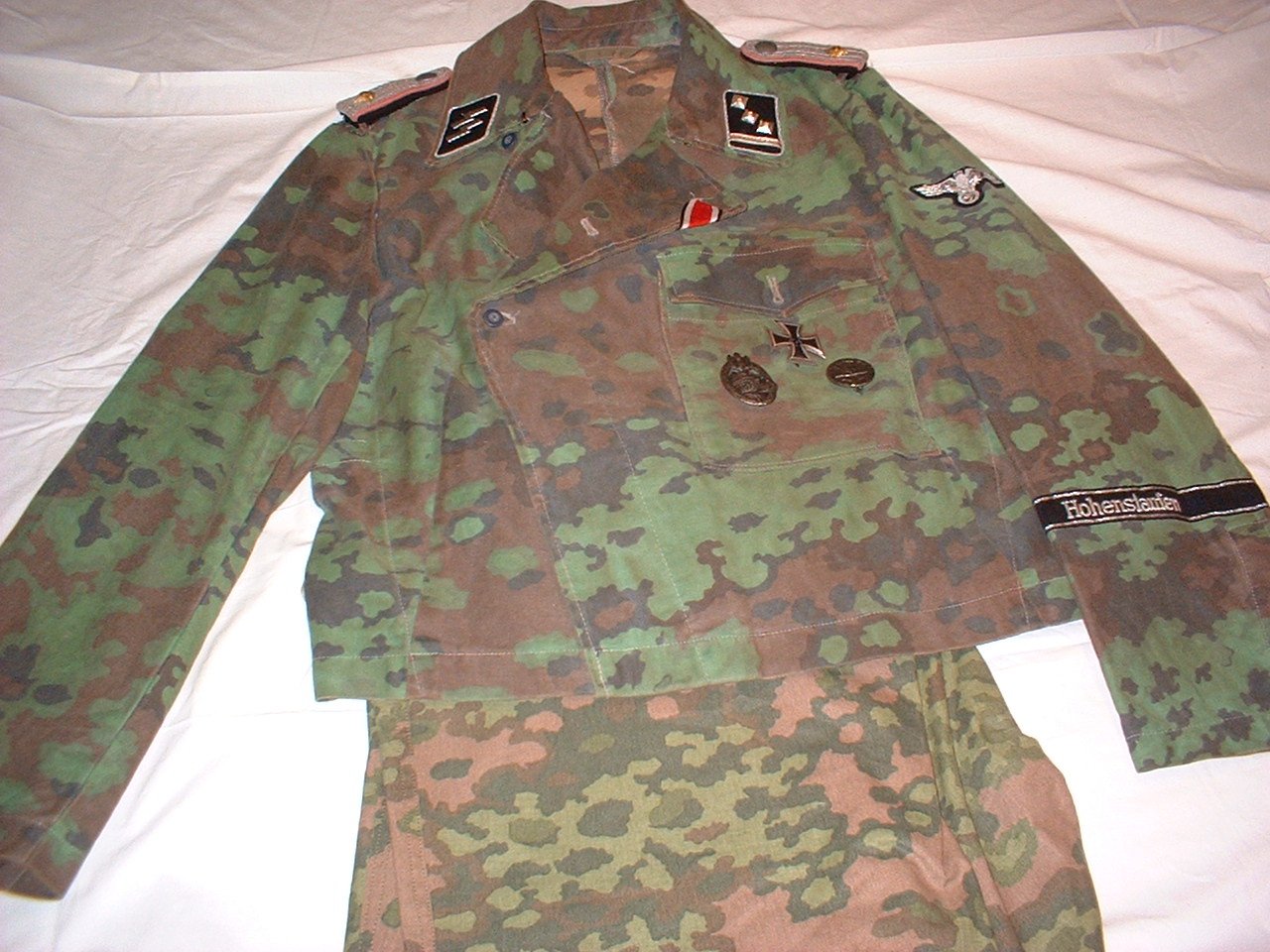
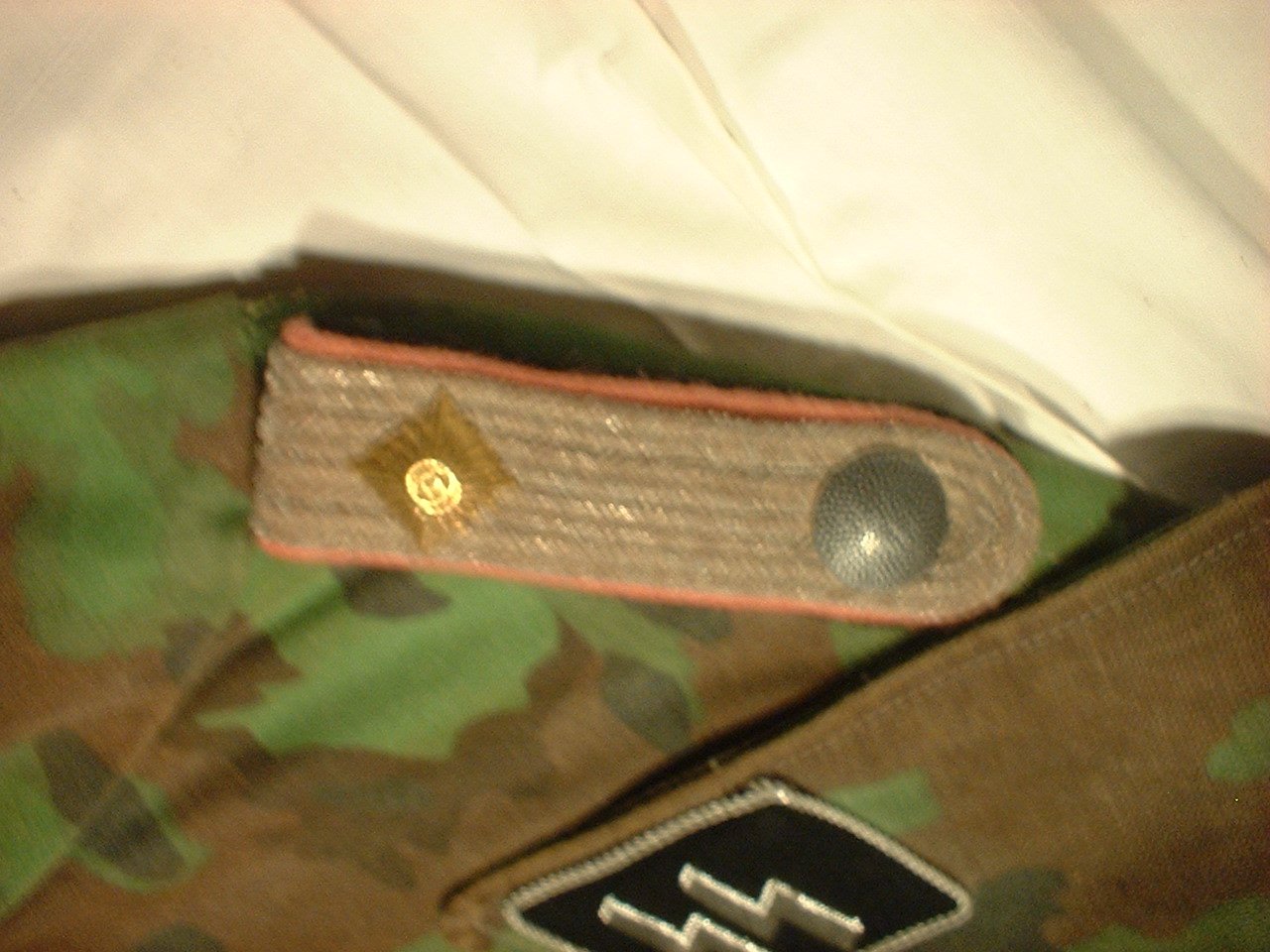
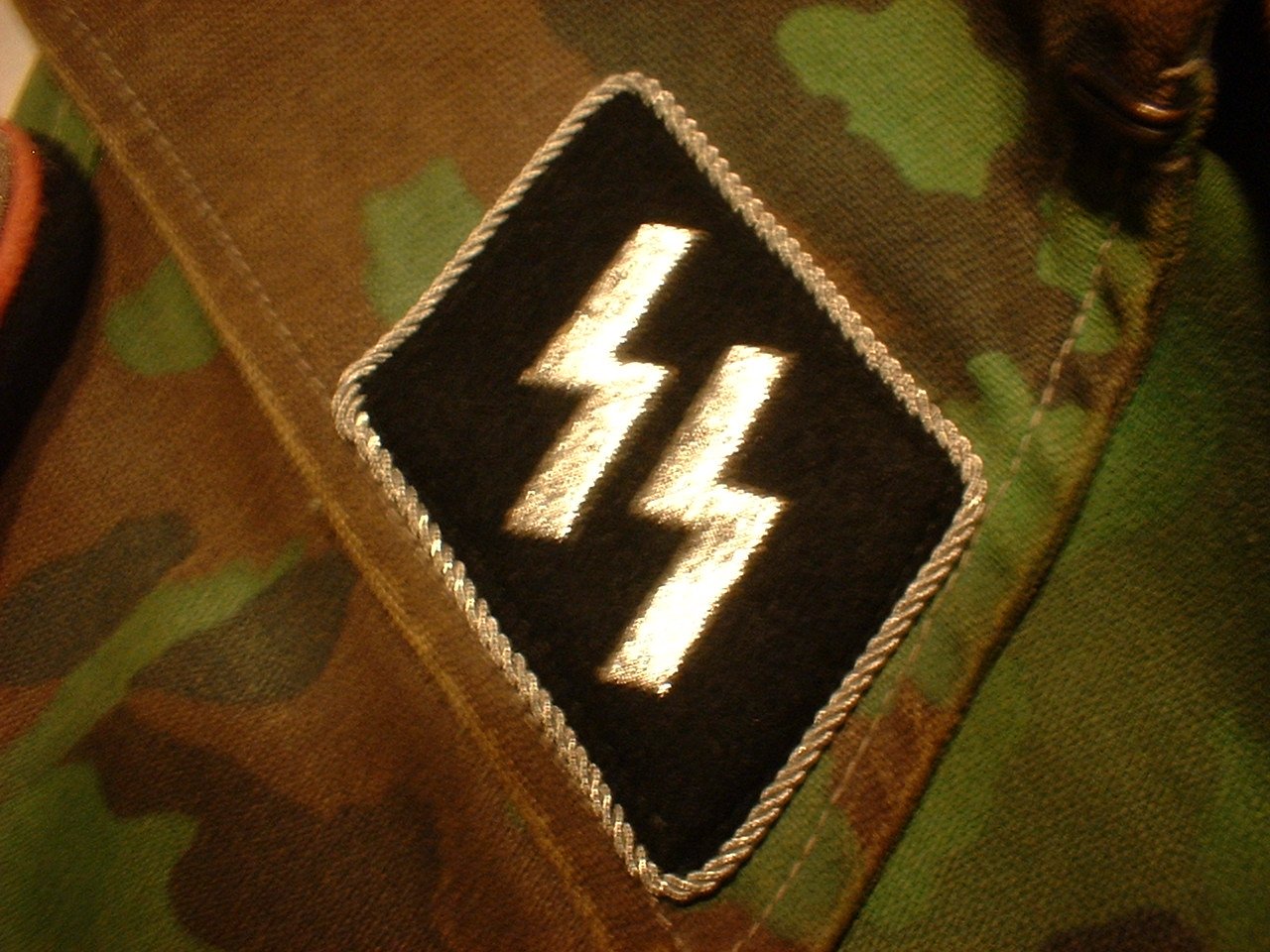
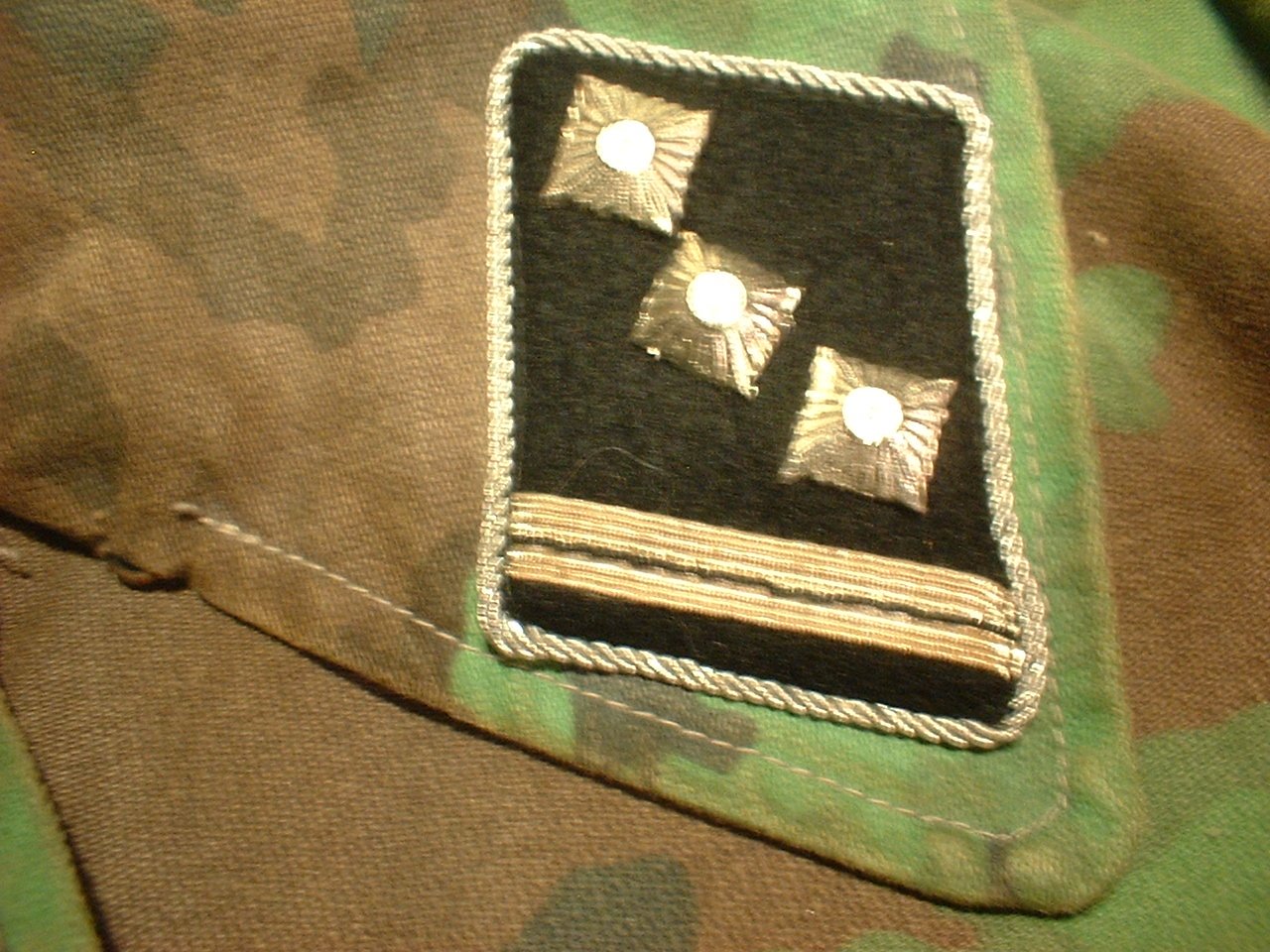
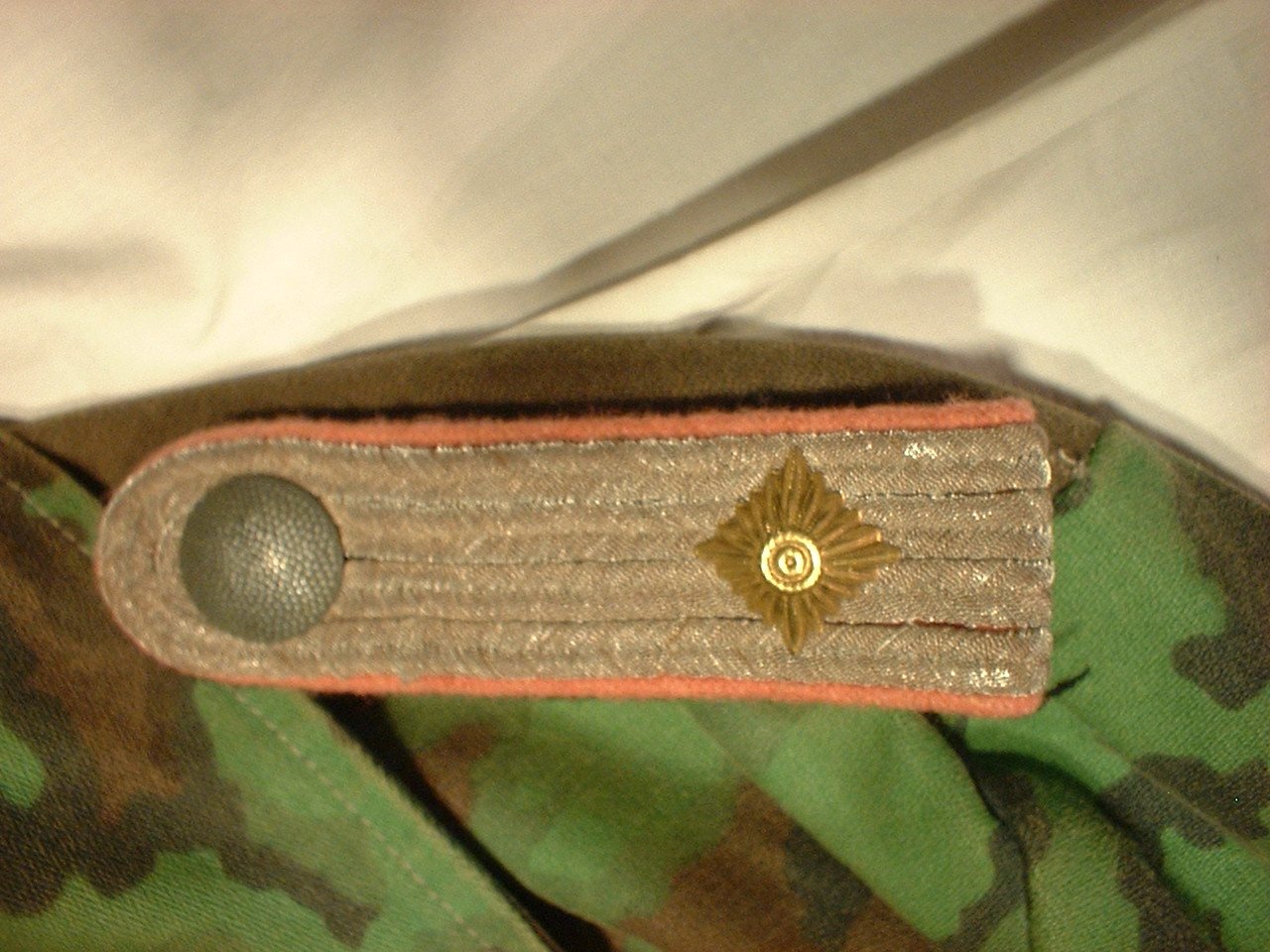
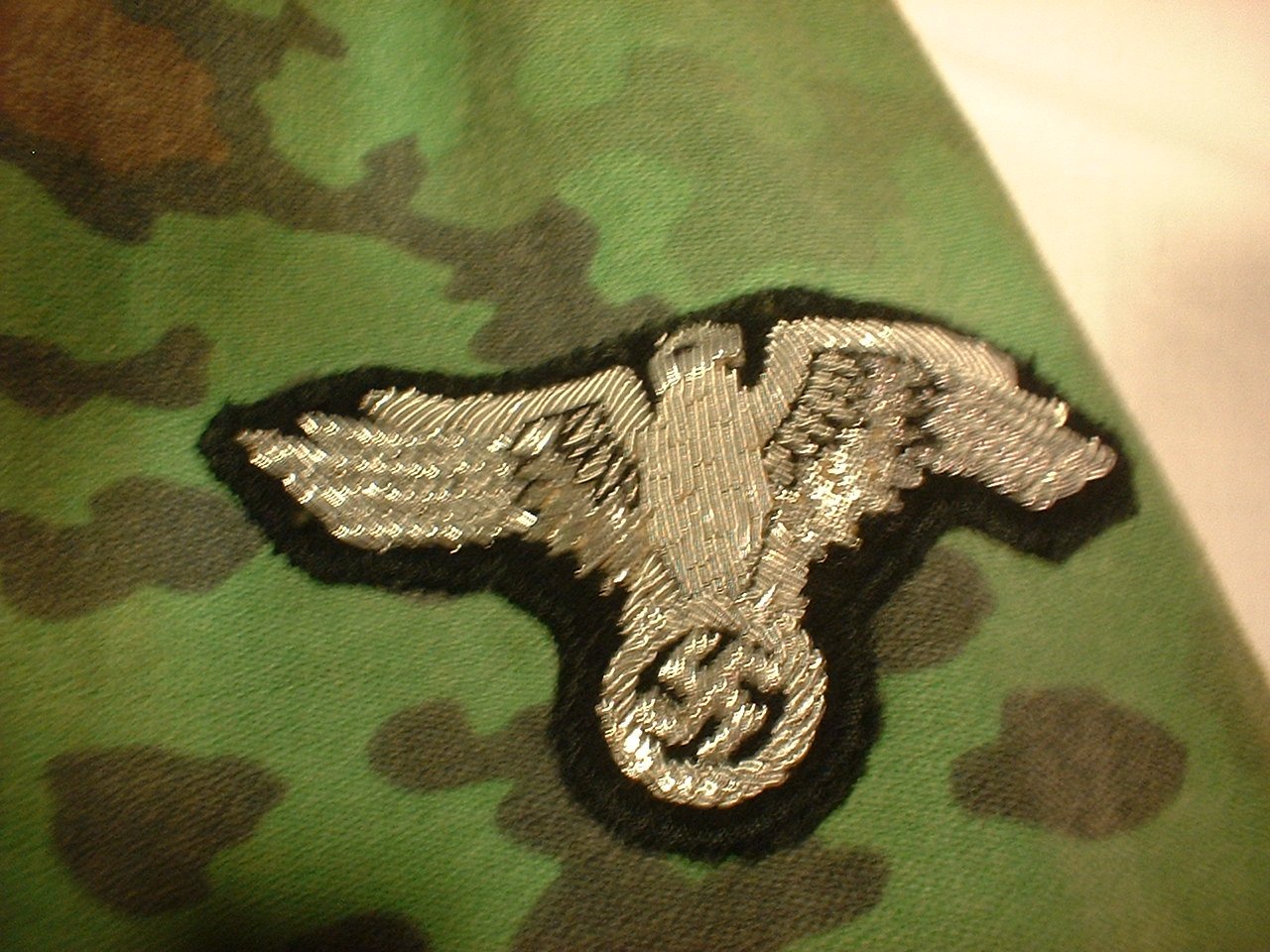
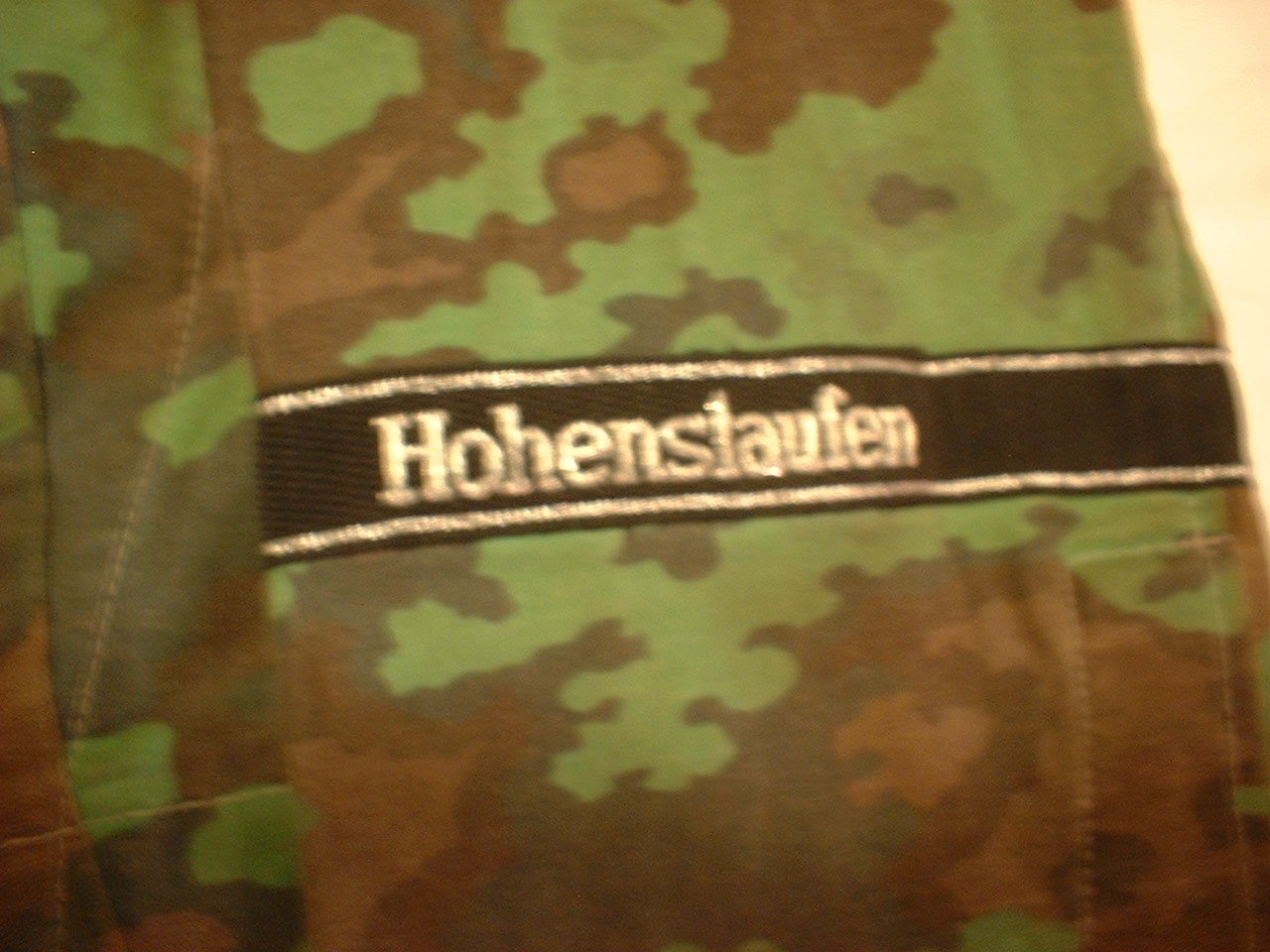
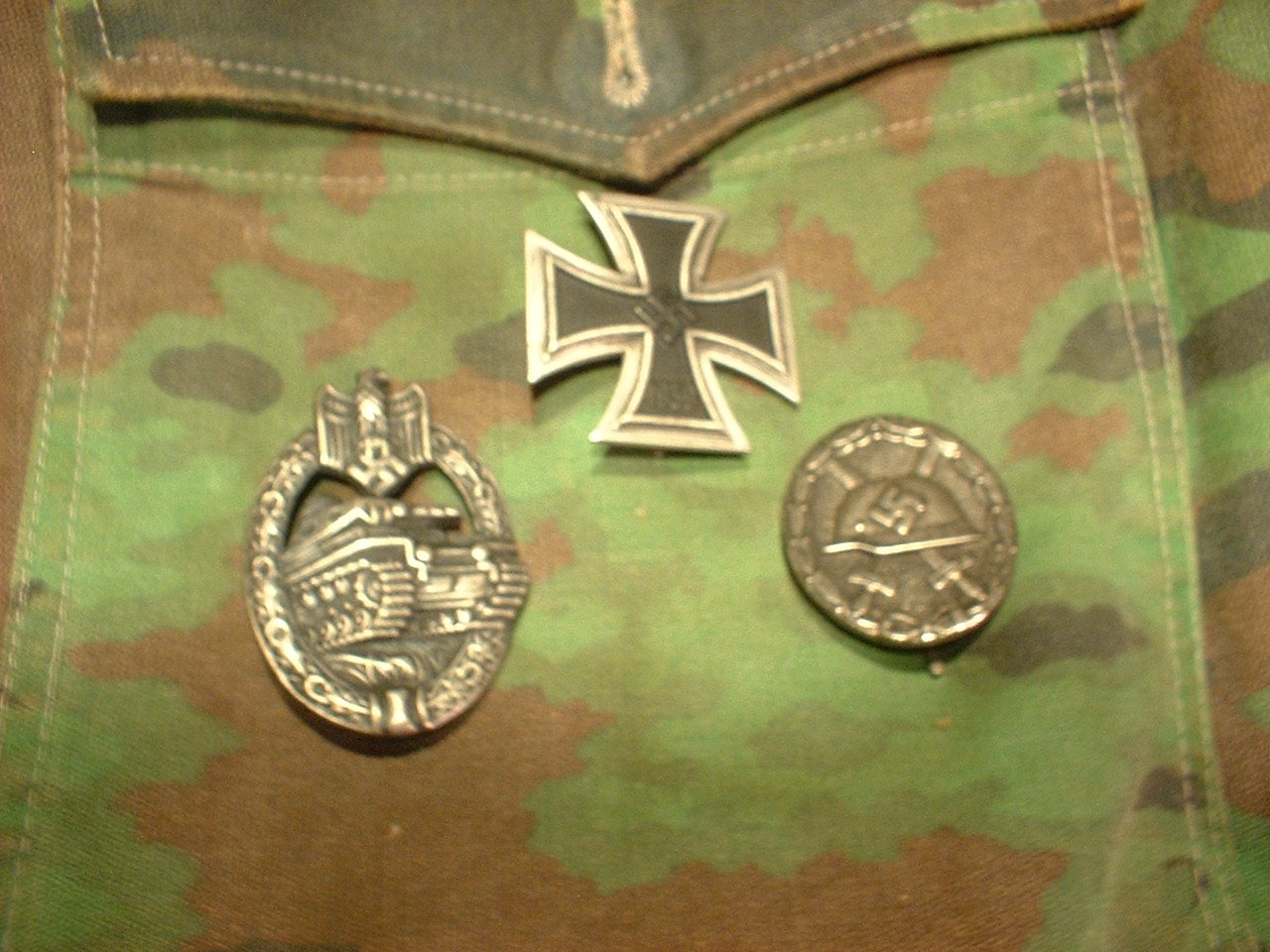
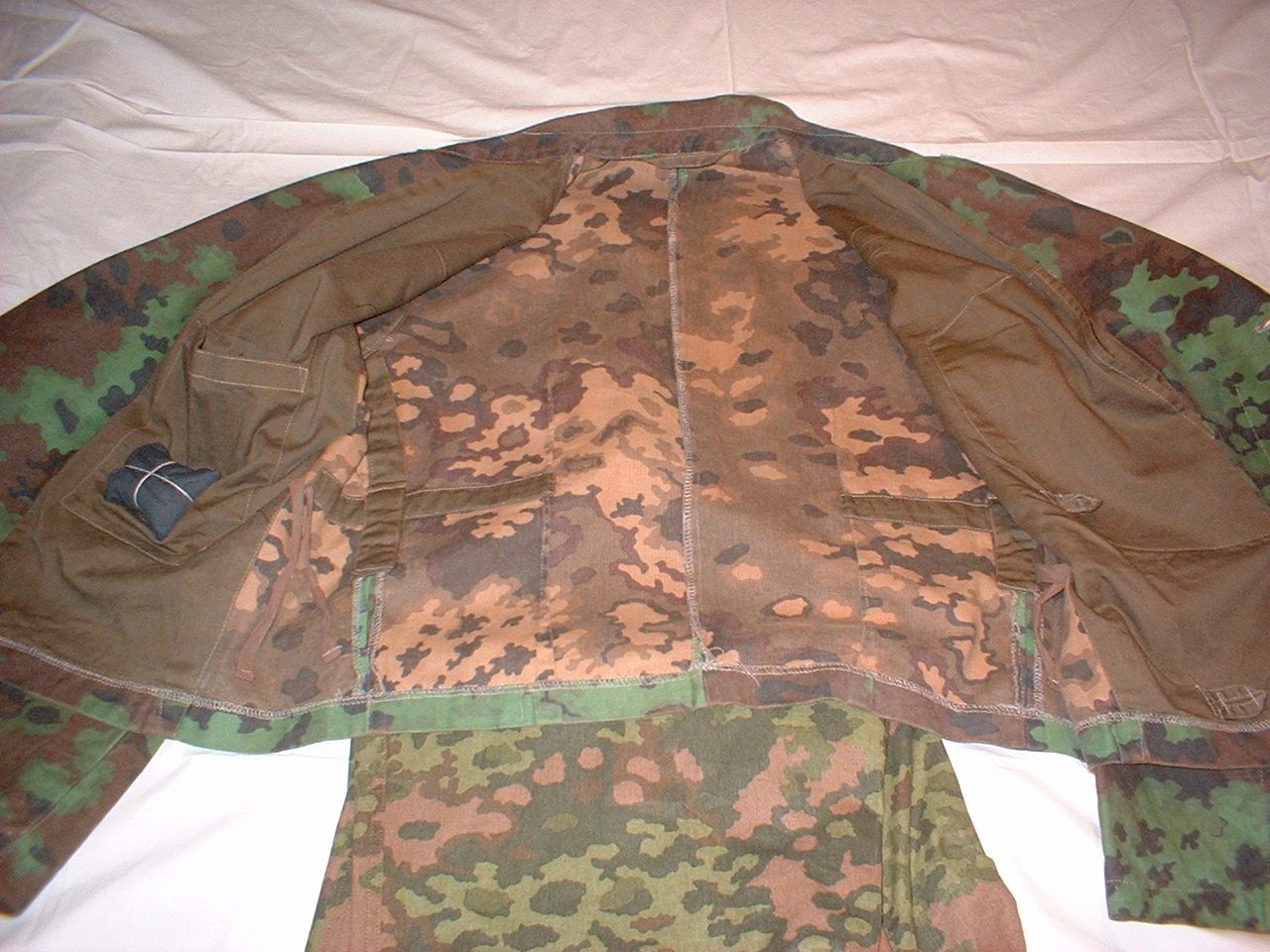
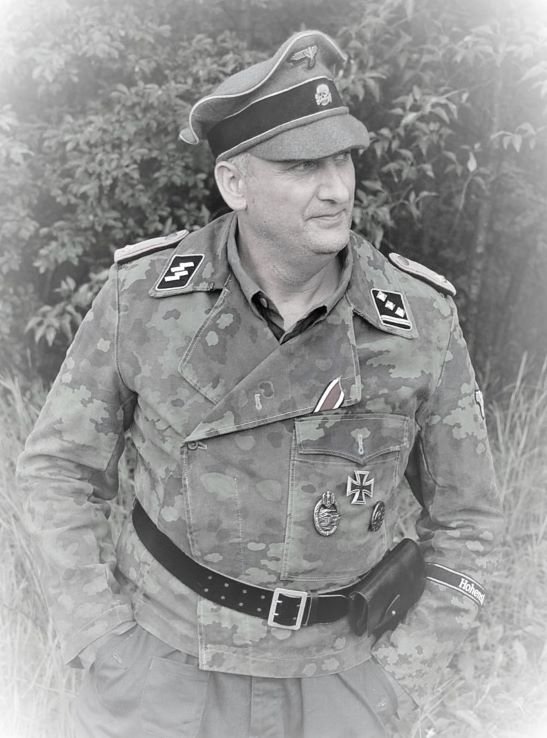


Panzer-Leutnant, SS-Panzer-Division ‘Hohenstaufen’:
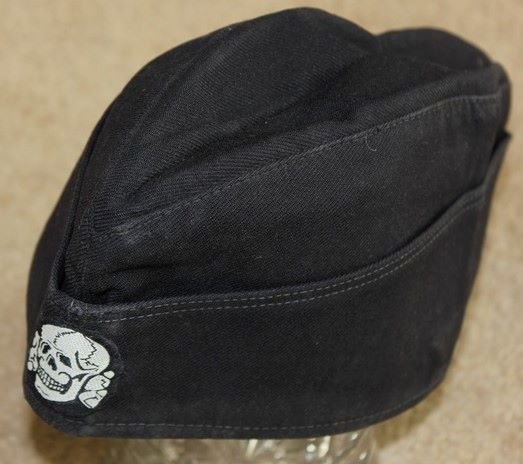
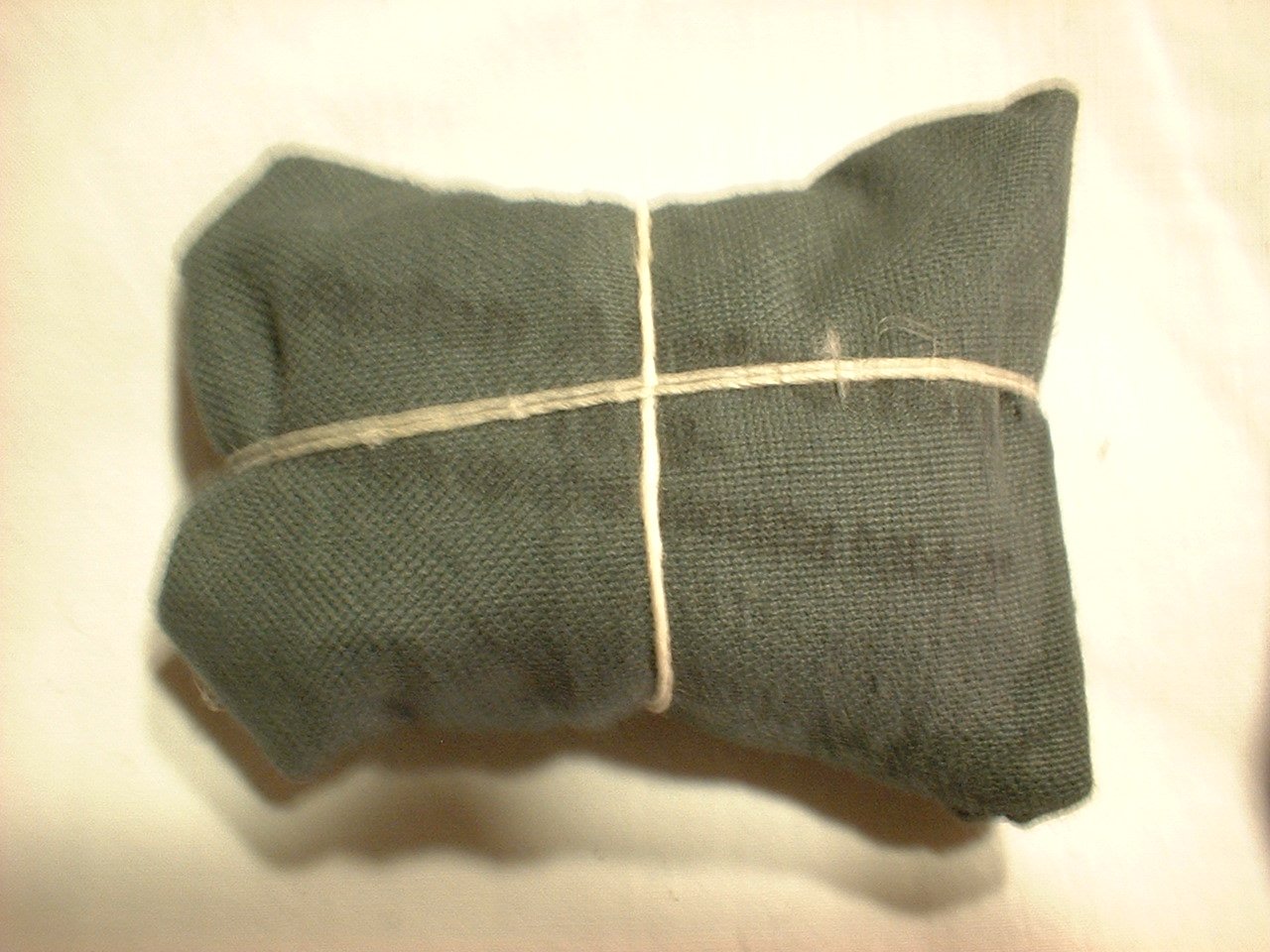
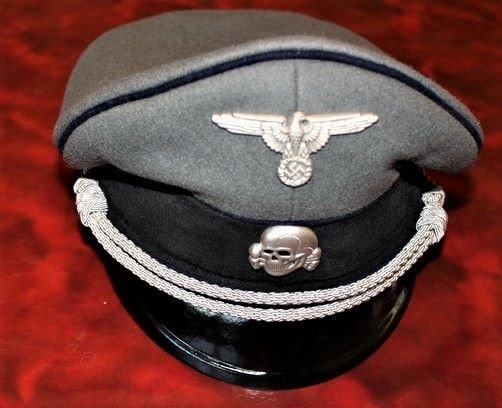
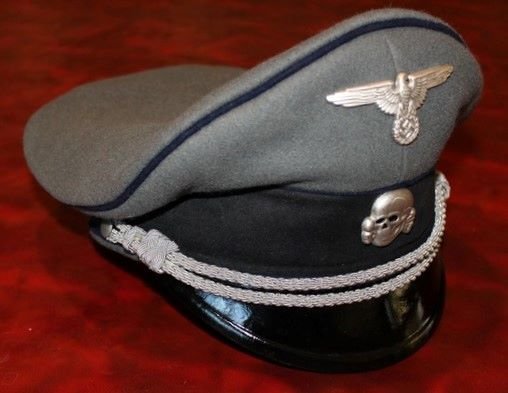
This one wins the goofyest hat award. I have misplaced the story, though; I’ll have to see if I stuck it in the pocket of the uniform. I’ll have to dig it out of storage one day and look.
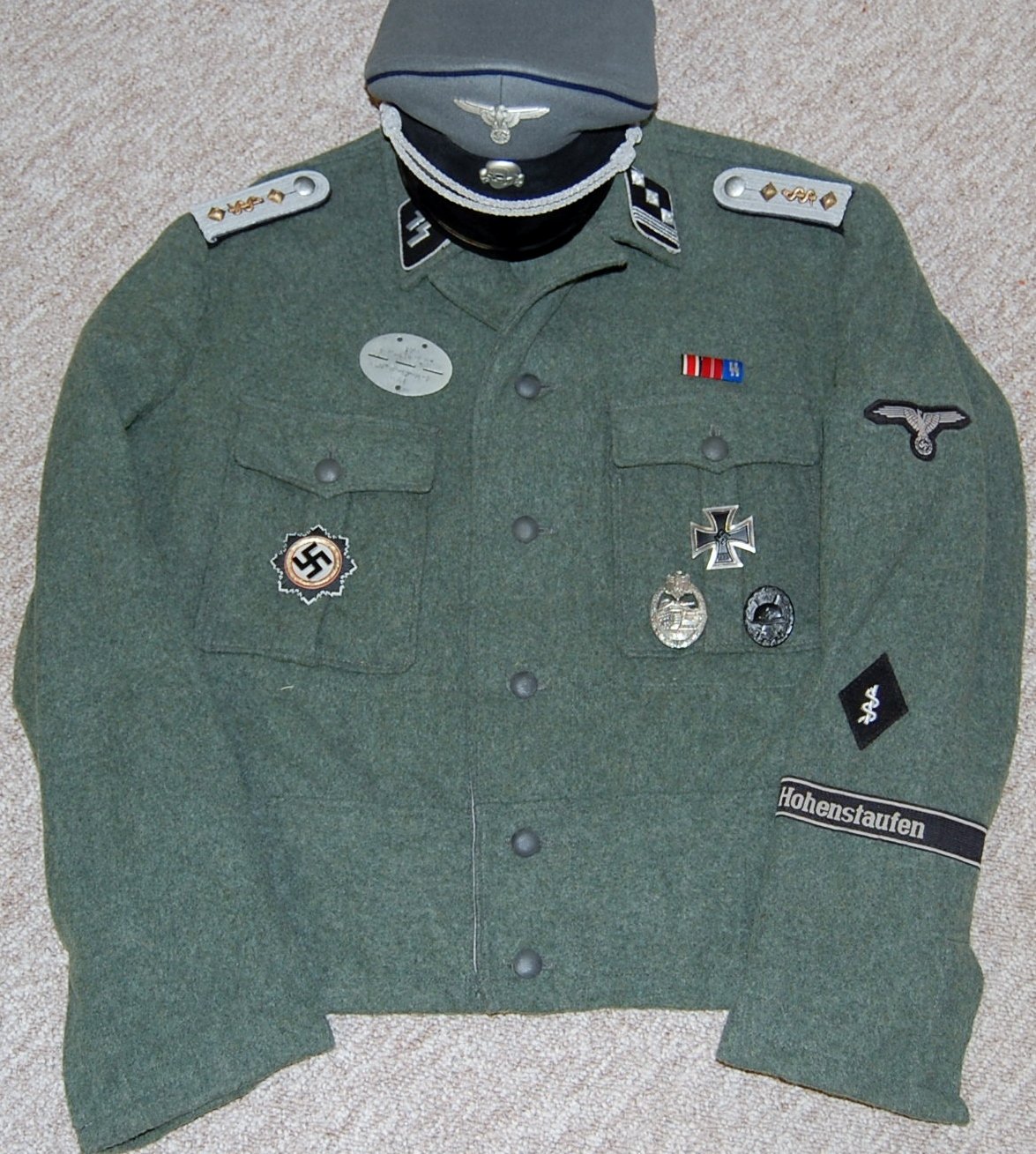
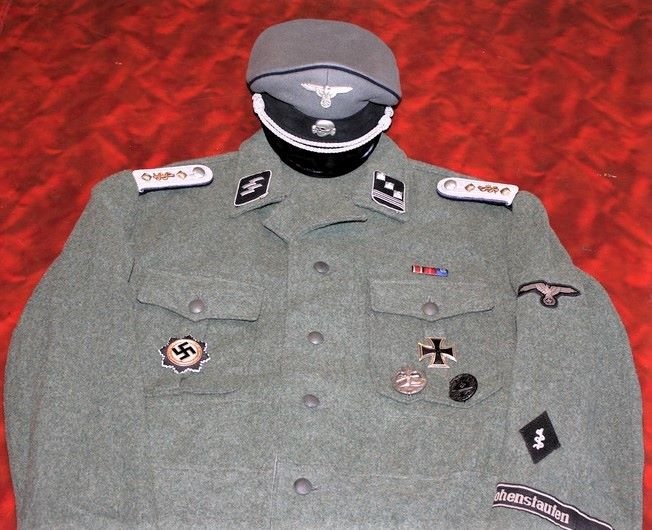
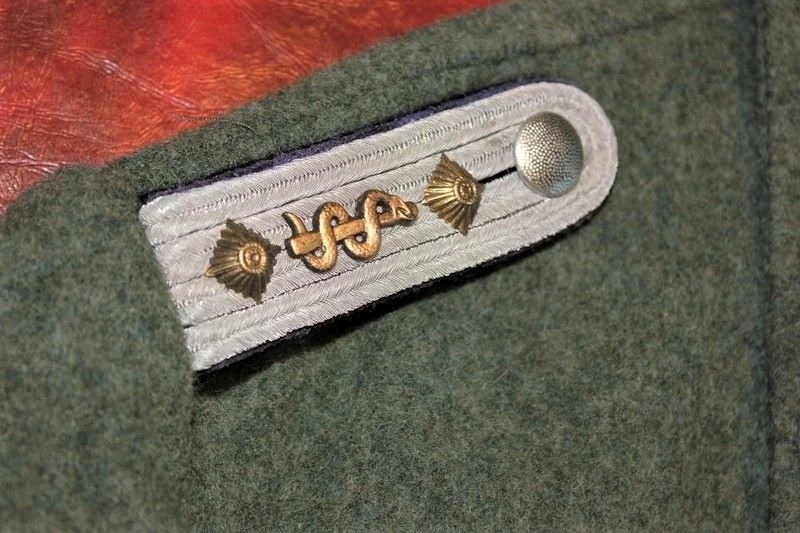
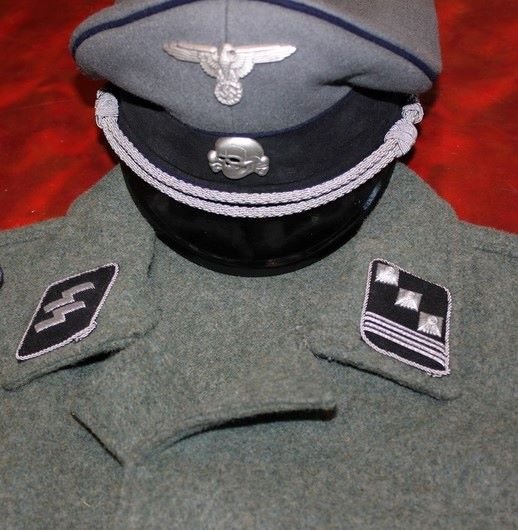
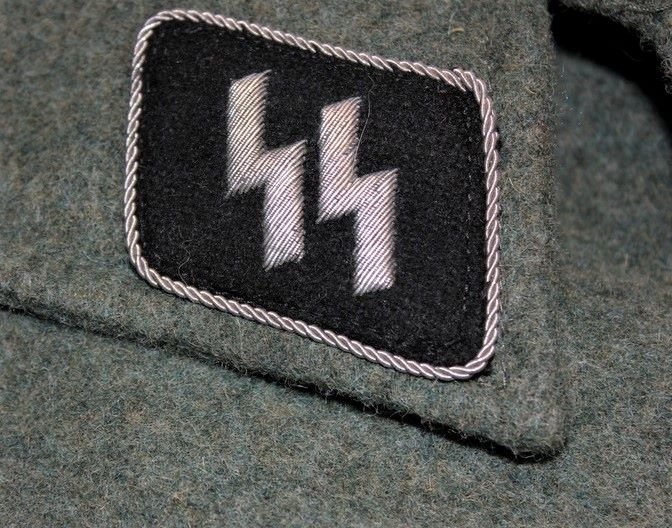
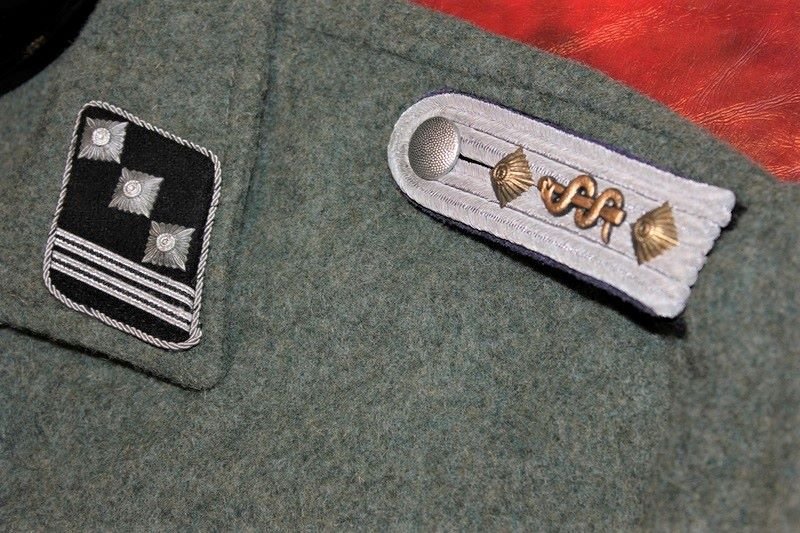
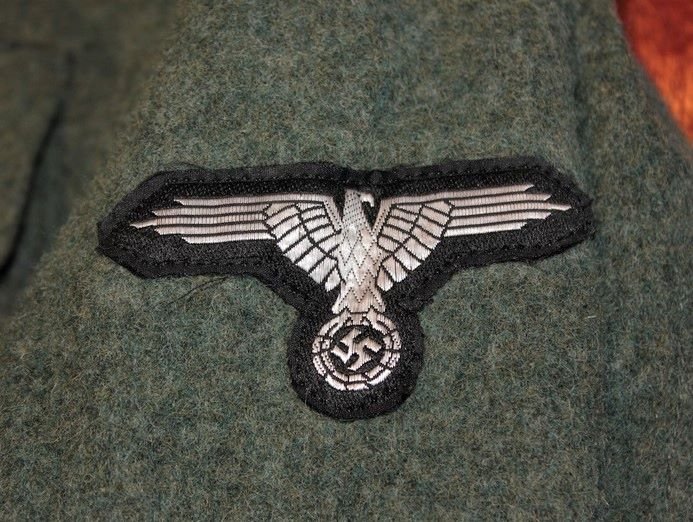
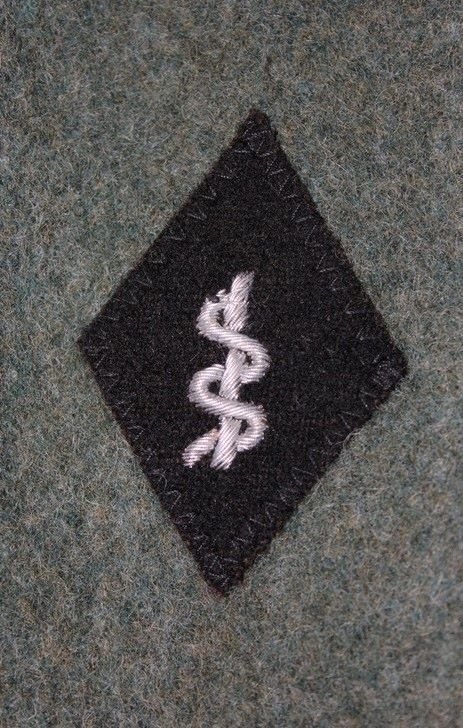
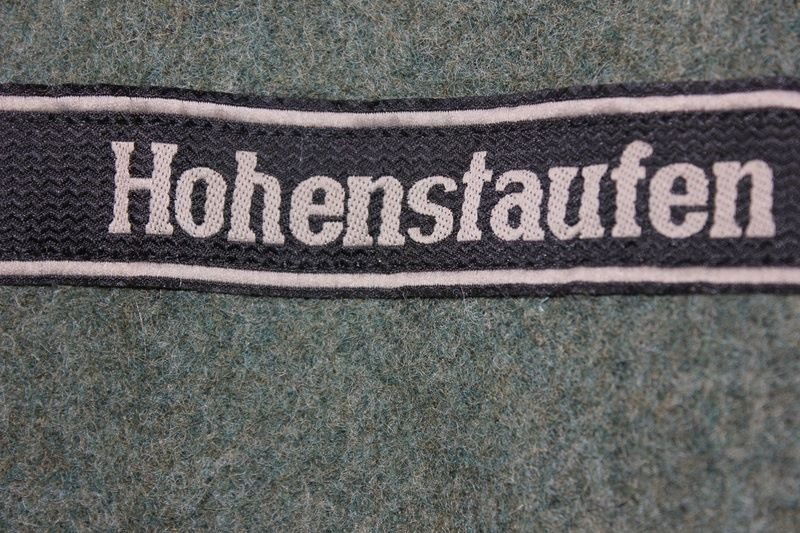
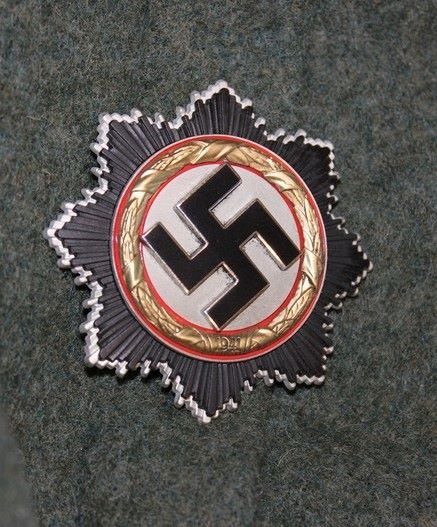
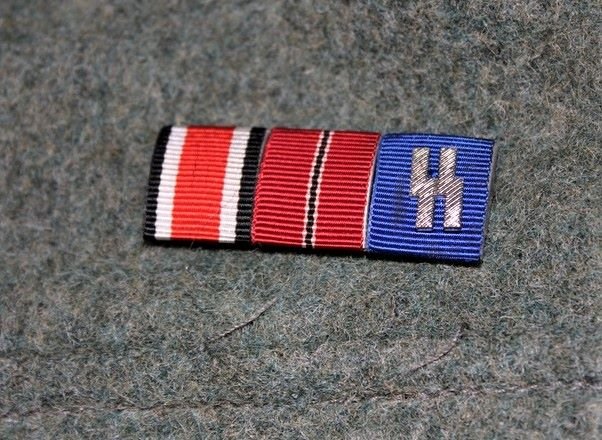
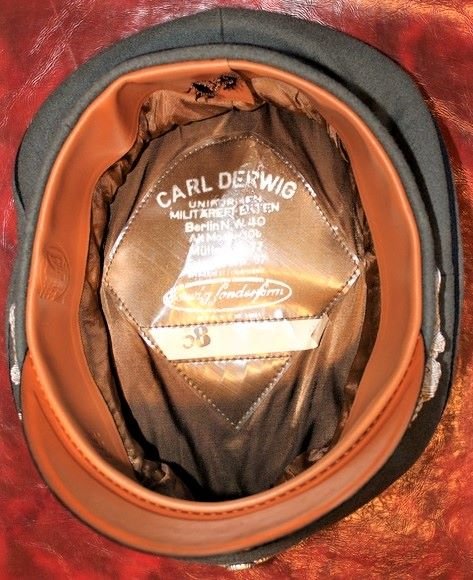
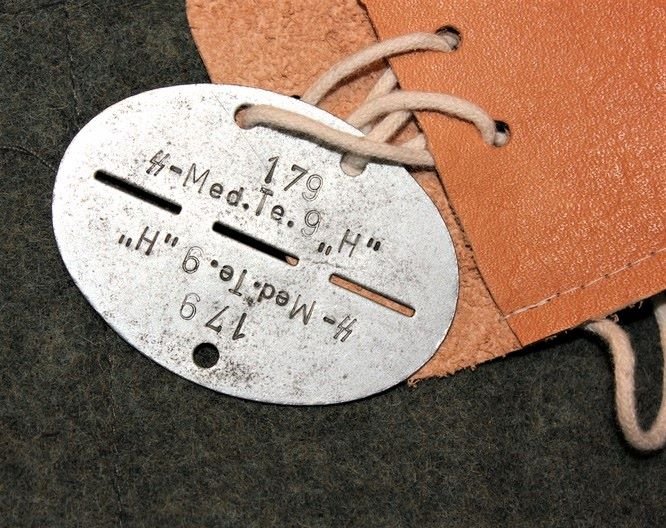
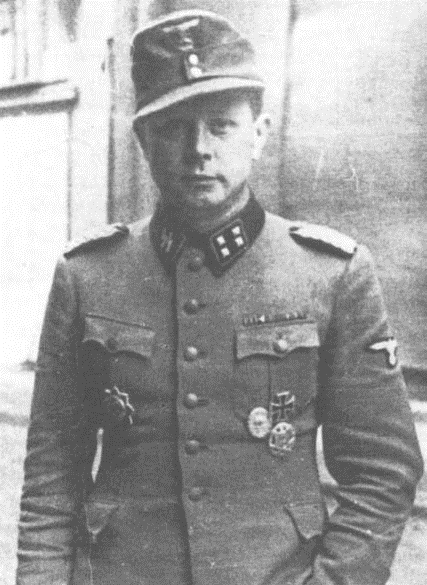
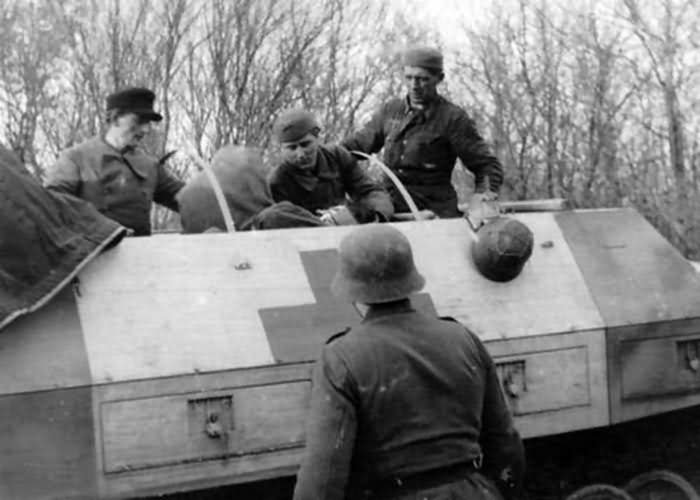

Oberleutnant, Medical Unit, „Hohenstaufen“: