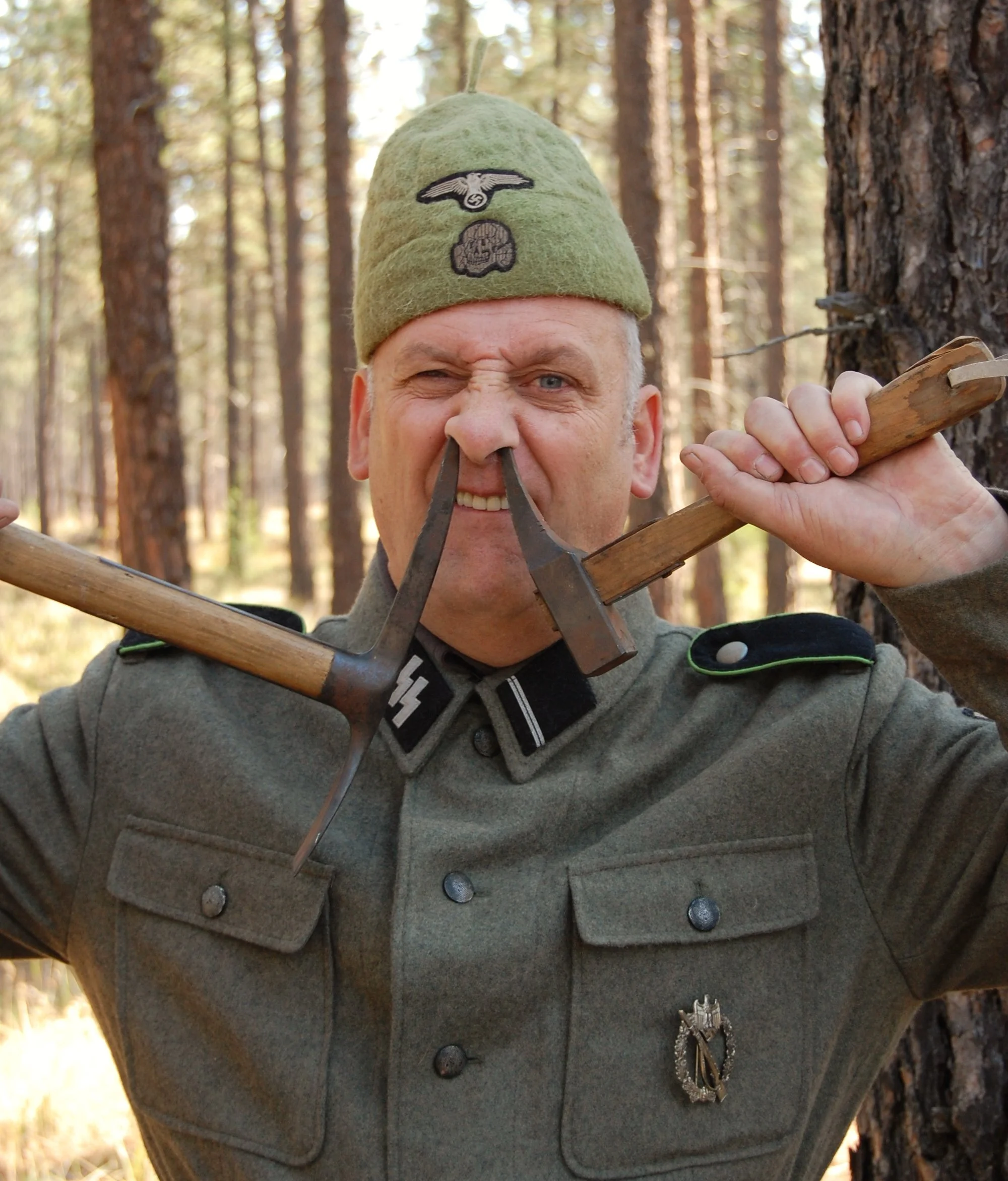
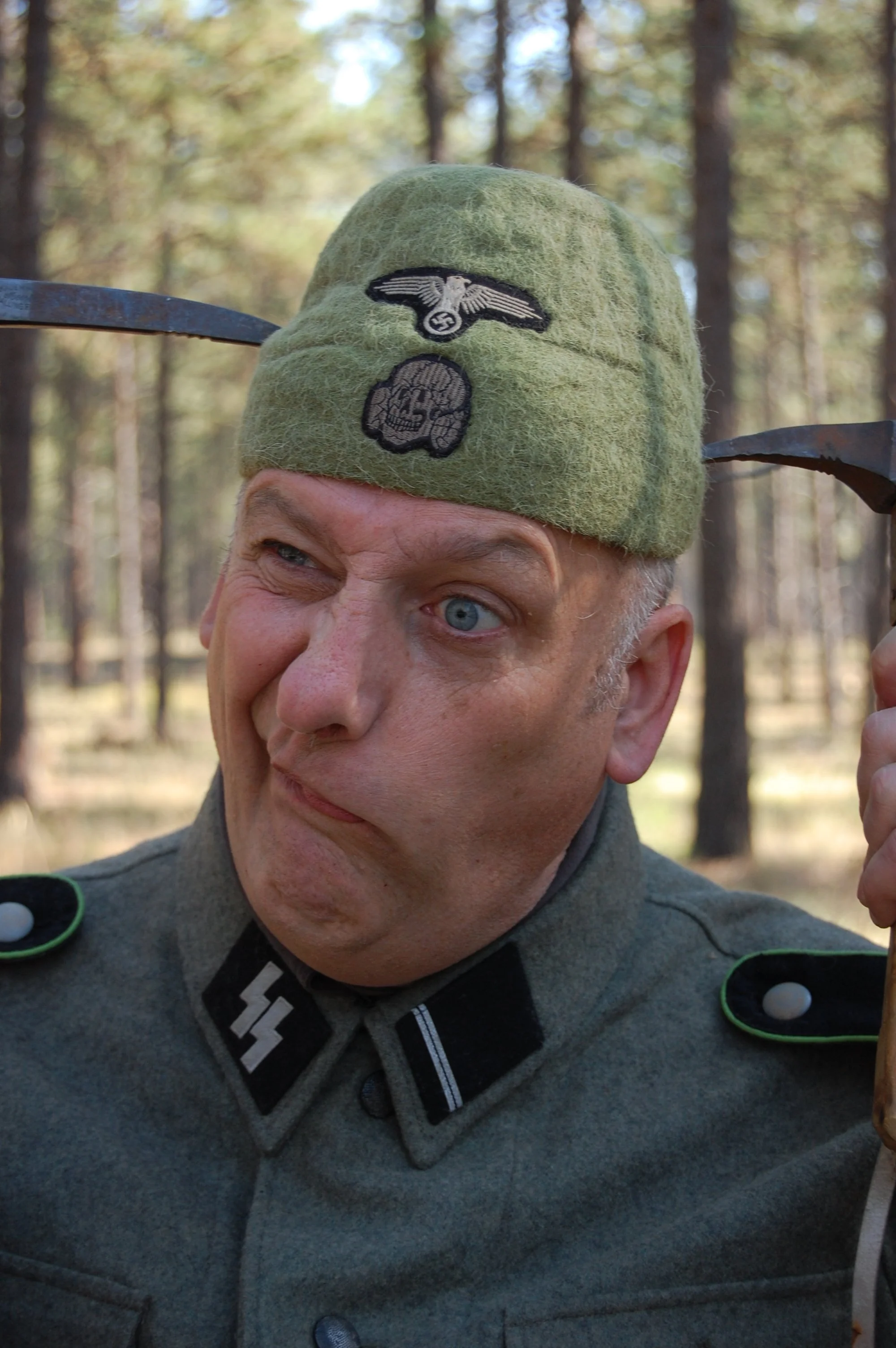
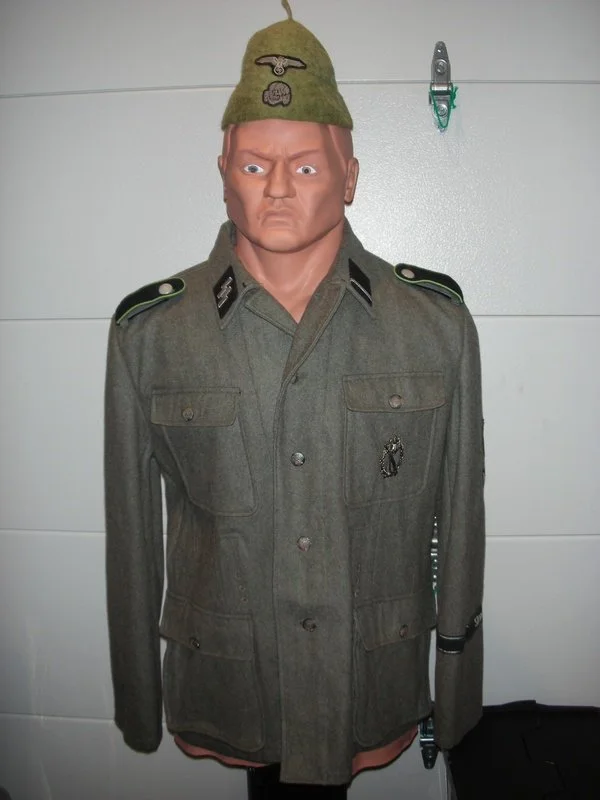
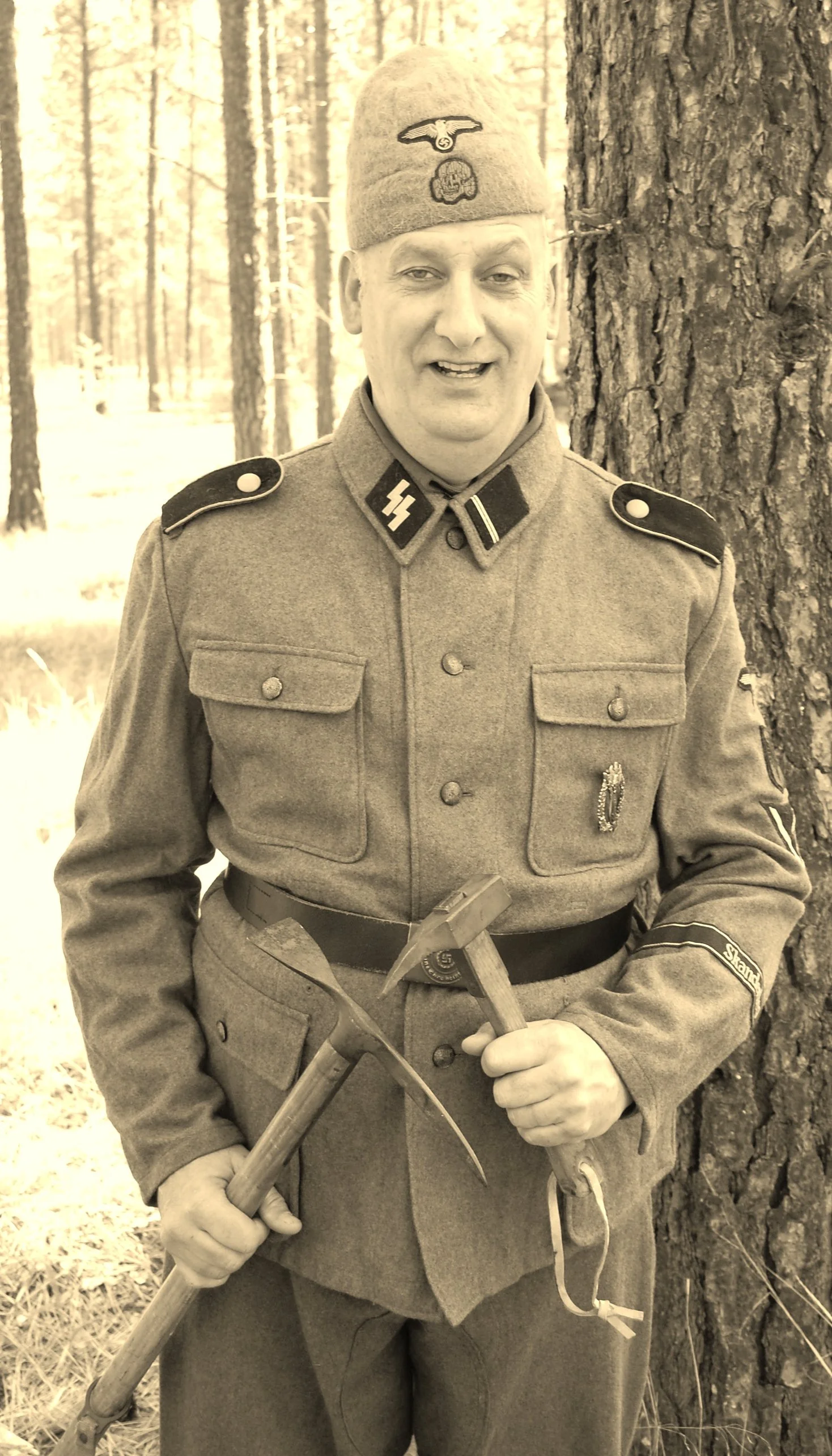
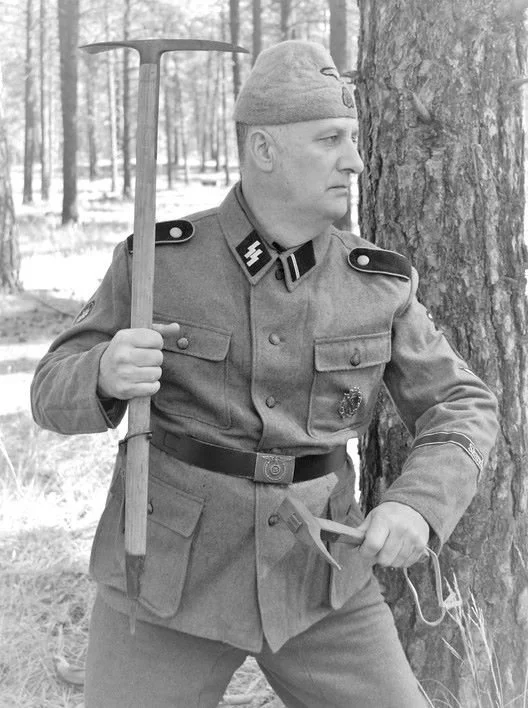
SS-Unterscharführer, SS-Gebirgsjäger Regiment, “Michael Gaissmair”:
The SS-Gebirgsjäger Regiment 12 "Michael Gaißmair" was formed at Brünn, Bohemia-Moravia, on the 12th of September 1939. Originally, as SS-Totenkopf-Standarte 7, it was a garrison unit intended for use in an occupied region. On April 27, 1940, the unit was transferred to Drammen, Norway, and re-titled in the process to SS-Infanterie Rgt 7 (motorized) on February 27, 1941. They removed the "death’s head" insignias on their collars and changed to SS runic patches following its new role as line infantry (This is the period this uniform). In January of 1942, it changed again into a Gebirgsjäger Regiment, and on 22 October 1943, it was re-numbered SS-Gebirgsjäger Rgt 12. But it would not receive its name “Michael Gaißmair” until June 21, 1944. They had become a part of the Nord Division, and fought in Norway, Finland & Northern Russia, Denmark, and back to Western Germany, and then Austria, where their war ended in April 1945.
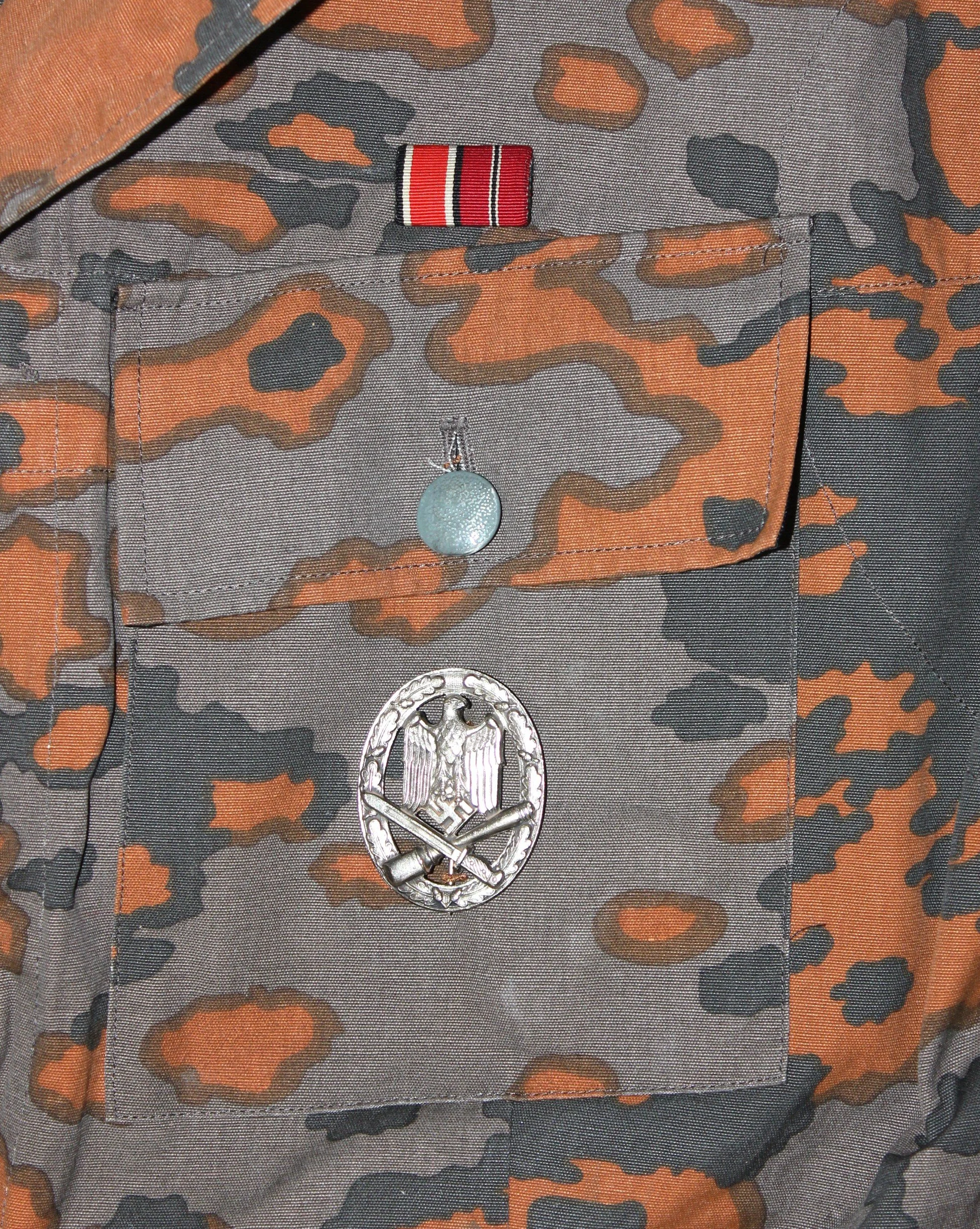
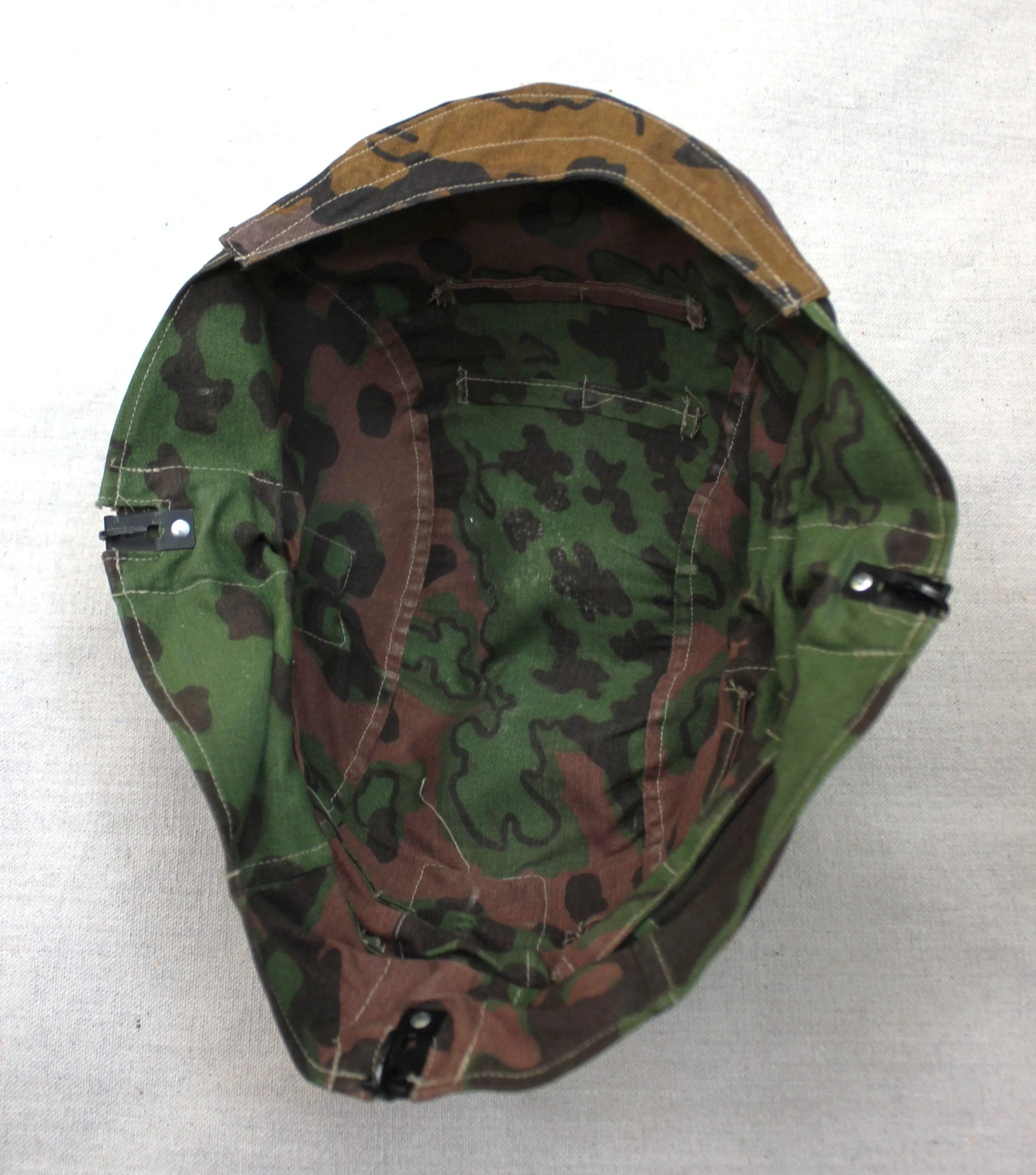
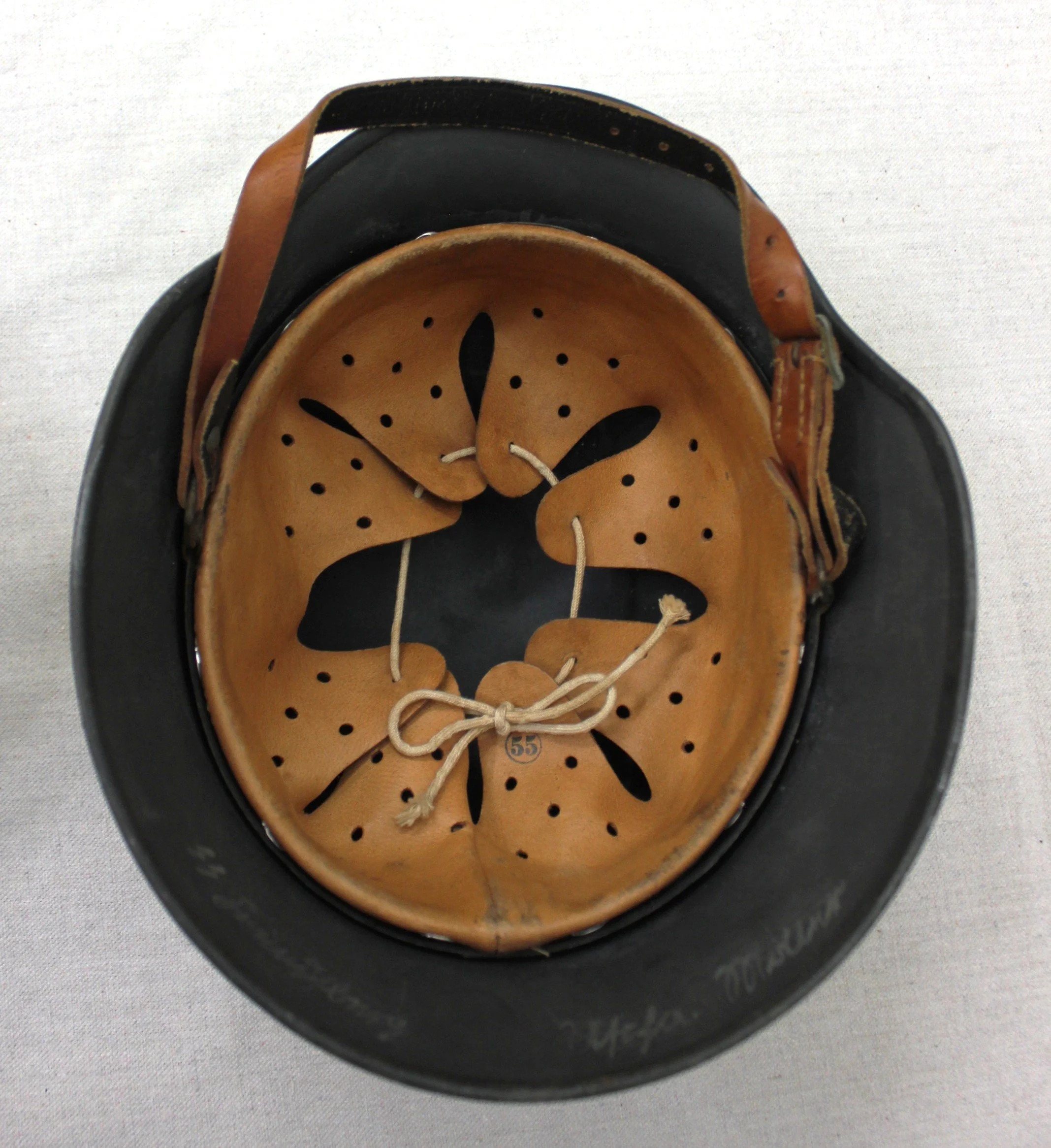
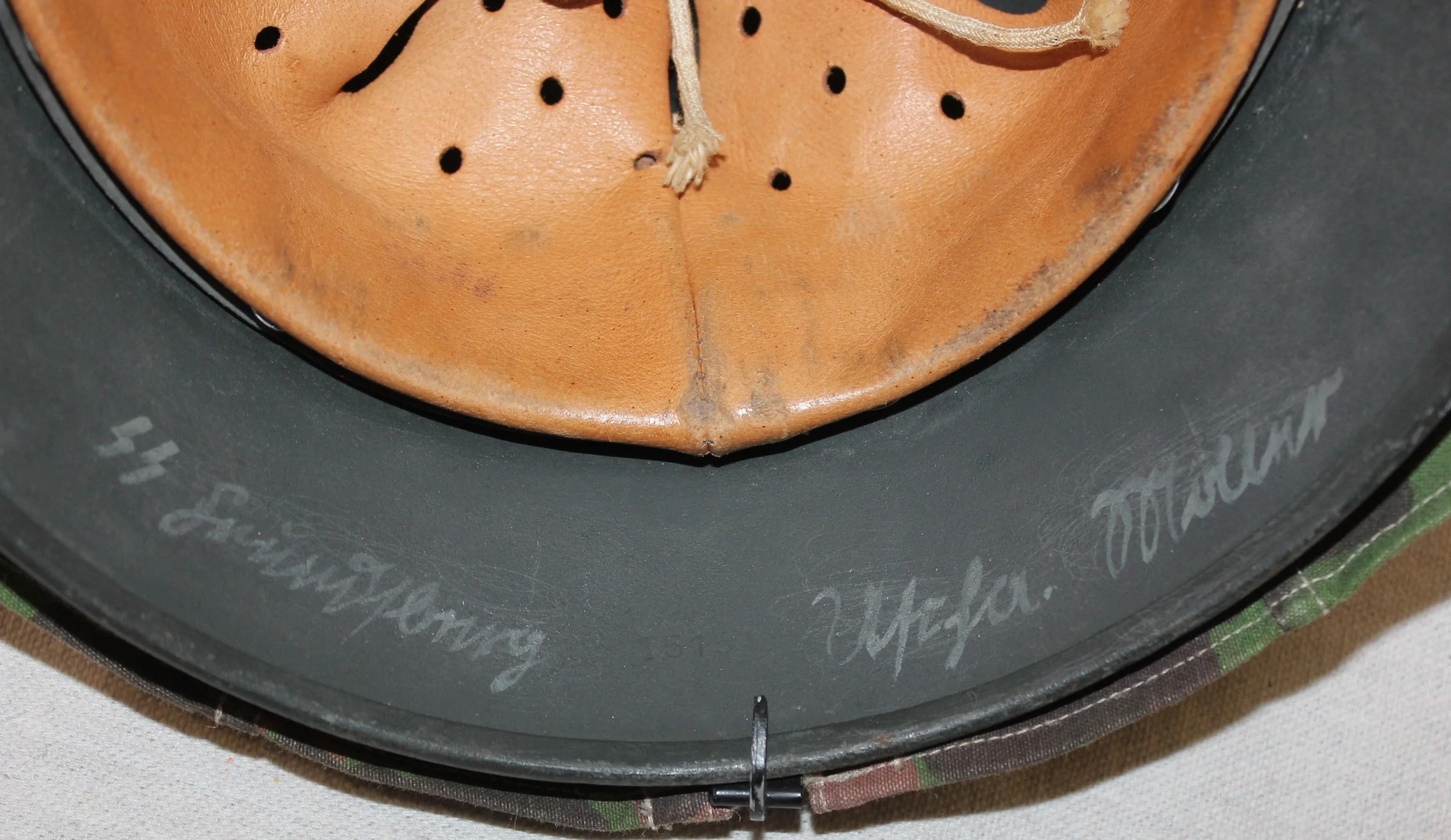
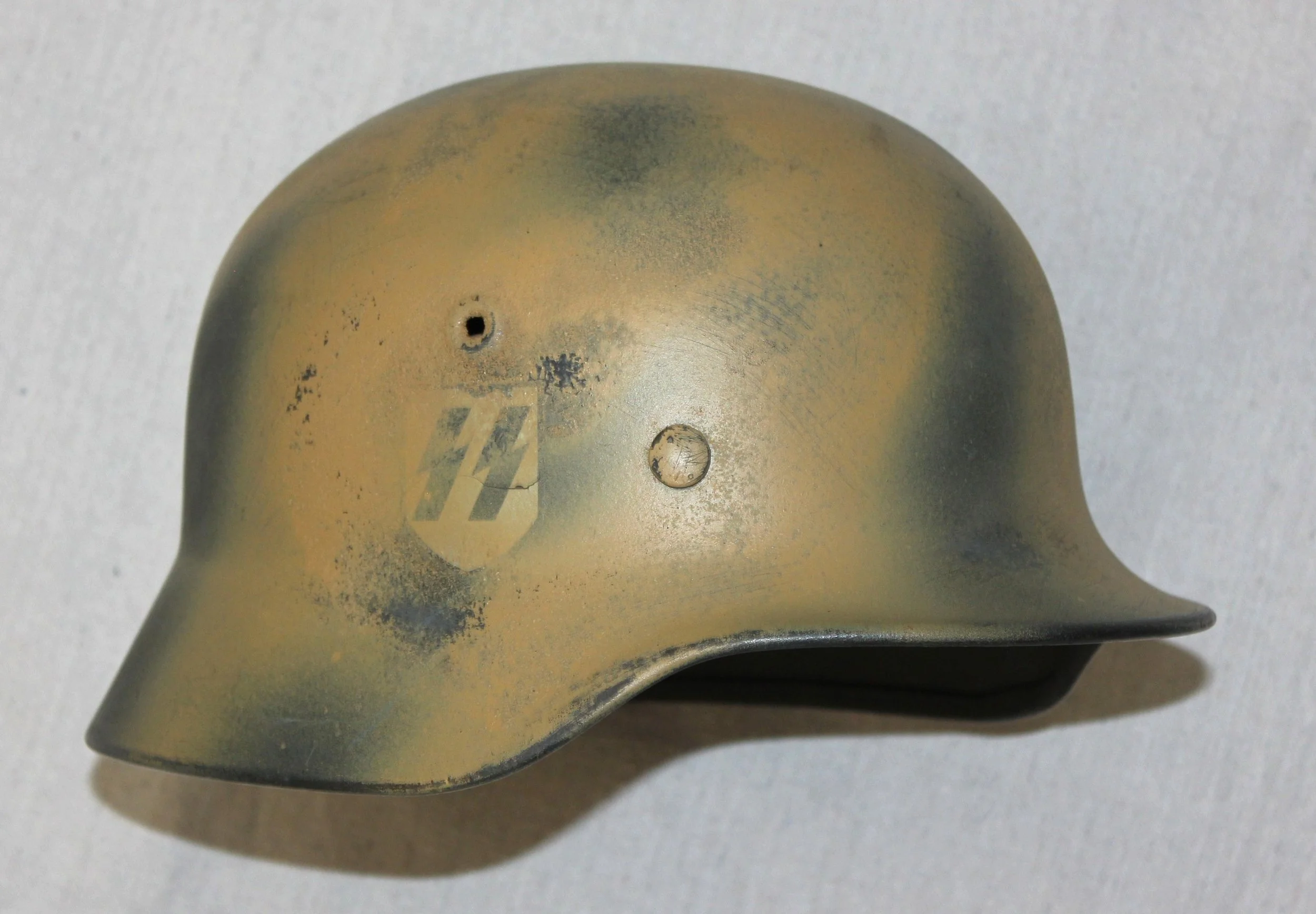
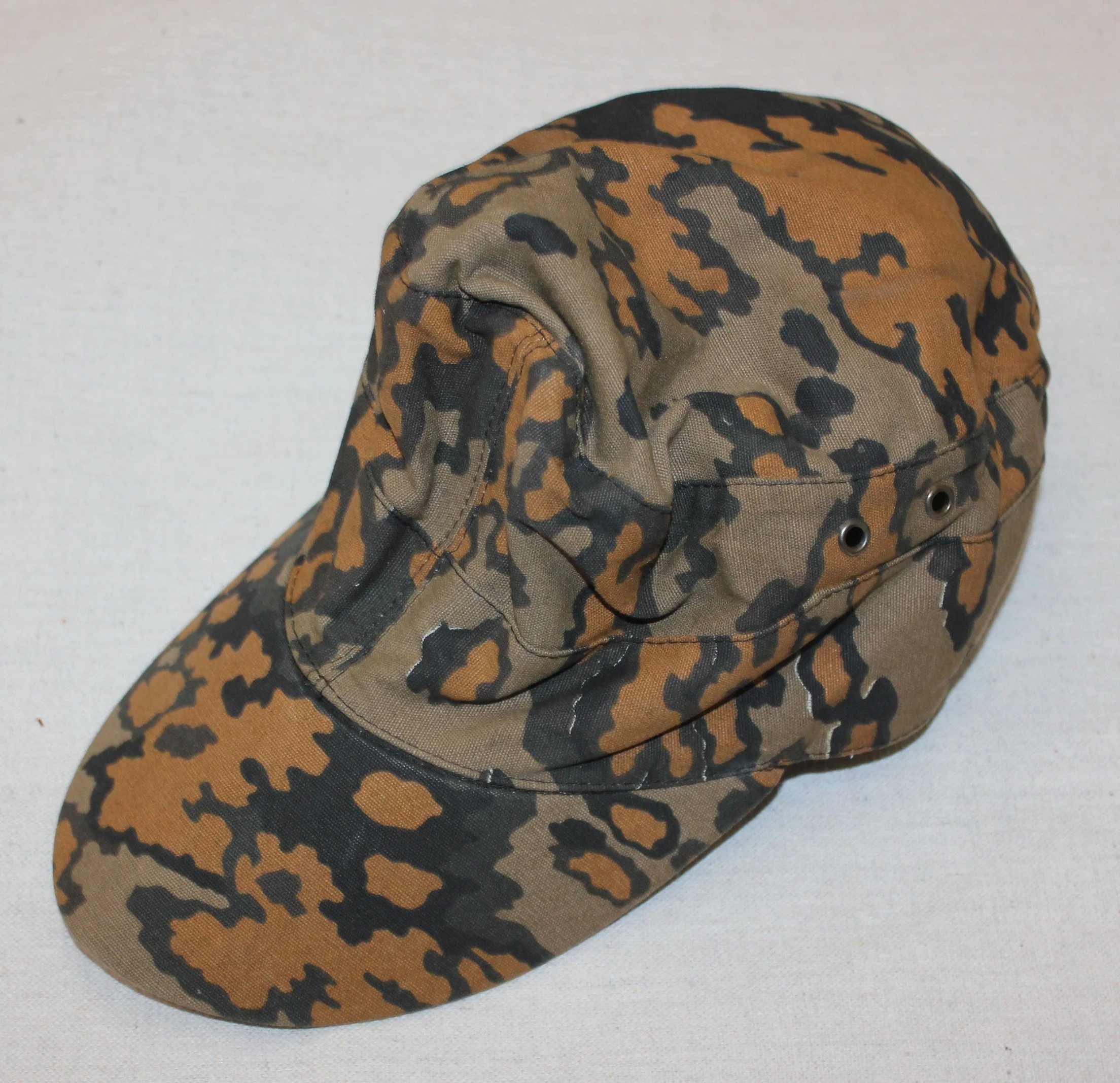
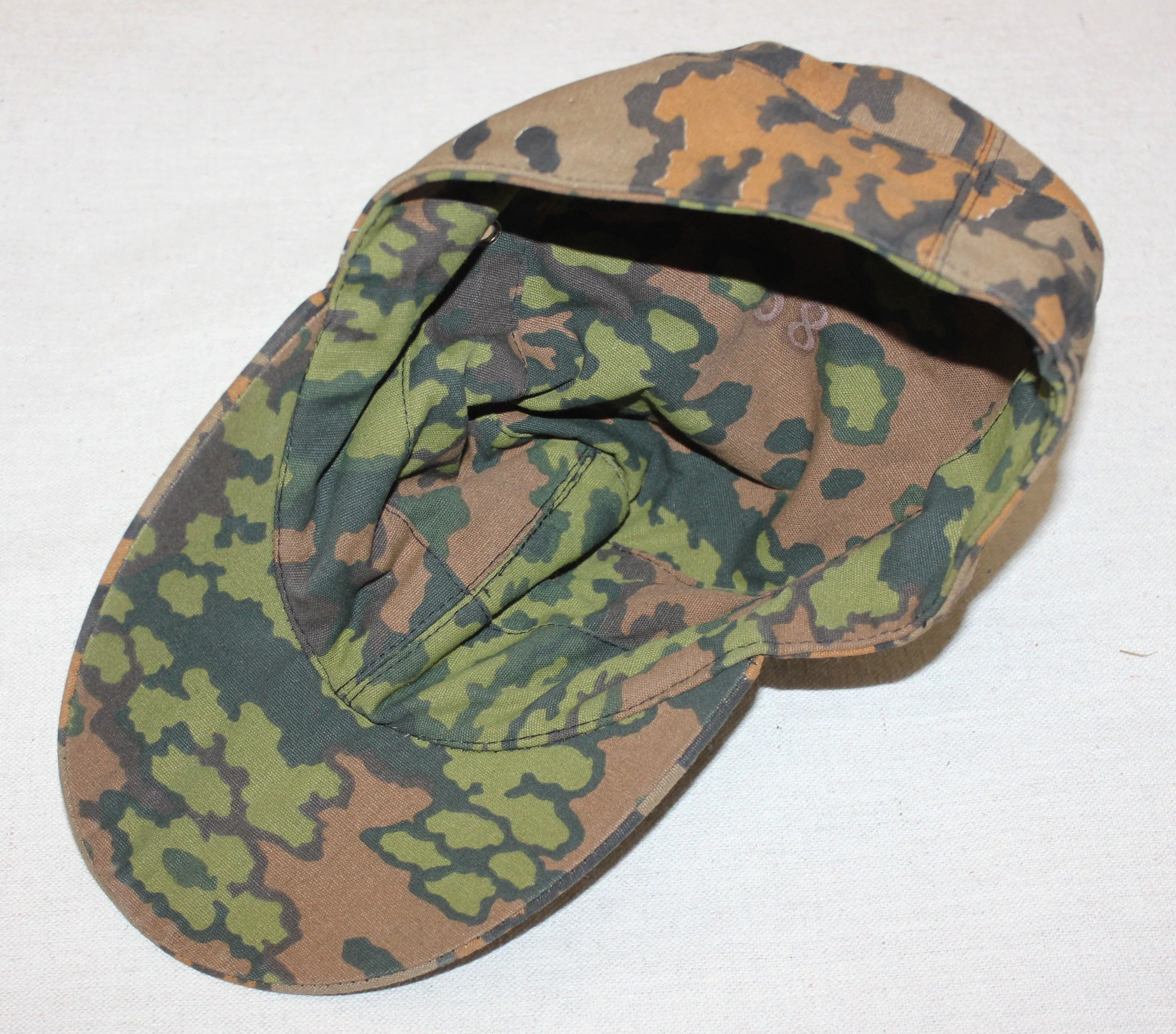
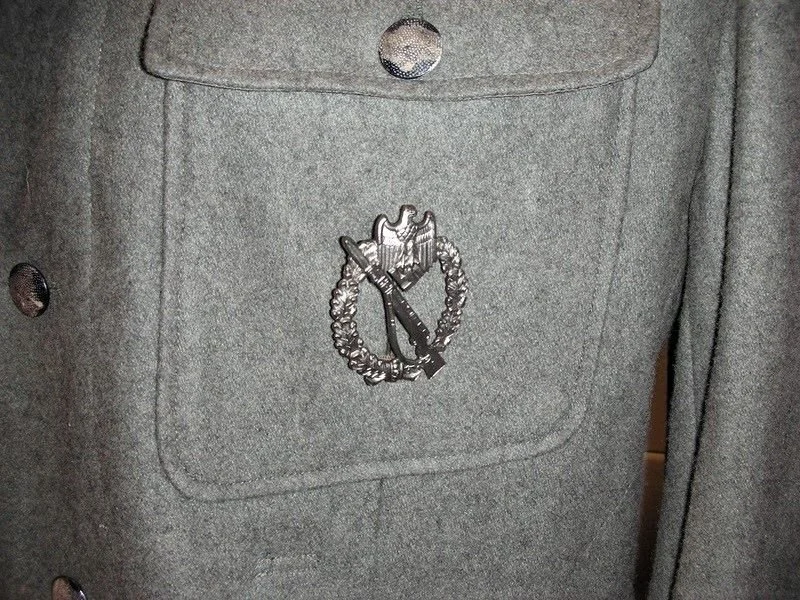
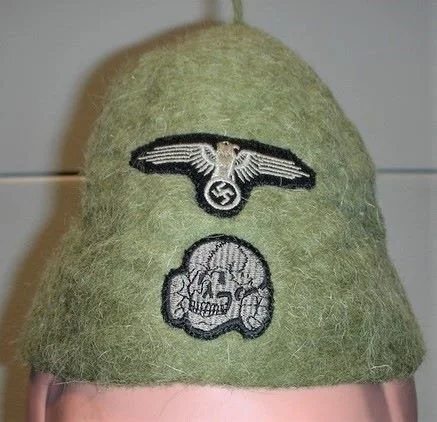
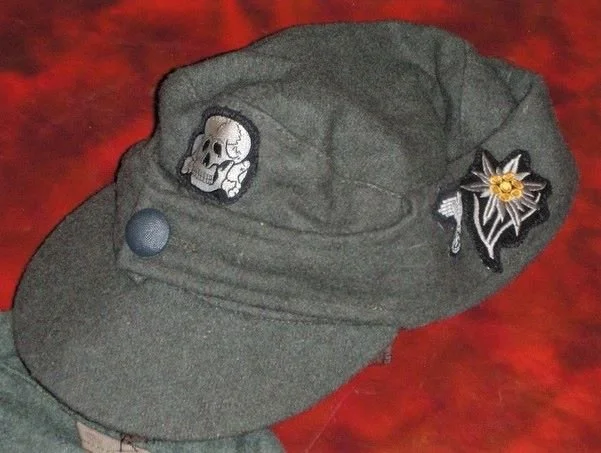
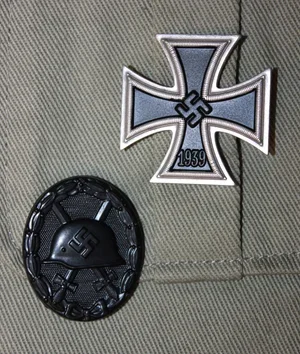
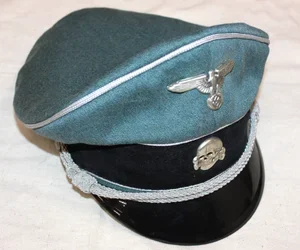
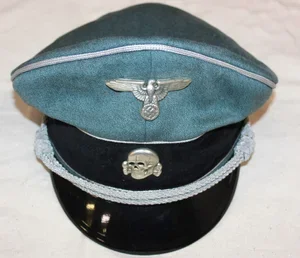
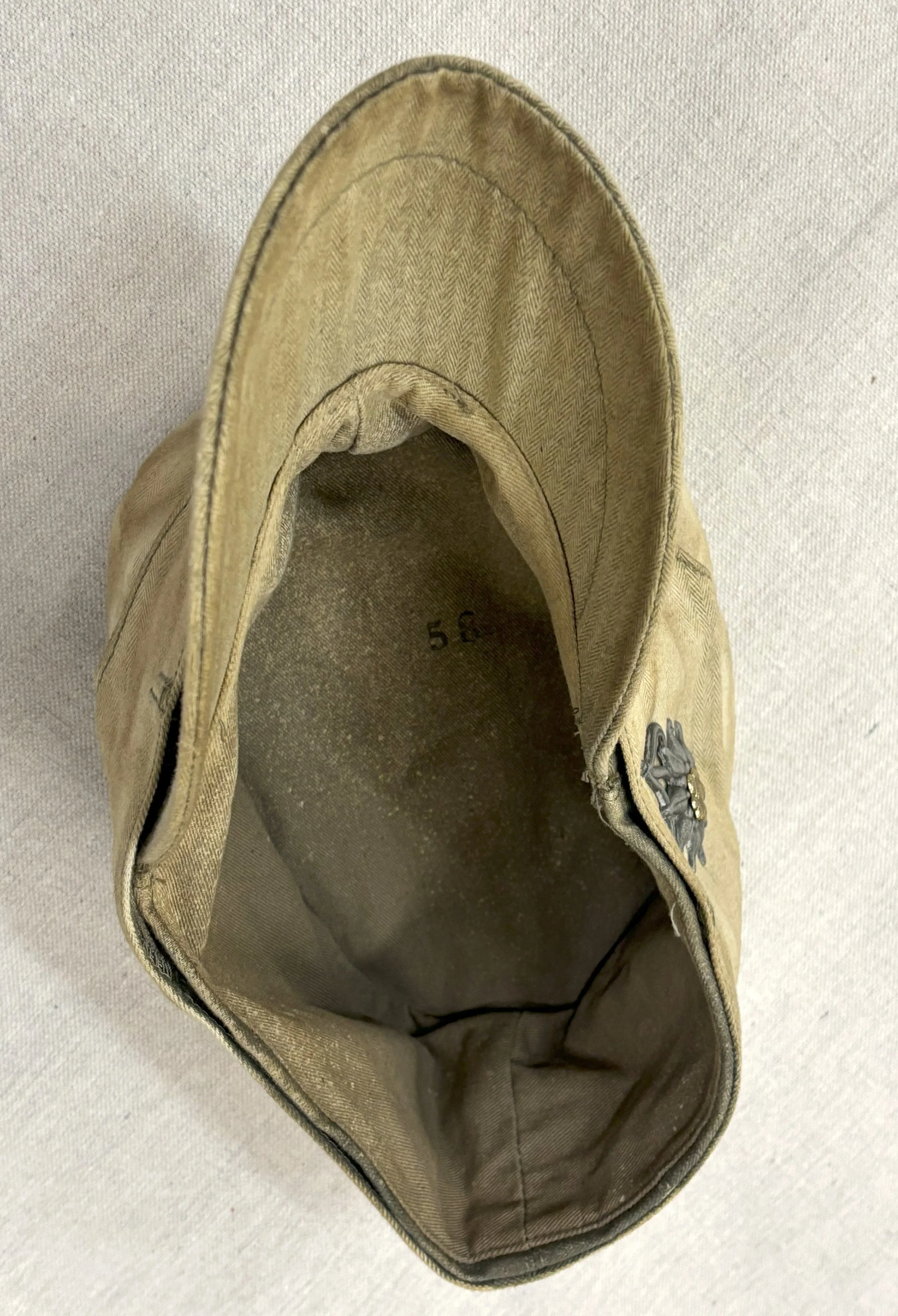
Note: The uniform would have been the common wear for the Gebirgsjäger, and carries the typical decorations earned in battle: the Iron Crosses, 2nd and 1st classes; the Infantry Assault Badge; and the 1942 Russia Winter Medal; and the first picture depicts the SS-Mountain Cap; the rest are the M43 and Helmet. I’m working with just pictures that served the years; I need more or better ones.


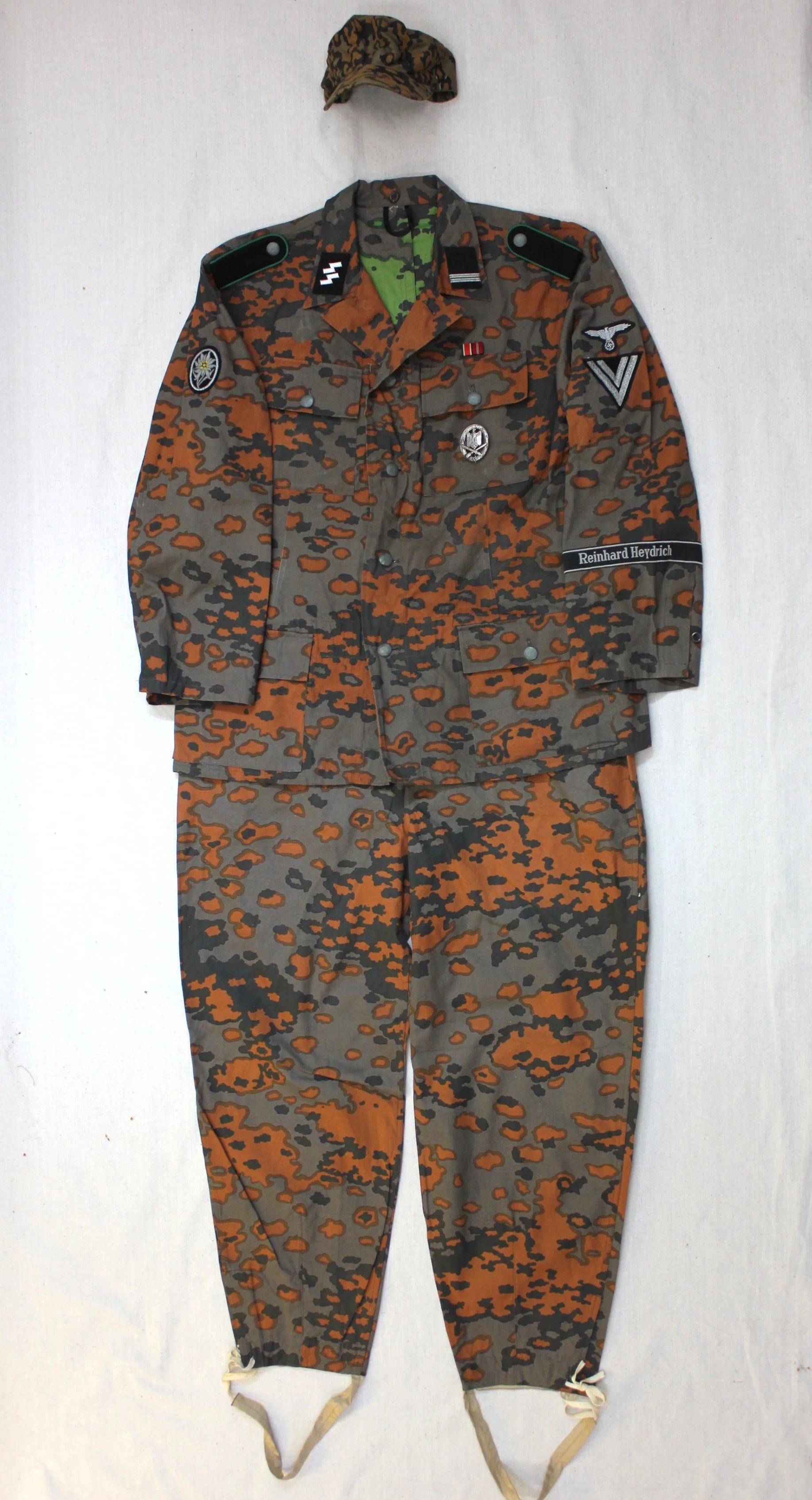
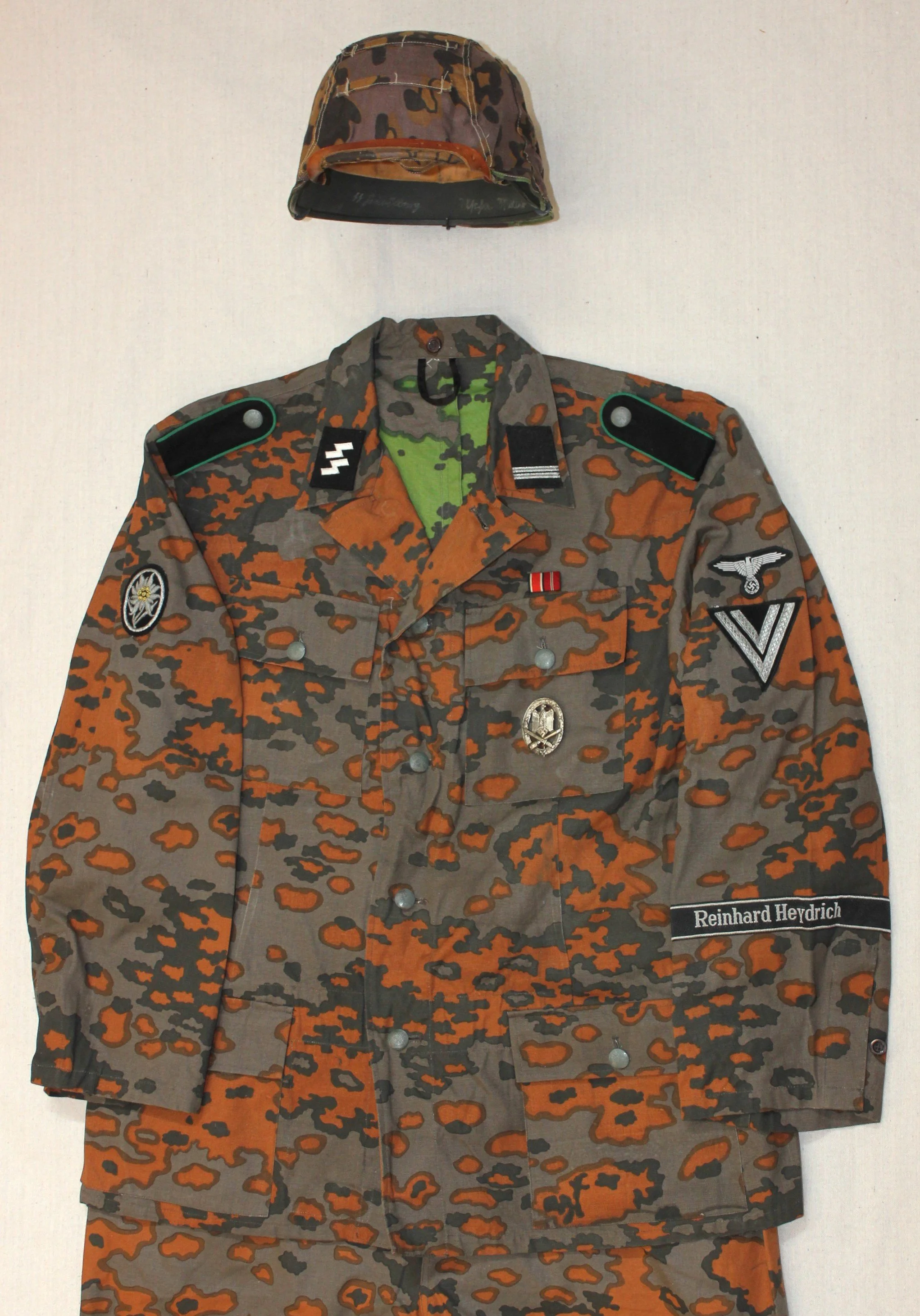
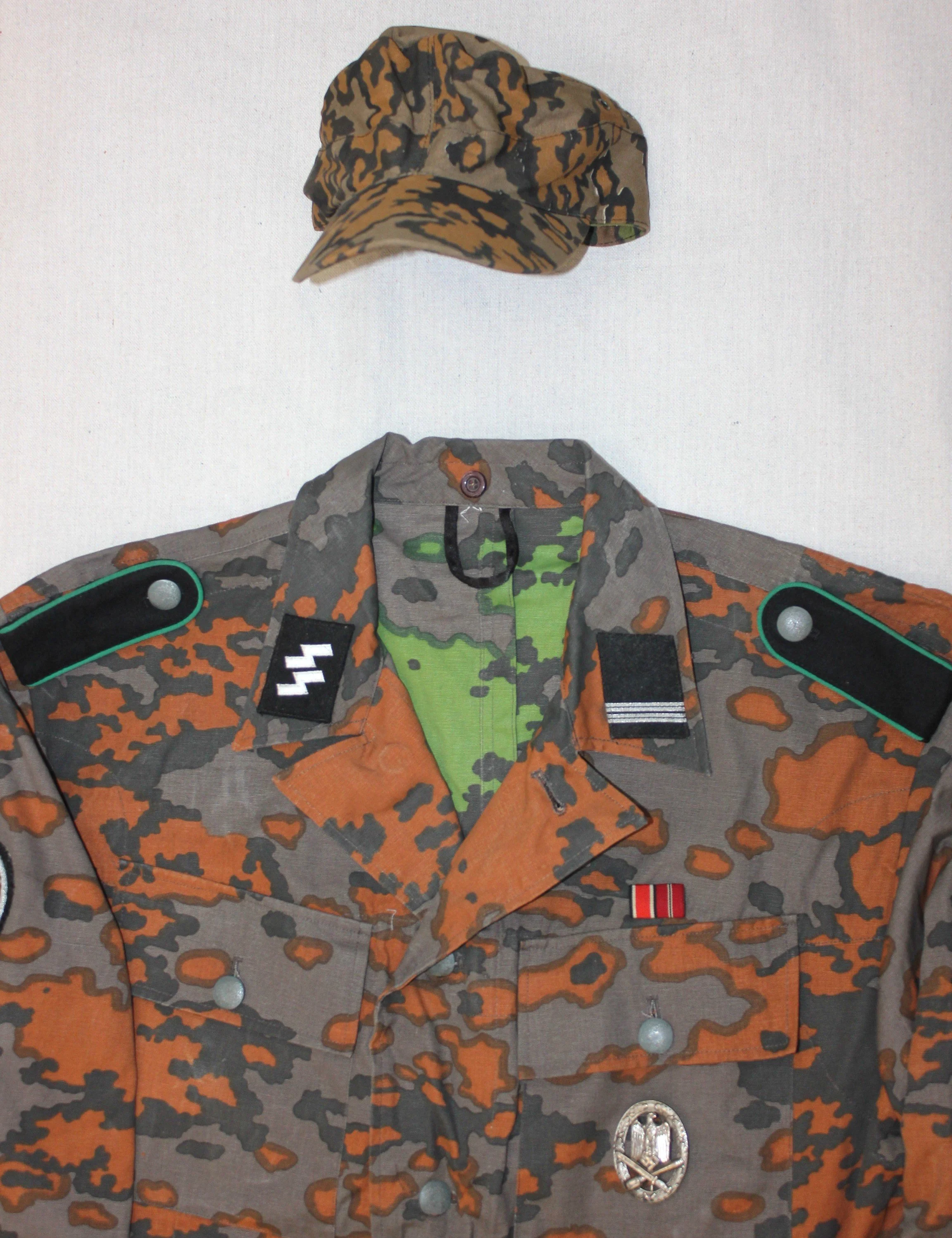

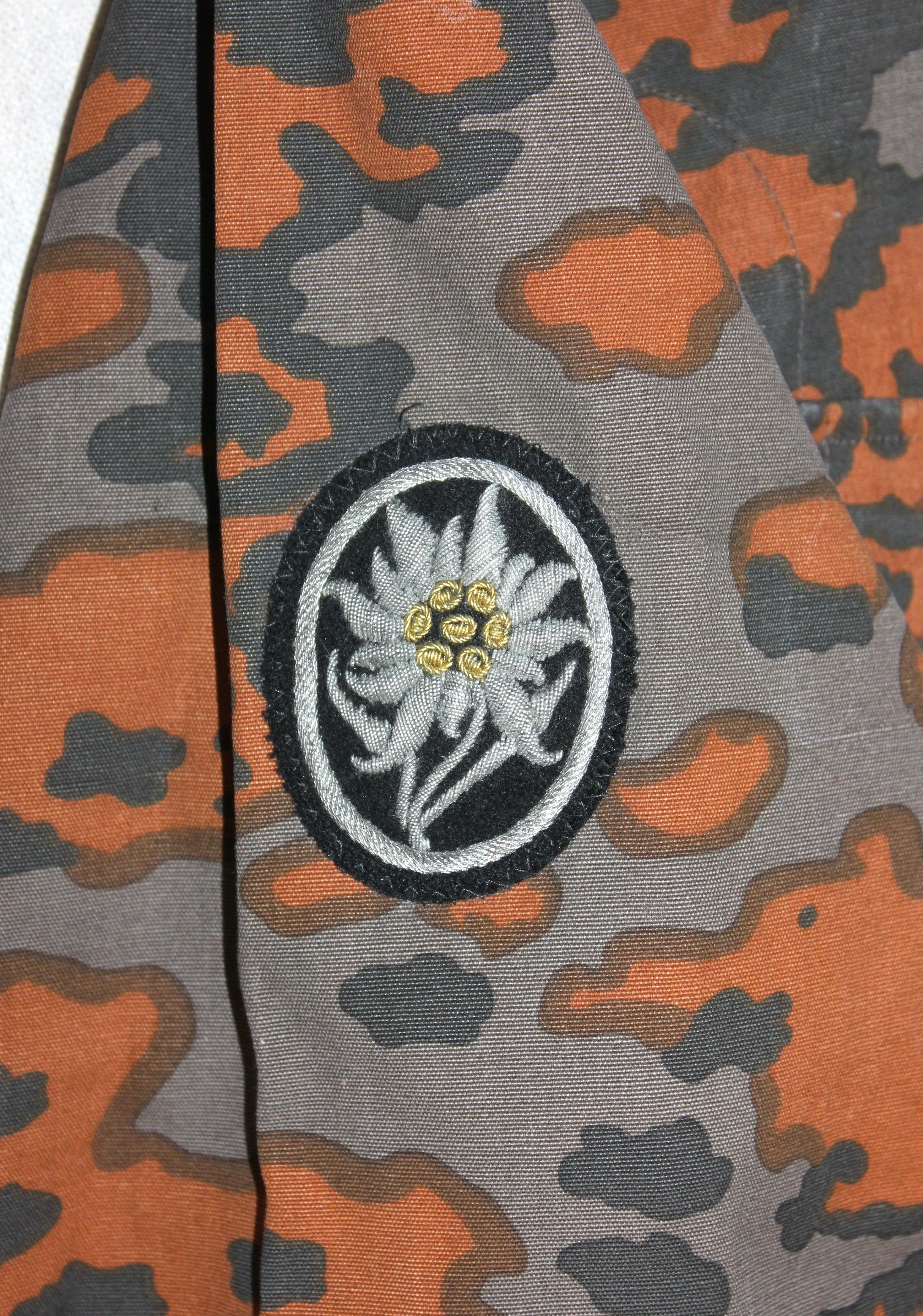
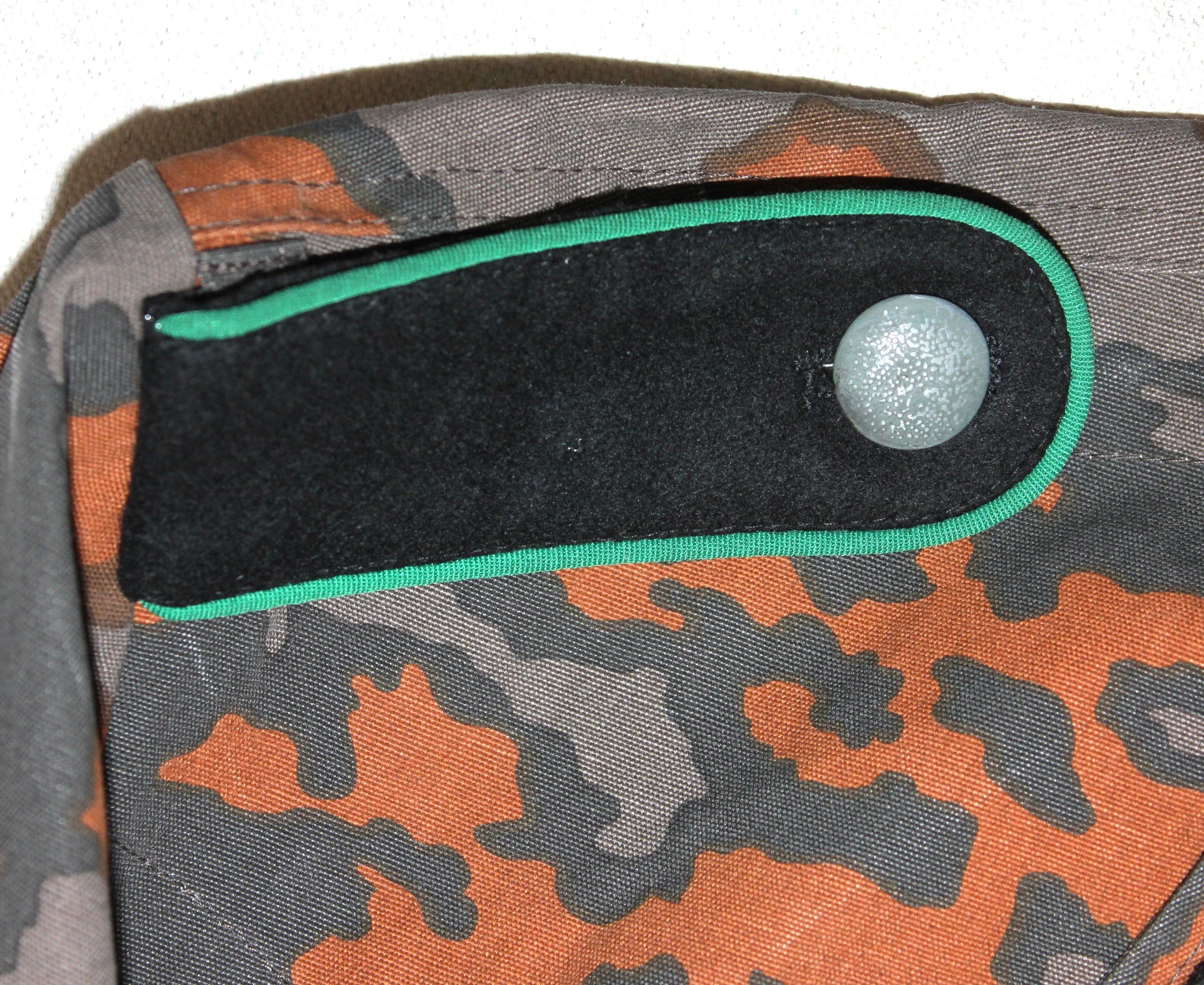

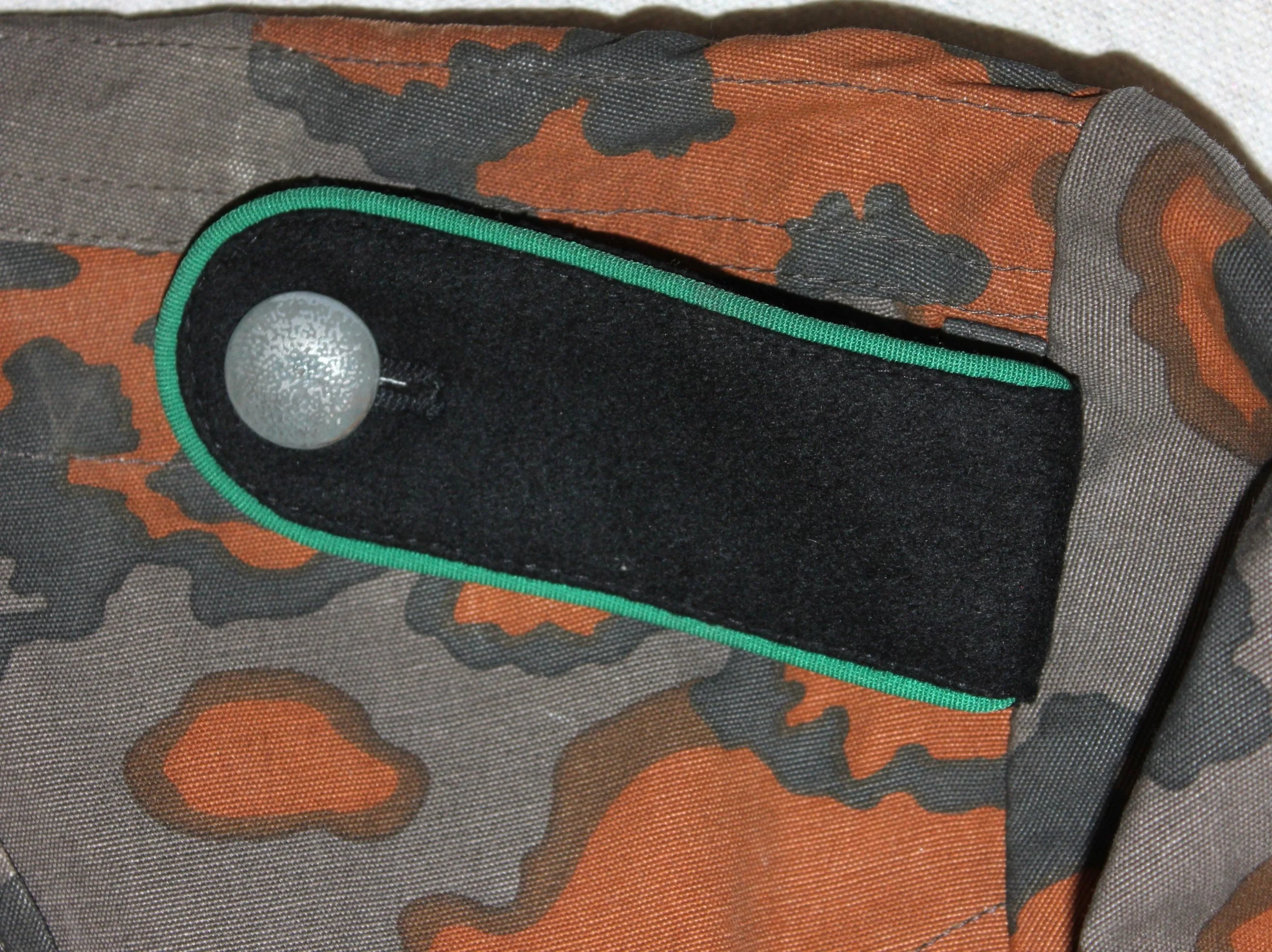
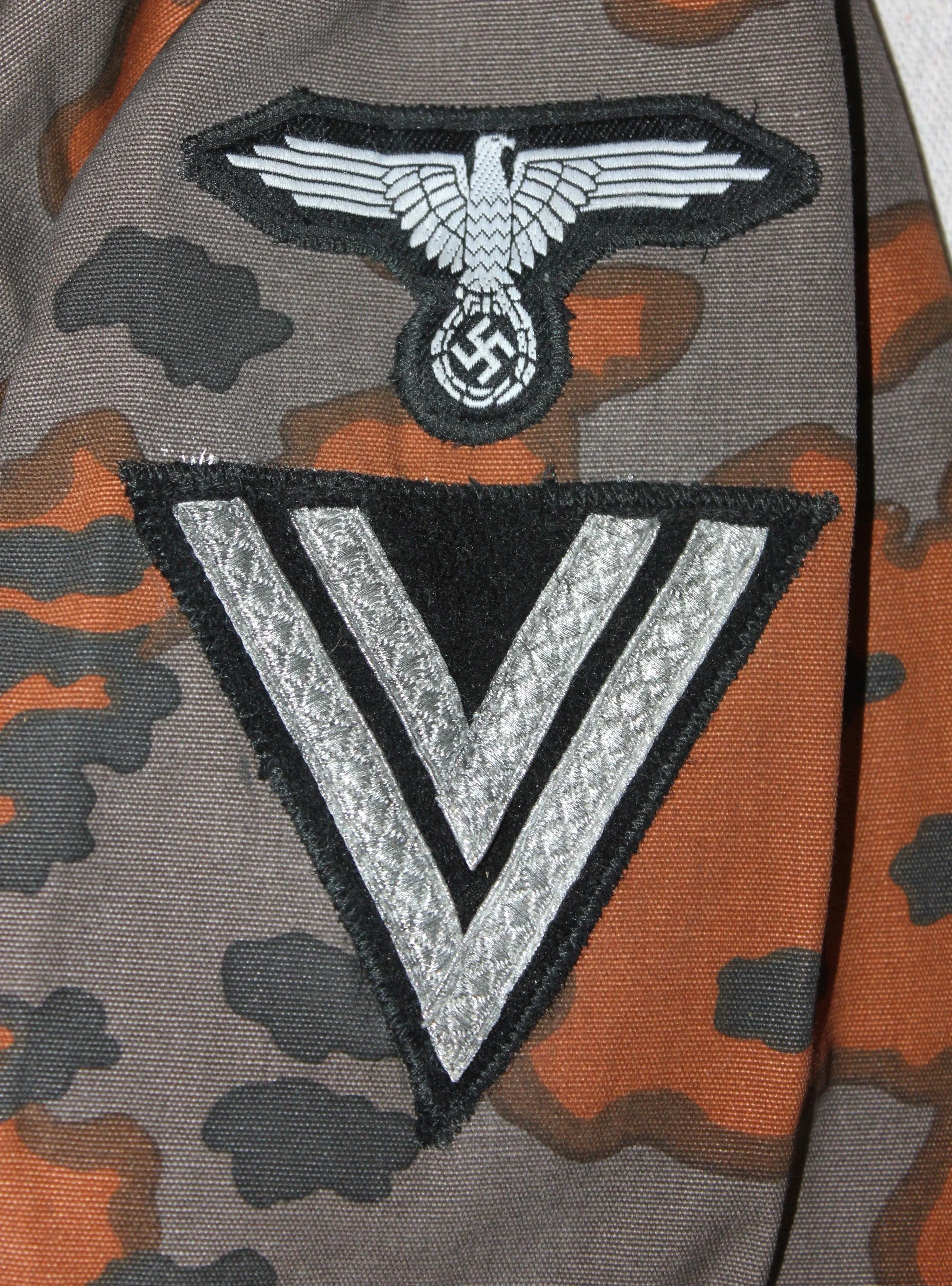
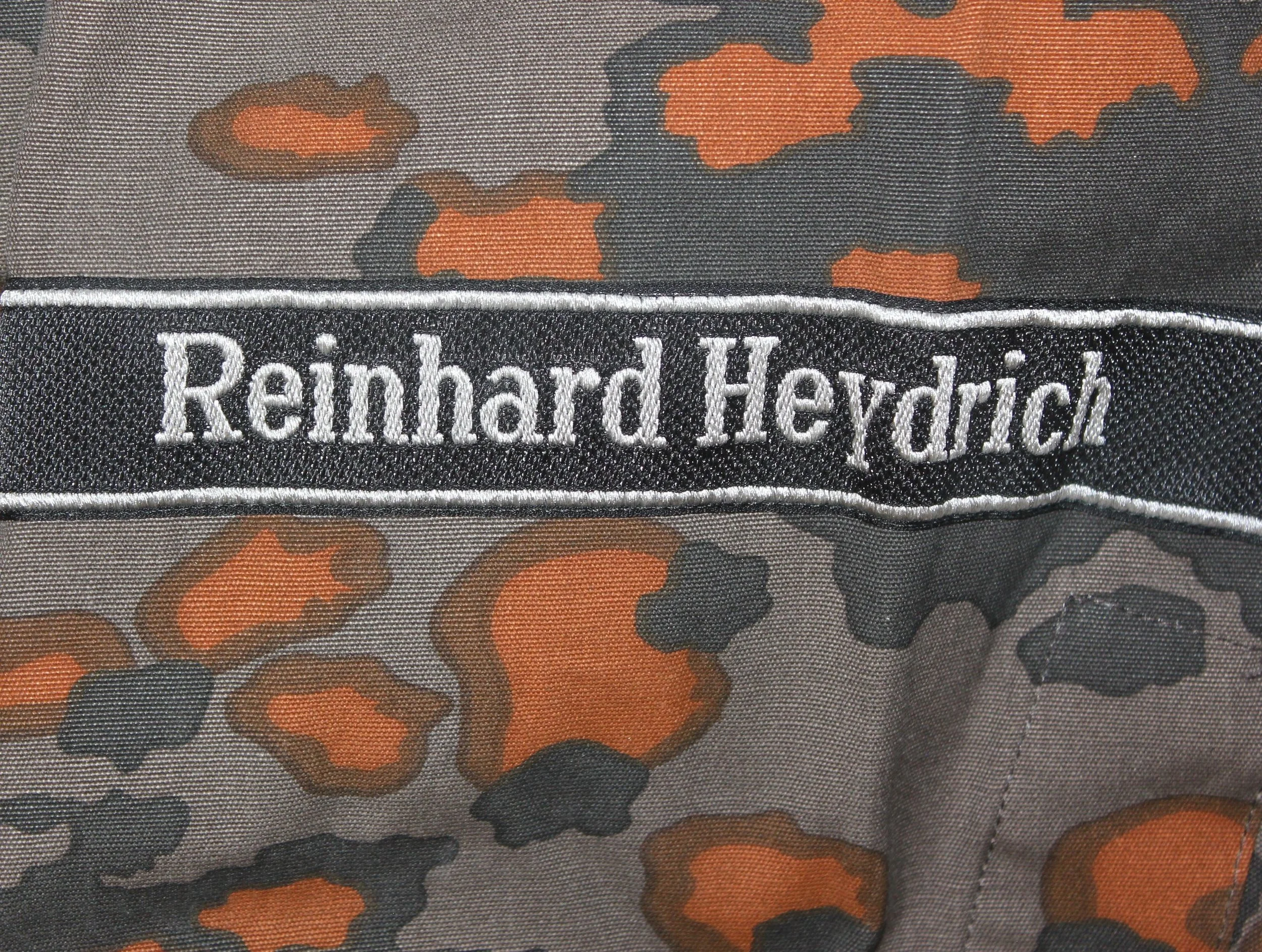


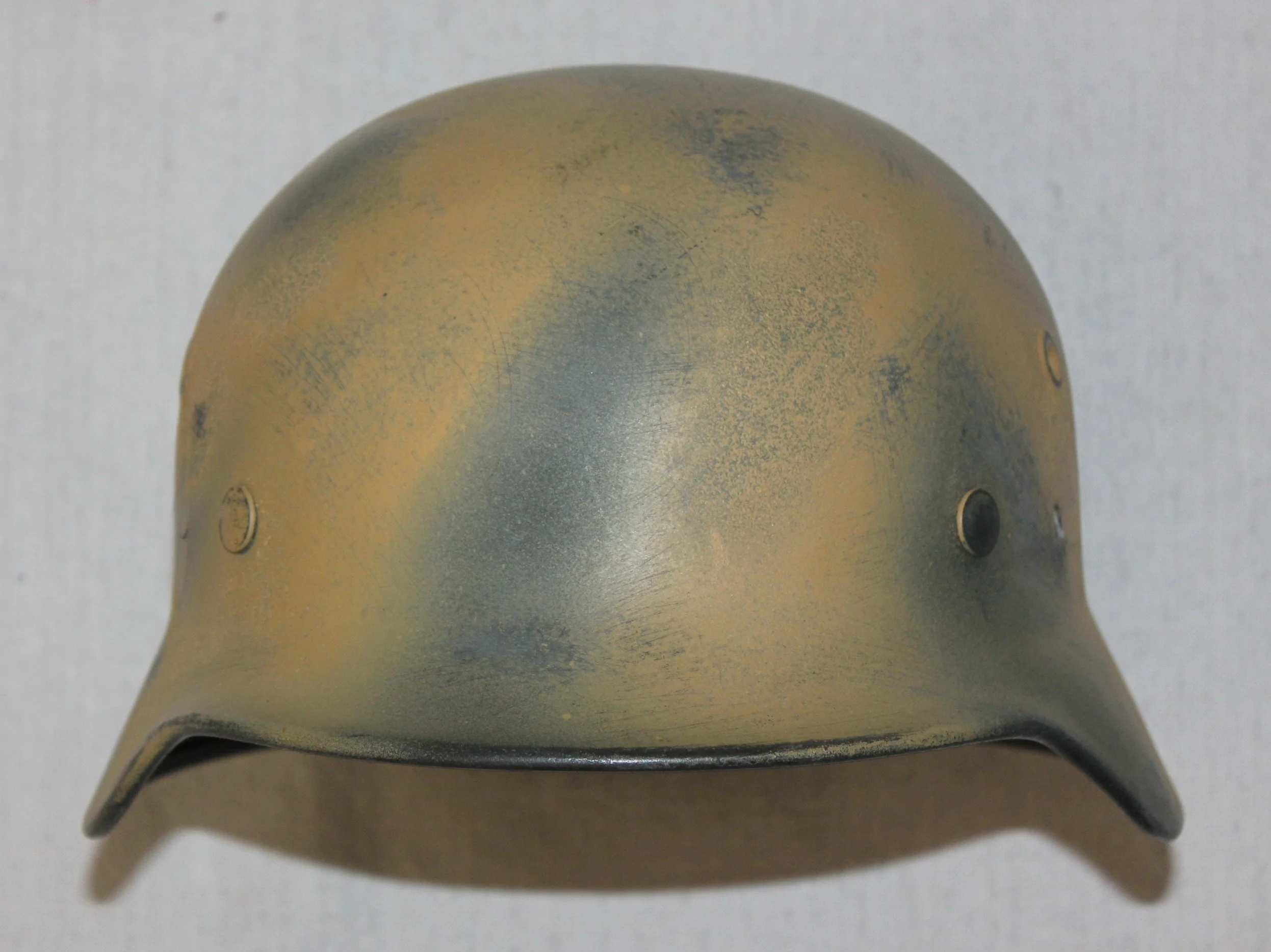
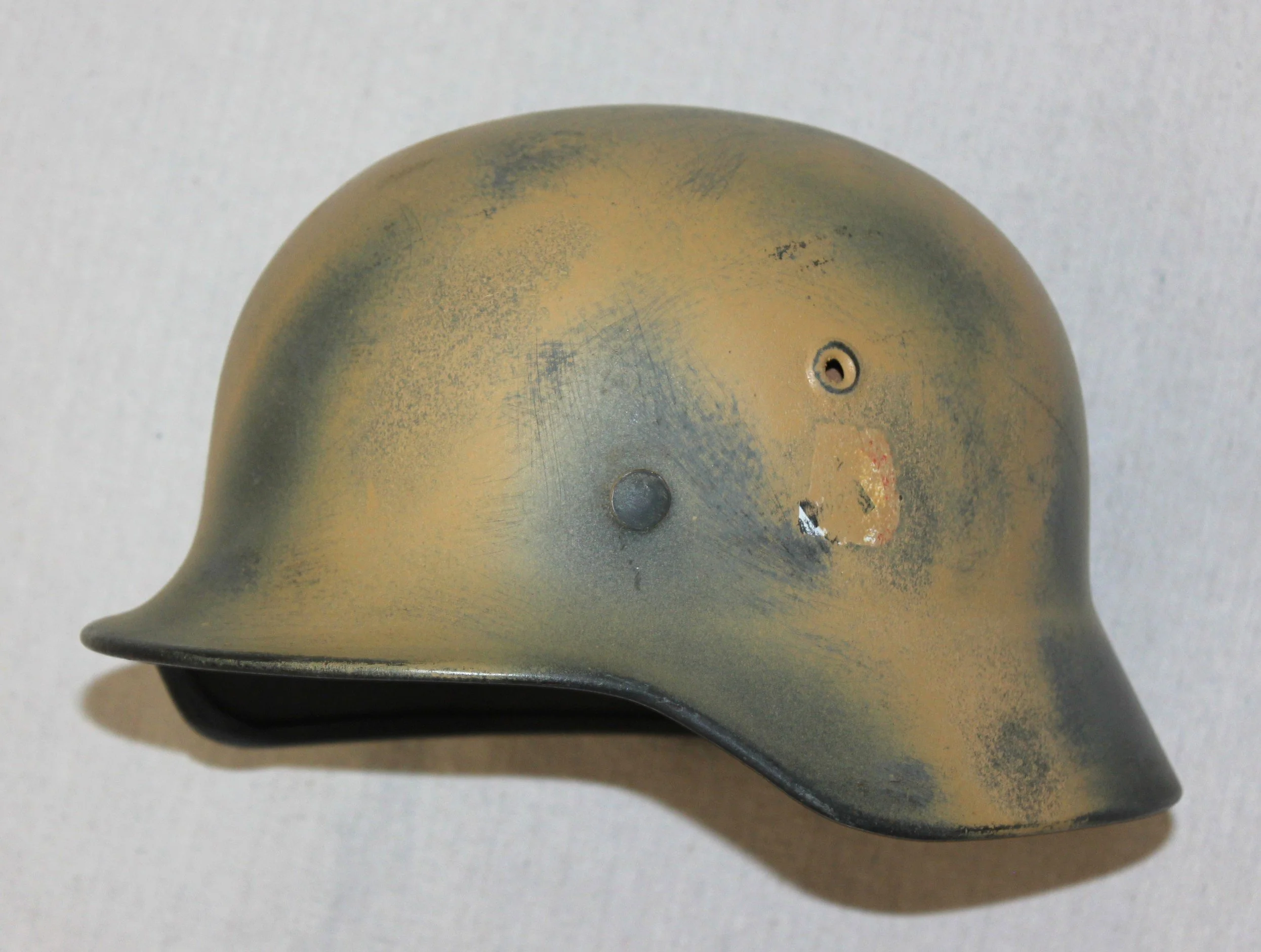
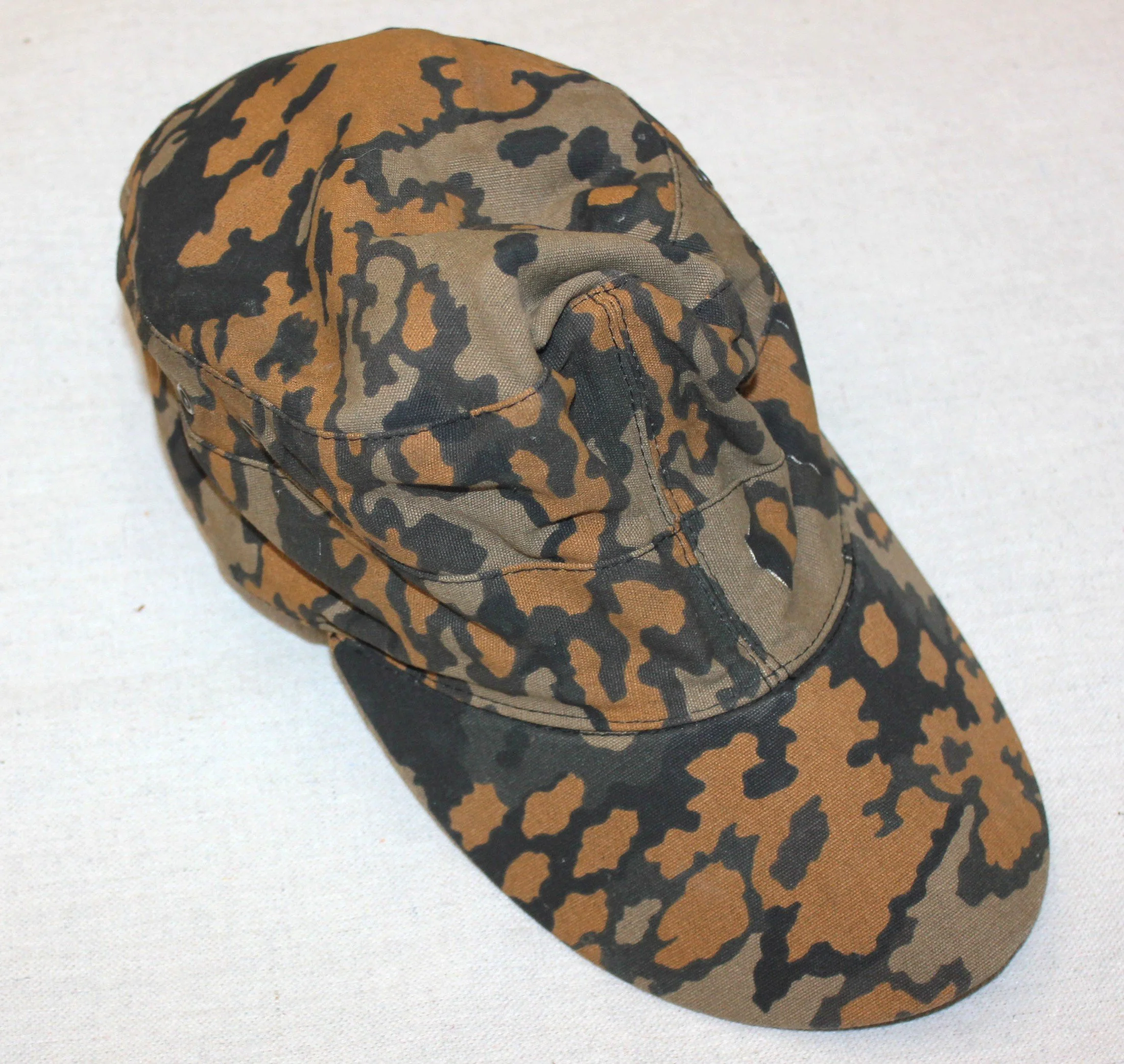
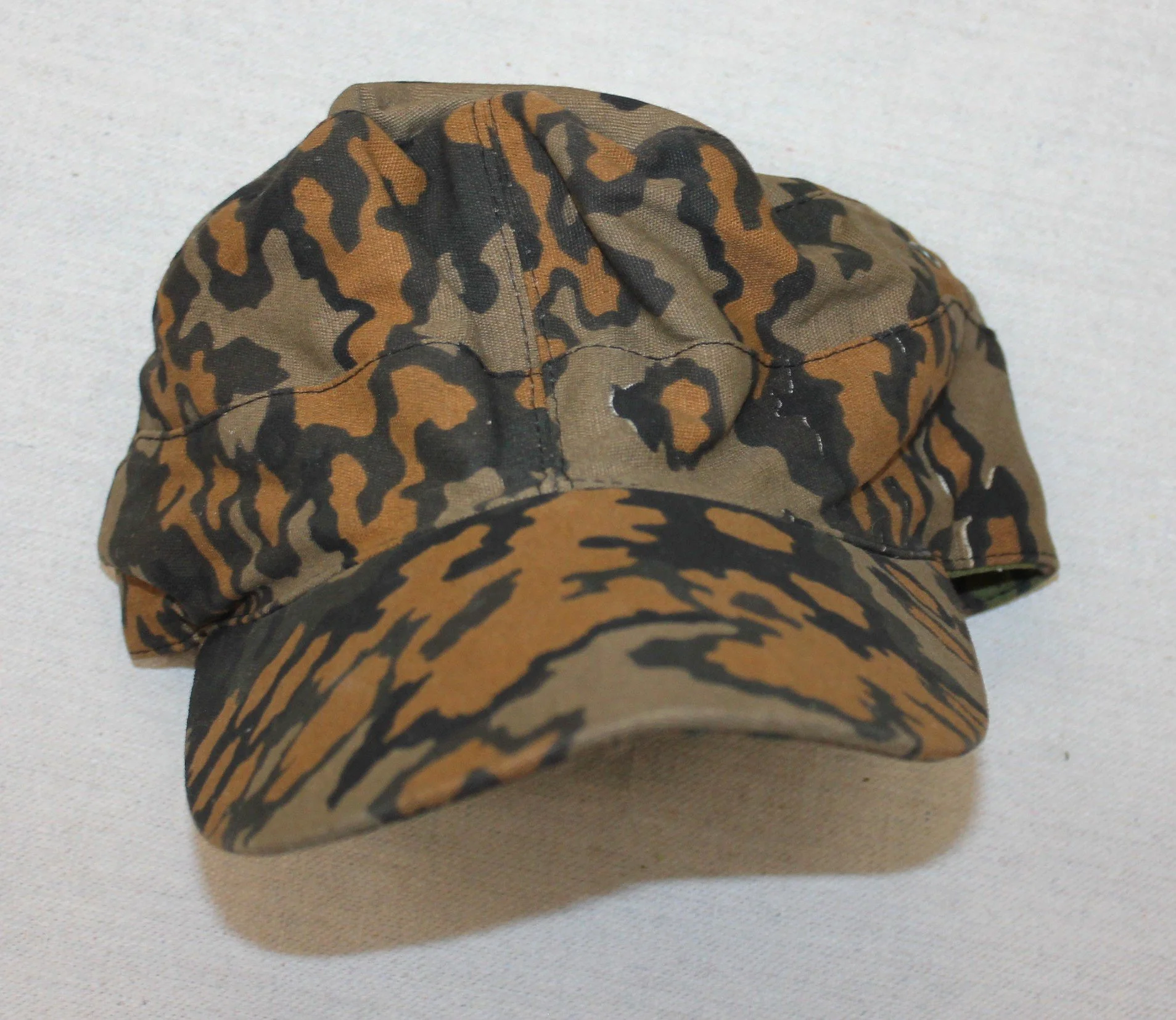



SS-Sturmmann, SS-Mountain Division 11. Reinhard Heydrich, Autumn Camouflage:
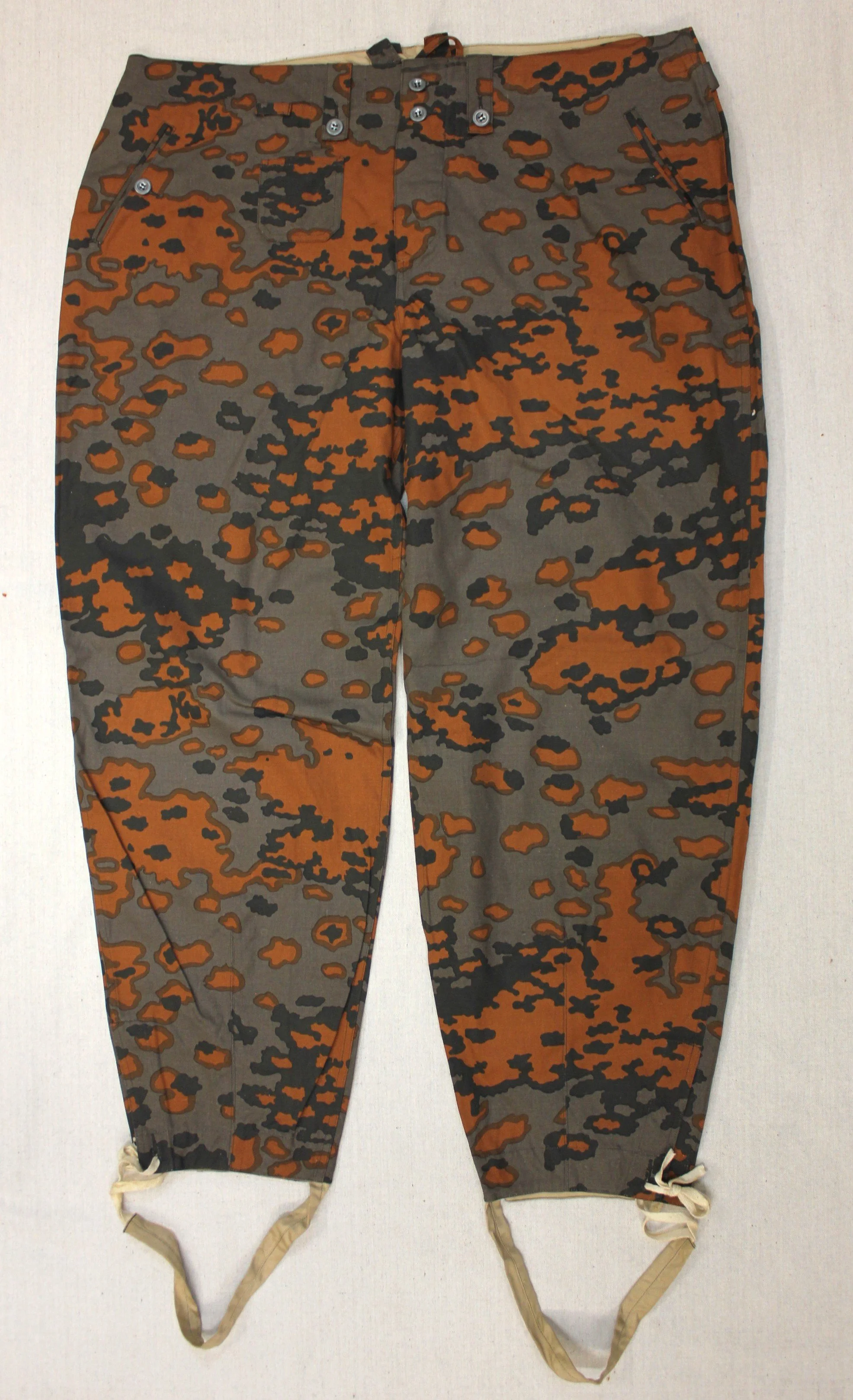
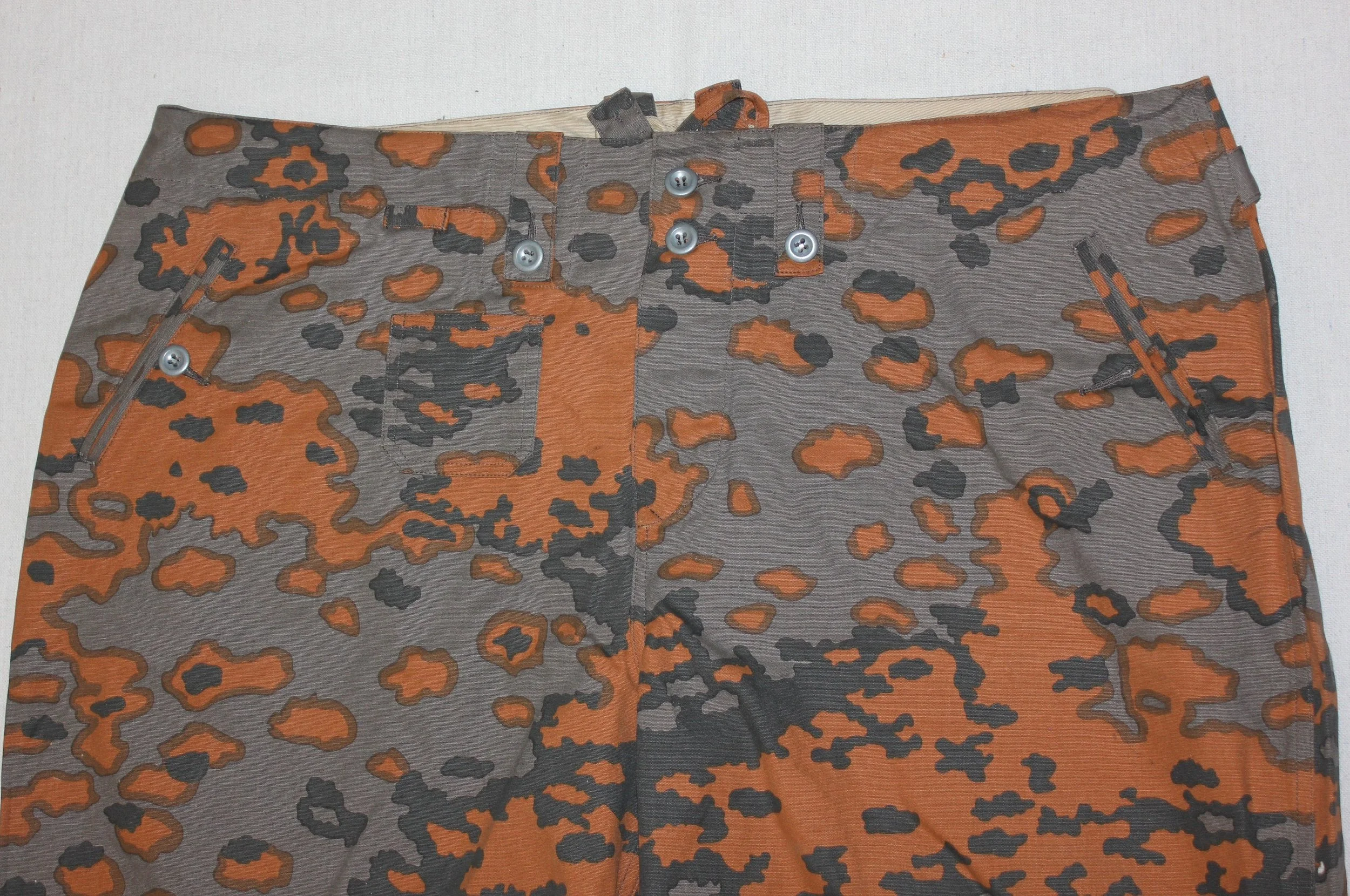
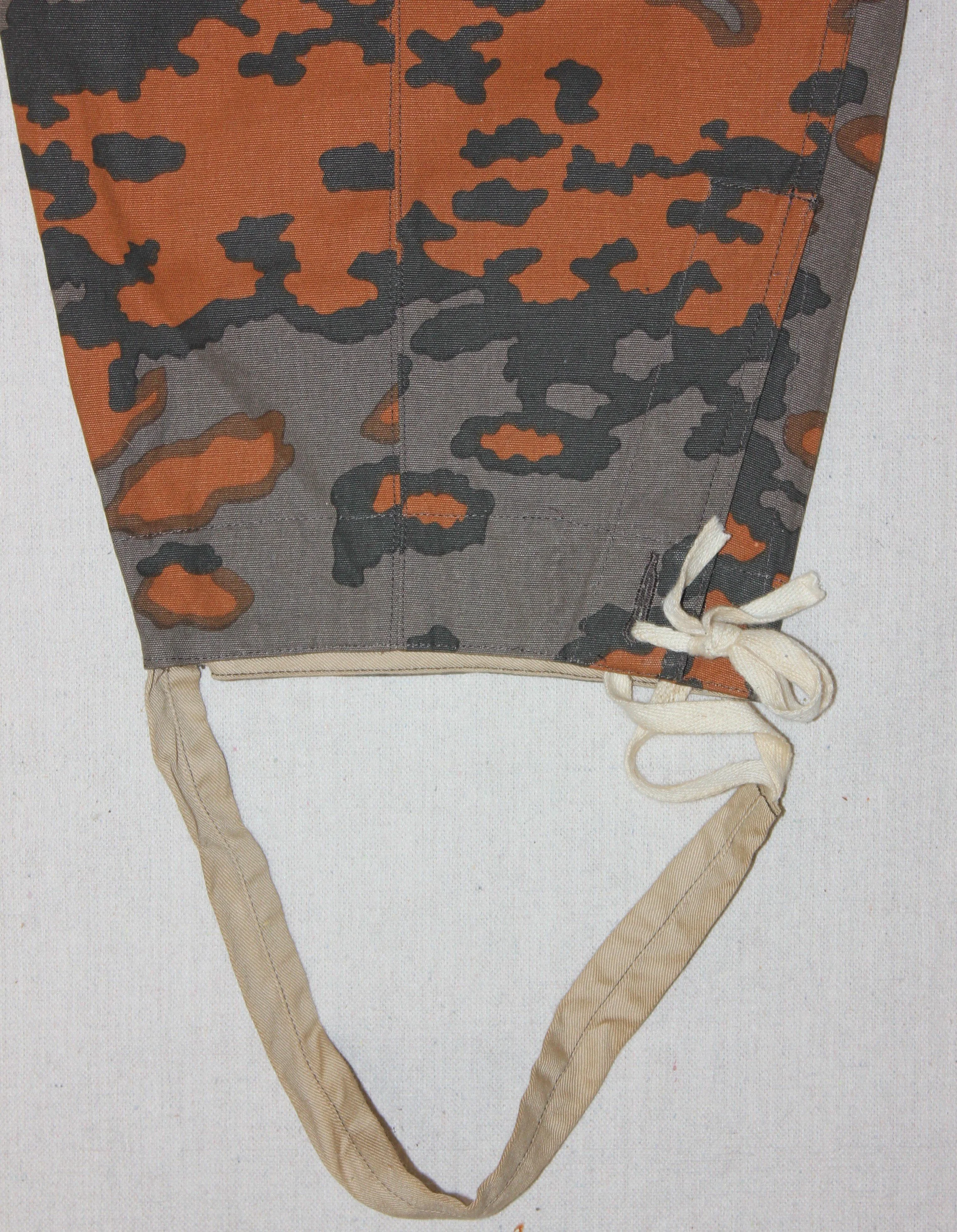
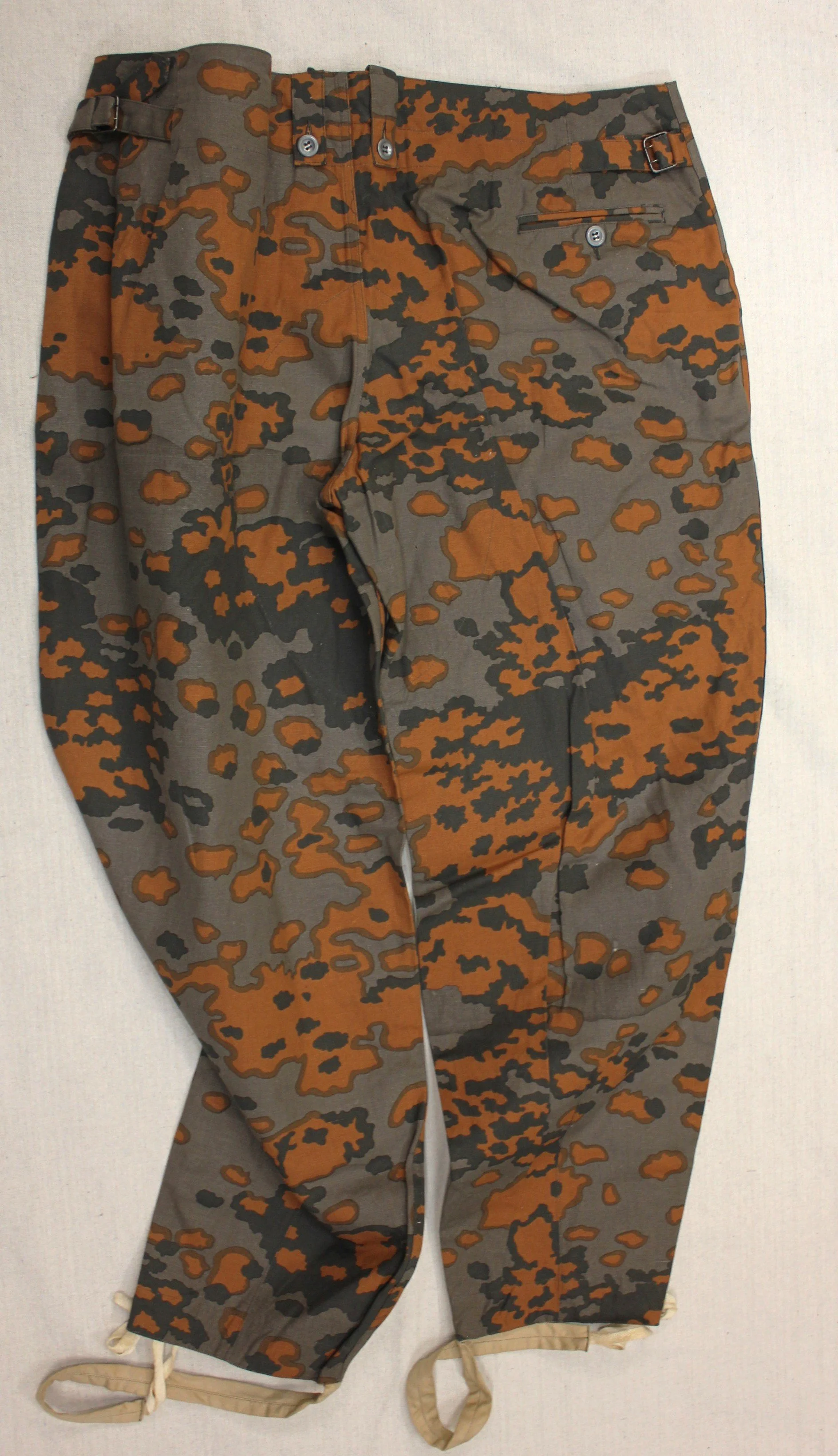
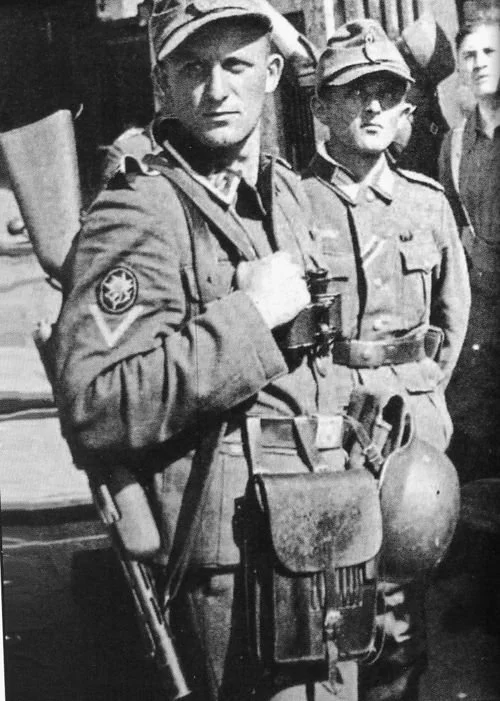
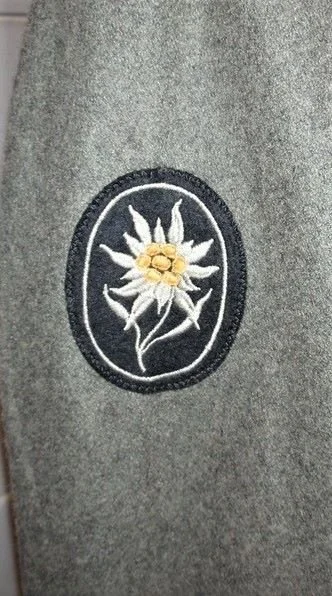
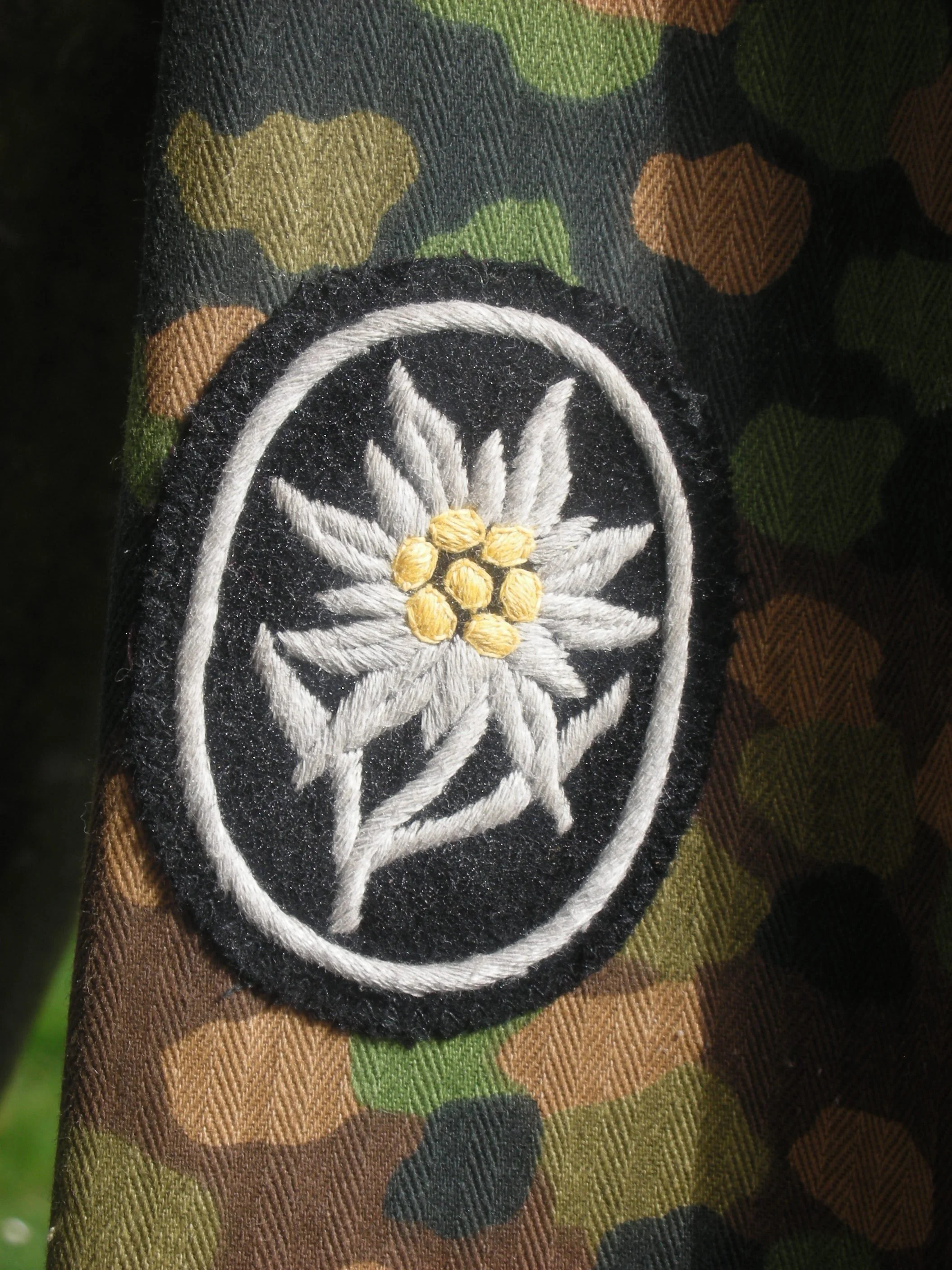
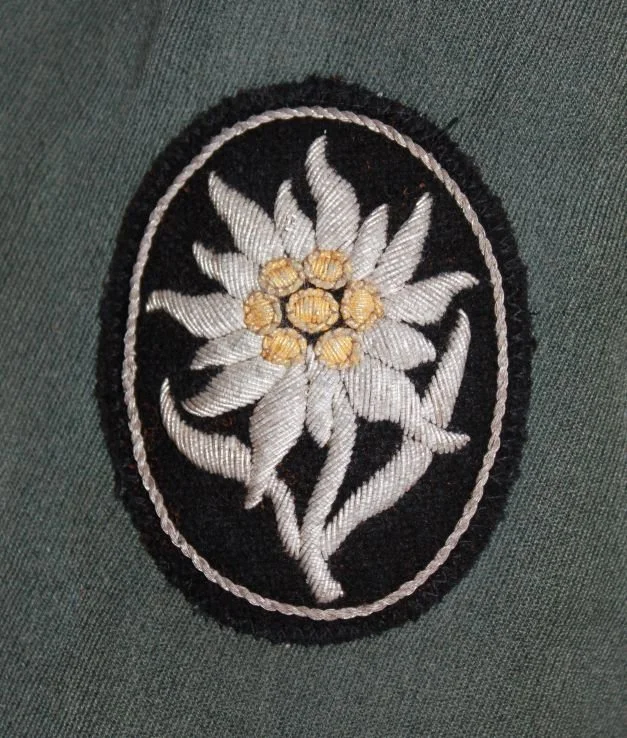
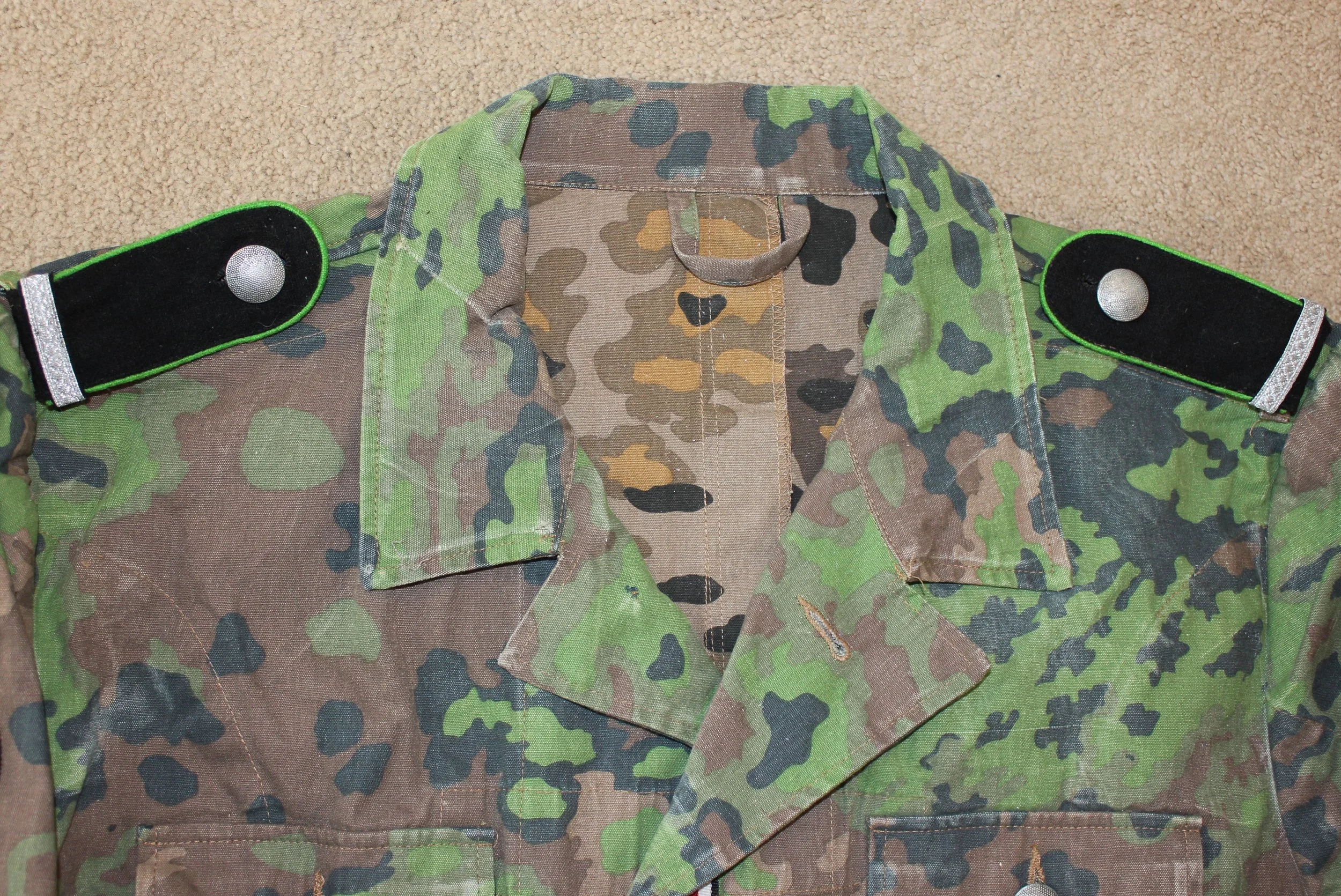
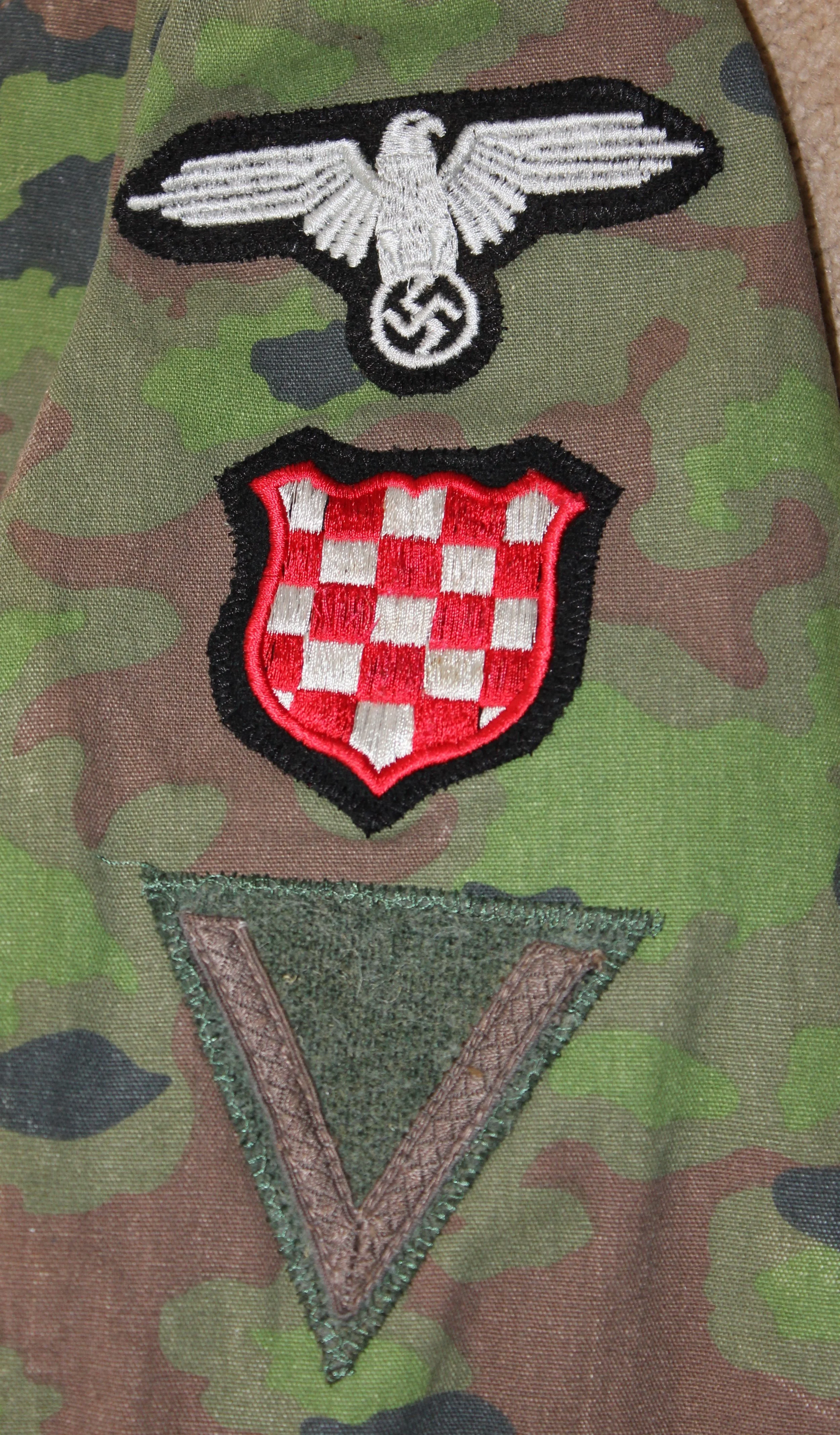
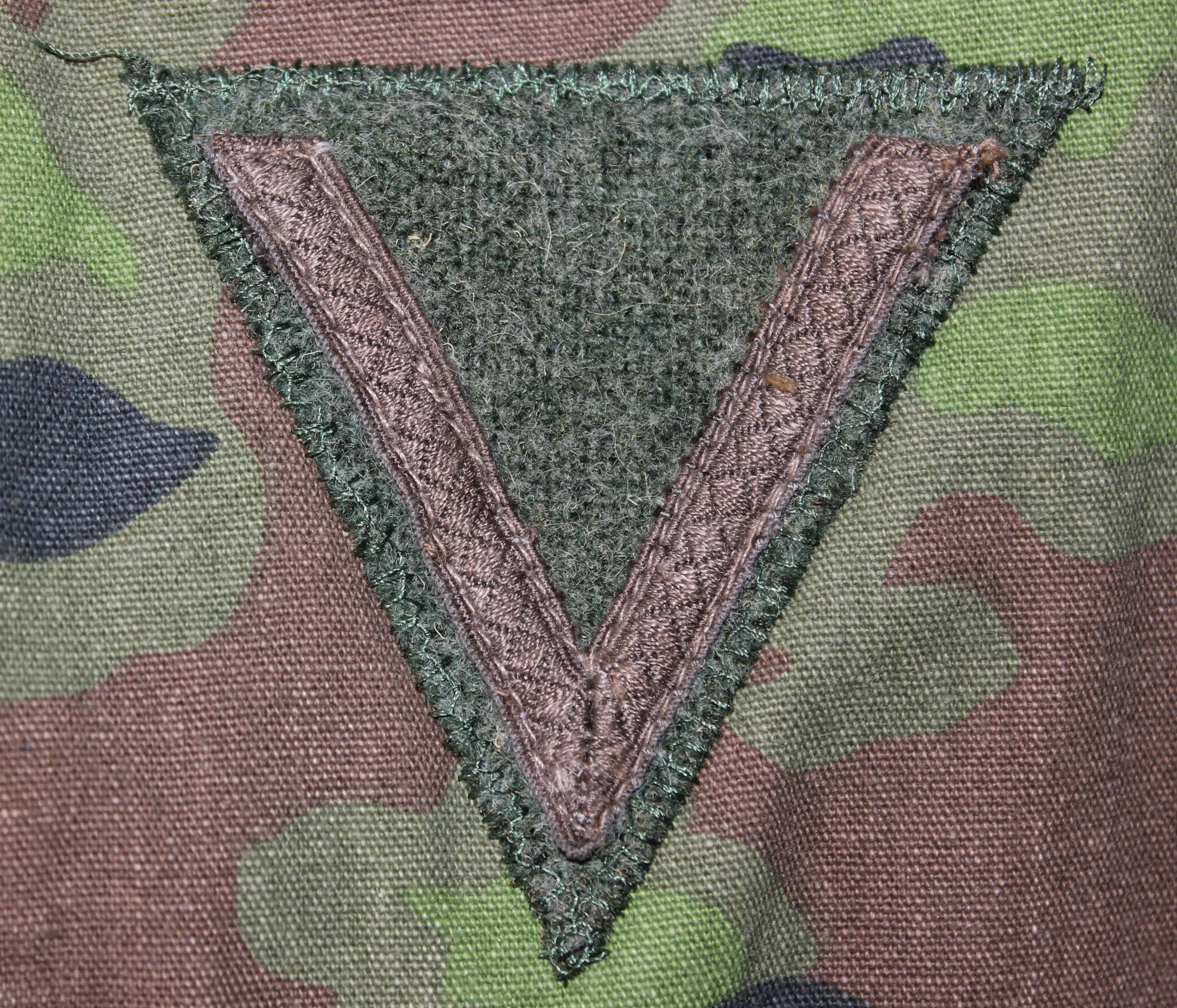
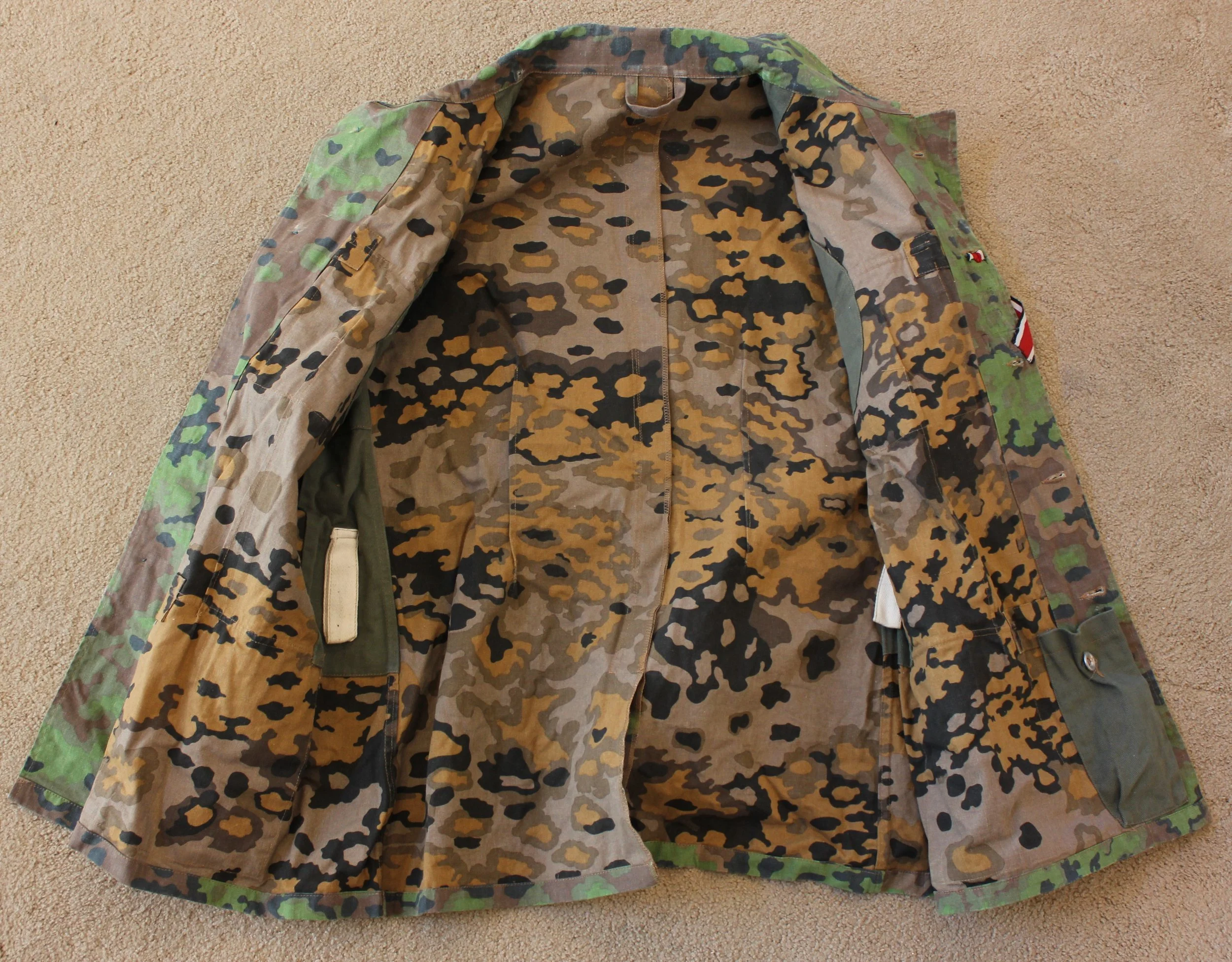
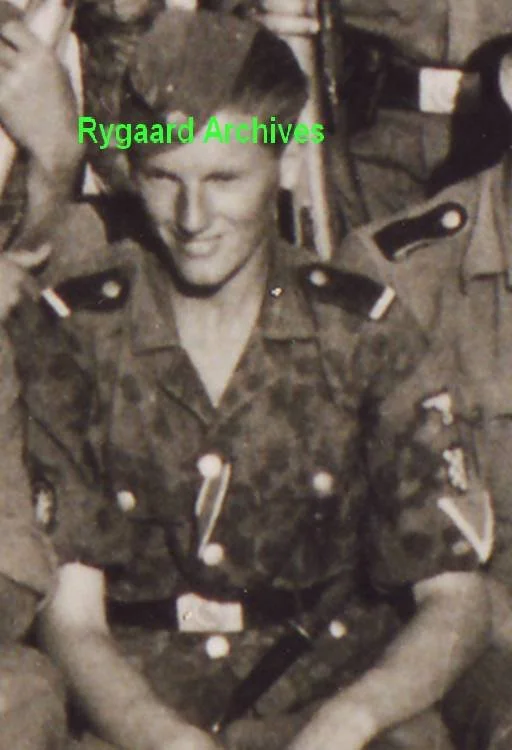
The SS-Sturmmann (Corporal) wears one of the rare 4-pocket pattern over-jackets that were seen used by some SS-Gebirgsjäger, while most were issued “Smock” over-jackets. Some preferred the 4-pocket, which, apparently, some were being factory-made experimentally, I think; they were obtained through issue, custom-made, or by the local tailor altering smocks and shelter quarters. Note that the picture at the bottom shows the Edelweiss on the right sleeve as it should be, but the Gefreiter Chevron is usually on the Left Arm.
Sturmmann, 50./ Waffen Gebirgsjäger Regiment, “Skanderbeg”:
The 21st SS-Division Skanderbeg was created following the Nazi invasion of the Kingdom of Yugoslavia in 1941. Throughout 1942 and 1943, both the Wehrmacht and the SS sought to utilise local manpower to maintain law and order and fight the Yugoslav Partisans and Communist Albanian Resistance. For their part, Albanian leaders Metohija and liberated the surrounding regions.
In 1943, several Albanians from Kosovo and the Sandjak region were recruited into the Waffen-SS Handschar Division. They were teamed up into Battalion I/2 (Later I/28) and received first-rate training in Neuhammer, Germany. This was perhaps the best-trained and best-equipped Nazi Albanian military formation during the war, but, ironically, it was transferred directly from combat in Bosnia to Kosovo via rail on 17 April 1944 following the creation of Skanderbeg.
In February 1944, the decision was taken, following the modest success of the Handschar Division in Bosnia, to raise a parallel unit inside Albania. According to Bernd Fischer, the Division included 1500 POWs, ‘Natives of Kosovo' who had served in the Yugoslav Army, plus remnants of the failed Albanian Army, volunteers from both old and new Albania. Xhafer Deva, an Albanian from Kosovo and periodically the Interior Minister under the Nazi ‘Puppet’ regime, helped with recruitment. The Division was called SS-Skinderbeu in Albanian.
Ultimately, the names of 11,398 possible recruits were submitted to Berlin. Of these, 9,275 were deemed suitable for drafting, and about 6,000 were inducted into the Waffen-SS. The 21st Waffen-SS Mountain Division was the only fully ethnic Albanian division to be recruited by the Germans in WWII. It was established originally to combat partisan activity with the promise that the territories with the majority Albanian populations were to become an independent and unified state to include Albania, Kosovo, and western Macedonia, or what is sometimes called Greater Albania (or Ethnic Albania).
The Division was placed under the command of SS-Standartenführer August Schmidthuber, later promoted to SS-Oberführer. It fought against the Communist partisan forces of Enver Hoxha, who were on the increase and consolidating their actions, both in Albania and Yugoslavia, as the Second World War was drawing to an end. The Division was poorly led, however, with a lack of German leadership to overcome the poor example set by the Albanian officers and NCOs.
The Division was operational for only a few months (February 1944 to November 1944), with a strength of about 6,000 to 6500 rather than the normal strength of a division (10,000 to 20,000). Many recruits deserted, taking with them their new weapons and boots, and by October 1944, their number had dwindled to around 3500. It appears they often refused to fight or to take orders, so it never became a significant fighting force.
The Germans were forced to disarm battalions at Pec and Prizren, arresting the Albanian Officers and sending them to the camp at Prishtina. The remaining soldiers were incorporated into the 14th. / SS-Gebirgsjäger-Regiment “Prinz Eugen”.
The Division participated in the ‘Wehrmacht Operation “Fuchsjagd”, known to the Communists as the ‘Battle of Debar’, 18 to 27 August 1944. The only other action taken was assisting the orderly Wehrmacht withdrawal from October to November 1944. Over 700 men of this SS Division, along with approximately 500 local Kosovo Albanians recruited by Xhafer Deva, aided the Germans who were evacuating through Kosovo and successfully resisted incursions from both the Communist partisans and Bulgarian forces.
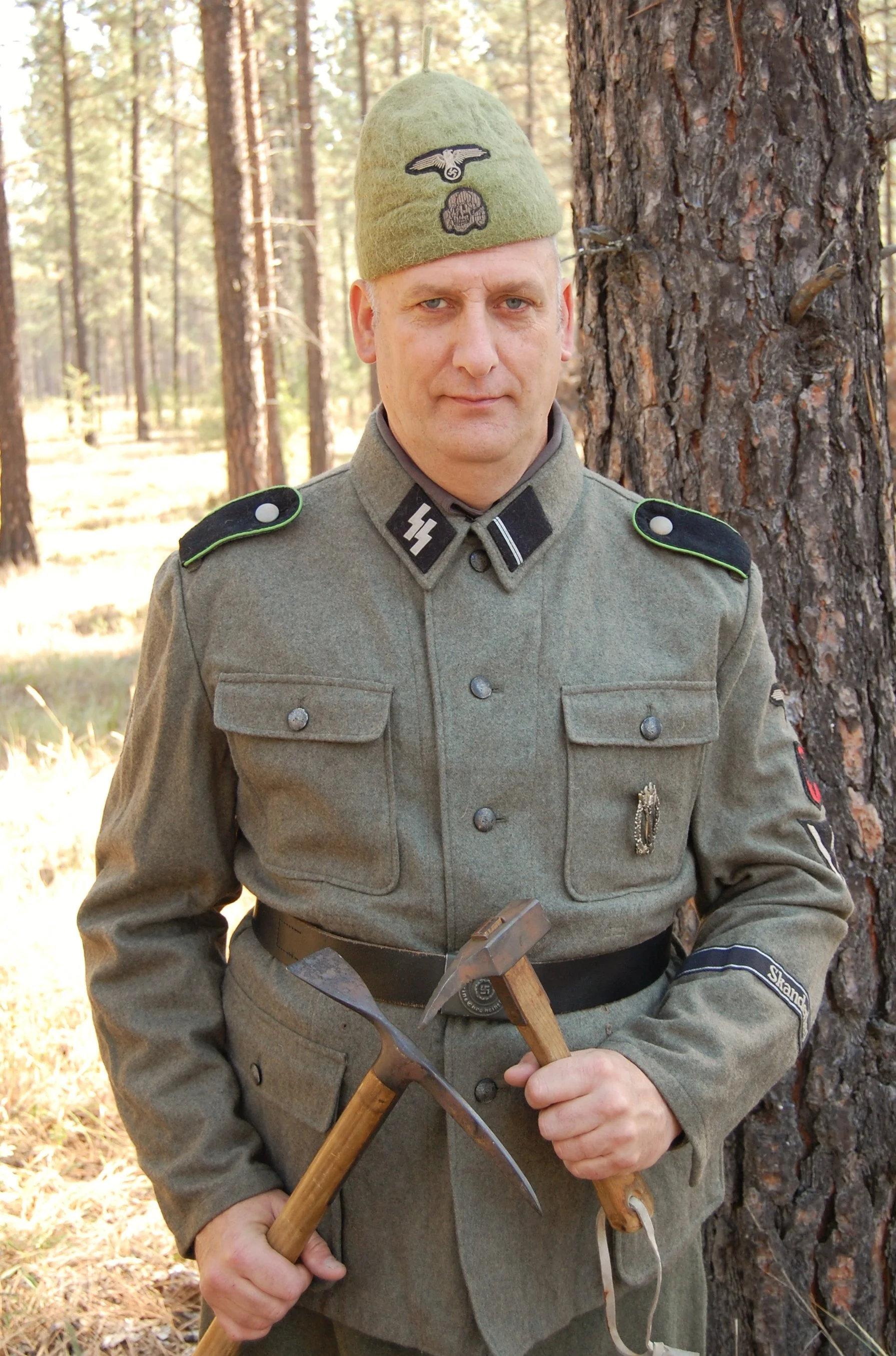
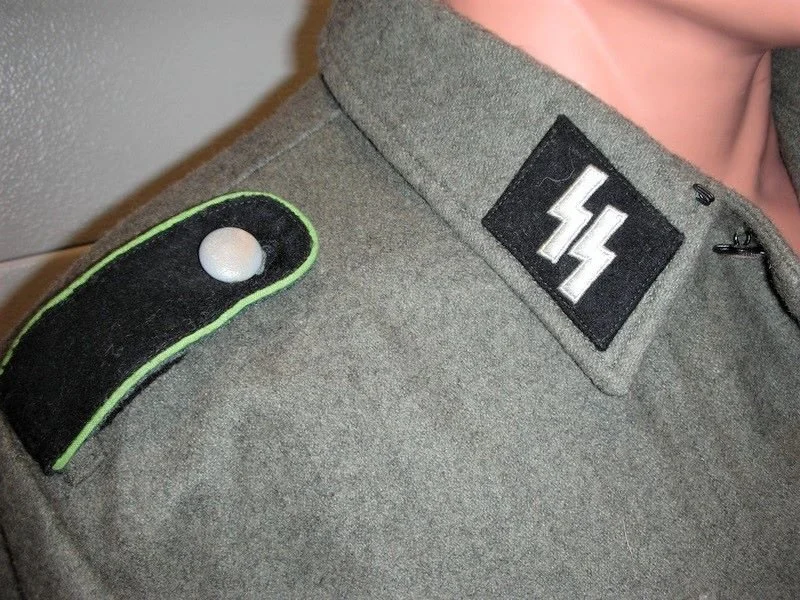
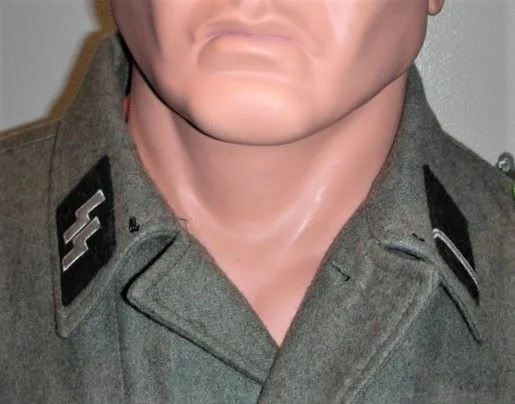
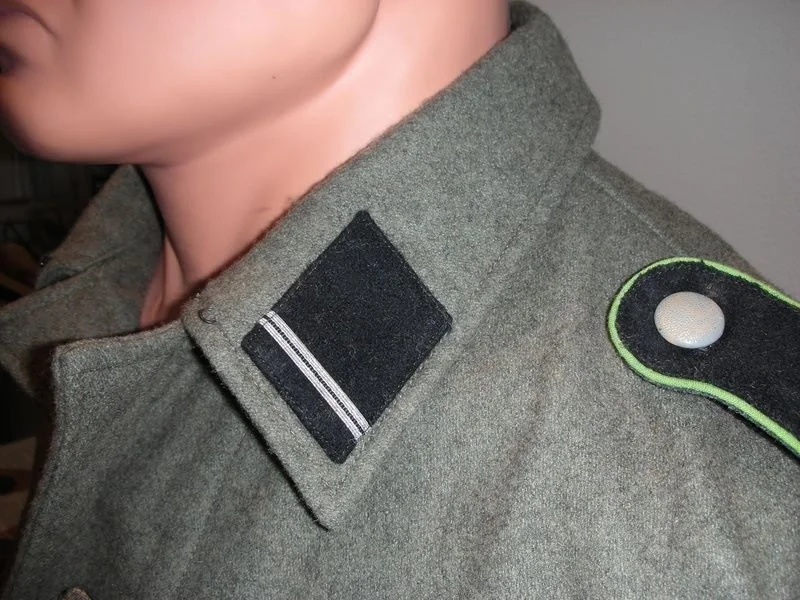
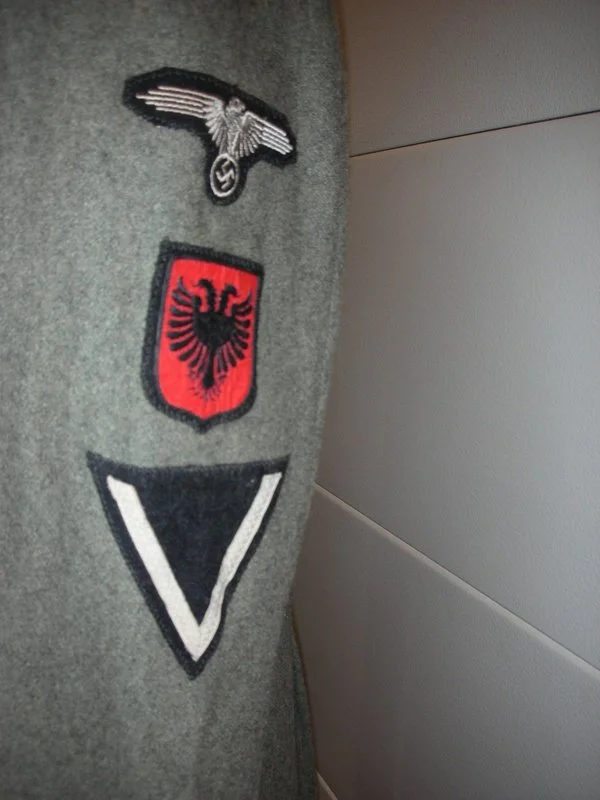
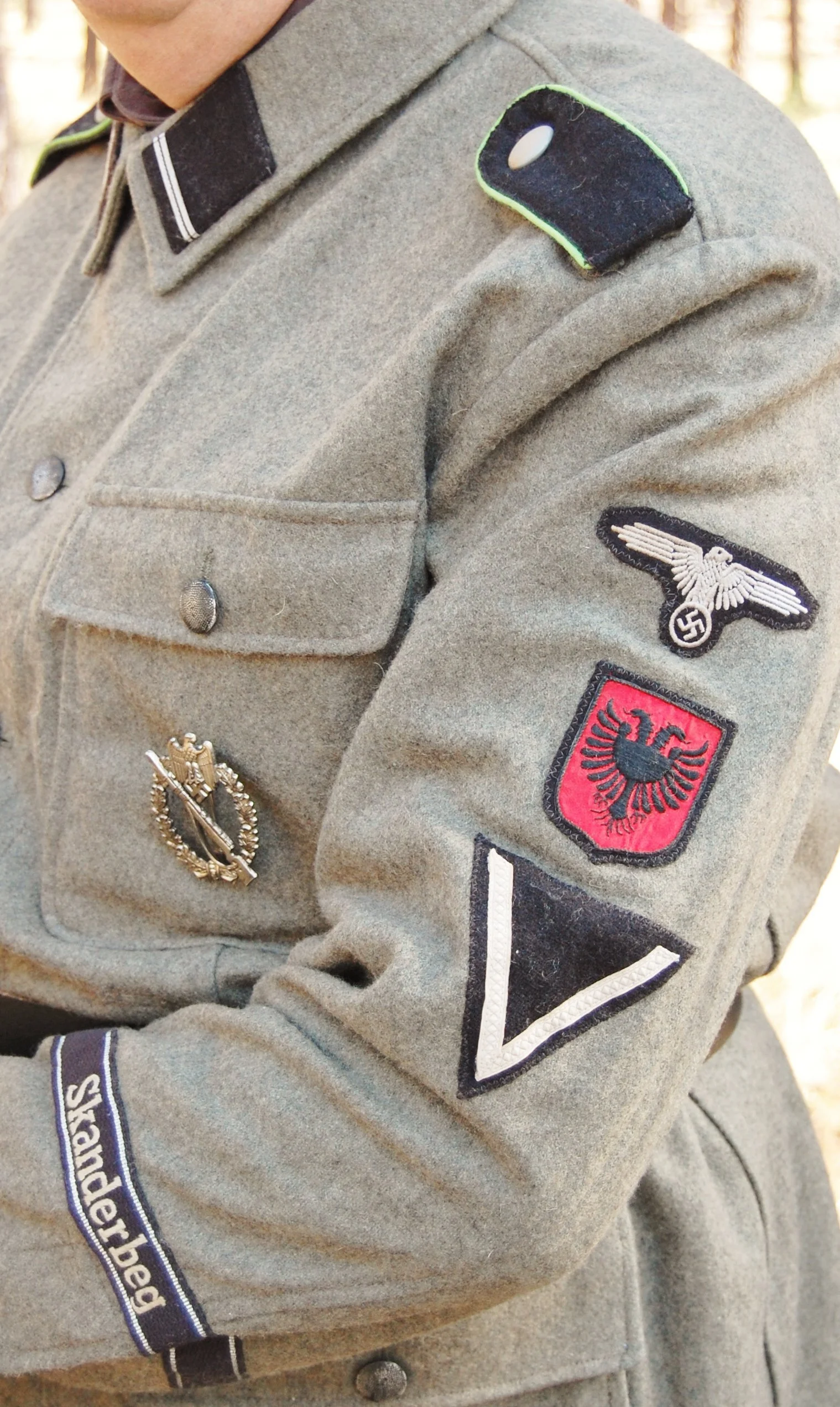
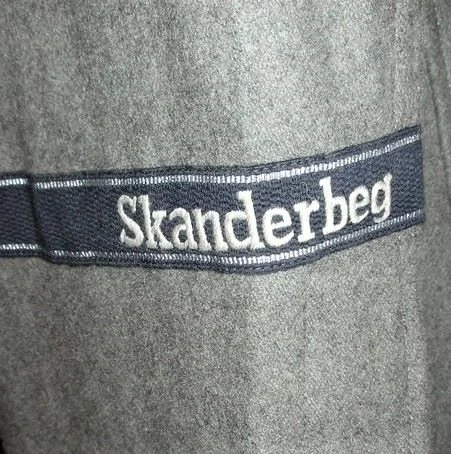
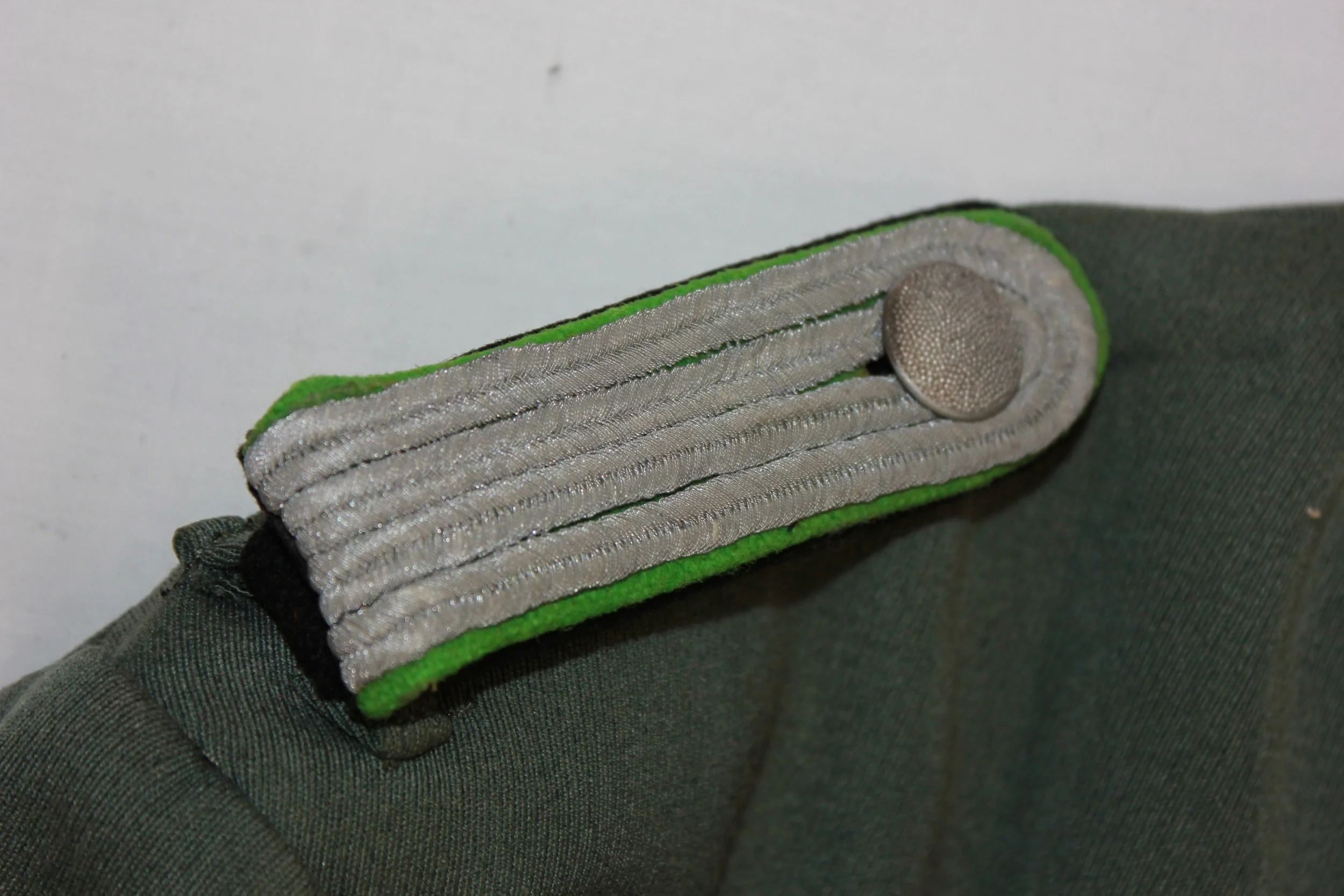
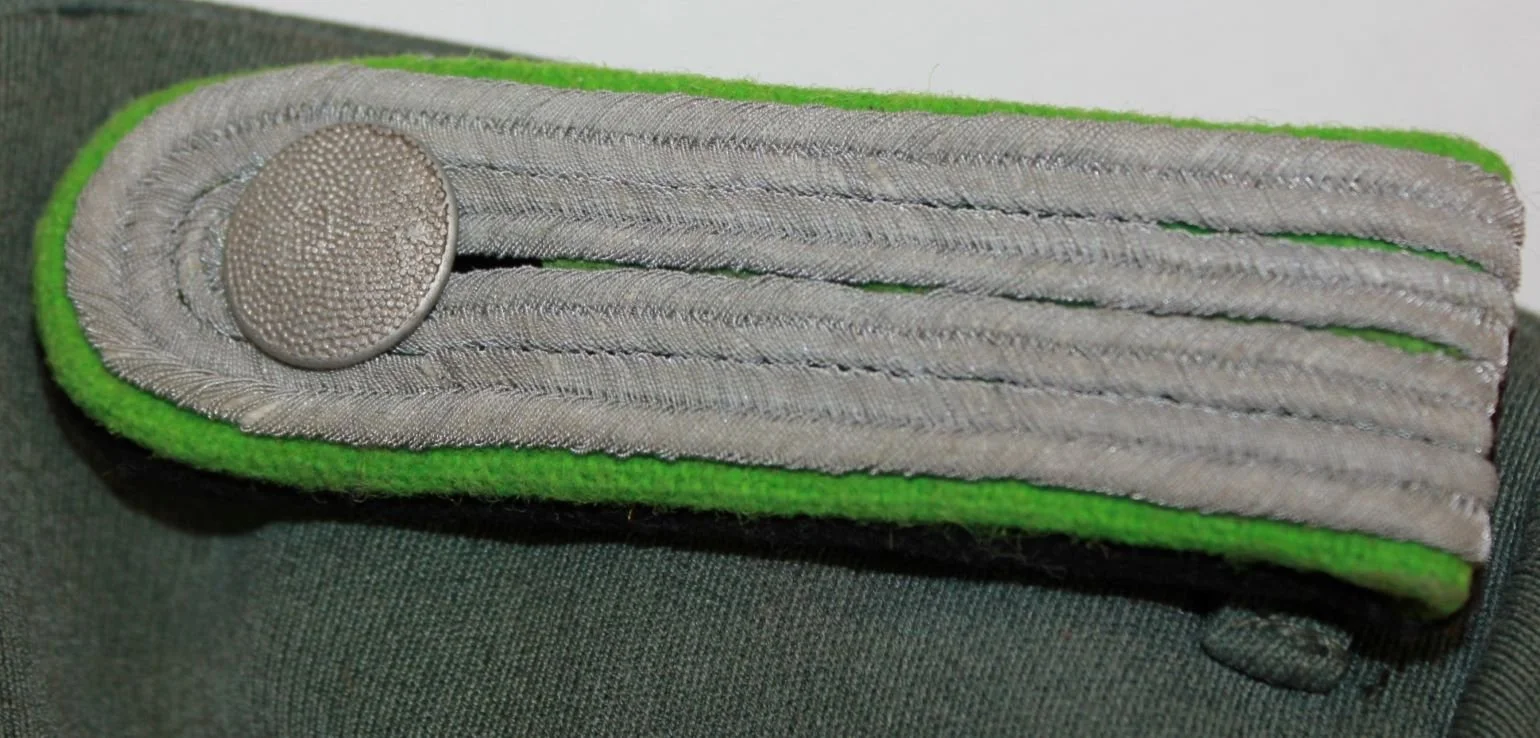
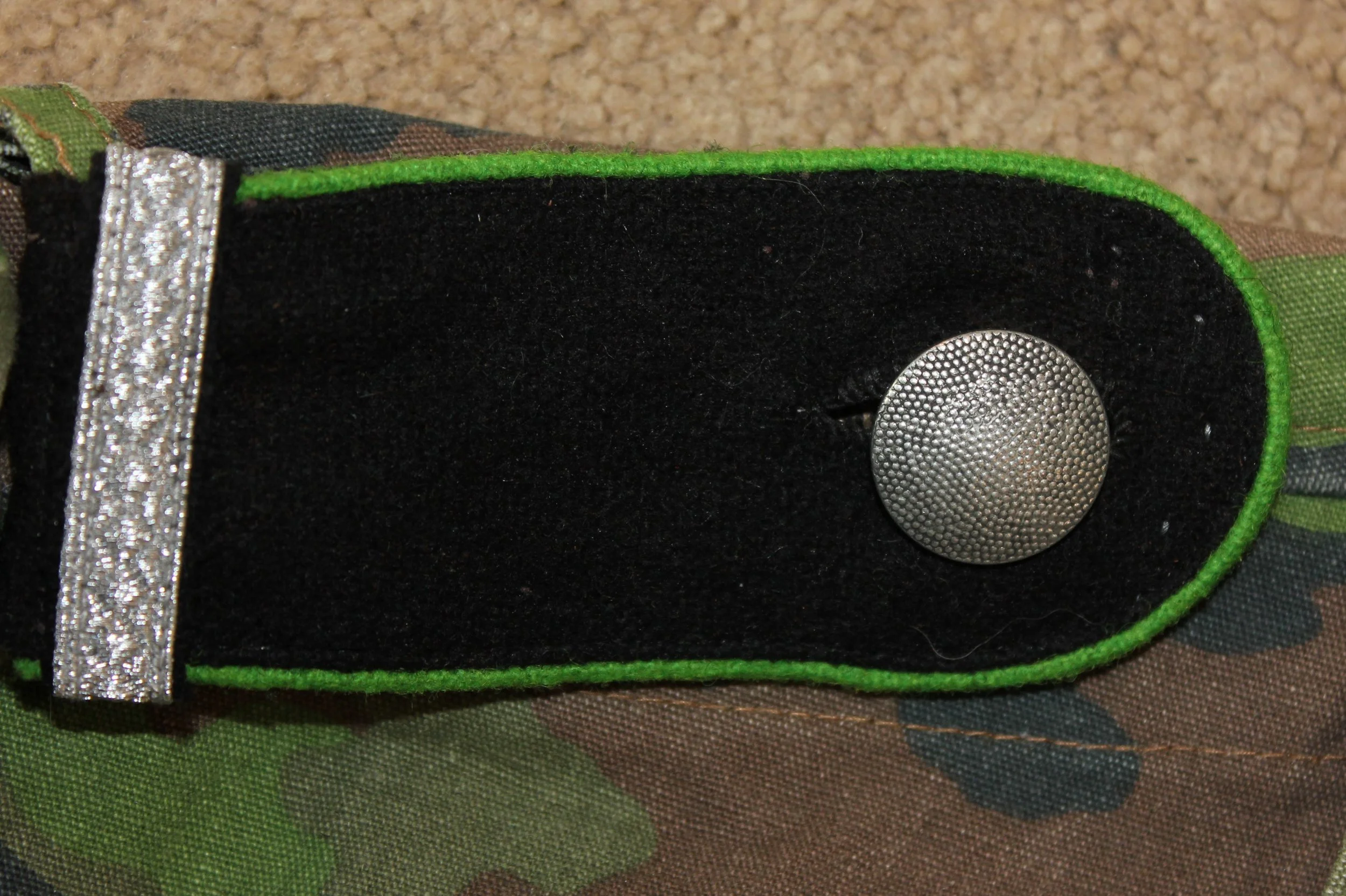
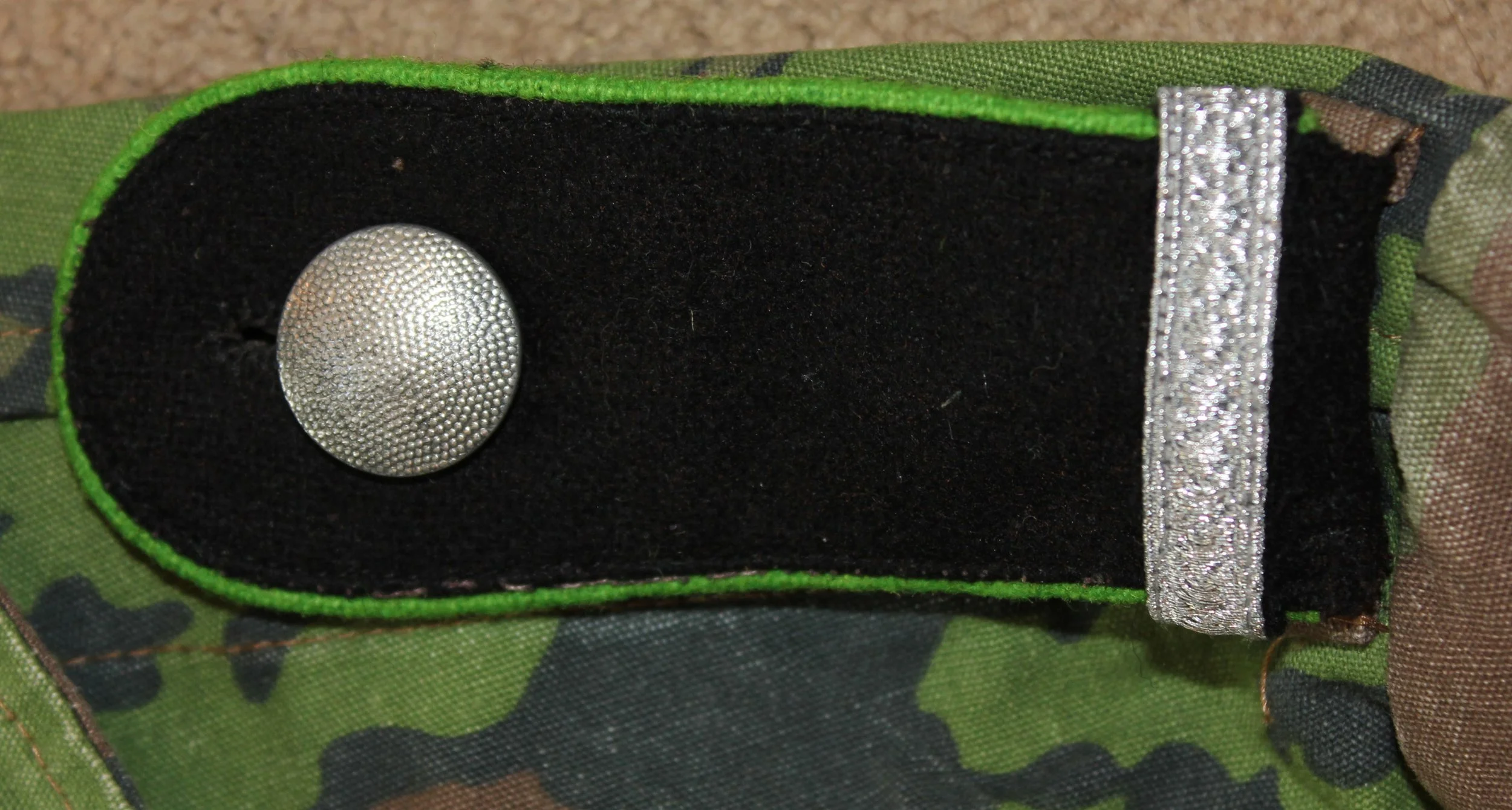
This Albanian SS-Sturmann wears a standard M43 tunic with early-war trousers. His black double-headed eagle on a red shield and Skanderbeg cuff title show his national or ethnic background, as does his traditional Albanian Pilus. Traditionally, combat units began dyeing these to match the ‘Fez’ worn by the Handschar Division. His shoulder straps are piped in Gibergsjager Green, and he wears an SS-Gibergsjager device on the right sleeve. He wears the tunic over the standard-issue shirt, along with lace-up boots and Gamaschen.
SS-Scharfuhrer, 7. SS-Freiwilligen-Gebirgsjäger-Division “Prinz Eugen“:
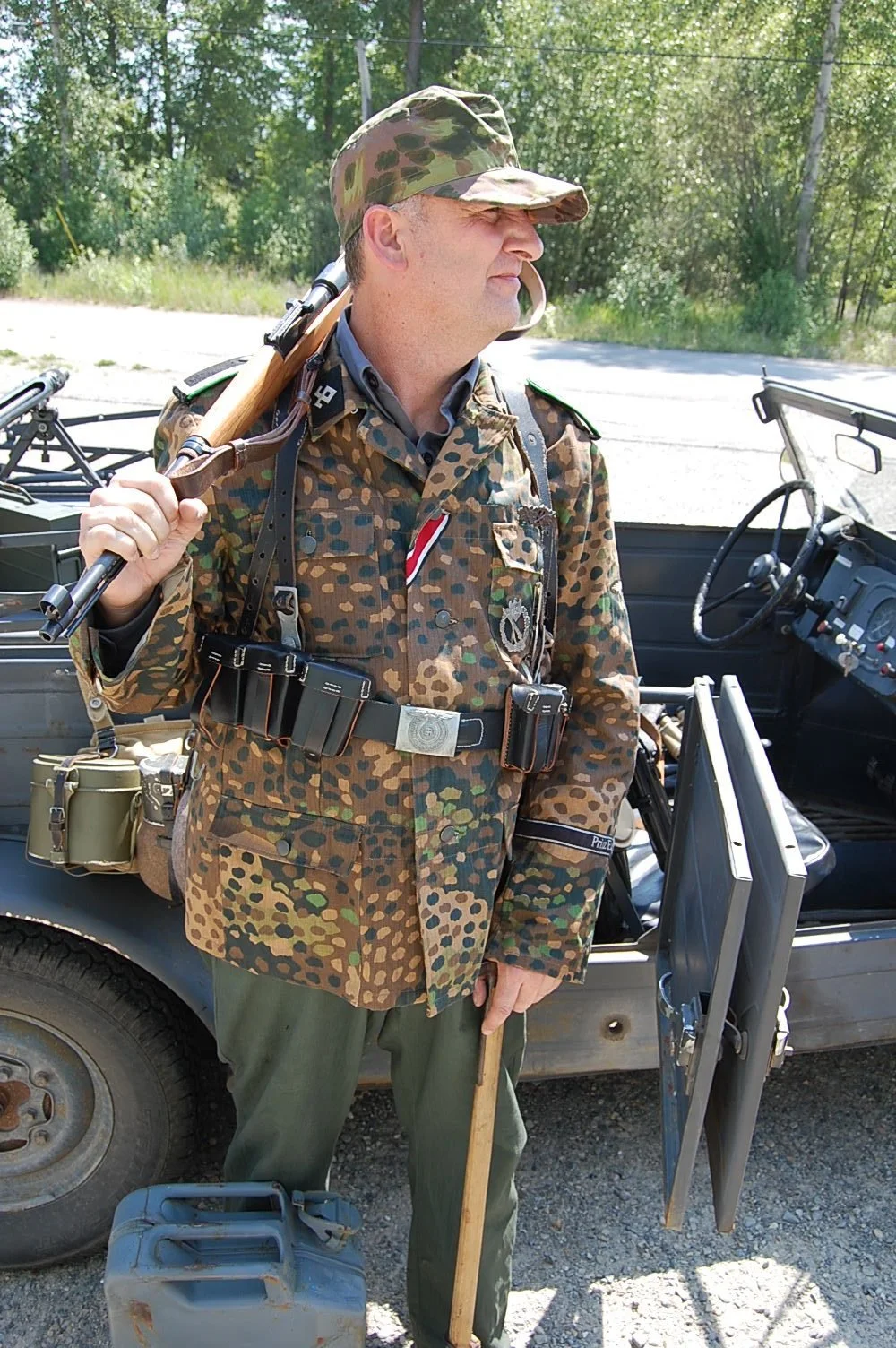
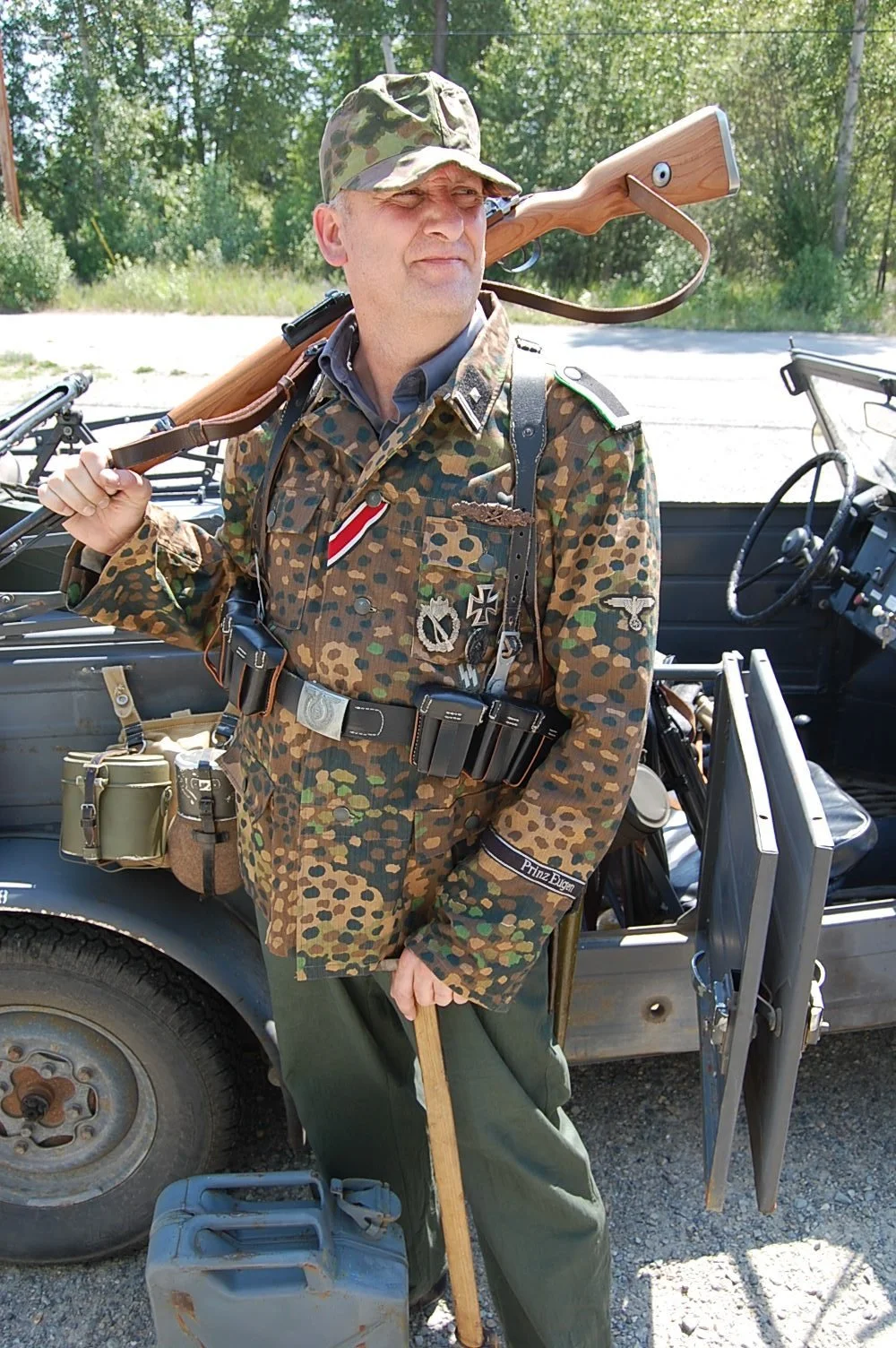
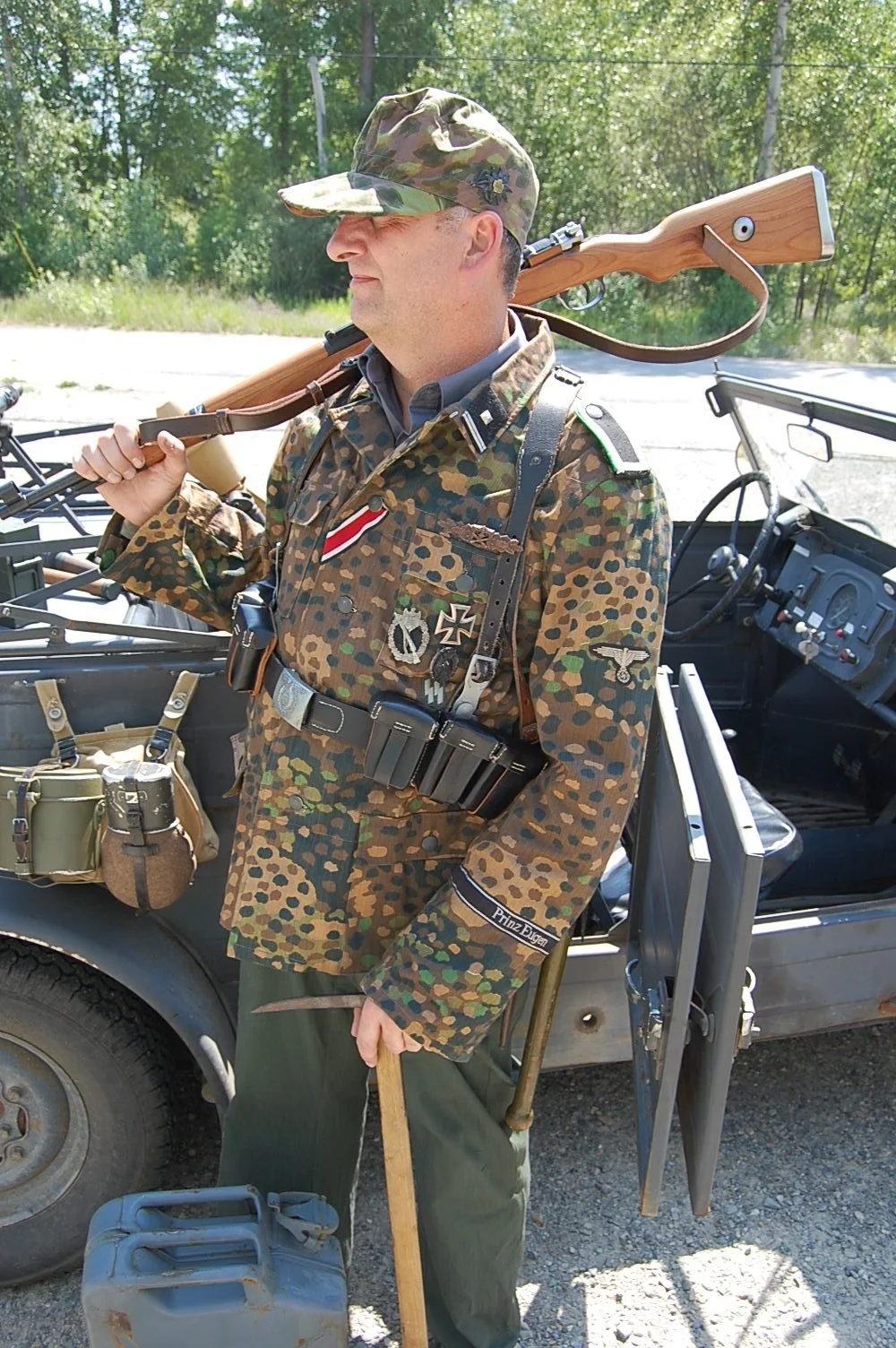
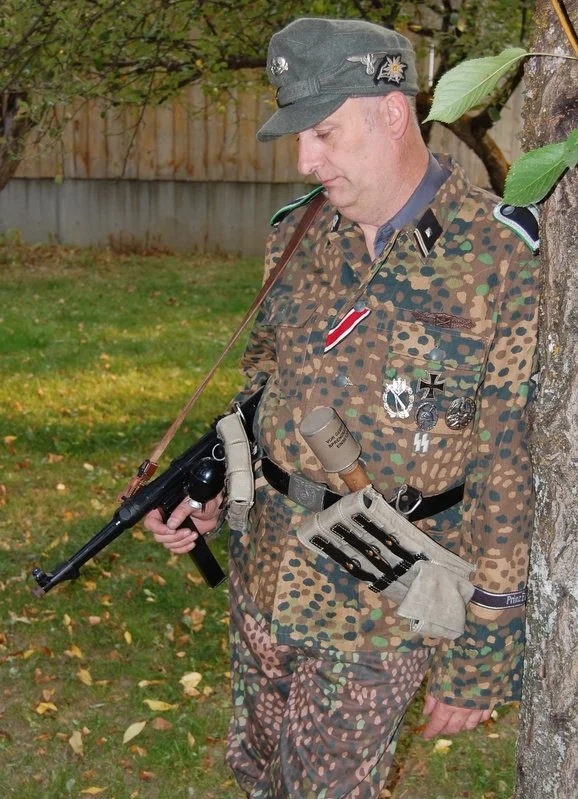
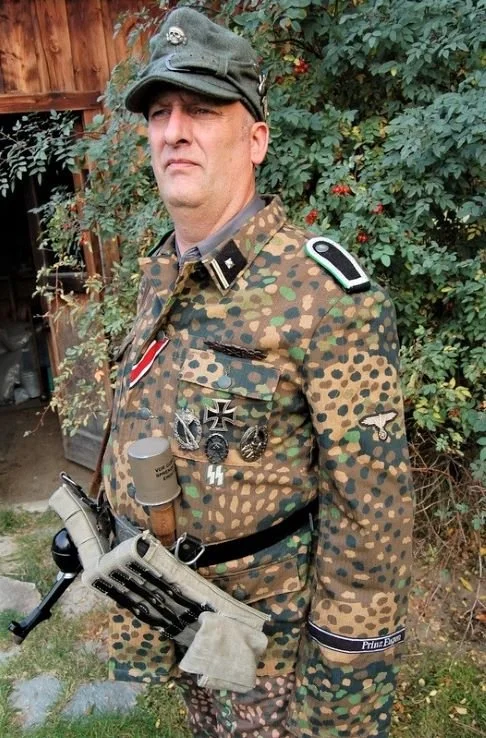
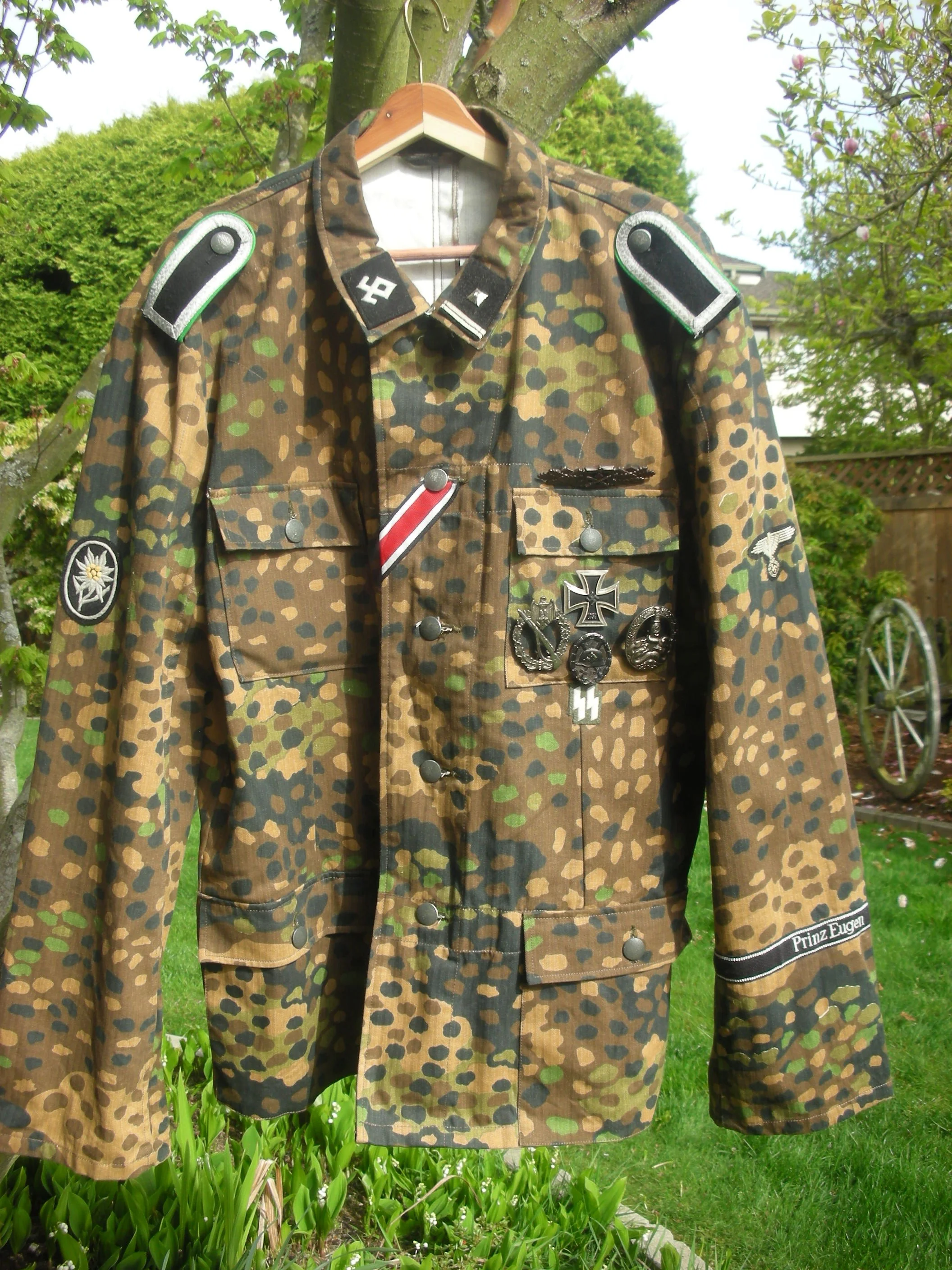
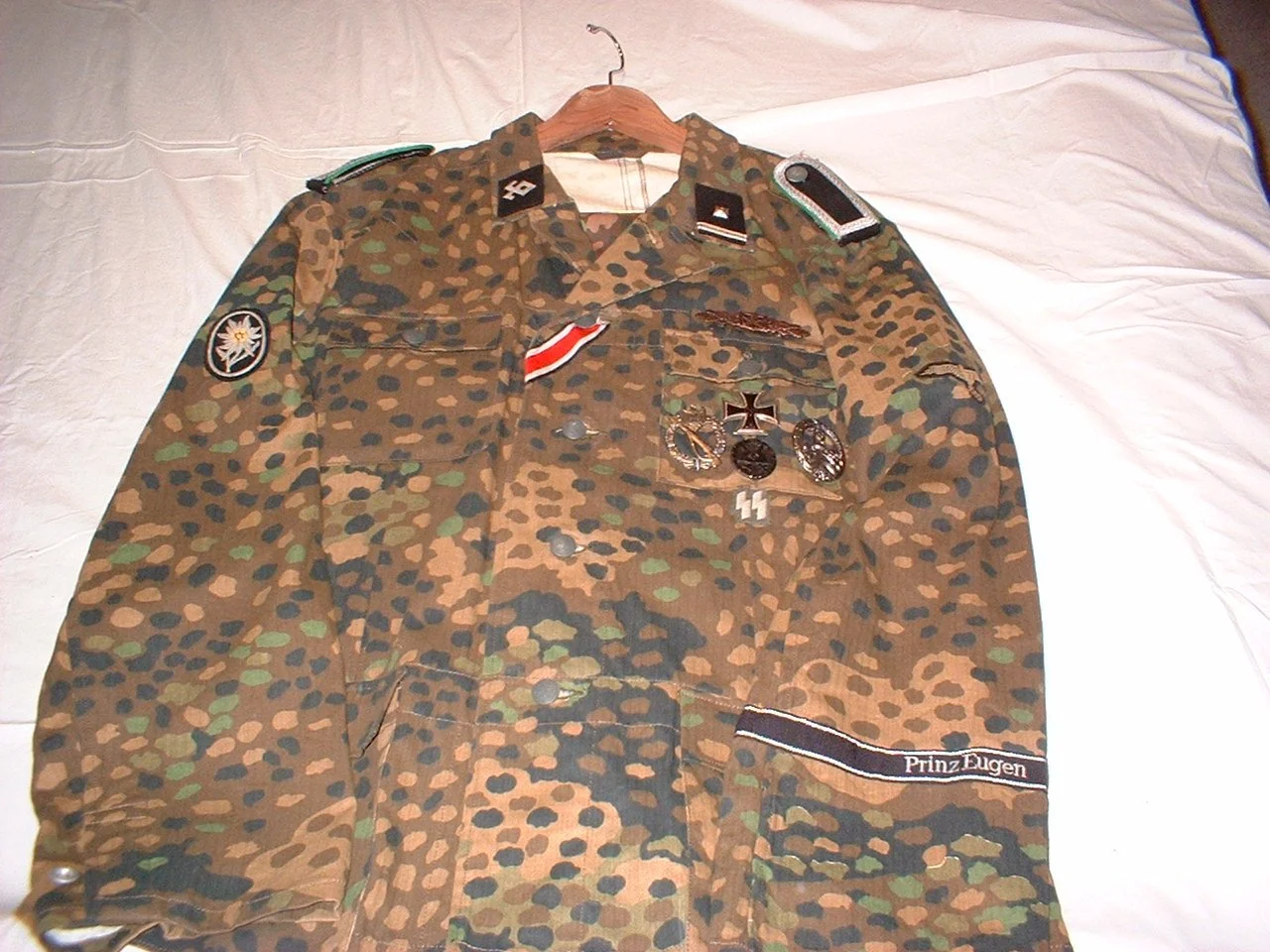
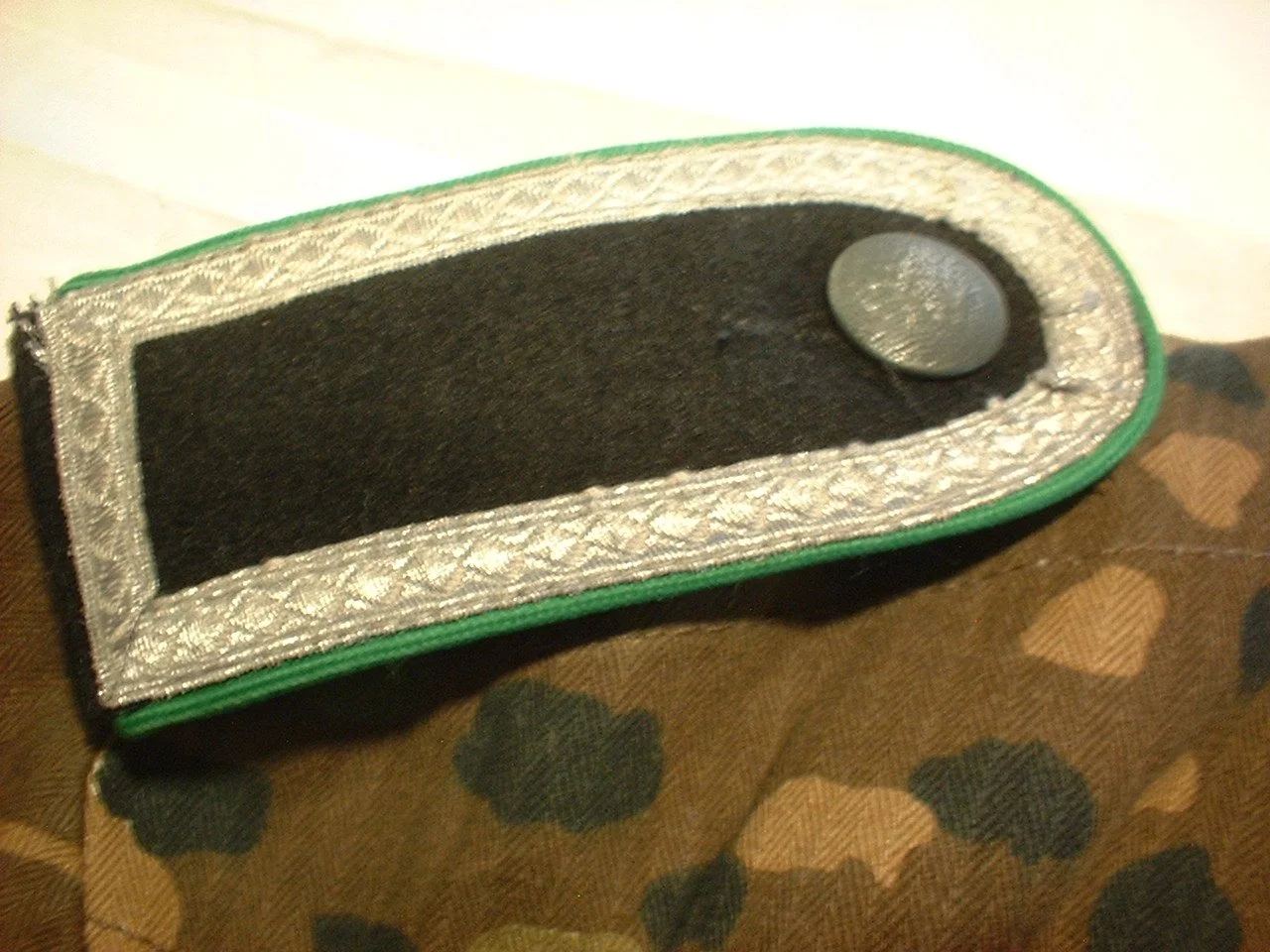
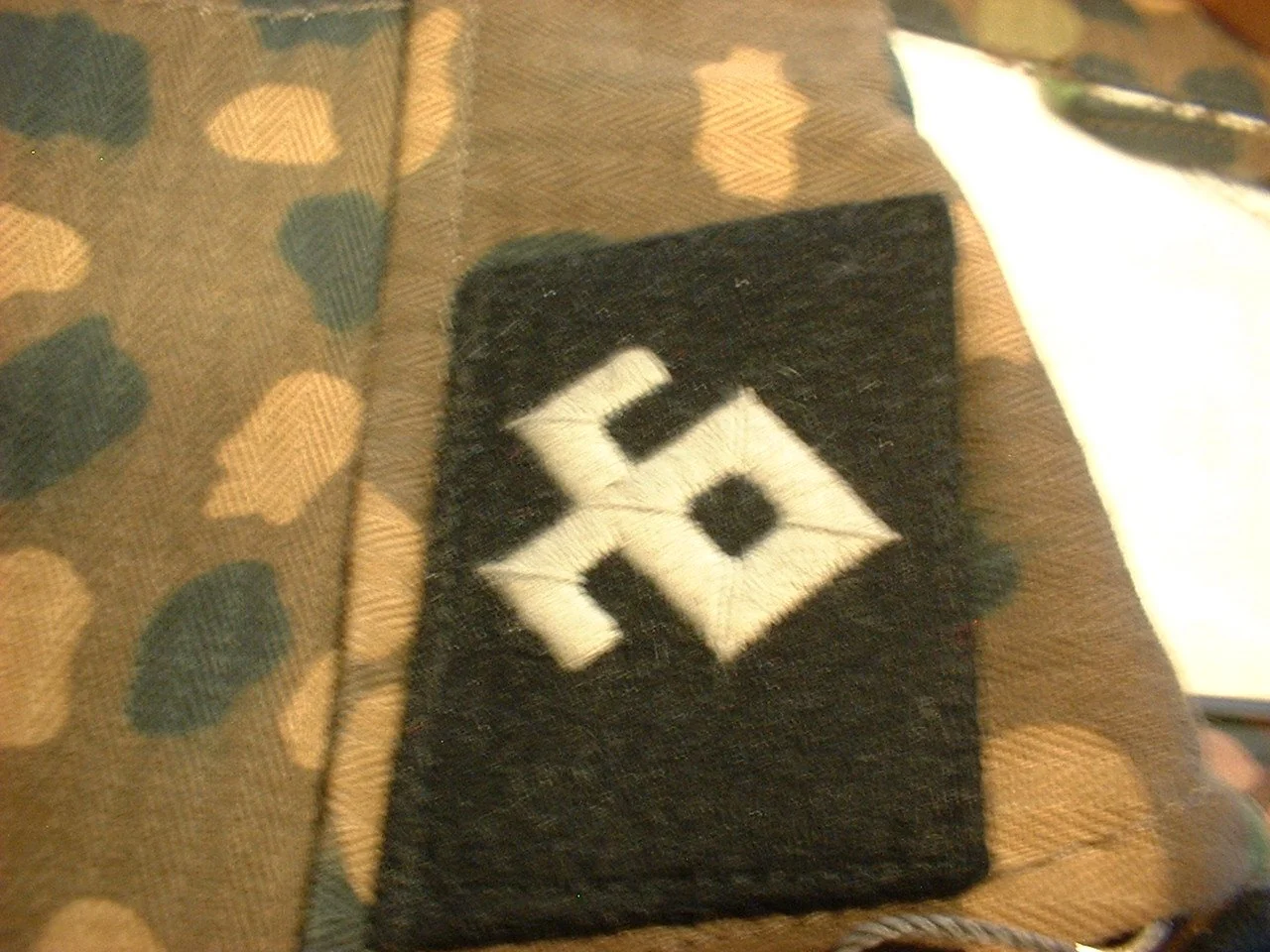
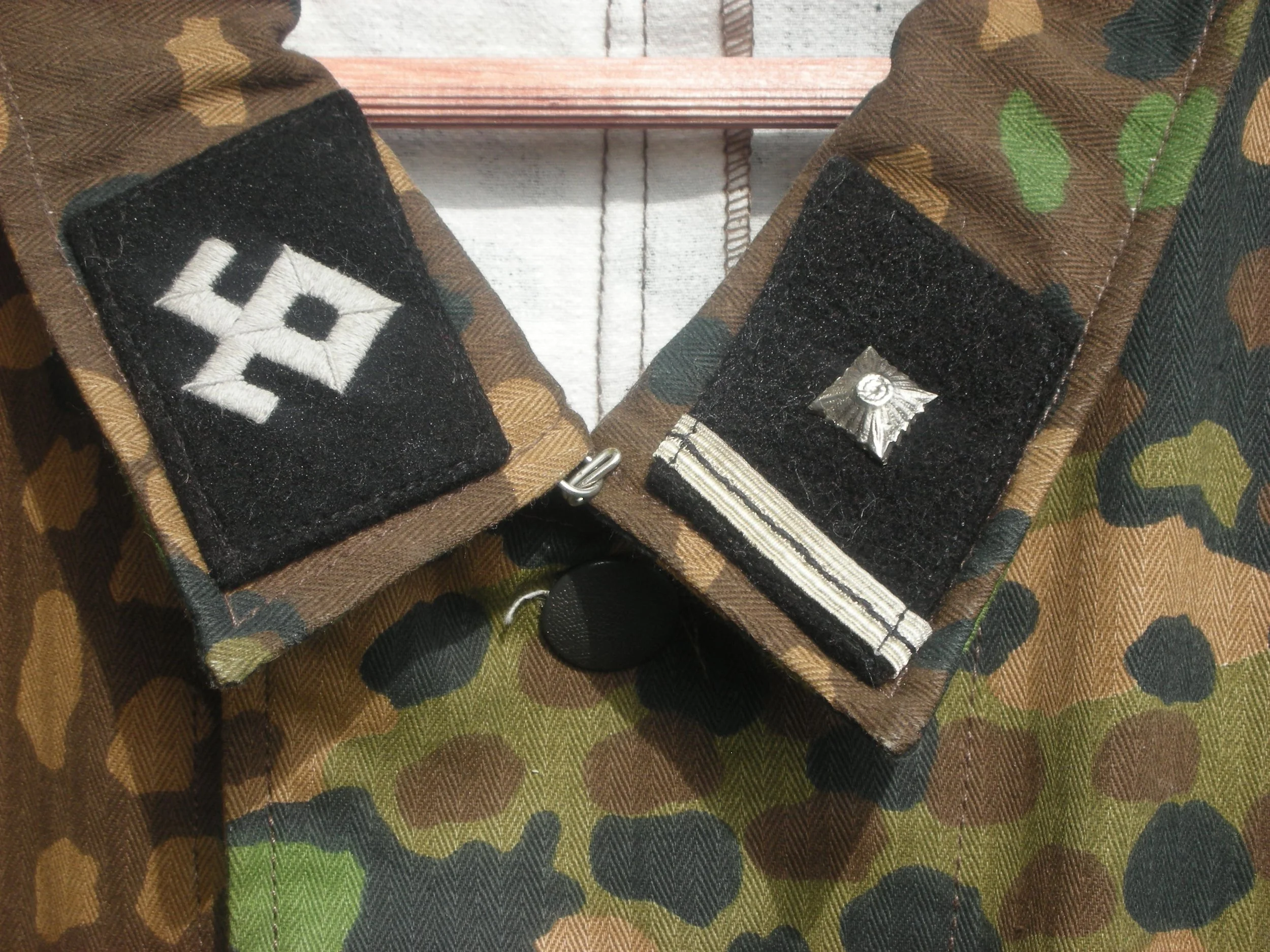
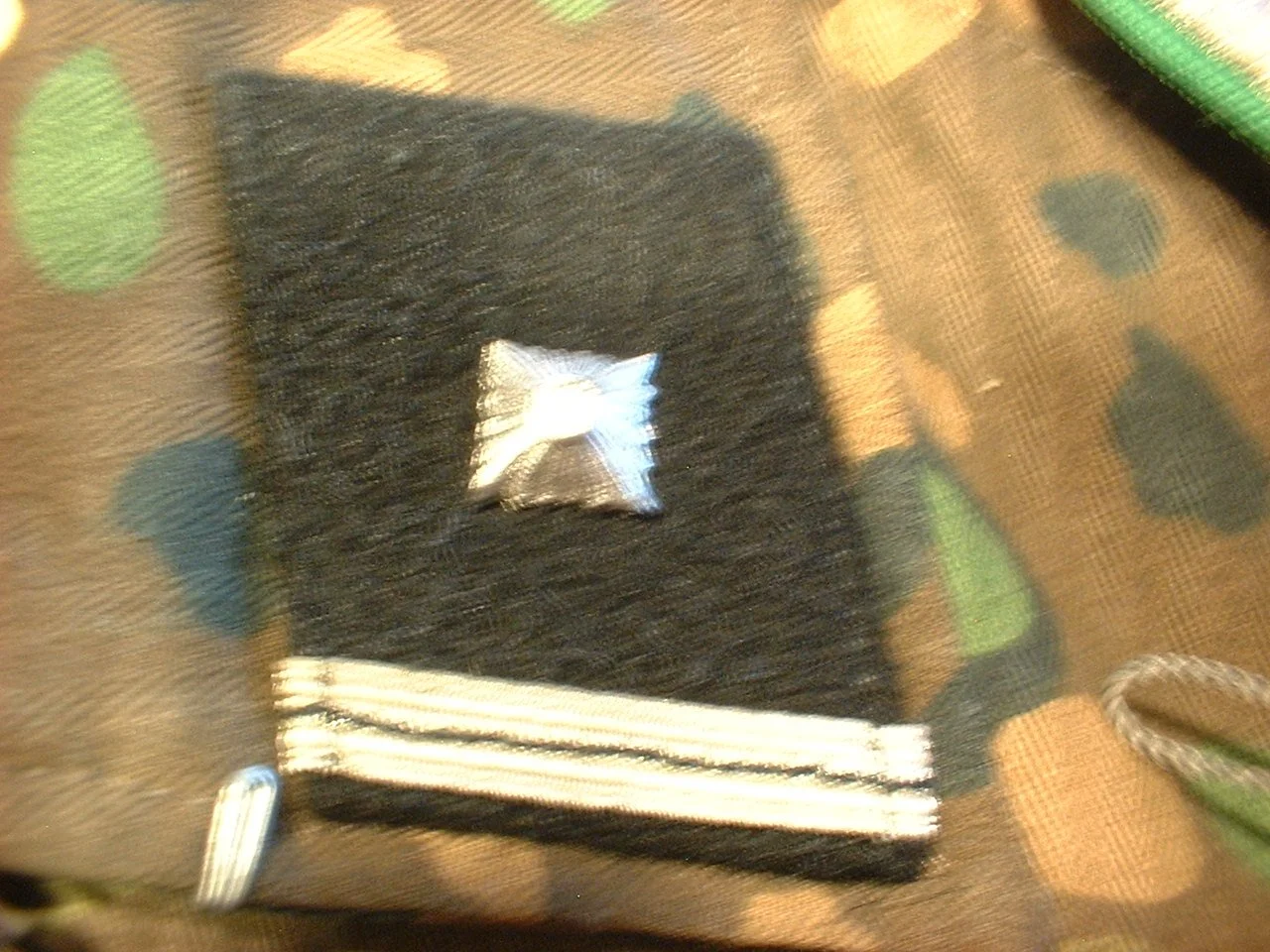
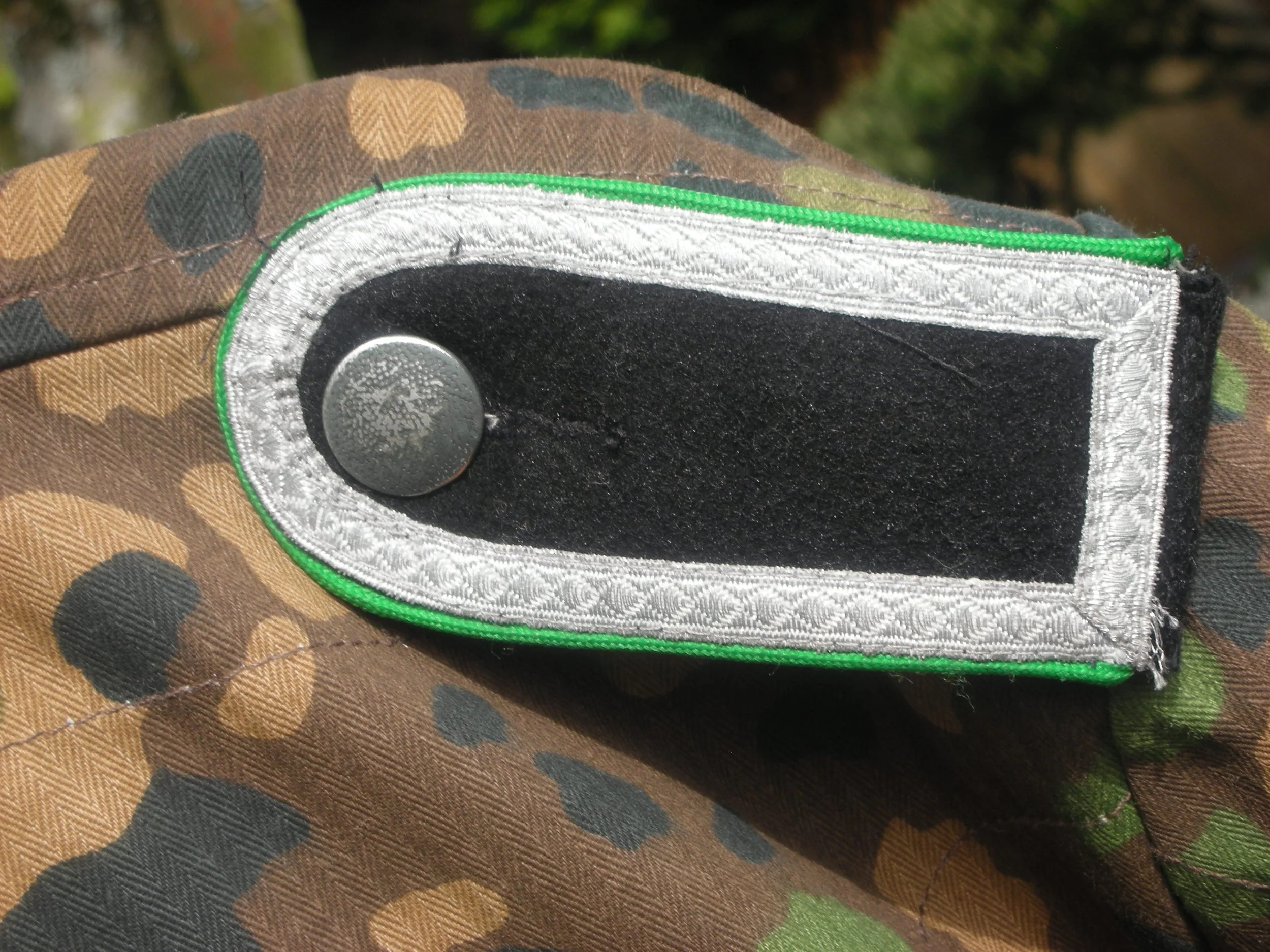
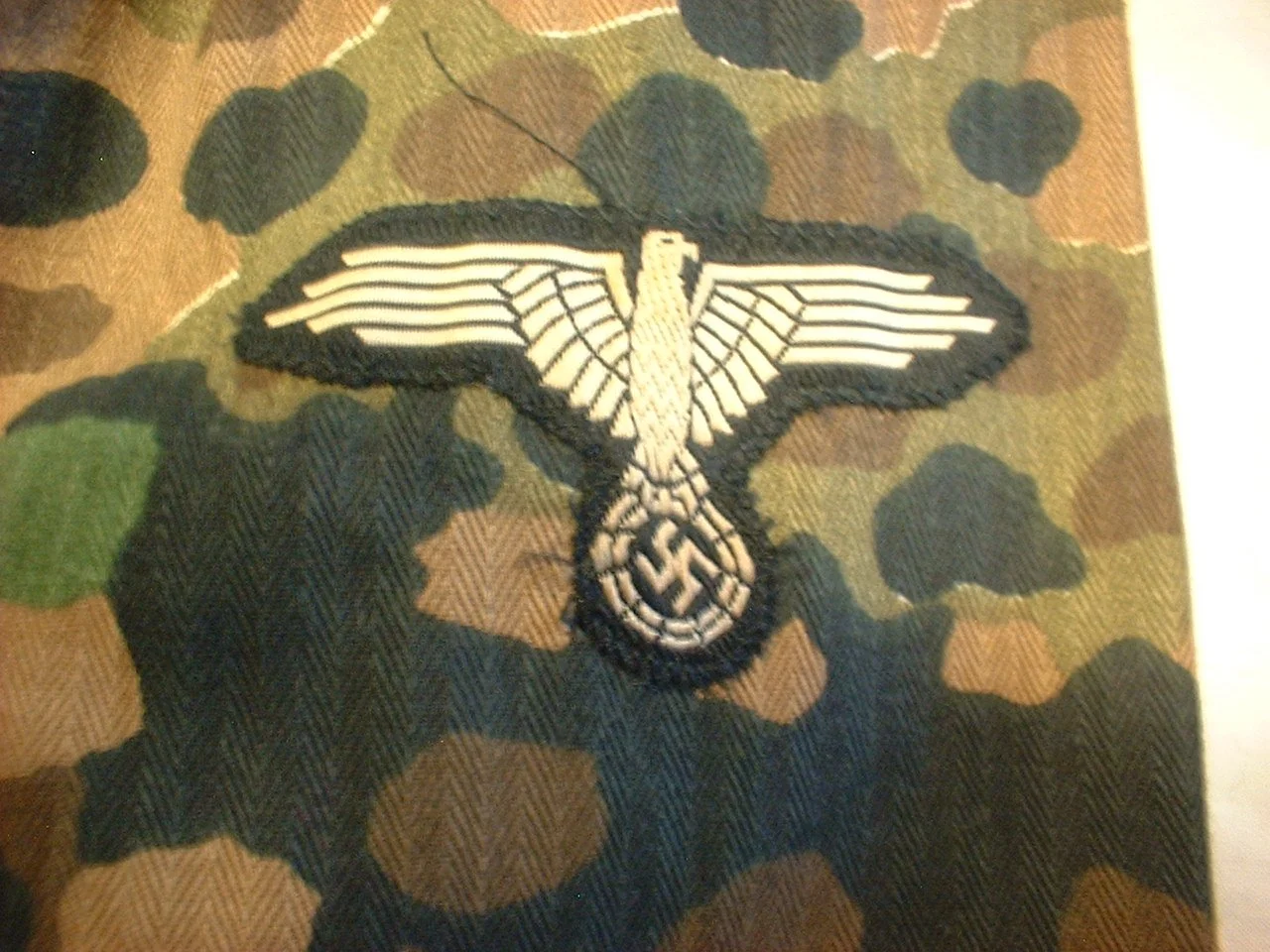
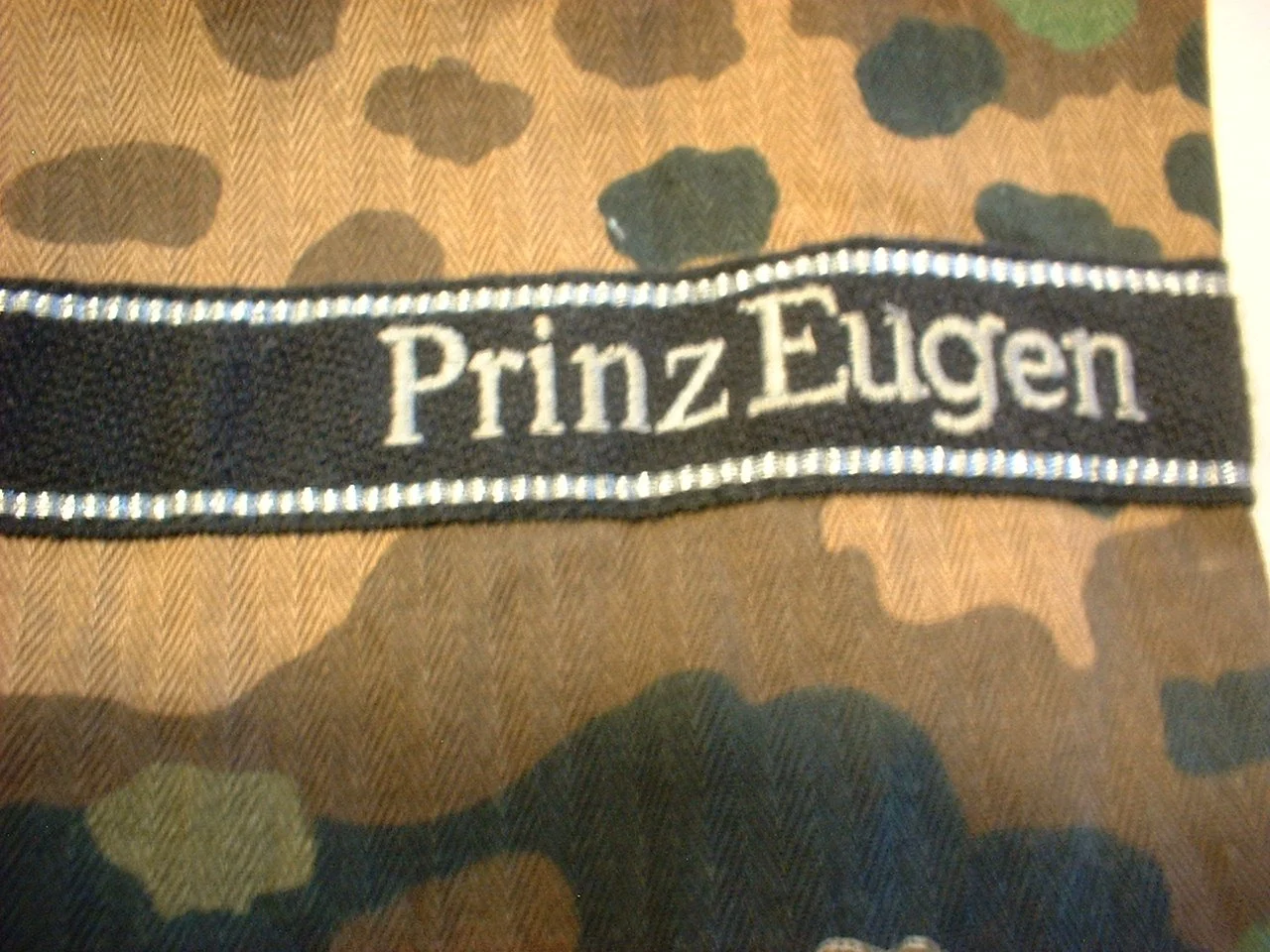
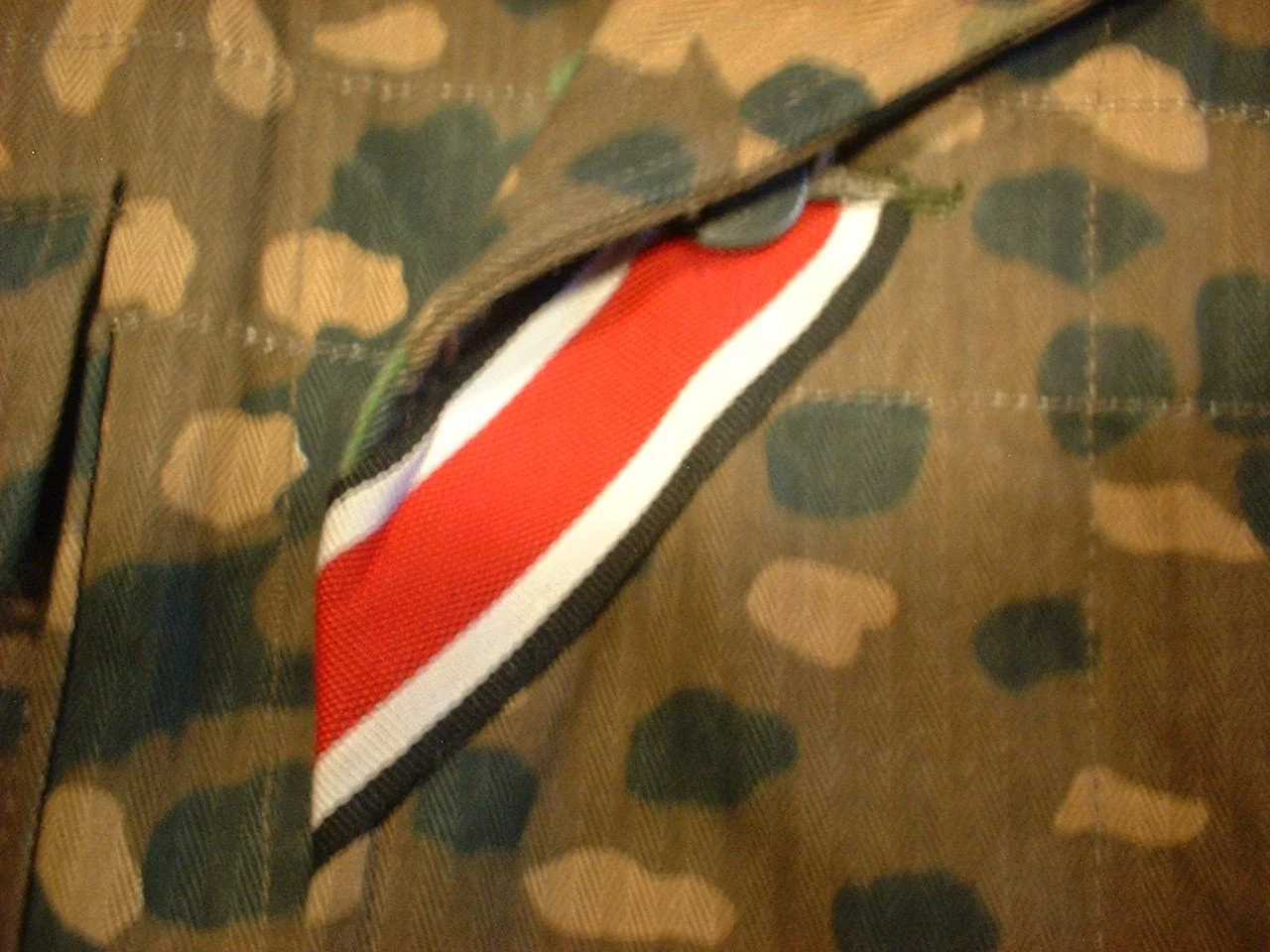
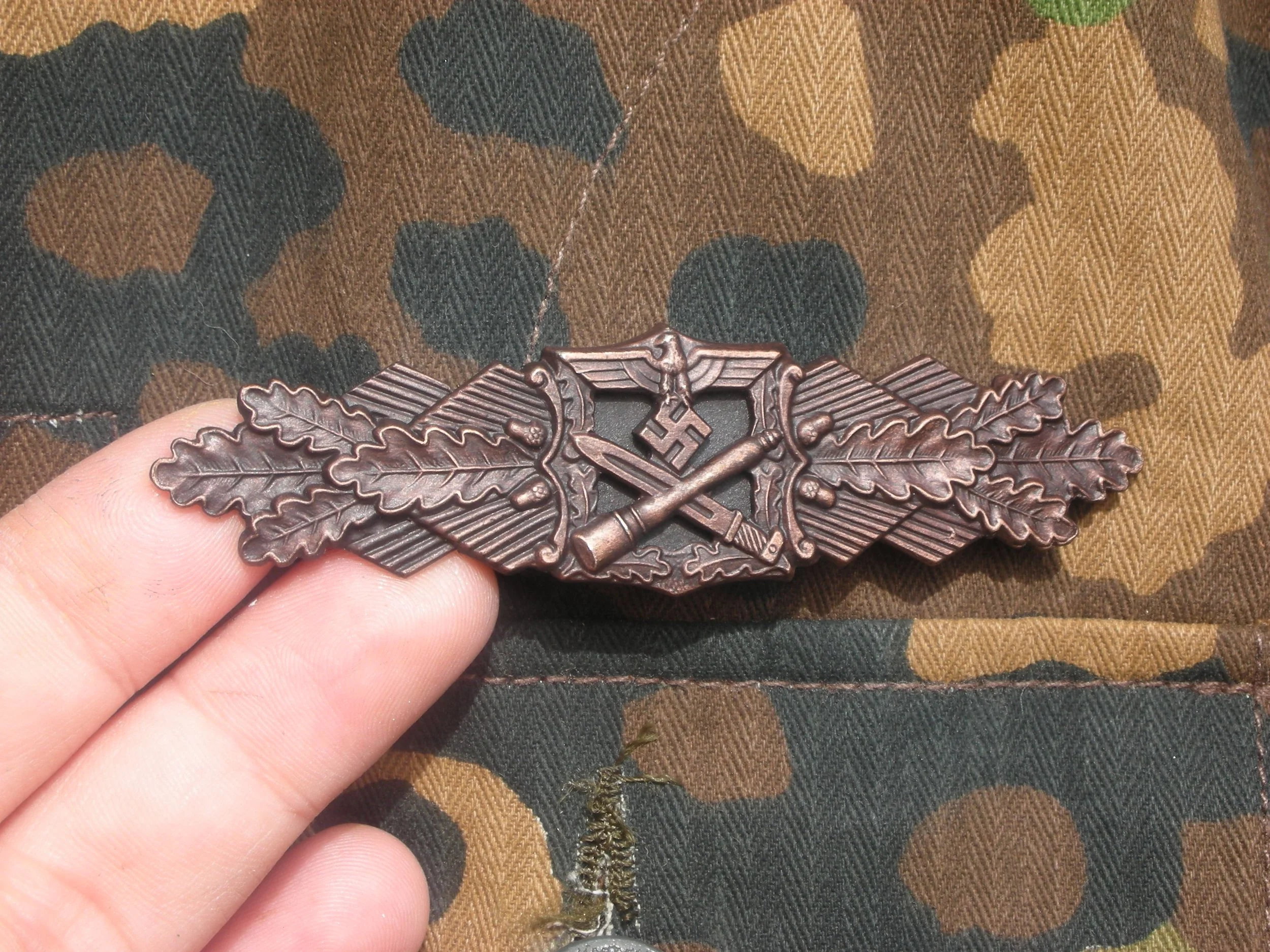
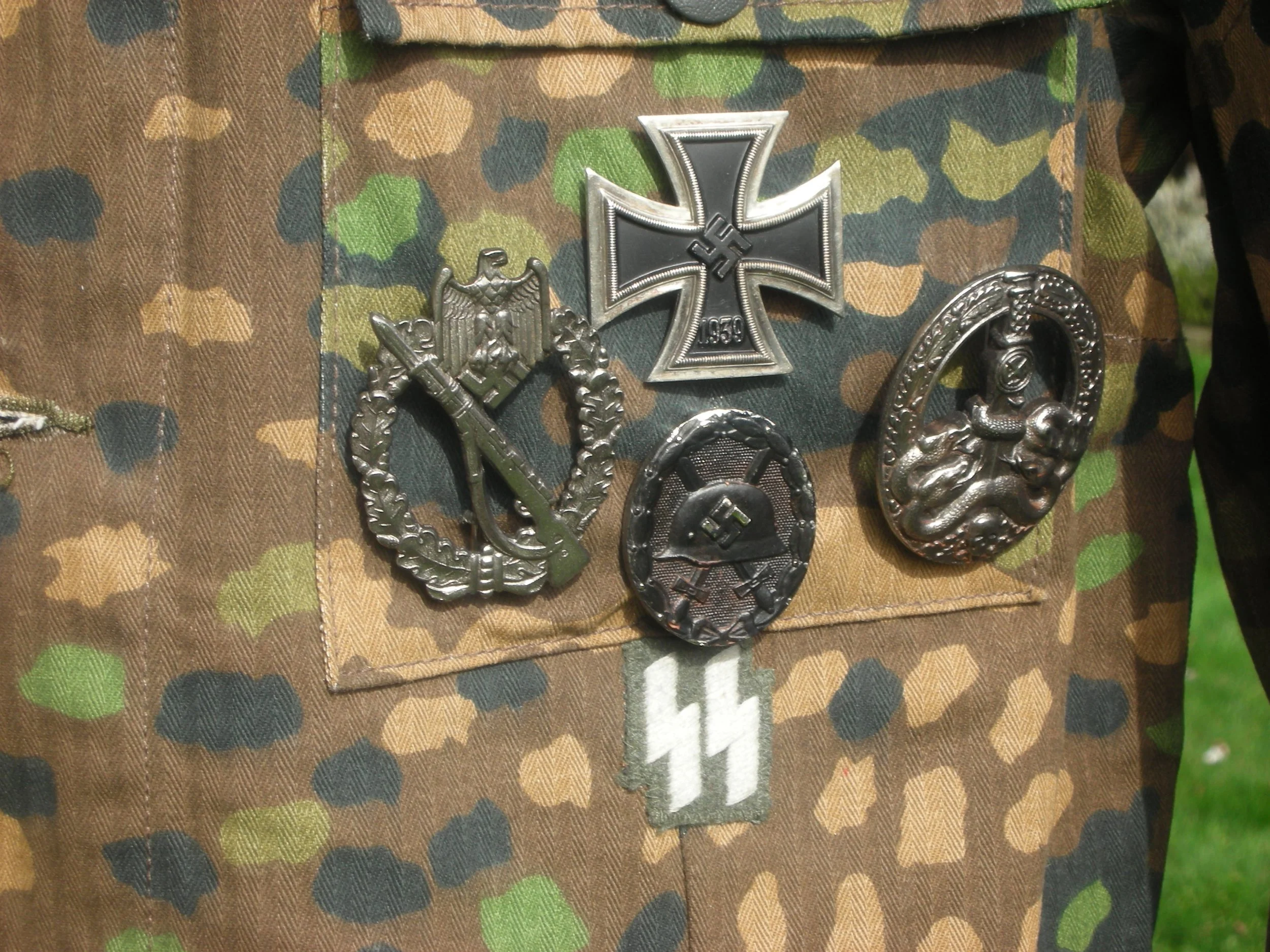
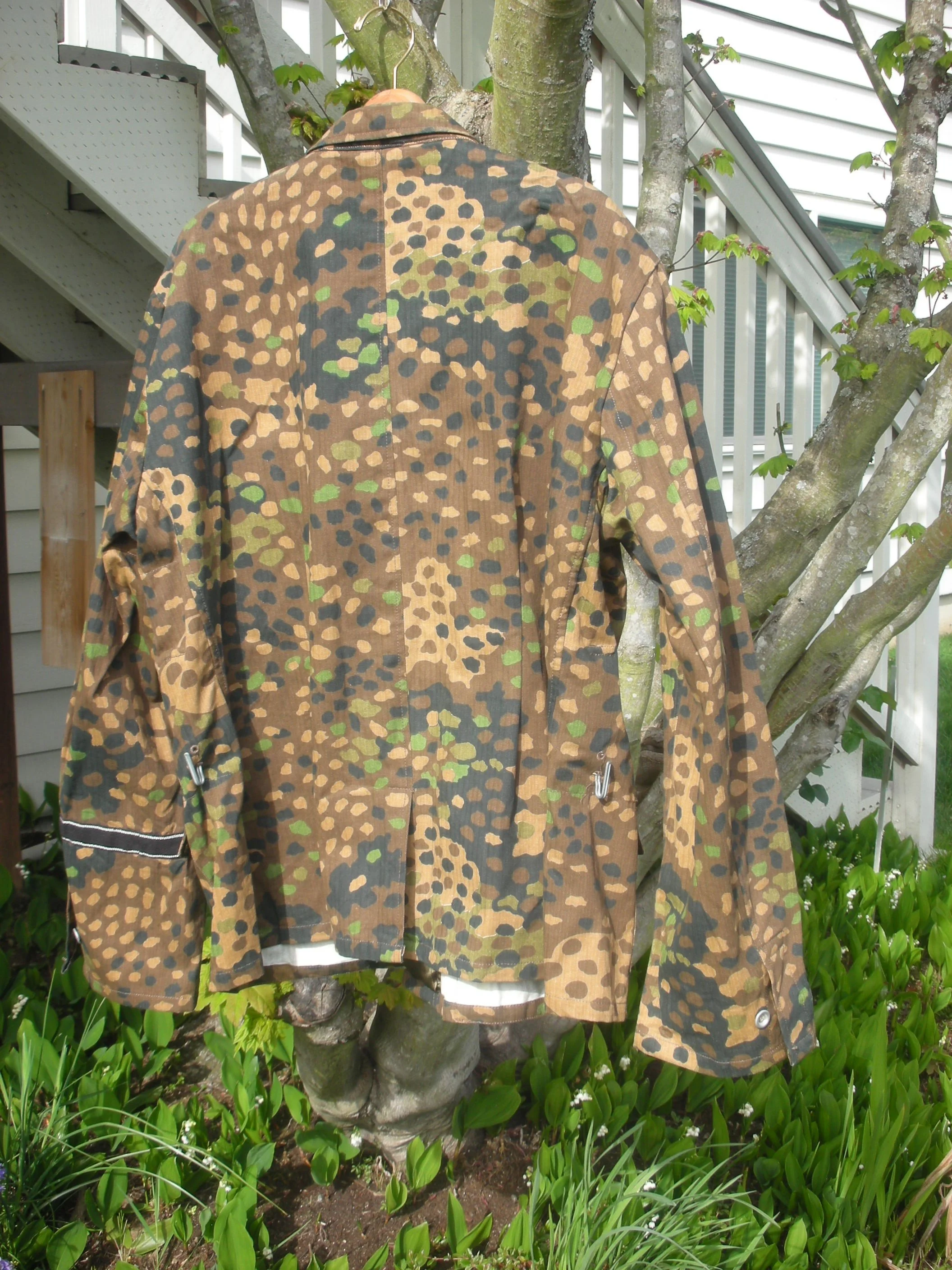
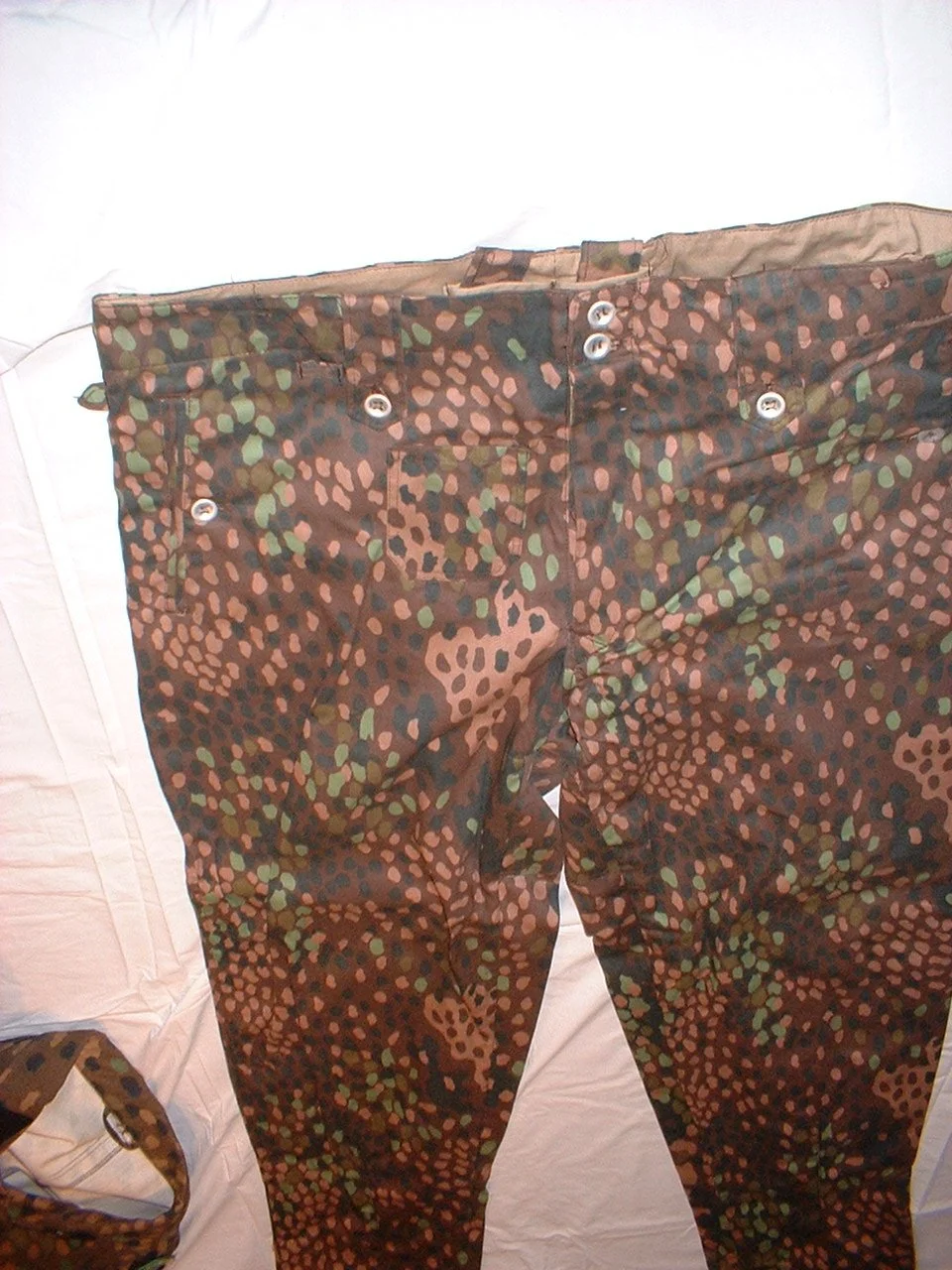
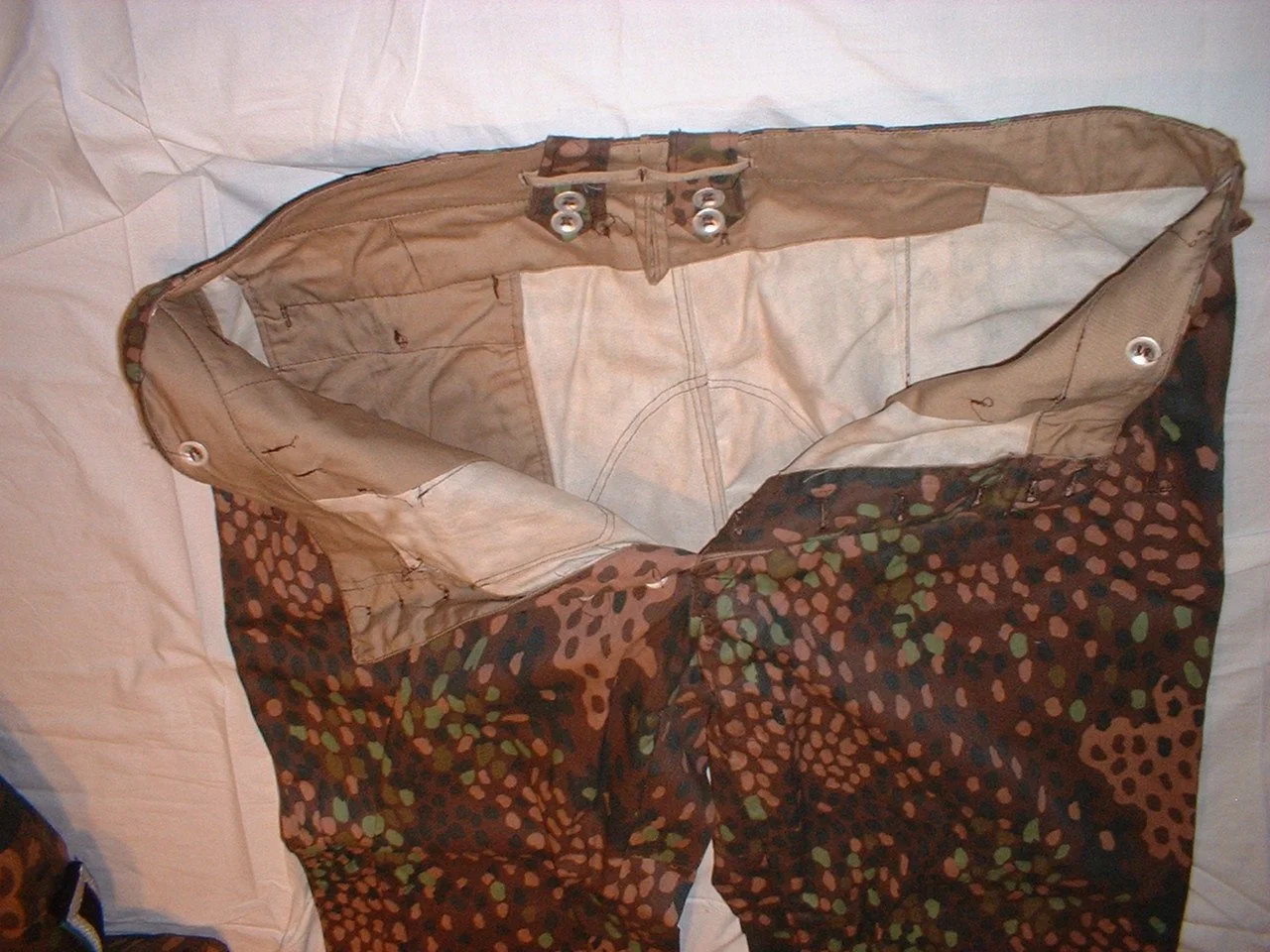
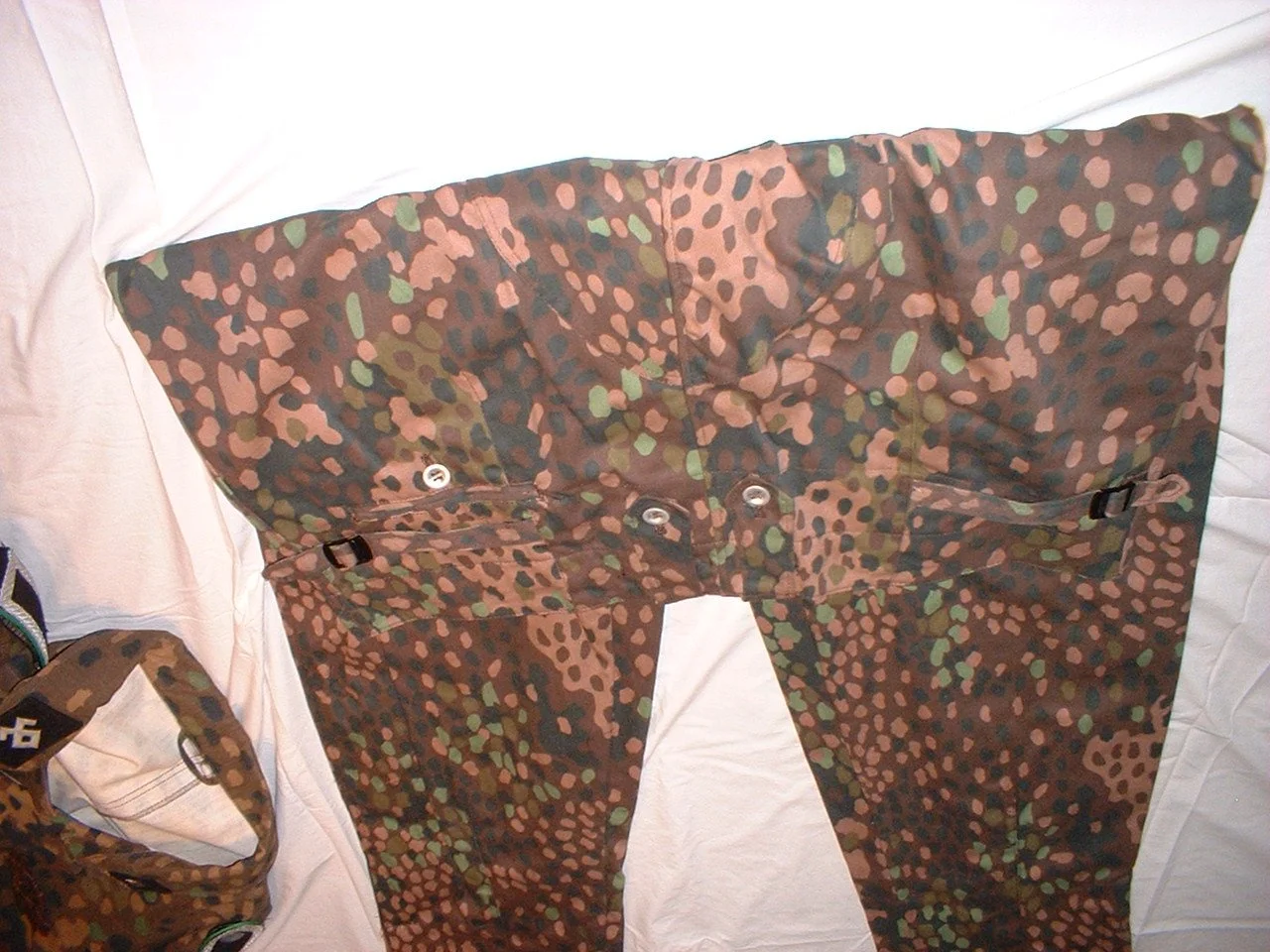
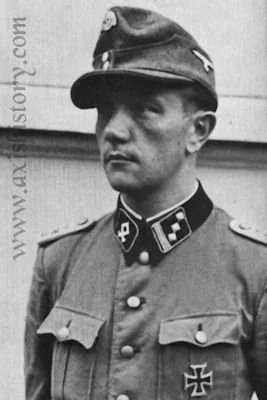
Established in 1942 to incorporate ethnic Germans from Romania, Austria, and Yugoslavia. The division made a reputation for fighting against Tito's Communist Partisans in Yugoslavia. This Scharführer is wearing the late-issue 44 Dot camouflage uniform with all his insignia sewn in place. He is an SS member, as shown by the Germanic SS runes worn on the lower section of the pocket. He has won both Iron Crosses, the Infantry Assault Badge, and the Anti-Partisan Badge in Silver, along with the Close Combat Clasp in Bronze. He has been wounded at least 3 times, as shown by the Black Wound Badge. On his left sleeve is the Waffen-SS Gebirgs Edelweiss, and on the right sleeve is his divisional cuff title. His shoulder boards are piped in green for mountain troops. On his collar is the divisional Odel Rune or "0" Rune, symbolic of Odin and Midgard. He has an old-style Austrian Bergmütze with an SS metal eagle, and TK added, along with an embroidered SS cap Edelweiss. I have the helmet down in the crawl space somewhere. I’ll have to dig that up.
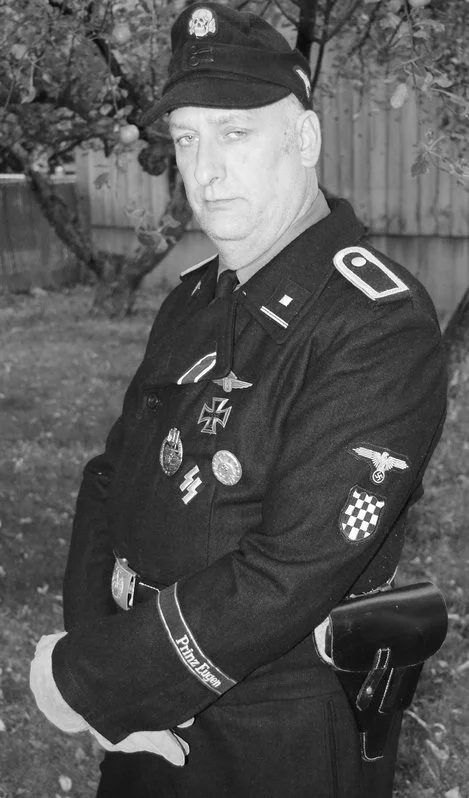
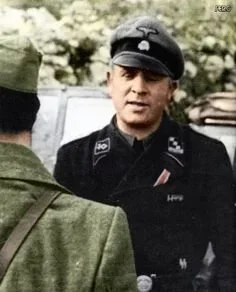
SS-Panzer Unterscharführer, 7./ SS-Panzer Battalion, “Prinz Eugen Division”:
The ‘Prinz Eugen’ was formed in late 1941, following the Nazi invasion of Yugoslavia, initially from German-speaking Danube Swabian Selbstschutz in the Serbian province of Banat. After the initial rush of Volksdeutsche to join, voluntary enlistments tapered off, and the new unit did not reach divisional size. Therefore, in August 1941, the SS discarded the voluntary approach and, after a favorable judgment from the SS court in Belgrade, imposed a mandatory military obligation on all Volksdeutsche in Serbia-Banat, the first of its kind for non-Reich Germans.
In 1942, the Panevo-based unit was declared a Gebirgs (Mountain) Division. They were issued non-standard German weapons, using captured equipment such as Czech machine guns and ex-French Armor. When the division was formed, it was assigned to the Balkans, on anti-partisan duty, as a Mountain Division. In August 1943, Prinz Eugen became part of the XV Panzer Armee Korps, and they were sent to the Dalmatian coast to disarm the Italian Forces in September 1943, after the Italian Government had surrendered to the Allies. The division was reorganized on 22nd October 1943 and was renamed the 7th SS-Volunteer Mountain Division ‘Prinz Eugen’. In November, the unit was attached to the V SS-Mountain Corps and took part in anti-partisan Operations Kugelblitz and Schneesturm in December 1943.
In March 1944, the Division was involved in more anti-partisan action in Operation Maibaum (April 1944) and the next large offensive, Operation Russelsprung, the assault on Drvar, which began on 25 May 1944. This operation had the task of killing or capturing Tito, and the offensive was supported by the 500th SS-Fallschirmjäger Battalion and the Brandenburg Regiment. By August, the Soviet Red Army had advanced to the Balkans, and the Division had begun fighting Russian and Bulgarian units, suffering heavy casualties in the process.
The Division’s next action was that, together with the 13th Waffen Mountain Division of the SS-Handschar (1st Croatian), the 23rd Waffen Mountain Division of the Kama (2nd Croatian) and the 21st Waffen Mountain Division of the Skanderbeg (1st Albanian), it was given the task of creating a corridor which would allow the retreat of 35,000 German soldiers from Greece and the Aegean. On 20th October 1944, the Russians captured Belgrade, and Prinz Eugen got the job of pulling back the rear guard, covering the German retreat.
(Note: Then, at the beginning of November, the 1st Albanian Skanderbeg Division was disbanded and its remnants were incorporated into the 14th Regiment of Prinz Eugen, which received its honor title ‘Skanderbeg’.)
In January 1945, the Division was again against the Russians and Tito partisans at Otok and Vukovar. The retreat from Bosnia continued, and Prinz Eugen retreated to Croatia in April 1945. On 10 May 1945, the Division retreated towards Celje in Slovenia, where it surrendered on 11 May 1945 to Yugoslav forces.
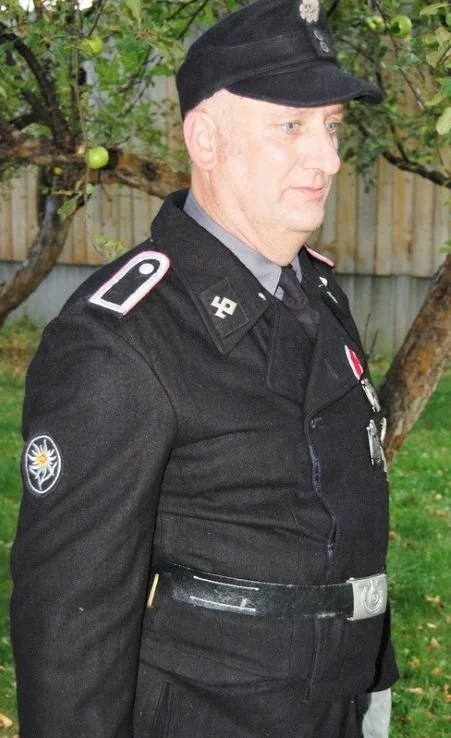
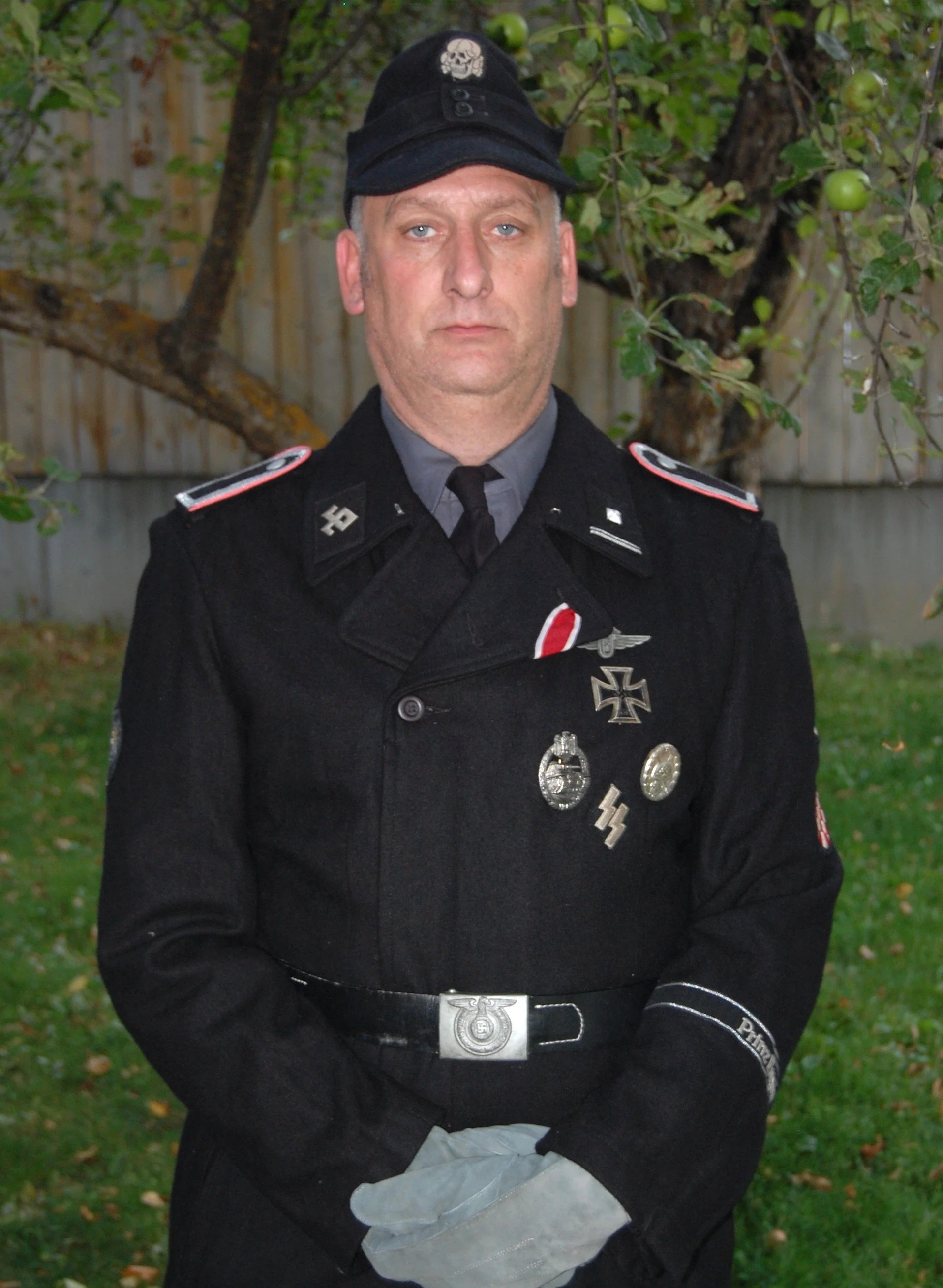
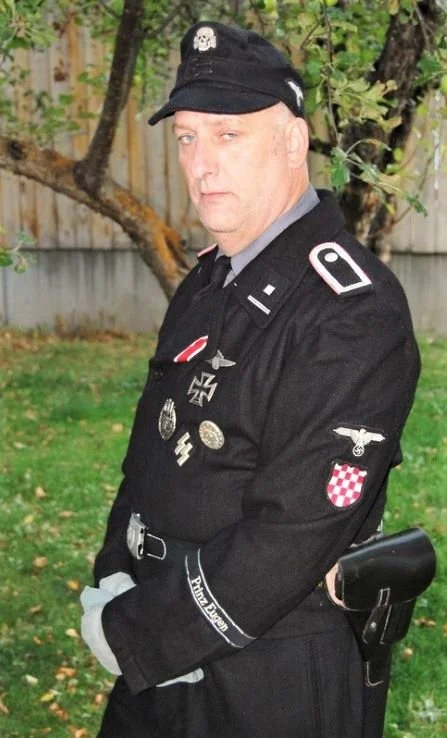
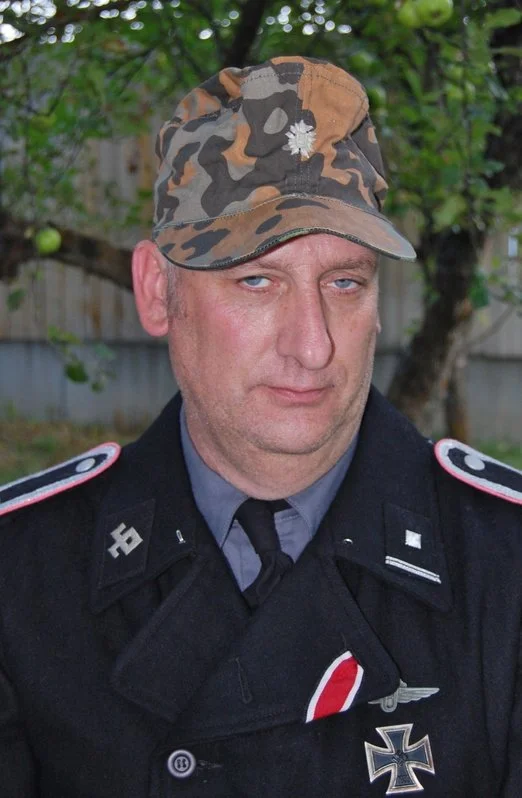
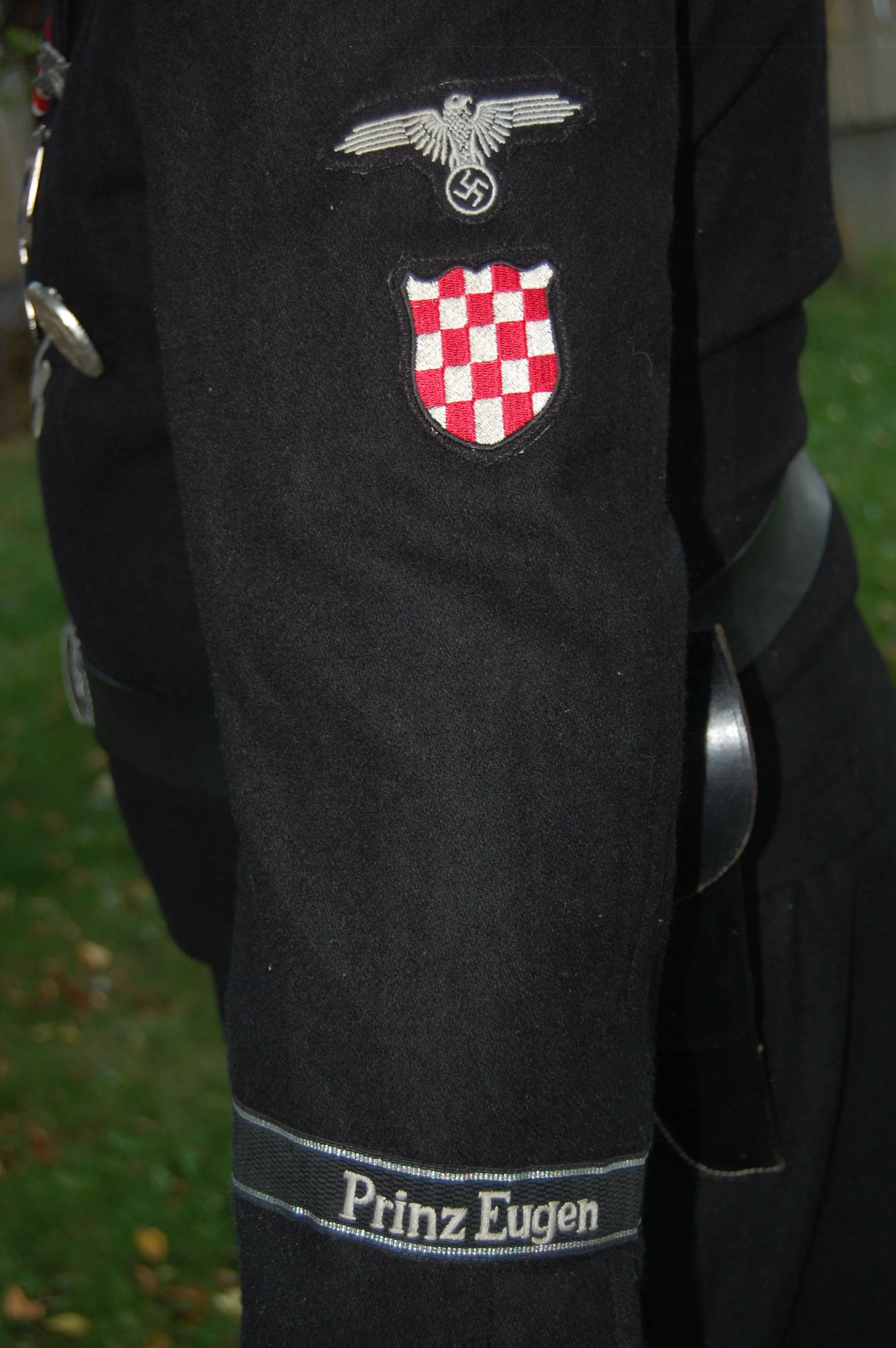
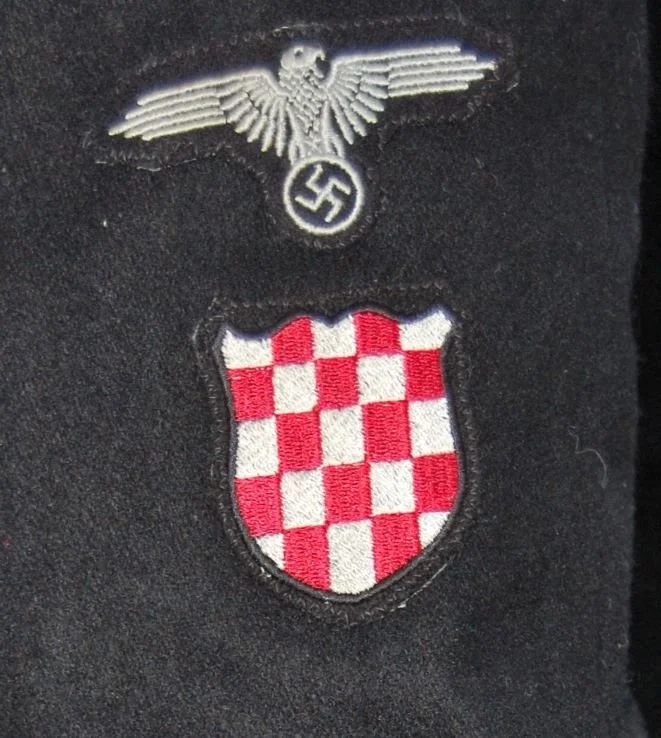
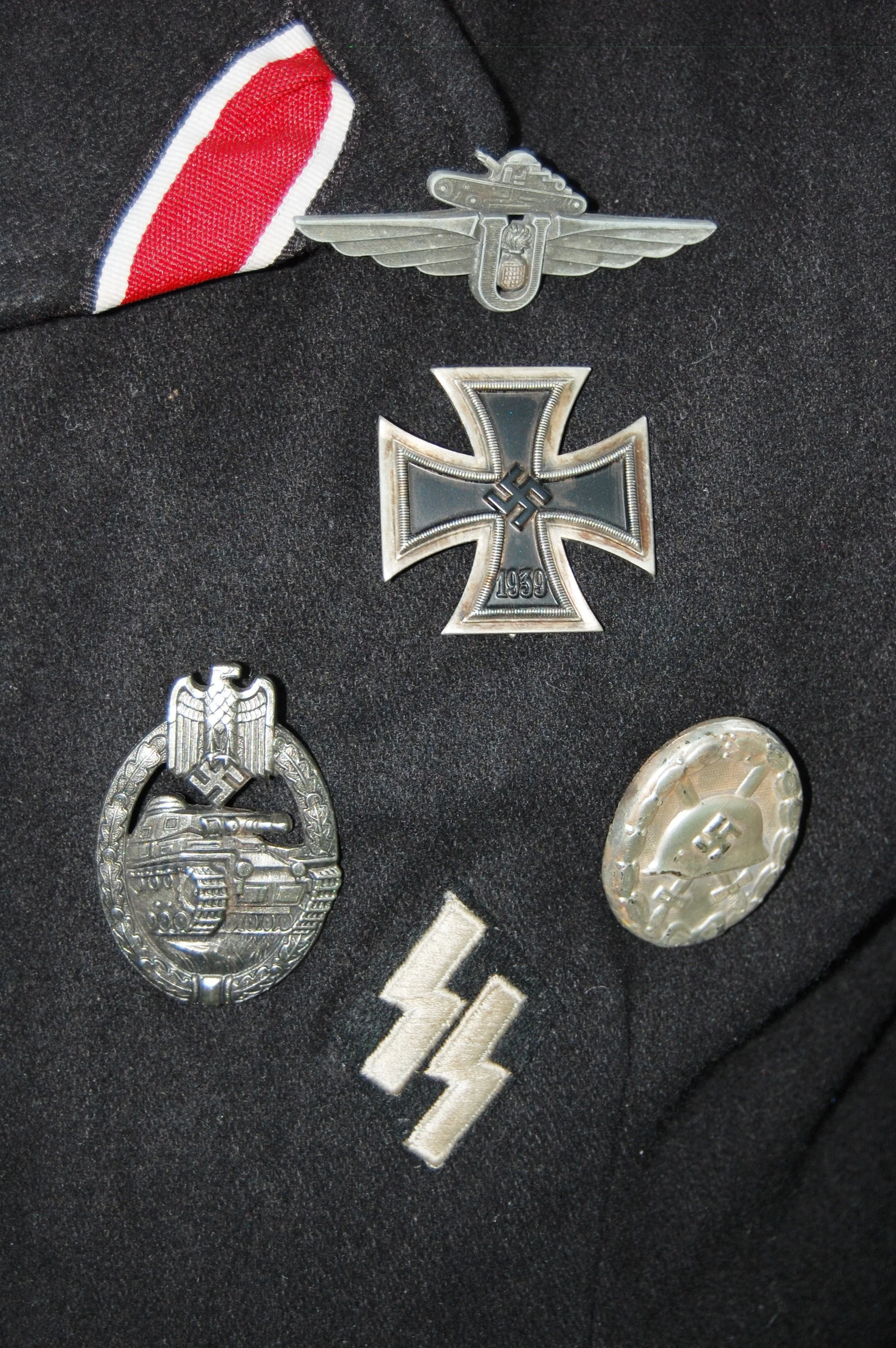
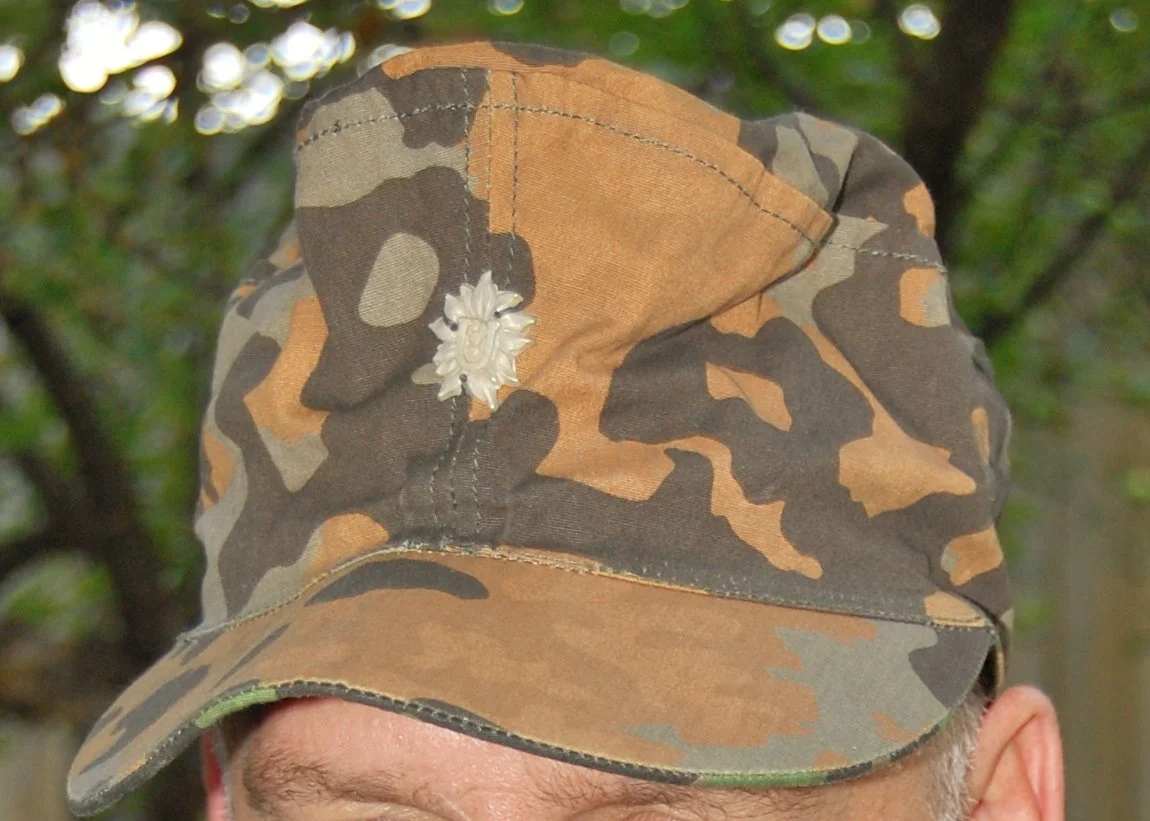
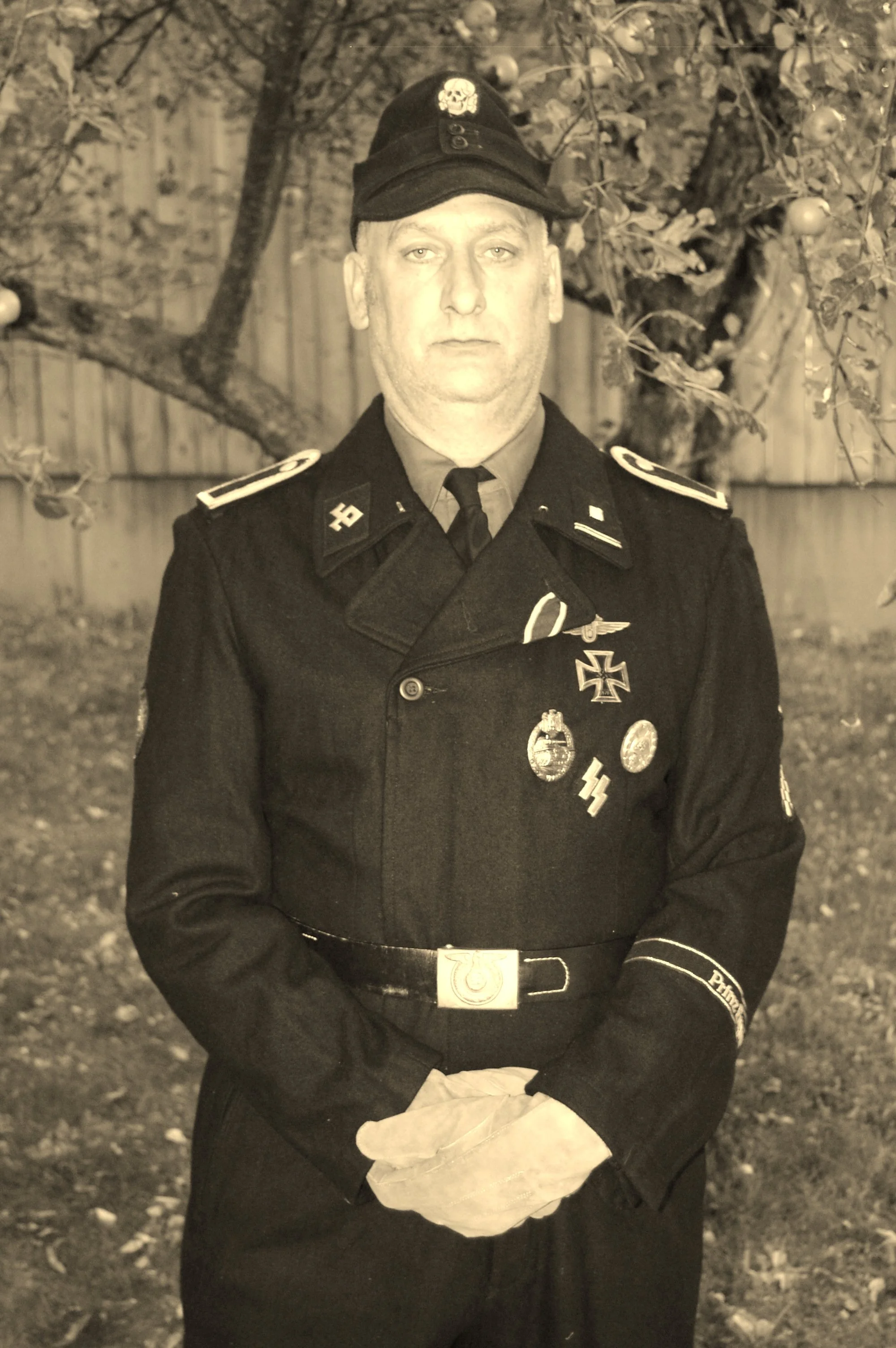
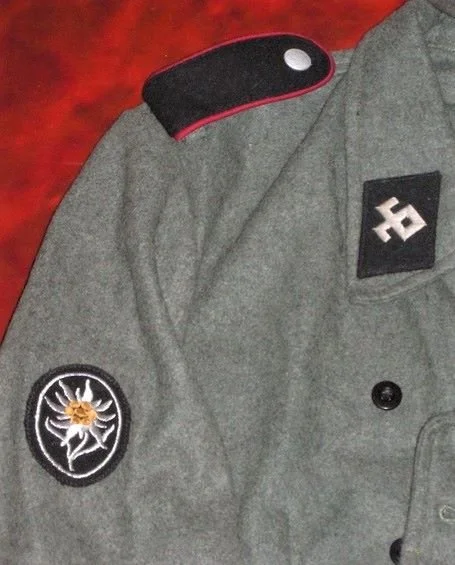
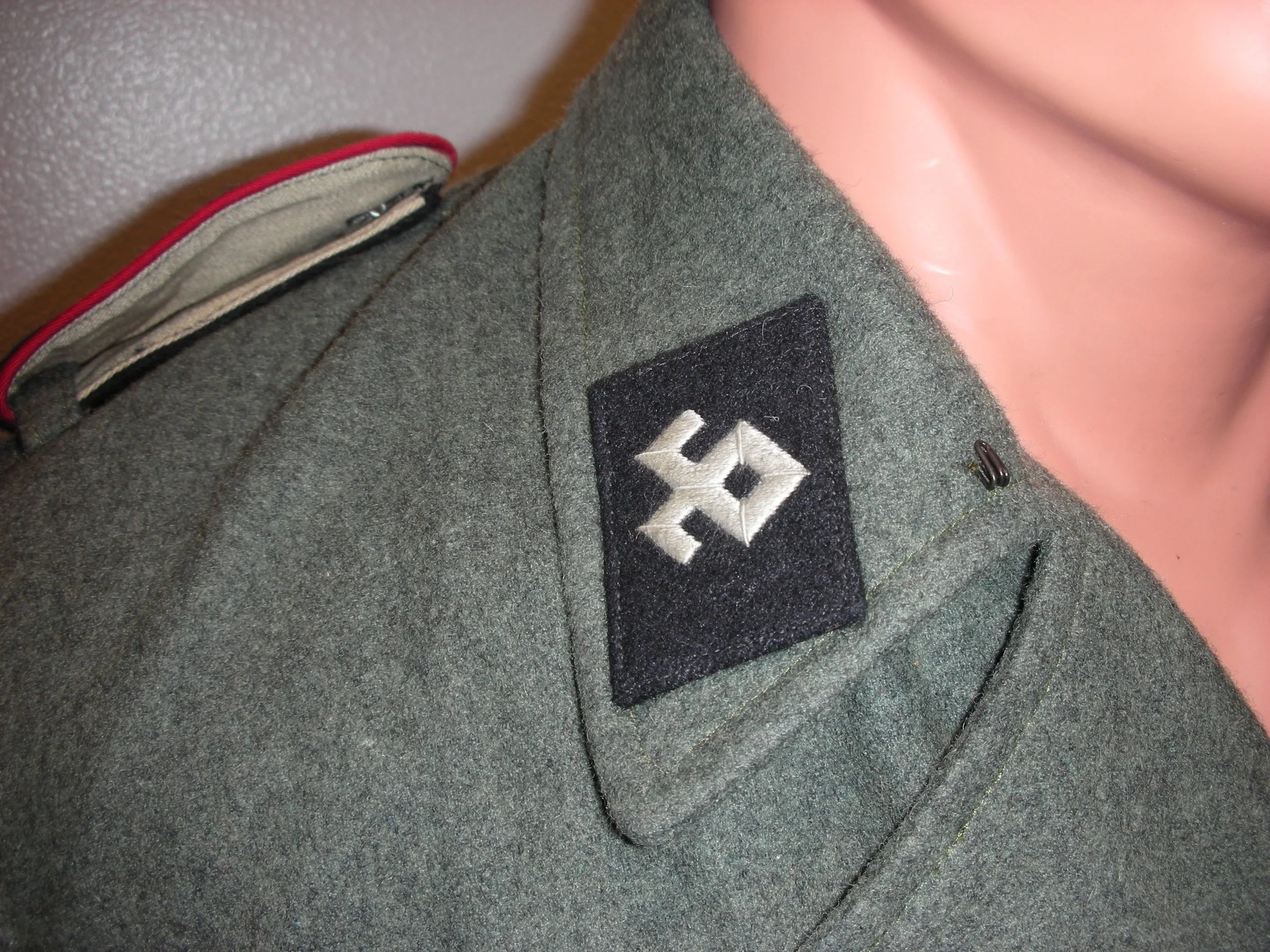
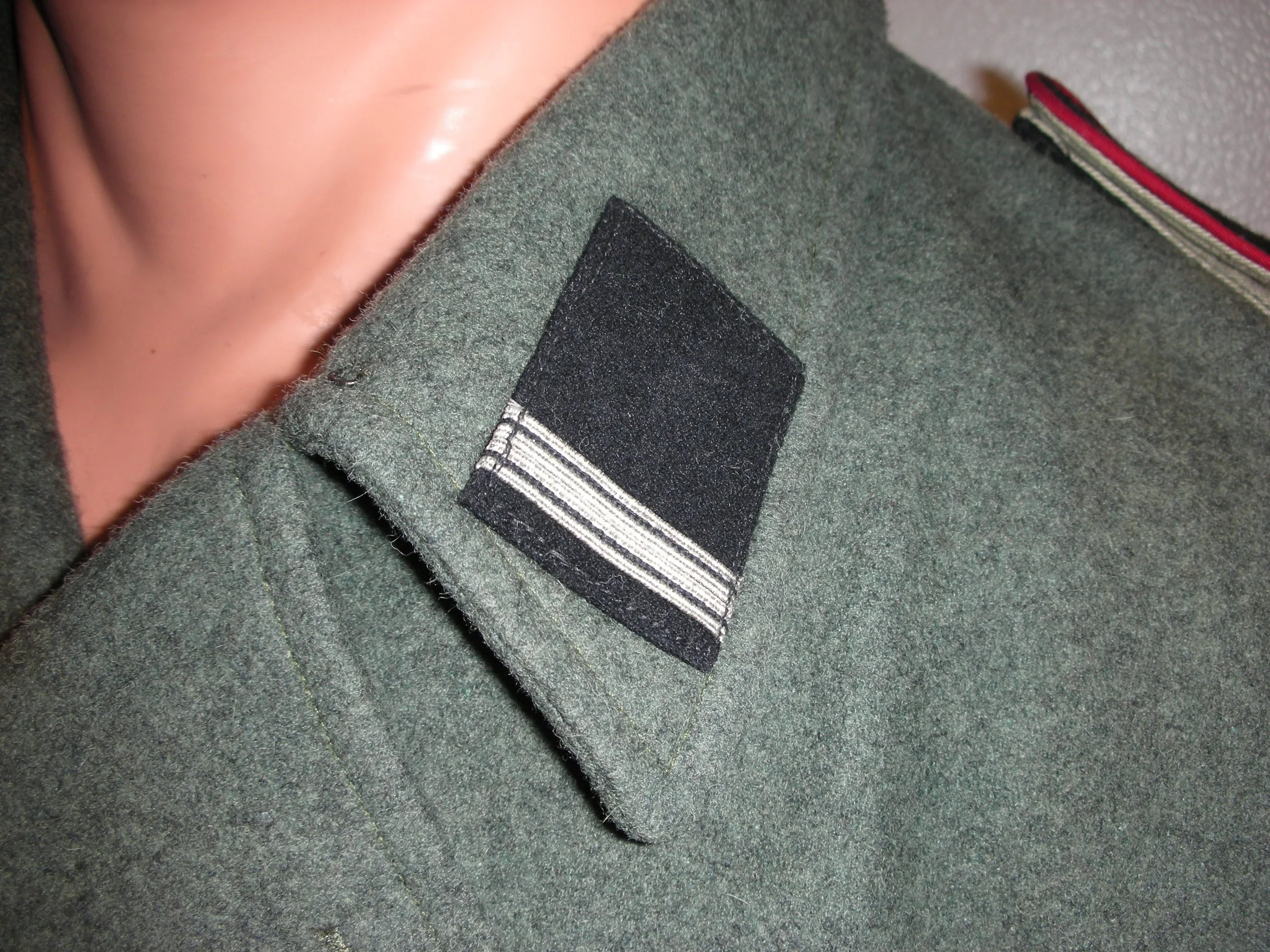
This sergeant is a recent veteran campaigner wearing a standard-cut SS-Panzer Jacket and trousers with divisional collar insignia, sleeve shield, and cuff title, as well as the SS-Gebirgsjager sleeve badge. With his Panzer uniform, he wears the standard-issue shirt and tie, with an M-43 pattern Black Panzer Cap (I also thought the brown camouflaged pattern cap fit here, and it stuck), and short lace-up boots.
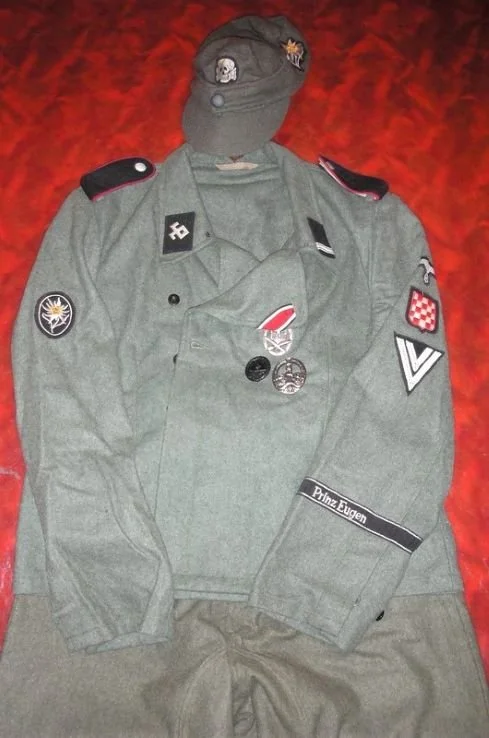
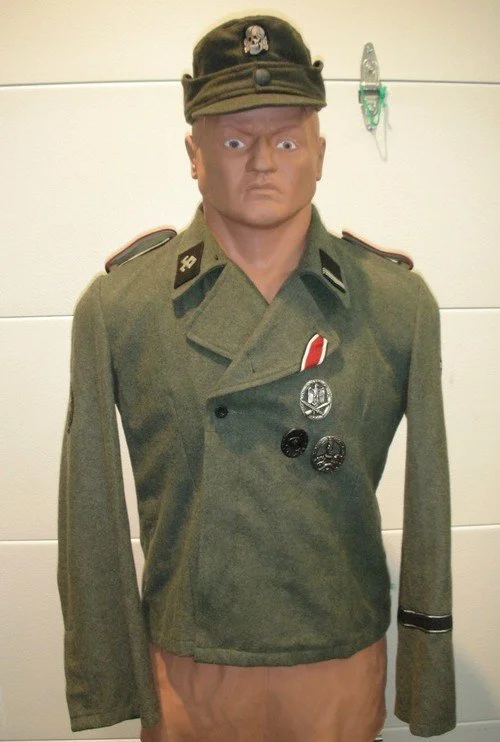
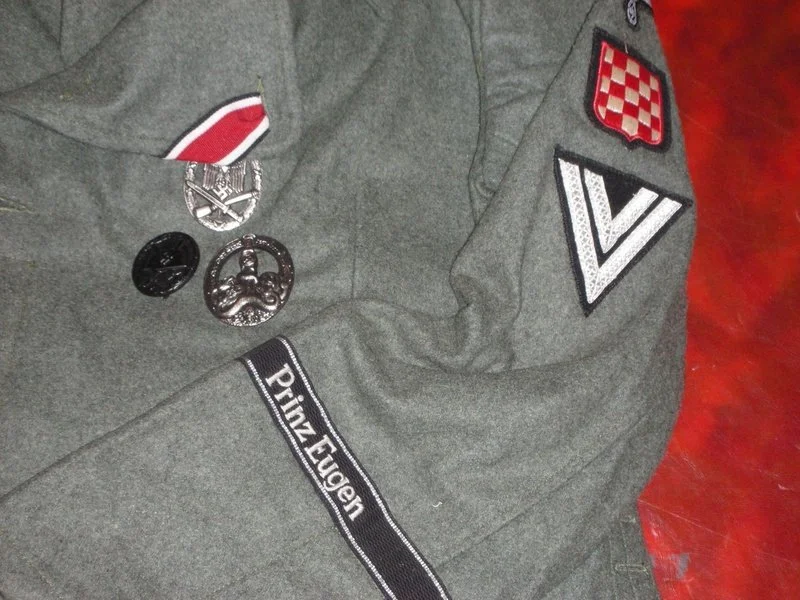
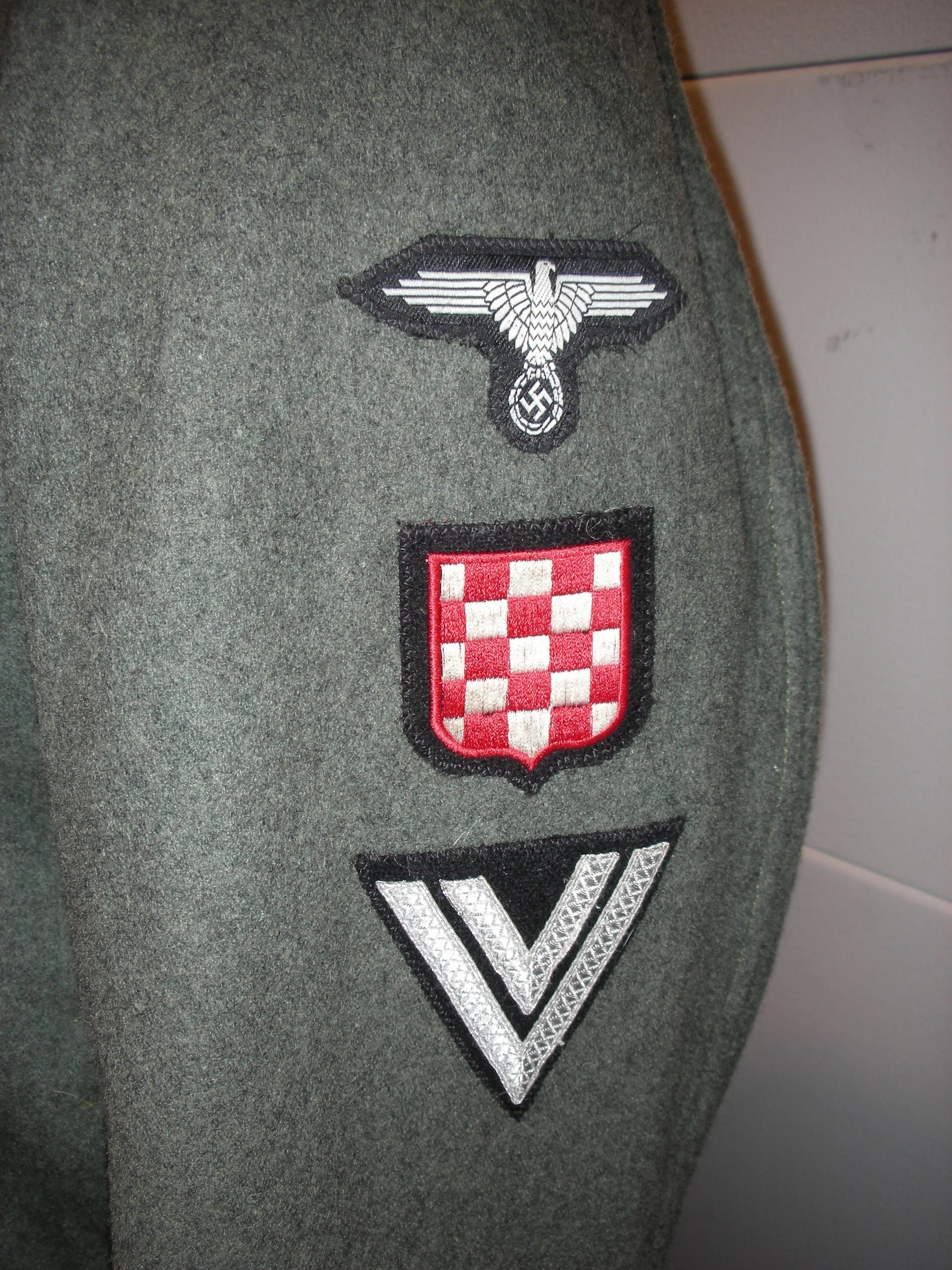
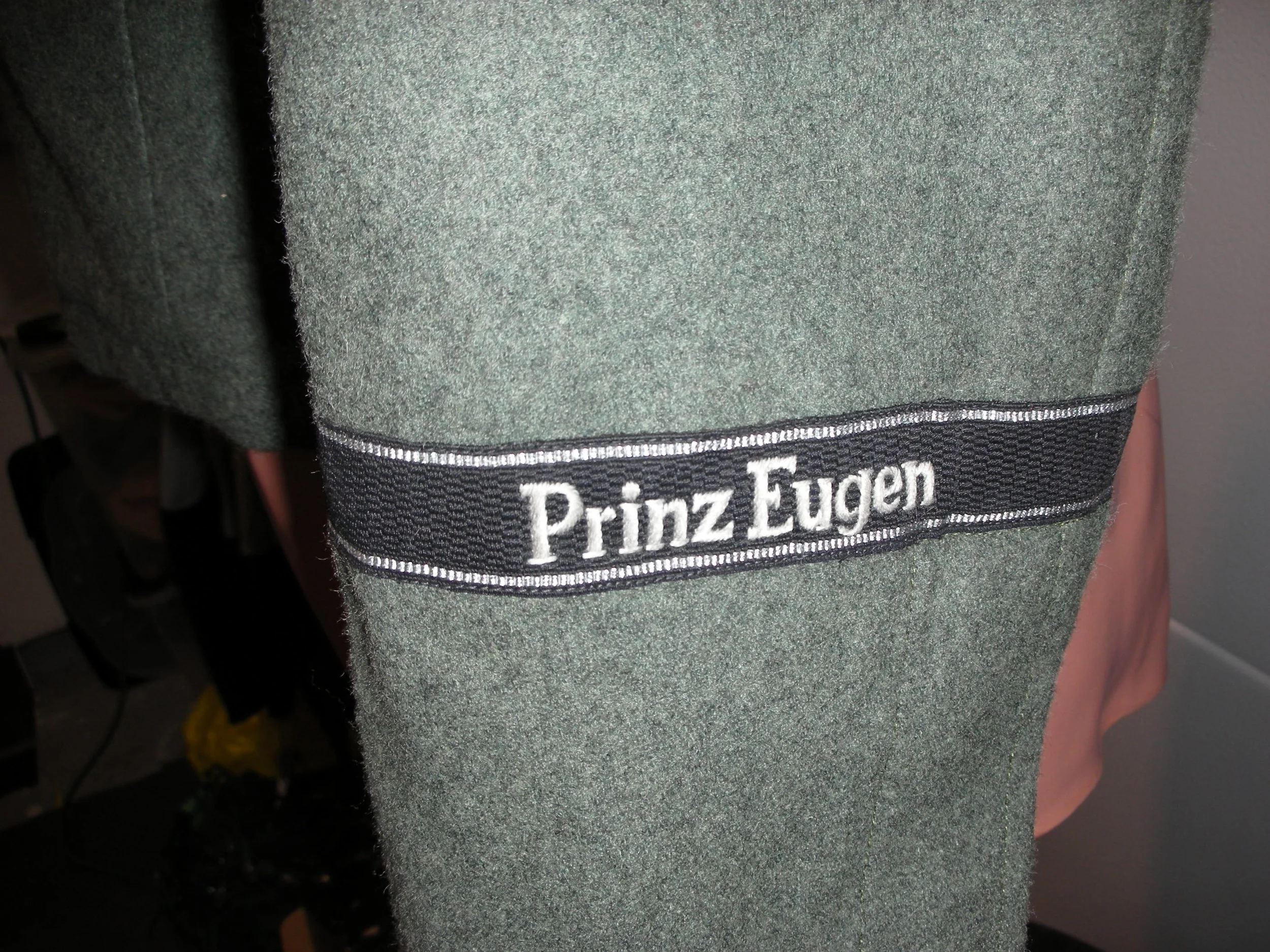
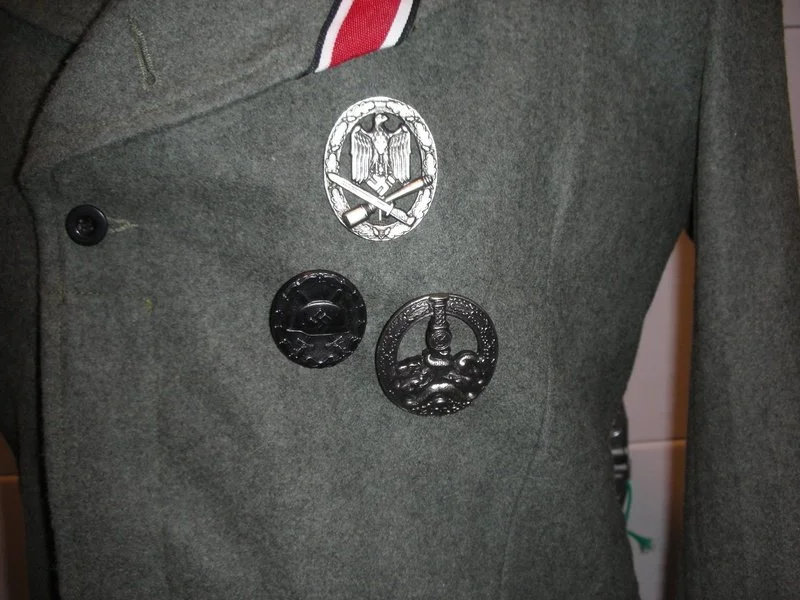
Rottenführer, 7./ SS-Sturmgeschütz-Bataillon “Prinz Eugen”:
The “Prinz Eugen” was formed in 1941 following the Nazi invasion of Yugoslavia, initially from German-speaking Danube Swabian Selbstschutz in the Serbian Province of Banat. After the initial rush of Volksdeutsche to join, voluntary enlistments tapered off, and the new unit did not reach divisional size. Therefore, in August 1941, the SS discarded the voluntary approach and, after a favorable judgment from the SS court in Belgrade, imposed a mandatory military obligation on all Volksdeutsche in Serbia-Banat, the first of its kind for non-Reich Germans.
In 1942, the Panevo-based unit was declared a Gebirgs (Mountain) Division. They were issued with non-standard German weapons and equipment, largely from captured stock, i/e, many had Czech machine guns and French light tanks. When the Division was formed, they were assigned to operate in the Balkans as an anti-partisan mountain division. In August 1943, Prinz Eugen became part of the XV Gebirgs Armee Korps and was sent to the Dalmatian Coast to disarm the Italian Armed Forces in September, after the Italian Government had surrendered to the Allies. The Division was reorganized on 22 October 1943 and renamed again, becoming the 7th SS-Volunteer Mountain Division, Prinz Eugen. In November, they were attached to the V SS-Mountain Corps and took part in the anti-partisan operations Kugelblitz and Schneesturm in December 1943.
The “Sturmgeschütz Battalion” had formed as the Sturmgeschütz Abt. V. , Korps, and this group became the SS-Sturmgeschütz-Abteilung 105 in October 1943. Like the Panzer Battalion, German vehicles were not actually used; rather, they had been issued Italian Semovente Assault Guns filling the battery. The Battery was stationed in Banat and was never really bigger than a battery in size, but maintained the “Battalion” designation. After several actions in Bosnia near Mostar, the battalion was subordinated to “Prinz Eugen” as part of the 7th Panzer Battalion and joined the division at Nish.
In March 1944, the Division was involved in more anti-partisan action, in Operation Maibaum (April 1944) and the next large offensive, in Operation Russelsprung, the assault on Drvar, which began on 25th May 1944. This operation had the task of killing or capturing Tito, and the division was supported by the 500th SS-Fallschirmjäger Bataillon and the Brandenburg Regiment. By August, the Soviet Red Army had advanced to the Balkans, and the division had begun fighting Russian and Bulgarian units, suffering very heavy casualties in the process. The Division’s next action was together with the 13th Waffen-Mountain Division, of the SS-Handschar (1st Croatian), the 23rd Waffen-Mountain Division of the SS-Kama (2nd Croatian), and the 21st Mountain Division of the SS-Skanderbeg (1st Albanian), all given the task of creating a corridor which would allow the retreat of 35000 “German soldiers” from Greece and the Aegean. On 20 October 1944, the Russians captured Belgrade, and Prinz Eugen was the rear guard for that German retreat as well. Morale must have been horrendous.
At the beginning of November, the SS 1st Albanian Skanderbeg Division was disbanded, and its remnants were incorporated into the 14th Regiment Prinz Eugen, which received its Honor Title of Skanderbeg. In January 1945, the Division was again in action against the Russians and Tito’s Partisans at Otok and Vukovar. The fighting had always been disturbingly brutal and personal, and it was like that from start to finish. They retreated from Bosnia, and Prinz Eugen headed to Croatia in April 1945. On 11 May, they surrendered to Yugoslavian forces.
The SS-Rottenführer depicted here is a veteran “Anti-Partisan” campaigner wearing the standard-cut SS-Sturmgeschütz jacket and trousers with the divisional collar insignia, sleeve shield, and cuff title as well as the SS-Gebirgsjäger Sleeve Badge. His M-43 style cap has a single button with a Burgmutz look to it. Interestingly, the Edelweiss is not standard, large, and wrapped around the National Eagle, wrapped around to the back.
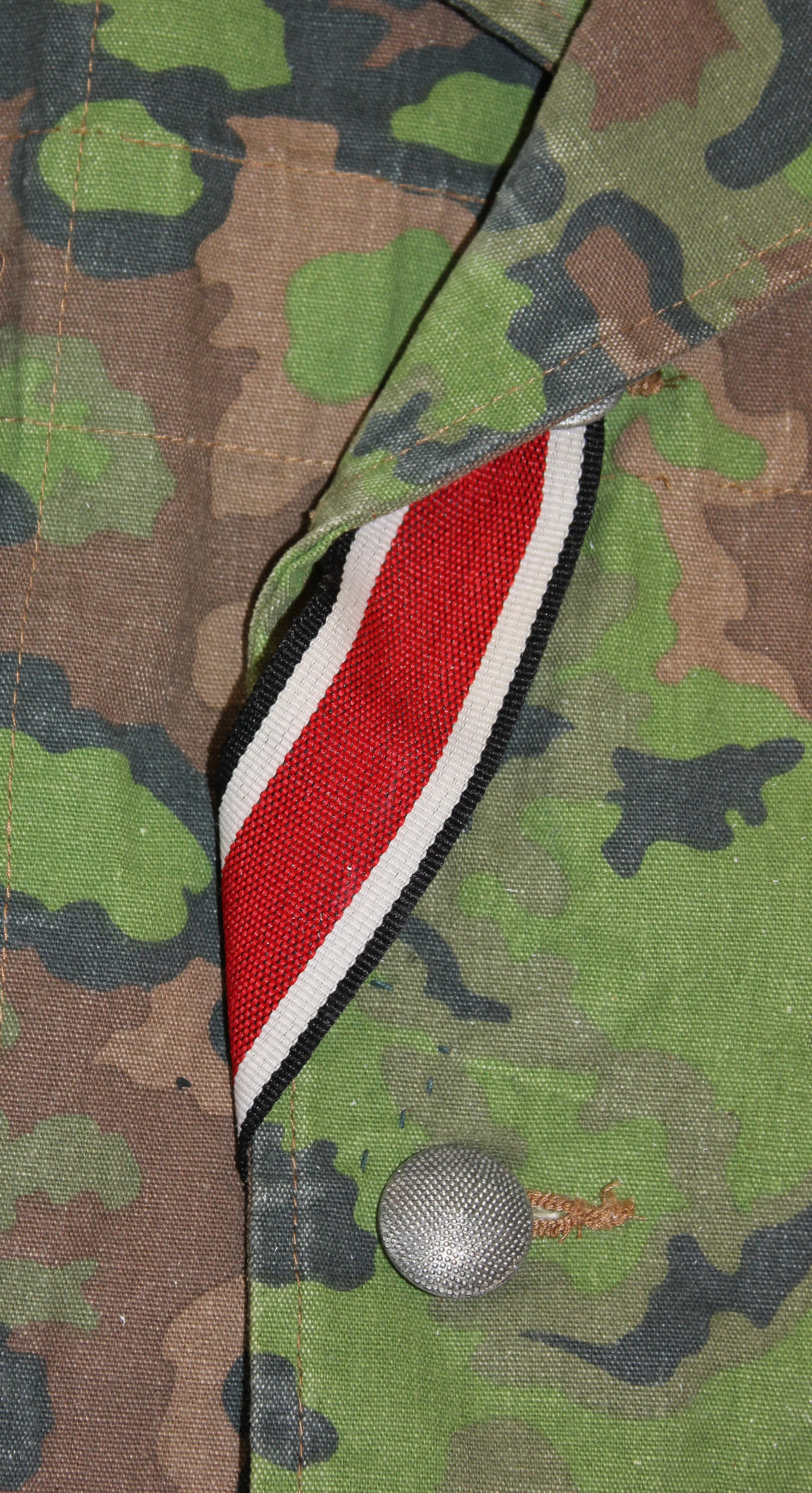
He has proven his combat leadership, as evidenced by his Iron Cross 2nd Class. He has been wounded at least 3 times, having the Black Wound Badge. He was awarded the General Assault Badge and the Anti-Partisan Badge for his many encounters with the enemy. With the FeldgrauSturmgeschütz uniform, he wore the issue shirt with a black tie and an M43 field cap, finished off with short, lace-up black boots.
*This could use some updated pictures.
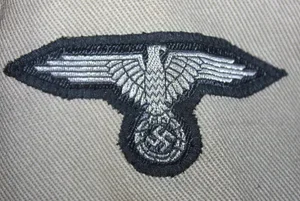
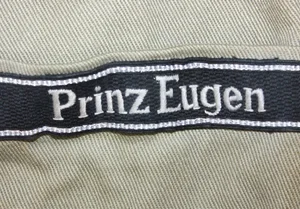
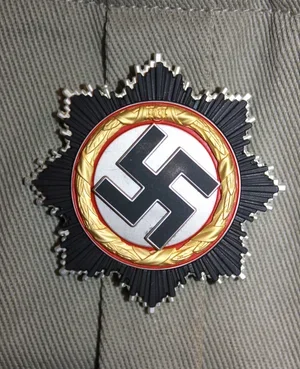
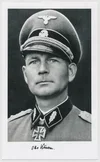
Brigadeführer u. Ritterkreuzträger Otto Kumm, 7. SS-Freiwilligen-Gebirgs-Division „Prinz Eugen“:
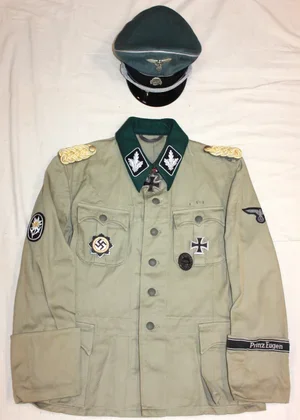
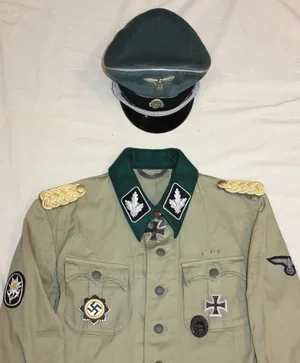
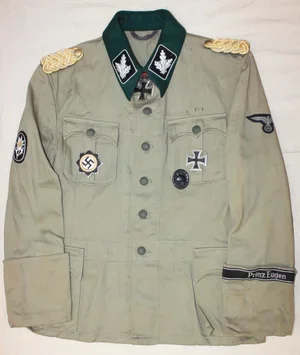
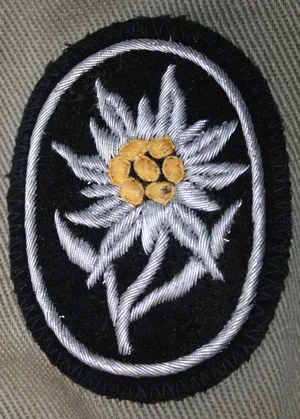
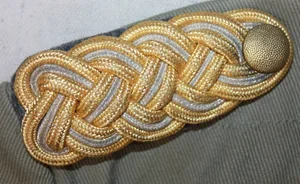
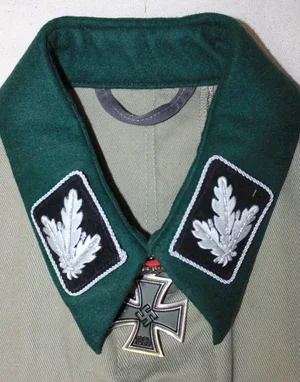
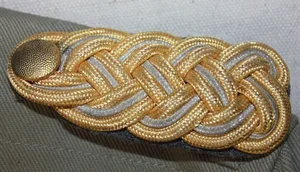
Otto Kumm won the Ritterkreuz on 16. February 1942 as SS-Obersturmbannführer u. Kommandeur des SS-Infanterie-Regiments “Der Führer”. On 6. In April 1943, he won the Eichenlaub as SS-Obersturmbannführer u. Kommandeur of the SS-Panzer-Grenadier Regiment 4 “Der Führer”. As SS-Brigadeführer u. Kommandeur der SS-Panzerdivision „Leibstandarte Adolf Hitler“; er erhielt das Eichenlaub. Schwerten am 17. March 1945. Born in 1909 into a family of a merchant in Hamburg, Kumm trained as a typesetter and worked at a newspaper.
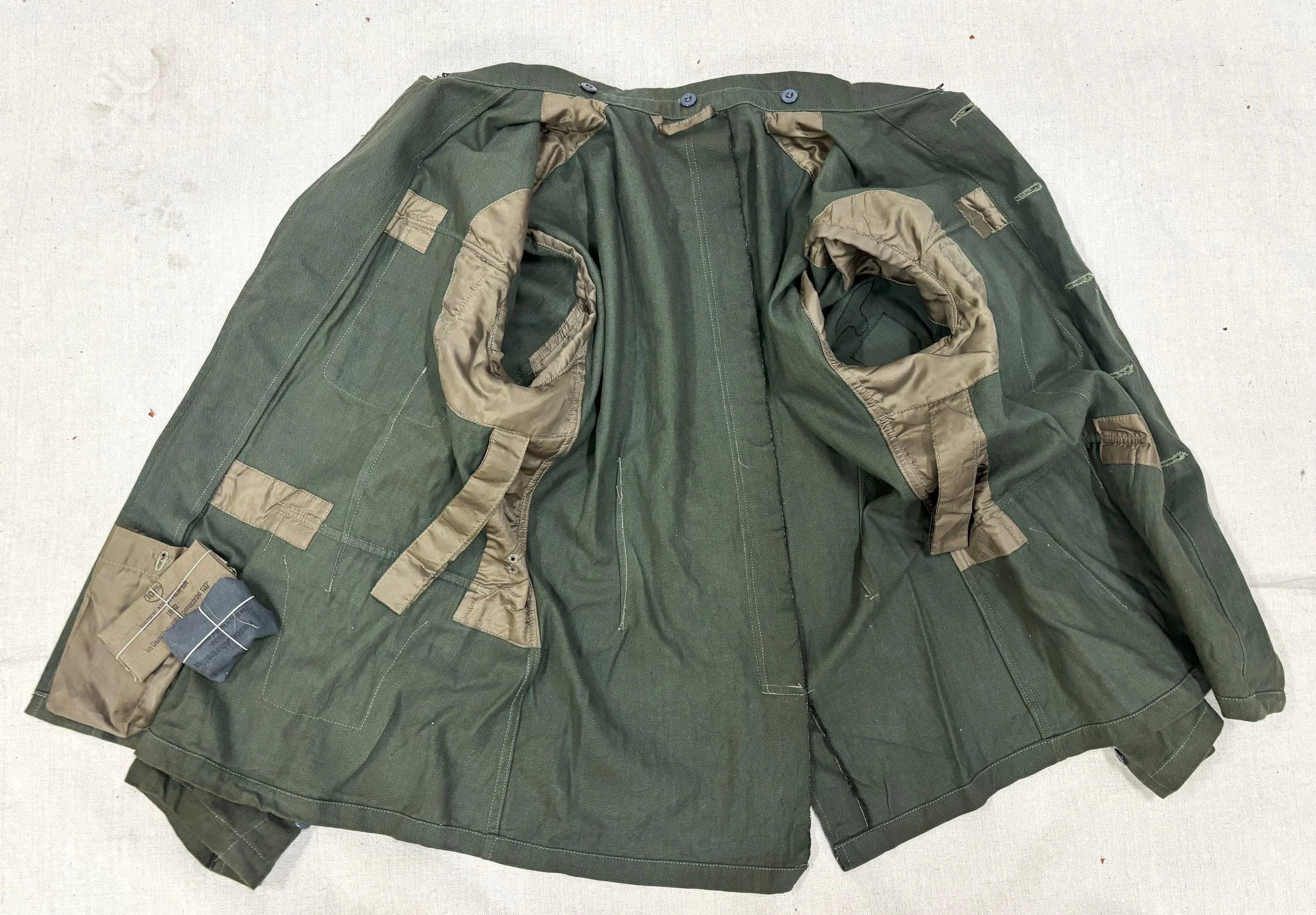
On 1 June 1934, Kumm joined the SS-Verfügungstruppe, and on 1 July received his first training with the SS-Brigadeführer Kumm commanded “Prinz Eugen” from 30. January 1944 until 20. In January 1945, he was appointed commander of the SS Panzer Division “Leibstandarte Adolf Hitler” as of 15. February 1945. Kumm led “LSSAH” in Operation Spring Awakening, the last major German offensive. Following the failure of this attack, the division retreated to Vienna. Captured Russian cotton fabric was used to create a warm-weather Feldbluse. These were produced in large numbers, patterned on the Heeres Dienstanzug Model 1936.
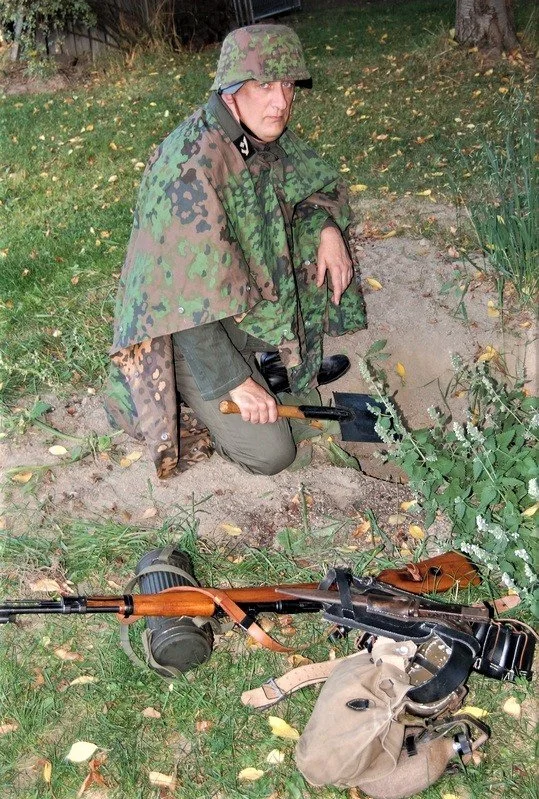
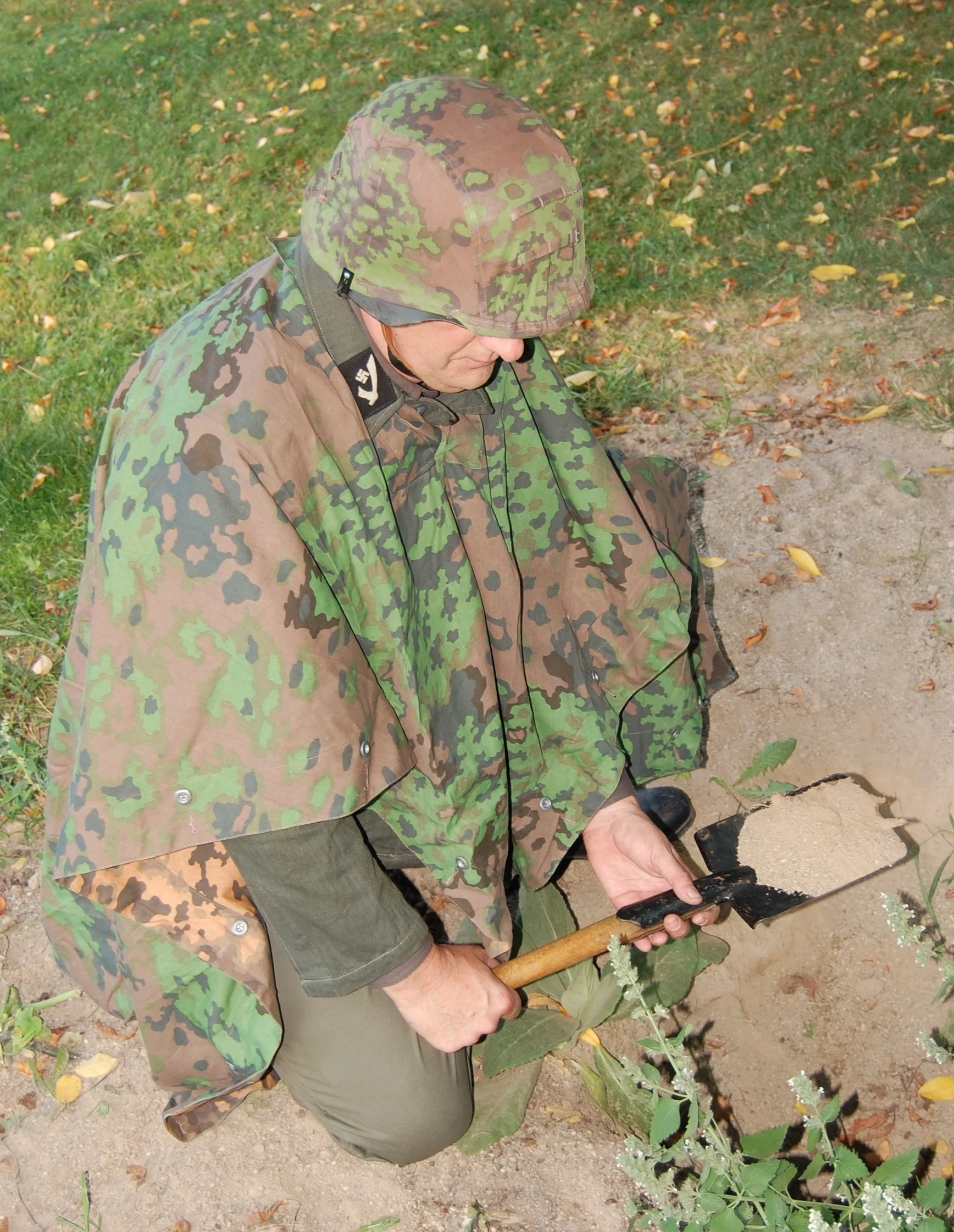
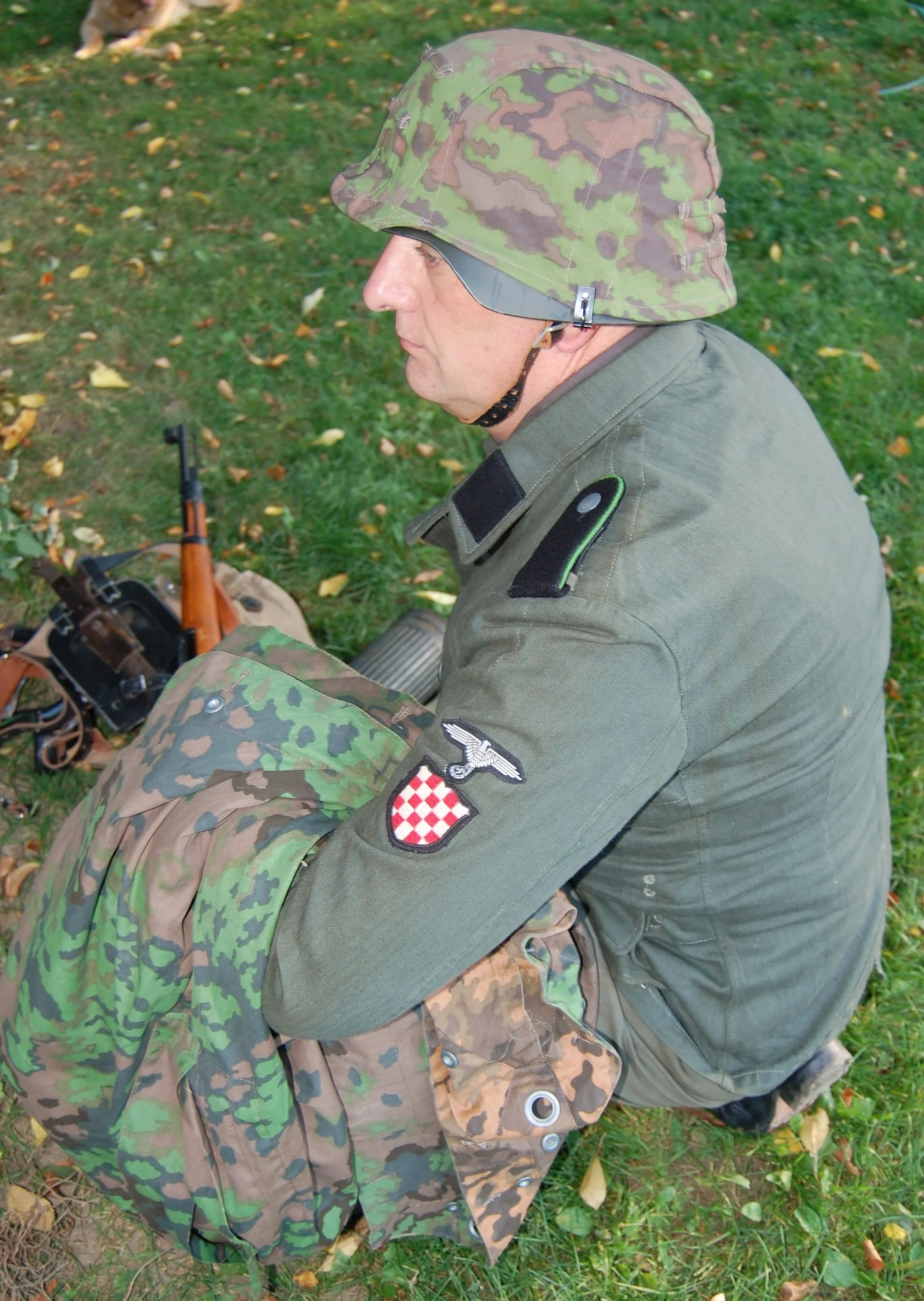
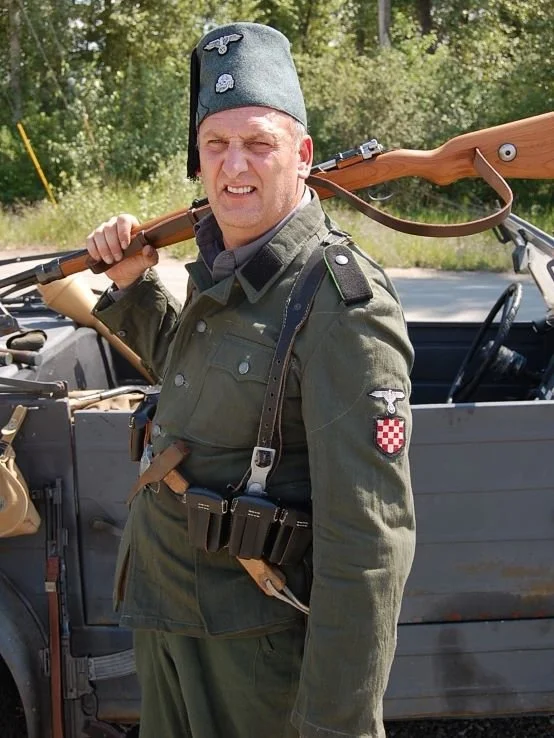
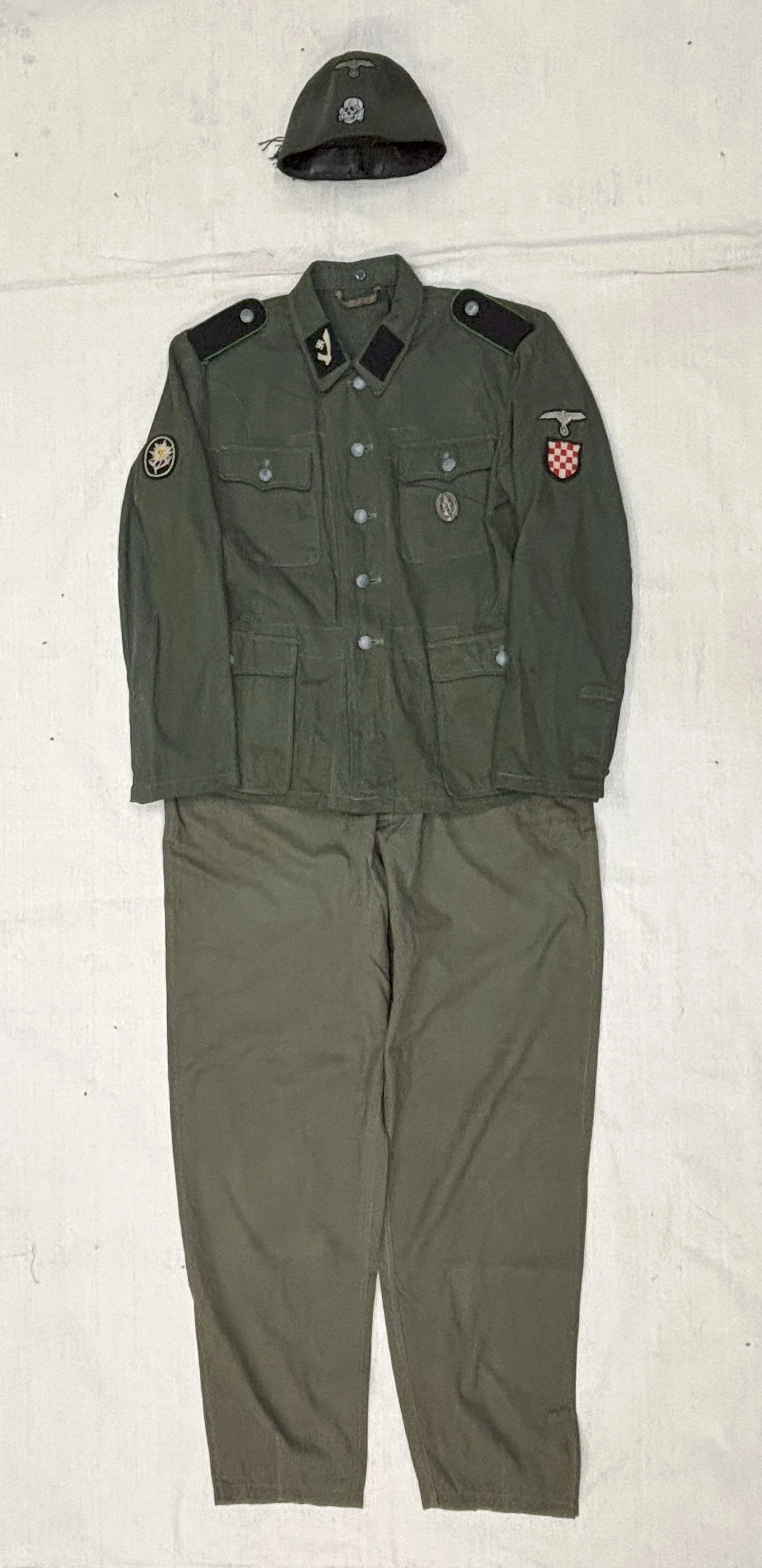
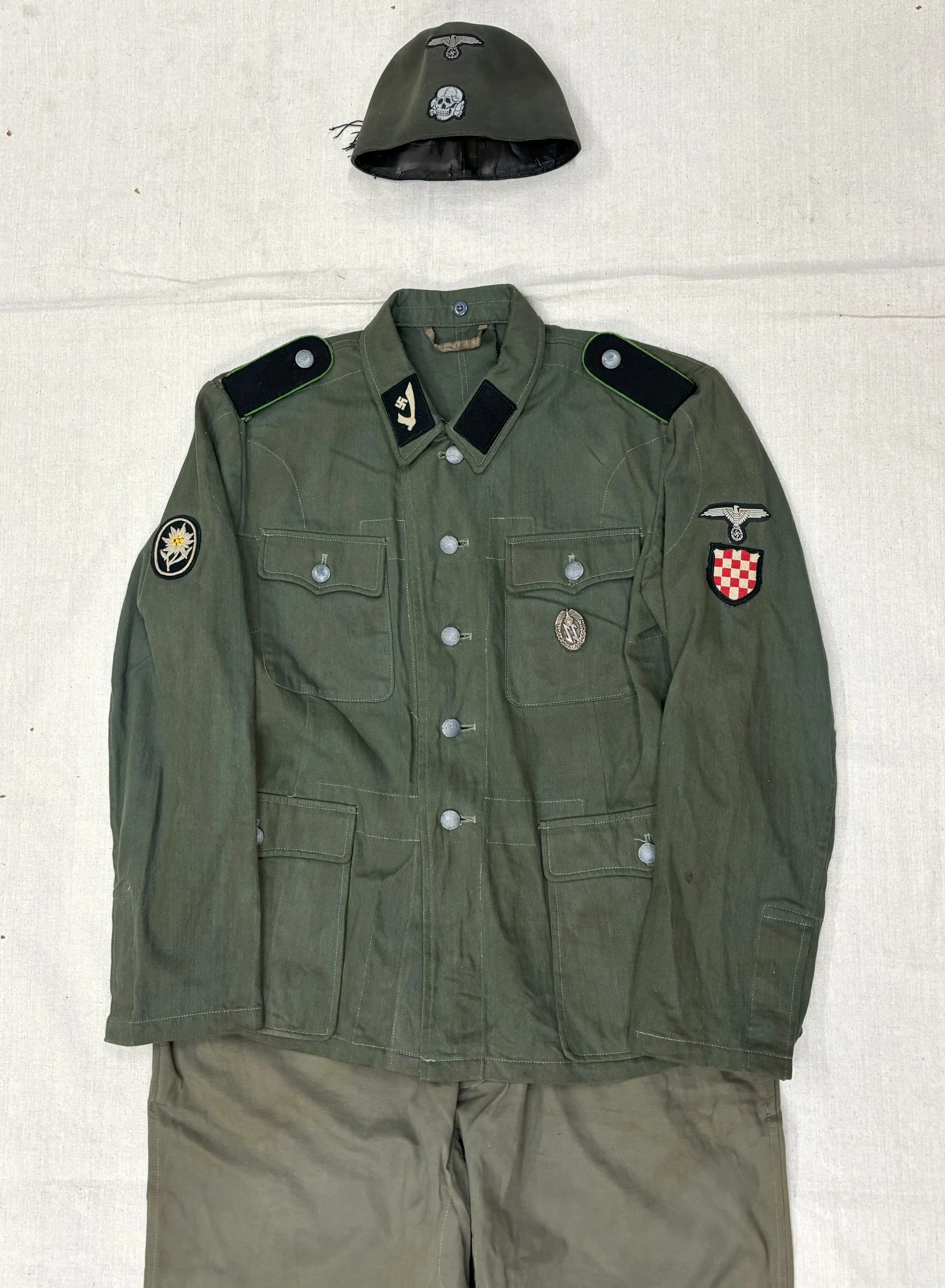
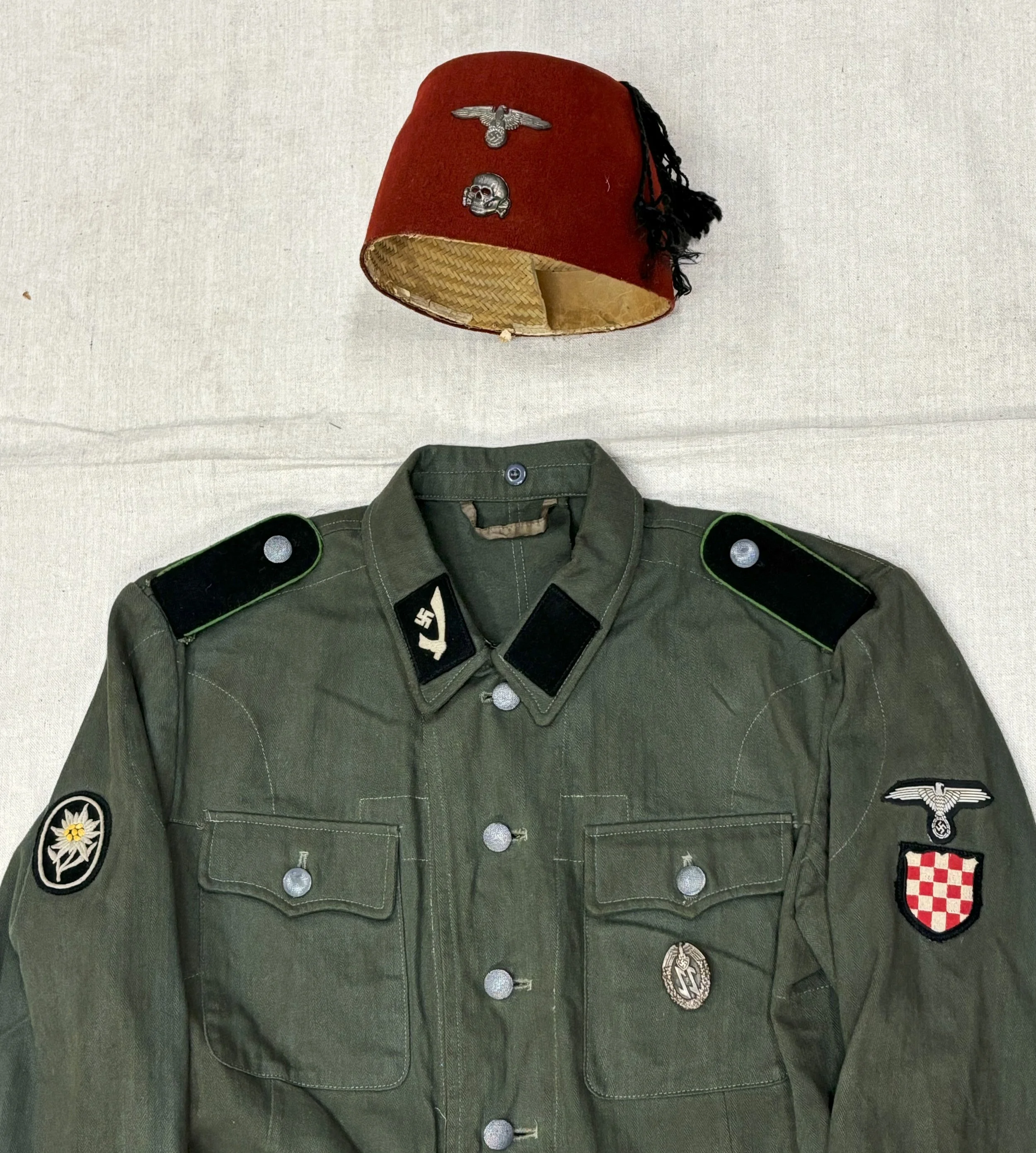
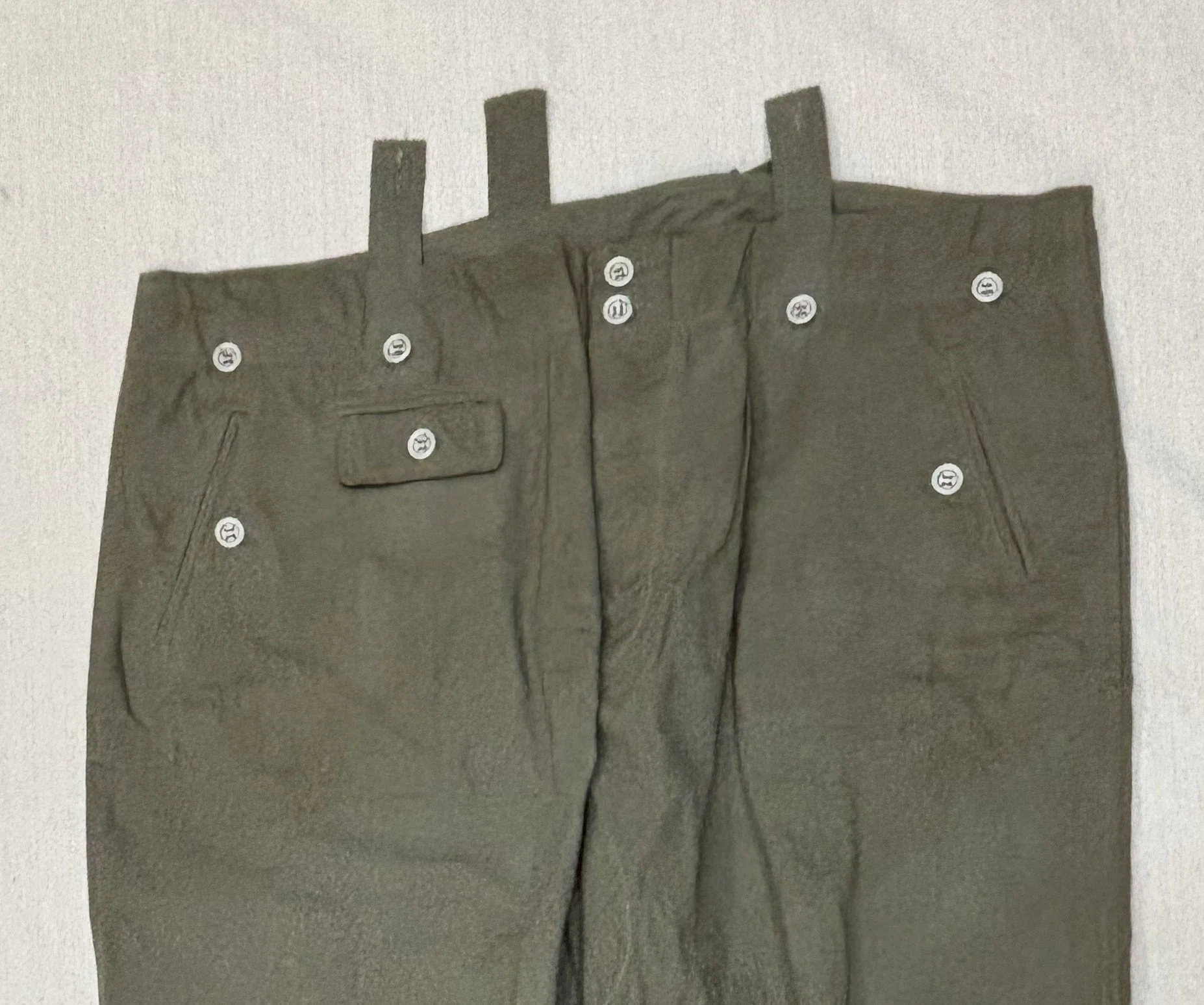
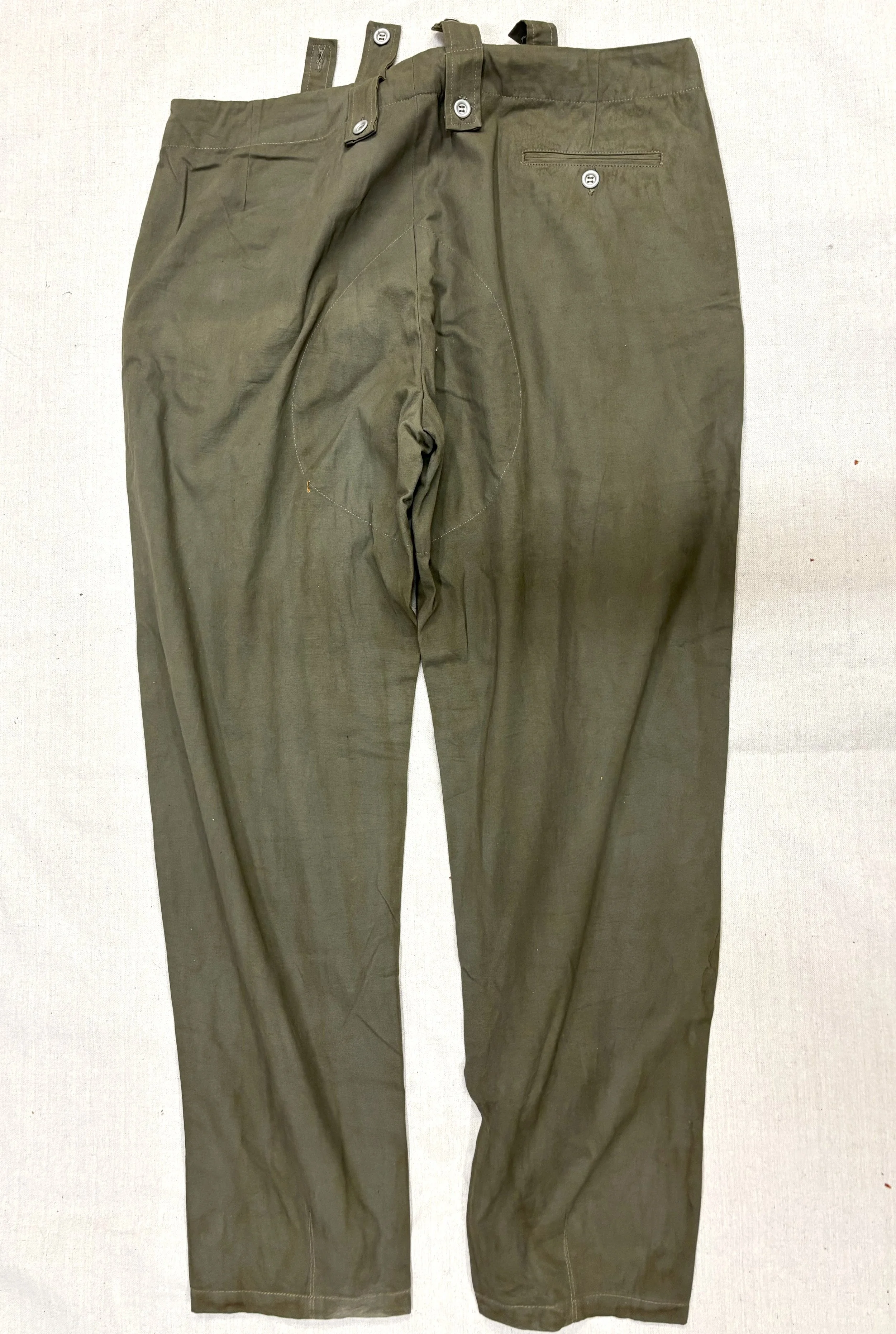
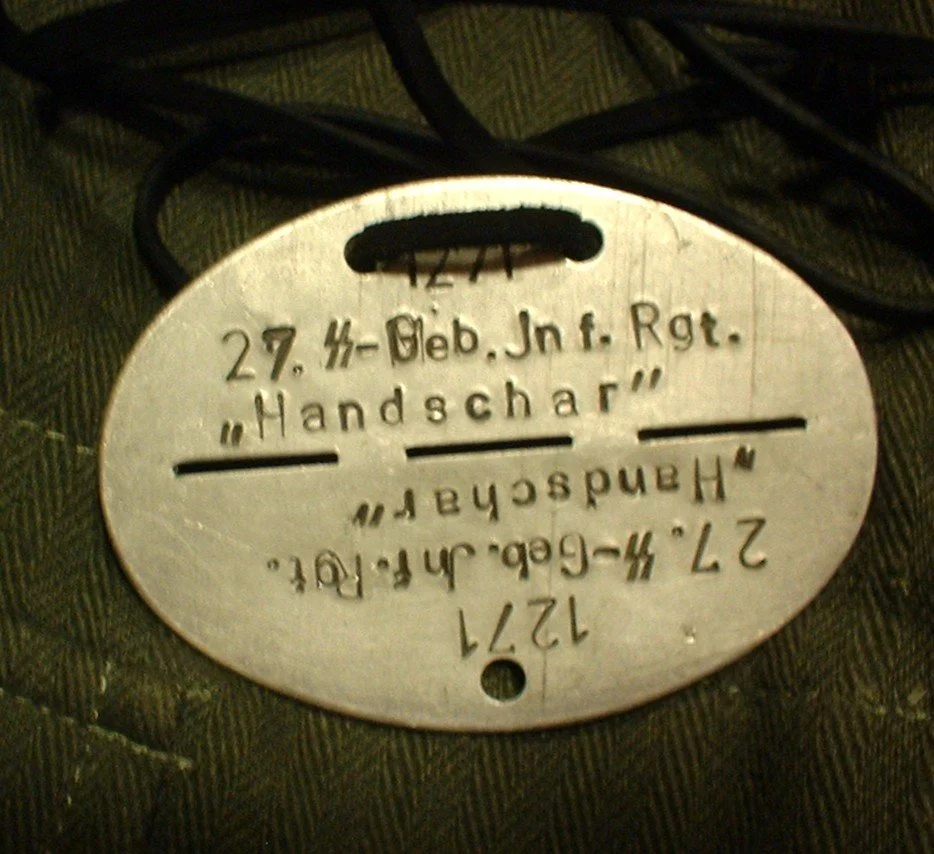
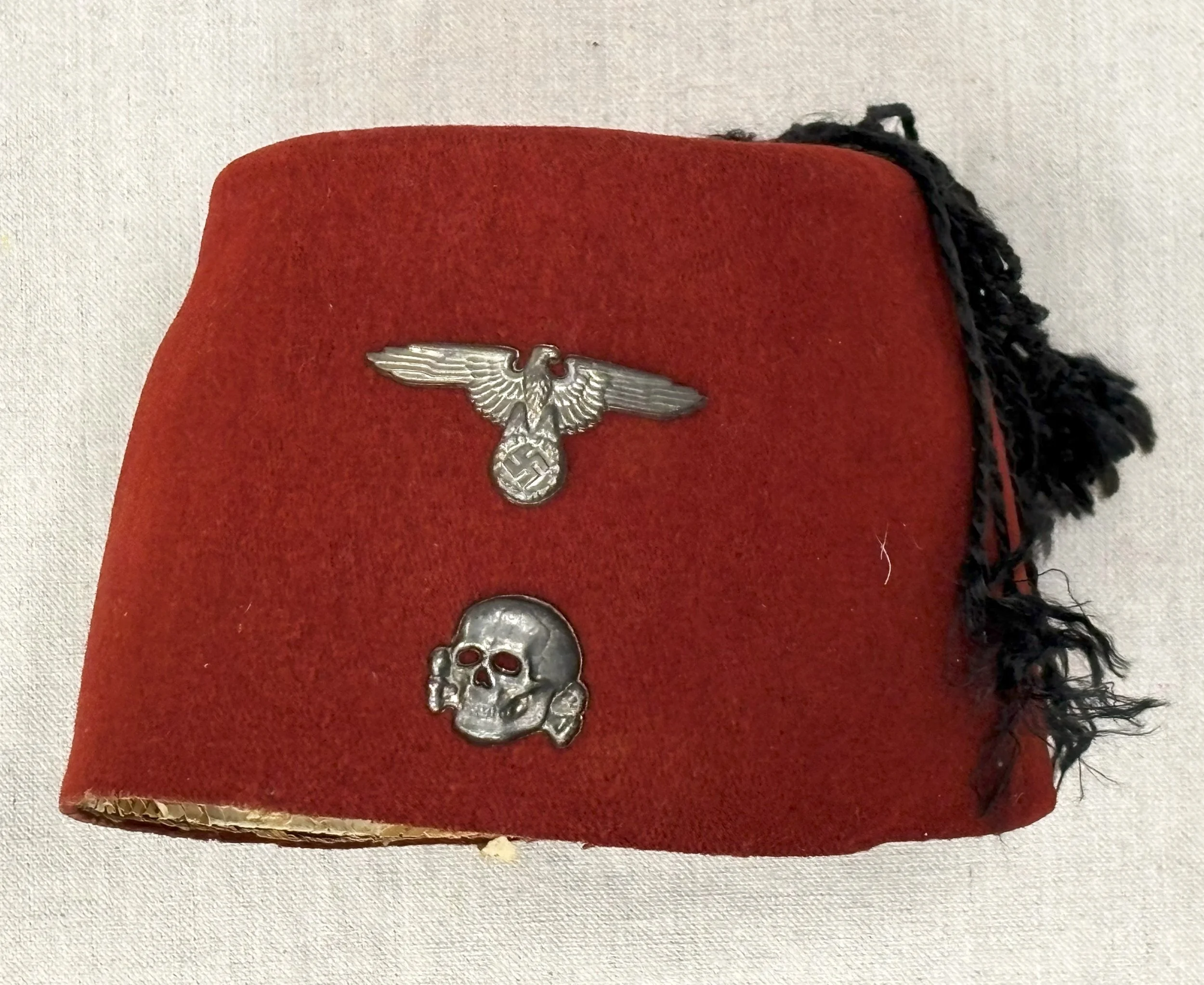
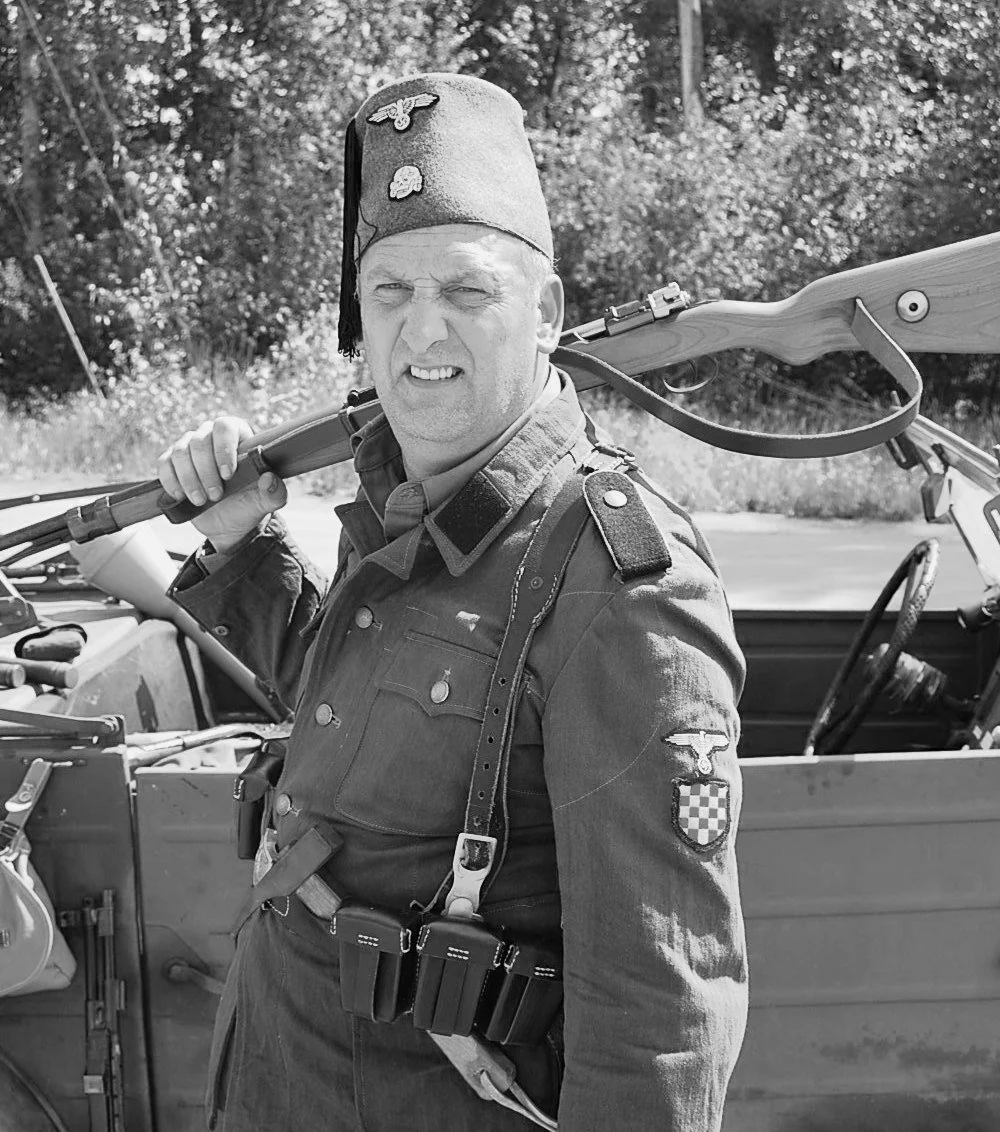
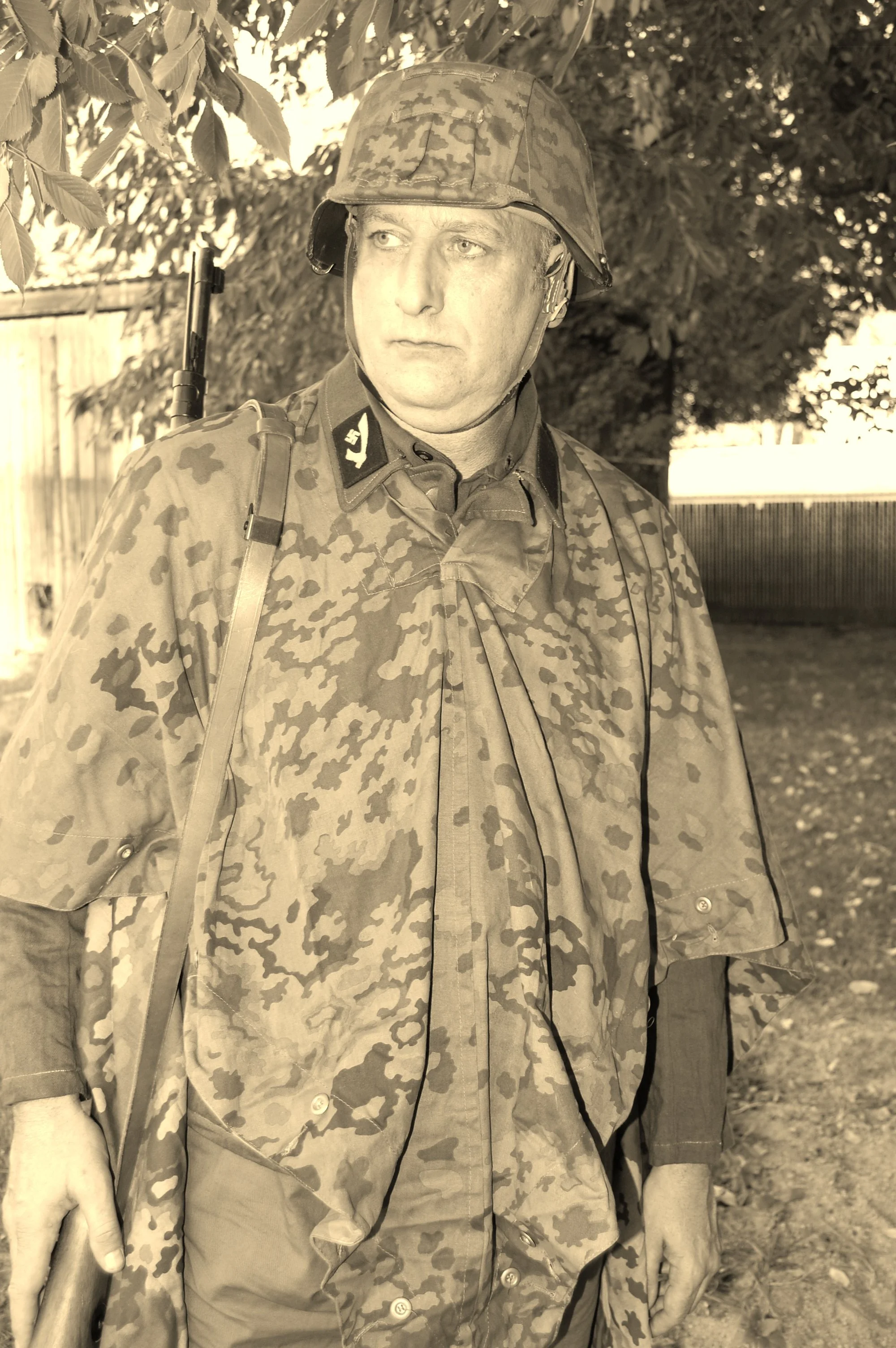
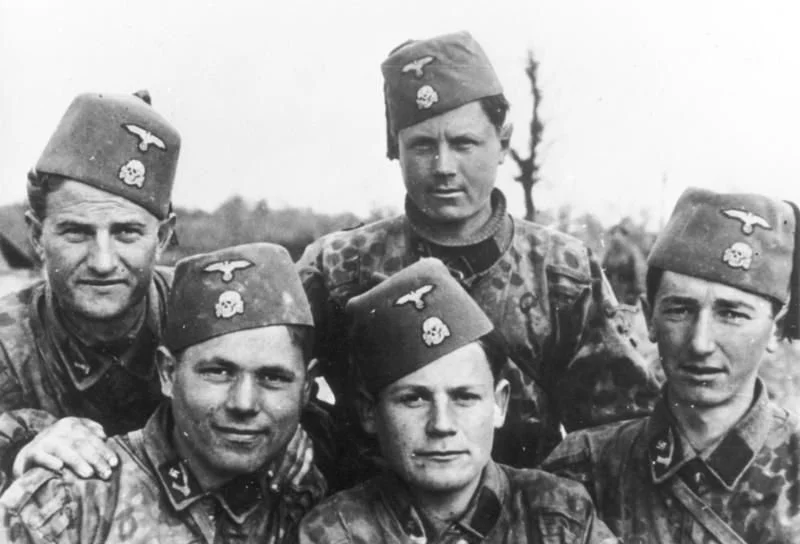
” Updated” Serbian Volunteer, SS-Mann, Handschar Division, 27th SS-Mountain Infantry:
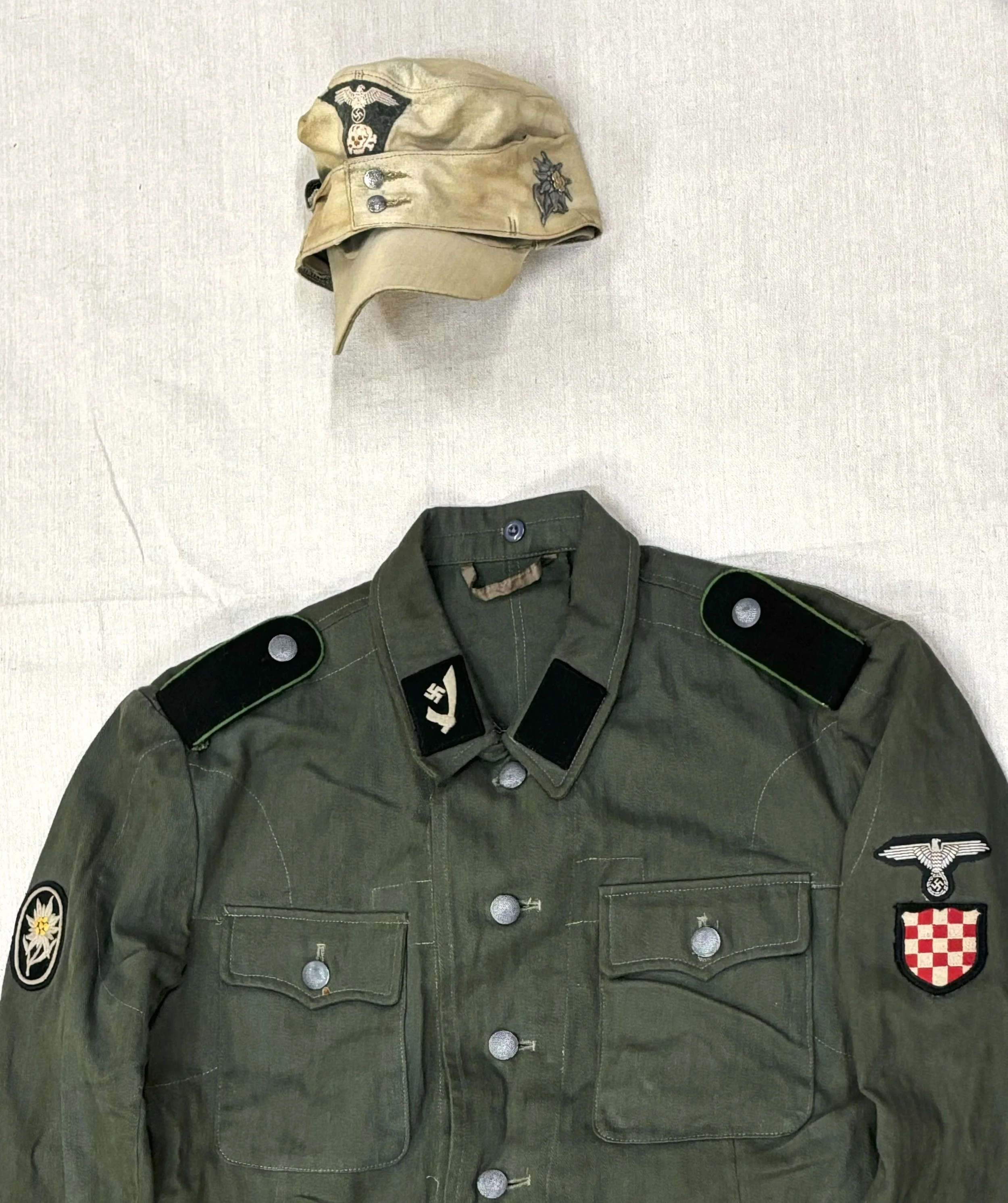
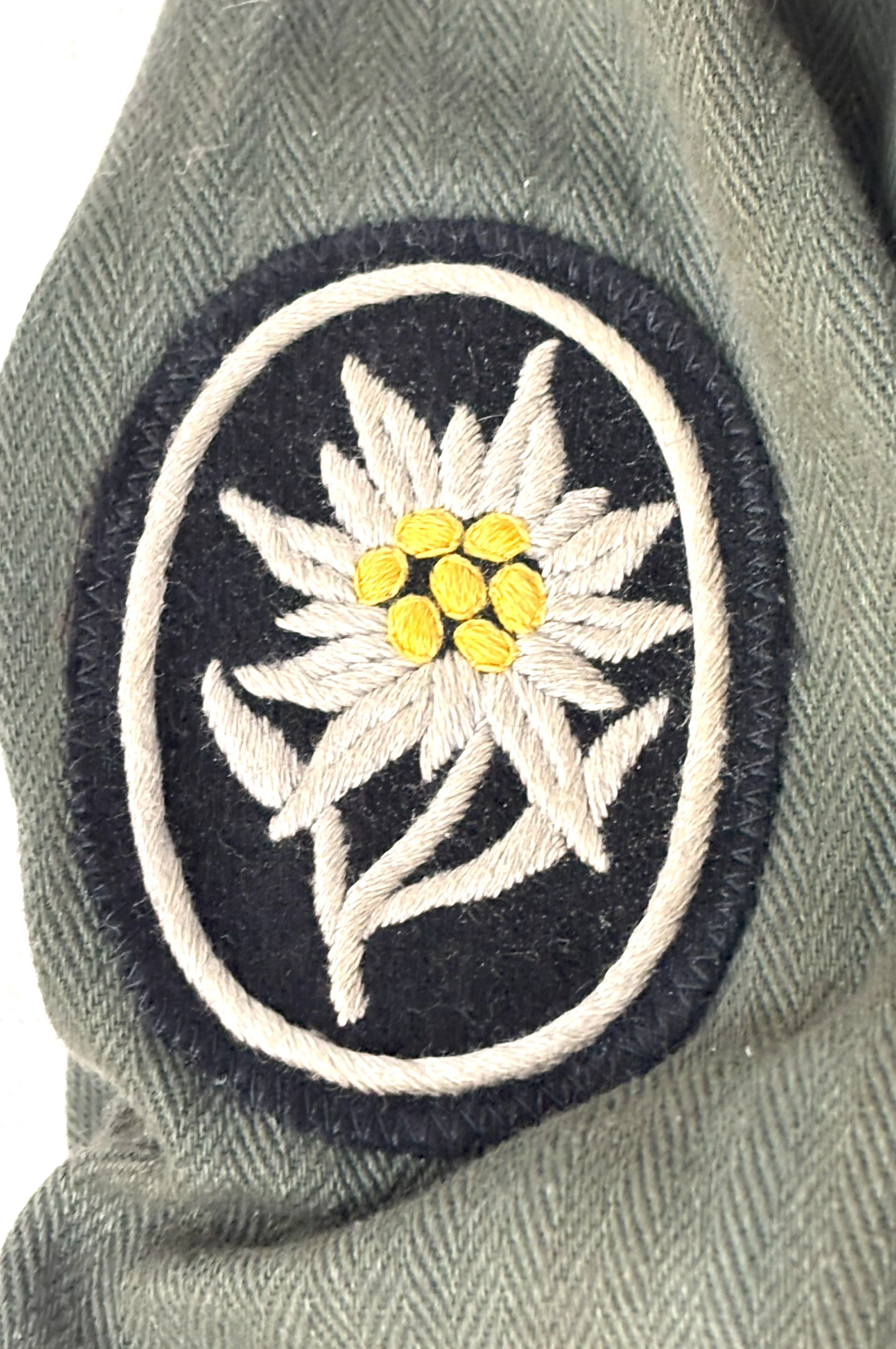
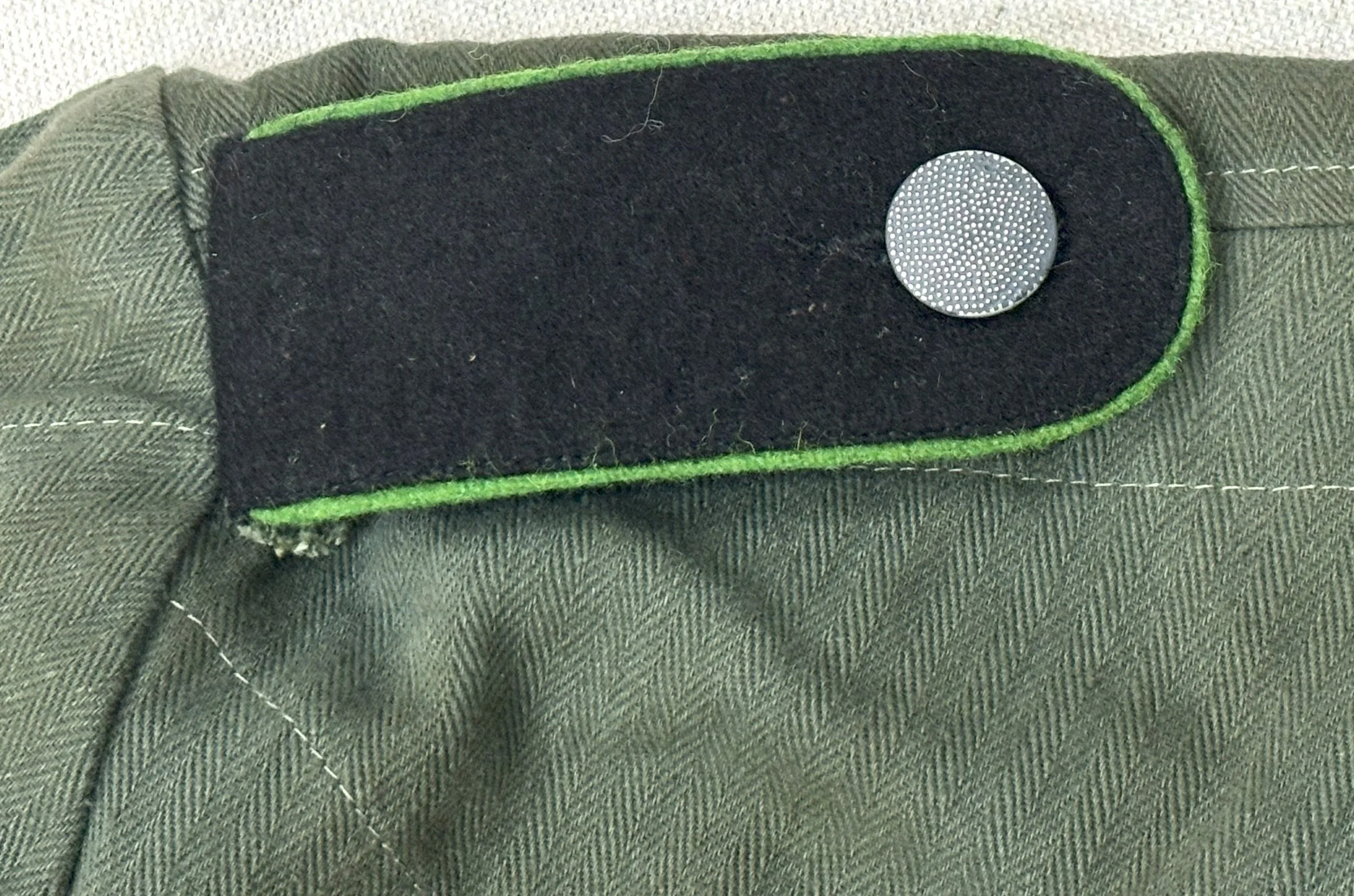
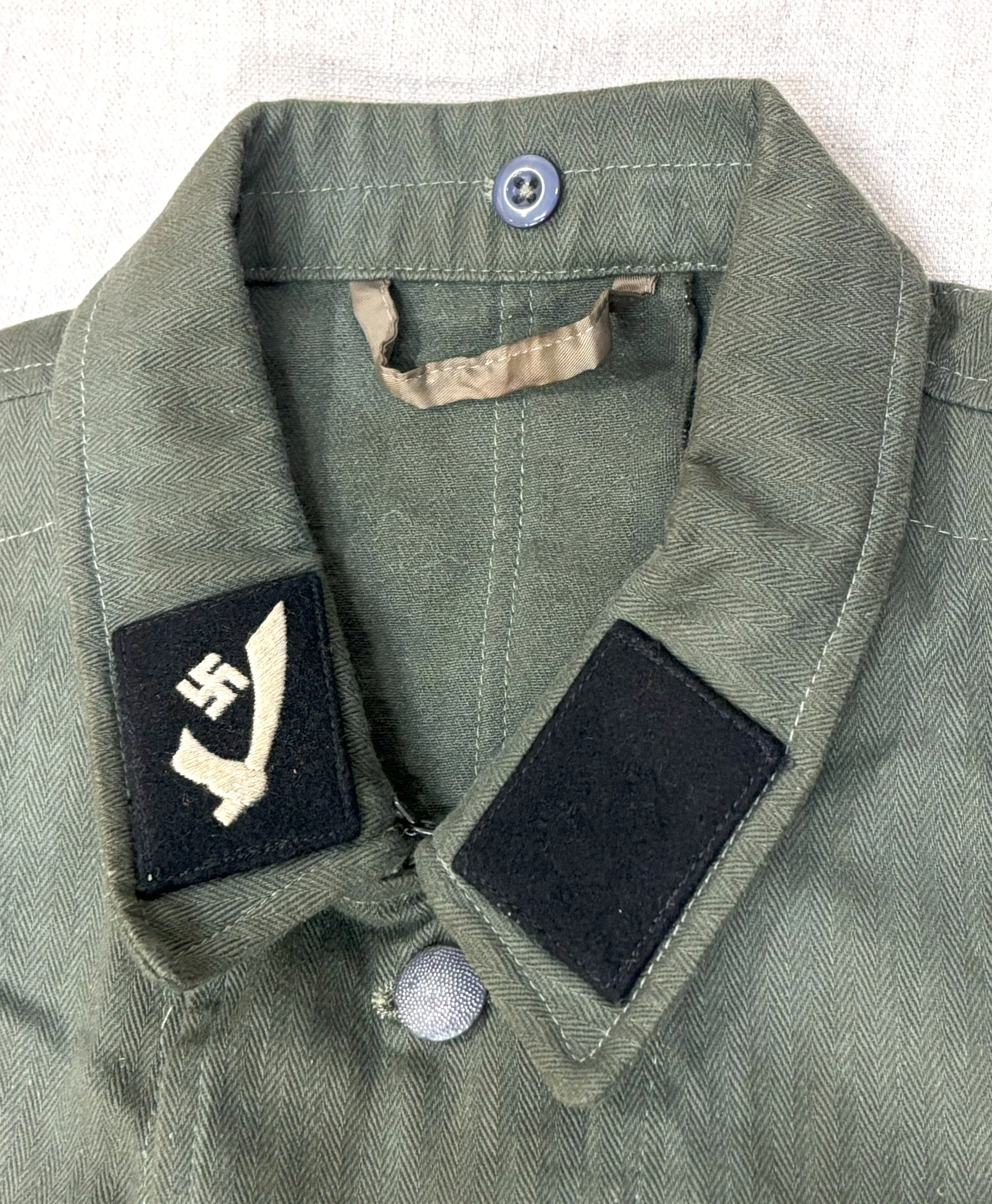
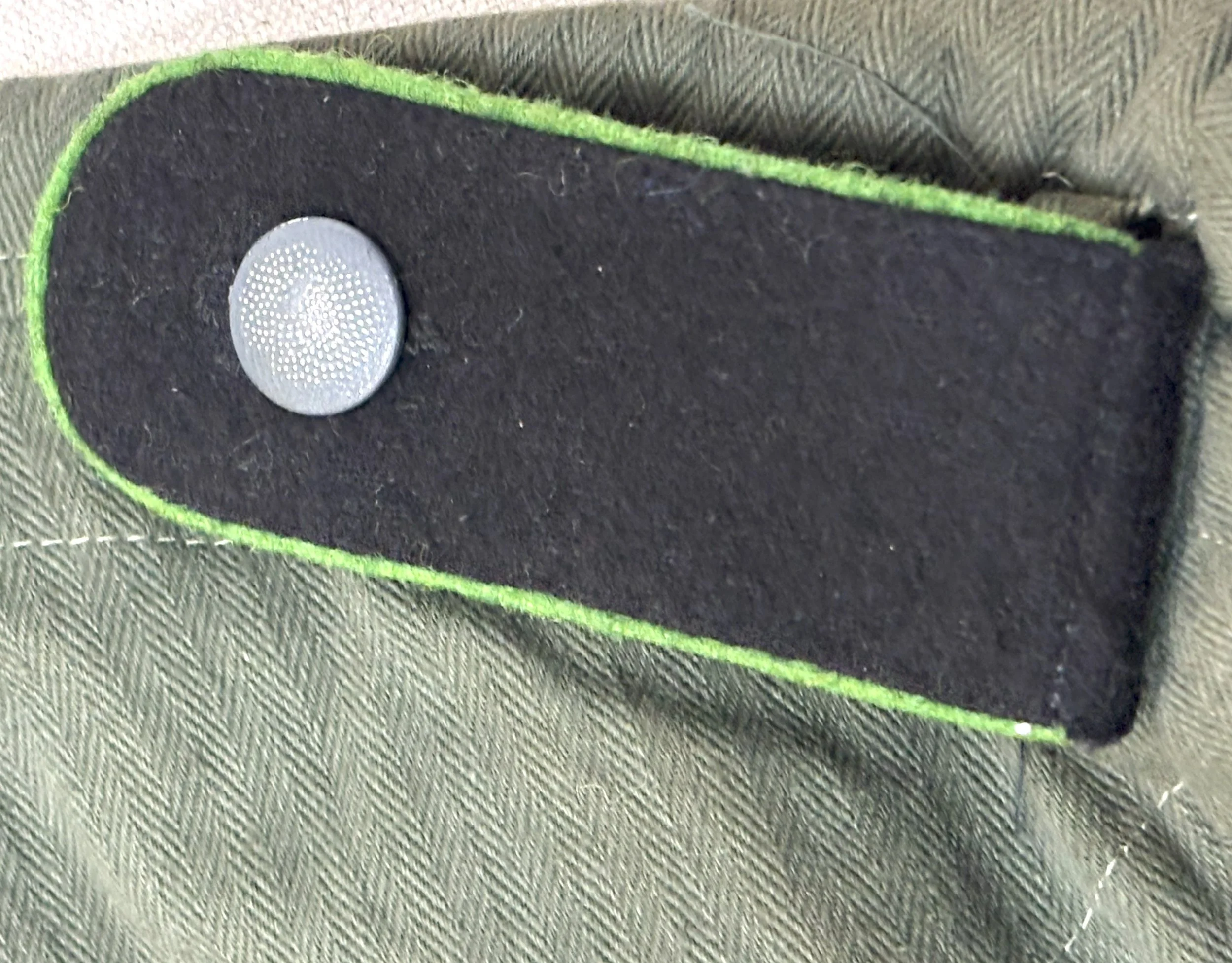
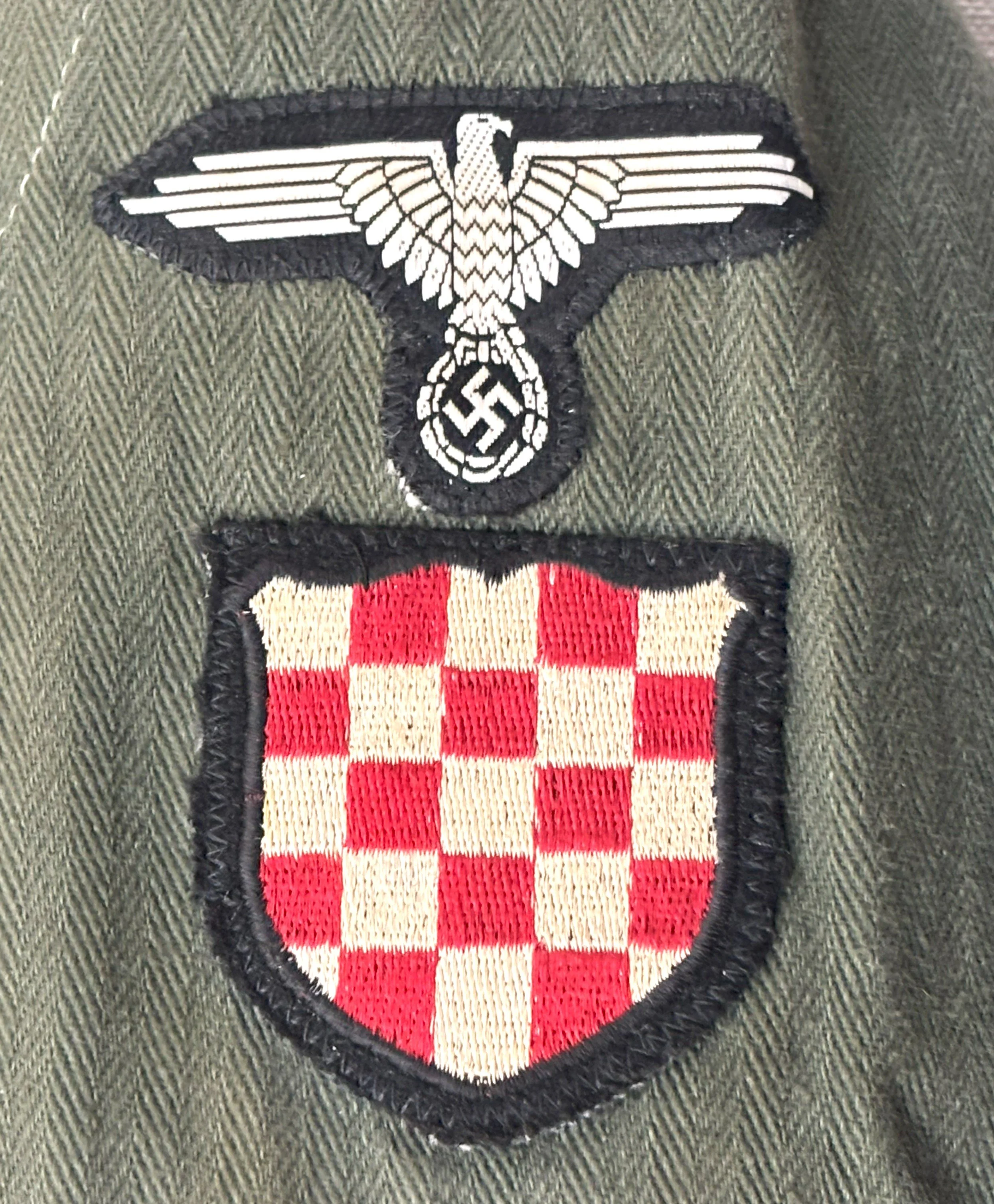
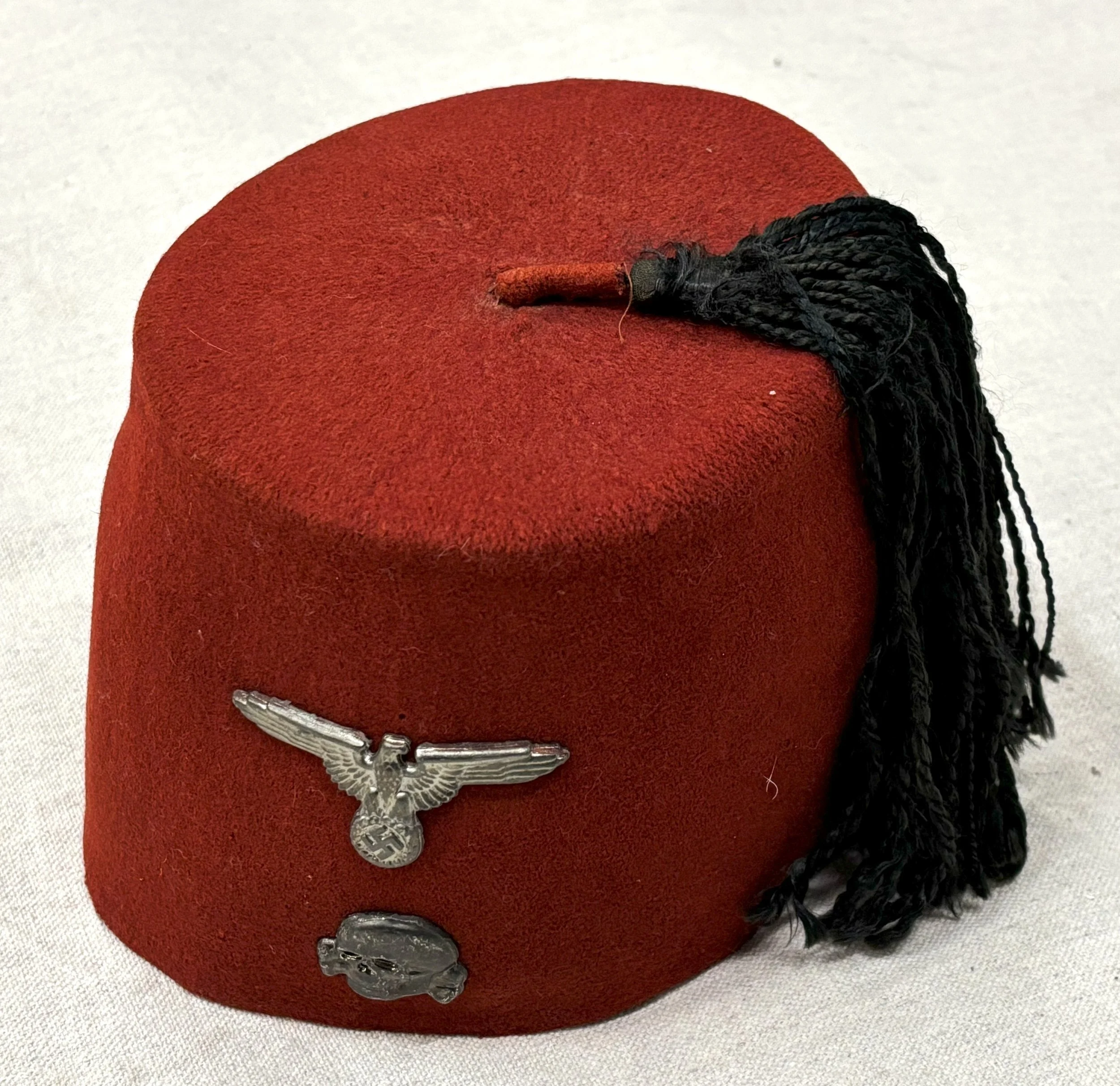
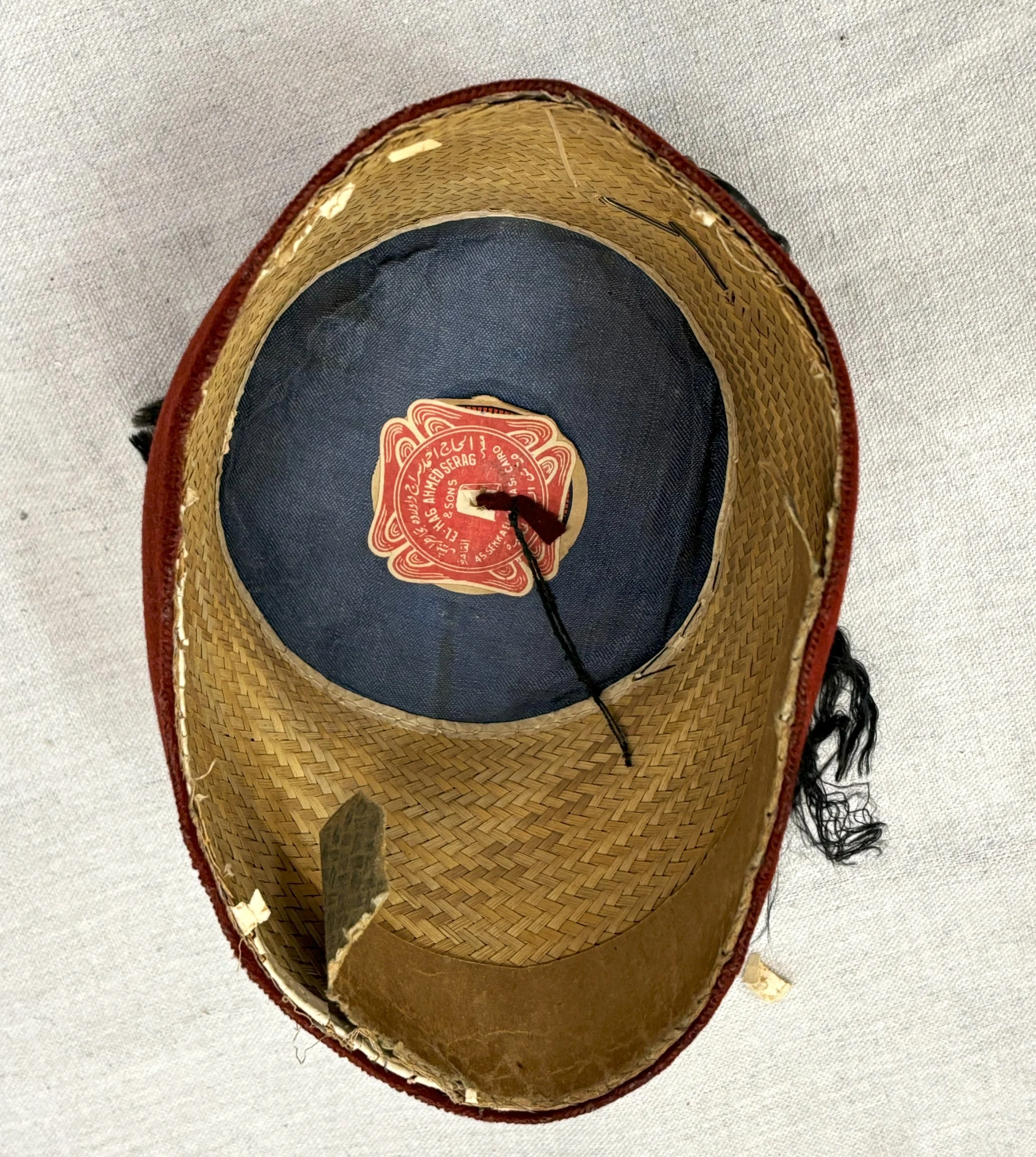
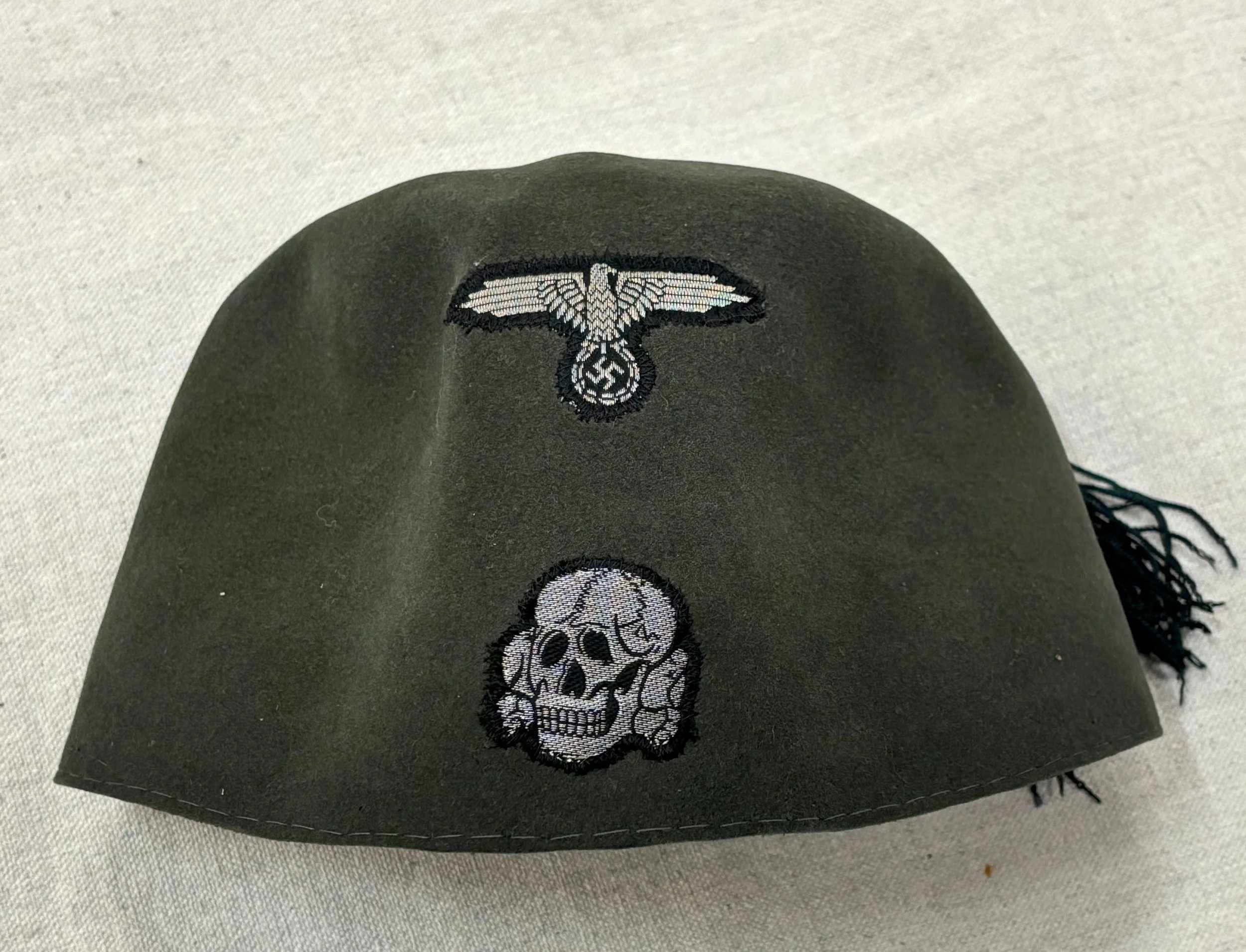
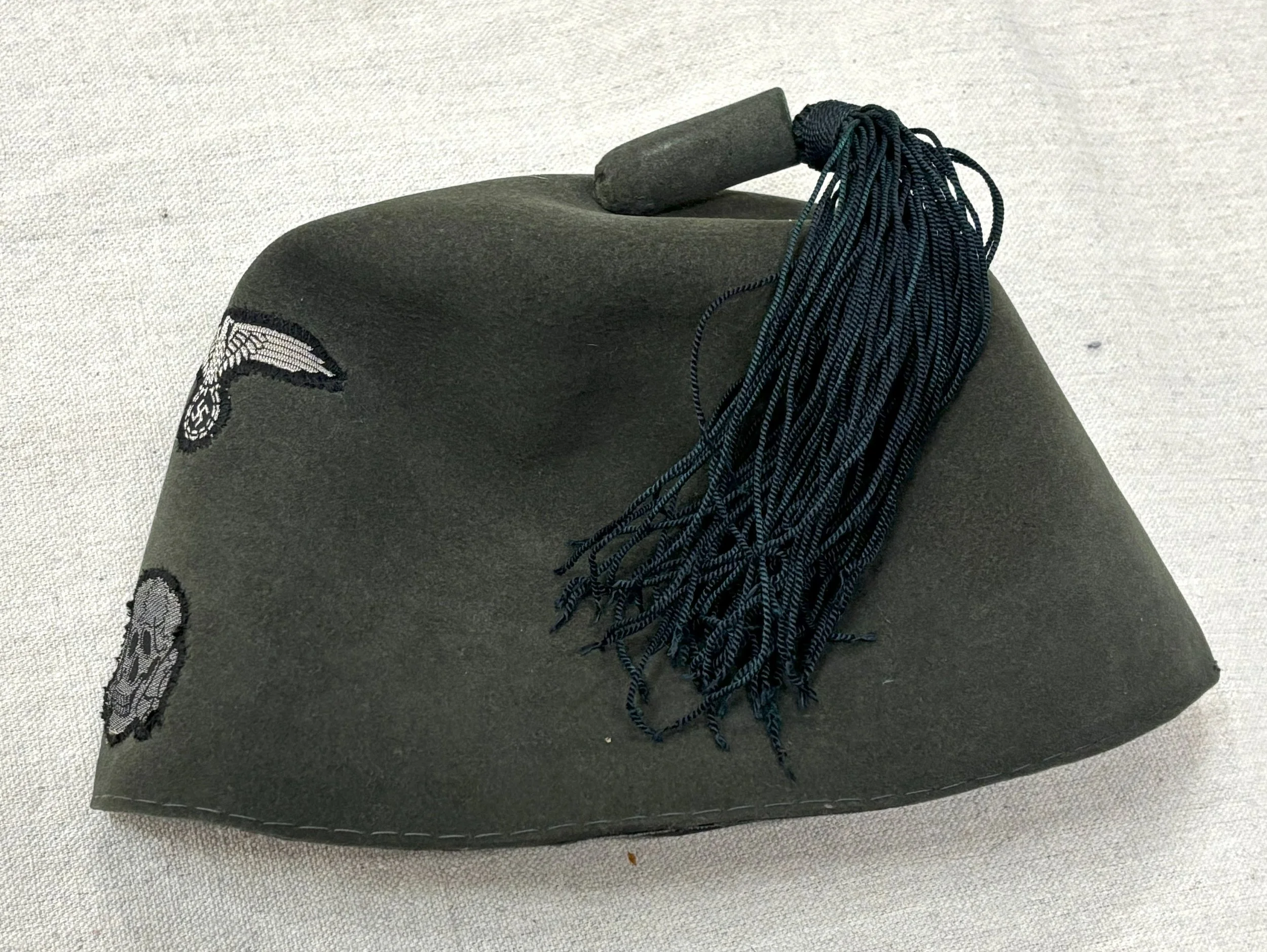
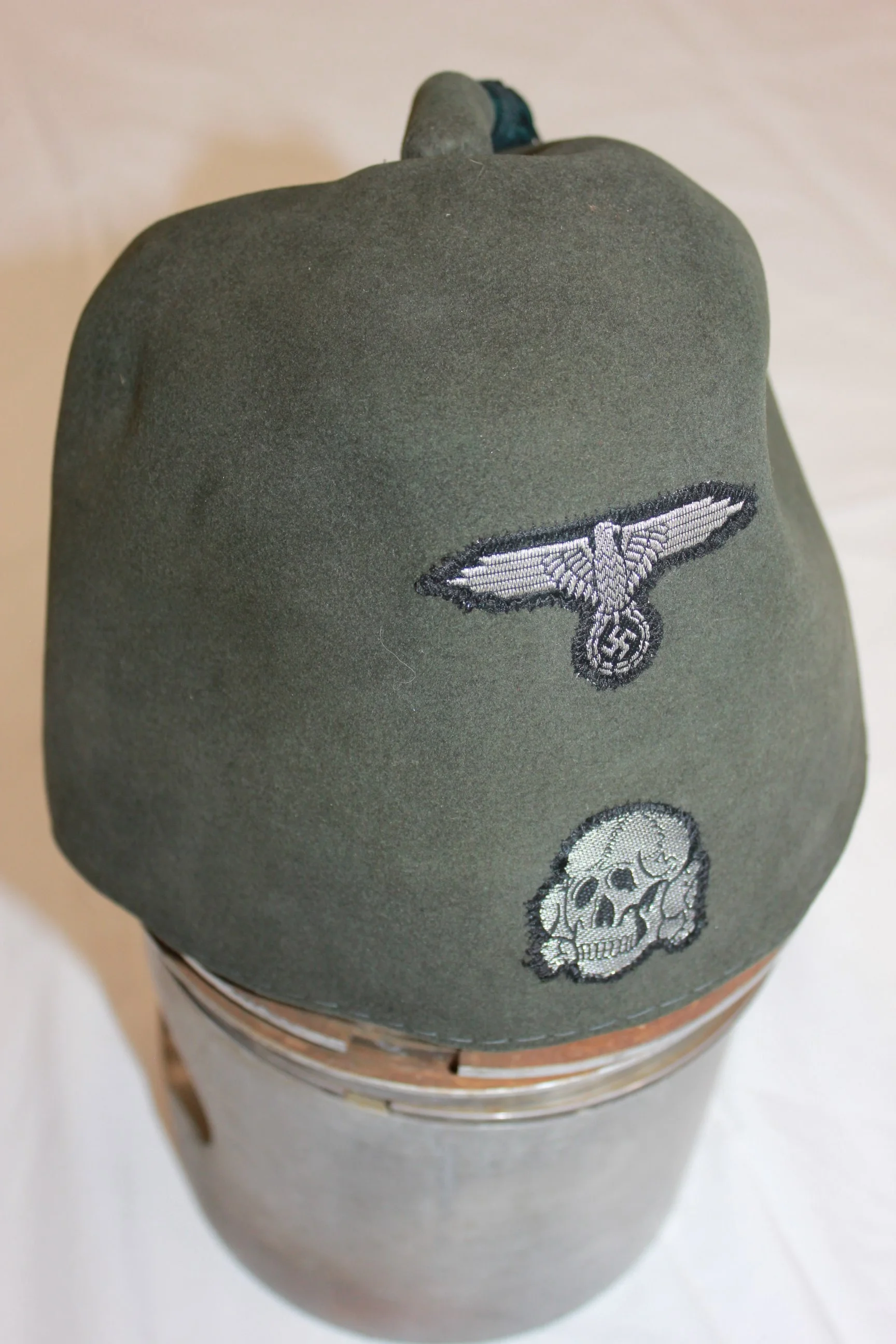
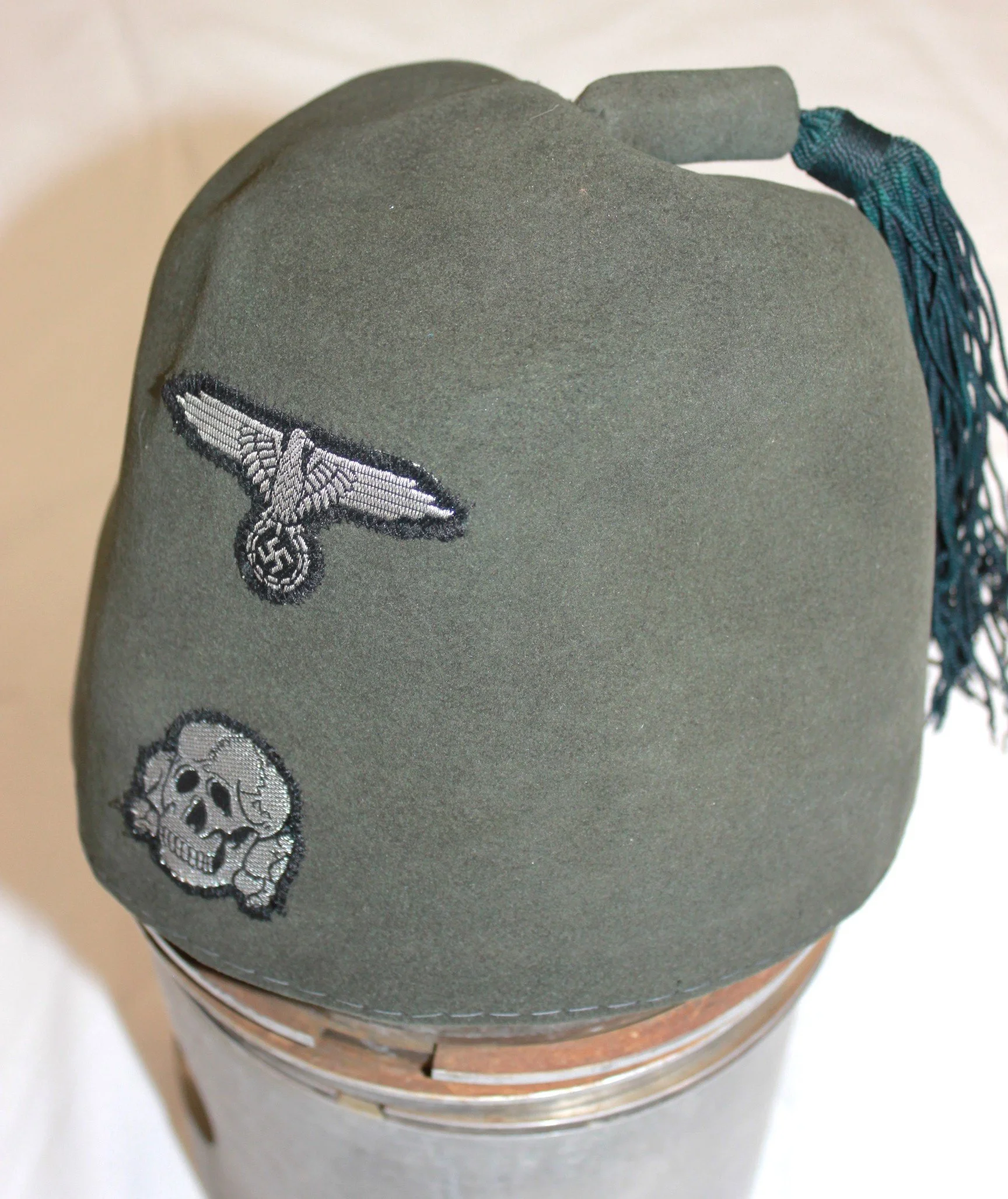
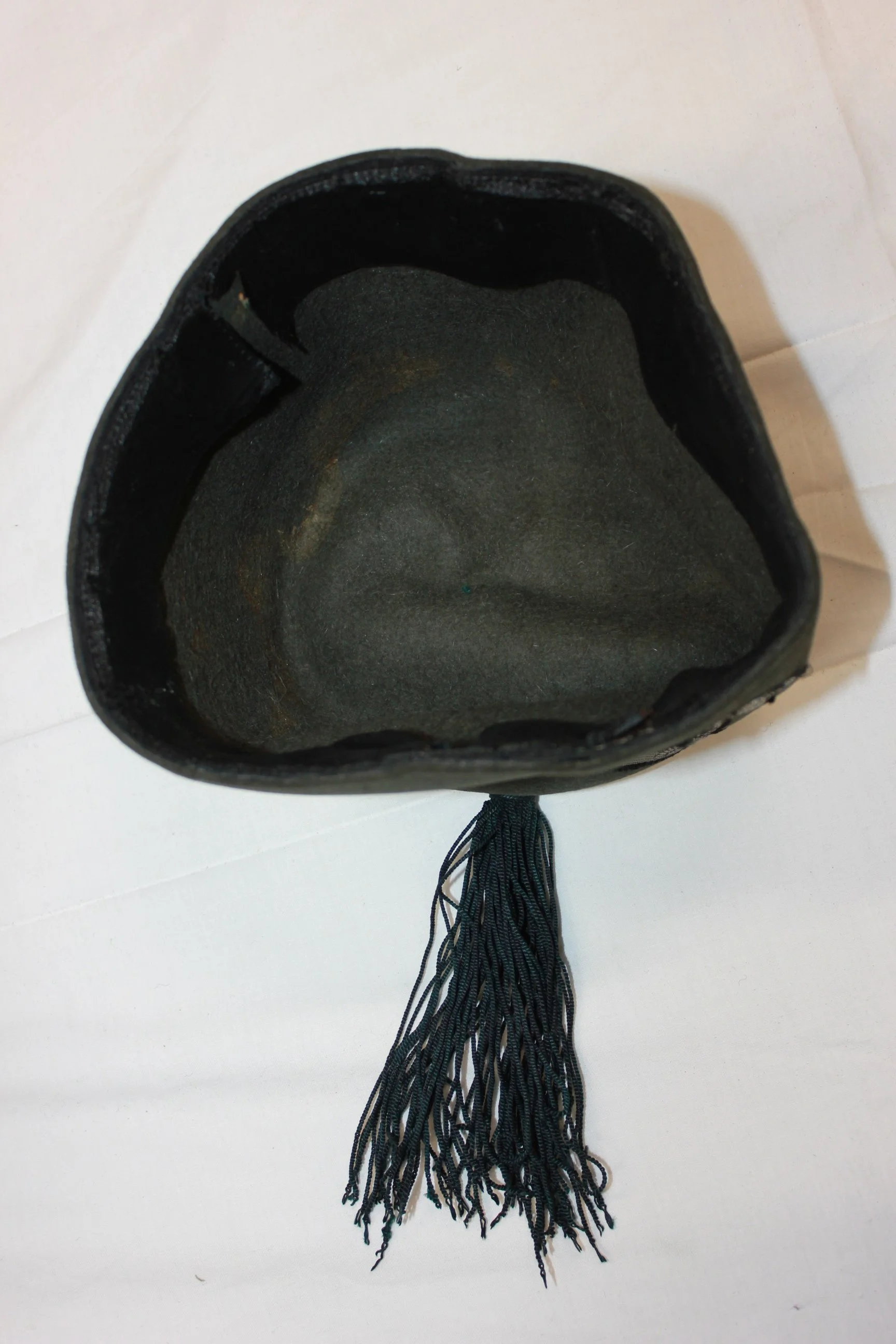
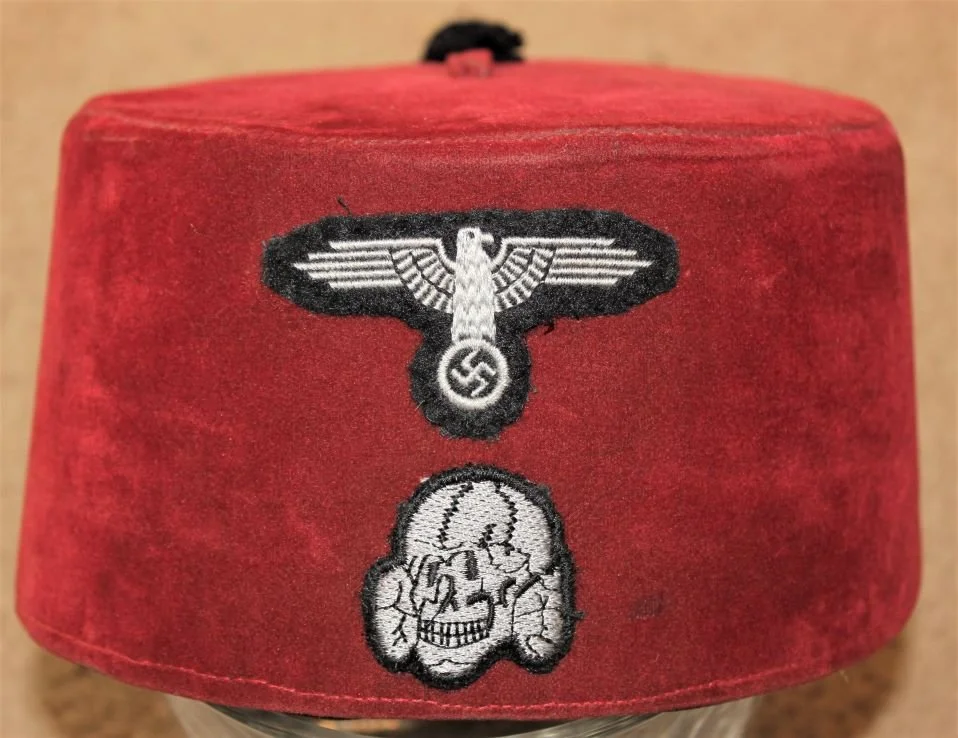
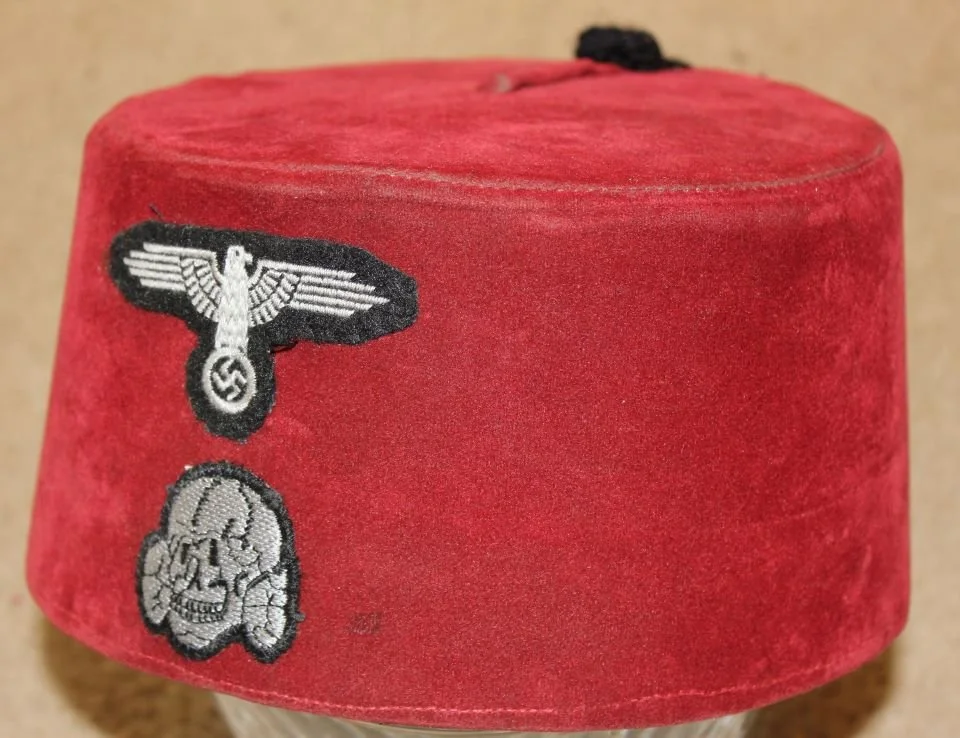
This young recruit wears the mid-war pattern HBT tunic popular in warmer areas such as Yugoslavia. Distinctive divisional collar insignia show the traditional Muslim Scimitar Sword, and the swastika is combined with the national colors of Croatia, which has allied itself with Germany. As this division fights as SS-Volunteers, the SS version of the German national eagle is worn on the left sleeve. Patterned on the old Muslim regiments of the Austro-Hungarian Army, the soldiers were issued the Fez, which had been modified with SS cap insignia.
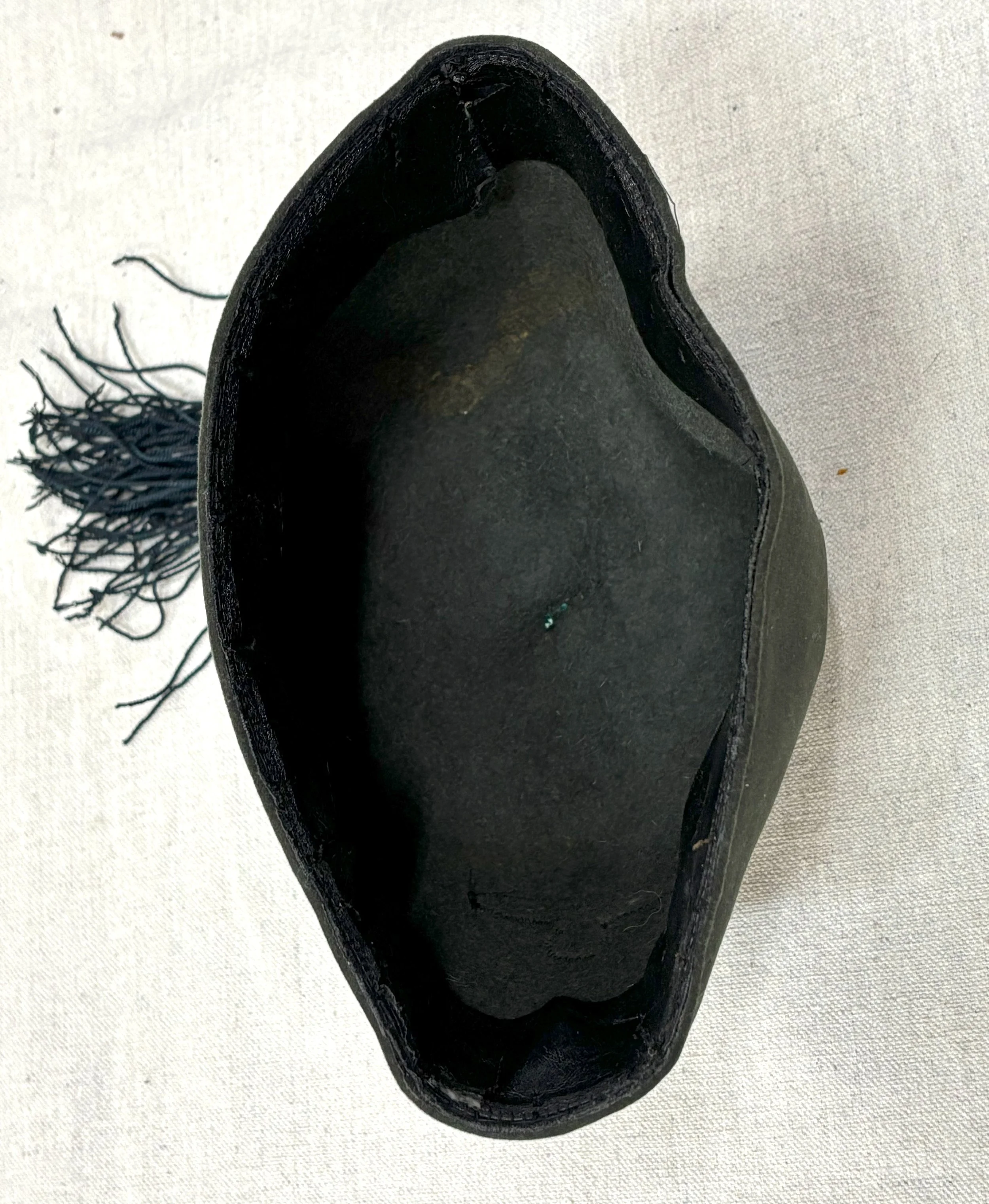
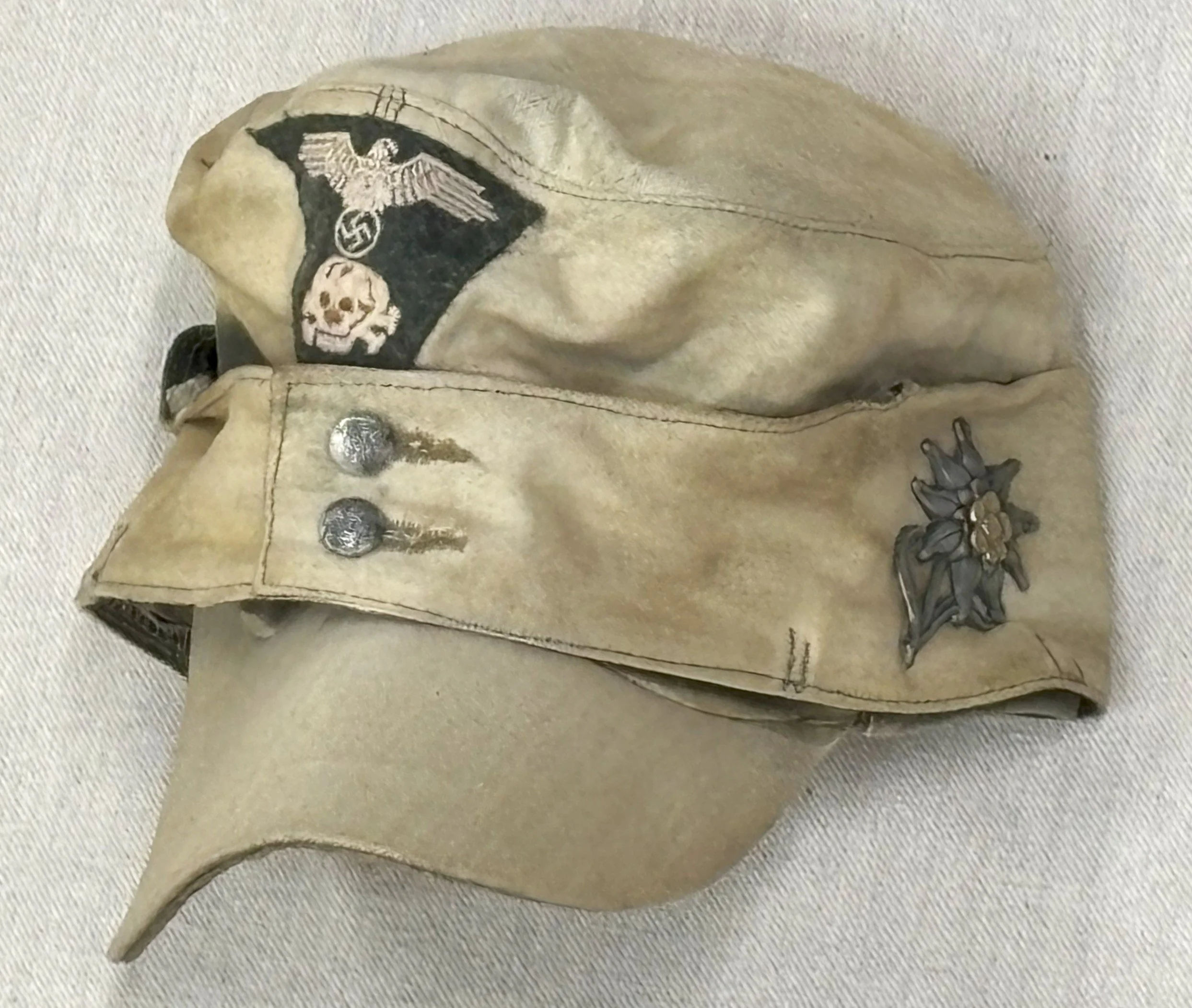
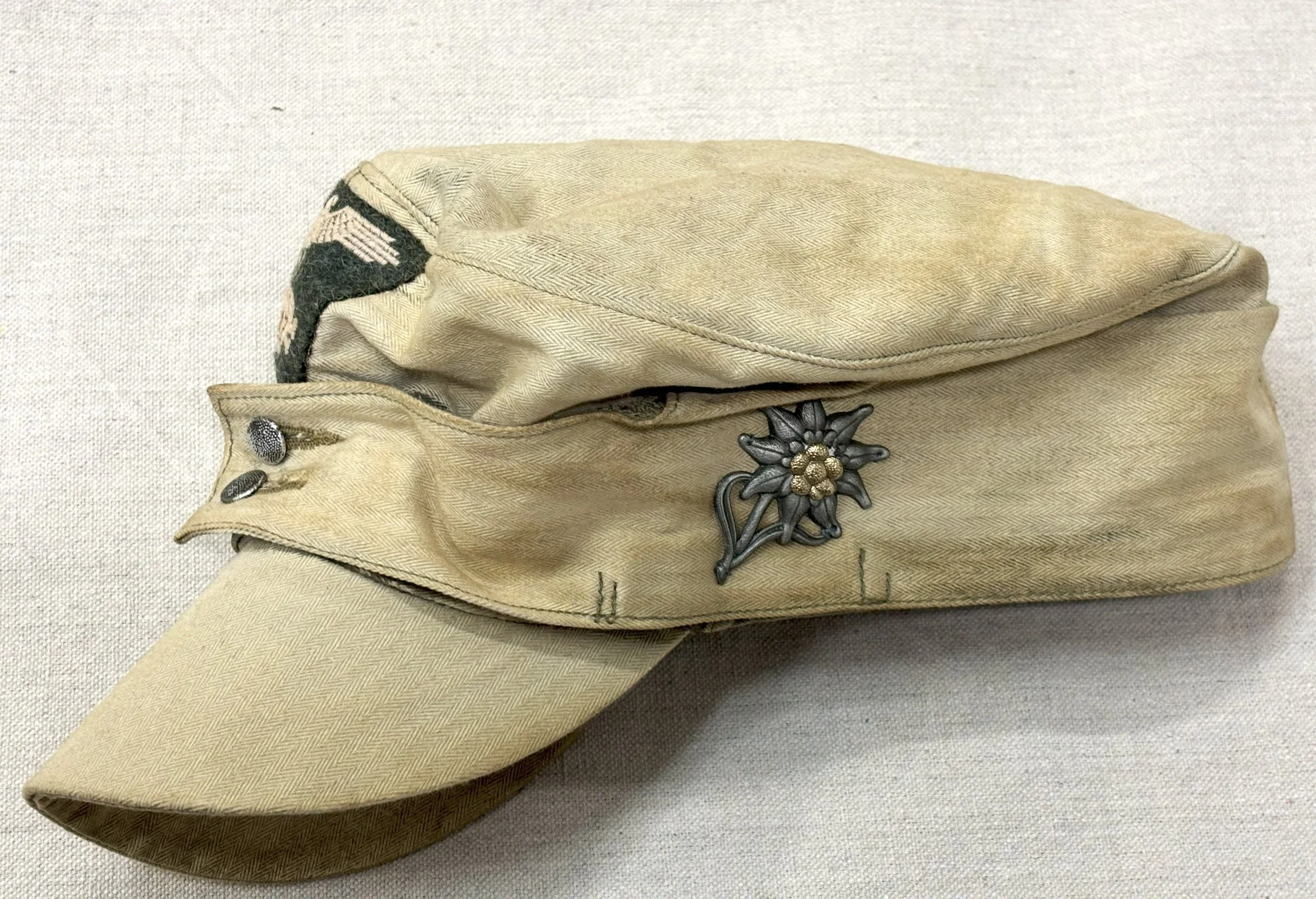
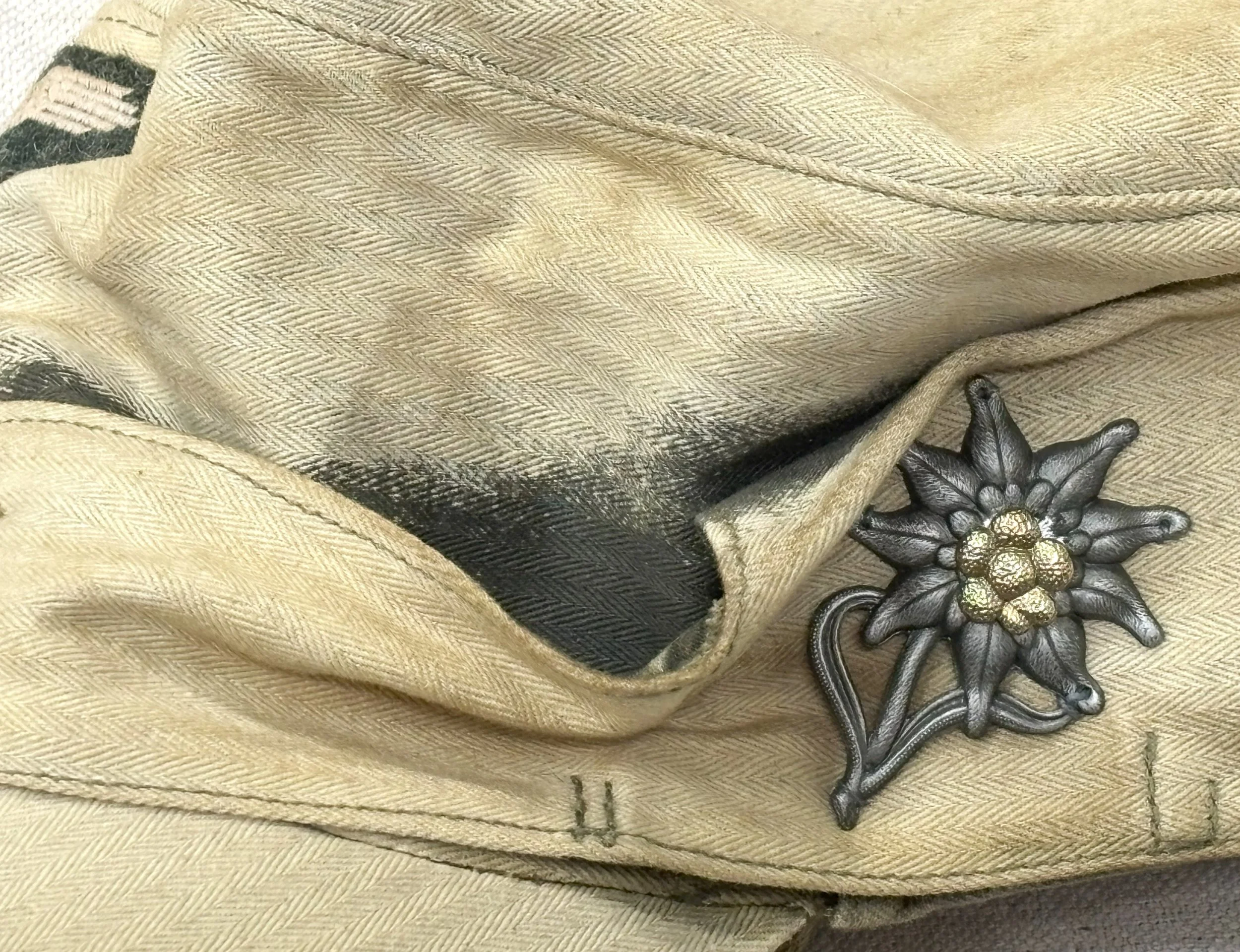
I later added the faded HBT M43 cap, bleached out to white, which found a home here now. The first several pictures depict the troop using the shelter quarter, A camouflaged square basically: 1 part tent, 1 part coat, not great at either, but it was designed for this use, as a poncho, even having the Web-Gear and belt over it. Commonly, it was stowed on the back. The SS were, of course, often issued the “Smock” as well, and that would fit here too. The Smock was used more often than not. It was shown in this photo shoot, and this is a fine place. When not used, it was rolled up and attached with leather straps to the Y-Strap type of web gear.
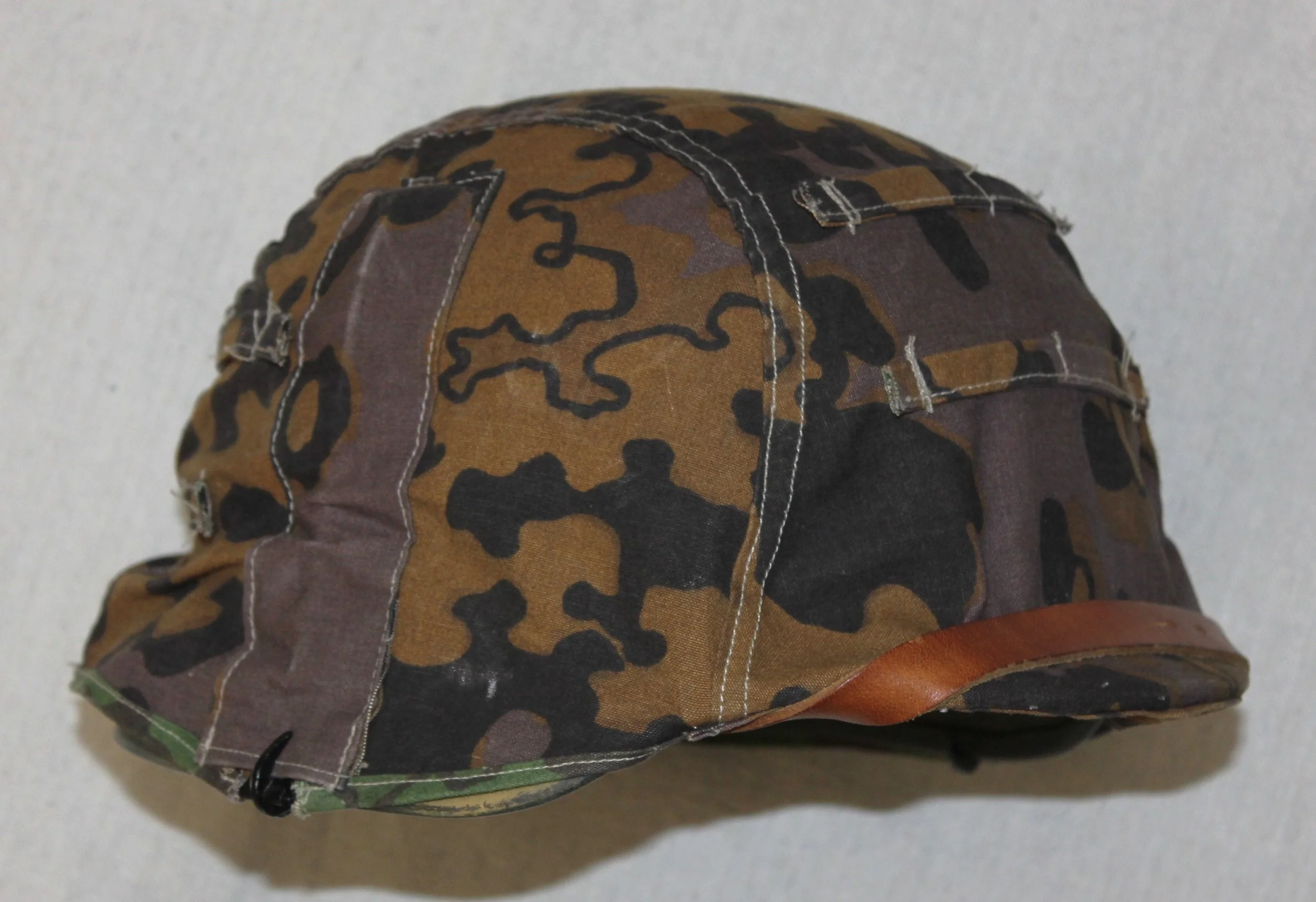
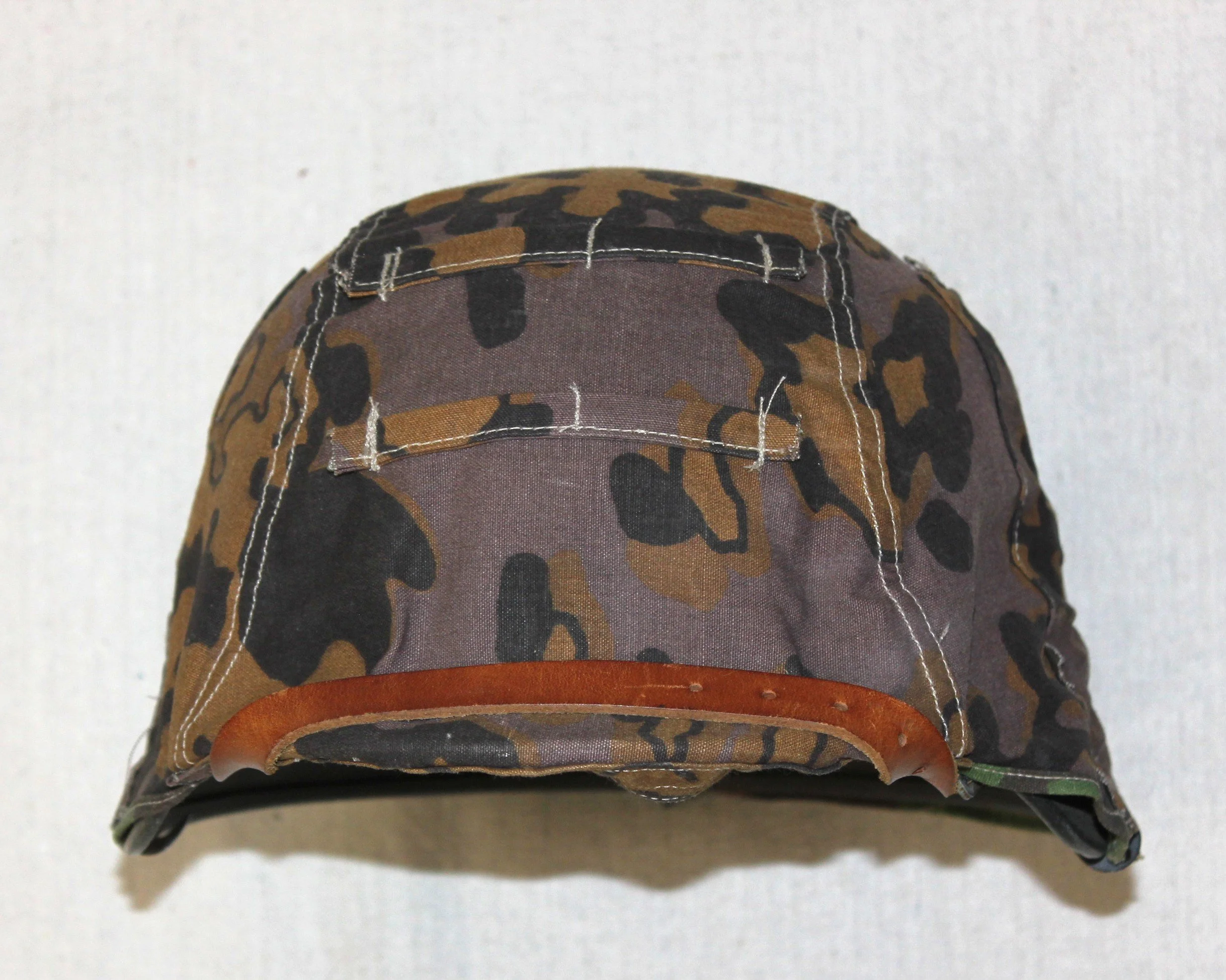
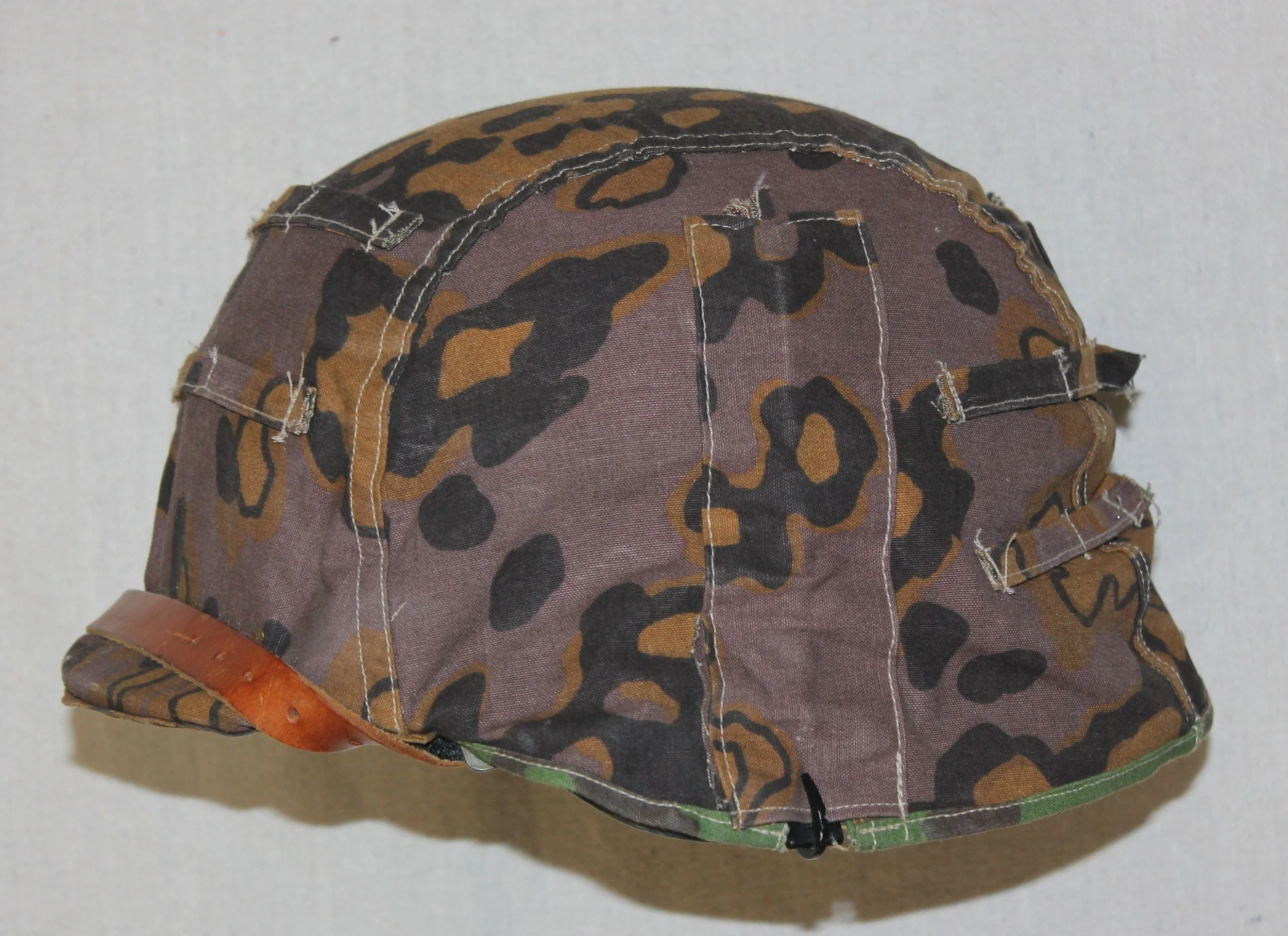
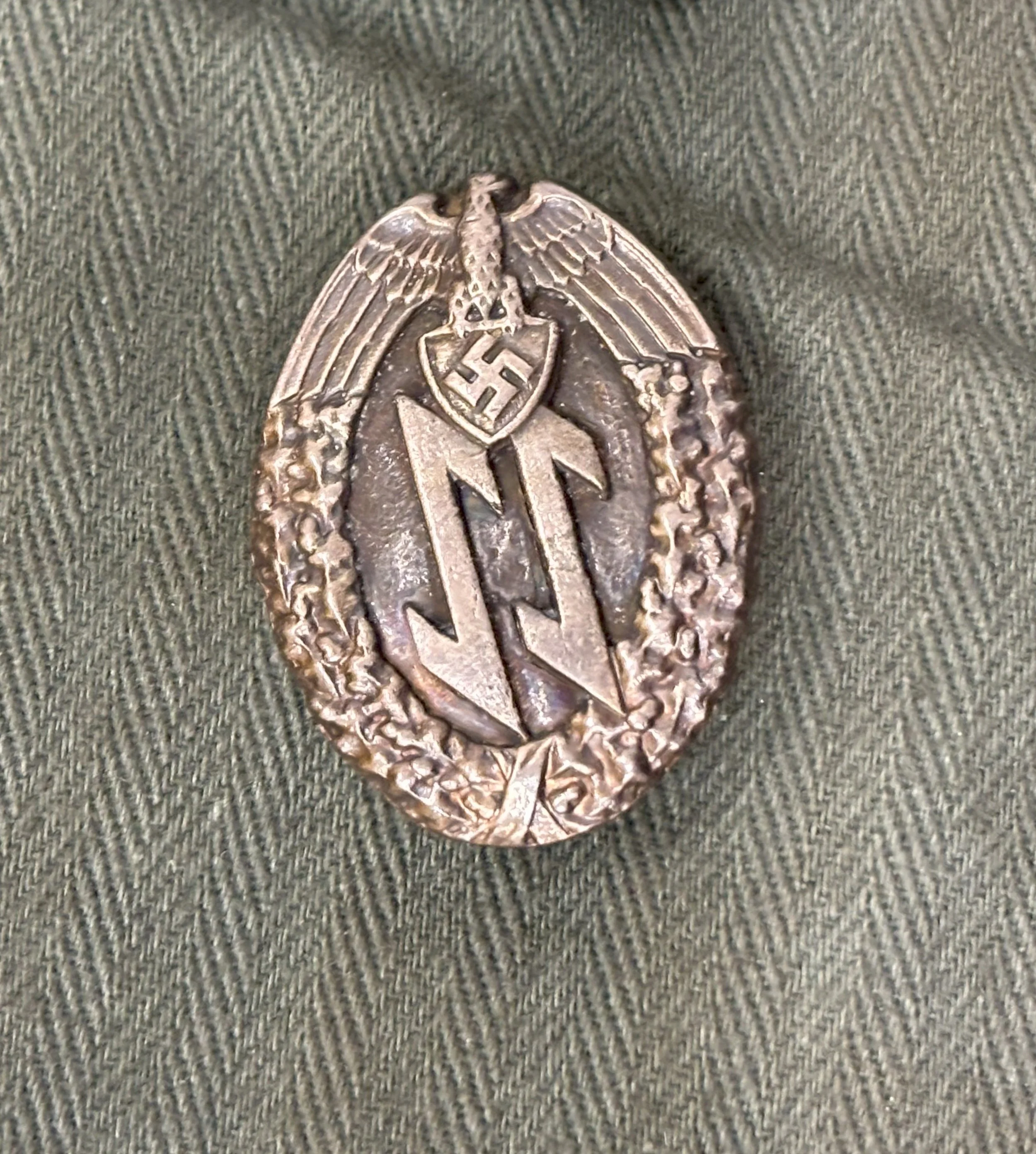
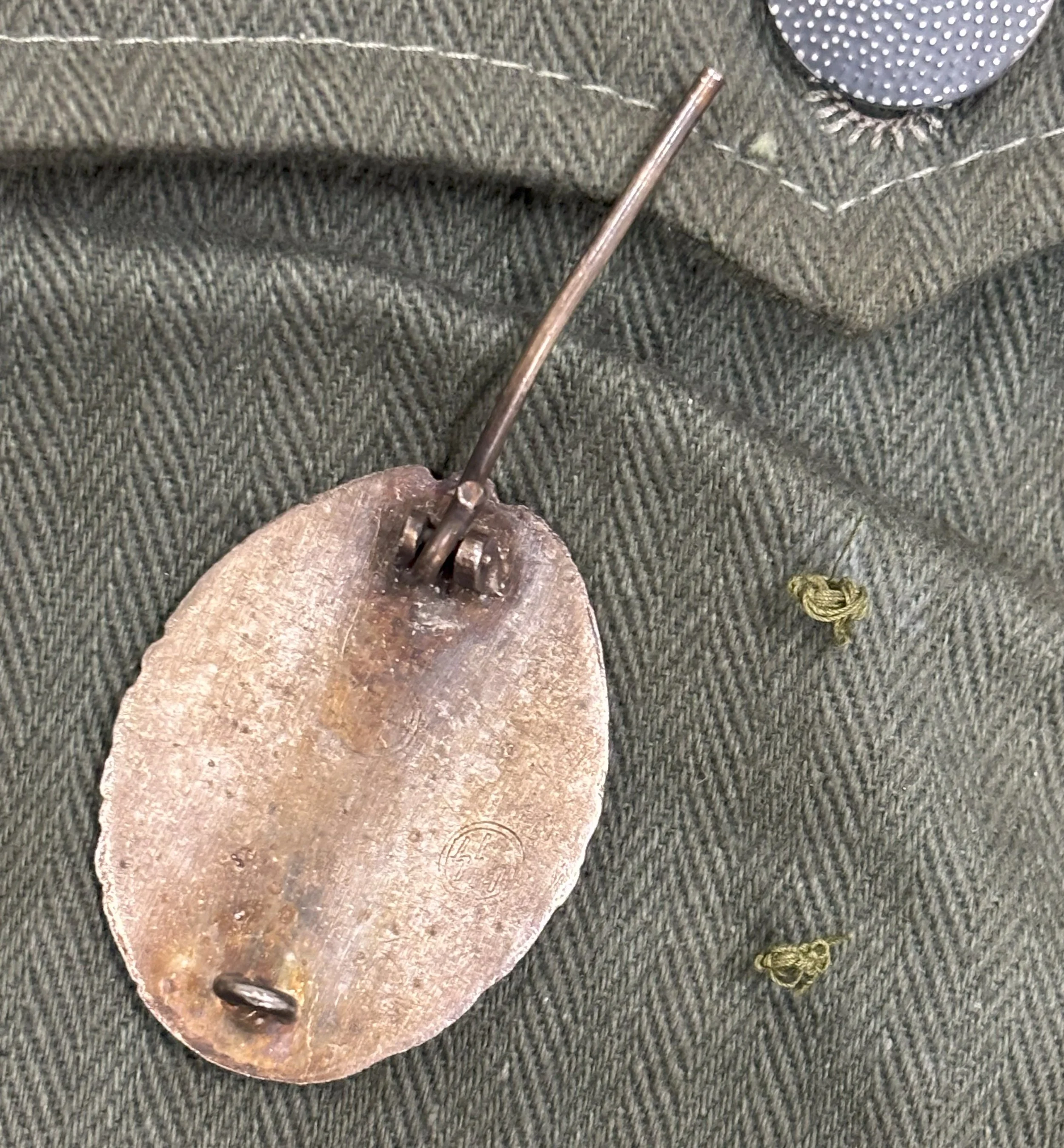
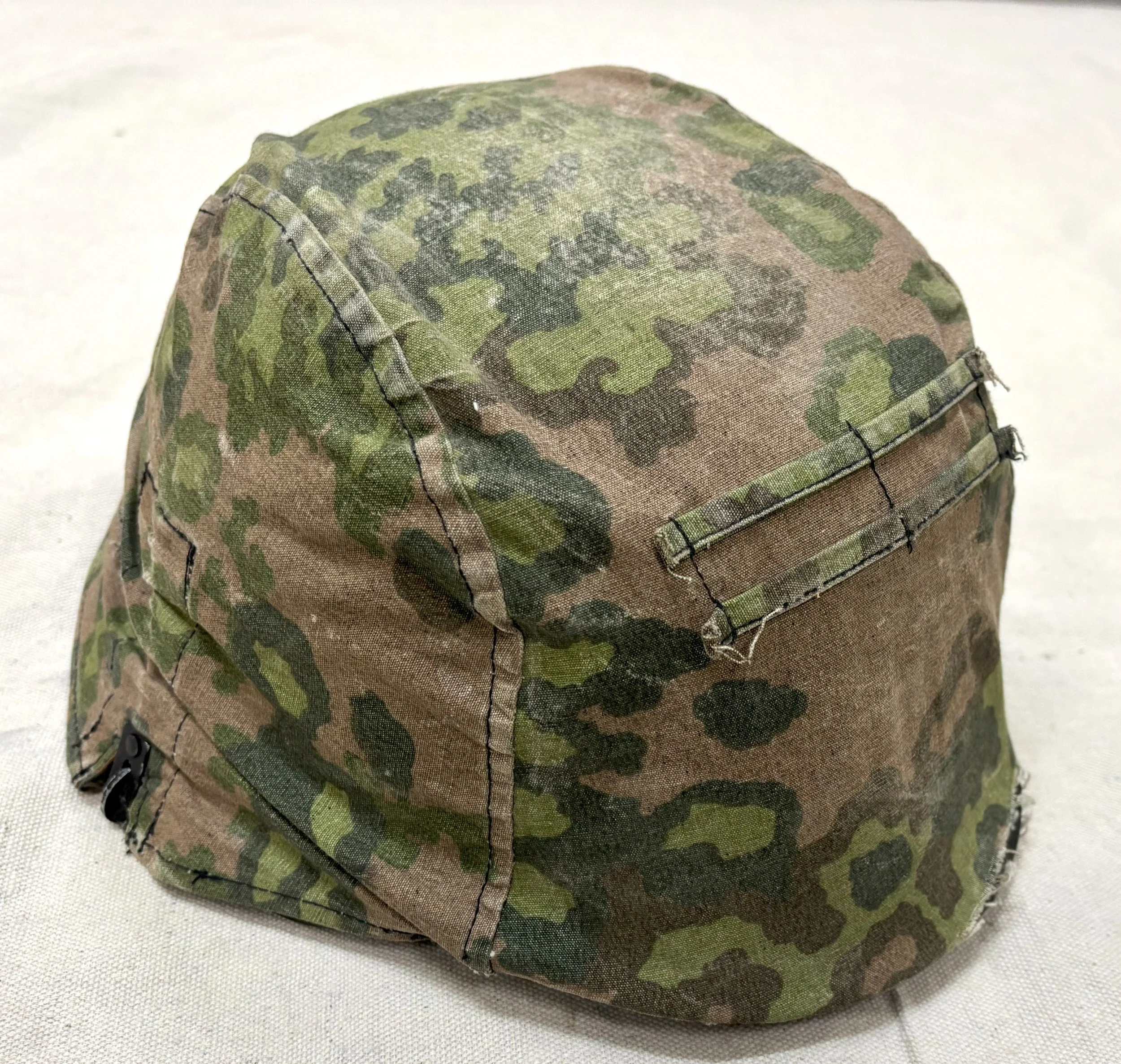
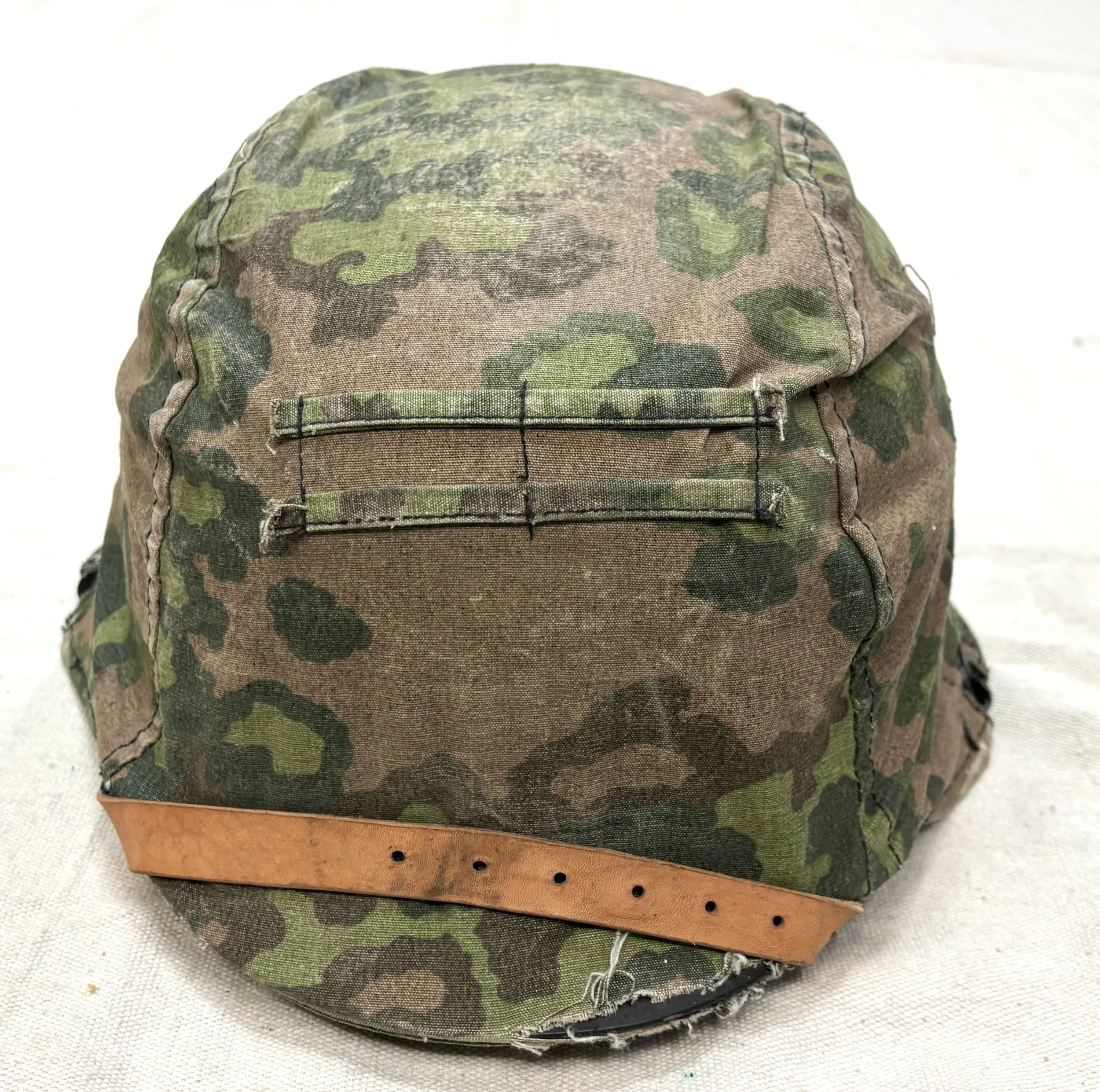
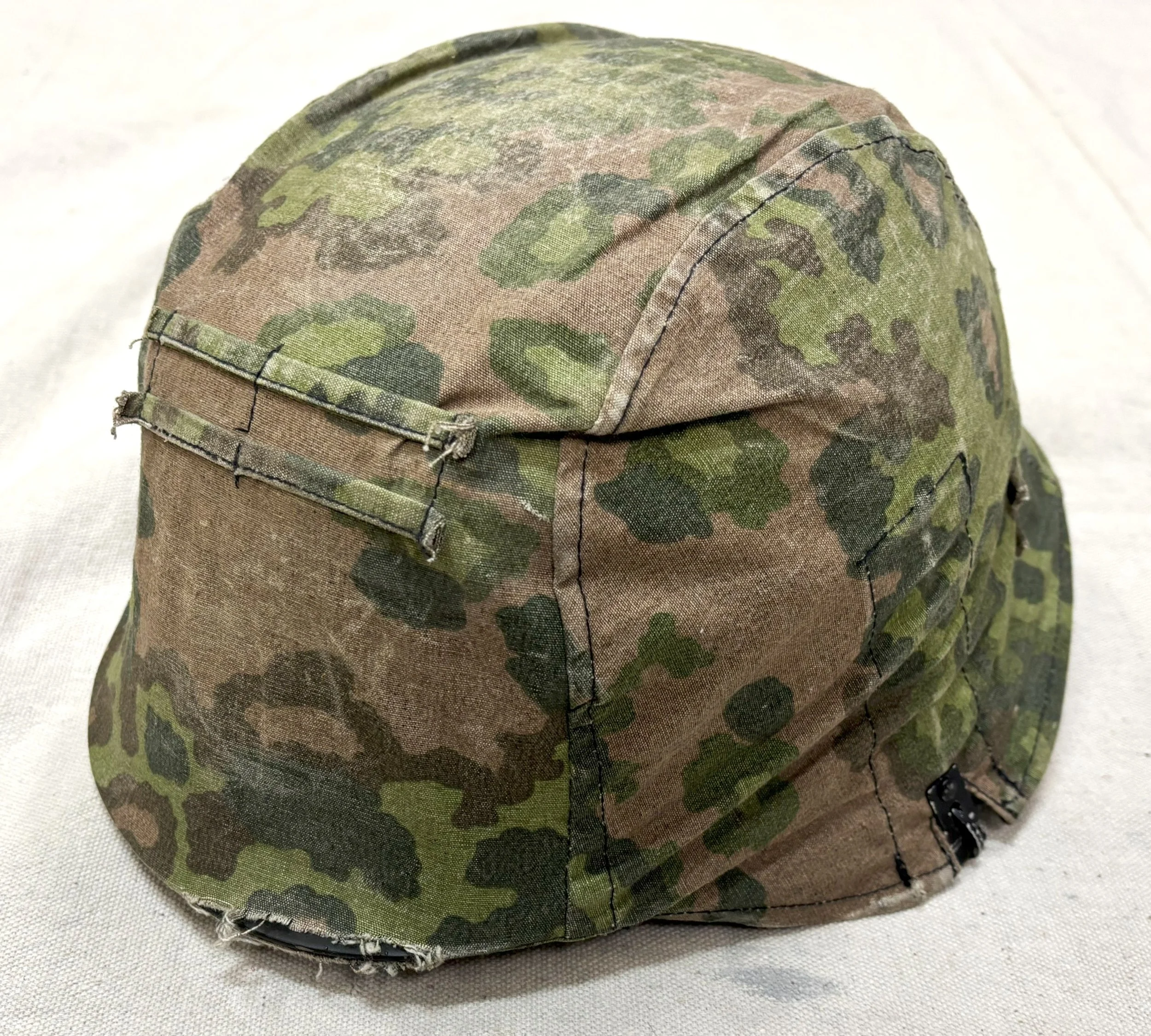
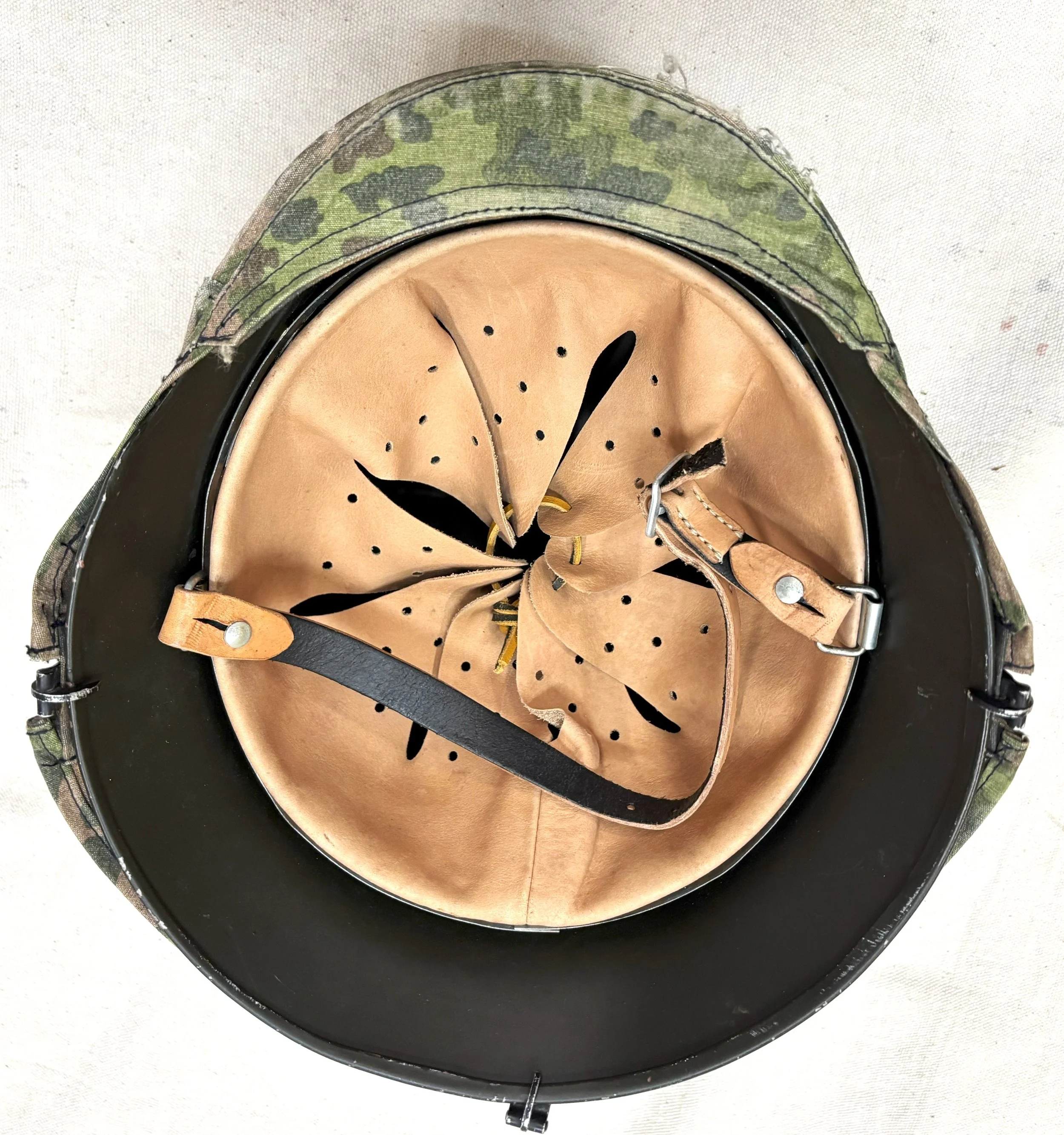
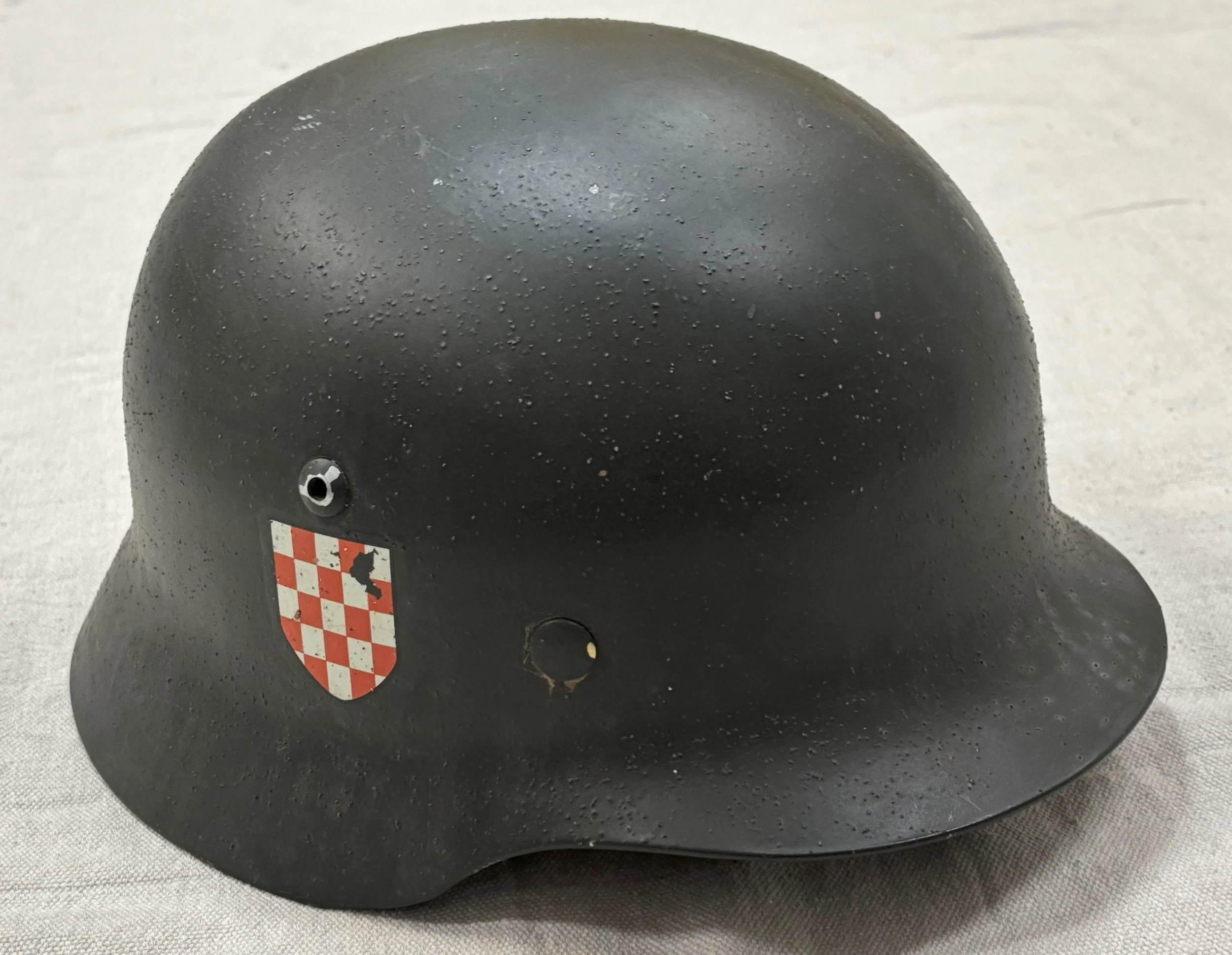
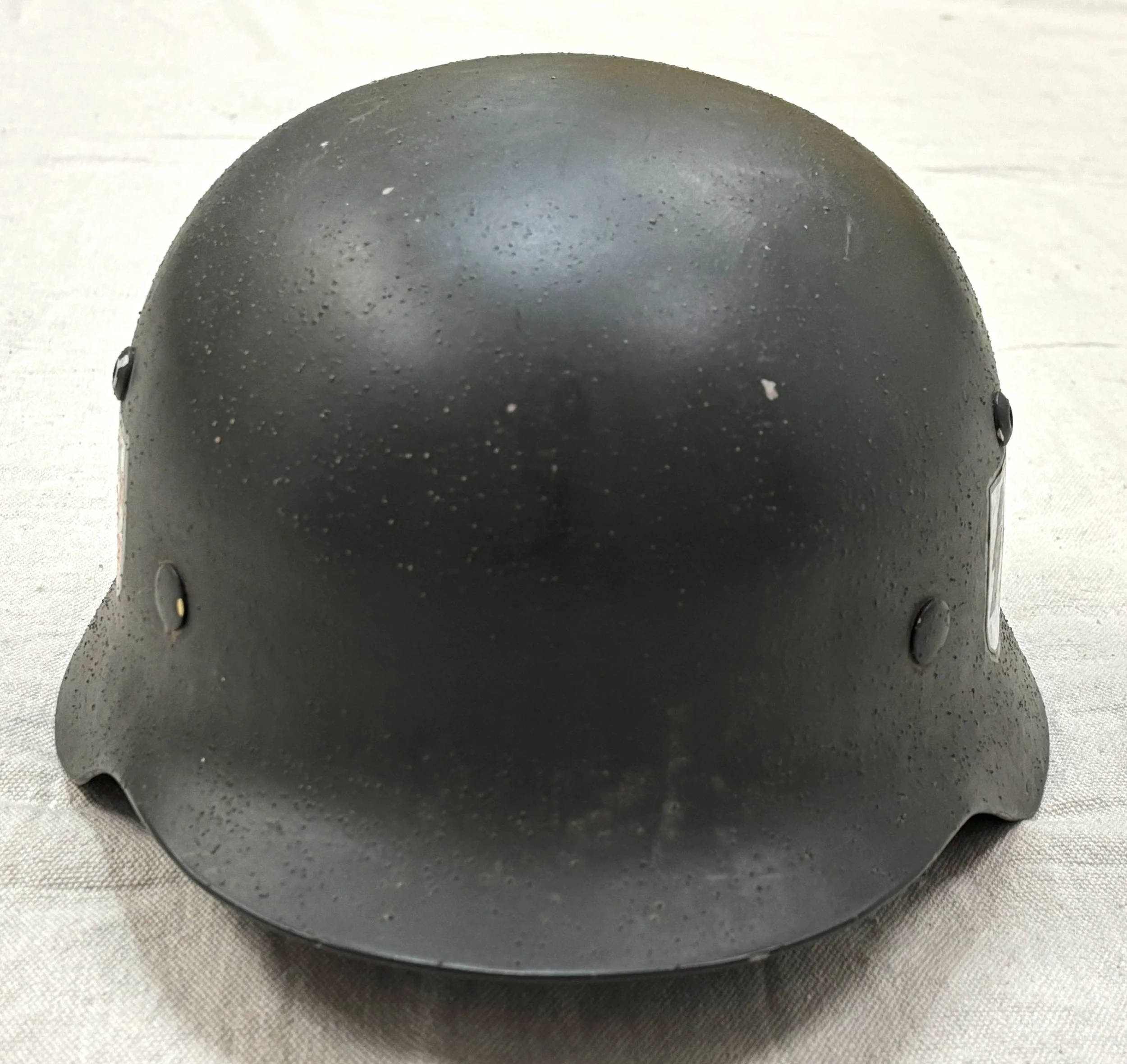
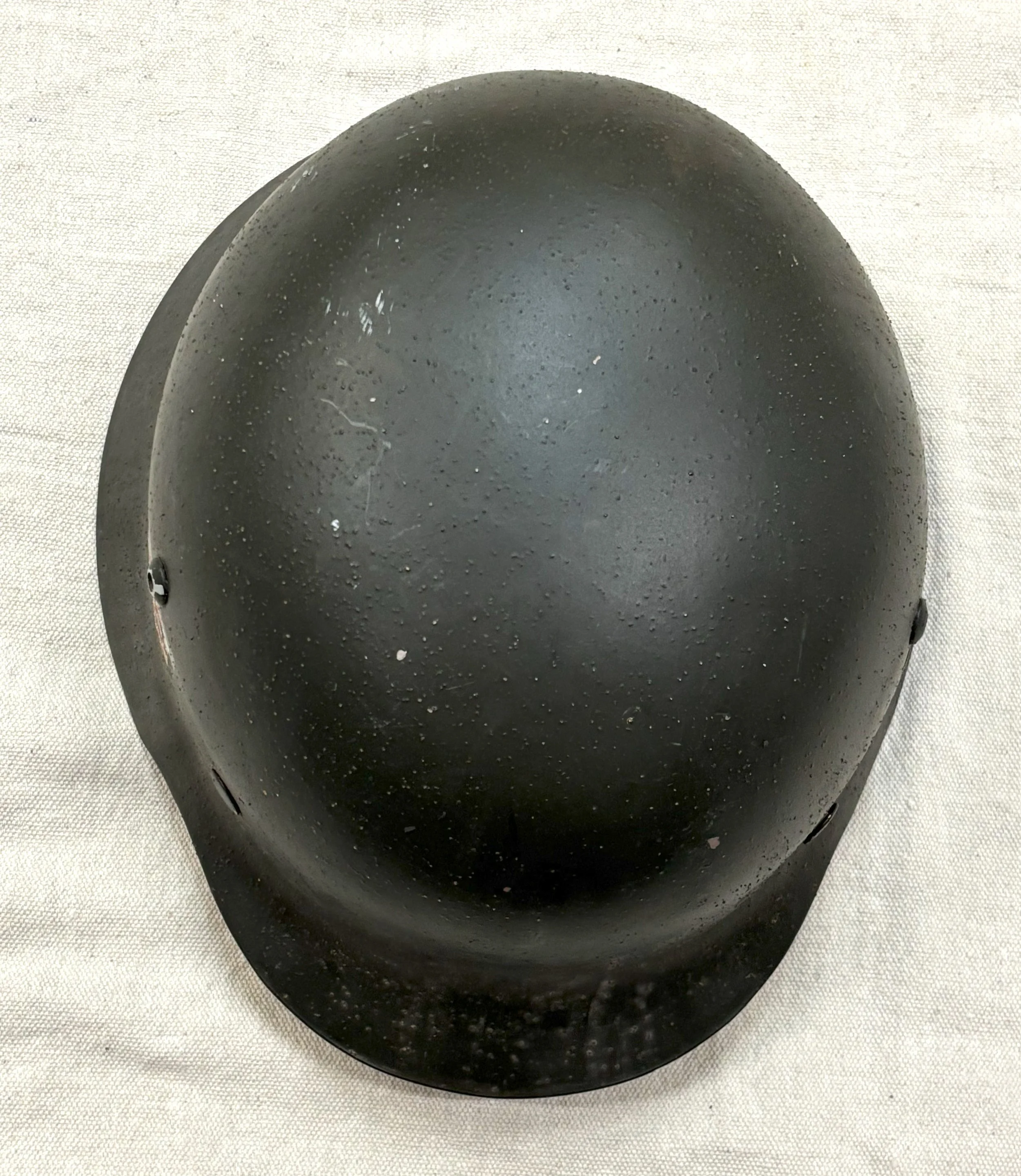
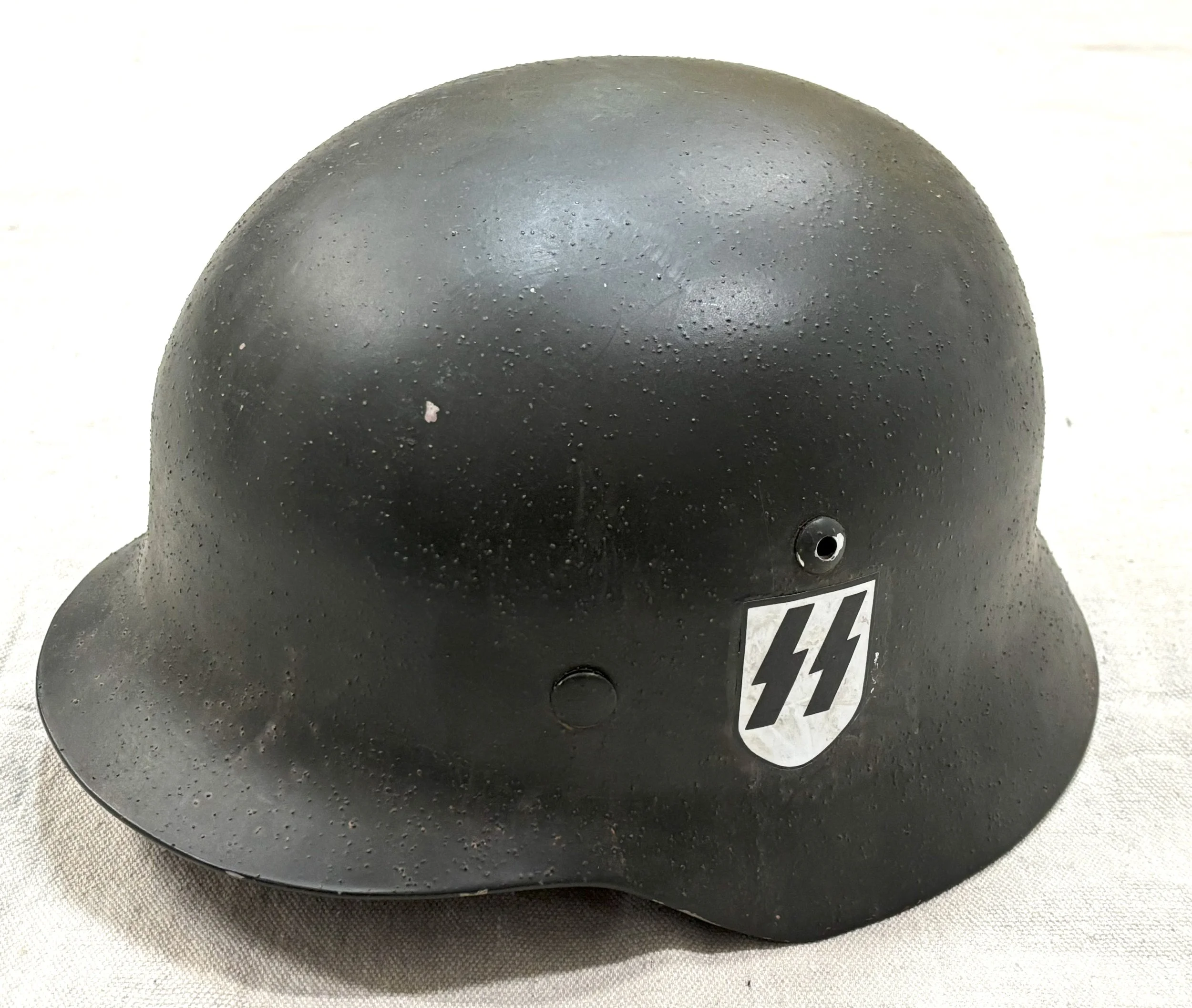
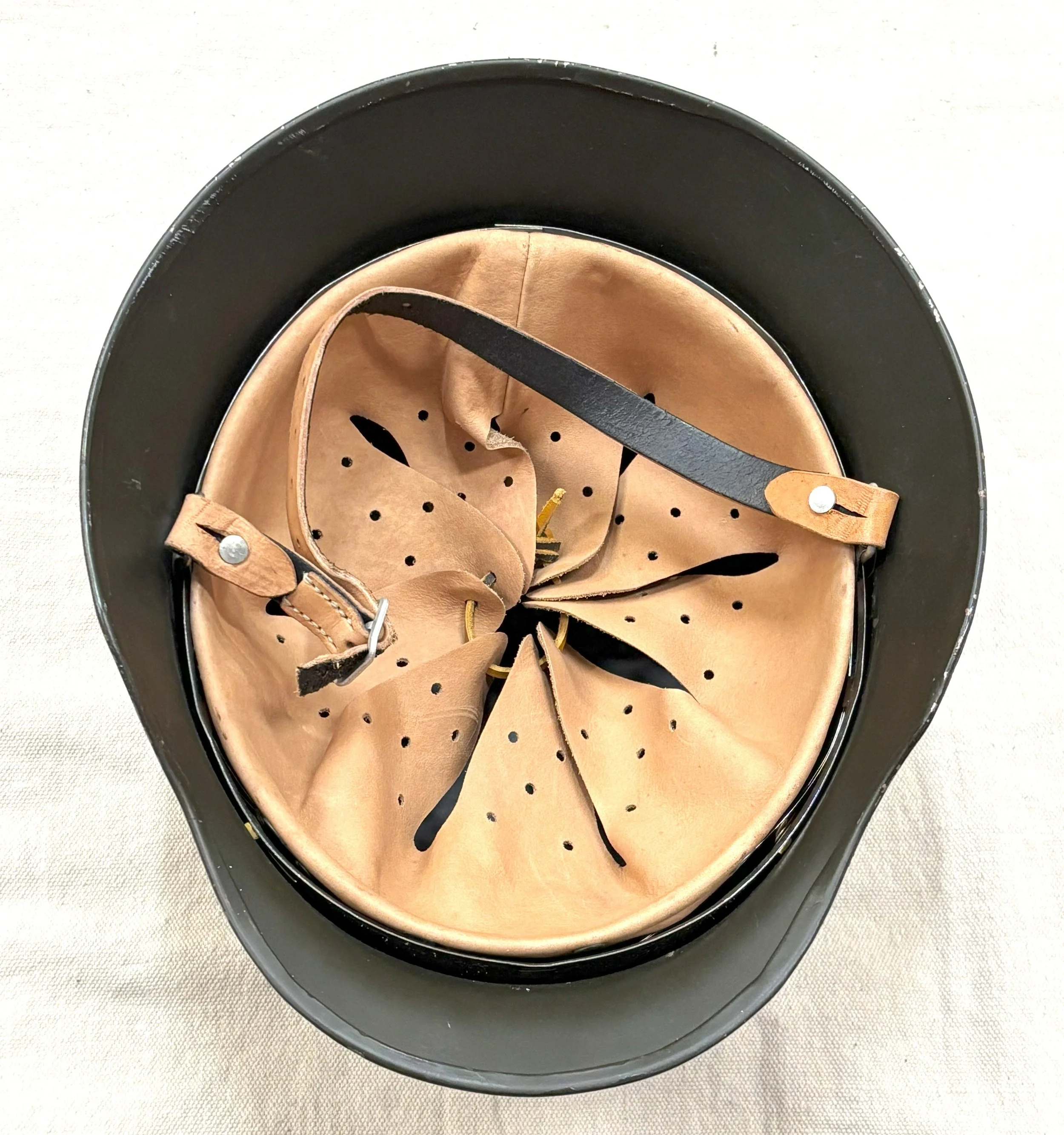
I’ve added an SS helmet; this one carried the Croatian Legions’ Shield on the side of it, under the cover; it fits here. Some various hats have been put with this uniform, and it has gotten confusing about what went where; all work here though, and I have shown some of the options. I had the “Young/Croatian SS-Sports Badge” floating around on different uniforms till I figured out what it was, and now have applied it here. It’s about the only place it worked in my collection; it was bought as a real one, but I am no longer sure of that. It's rare nonetheless.
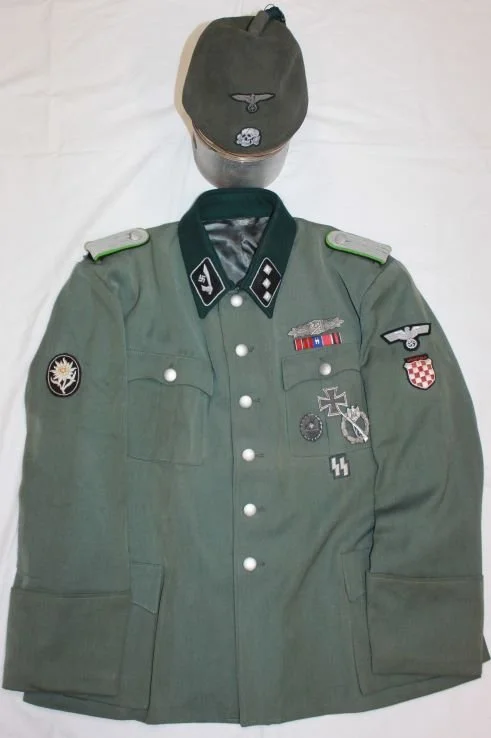
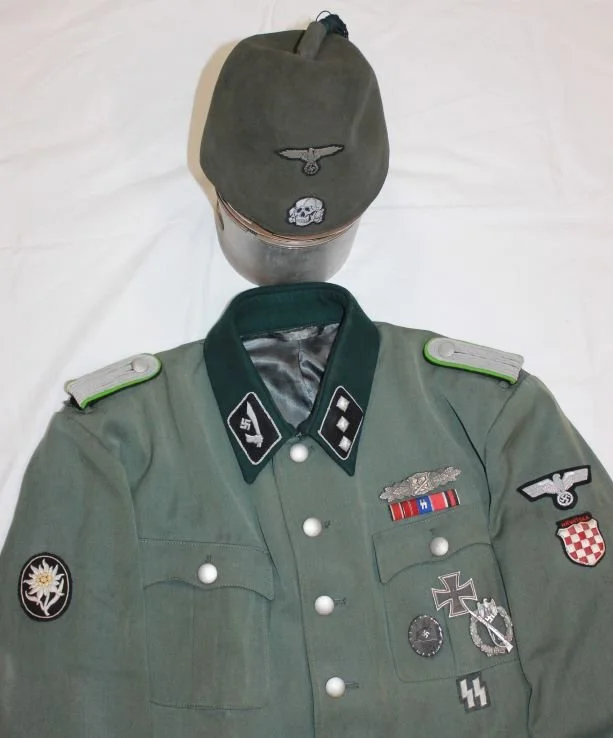
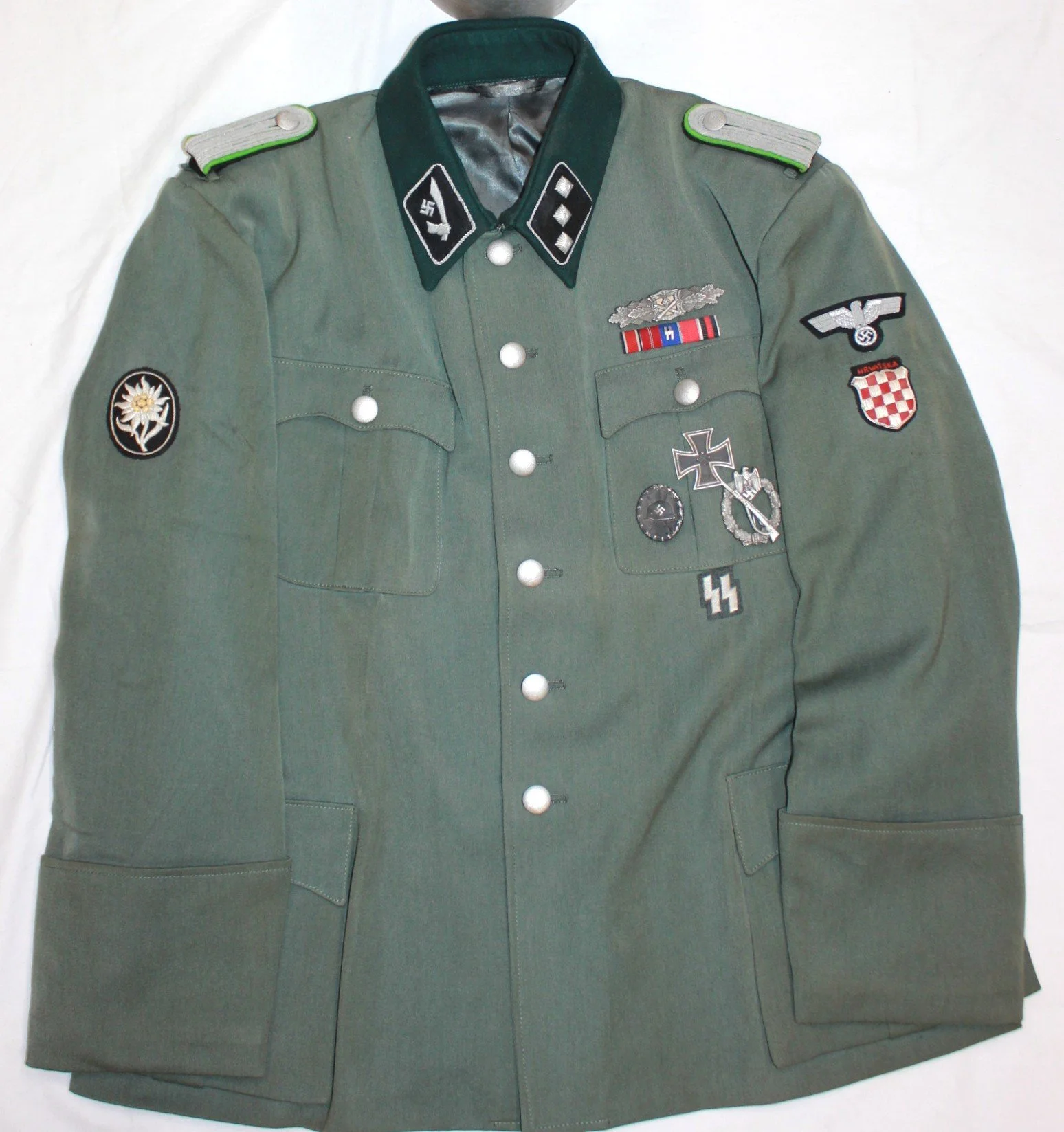
SS-Untershurmfuhrer, 27. SS-Gebirgsjäger-Regiment, SS-Gebirgsjäger-Division 13 “Handschar”:
SS-Gebirgsjäger Division 13 “Handschar" was formed in 1943, and from March to December 1944, it fought a counter-insurgency campaign against communist-led Yugoslav Partisan resistance forces in the Independent State of Croatia. The division was given the name Handschar from the Bosnian word Handžar, which was a local fighting knife or sword carried by Ottoman policemen during the centuries that the region was part of the Ottoman Empire. Handschar was the first non-Germanic Waffen-SS division, and its formation marked the expansion of the Waffen-SS into a multi-ethnic military force. Composed of Bosnian Muslims with some Catholic Croat soldiers and mostly German and Yugoslav Volksdeutsche officers and non-commissioned officers, it took an oath of allegiance to both Adolf Hitler and the Croatian leader Ante Pavelić. The division fought briefly in the Syrmia region north of the Sava River before crossing into northeastern Bosnia.
After crossing the Sava, it established a designated "security zone" in northeastern Bosnia between the Sava, Bosna, Drina, and Spreča rivers. It also fought outside the security zone on several occasions and earned a reputation for brutality and savagery, not only during combat operations but also through atrocities committed against Serb and Jewish civilians. In late 1944, parts of the division were transferred briefly to the Zagreb area, after which the non-German members began to desert in large numbers. Over the winter of 1944–45, it was sent to the Baranja region, where it fought against the Red Army and Bulgarians throughout southern Hungary, falling back via a series of defensive lines until it was inside the Reich frontier. Most of the remaining Bosnian Muslims left at this point and attempted to return to Bosnia. The rest retreated further west, hoping to surrender to the Western Allies. Most of the remaining members became prisoners of the British Army. The unit had no positive combat record and was disbanded in 1945.
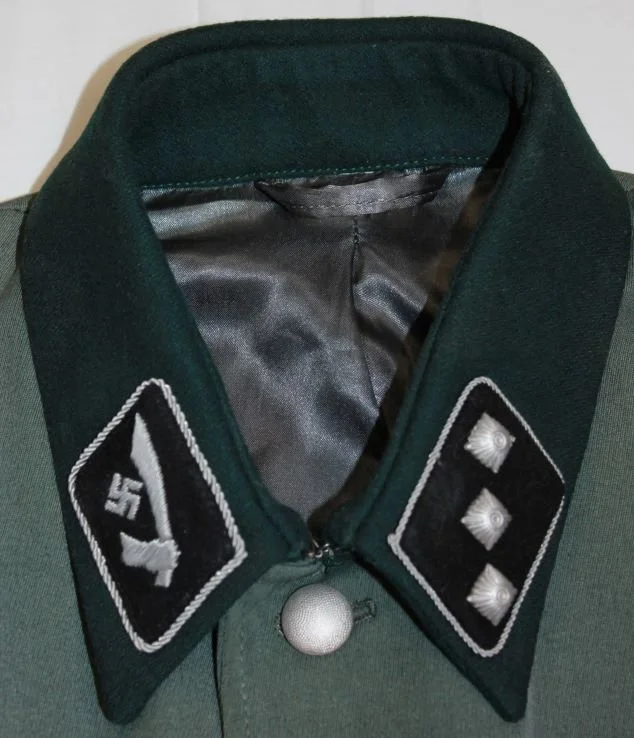
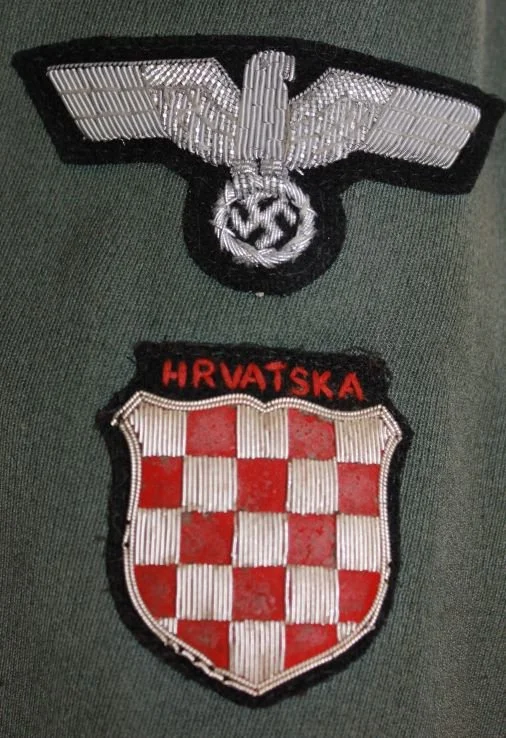
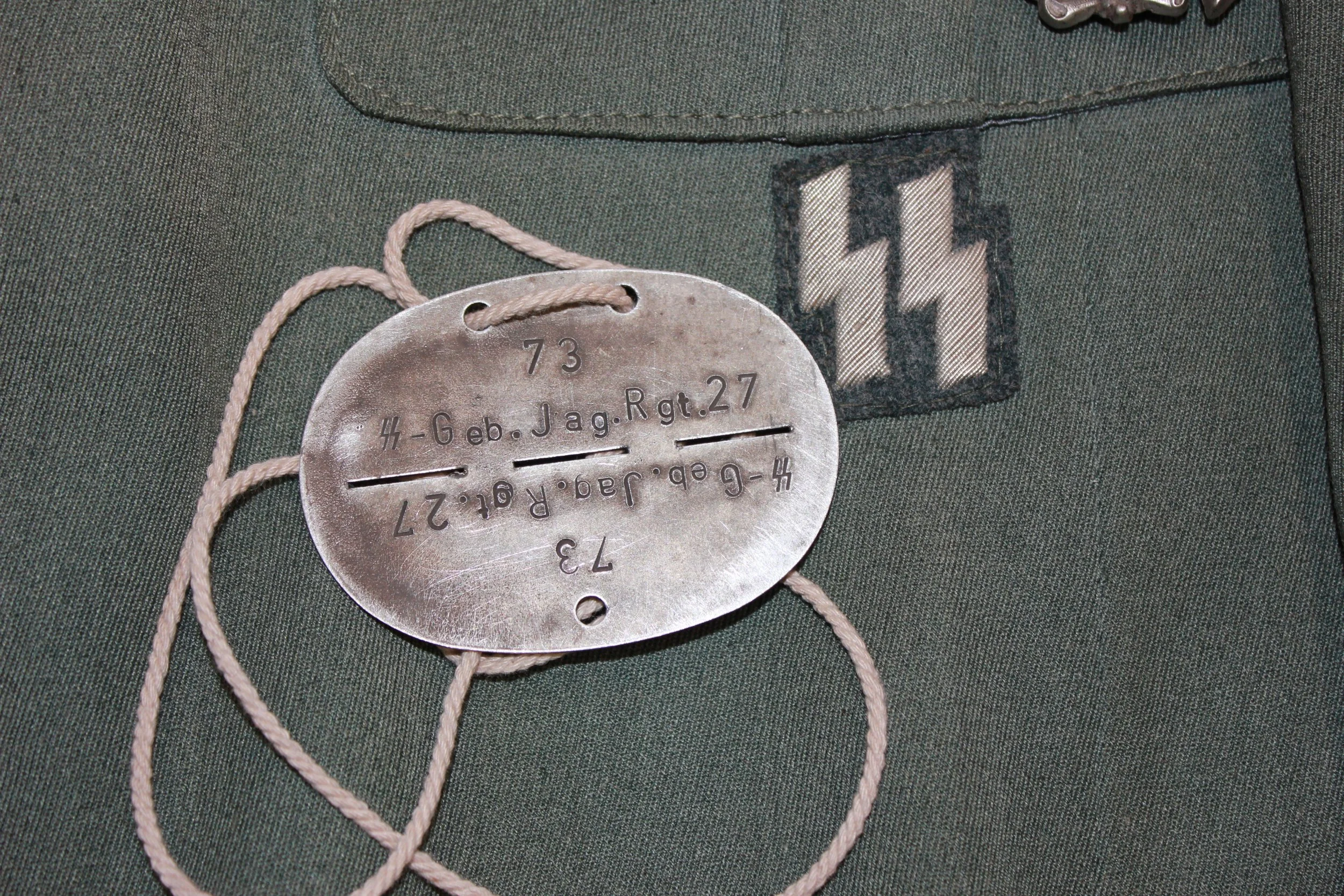
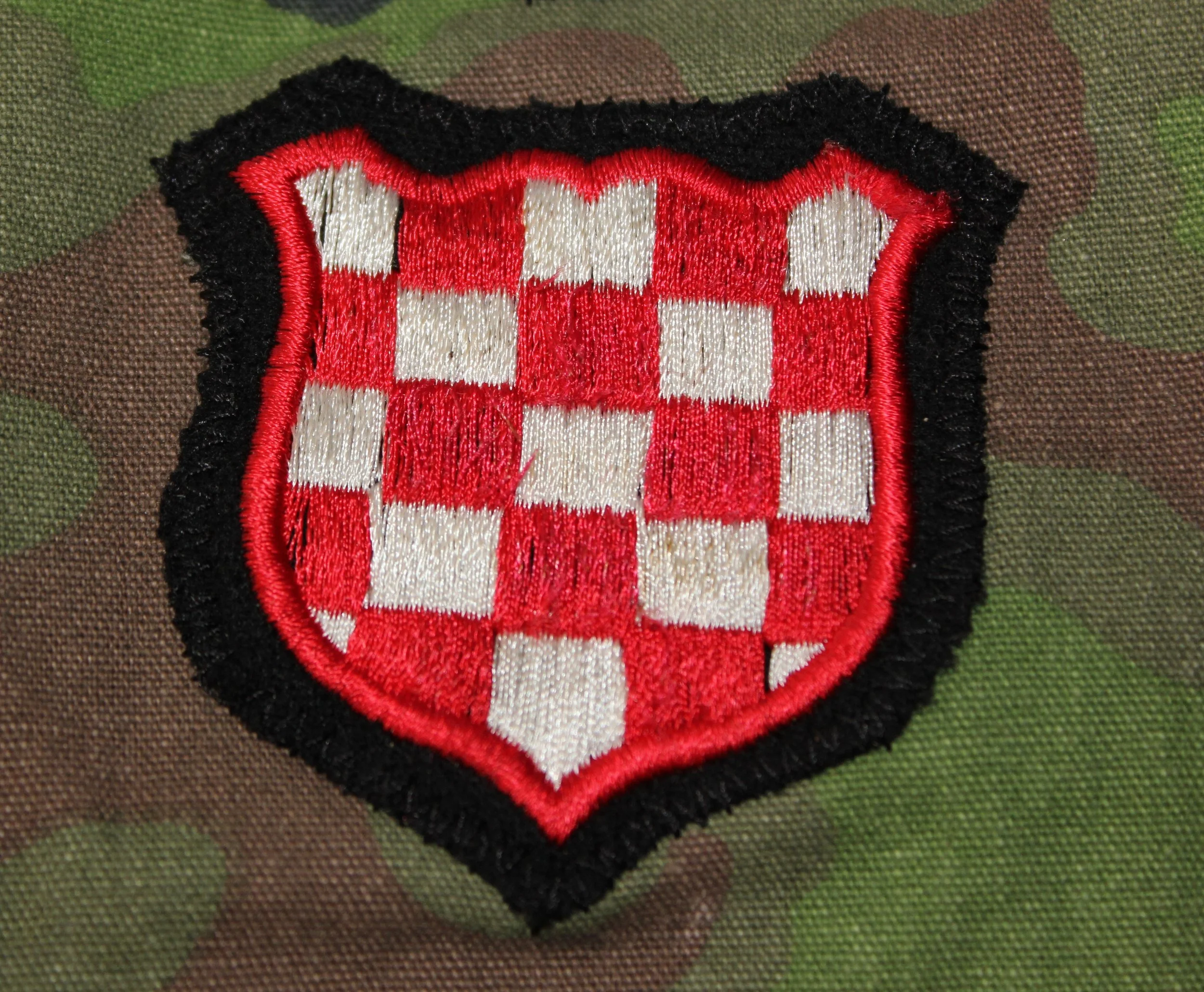
Sub SS-Untersturmführer 27. SS Waffen Gebirgsjäger Regiment SS-Gebirgsjäger Division 13 ”Handschar” An interesting use of an Army breast eagle placed on the sleeve of the uniform. Several period photos show this use. The Heeresgebirgs Edelweiss cap badge has been attached to this SS-Eineheitsfeldmütz. Subsequently, 38 officers were extradited to Yugoslavia to face criminal charges, and 10 were executed. Hundreds of former members of the division fought in the 1947–48 Civil War in Mandatory Palestine and the 1948 Arab–Israeli War. The SS-Untersturmführer wears a gabardine officer-cut Heeres Dienstanzug Model 1936 with a divisional collar Litzen showing an arm holding the Handschar over a swastika. On the left arm was a Croatian arm shield in officer-quality bullion hand embroidery with matching bullion SS pattern Edelweiss on the right sleeve.
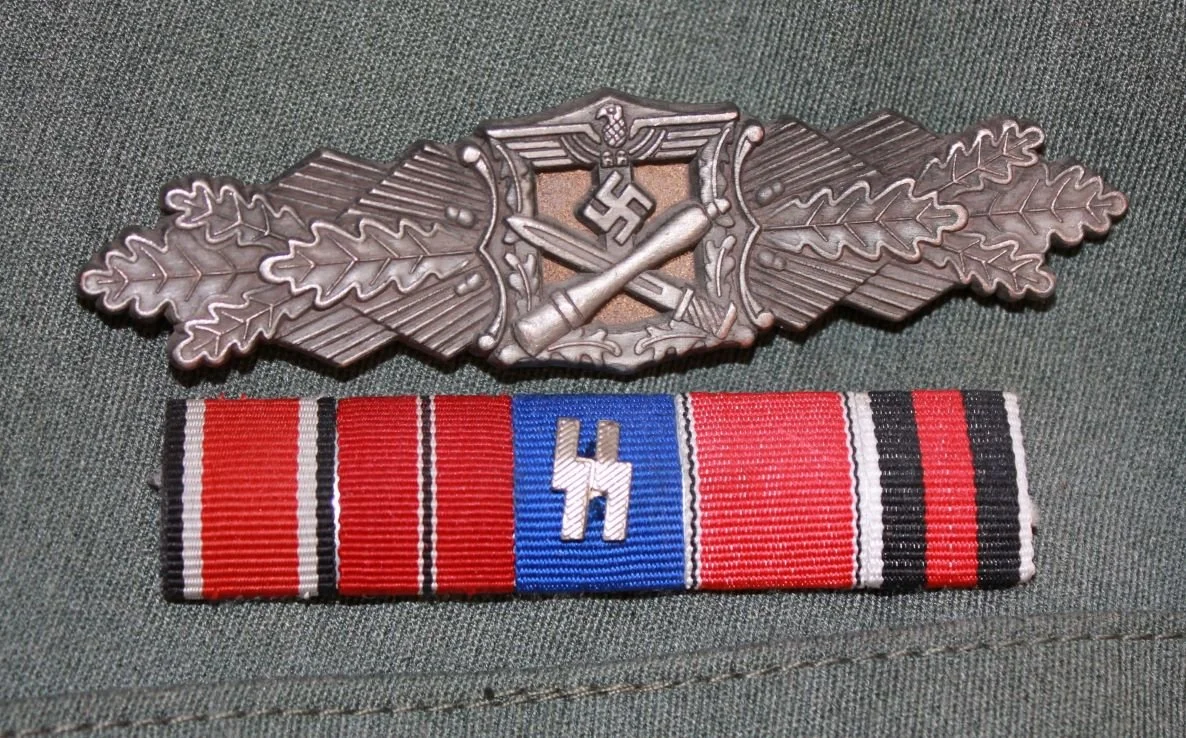
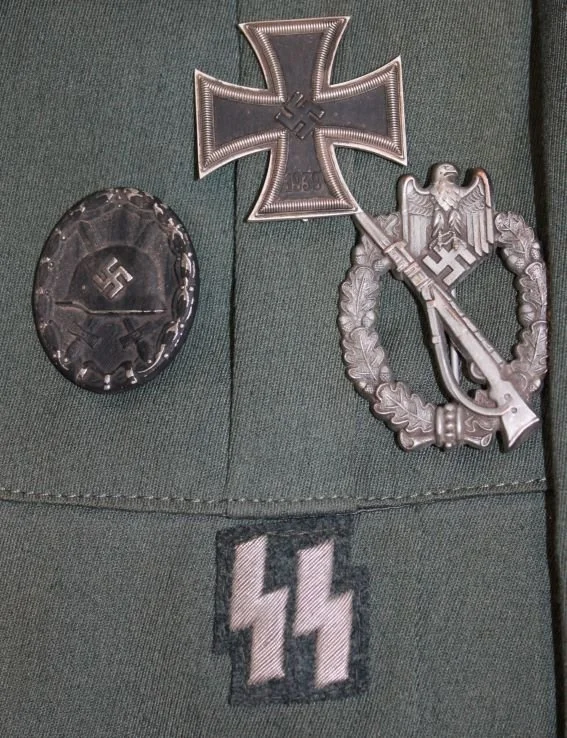
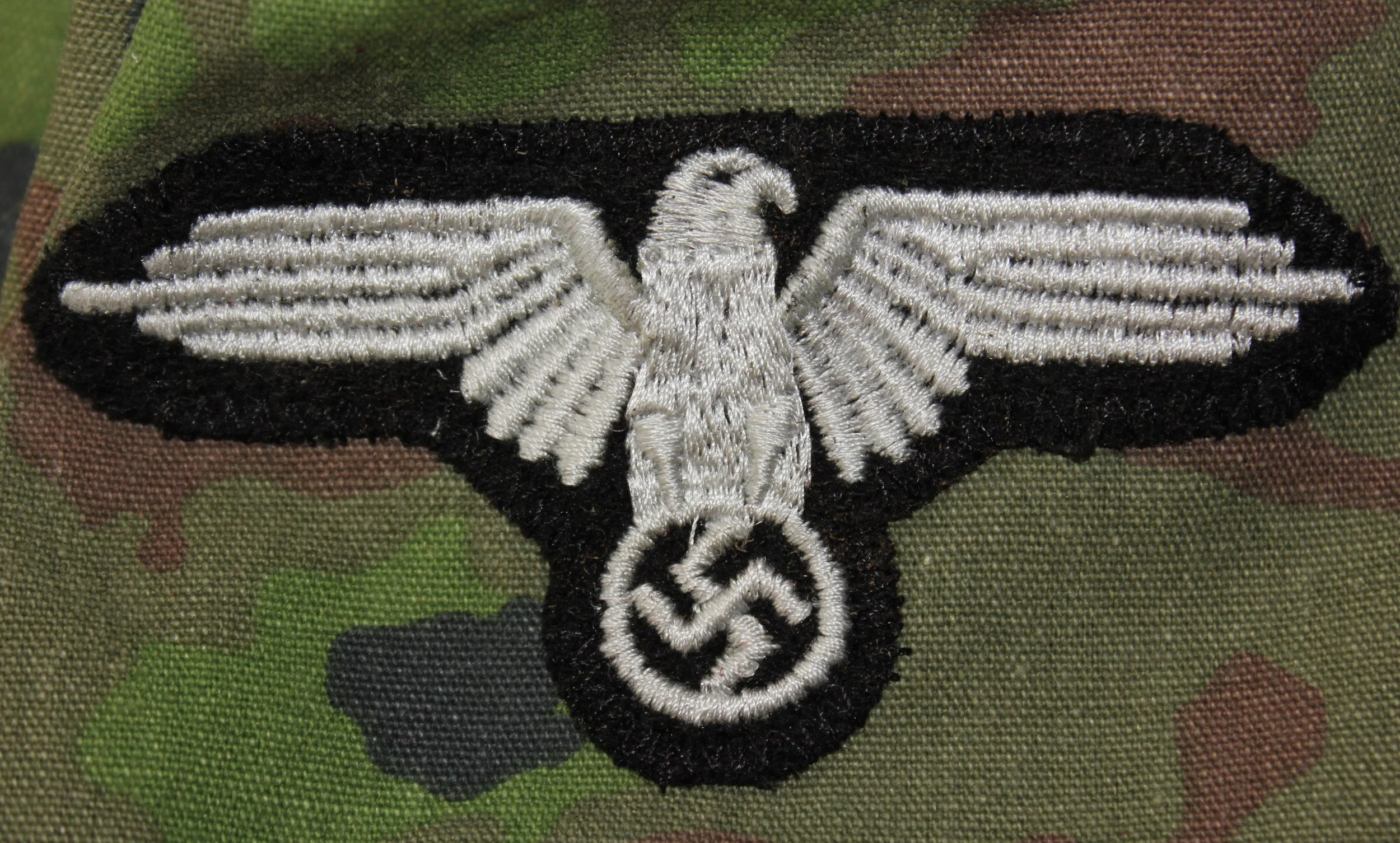
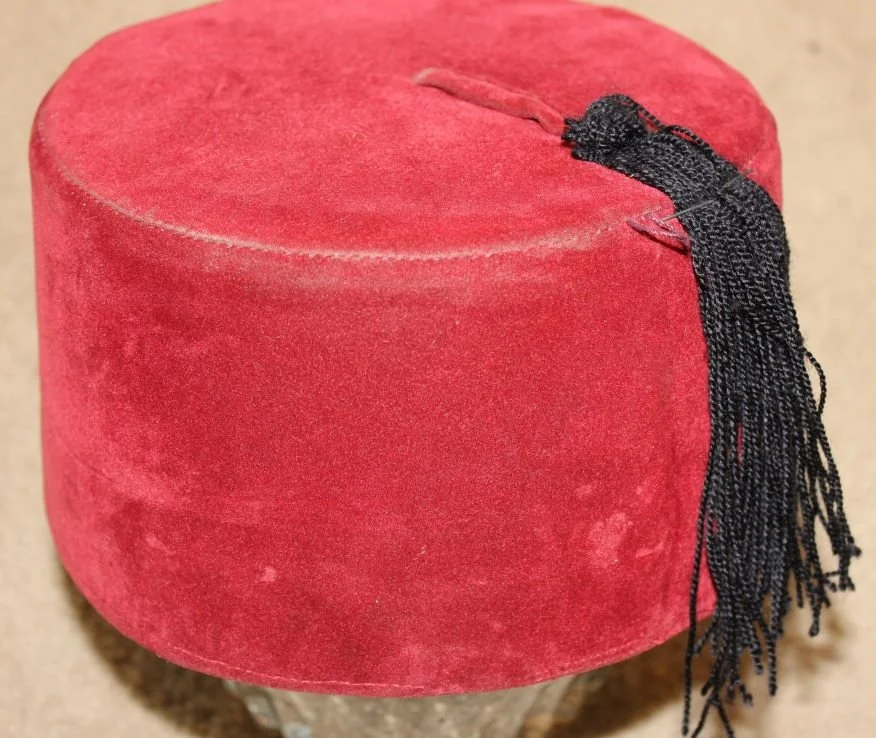
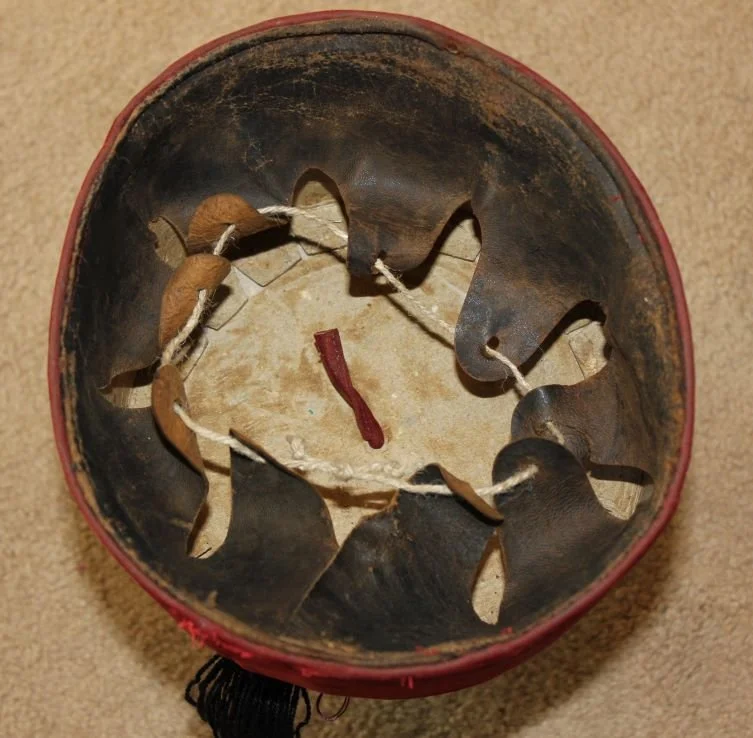
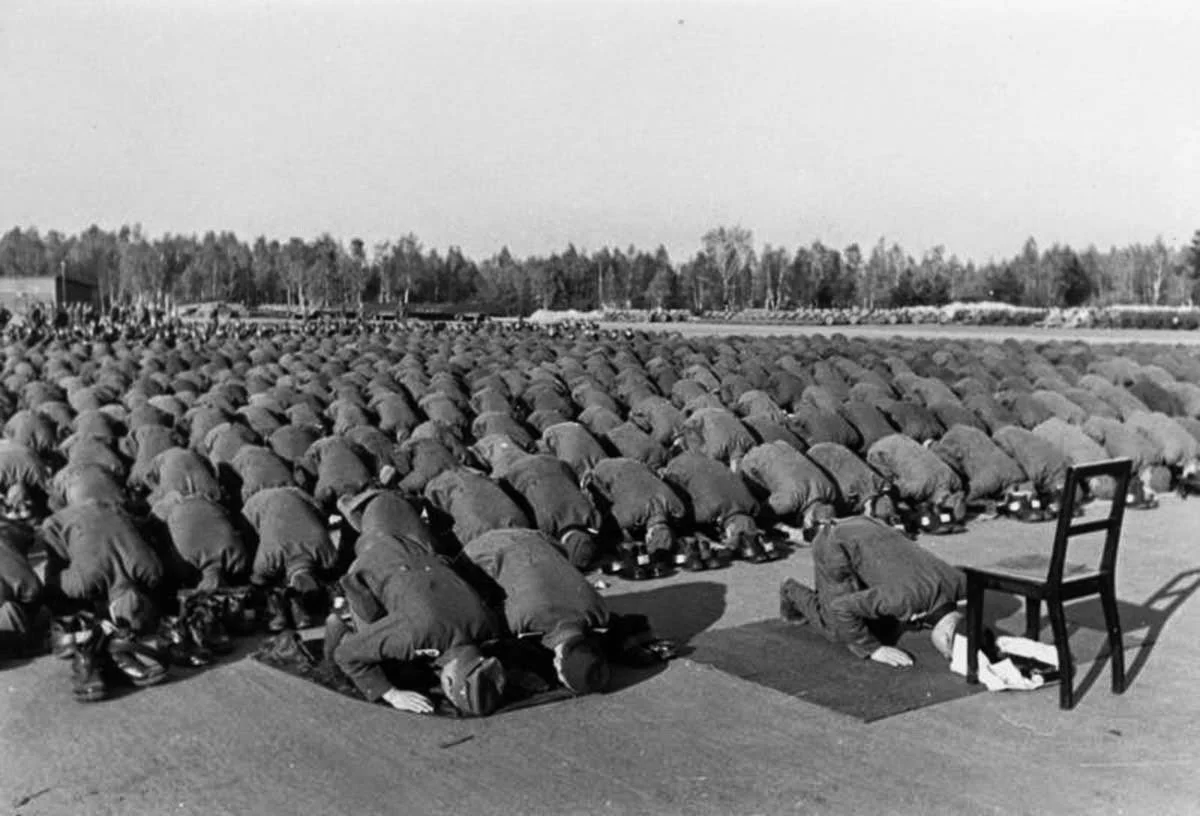
Former SS personnel serving in the division were entitled to wear a Sig Rune badge that was attached to the left breast pocket of the tunic. Headgear was either the SS M43 Fez, which was to be worn by all ranks, or the Bergmütz, which German officers had the option to wear. The Fez was chosen by Himmler because it had been worn by the Bosnian Herzegovinian Infanterie Regiments of the Austro-Hungarian army from 1894 to 1918, as well as by the Austro-Hungarian Albanian Legion from 1916 to 1918. There were two versions of the Fez: a field gray model to be worn in combat and while on duty, and a red model for parades, marching exercises, and while off duty. Both the Fez and Bergmütz bore the death's head and eagle of the SS. The mountain cap was also adorned with an Edelweiss flower patch worn on the left side of the cap. The SS Unterführer is probably a recent graduate of Junkerschule Tölz, as evidenced by his combat decorations and campaign awards earned as an SS-Unterführer with one of the other SS divisions.
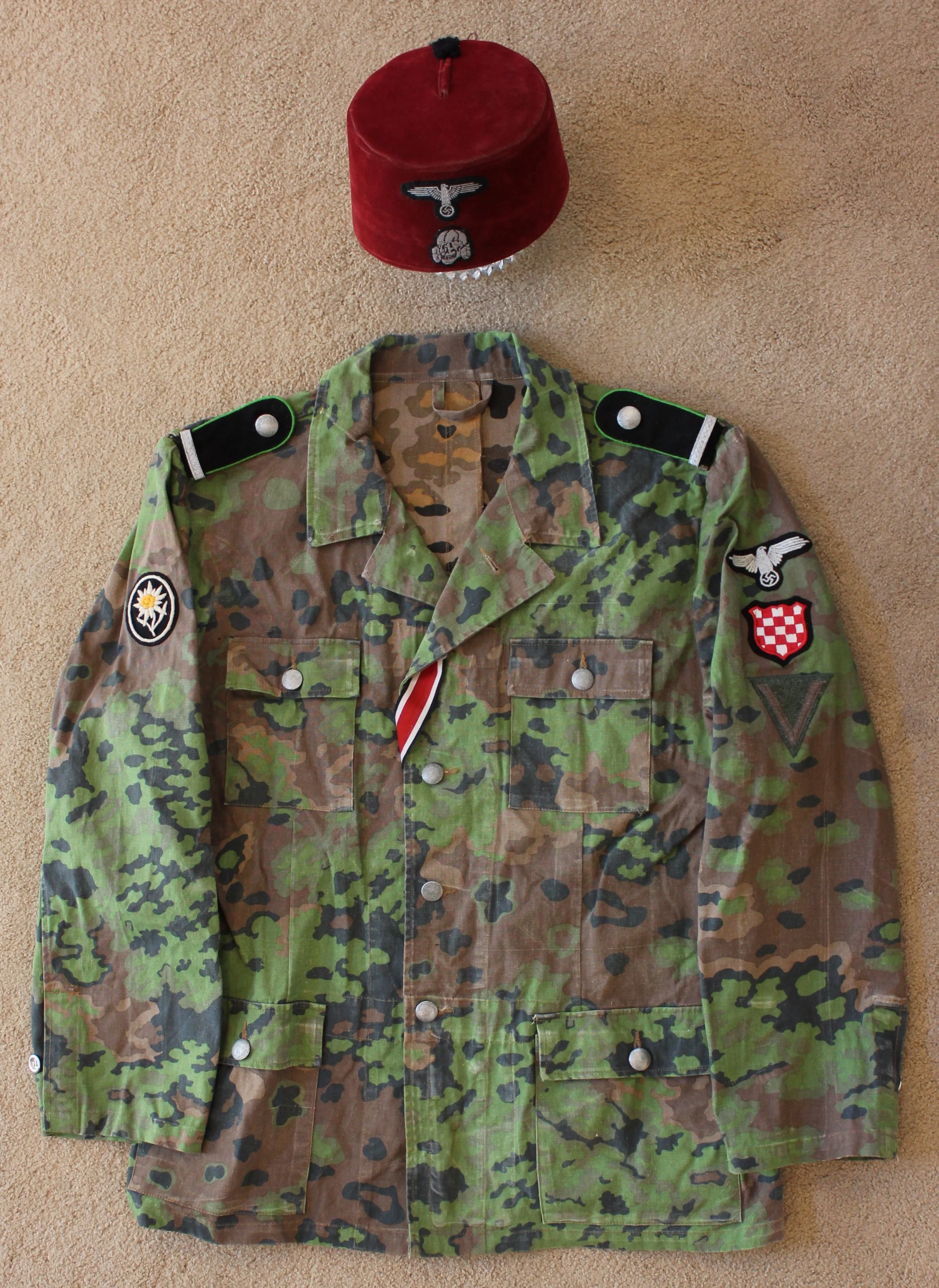
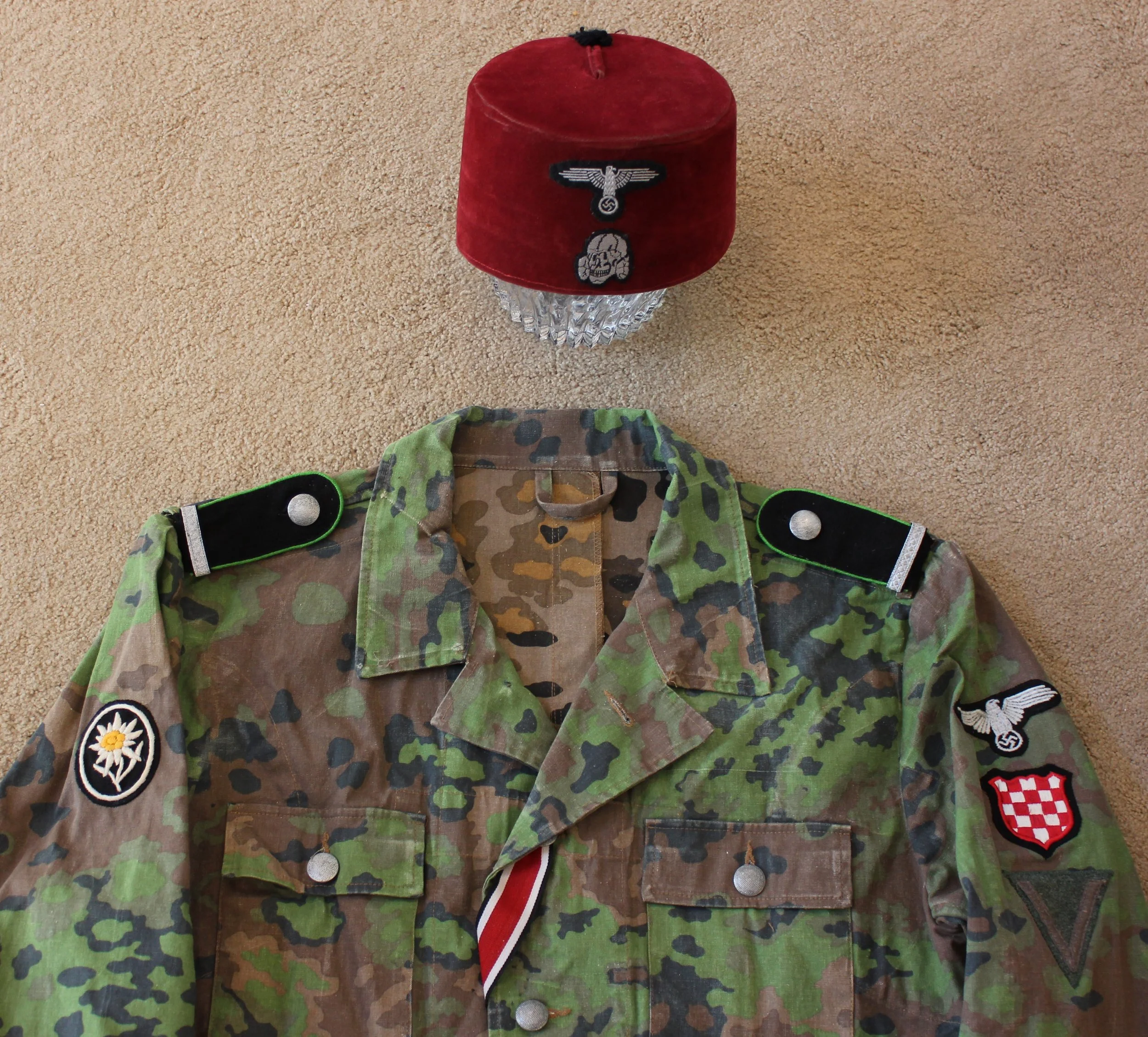
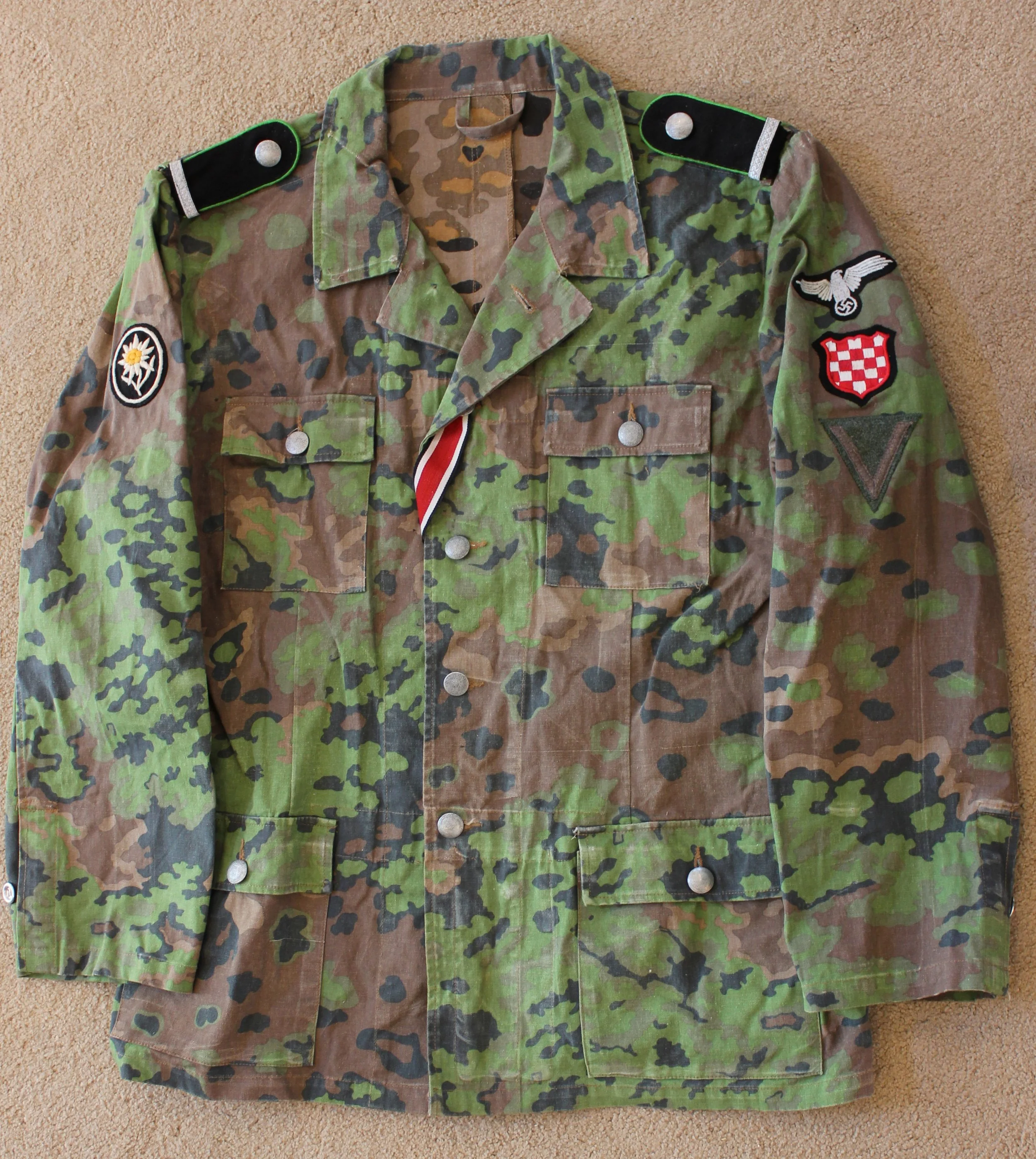
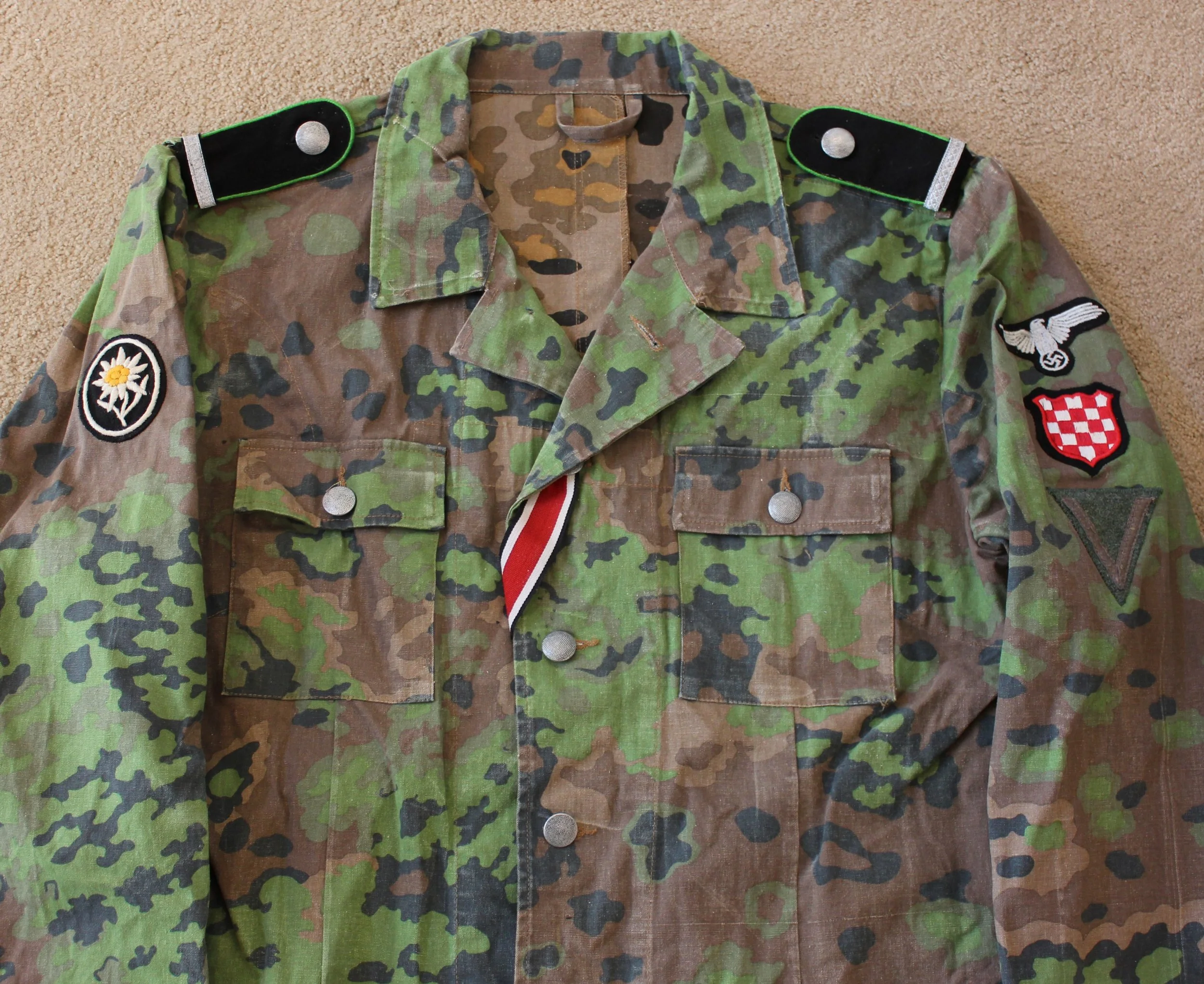
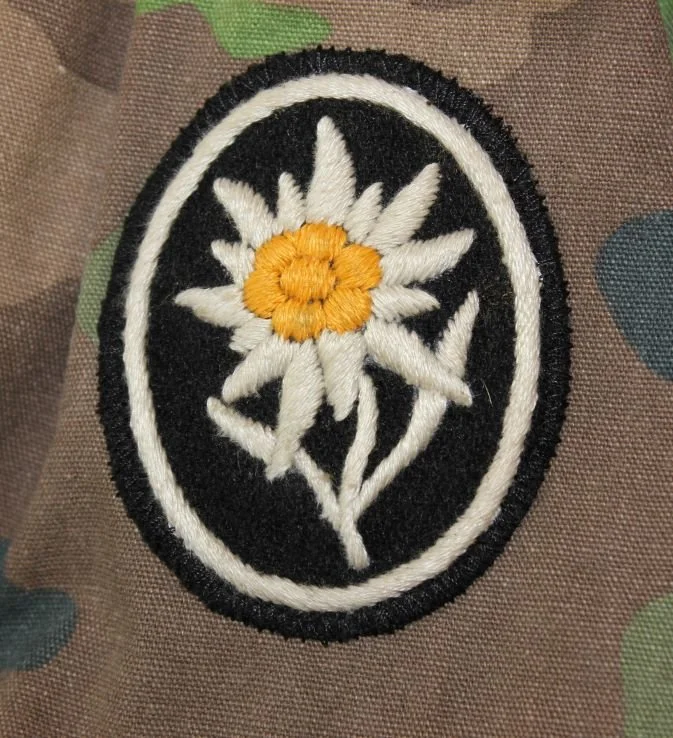
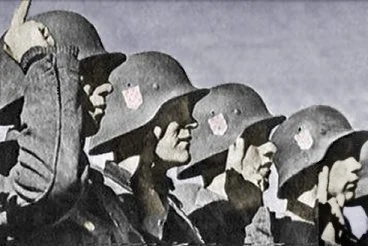
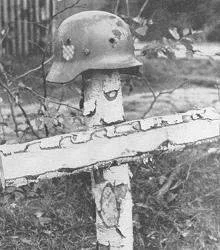
SS-Sturmann/NCO Candidate, Croatian Volunteer, 369th Reinforced Infantry Regiment:
Historically, the region’s lines and borders have moved back and forth to manipulate power and control, often with horrific results, such as the genocide of religious sects. This is a whole other can of worms to try to explain, feelings that persist to this day. I like this uniform, but it never ceases t o amaze me, up until recently: camouflaged uniform, carrying full-color insignia, and while the Germans may have actually been the first to use simple, standardized subdued insignia for branches, it wasn't until the end of the war years that it began seeing usage, and then it was slow to get issued, and then rarely did the troops in the field have it, let alone the red fez.
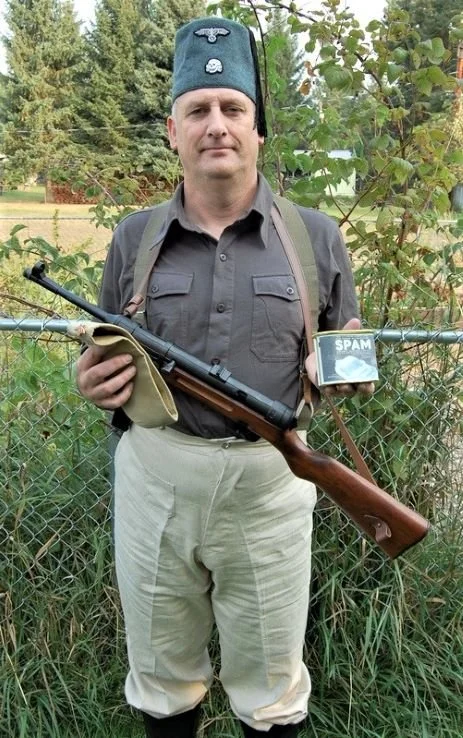
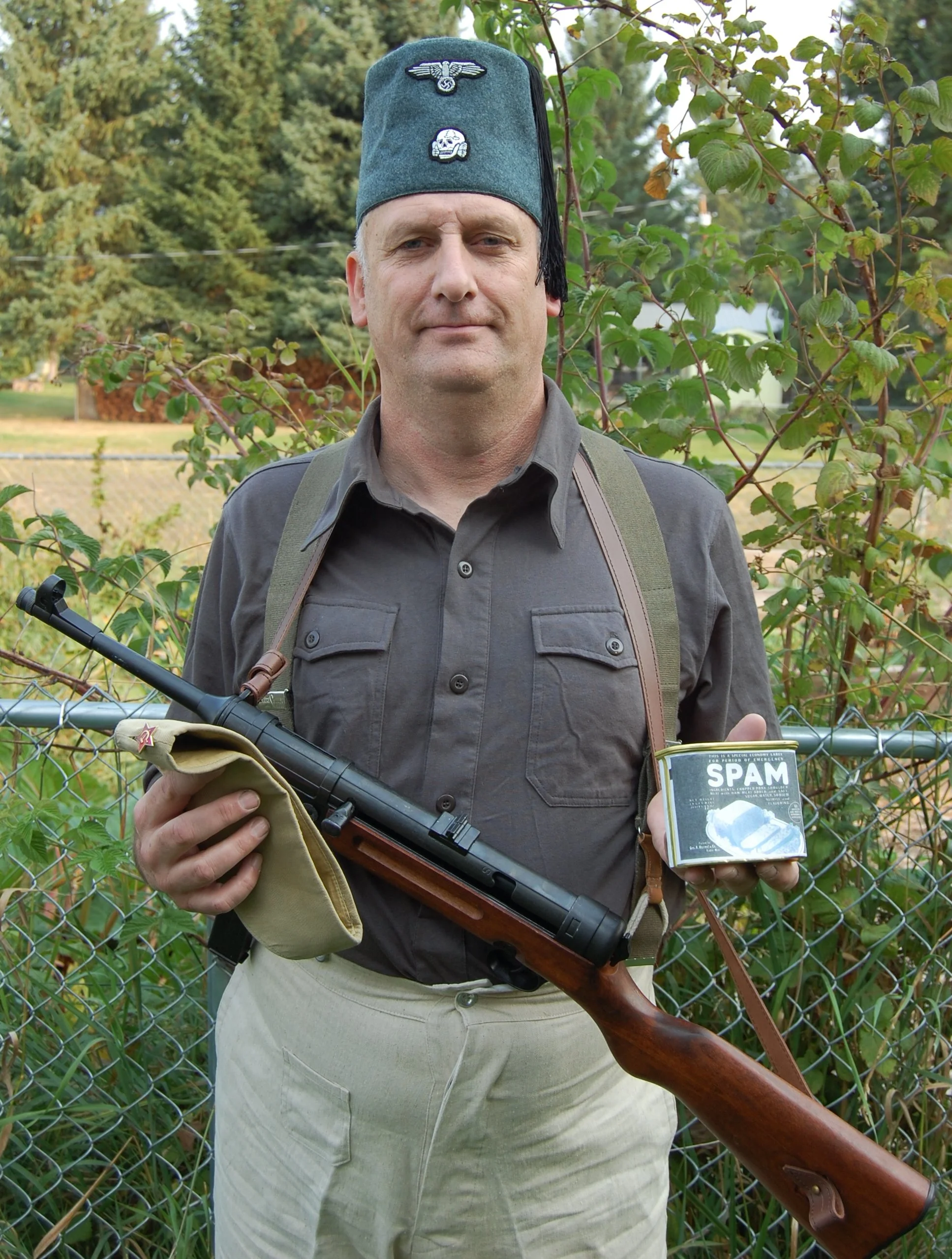
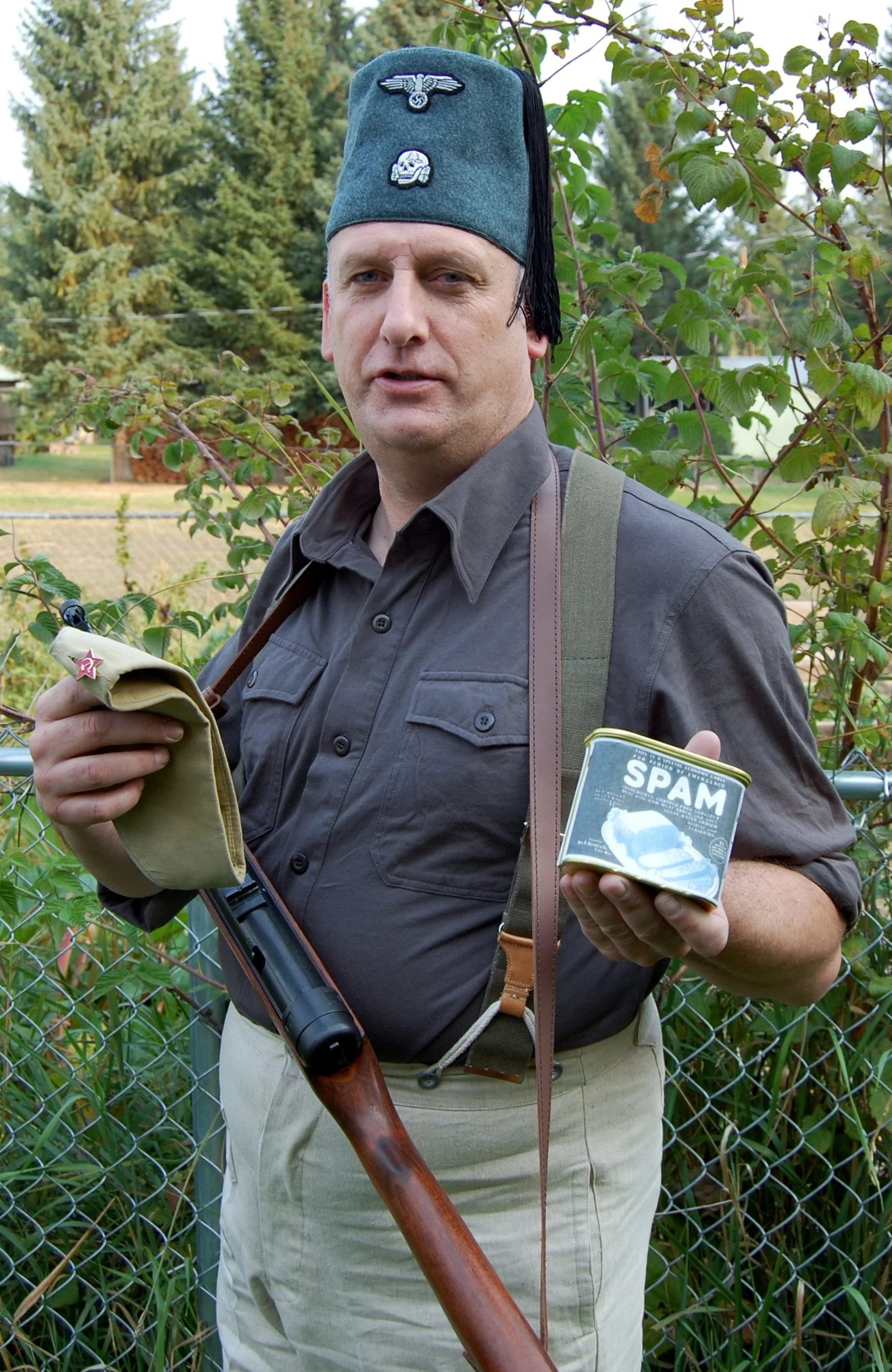
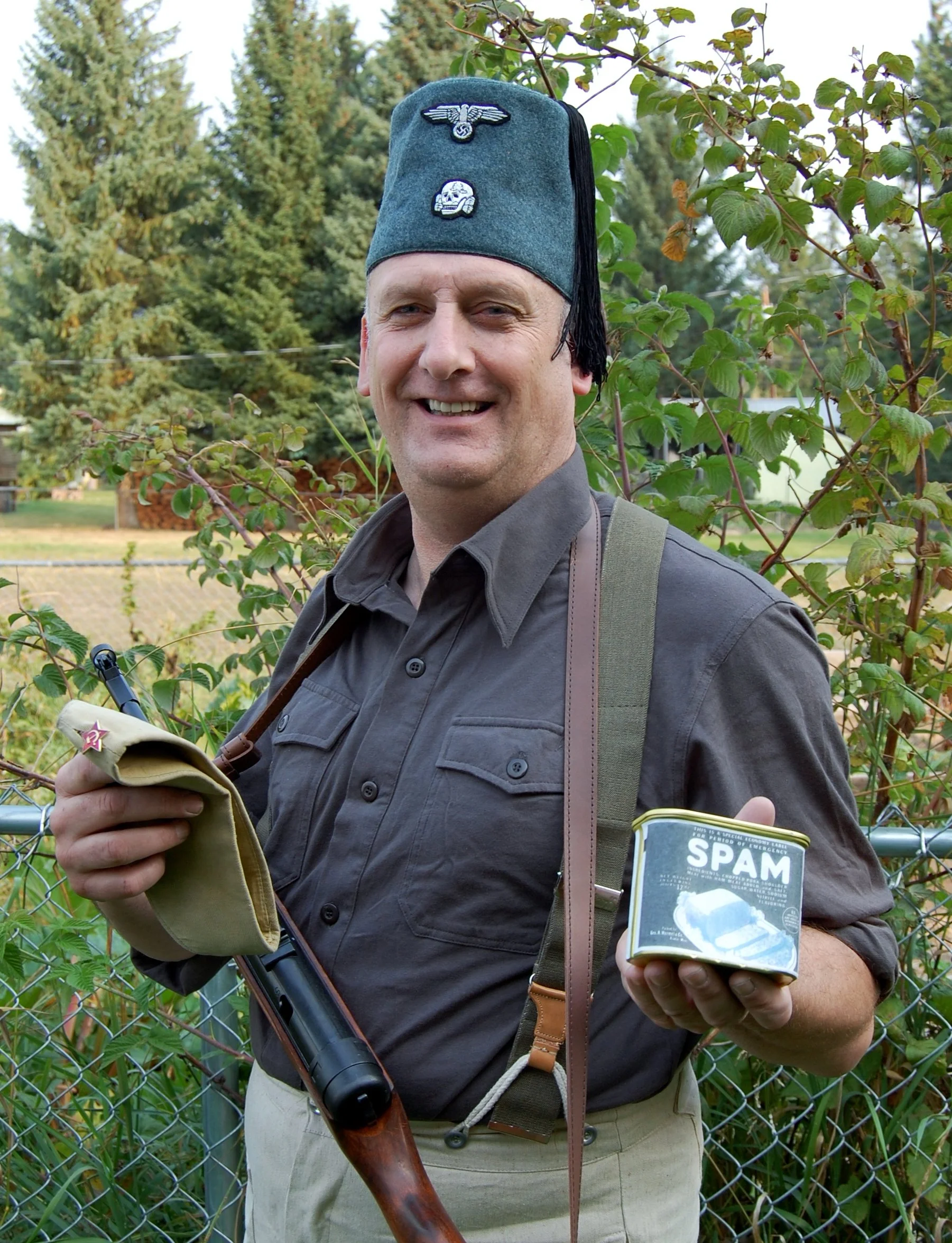
Croatian Volunteer:
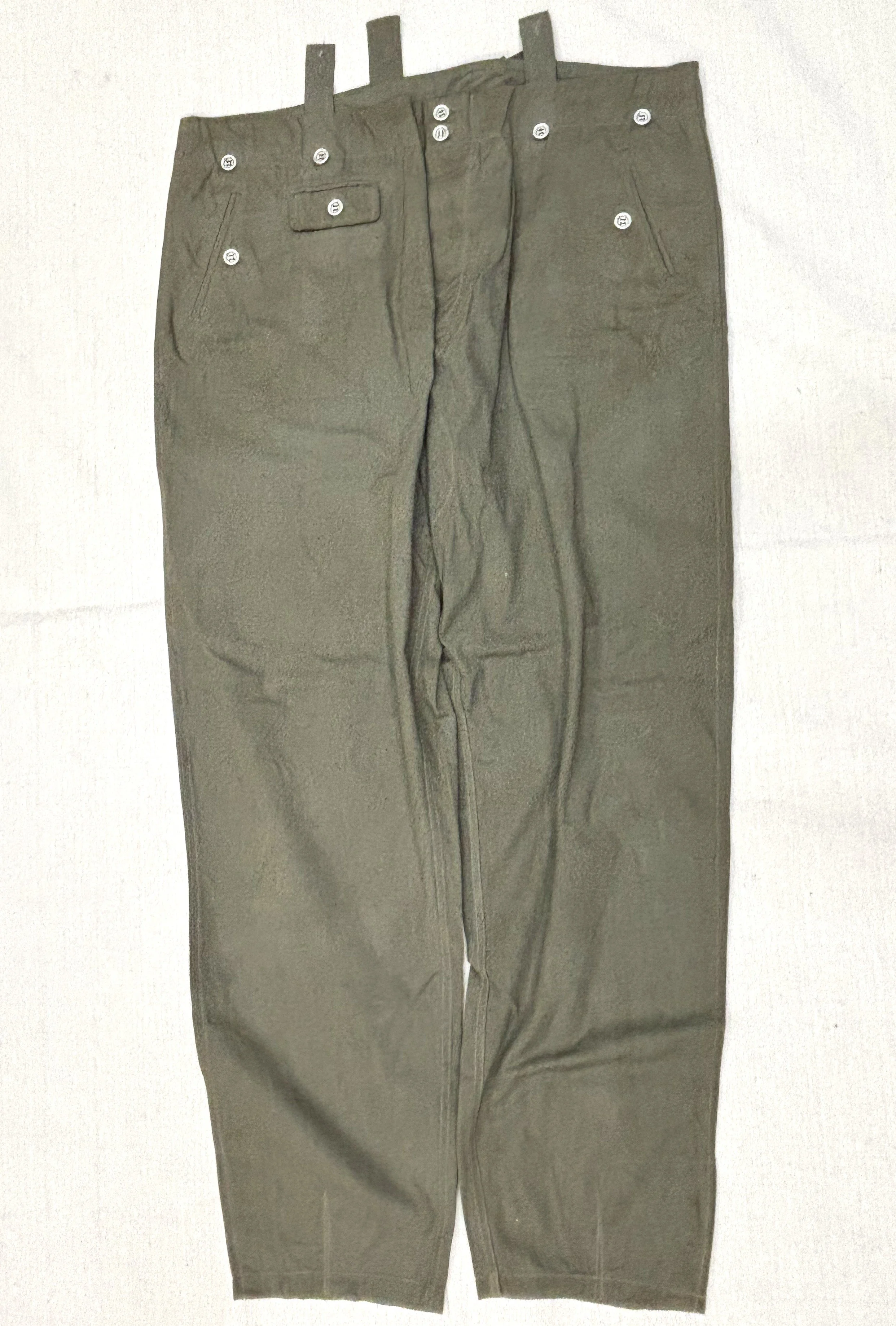
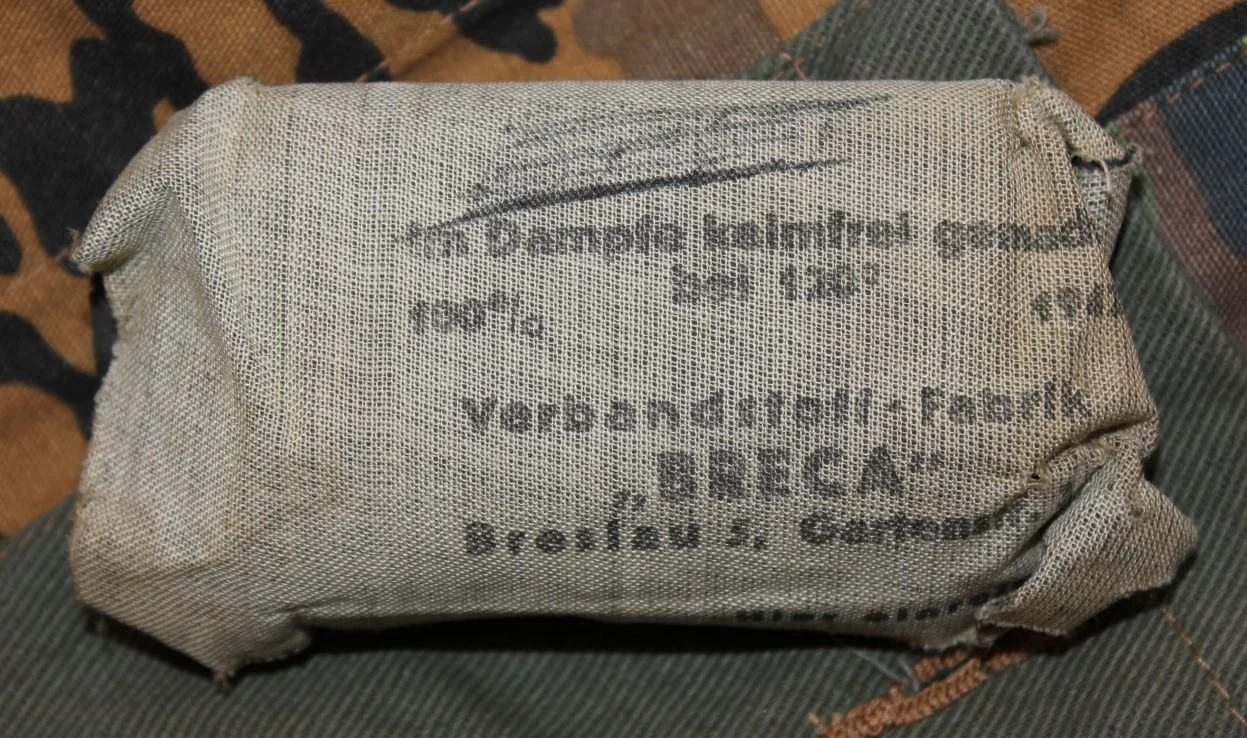
Ok, bad joke, but the idea was: what am I supposed to do with this captured SPAM! Like, he got it from the Germans captured by the Allies, or something, but it shows a behind-the-lines scene, with some common clothing: a shirt with sleeves and work trousers. It shows another “Fez” as well.