Marine C & C, Support, Advisors, Etc.


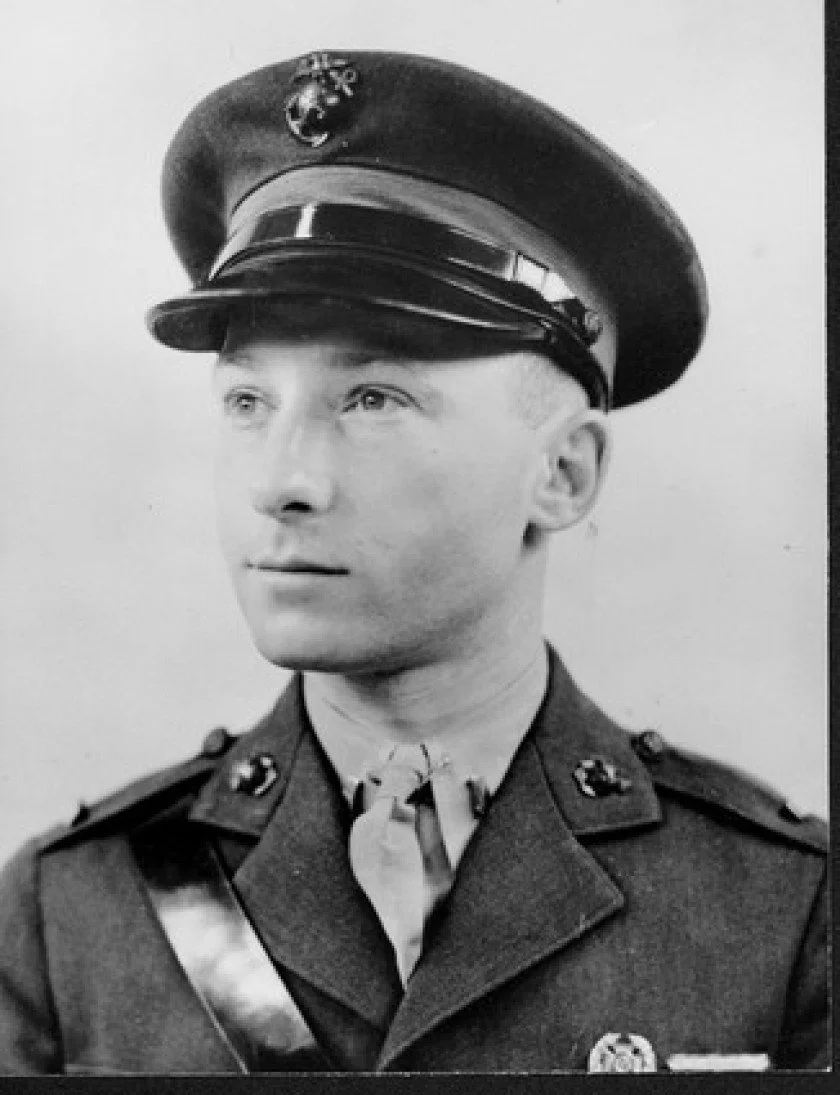


Victor Krulak USMC. 3 Star General (Marine Commandant):
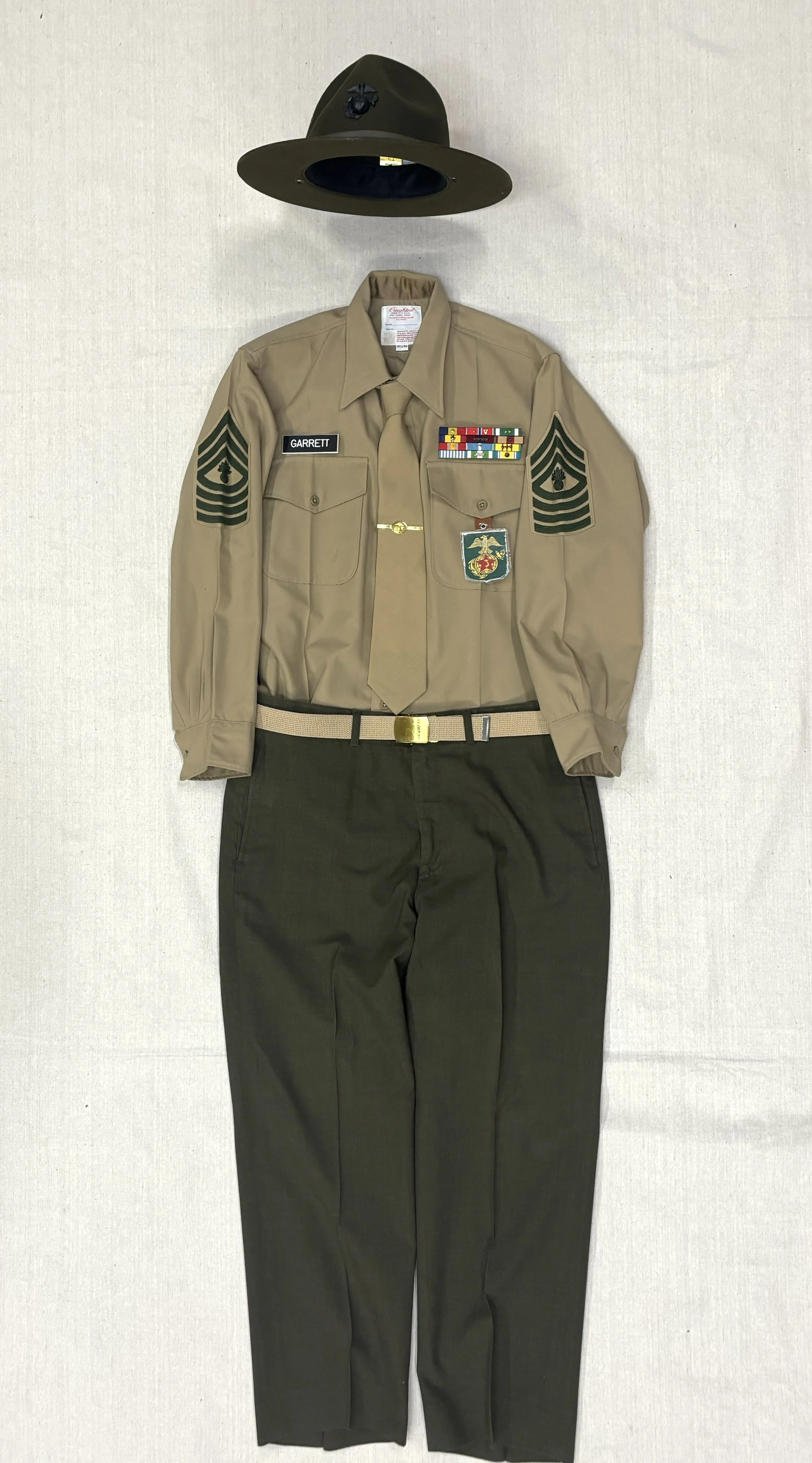
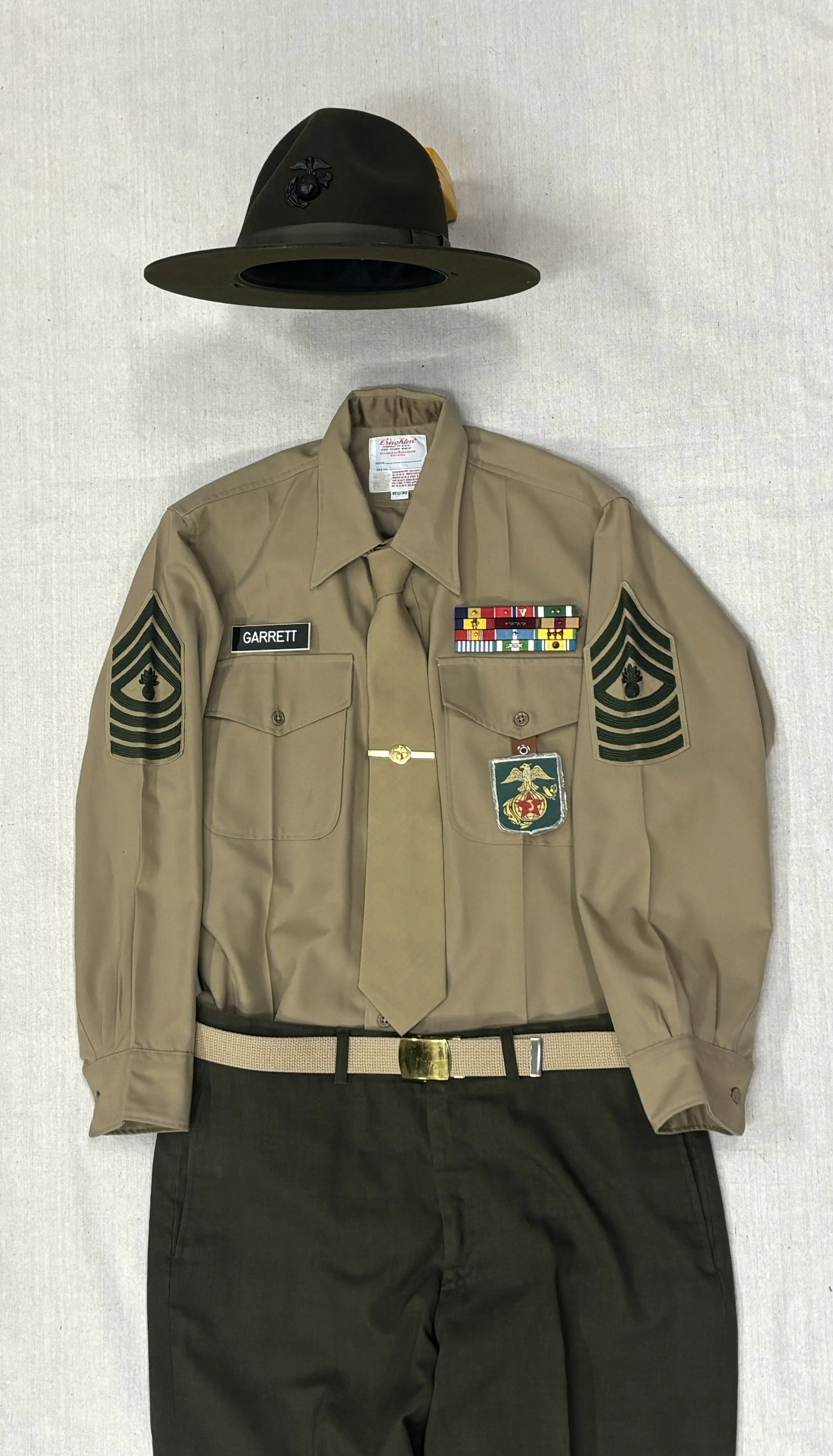
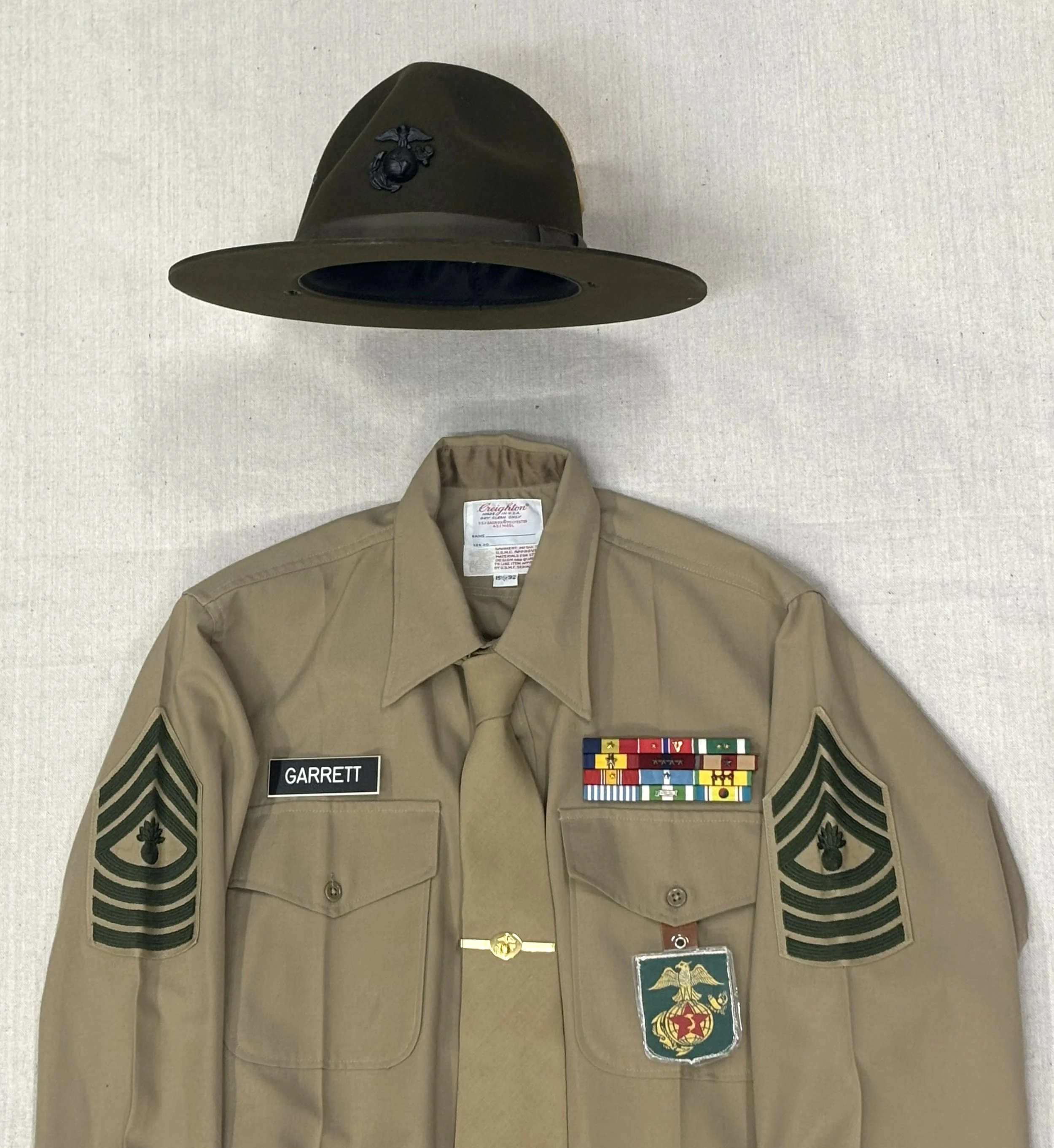
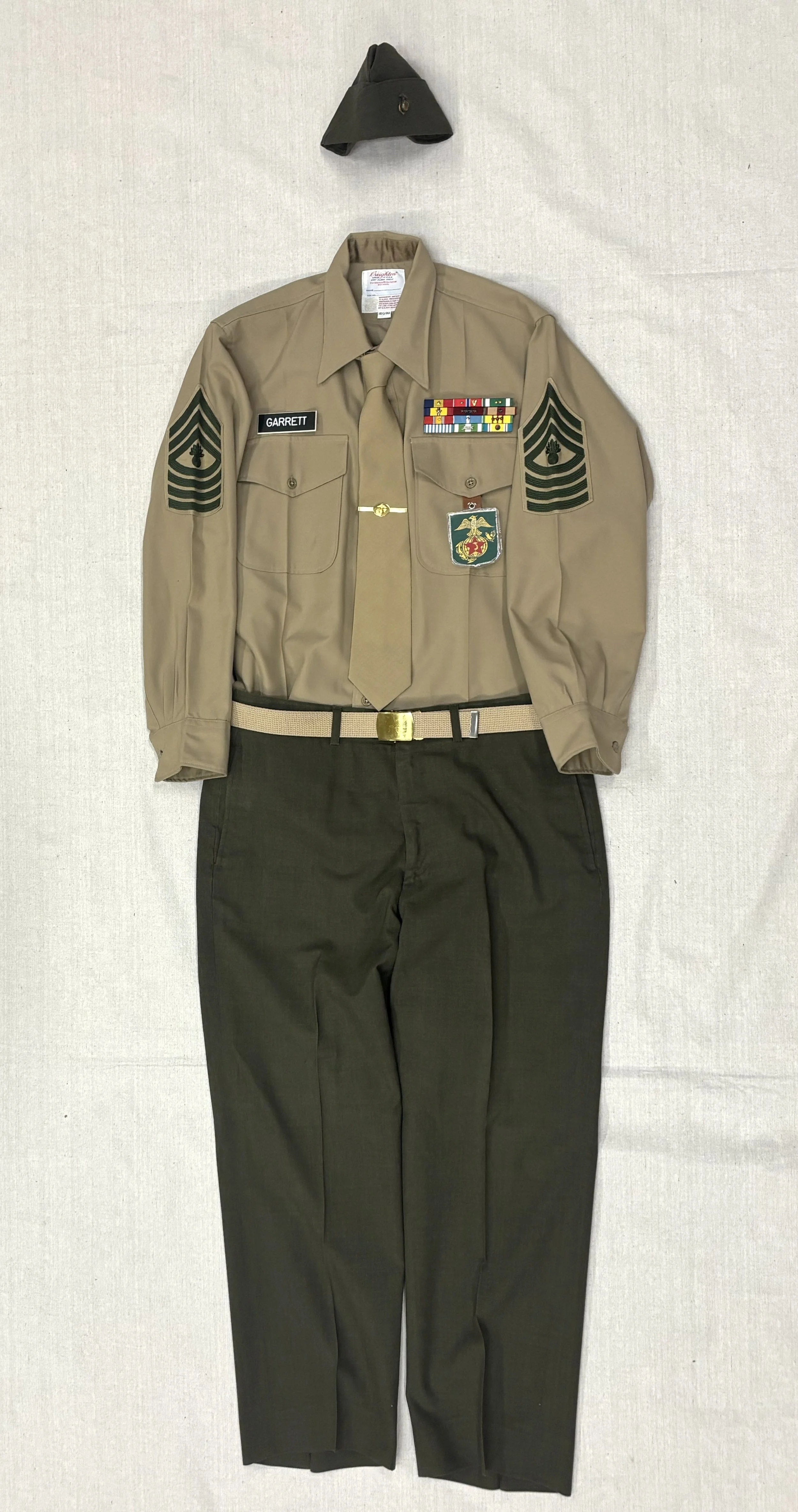
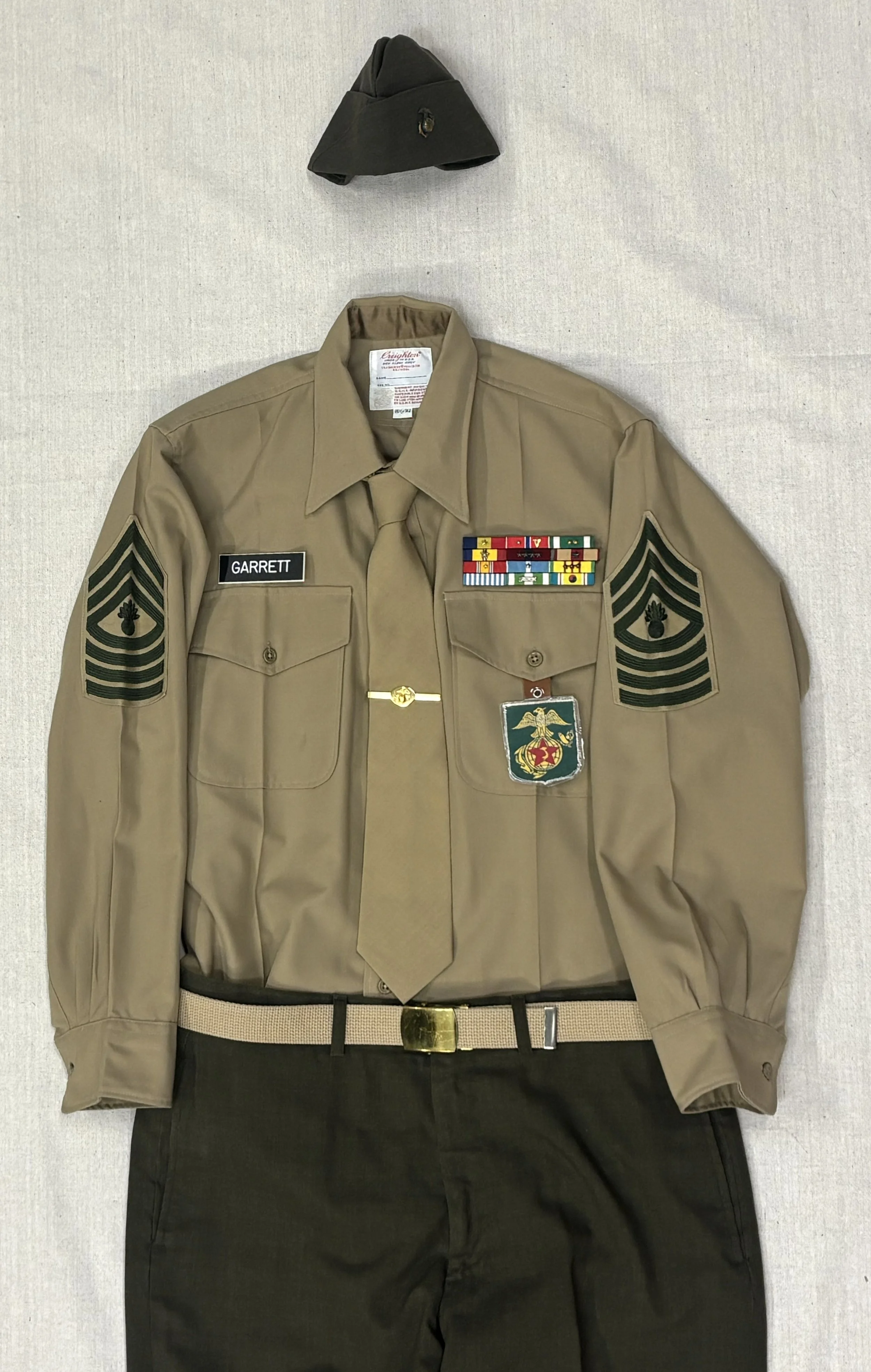
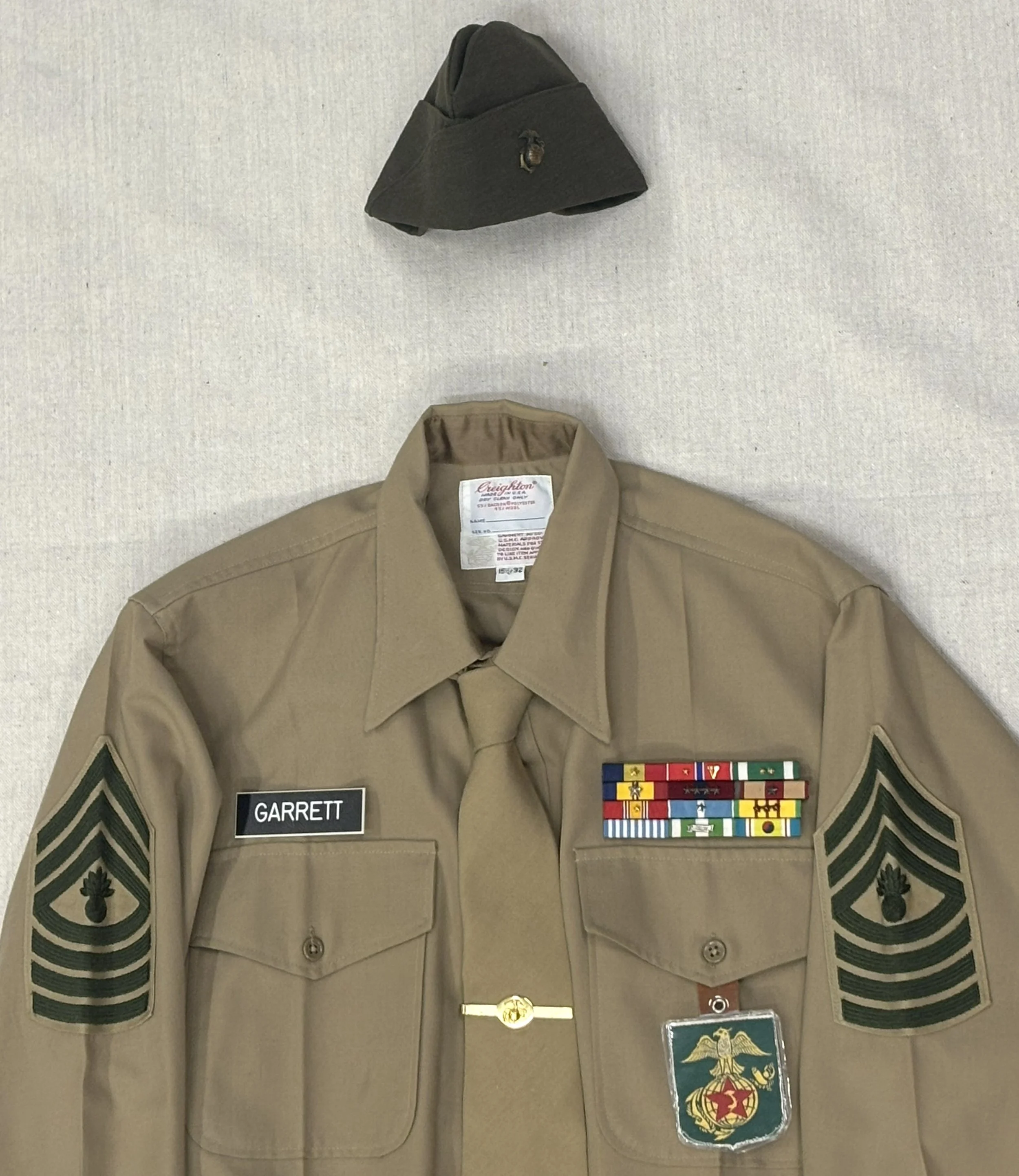
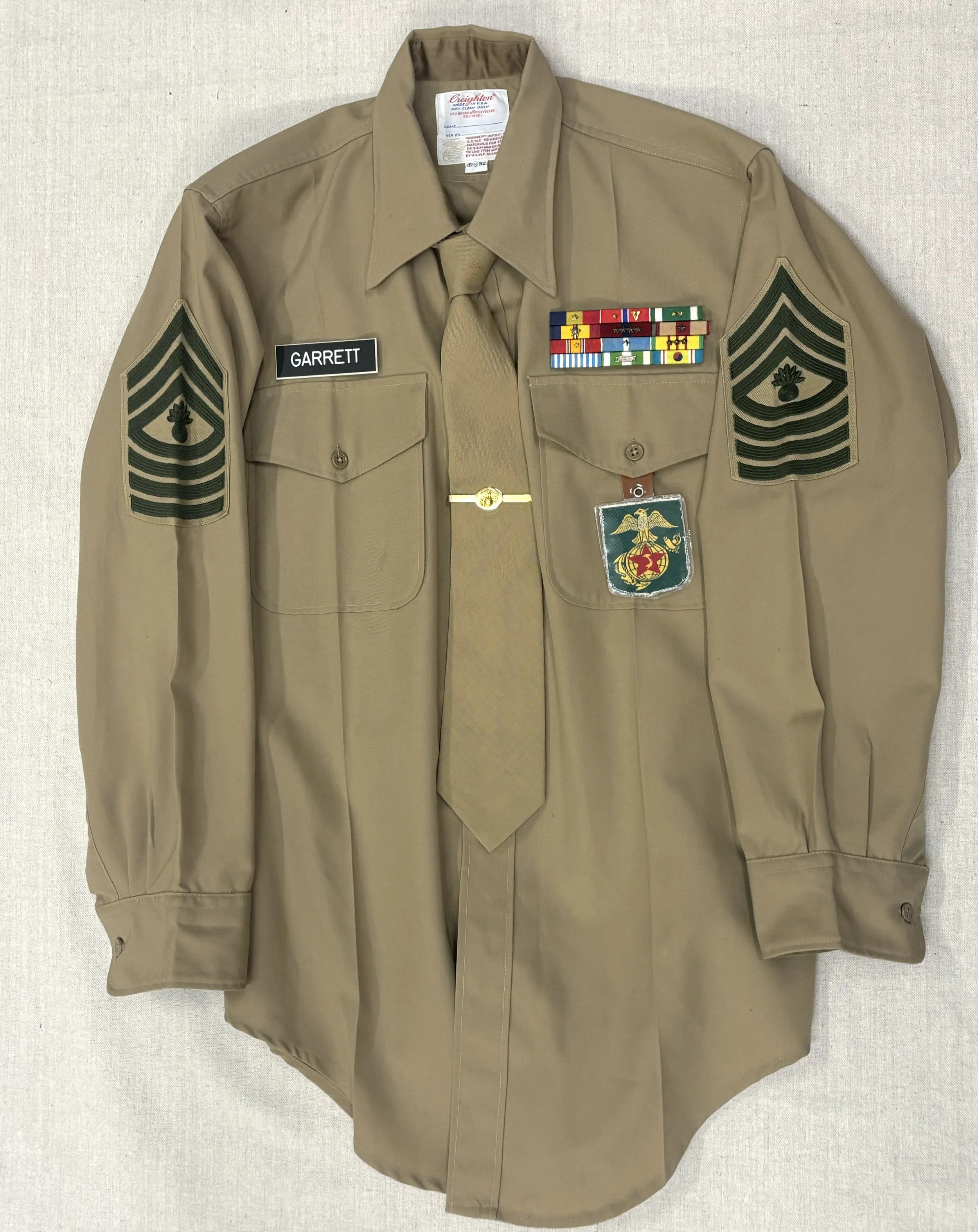
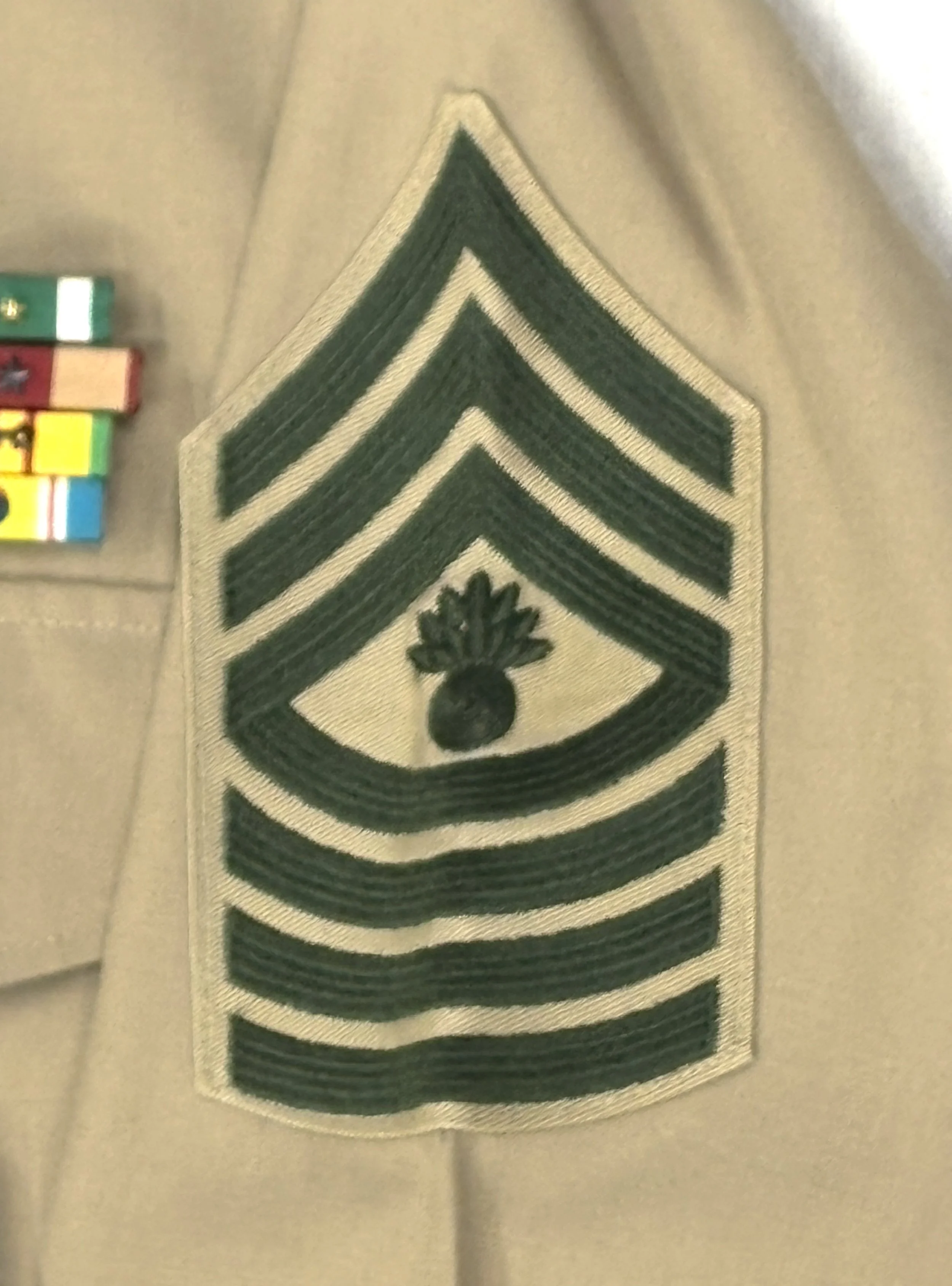
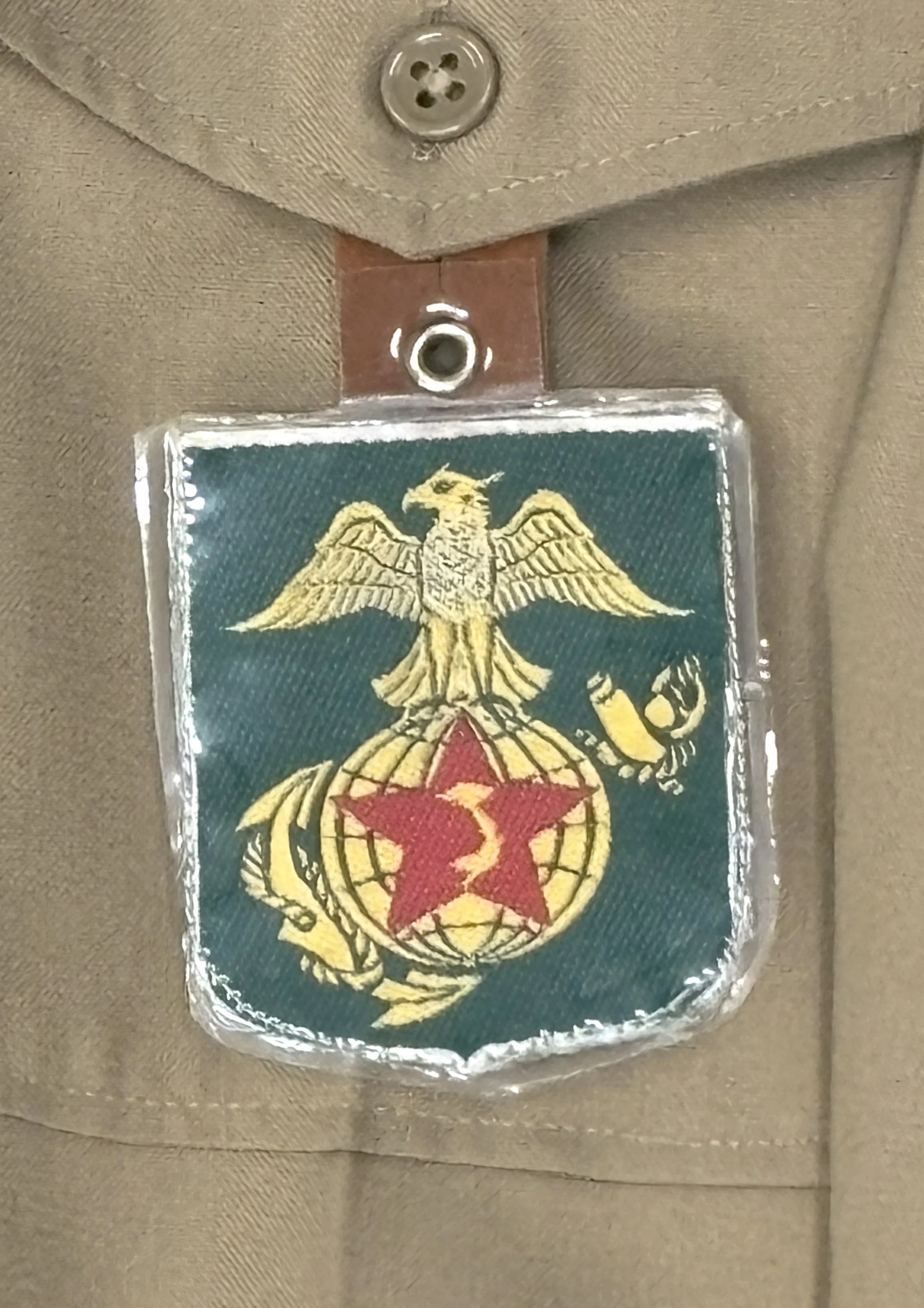
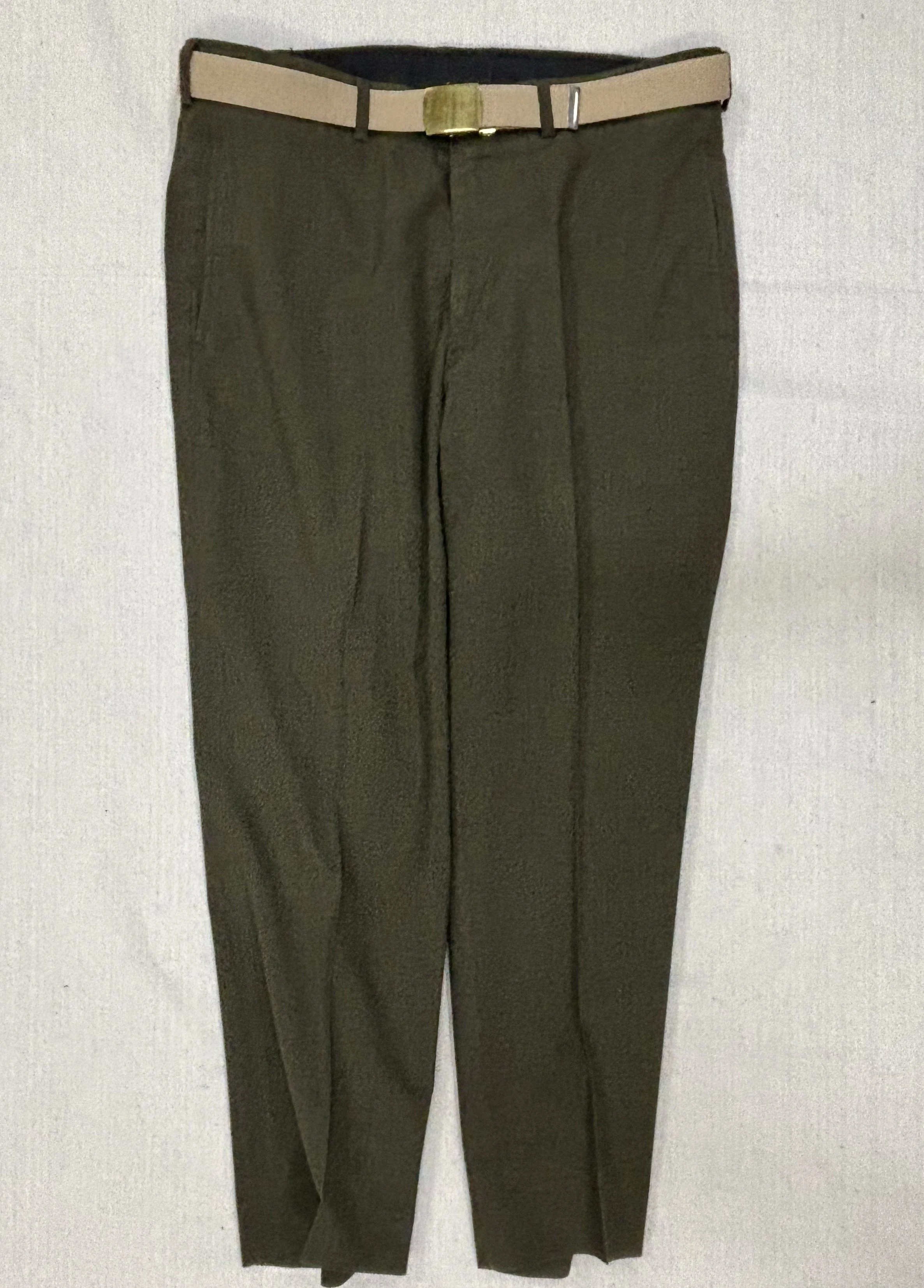
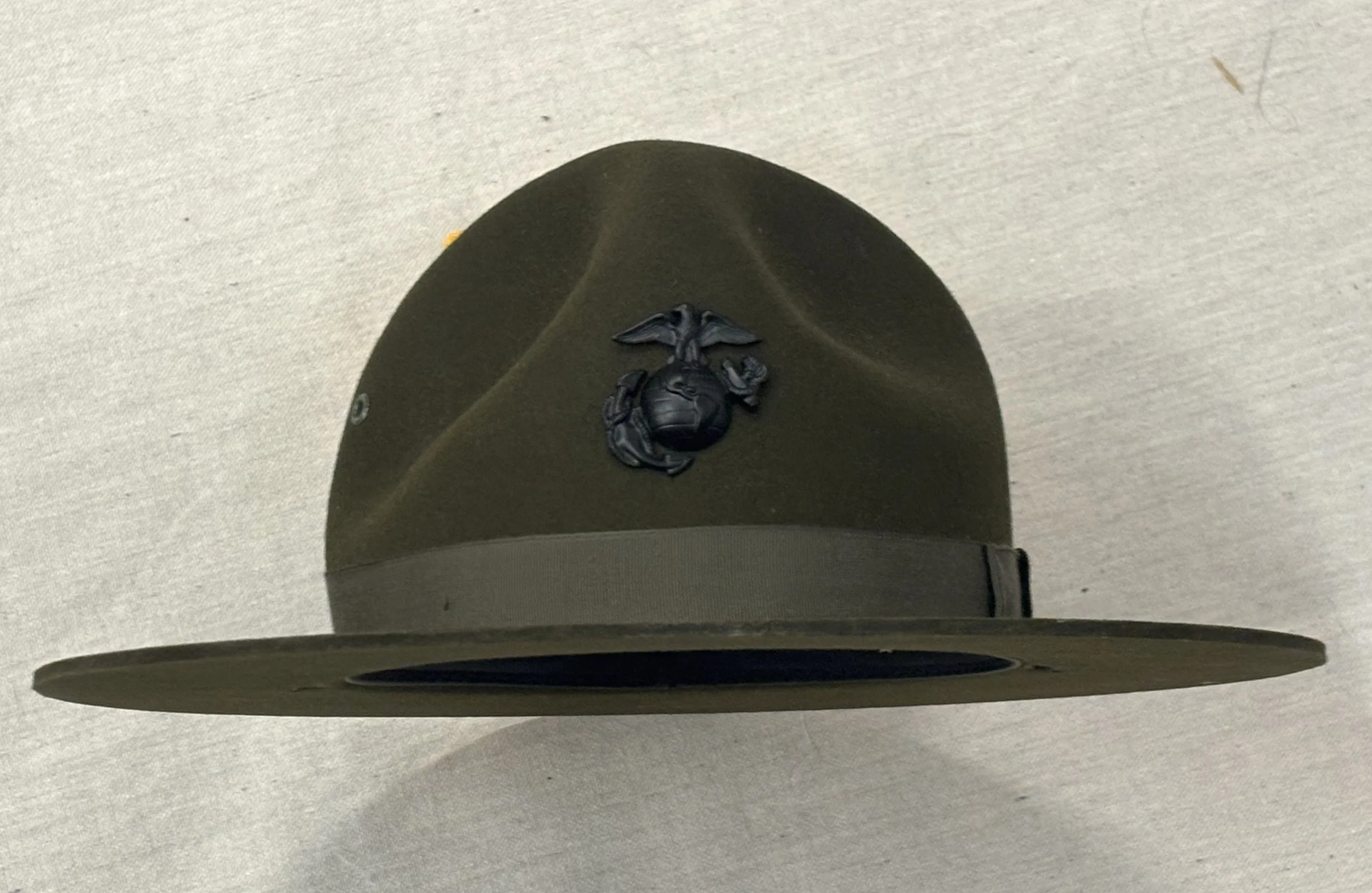
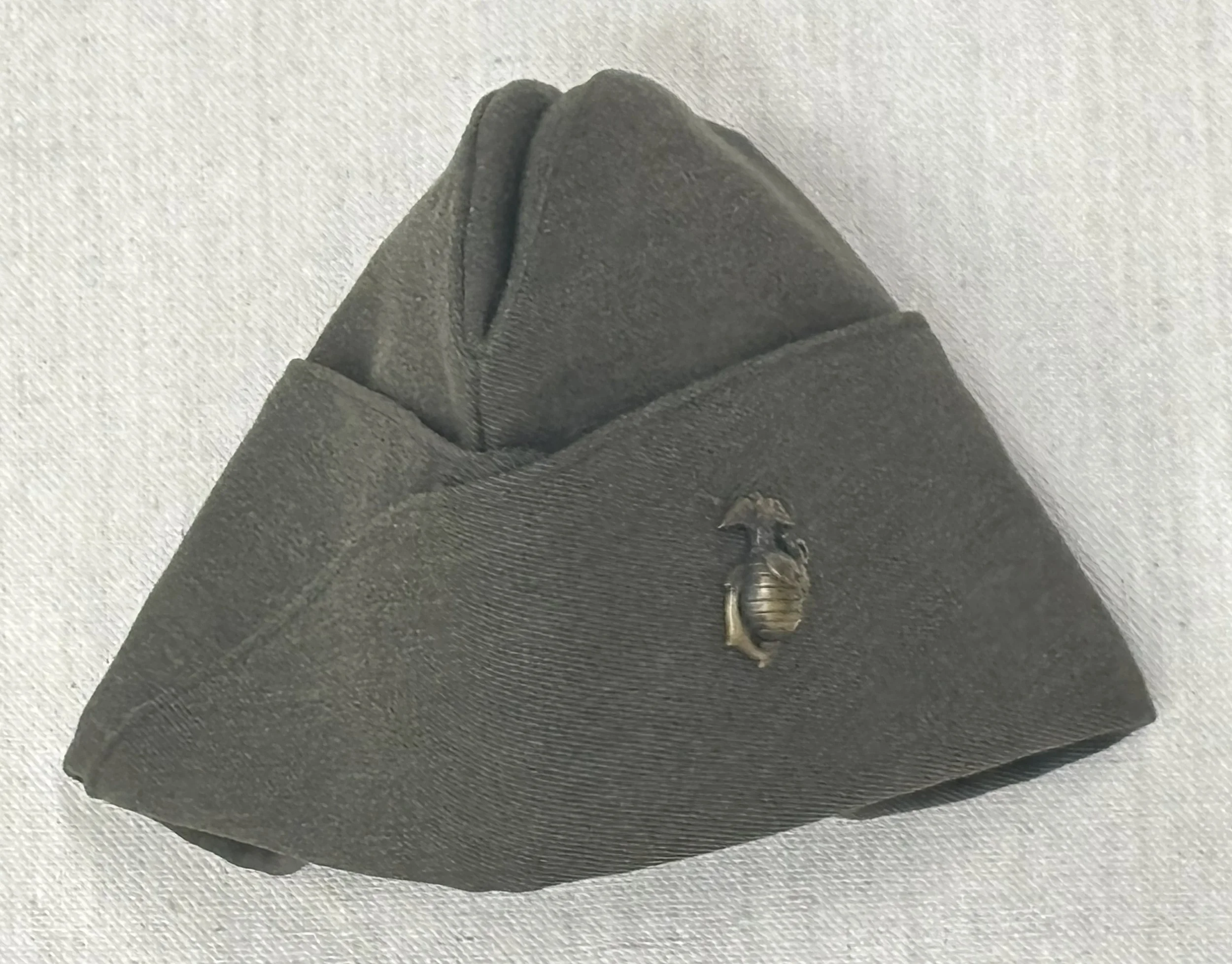
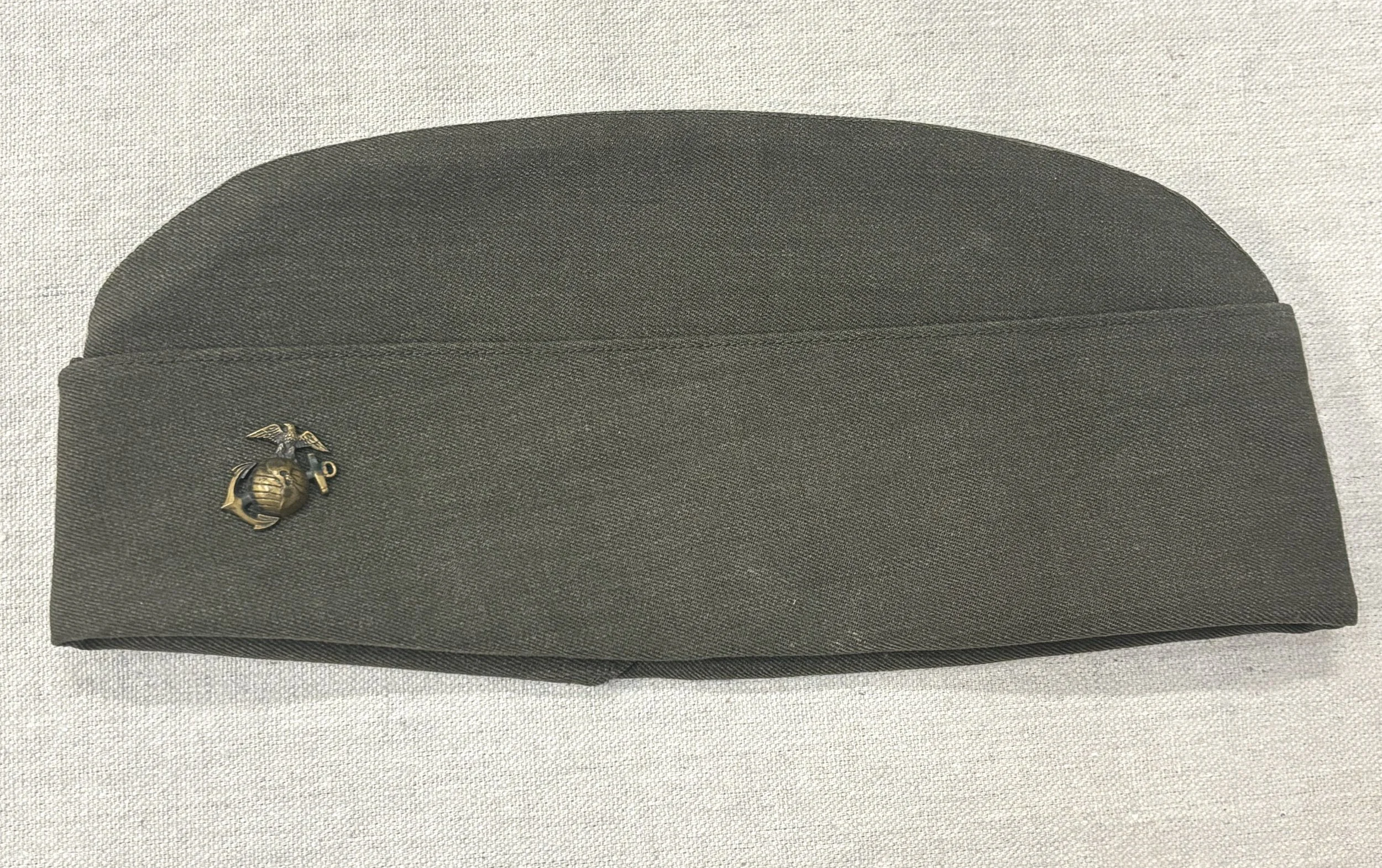
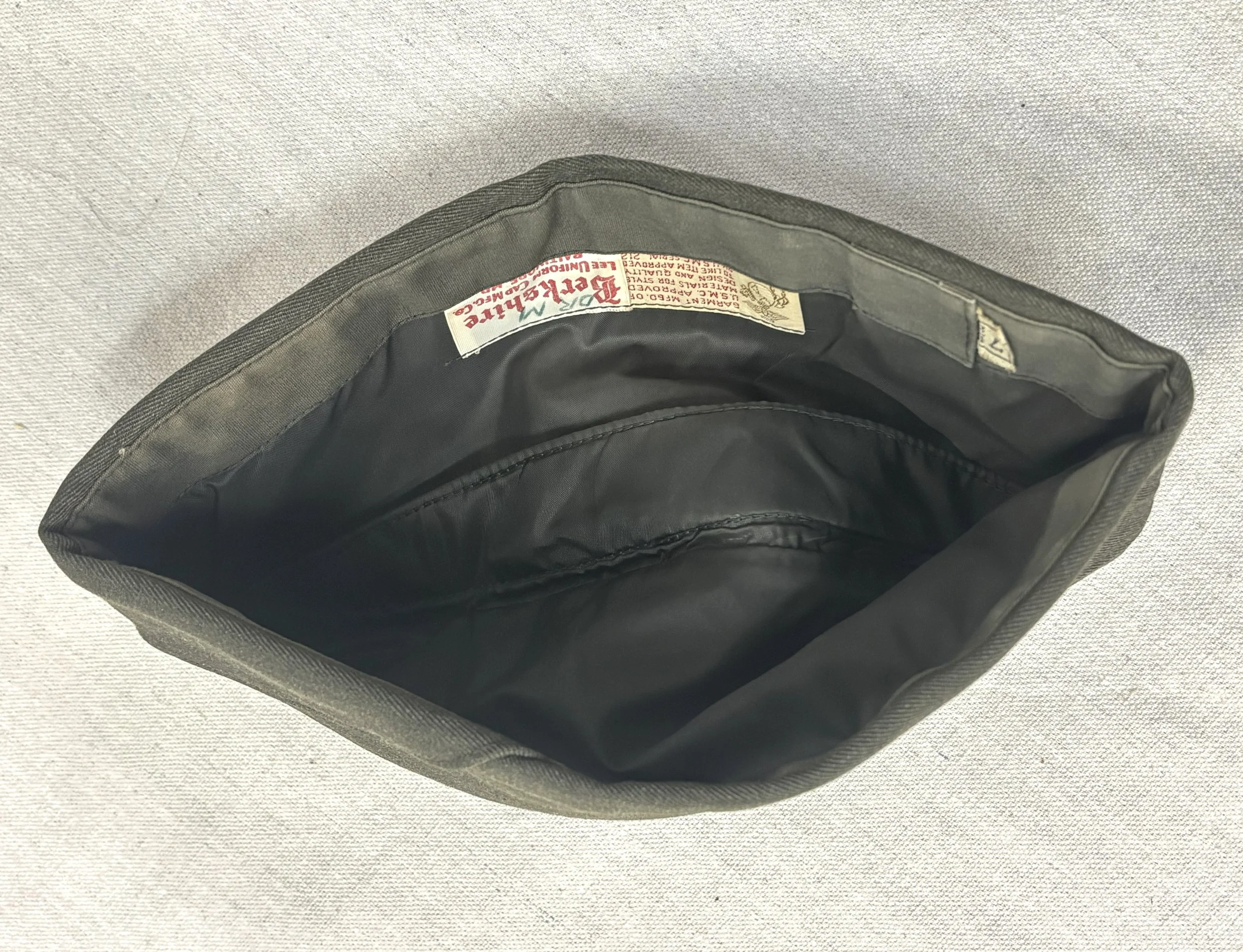
“New” USMC, Senior DI, Master Gunnery Sergeant of the Marine Corps, on Advisor Duty with RVN-Marines:


*“Updated” Colonel, USMC, Advisory Unit, Early 1960s, RVN:
The Vietnamese Marine Corps was almost wholly a creation of the United States Marine Corps. The period after WWII saw several associated Marine Corps being formed up in the Republics of China, Korea, Vietnam, the Philippines, Indonesia, and Thailand. They had been founded, with the help of Military Aid, to fight in various conflicts, trying to contain the communist expansion in the region. Also making their presence at various times were other Marines from the Netherlands, France, and Great Britain. The beginnings of the Cold War witnessed the proliferation of amphibious forces in Asia, in part because of the reputation of the Marine Corps for ferocious fighting in the South Pacific in their drive to push out the Japanese Forces, and many of their other confrontations.
Between 1954 and 1962, the Marines provided a small advisory group to work with the South Vietnamese Marine Corps. They were headquartered in Saigon, and control of the MACV-Naval Advisory Group, the Marine Advisory Unit, consisted of 19 officers and one enlisted man at the beginning of 1965.
From the beginning of the Vietnamese Marine Corps in 1954, U.S. Marines, starting with Lieutenant Colonel Victor J. Croizat, served as advisors with those units. By January 1966, the U.S. Marine Advisory Unit, headed by Marine Colonel John A. MacNeil, consisted of 25 officers and 5 enlisted men. The Marine Advisory was part of the U.S. Naval Advisory Group; Colonel MacNeil, as the senior advisor, reported directly to Rear Admiral Norvell G. Ward, Chief of the U.S. Naval Advisory Group, who in turn, was responsible to General Westmorland.
The Senior Marine Advisor and his staff advised the Commander of the Vietnamese Marines. Complementary to this function was the senior Marine’s advisor’s responsibility for coordinating the planning for the projected growth of the South Vietnamese Marine Corps with Admiral Ward and the South Vietnamese. Although all the Senior Marine Advisors had worked towards the development of a larger self-efficent Vietnamese Marine Corps, the exigencies of the war forestalled many necessary but ancillary activities. The continuous need for infantry advisors in late 1966 prevented the assignment of the U.S. Marine operations and training advisor to the primary staff function until March 1966.
In the Spring of 1966, Colonel MacNeil undertook a long-delayed review of the South Vietnamese Marine mission, organization, and objectives. In June, he submitted a Force Structure Plan for the Vietnamese Marine Corps to Admiral Ward. The plan was eventually incorporated into the MACV Joint Strategic Objectives Plan for 1972 (JSOP). JSOP is a mid-range objectives plan that translates United States national objectives and policies for a time frame of five to eight years in the future, into terms of military objectives and strategic concepts, and defines basic undertakings for a cold, limited, and general war that might be accomplished with the projected force levels. The MACV JSOP was for five years; thus, the fiscal year 1972 JSOP was prepared in 1966.
MacNiel visualized the expansion of the Vietnamese Marine Corps from a brigade to a Division. Specifically, the plan called for the growth of the Vietnamese Marine Corps from a strength of approximately 7,000 men to a strength of approximately 11,700 men organized into nine infantry battalions and support units by 1970.
In addition to increasing the number of infantry battalions, the Force Structure Plan restructured the Vietnamese Headquarters to support elements. In 1968, a headquarters battalion contained a brigade/division headquarters, a headquarters service company, a signals company, a reconnaissance company, and a military police company. The amphibious support battalion, which provided most of these services in 1966, was to be dissolved, while two new support battalions, a service battalion, and a medical battalion were to be established. The artillery battalion was to stay the same, except for adding a 105mm battery by 1968 or 1969; the Vietnamese M.C. artillery would consist of three 105mm howitzer batteries and two 75mm pack batteries.
With the cease-fire and the withdrawal of American Forces from South Vietnam in 1973, Marine Advisory Unit logistical and advisory functions were turned over to the South Vietnamese Marine Corps logistics support branch of the Navy Division of the Defence Attache’s office. This marked the end of an era of advisory efforts to the Vietnamese Marines.
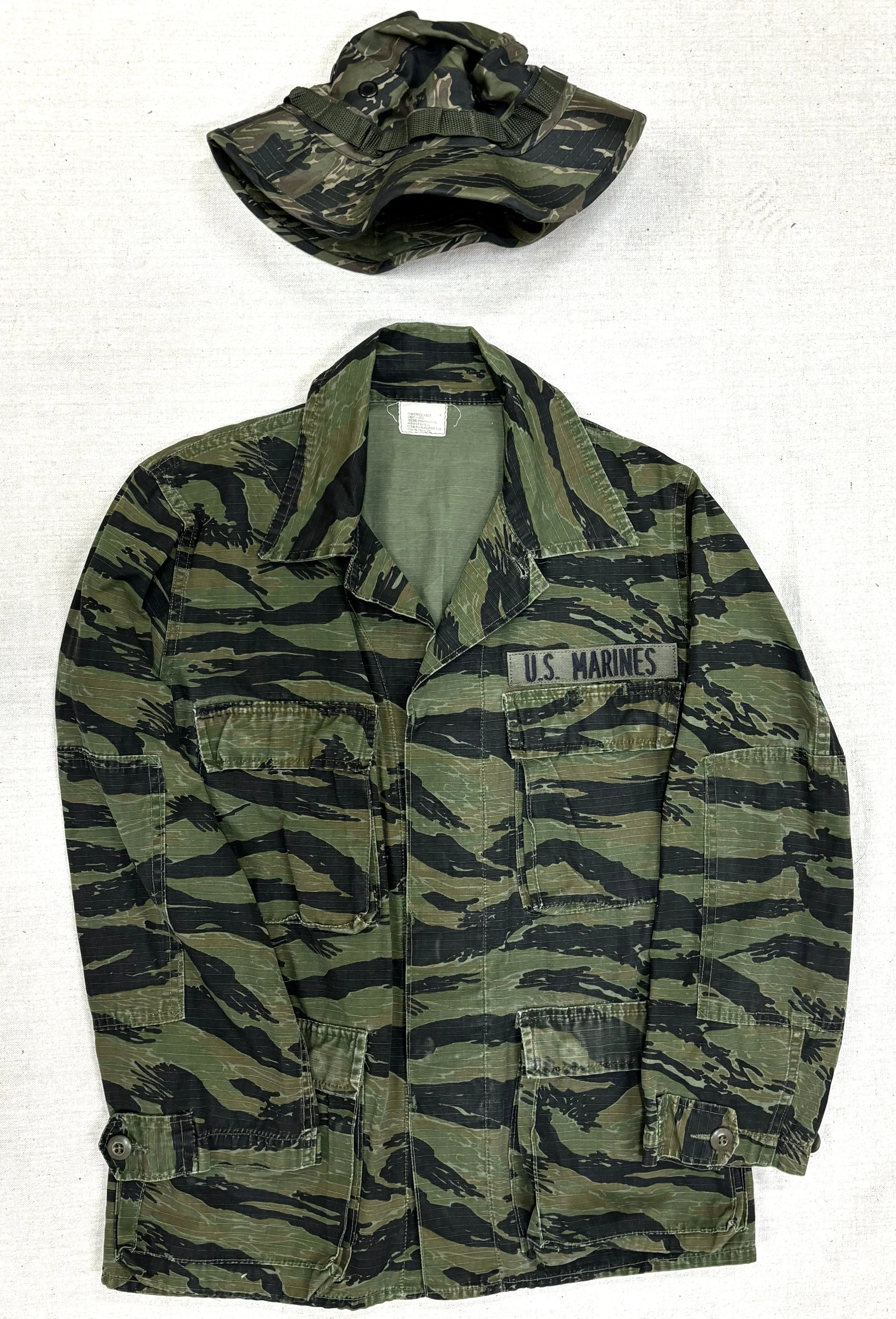
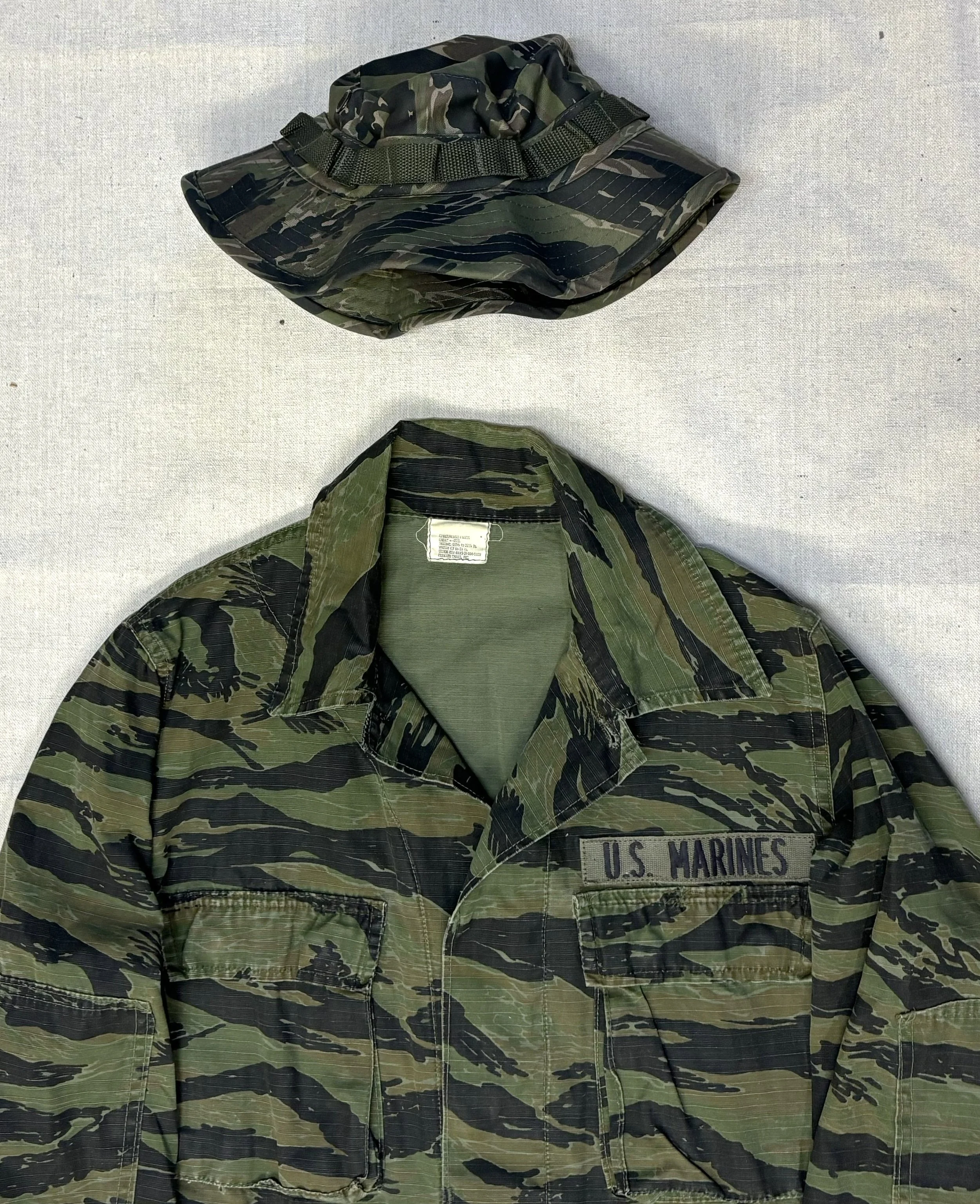
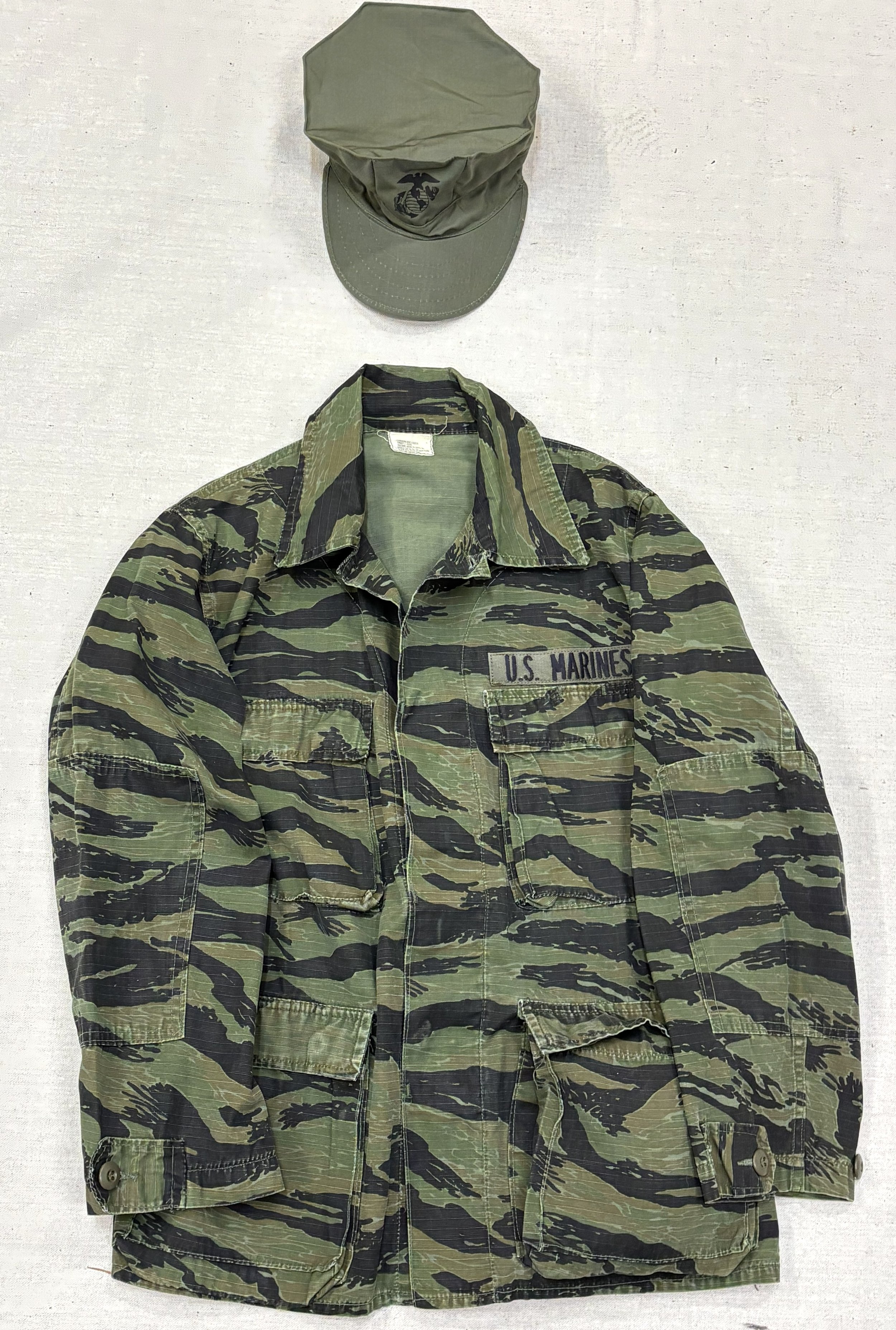
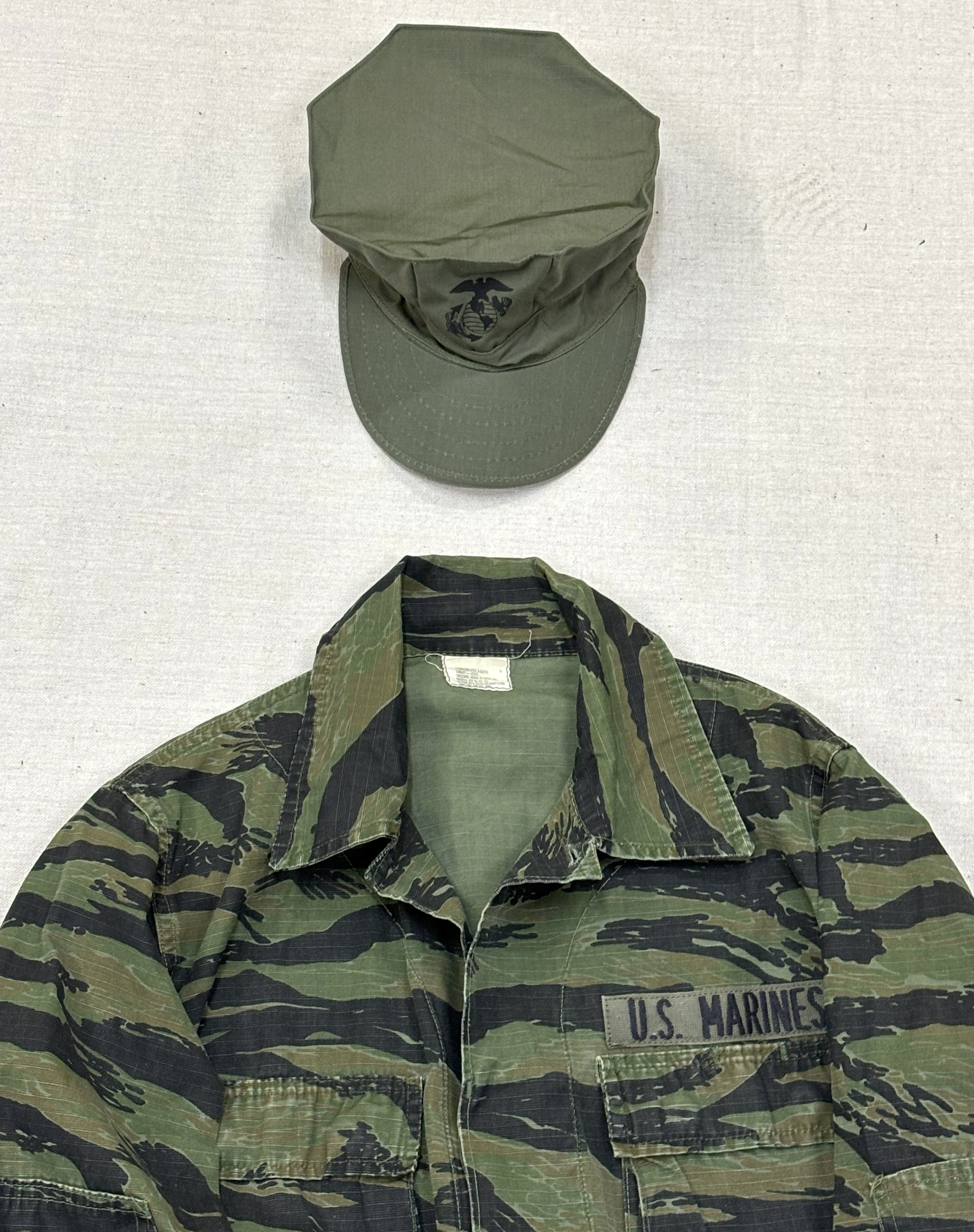
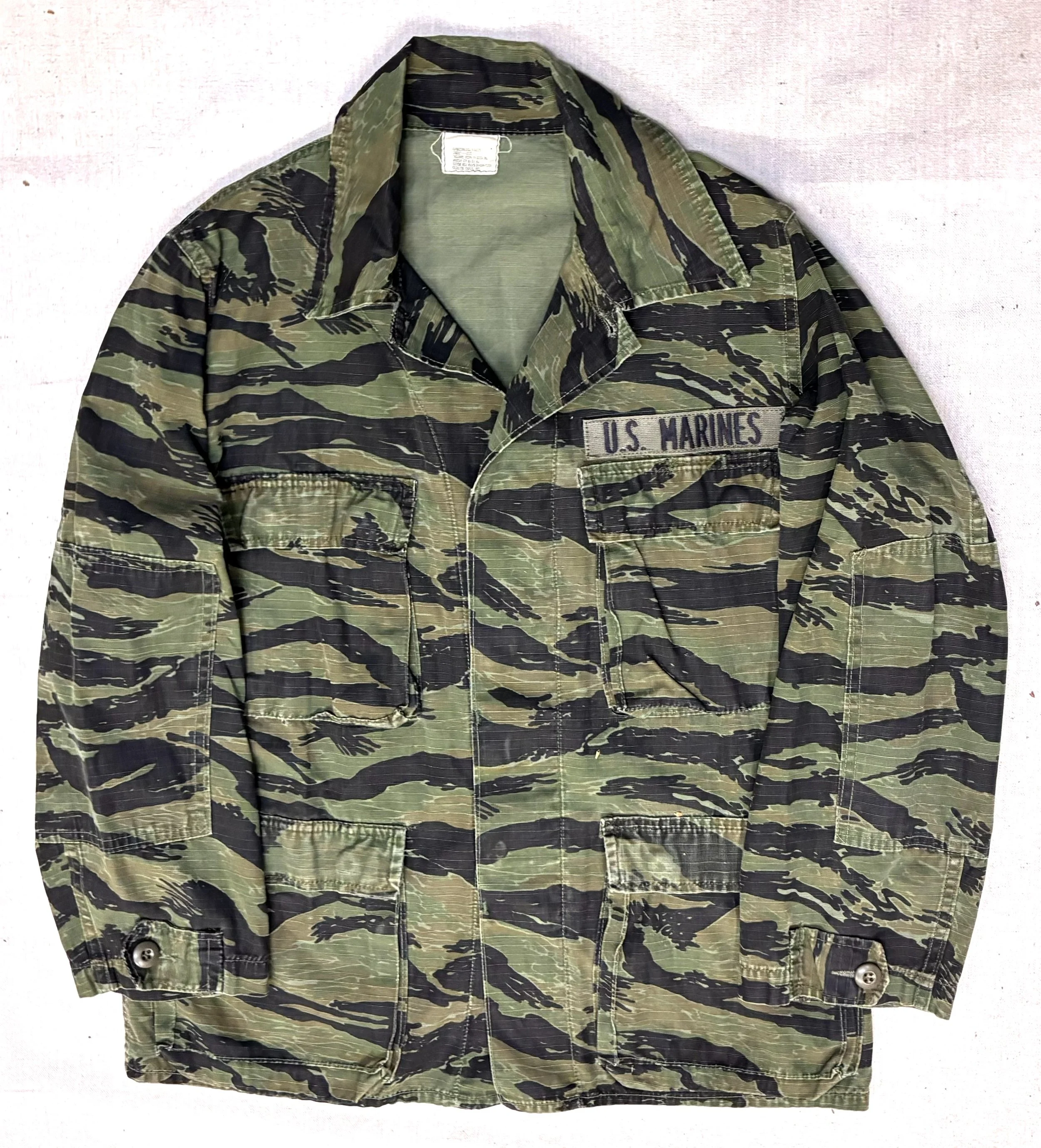
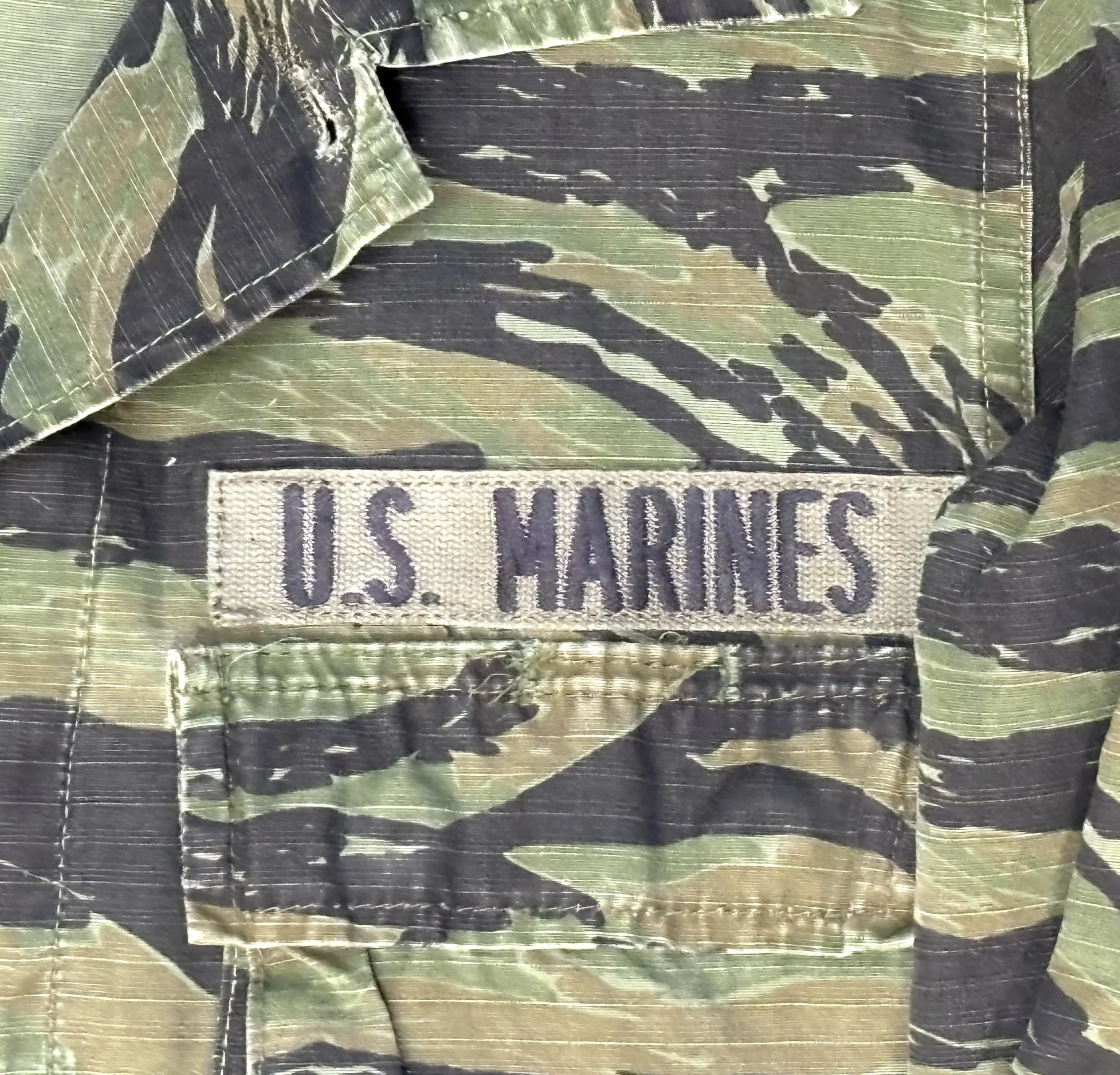
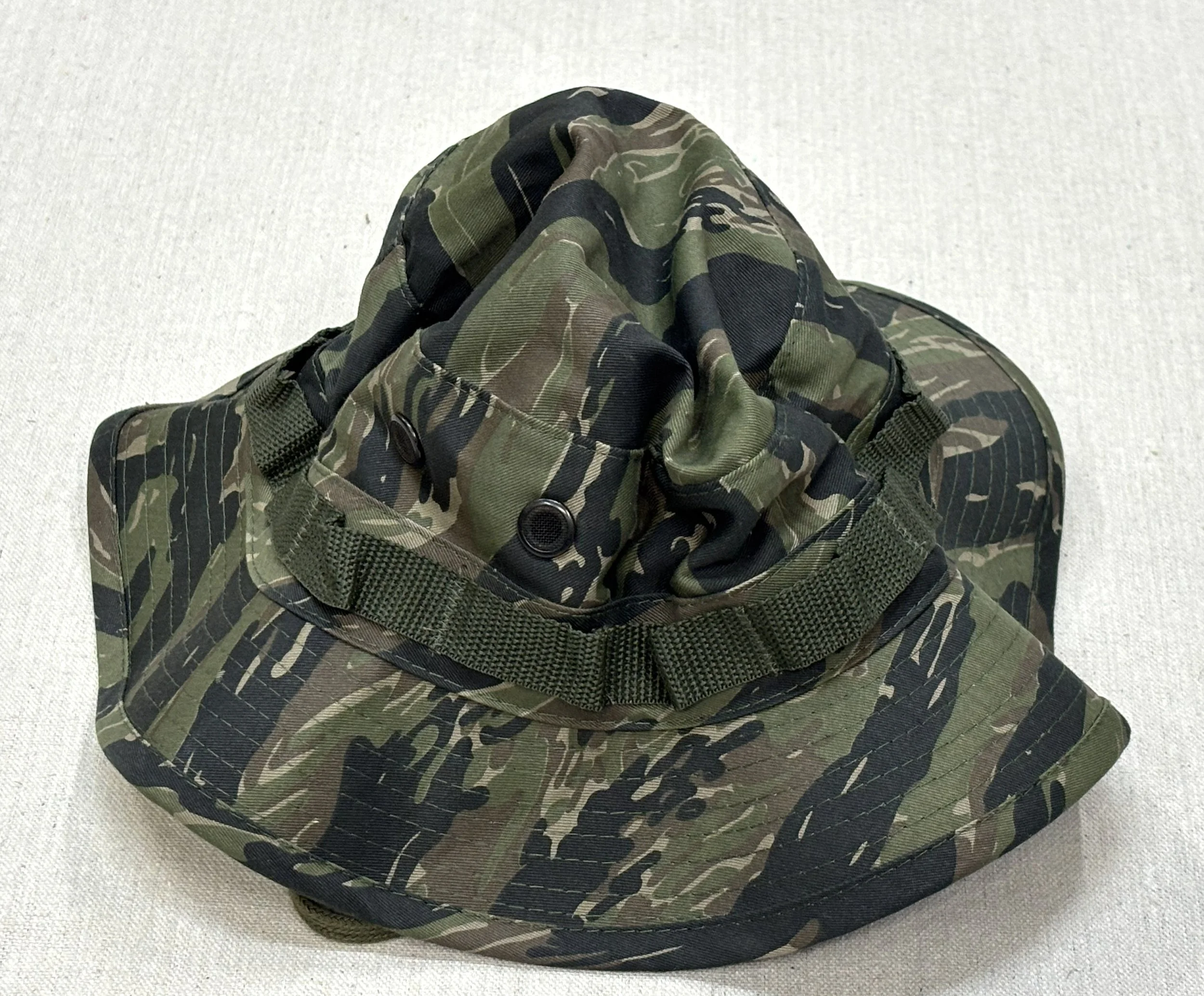
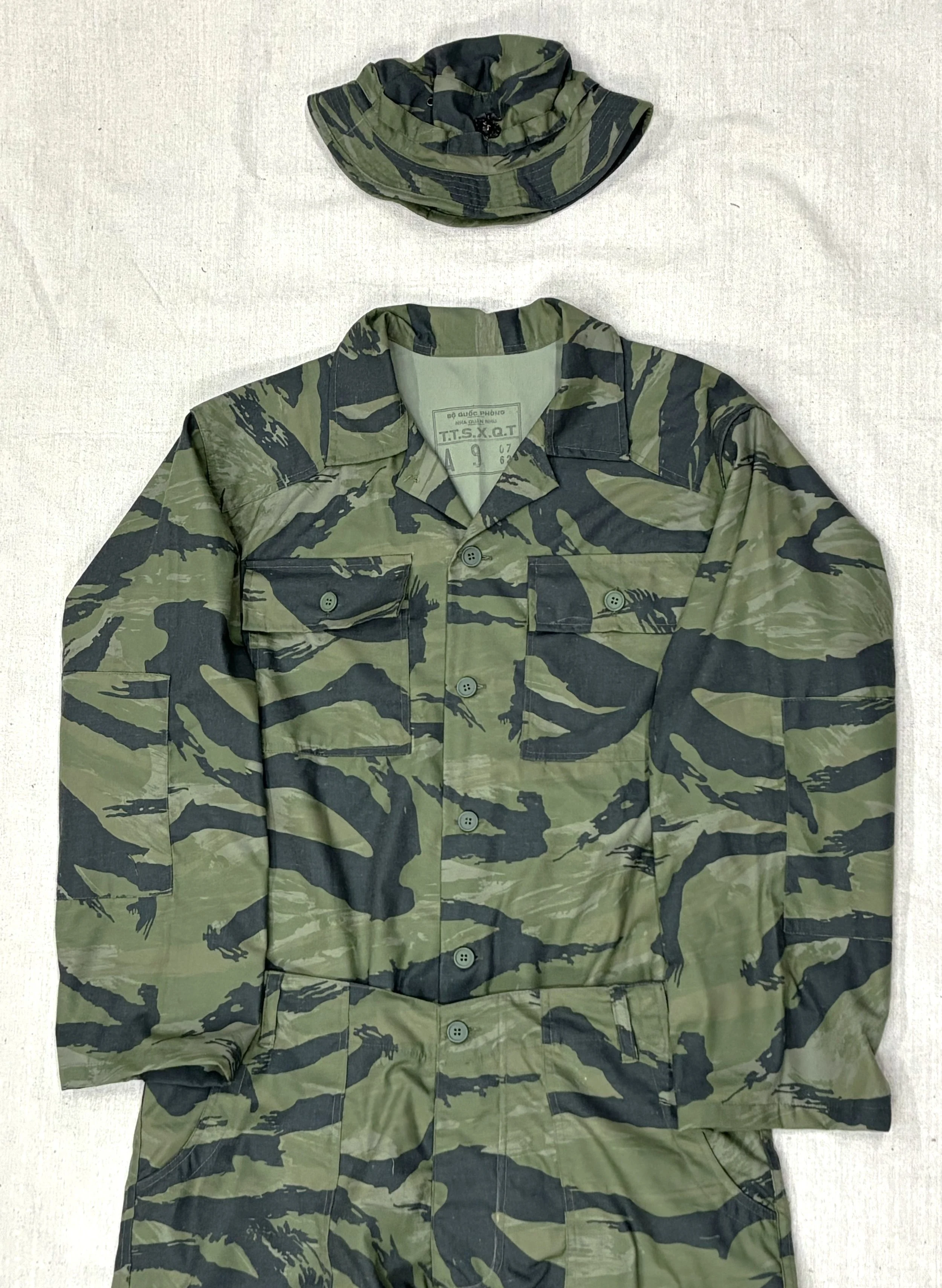
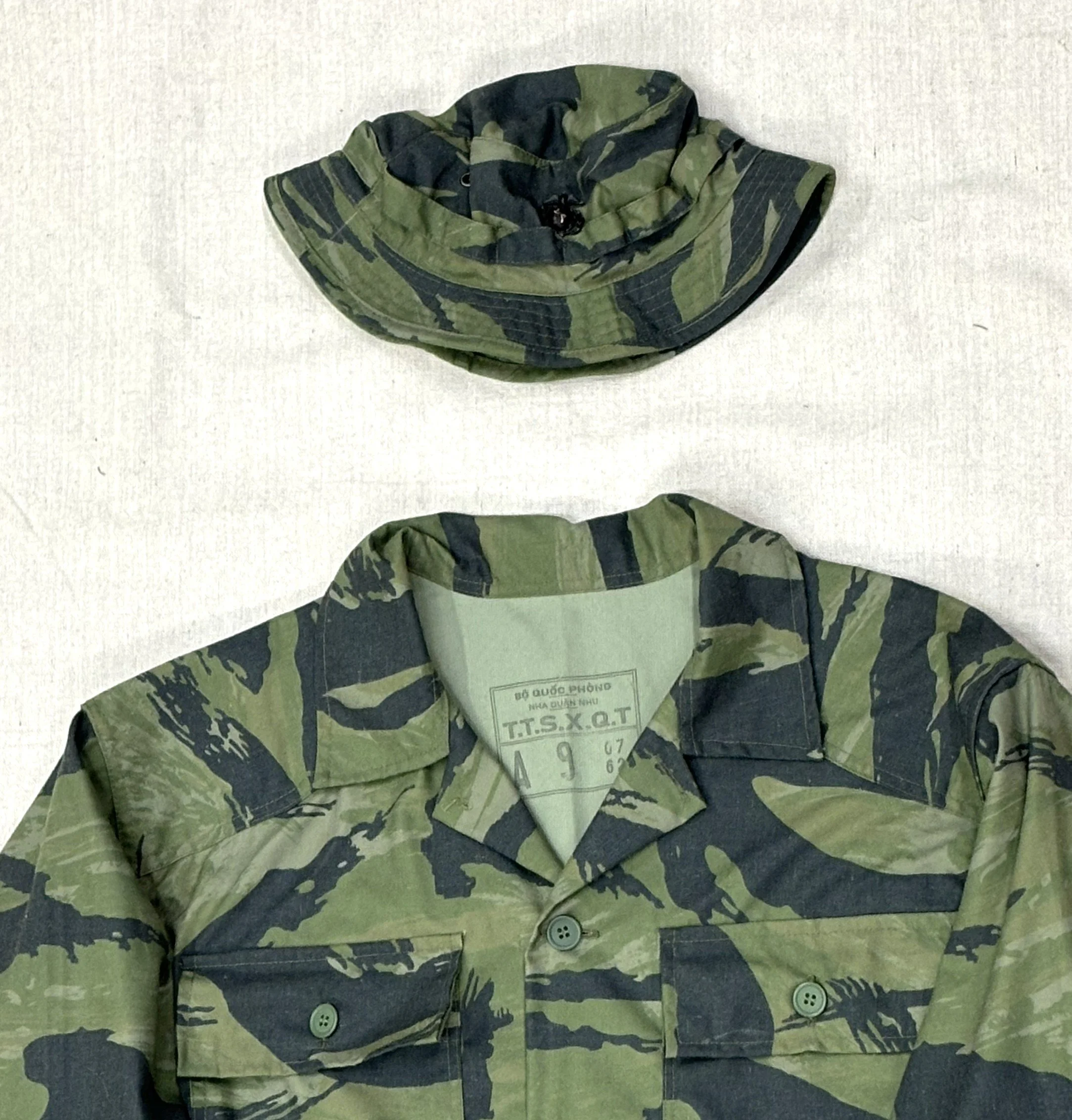
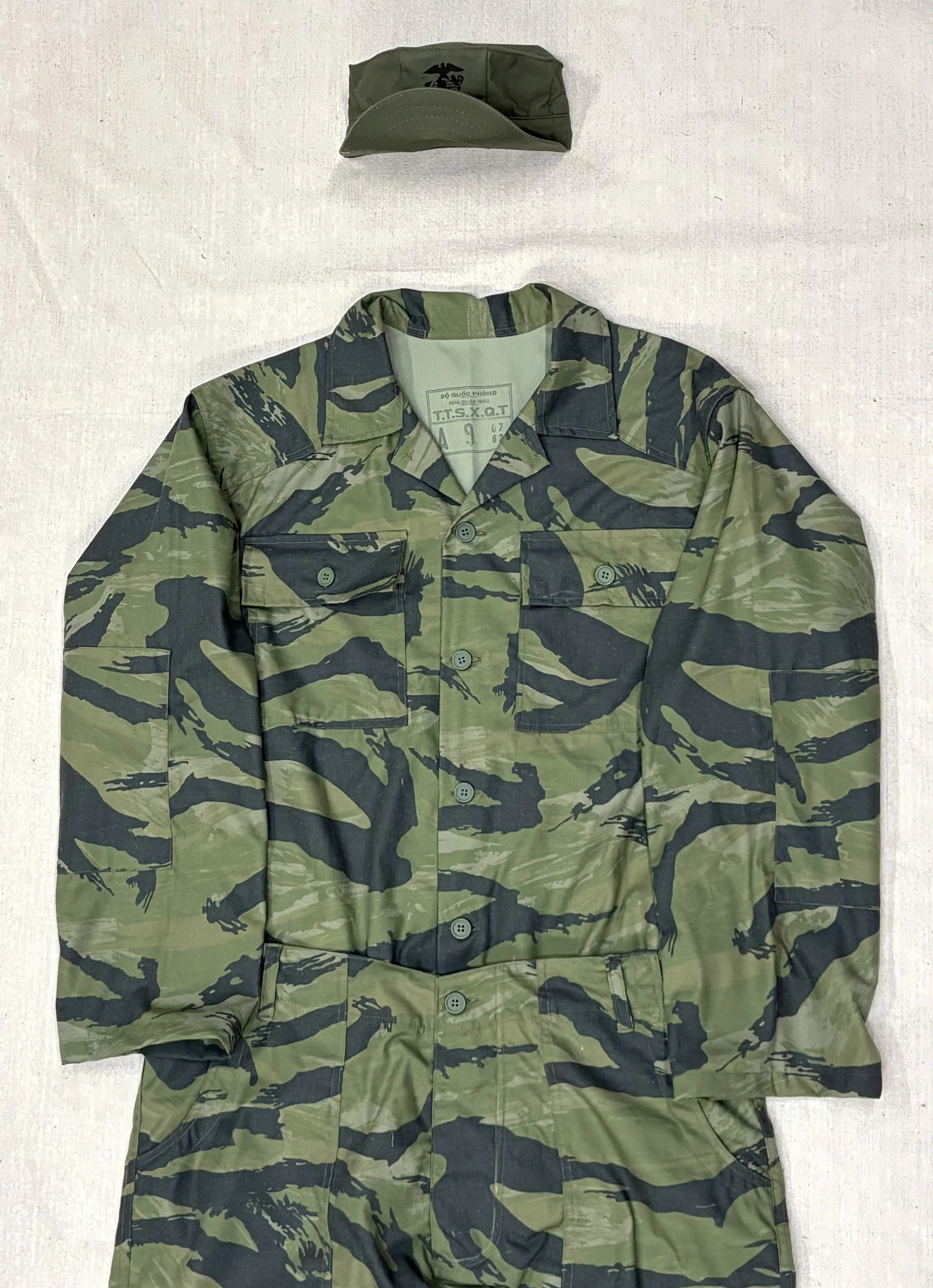
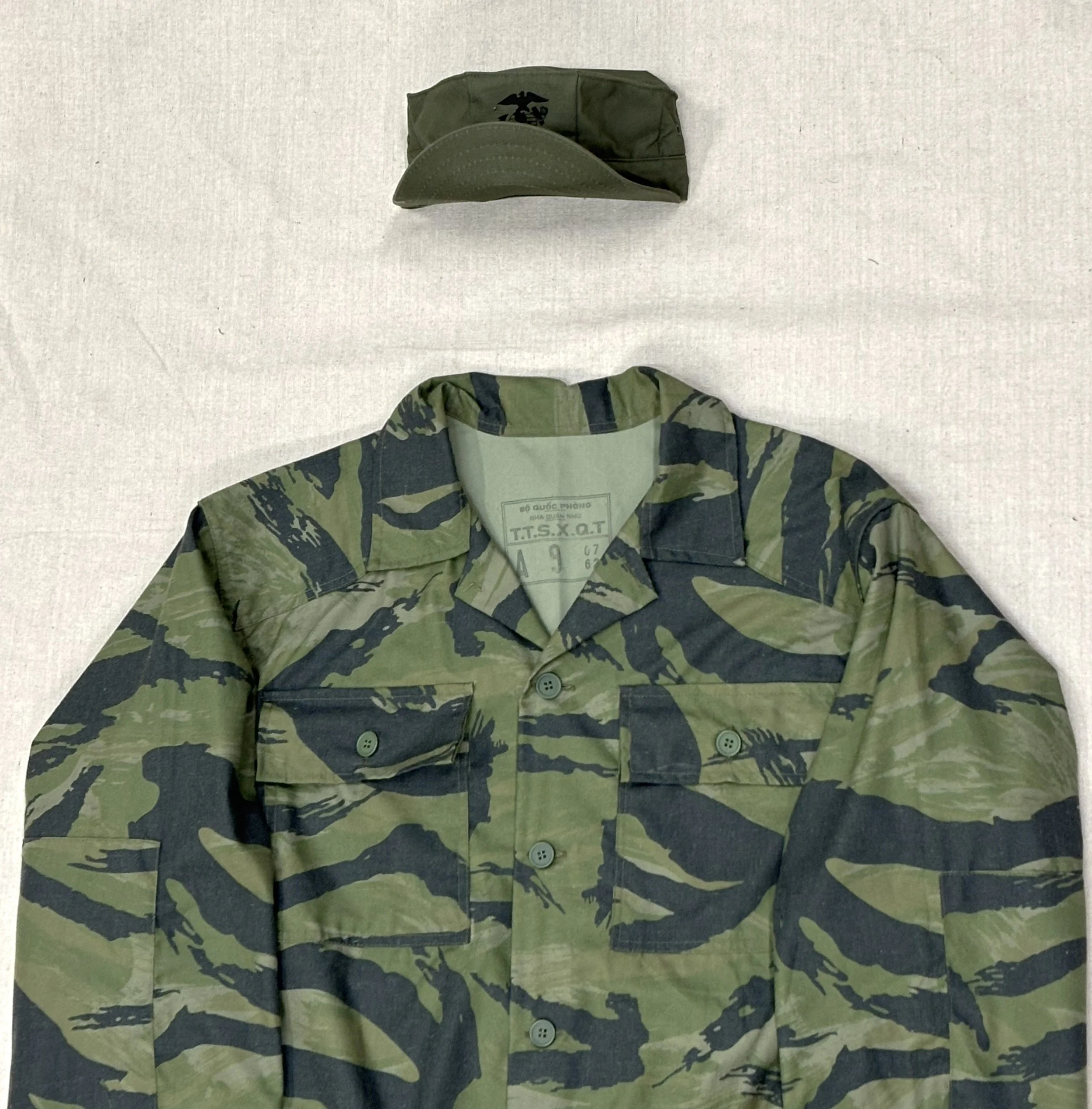
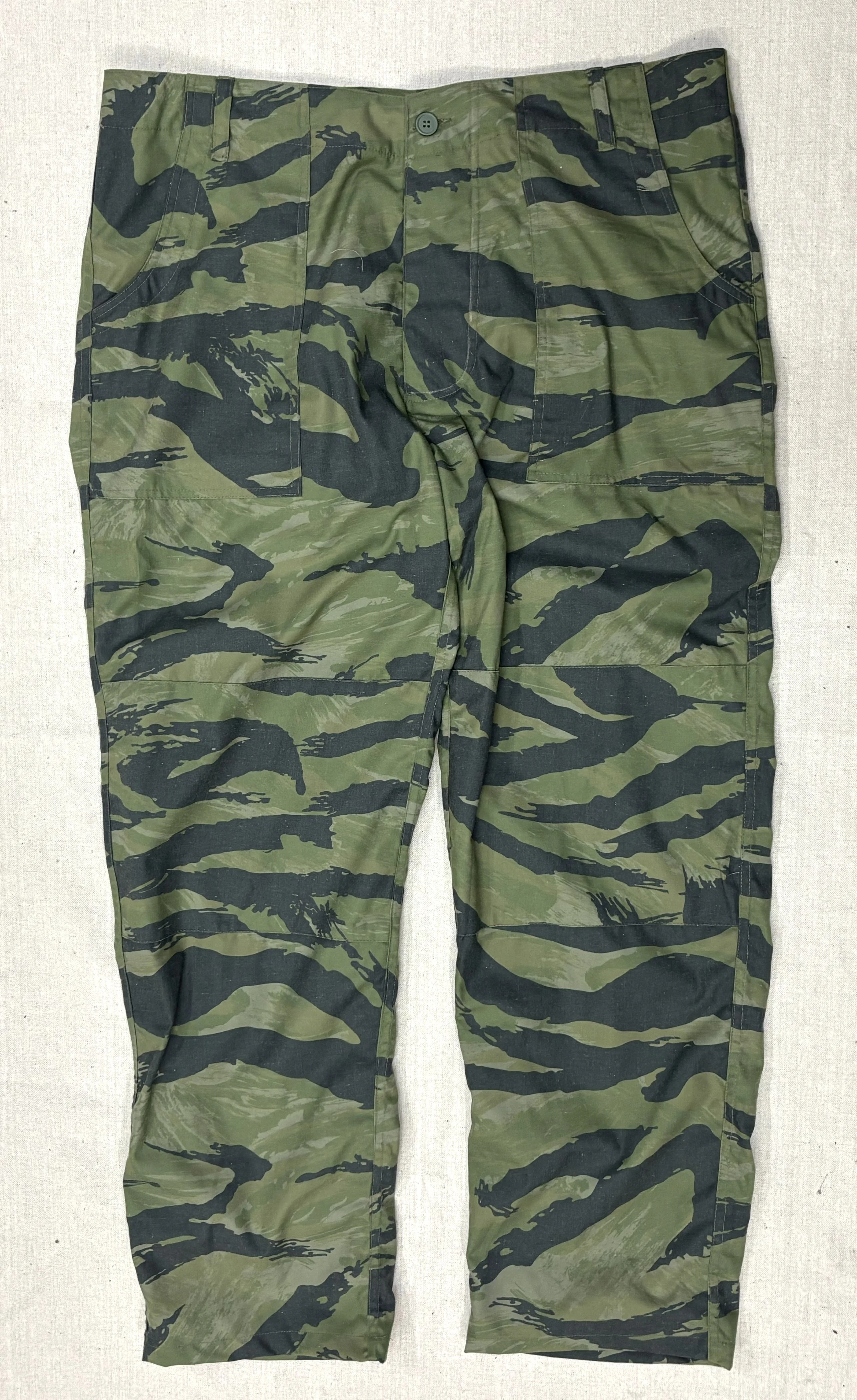
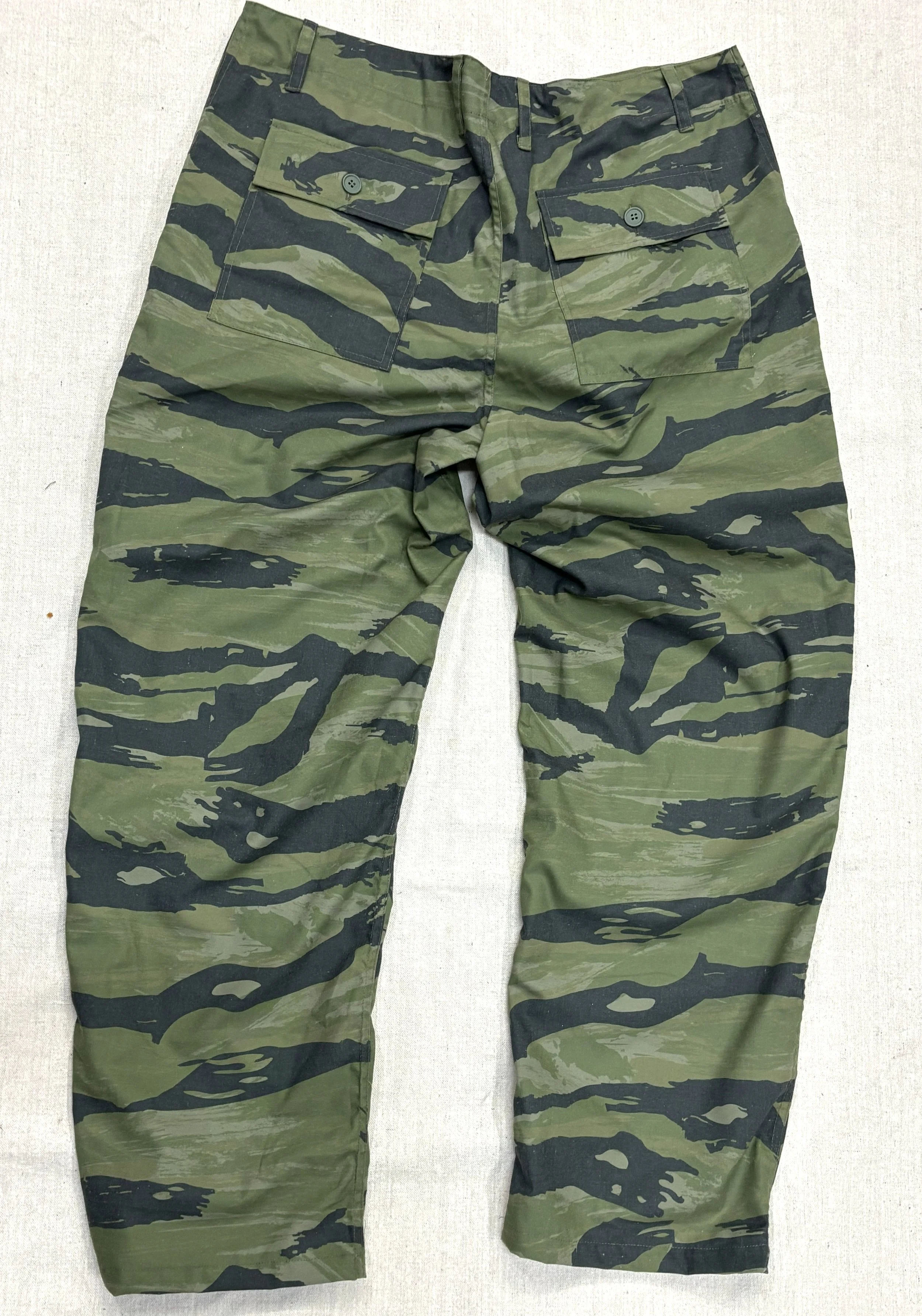
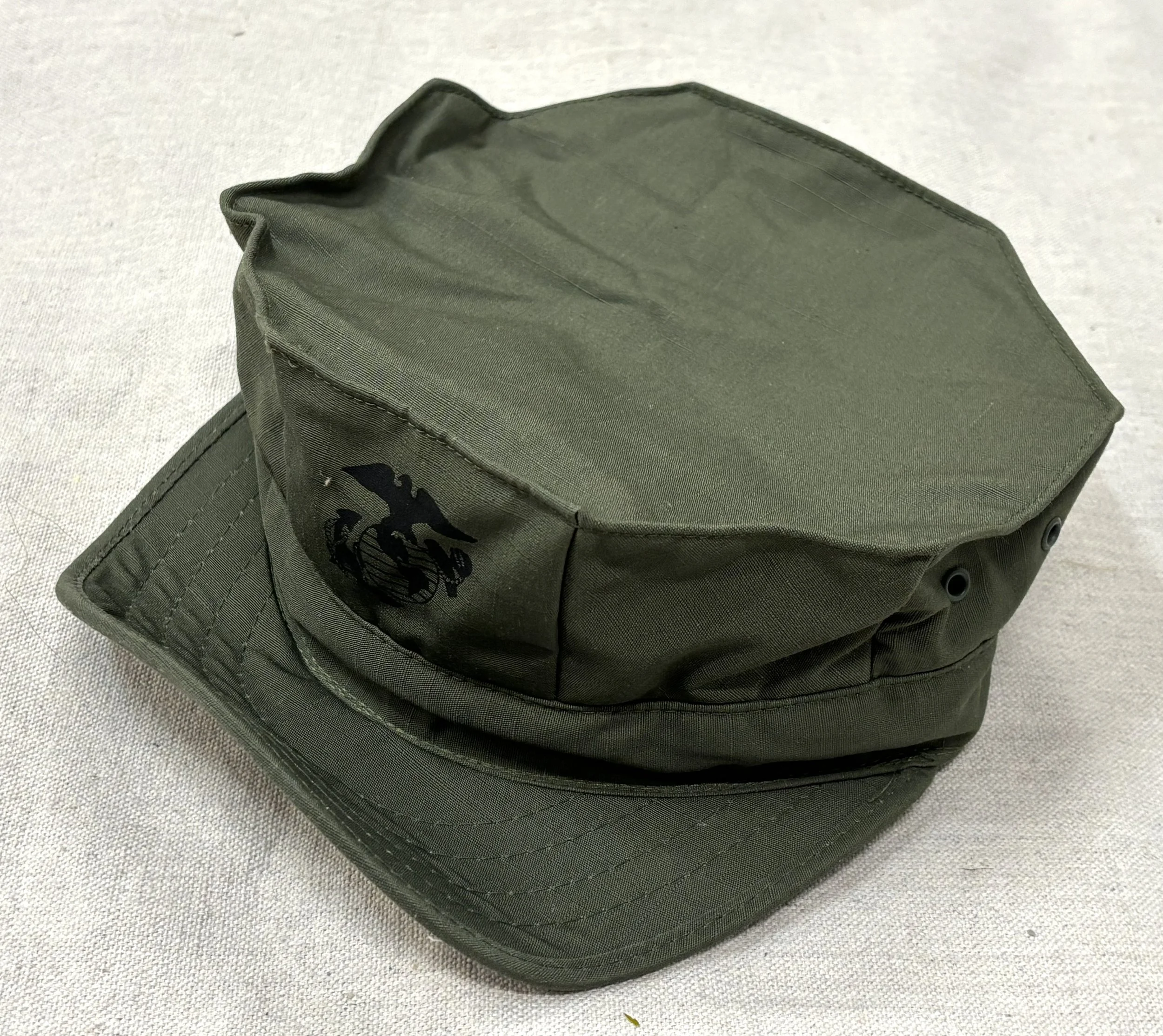
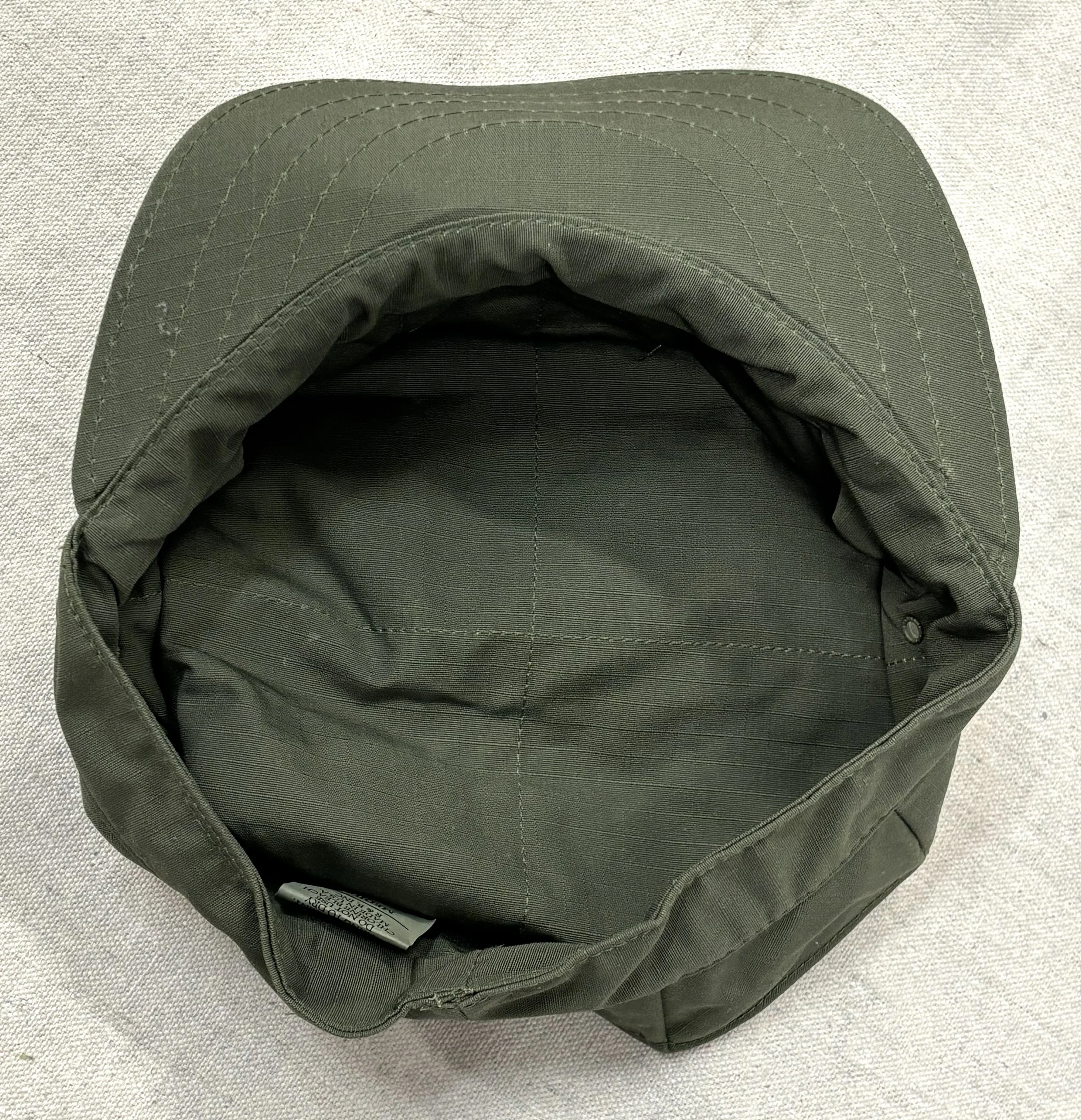
Colonel Asley wears a custom-tailored version of the Vietnamese Marine Corps Sparse Pattern / tiger-striped camouflage uniform 1962 (N1B-EXP-2 PM/1) with either a custom utility cover or boonie cap, or the ceremonial South Vietnamese Beret with its brass insignia, along with matching trousers and jungle boots. He wears both the U.S. Army and Parachute Wings on his uniform; he has also completed the South Vietnamese Jump School and has their jump wings on the right side. On the jacket/Shirt (which he can wear tucked or untucked), he wears both Divisional and Battalion RVN Marine insignia, on the sleeve and pocket, respectively.
*It is, in fact, a completely new uniform.

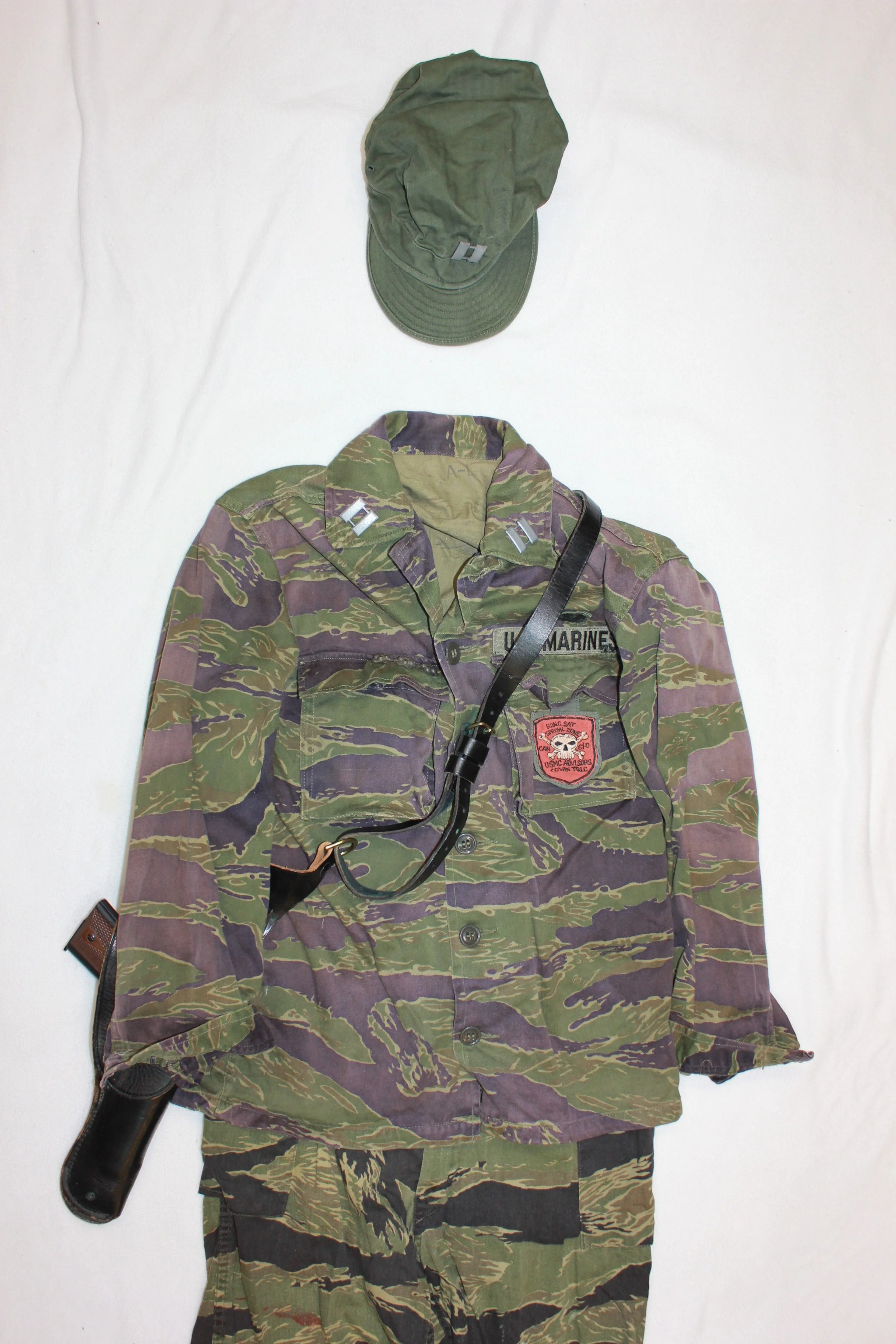


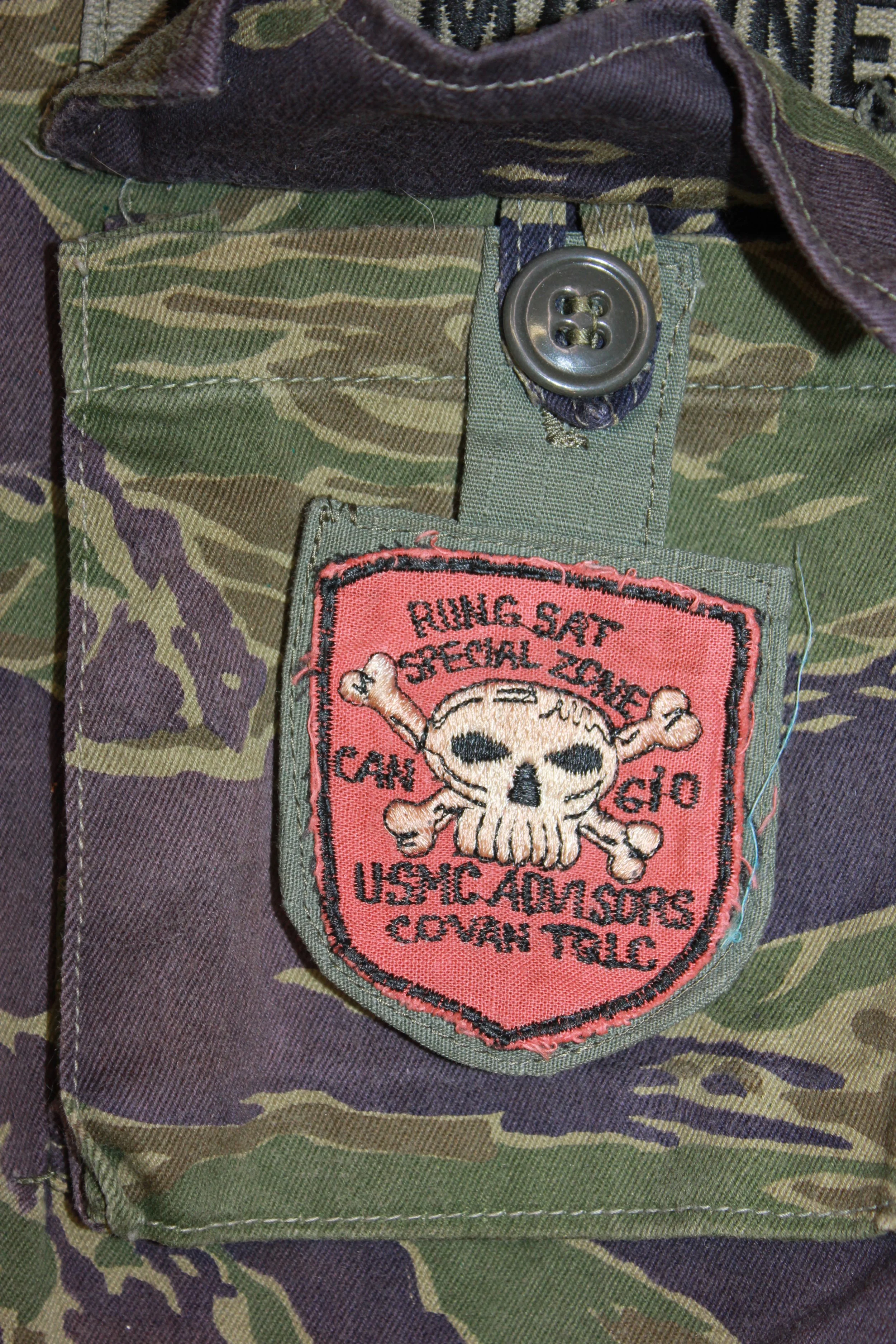
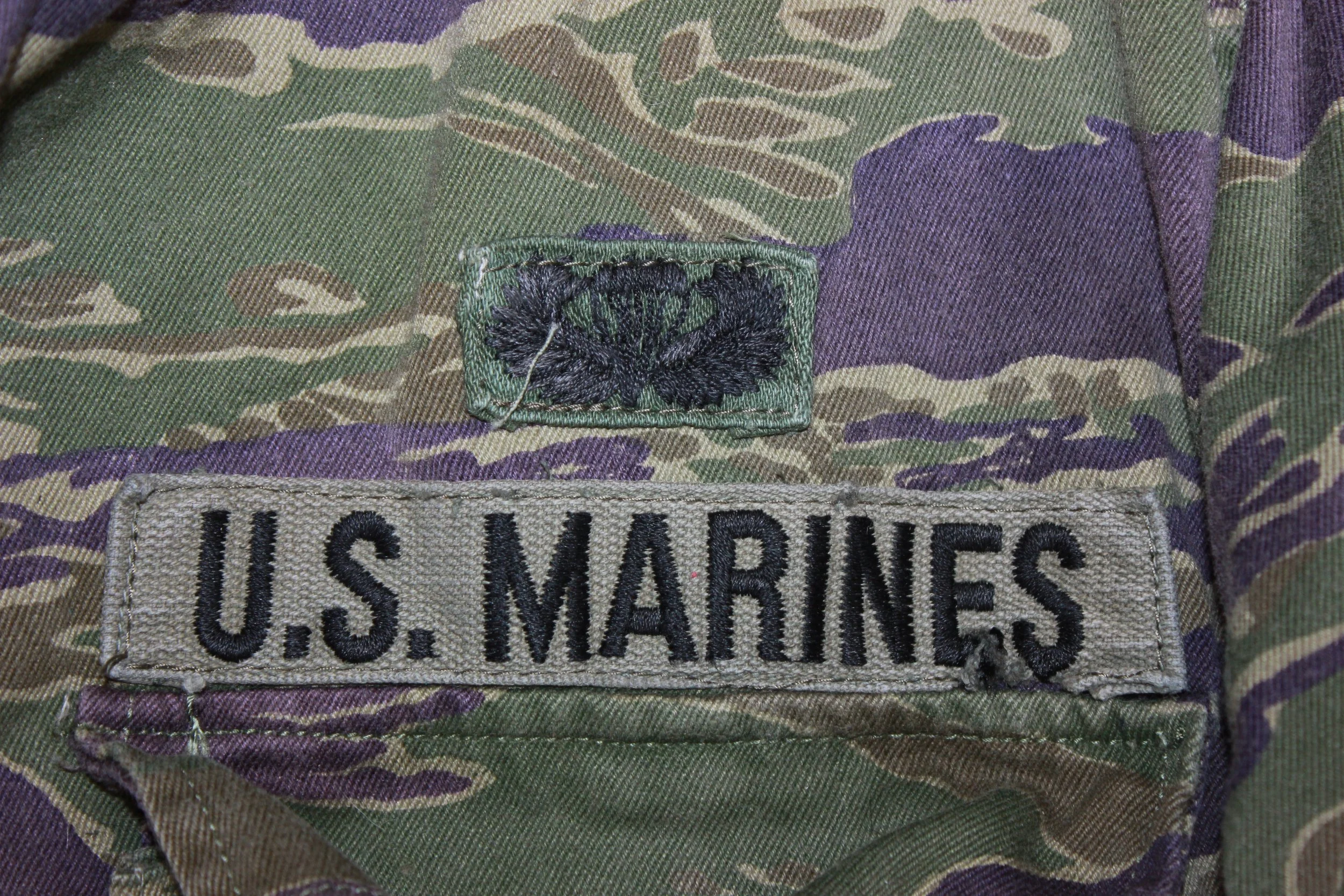
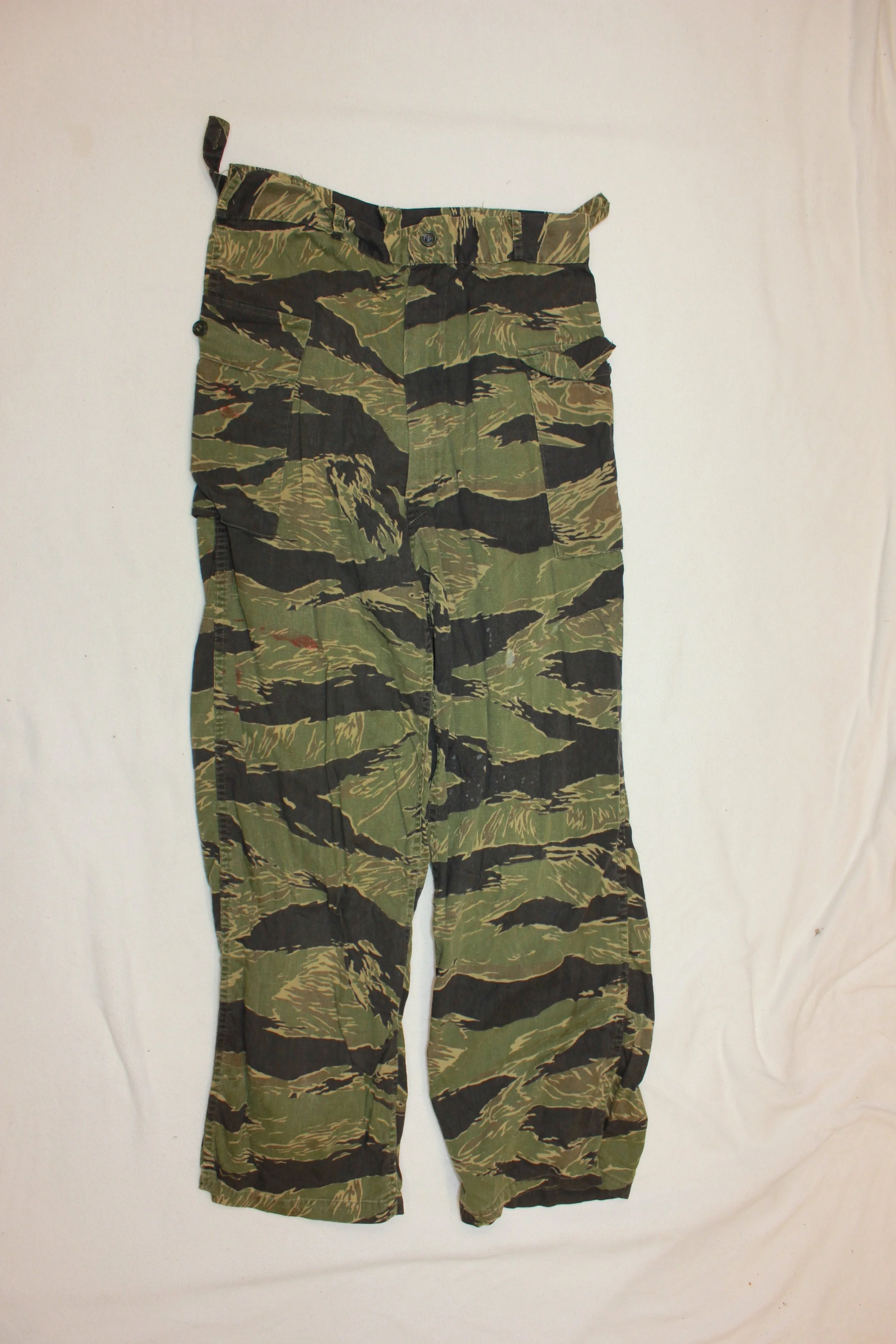
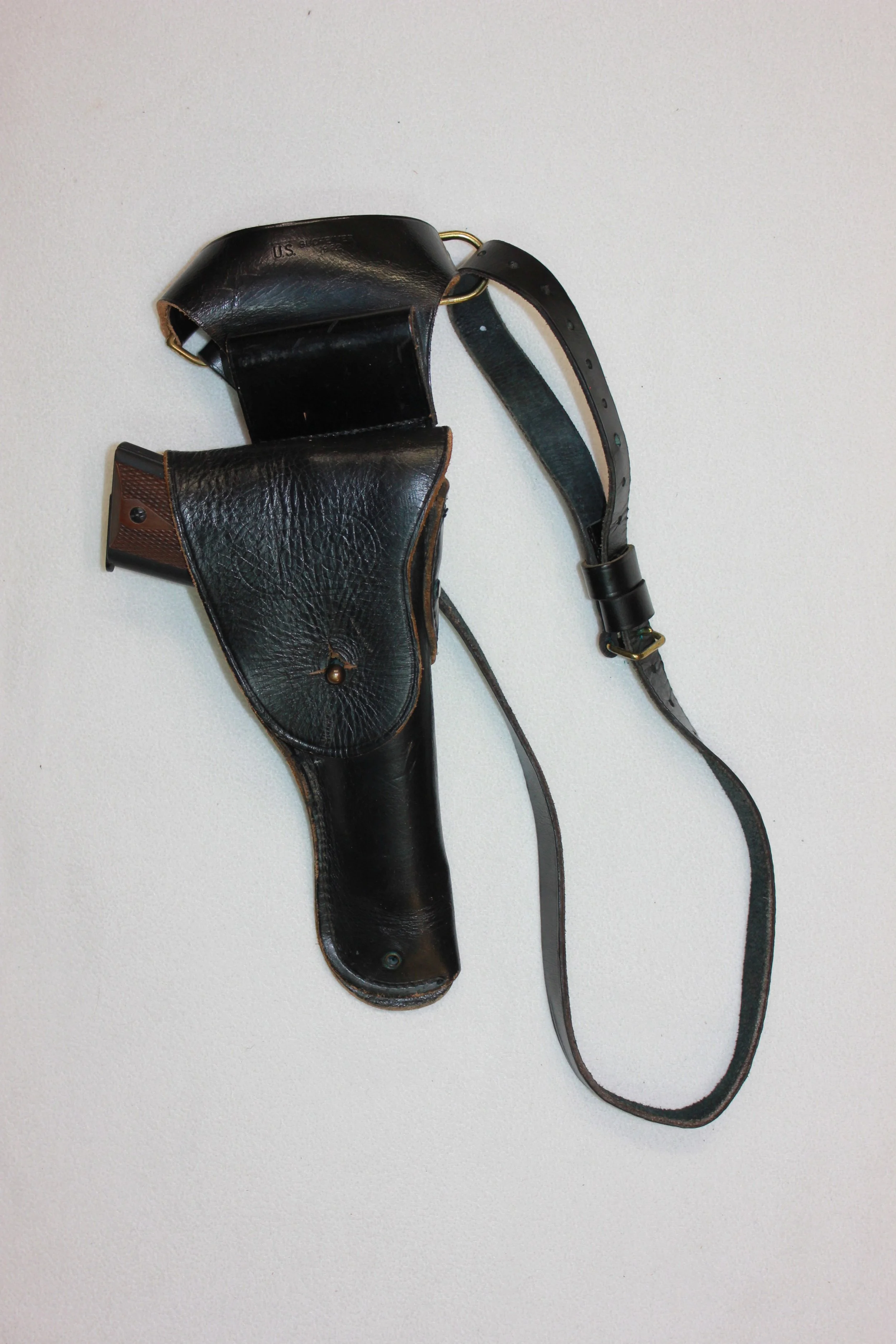
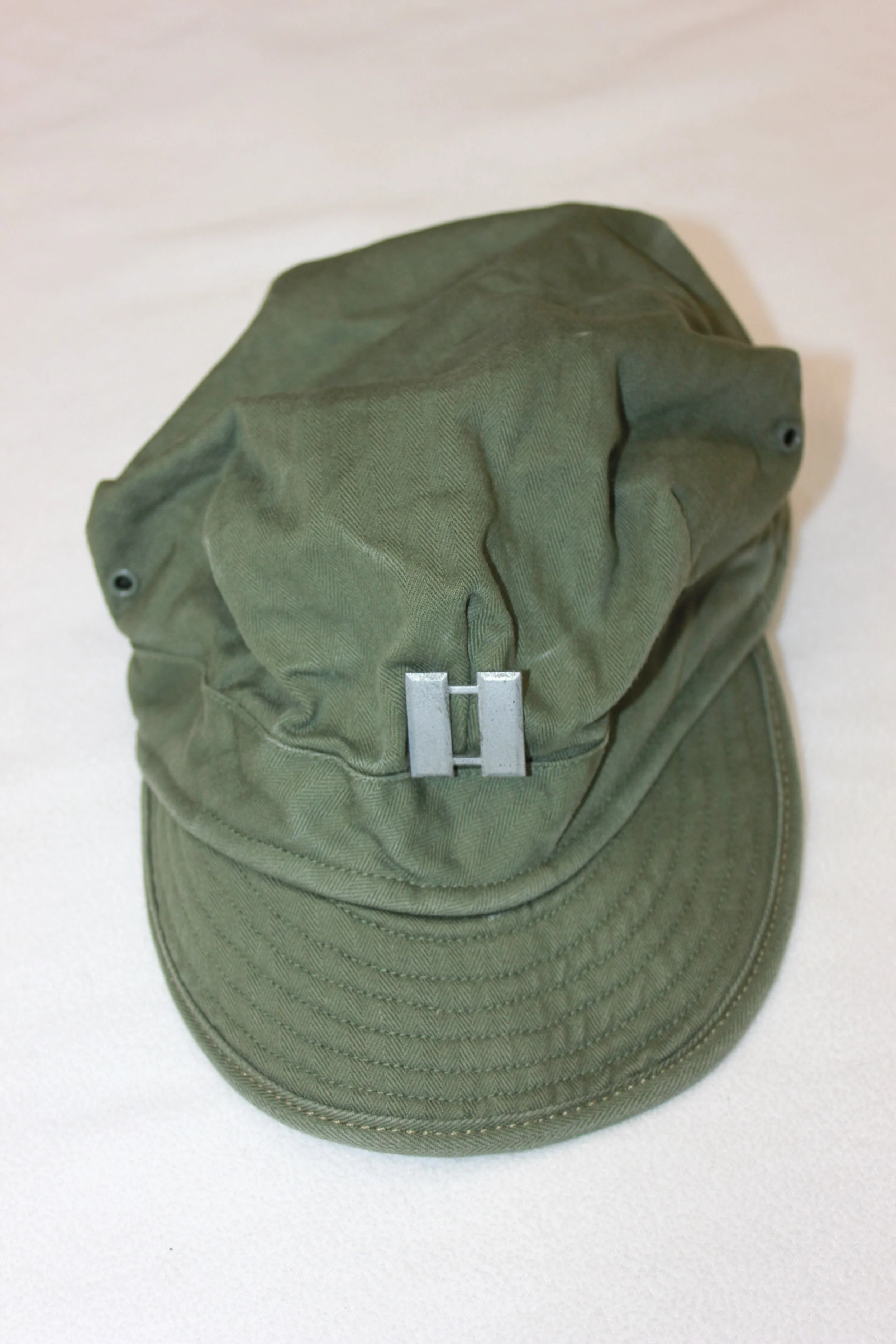
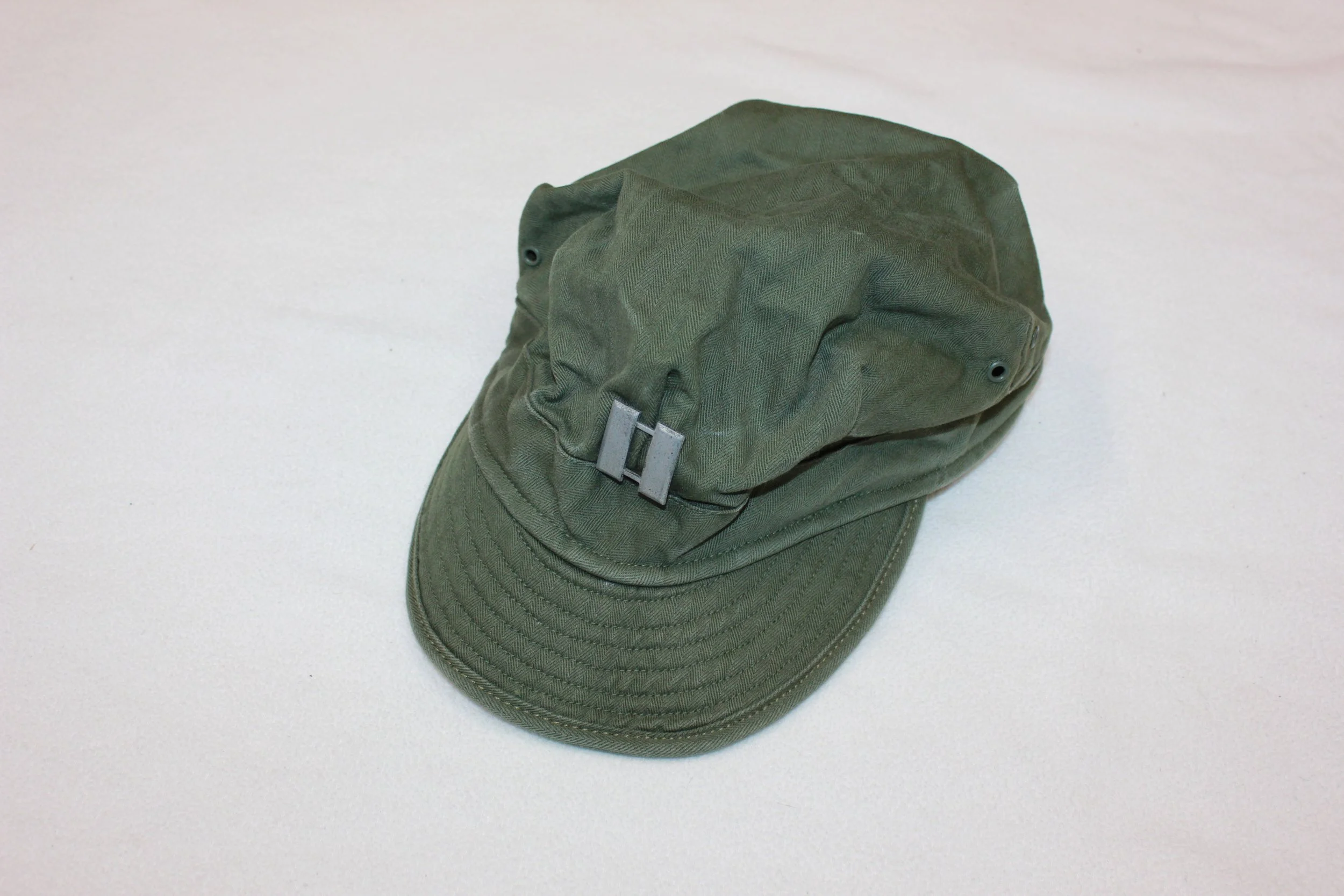
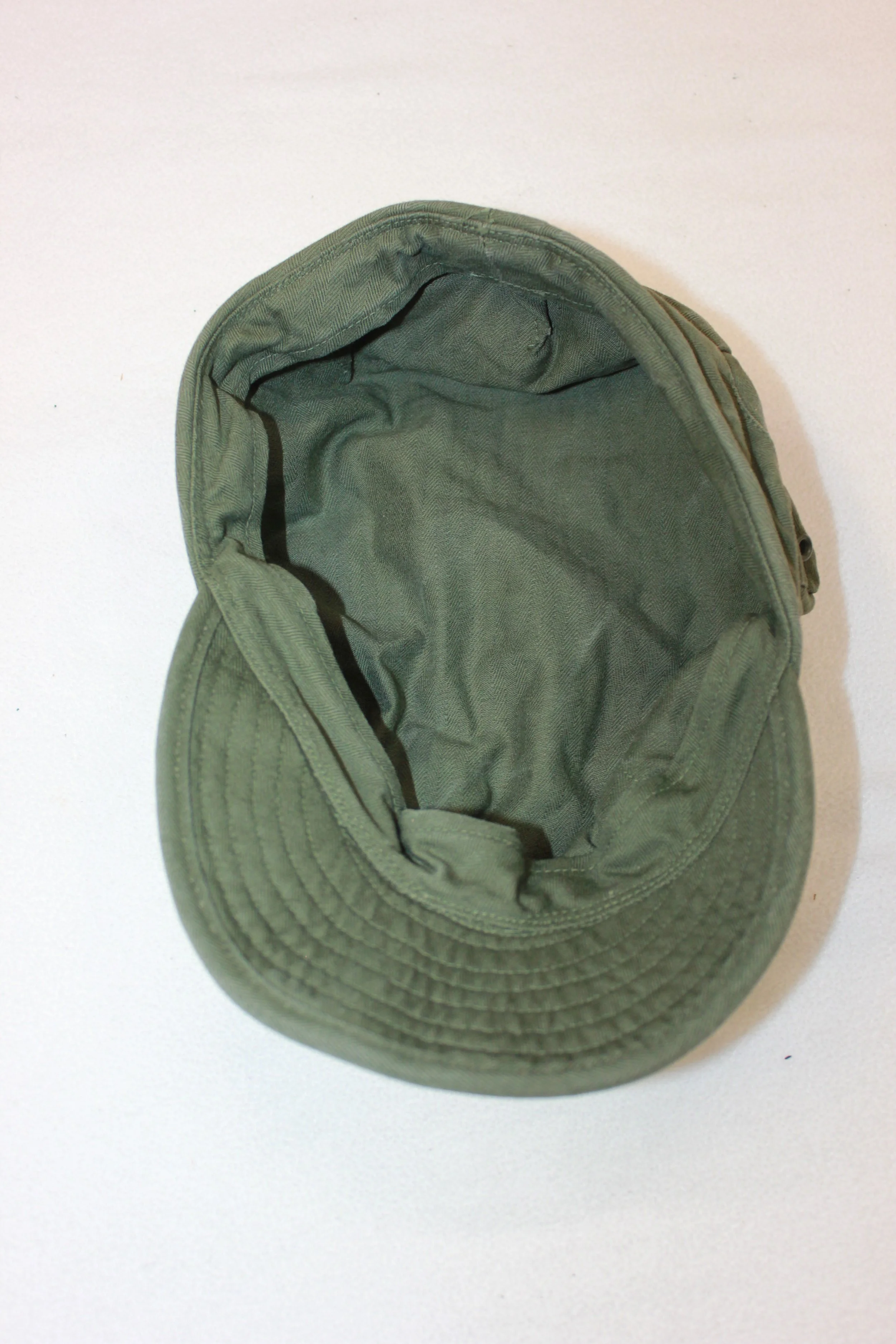
RUN-SAT Zone, RVN-Marine Advisor:
This was a notorious enemy-infiltrated area of the Long Tau River, and they were attacking shipping transiting in there, which was concerning the high command and their needs, munitions, fuel, food, and people to South Vietnam, and these American and Vietnamese Marines were there to address that.
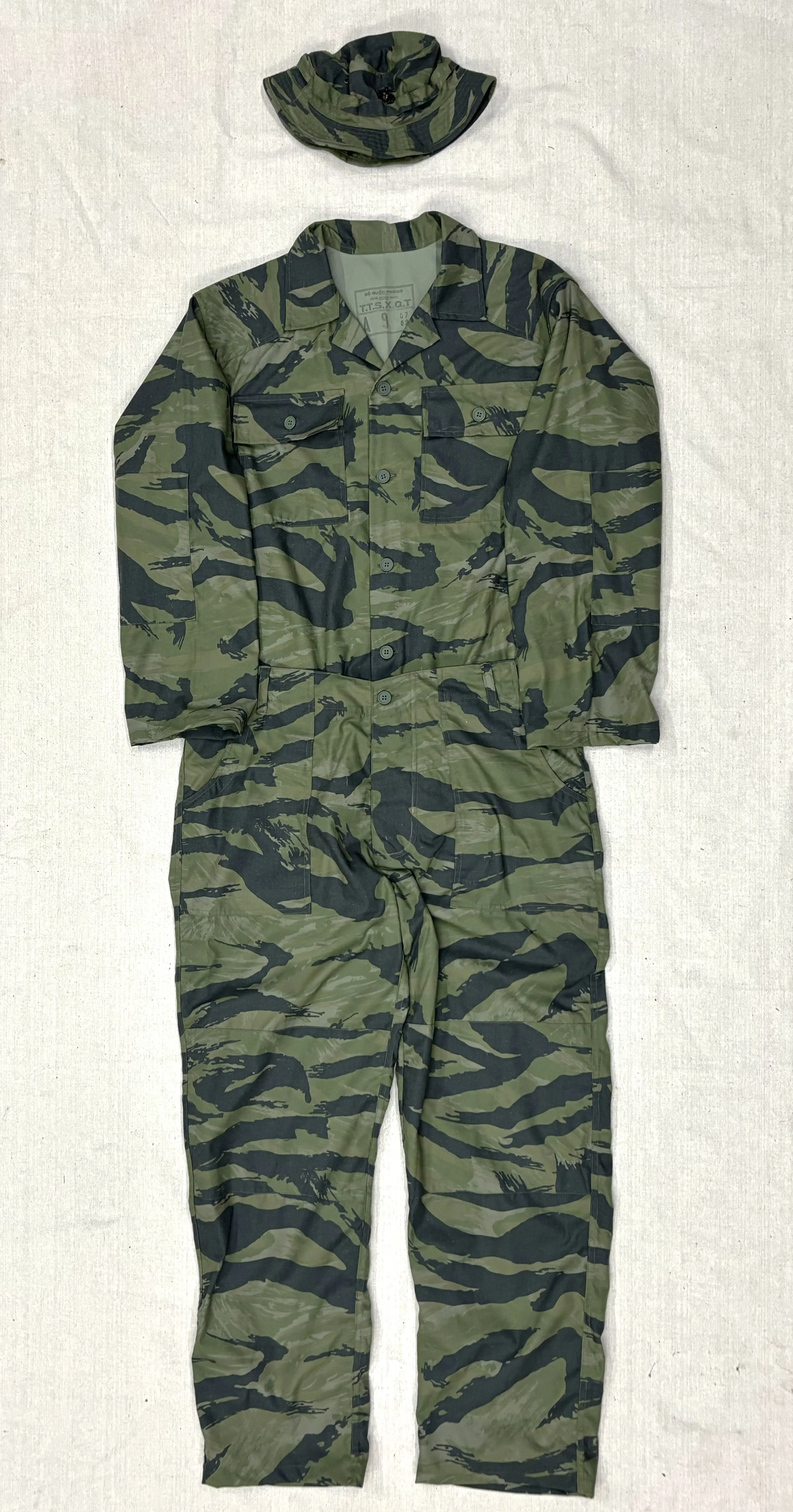
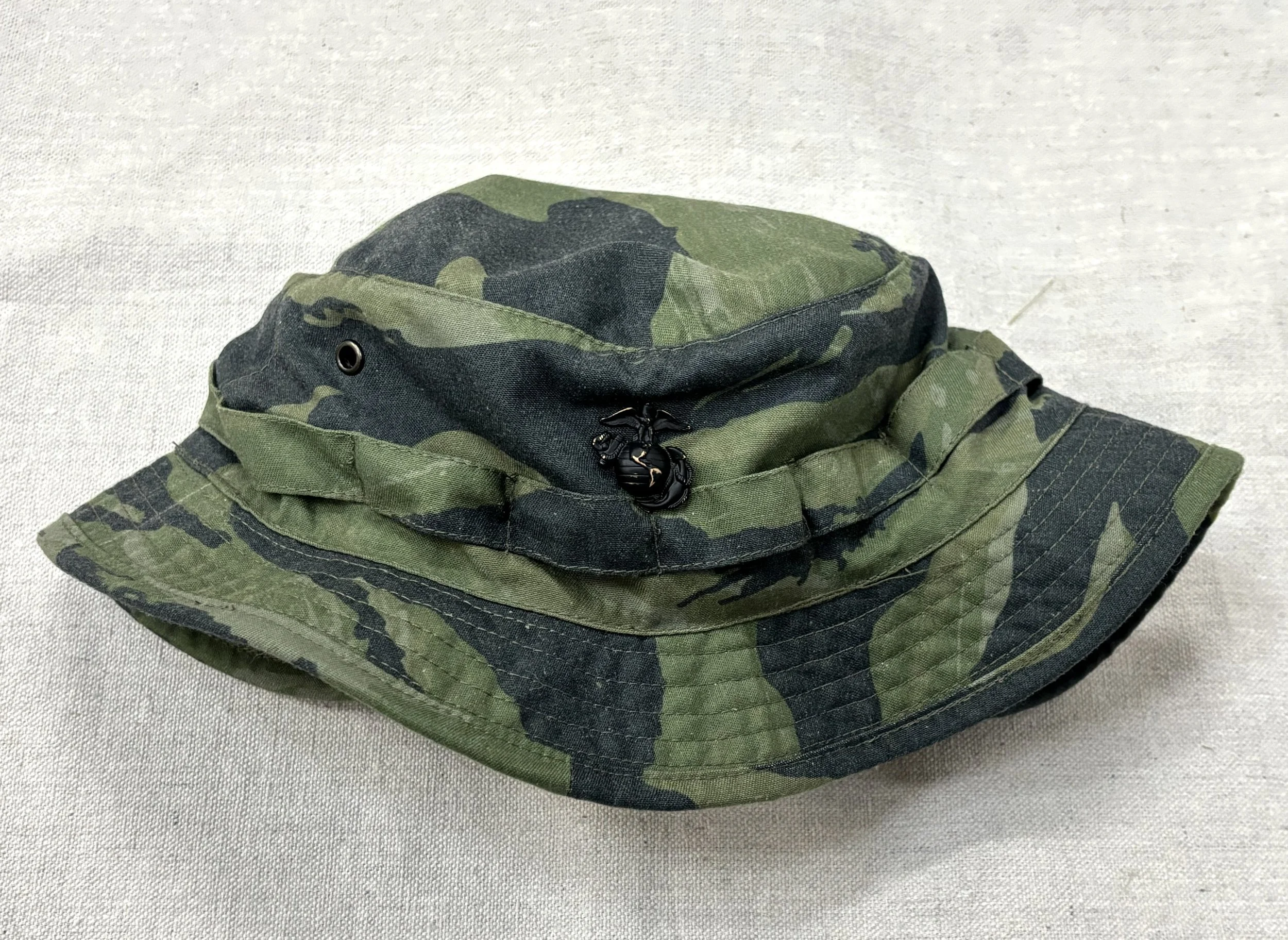
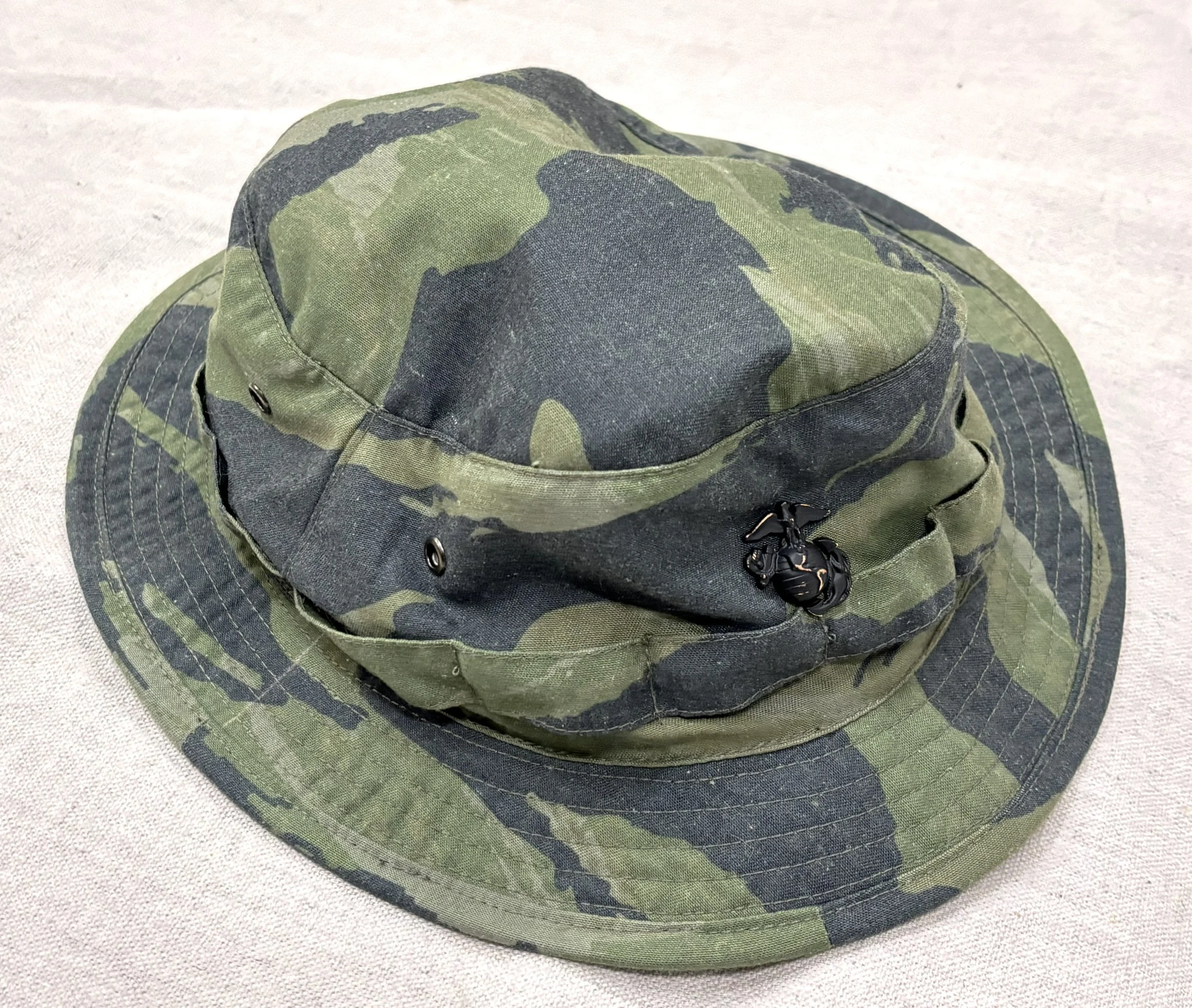
Marine Recon 1967:
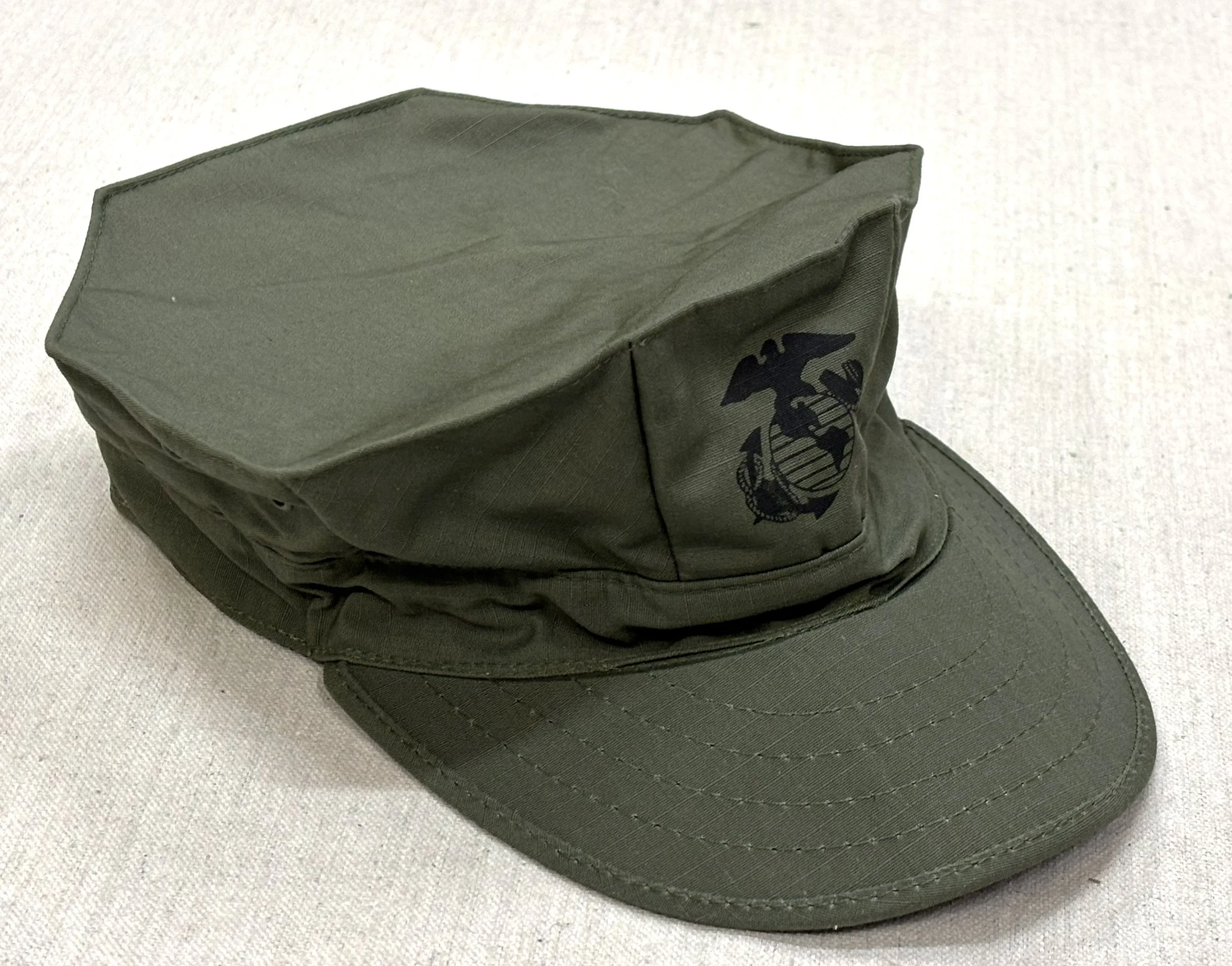
This is actually one of my “New” favorite uniforms, simple as it is, and as they were, I should think, most camouflaged uniforms to this point rarely carried insignia, and with Marines, they just dont wear it, in the 60s and 70s they had yellow stars and numbers, they’re just not up with the grafitti all over the vehicles, they were forrest green, period, Marines have always been simple that way, not drawing attenon on specialties, they’re all Marines first. And they go from there, a camaraderie unique even to the Armed Forces all over the world. The Marine Corps is in a place of its own, and it has to be; they cover their own, with Air and ground elements, and an esprit de corps second to none.
Inspiring, perhaps, maybe something like France’s Foreign Legion. It has the same draw to people, but the legion, however is legonedary legond for taking in criminals, people on the run, from foreign nations, some on the lamb, and, even prior enemies presoners, the the Germans, and SS peronell after WWII, it was much more brutal I think, and a force historically abused, more like Frances Cannon Fodder Froces, they go first. Back to the Marine Corps, the key is, that they are a Corp (A smaller group), and all in theory a rifleman first, and everyone else is ther to support the rifleman, so the job can be done, their a large land, air, and sea assault forcee, that is a part of the U.S. Navy, and around as a ground eliment, way before there was a SEAL Team, who were initally frogmen, to get information on beaches, and to take out sea mines and the like, and grew in to snipers, and reconnasance, and a load of other missions, but thats another story.
They are not one of the larger forces of Americe-but, gennerally they are the first called, they are out assault forces, then the 82nd, or 101st Airborne of the Army-or even the Rangers, for taking and holding till releaved, and the Airforce and Navy bring their own form of military forces, and all are needed, even the Space Force of today-or drone-flyers, what have you, out militaray keeps us safe-as they can, we best make damn sure they are the best they can be, and that aint cheap. I think many of the Marines who had originally went over and served in Vietnam had a much different mind set, that the latter say after Tet of 68, or in the 1970s, the 1965 Marines must have been pretty Gung-Ho, what in 1970, you didnt want to be the last Marine killed- just dot do something stupid to get yourself killed or any of your buddies I would assume, and the pressures from the people at home who, really understood noththing, they knew, if we haddent ended the war with in a few years, over eleven was quite rediculas, someone in a higher pay grade, was dropping the ball really, really bad.


Marine Recon Vietnam:
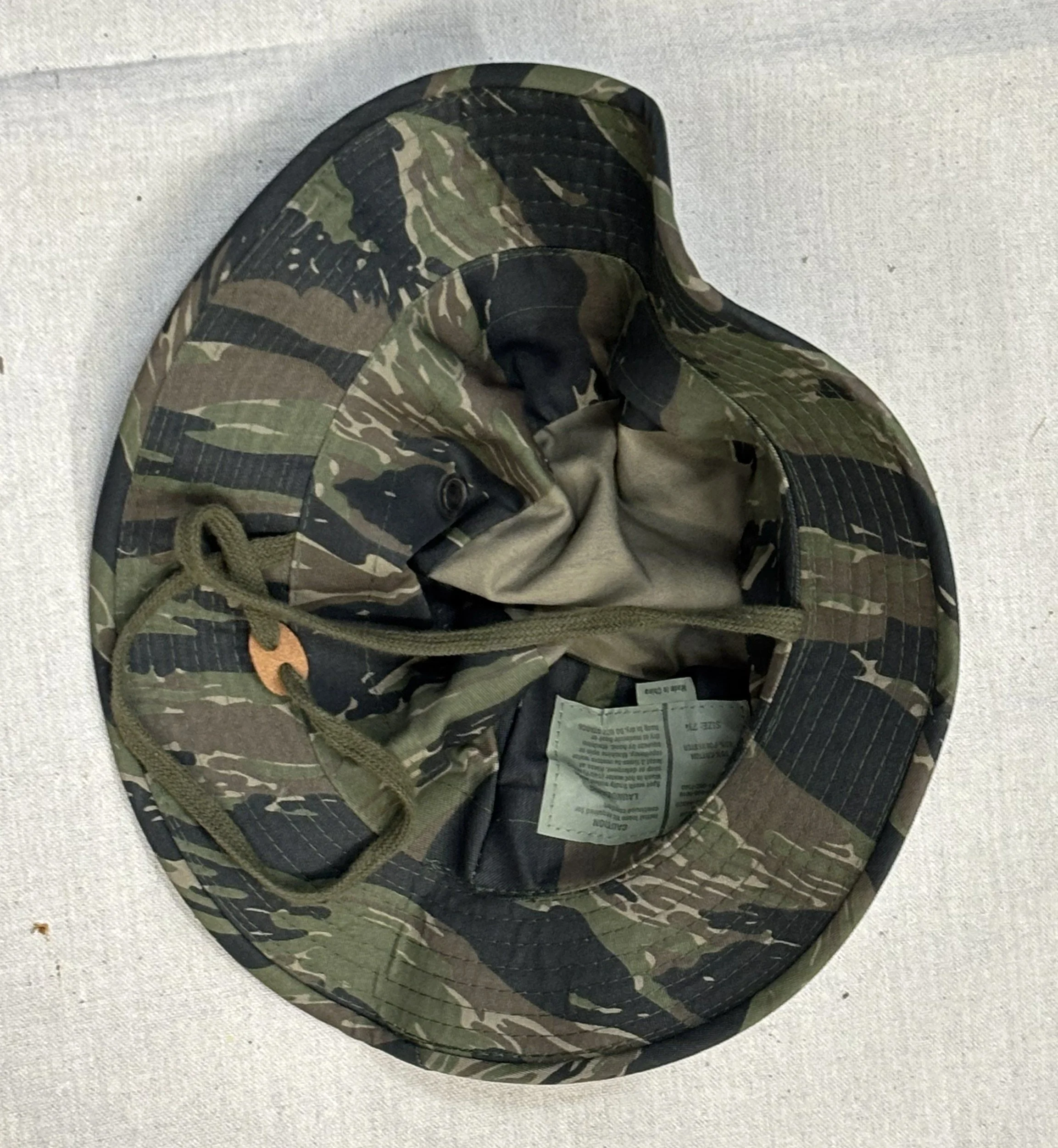
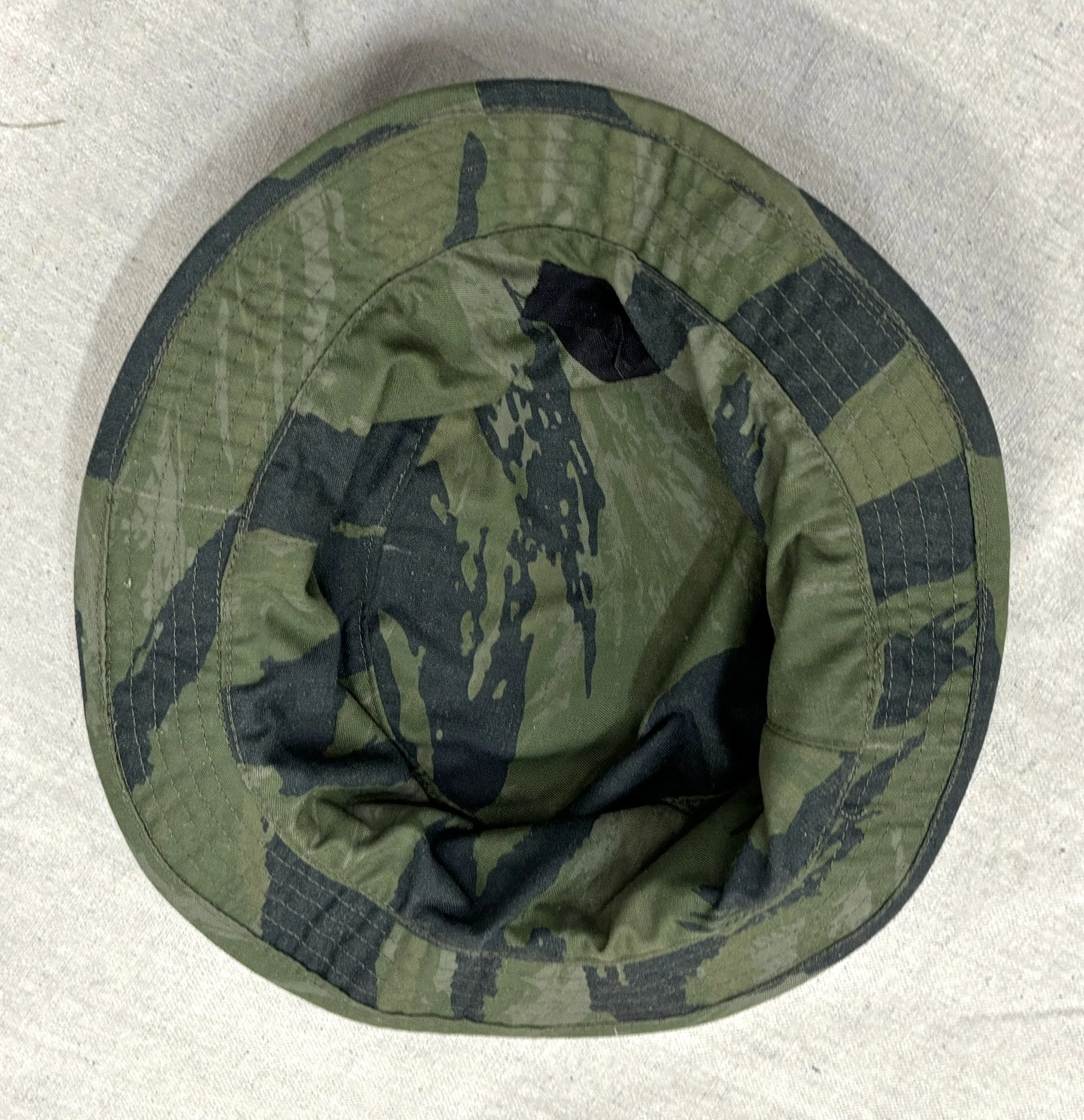
I see this Reconnaissance Marine with a close-matching tiger-striped boonie hat, or an in-country-made tiger-striped Marine-style cover. Probably carying an m16, and hand me down Marine, and old used Army gear of “Kit”, of old canteen pouches holding grenaides, and M-17 pouches full of M16 magazeens, and a tripple pocket “Vietnames Made” back pack on with a machettie on on side and a repelling rope secured to the other, and numberous smoke genaide and other gear all in place and taped up so there wont be any rattling, the fameous green and black wax-paint campoflage on his face, the doar on the high spots, green on the low spost, and gloves with the finger tips cut off them so he still has a since of feel, jungle boots on his feet, ready to get dropped off in the bush somewhere up north by the DMZ, and the hight of the war in Vietnam. It was hard for me to figure out for a while, and realize that the U.S.M.C. and the U.S. Navy used the verious forms of RVN MC and Navy patterns, nd the U.S. Army and U.S.A.F used different ones, more commonly used with their South Vietnamese counter parts, the latter even using some patters from Thailand, and outlaying countries. And then of course, a book came out explaining much of the confusion, the book, is most exelent, and Im sur to find more stuff out about my collection here, right or wrong, they are just representations at any rate, and I don’t claim they are real, and on 99% of thesae uniform are bought with no names, or insignia out of surplust stores and off line, and I make them into what I’m focused on in the collection, so-hopefully Veterans wont poke me in the eyes or anything, just trying to help tell some of the stories of these people, and the terible wars they served in.