Special Forces - Cold War to Recent Past:
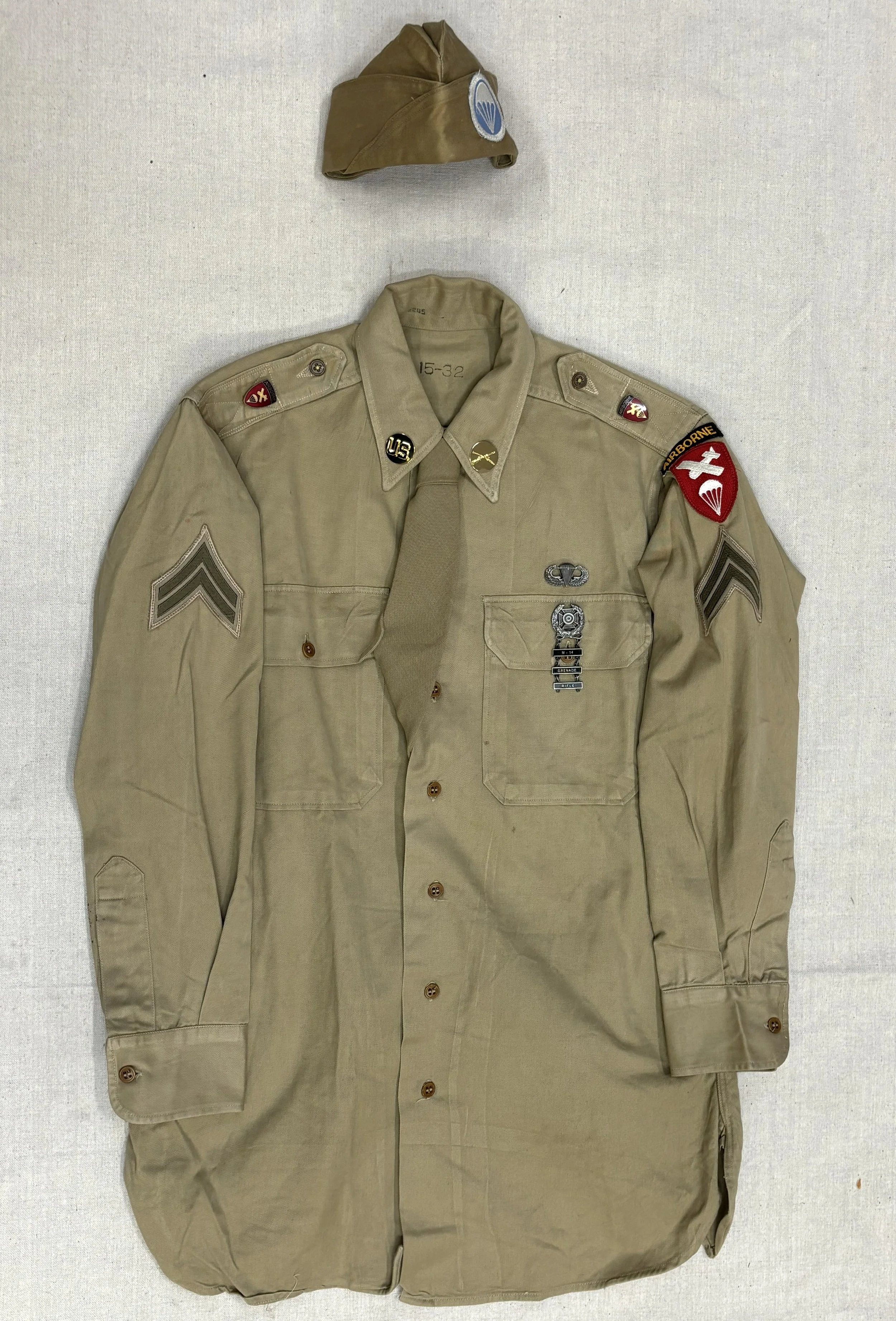
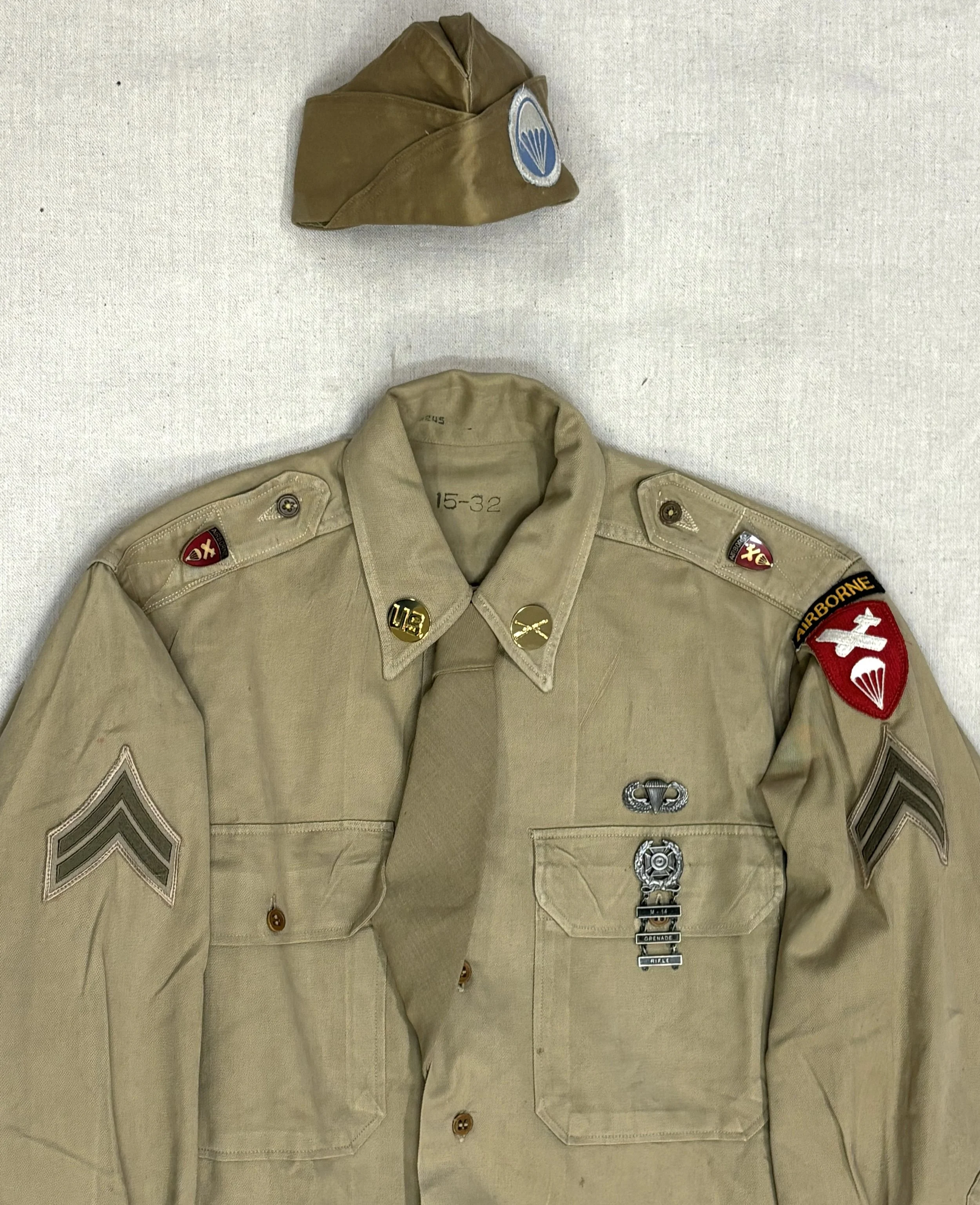
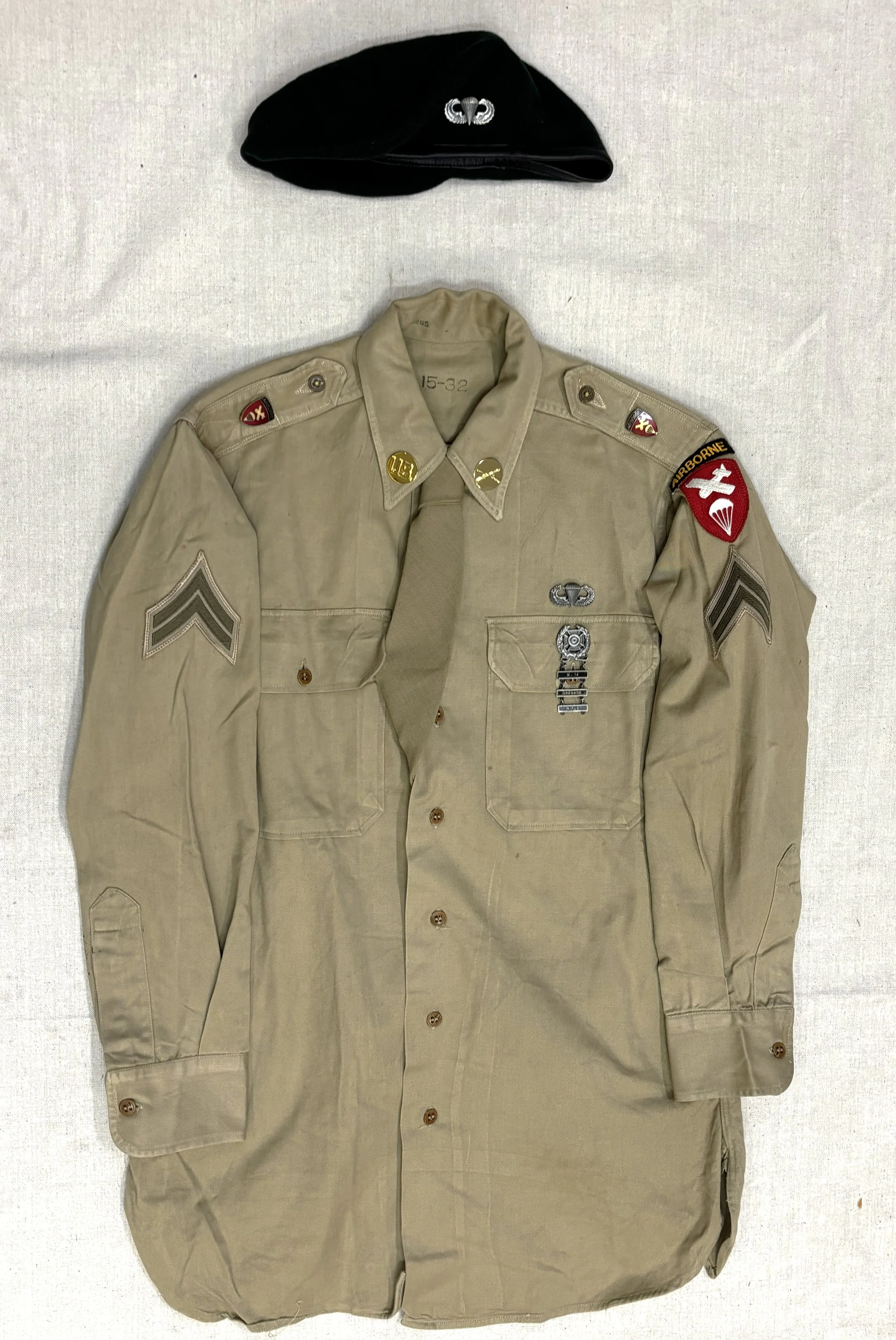
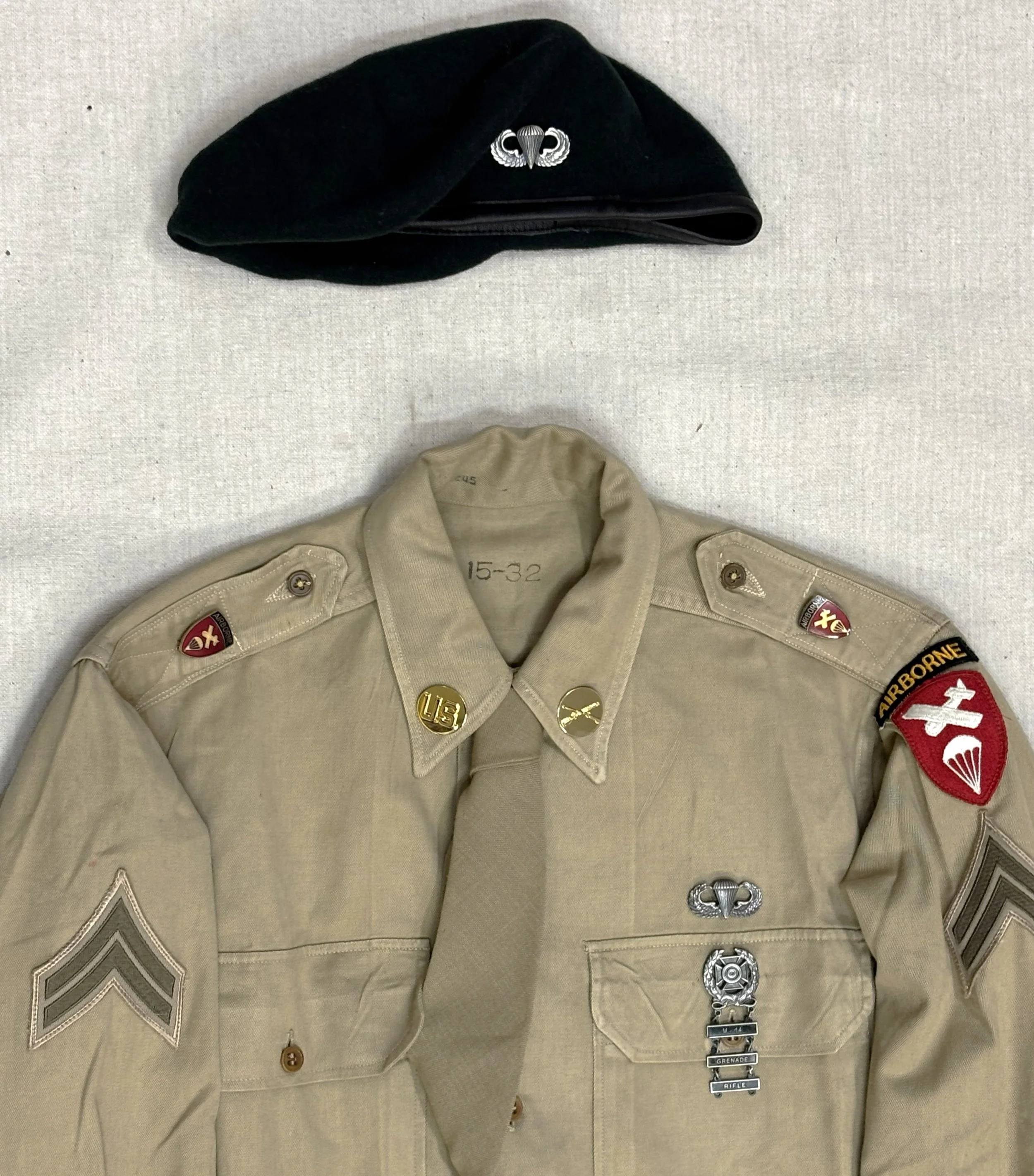
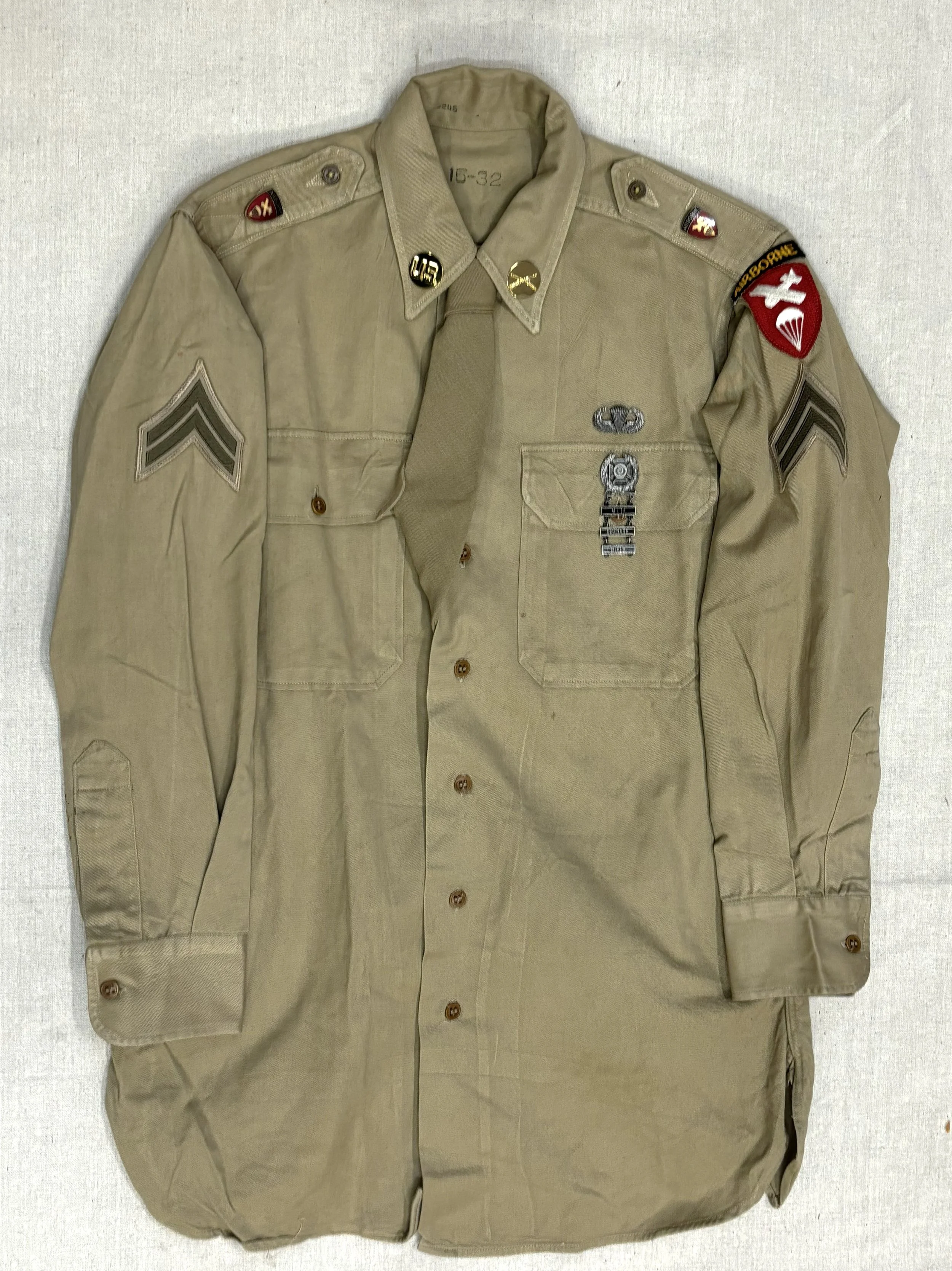
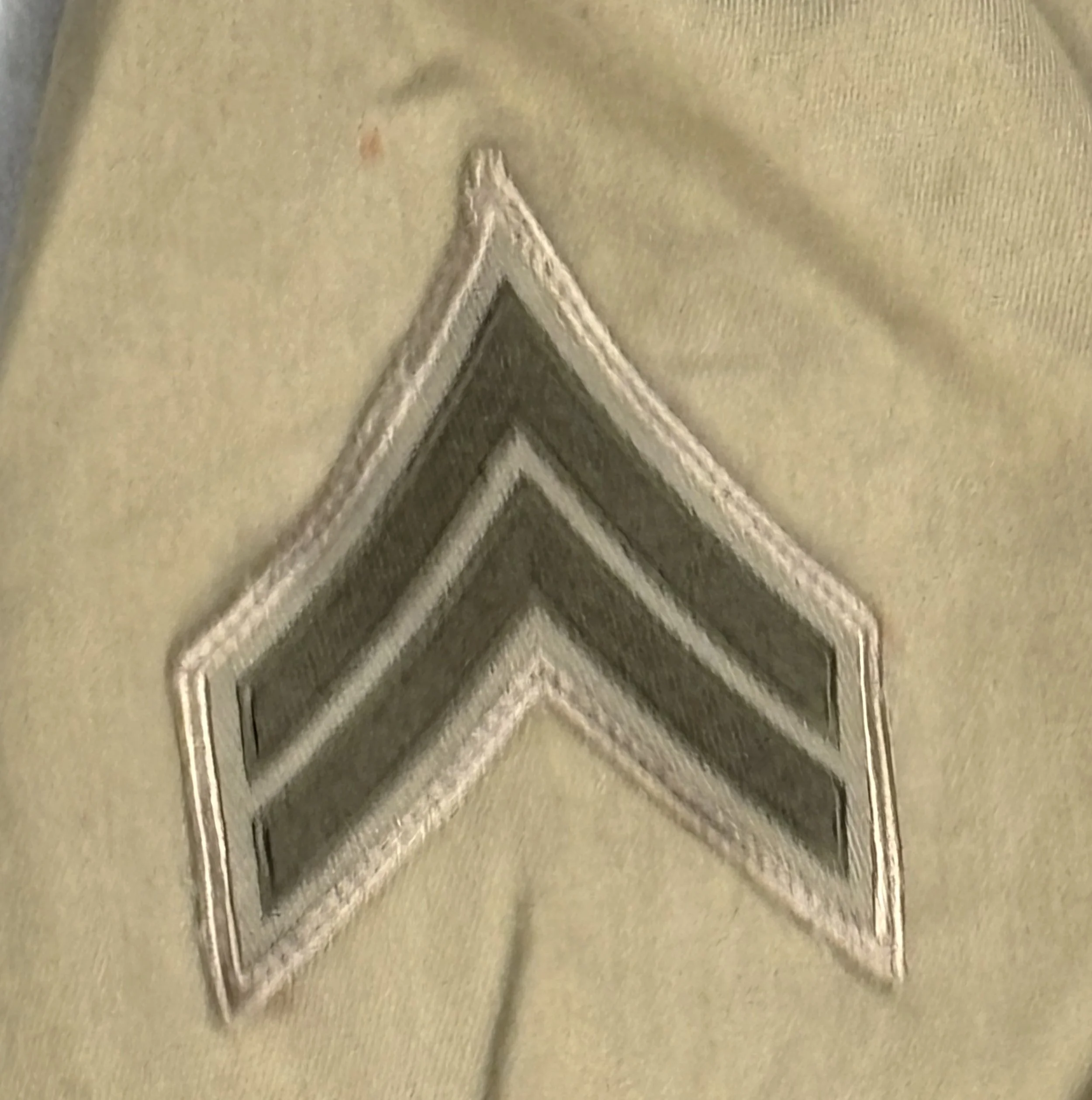
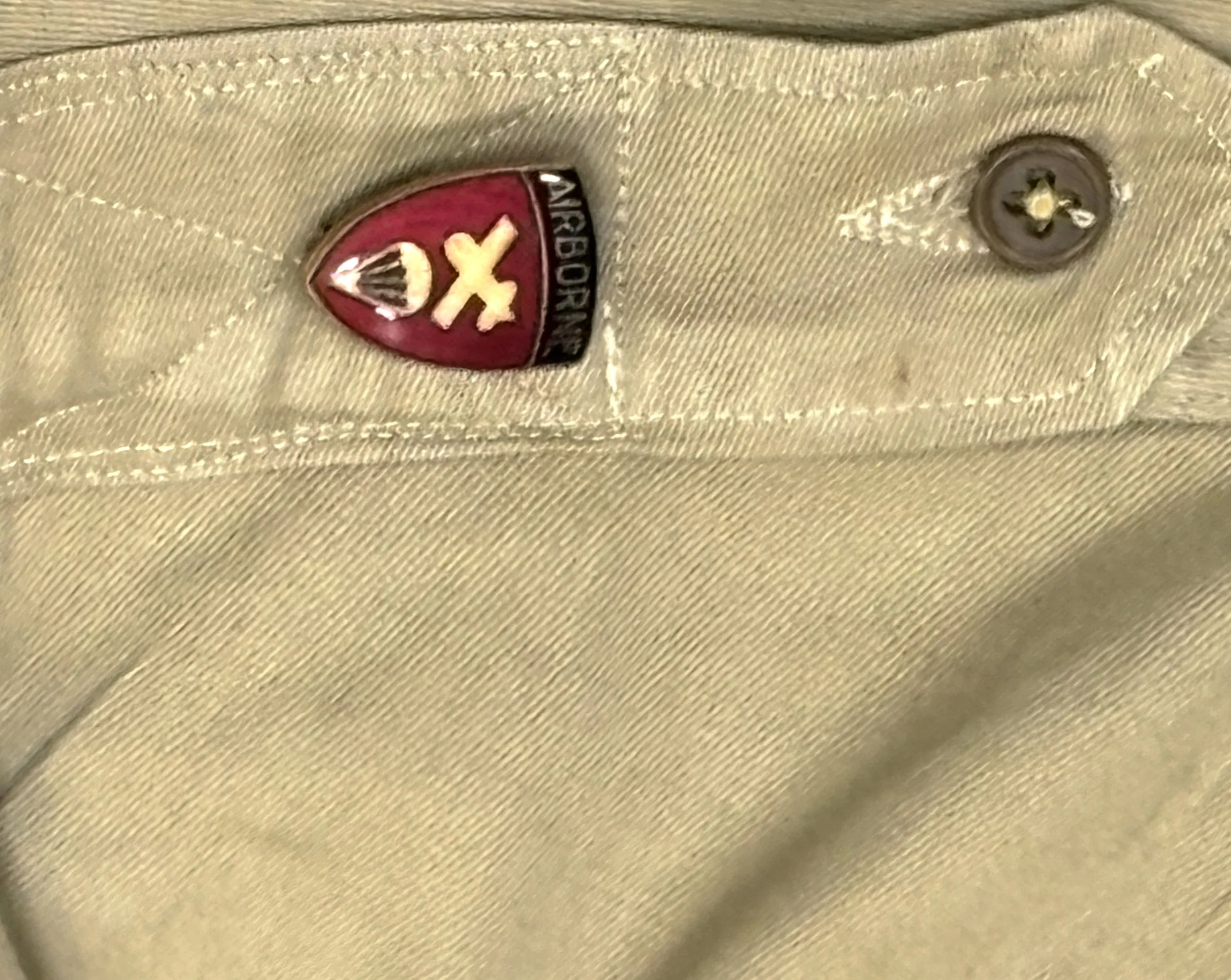
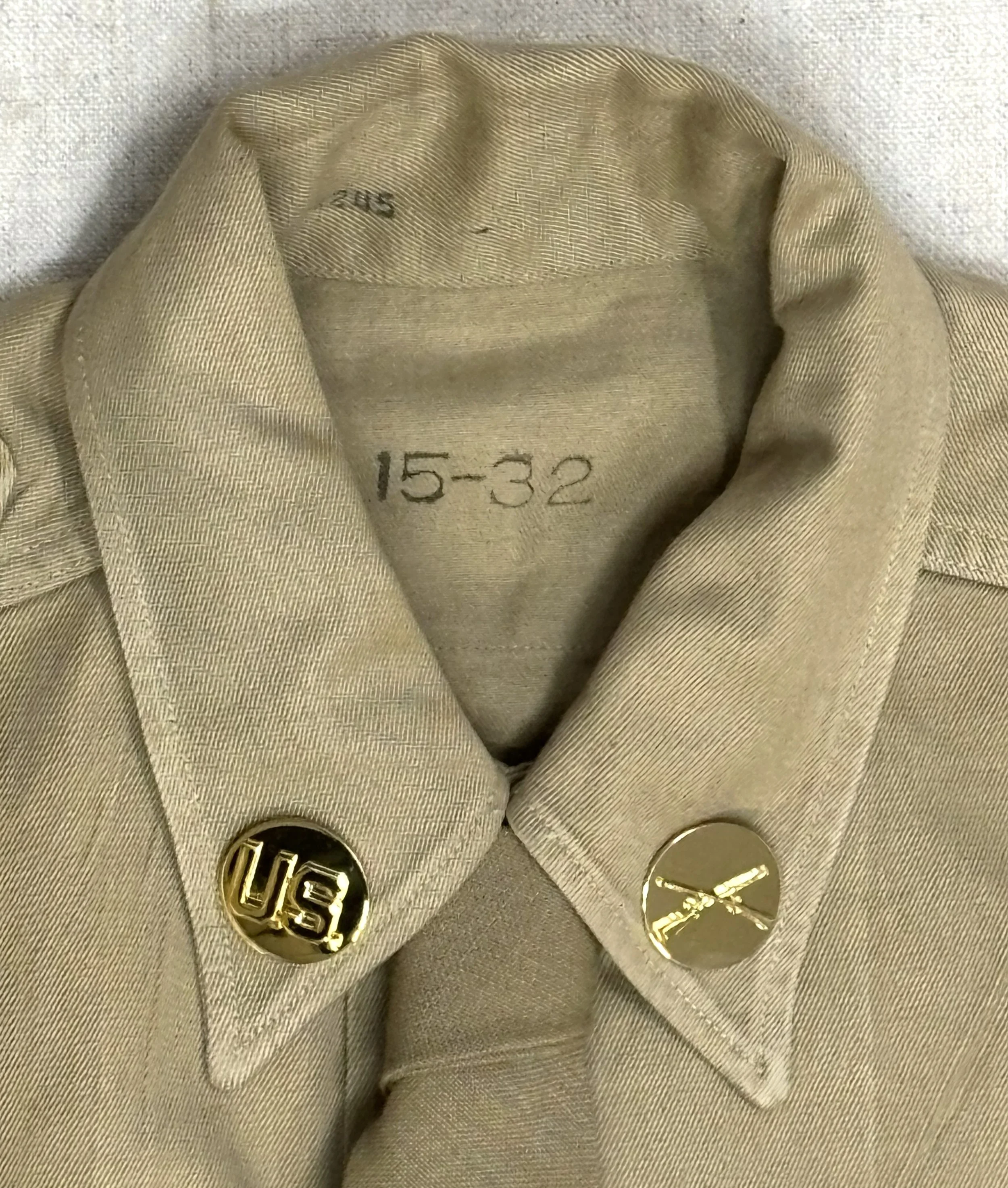
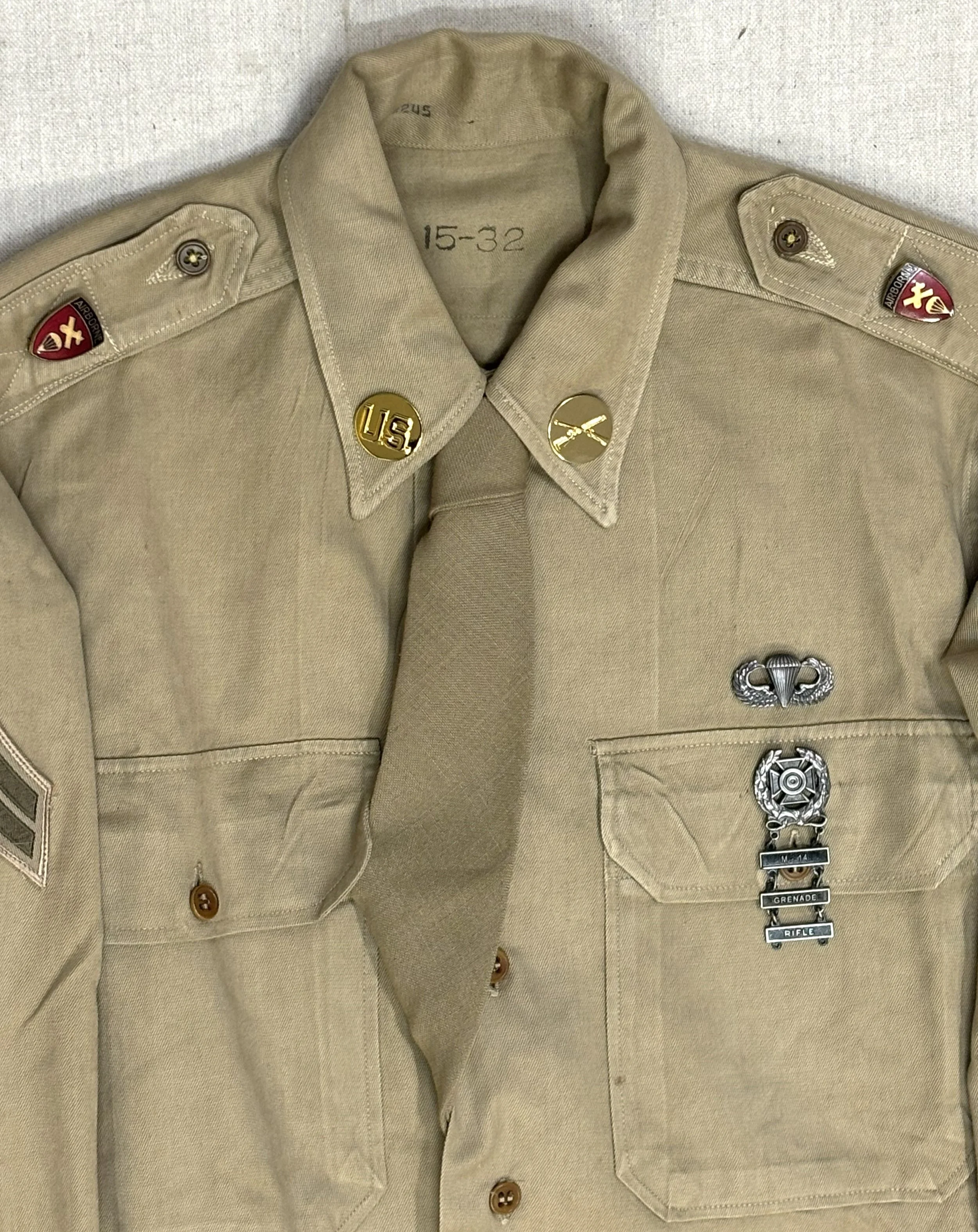
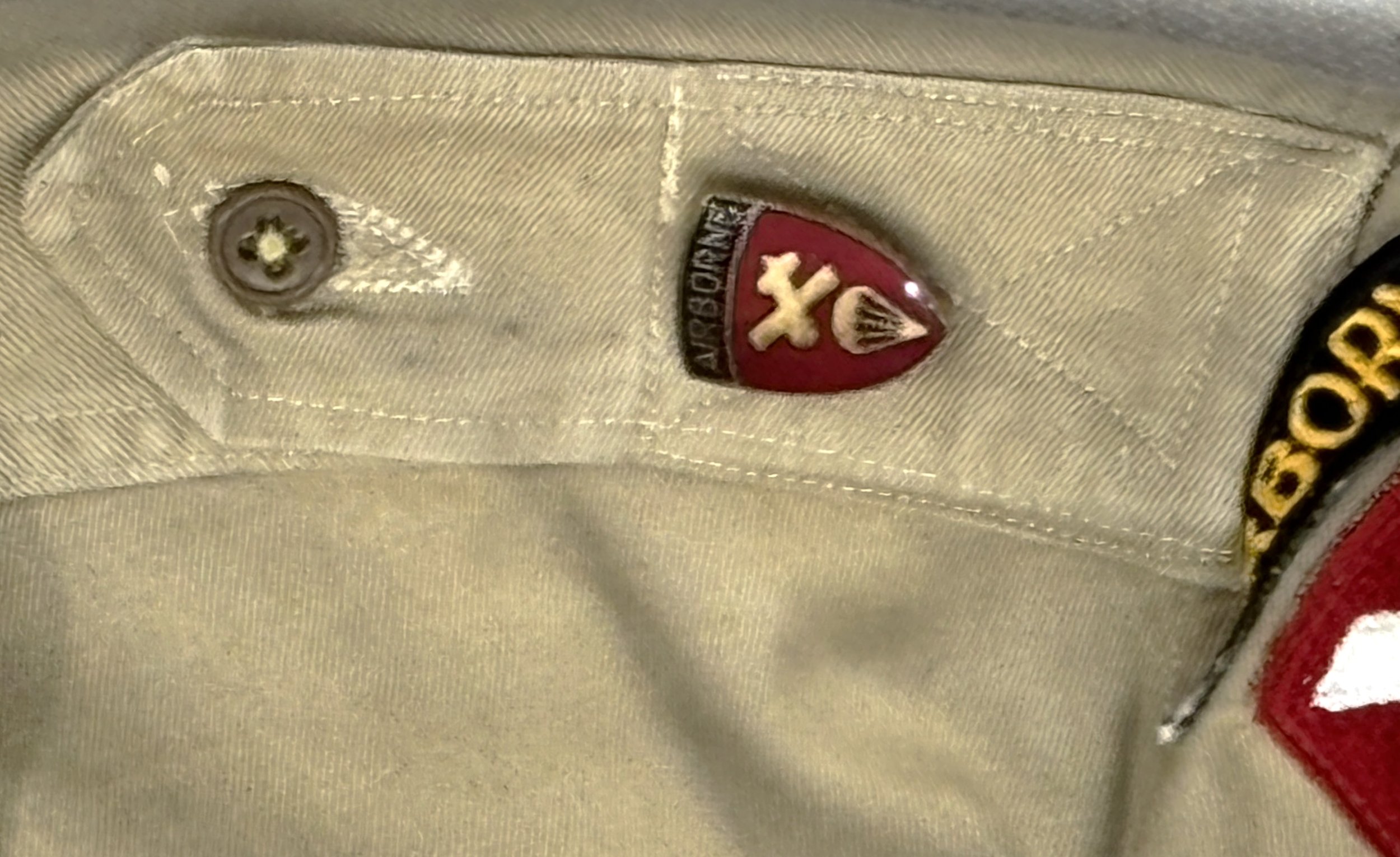
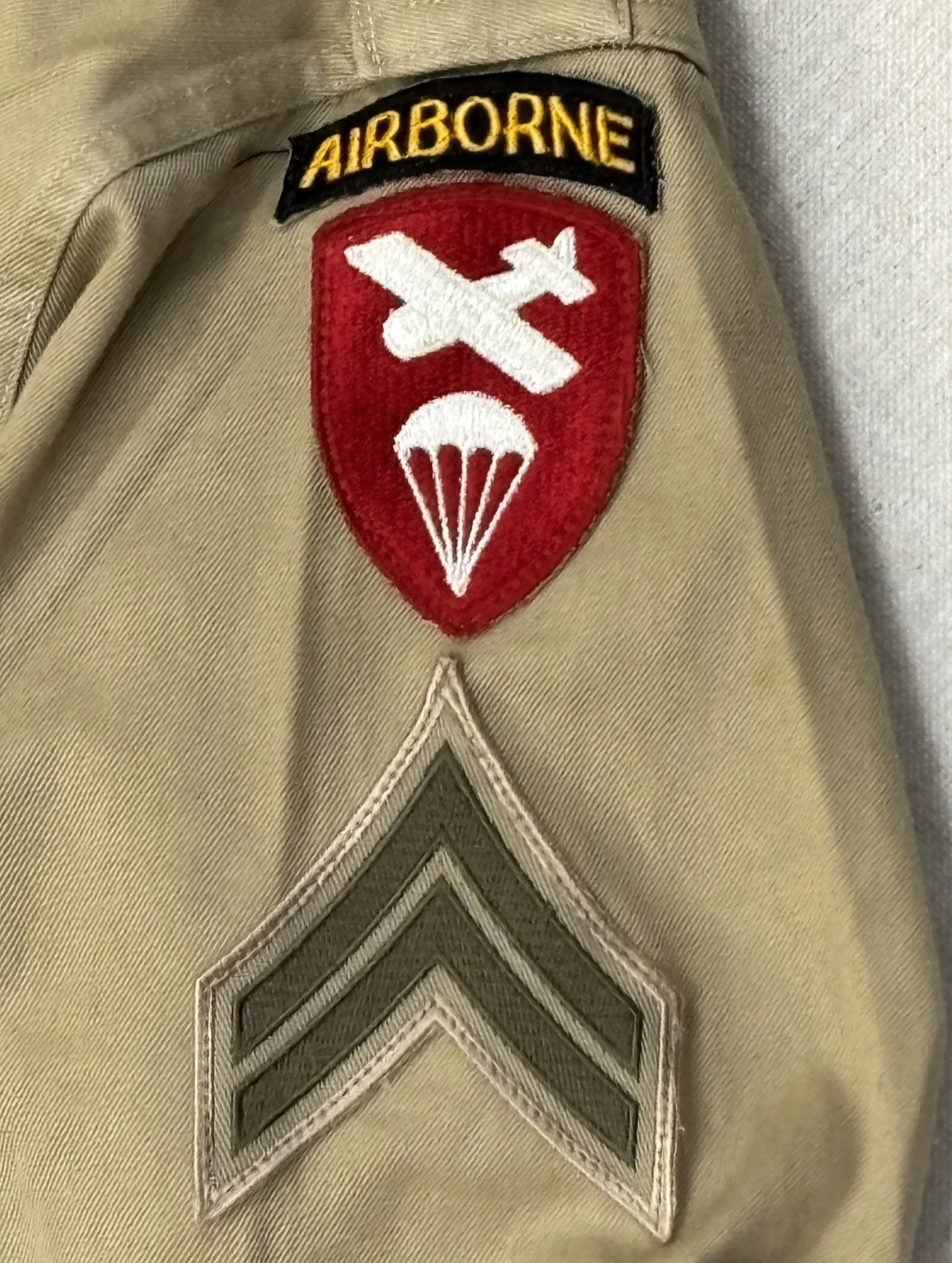
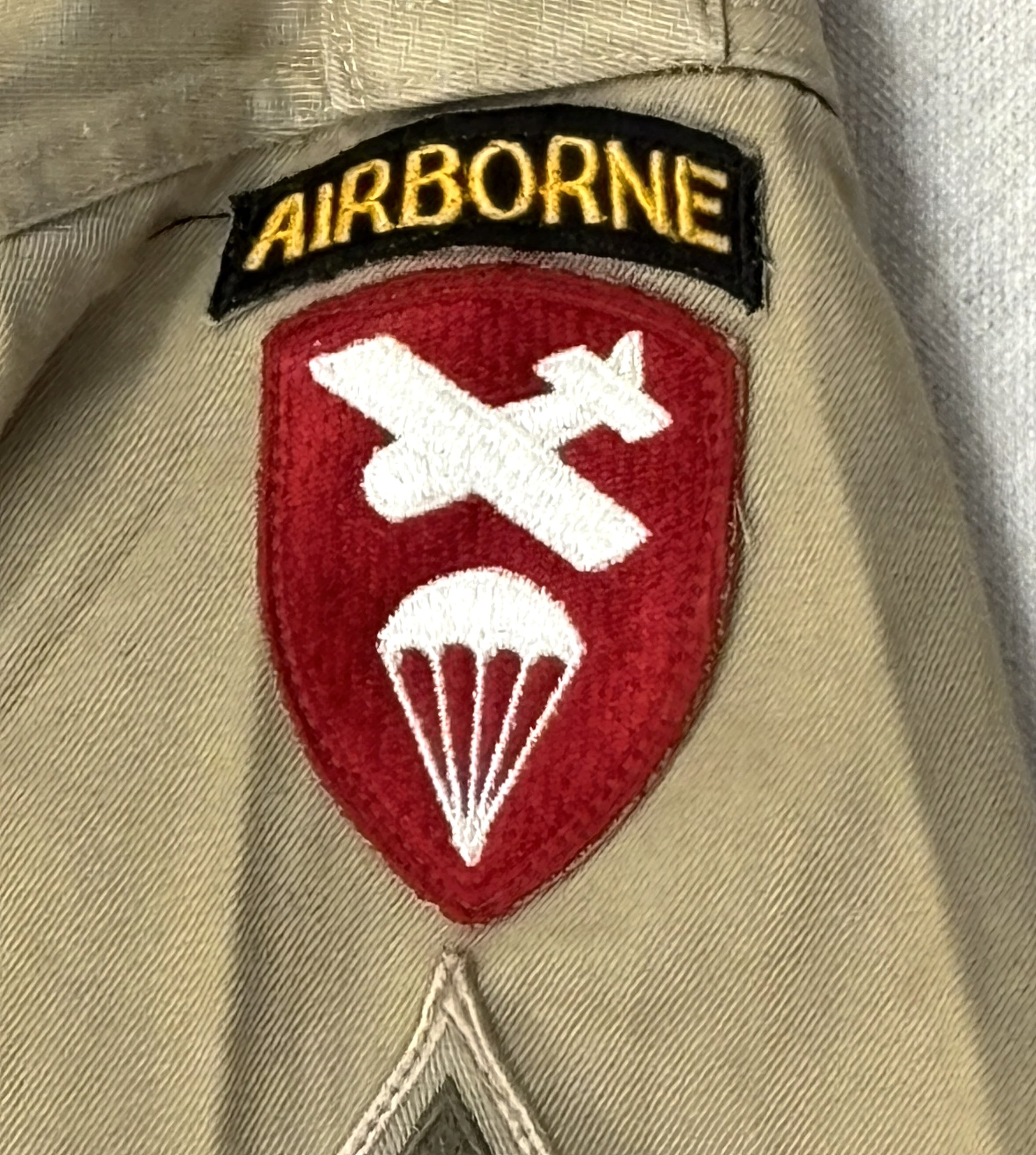
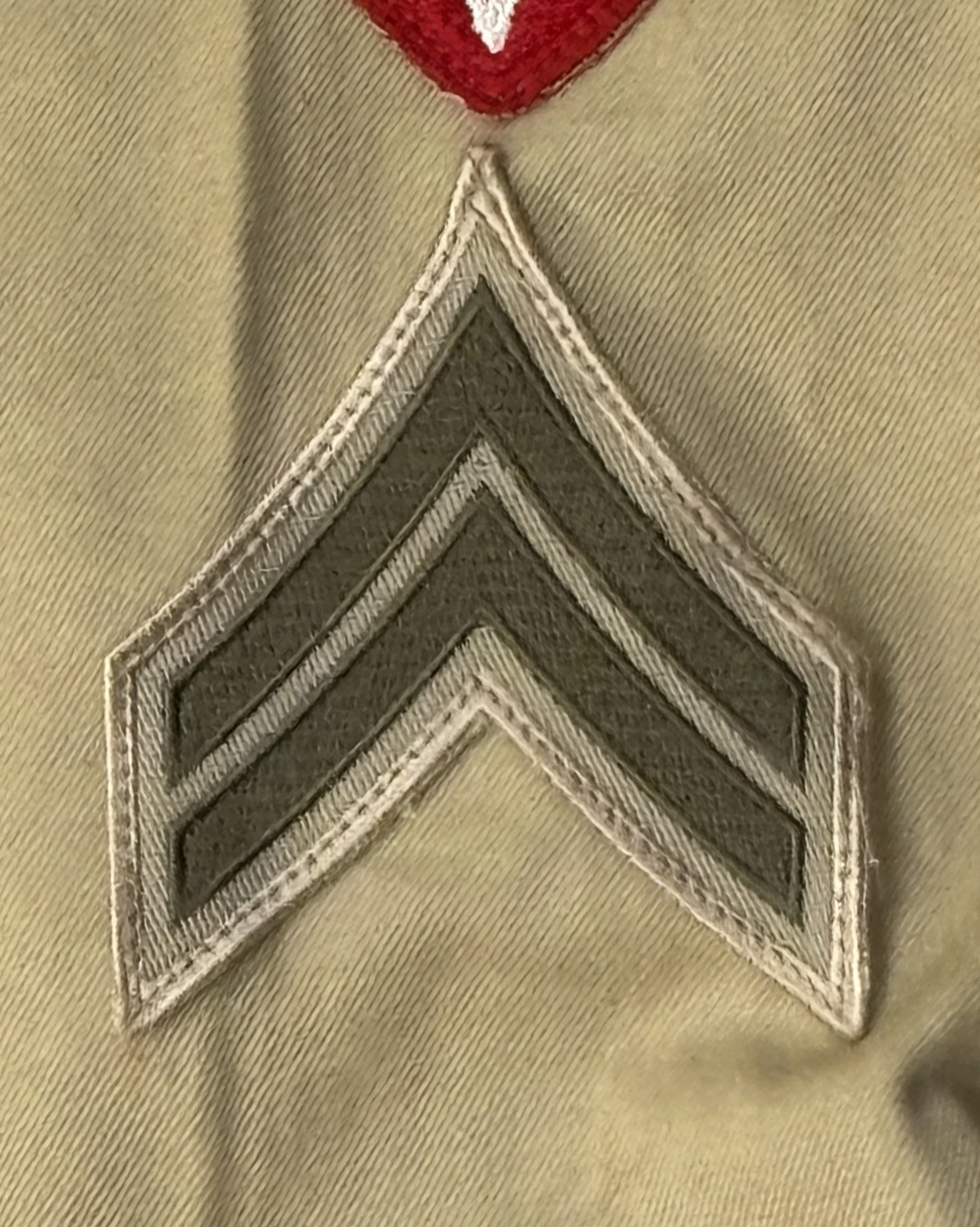
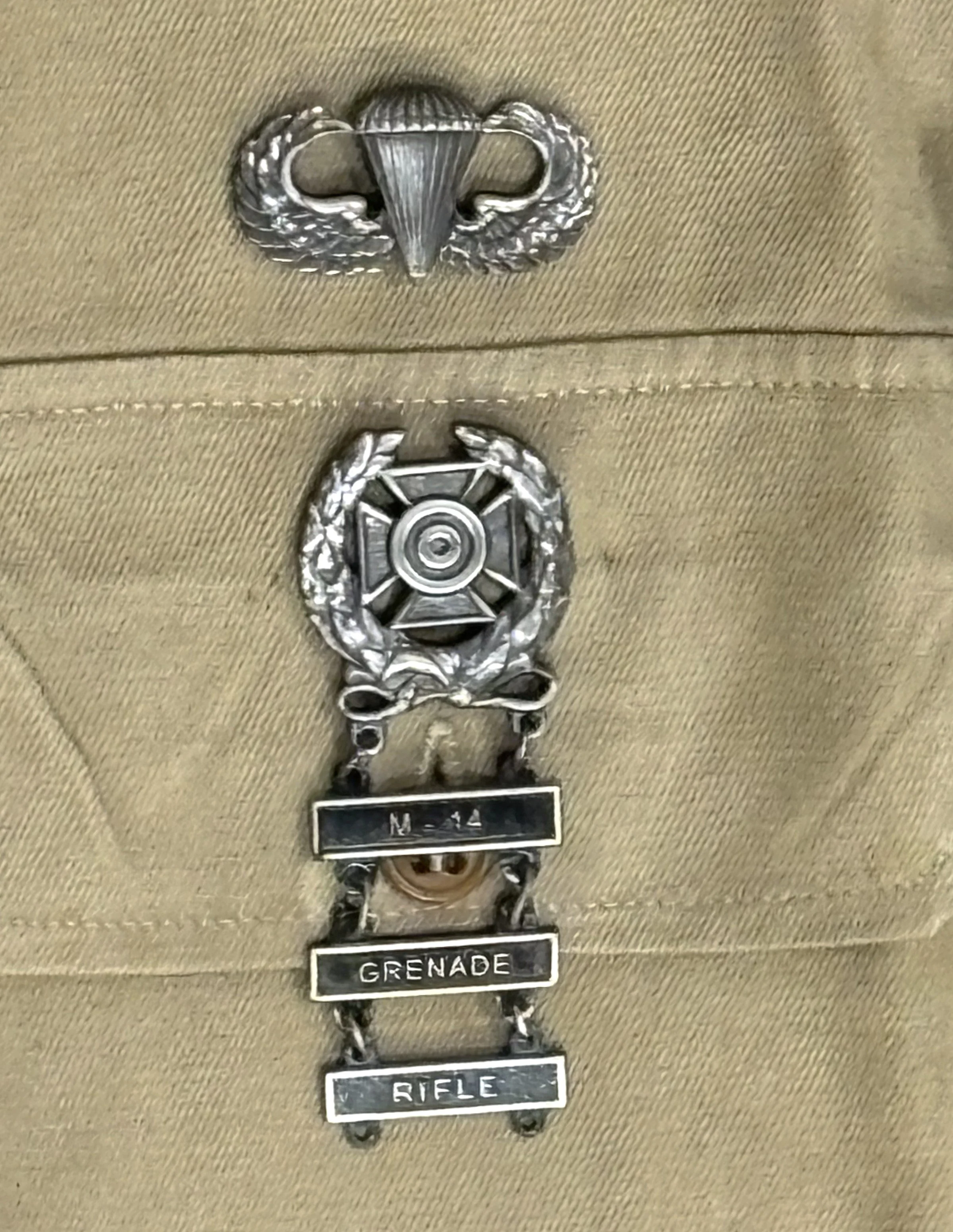
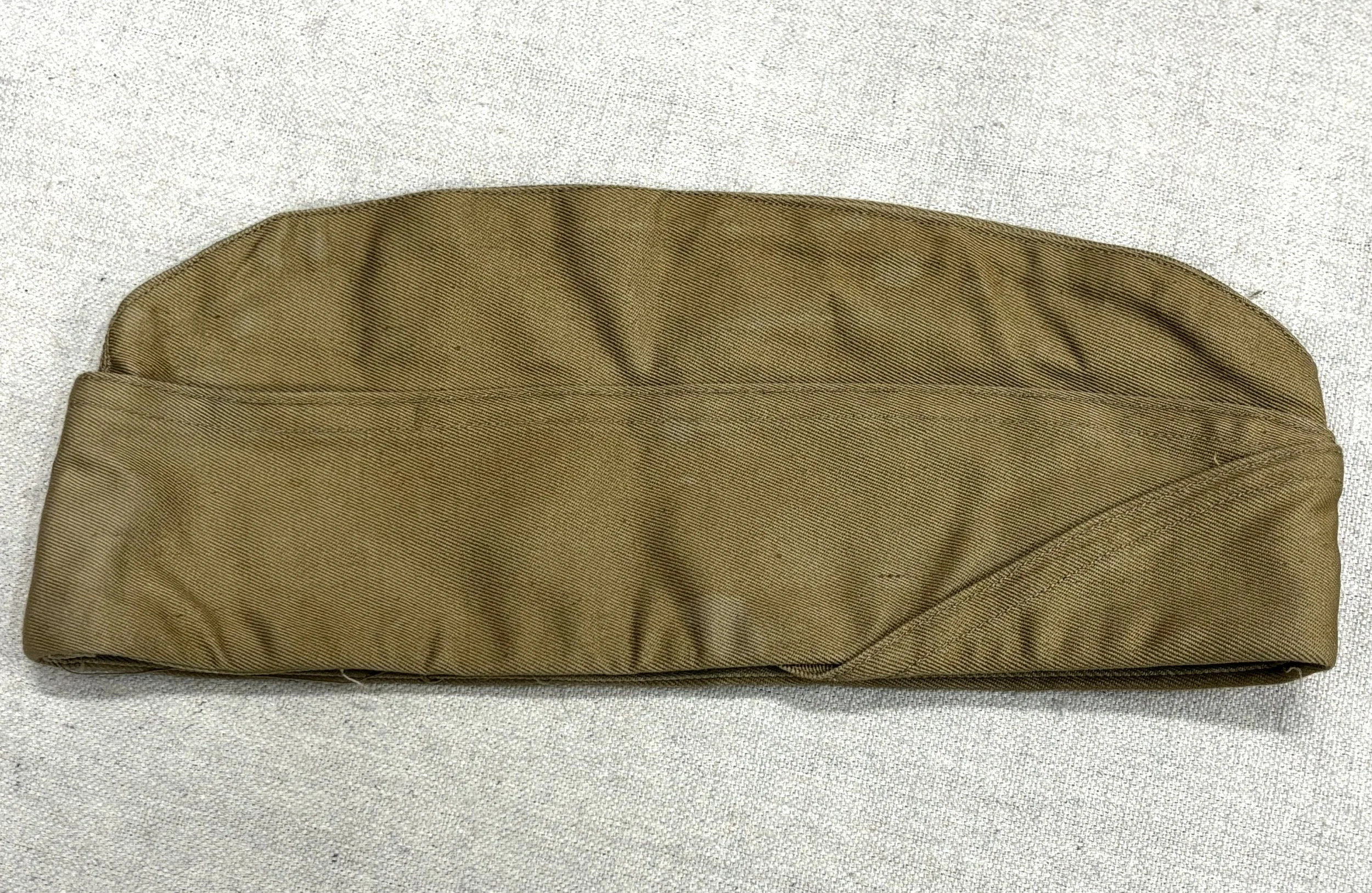
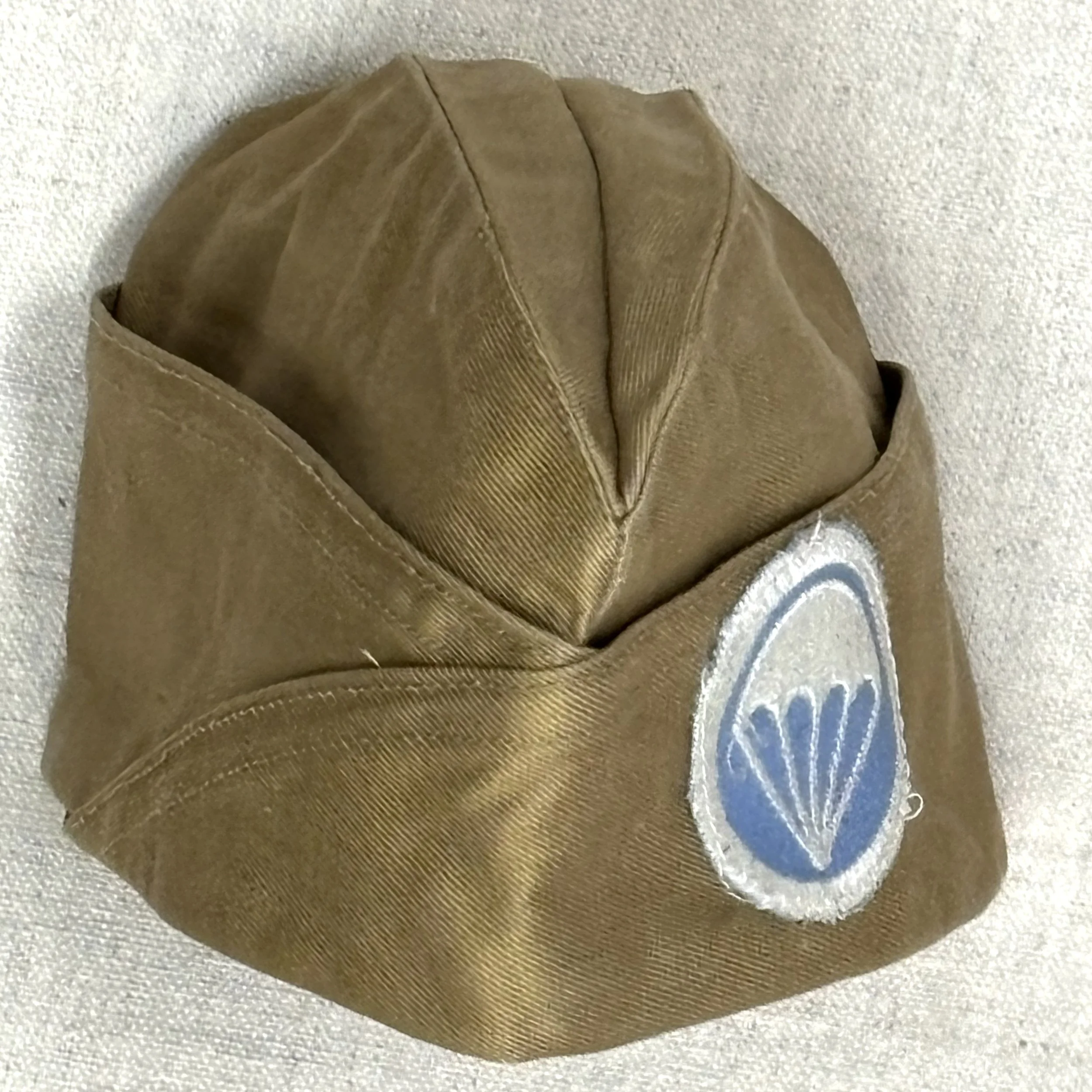
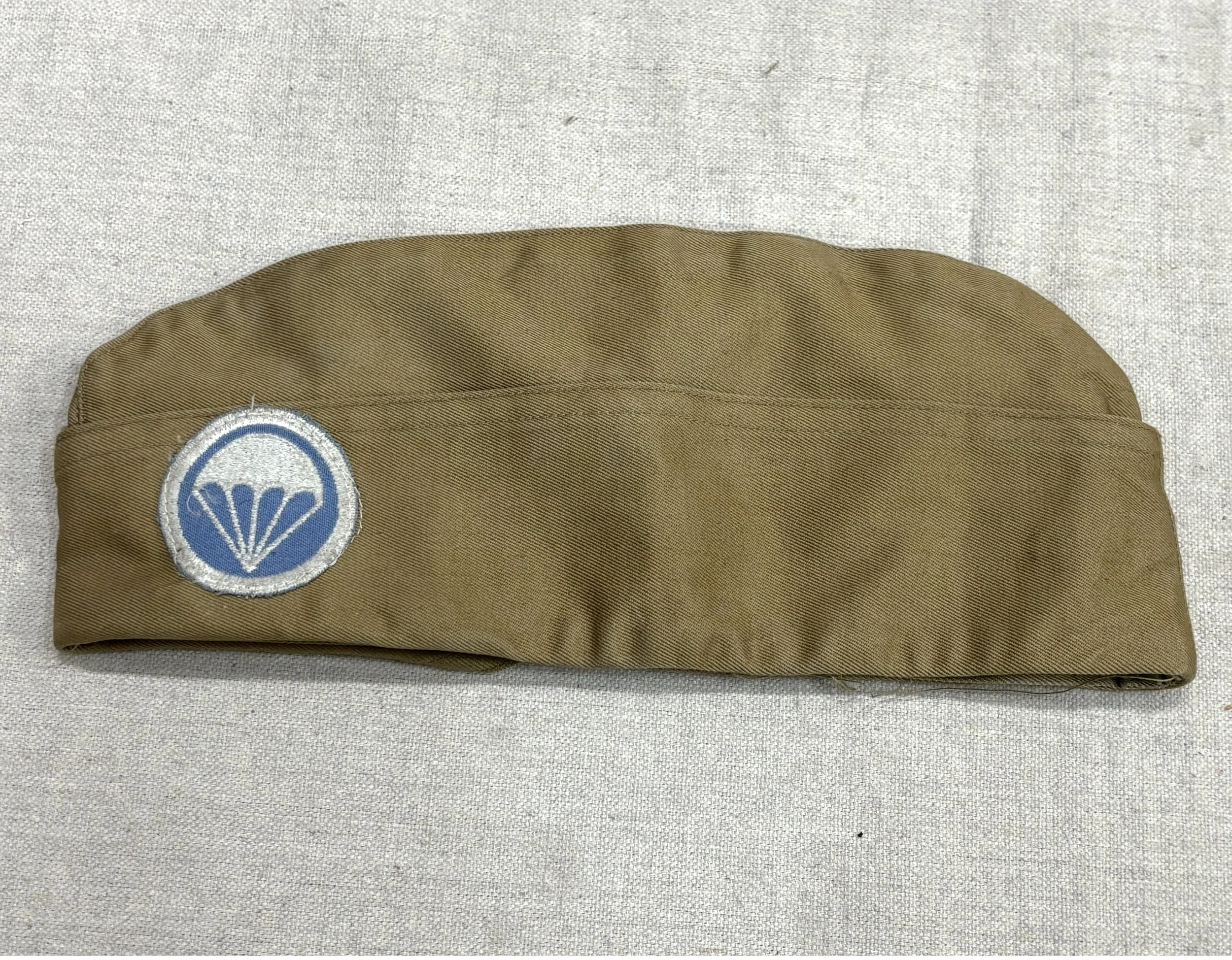
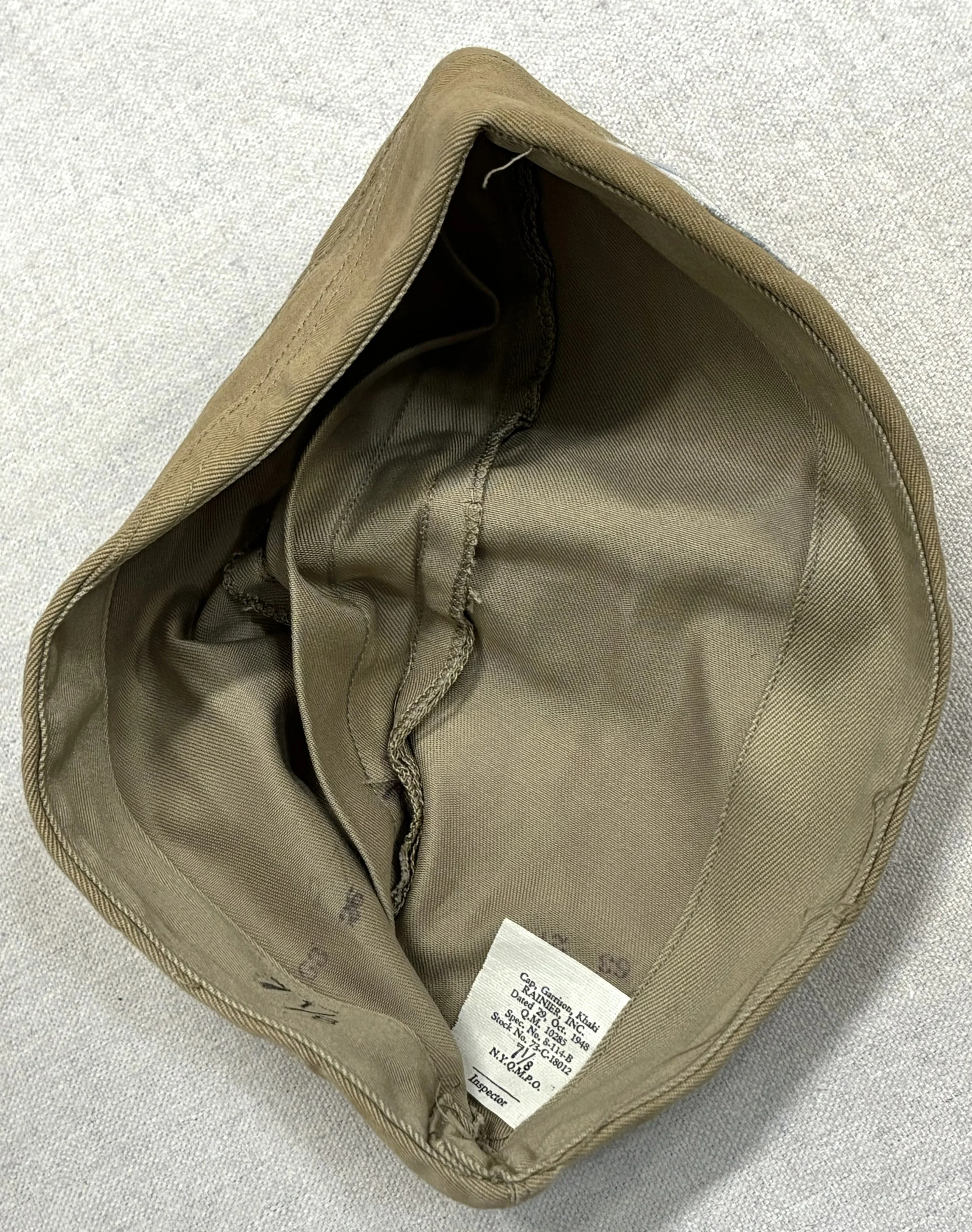
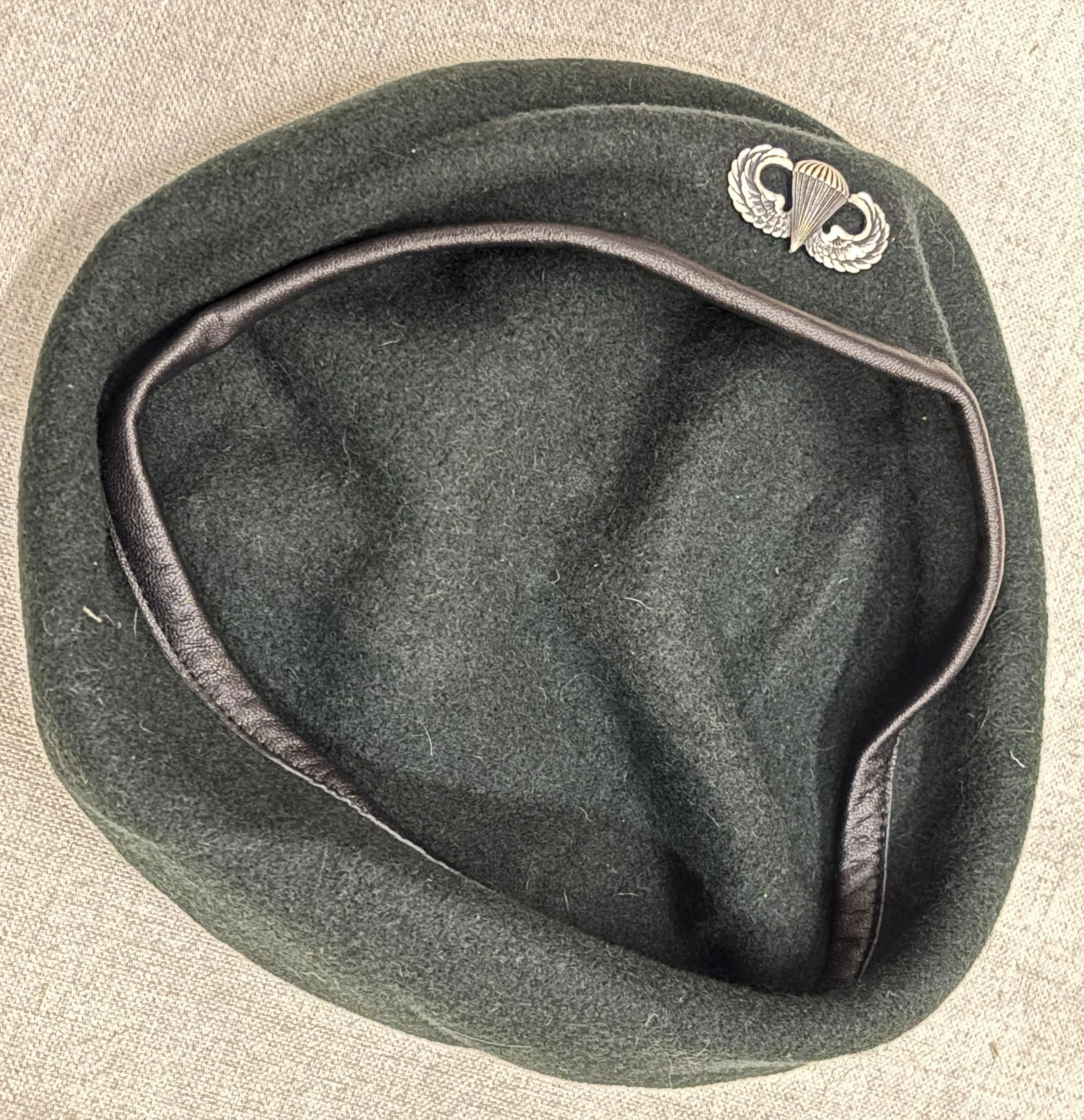
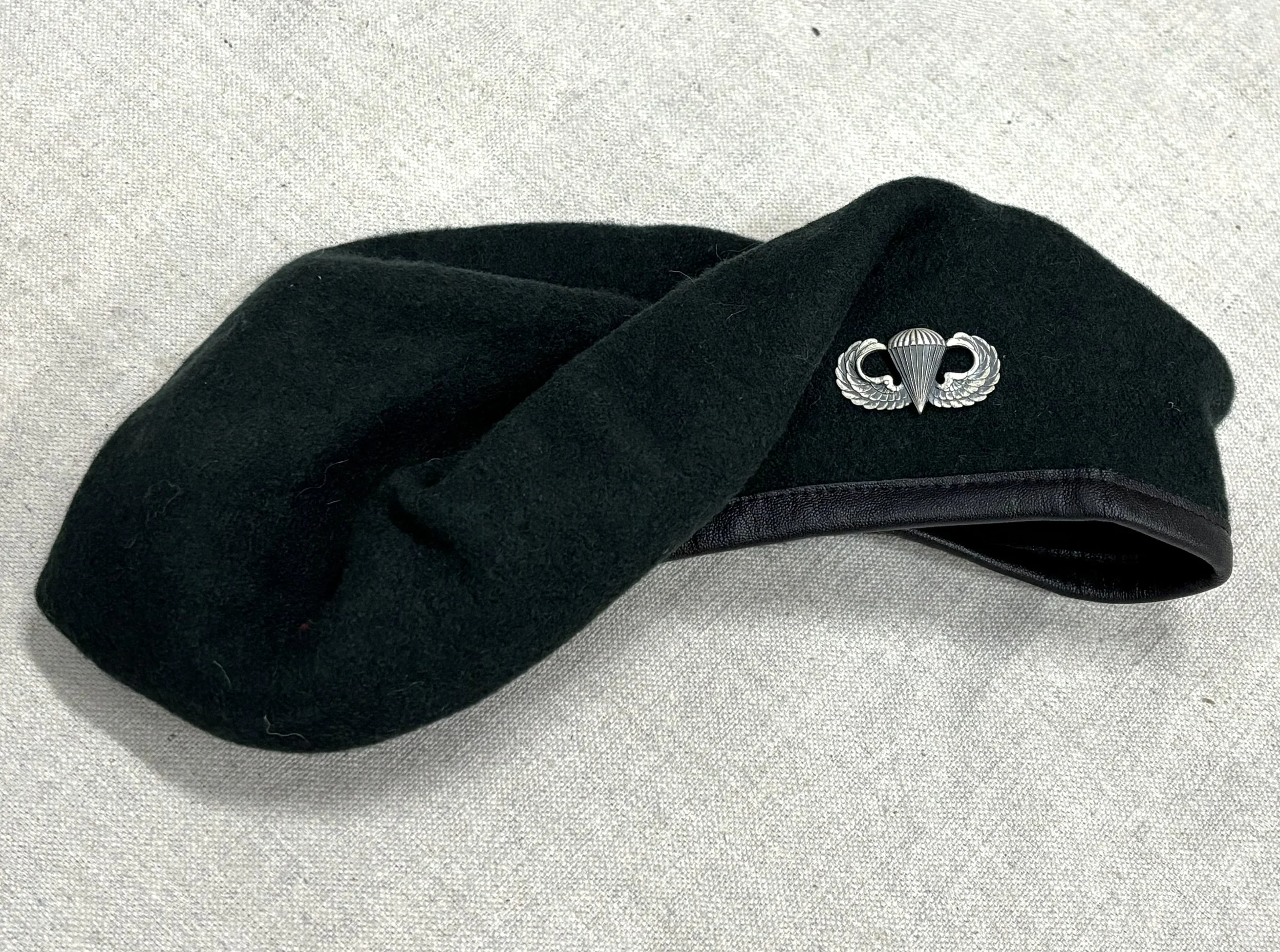
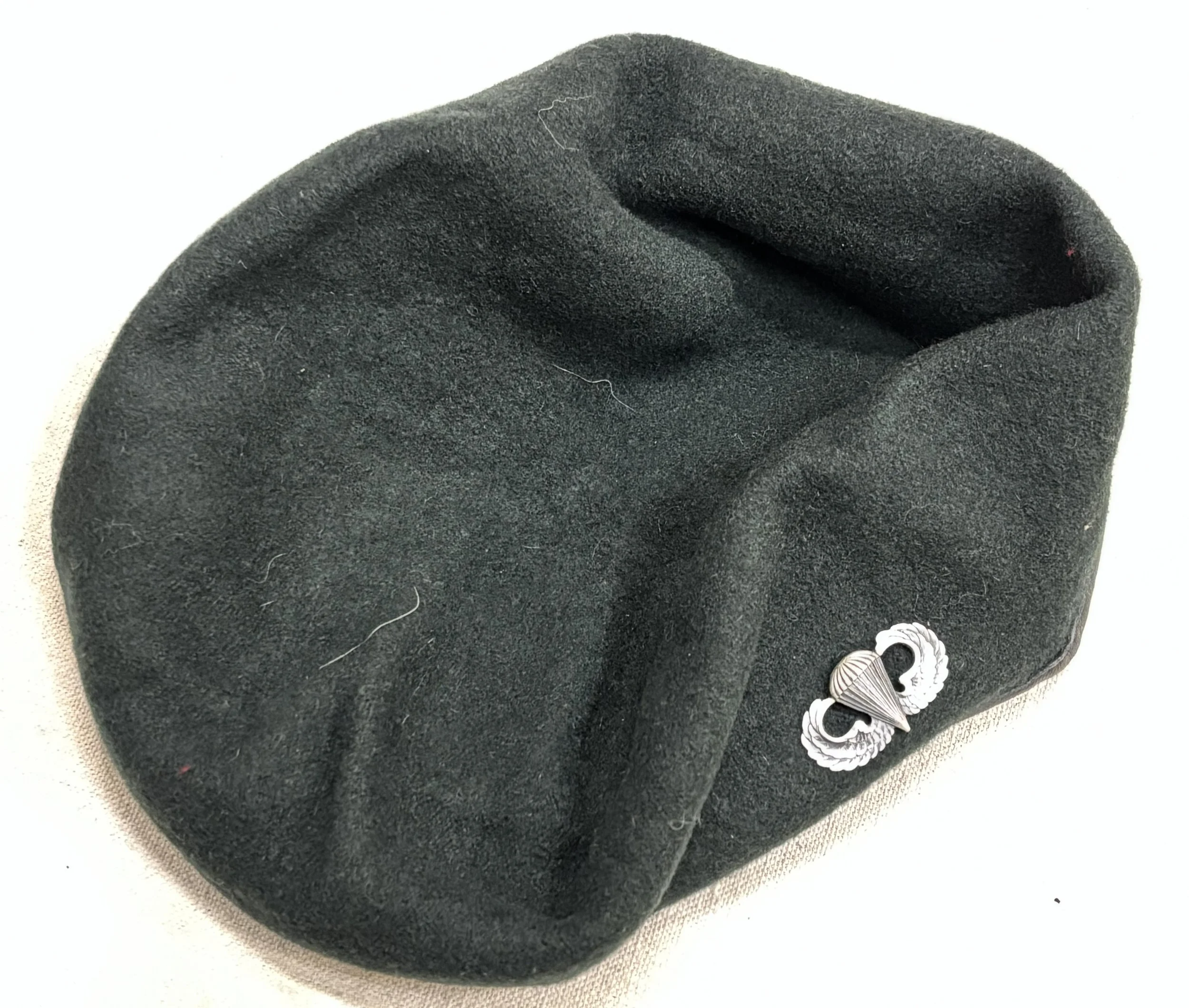
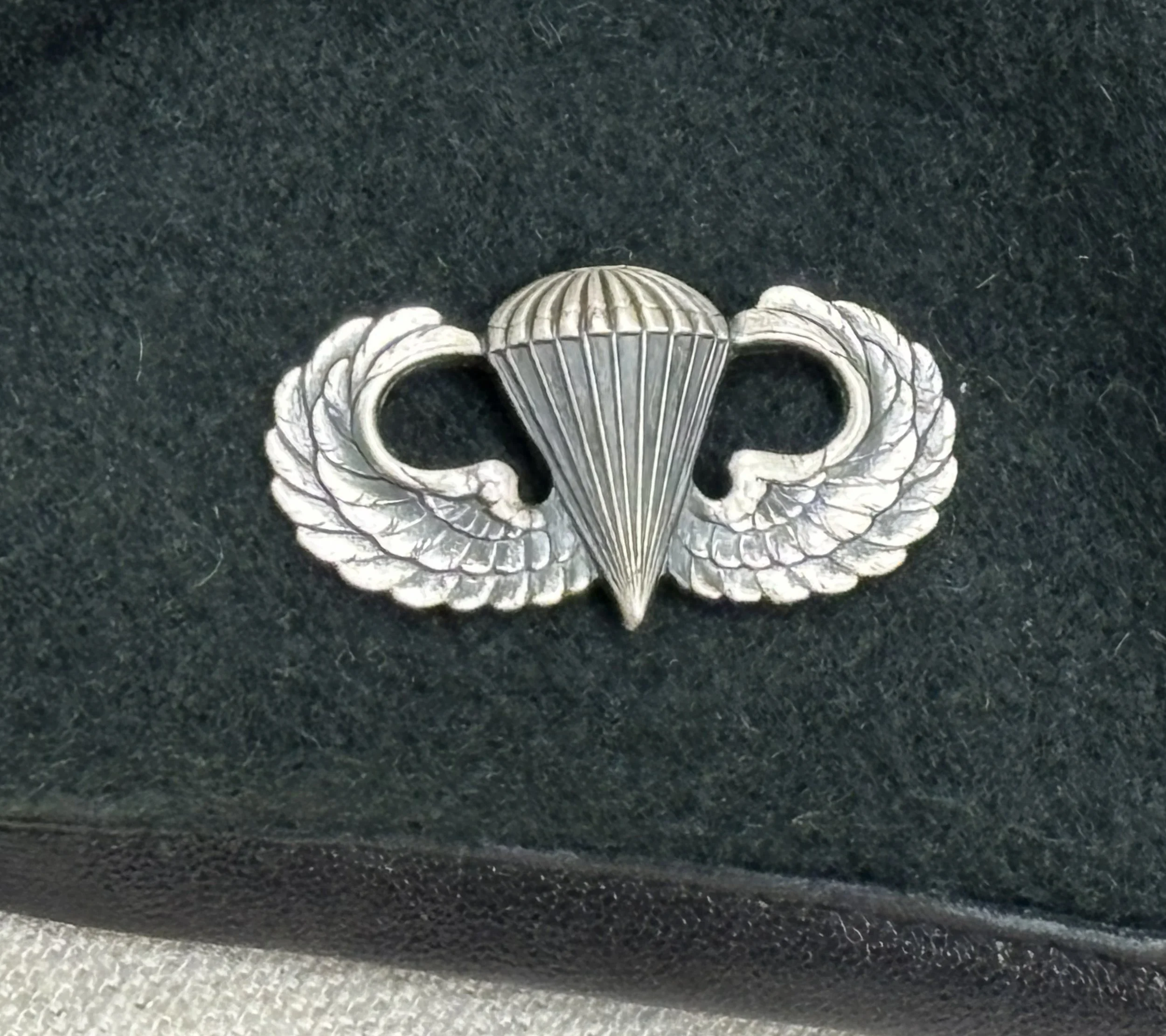
“NEW” Corporal, Airborne Command, late 1950s:
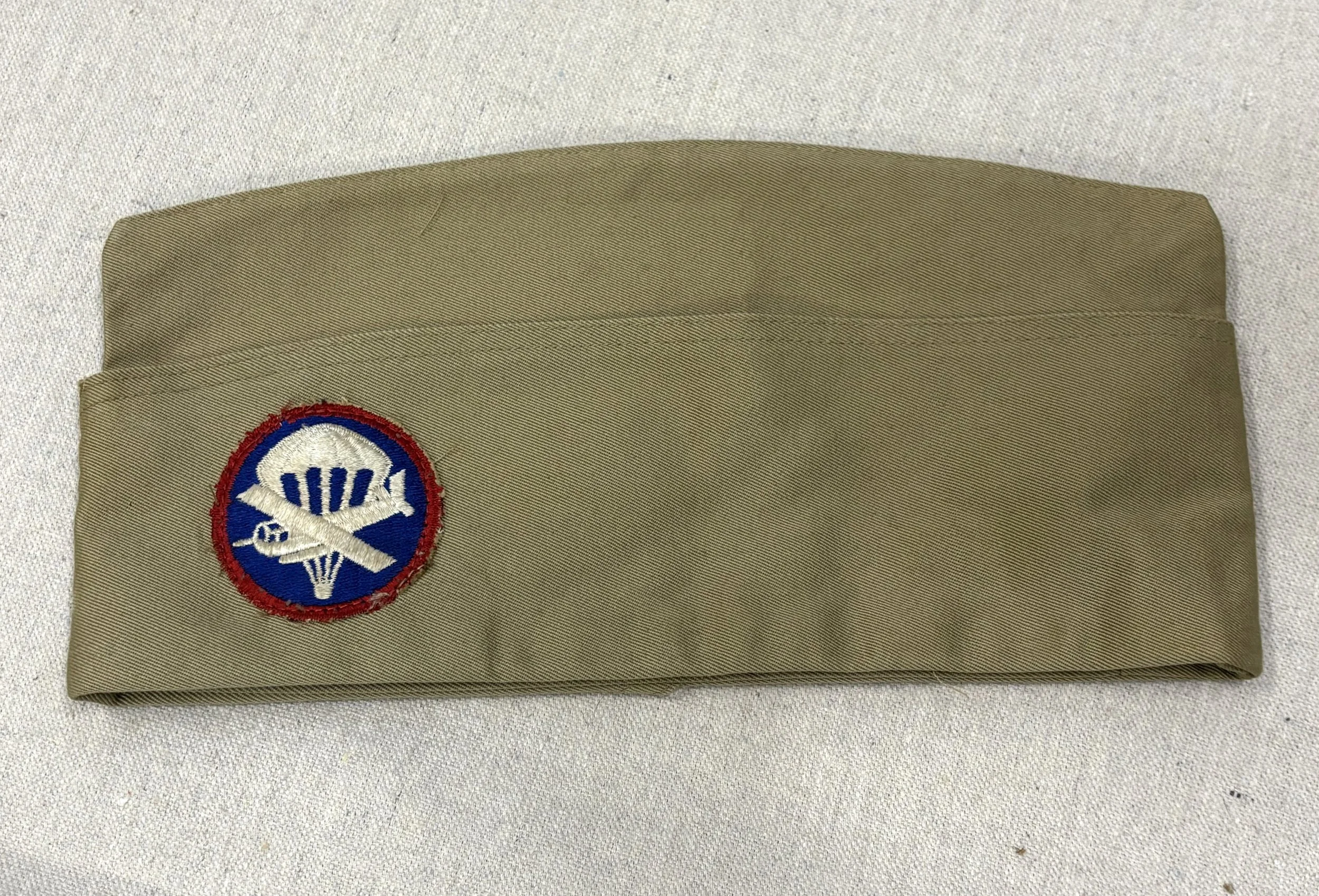
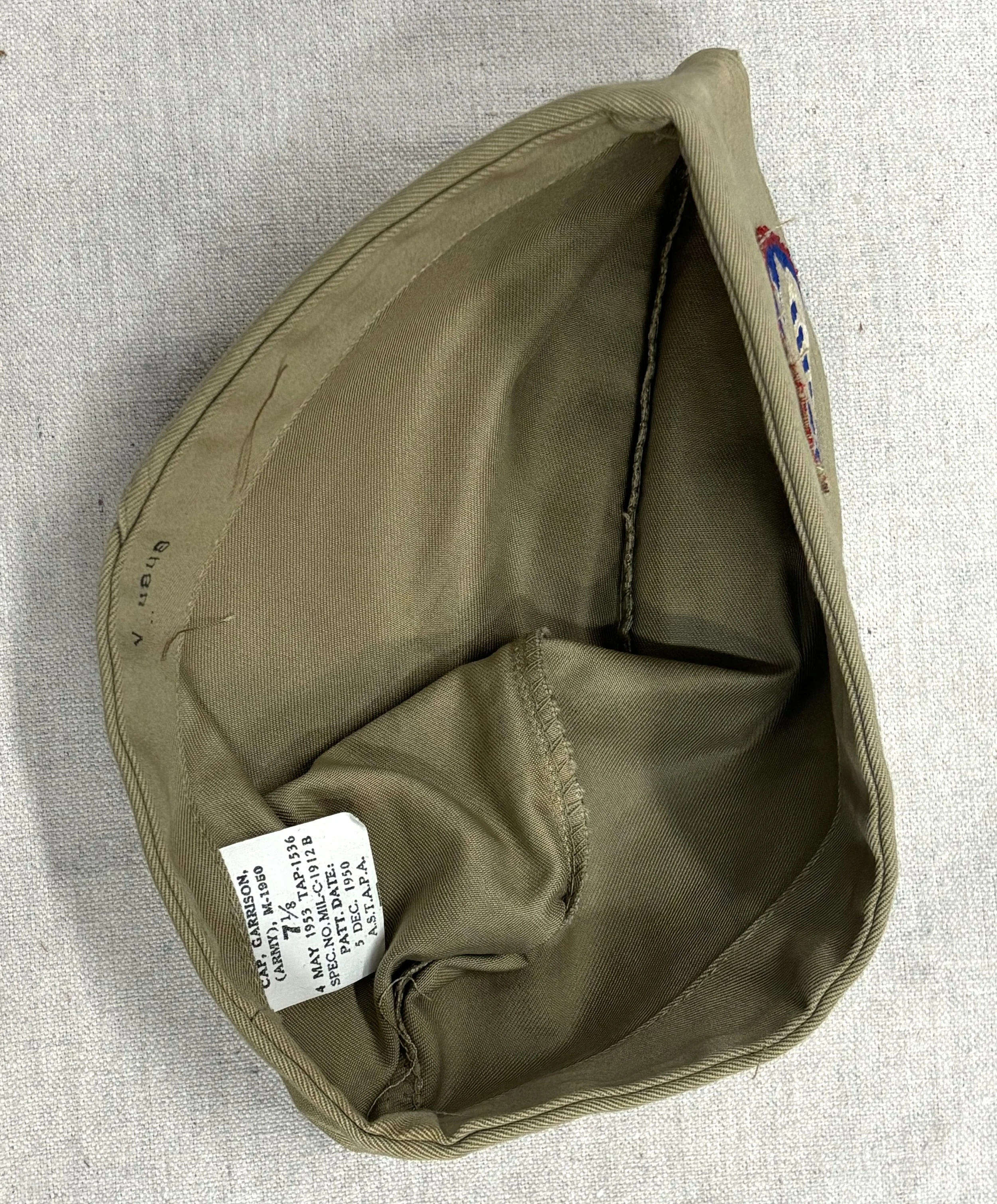
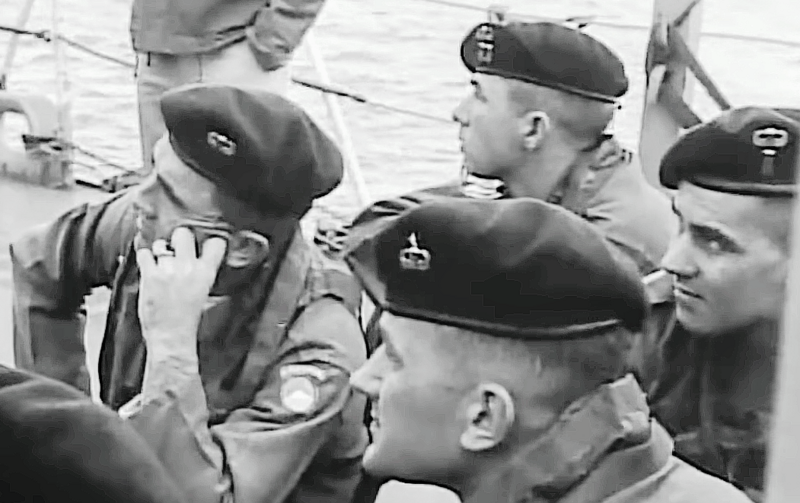
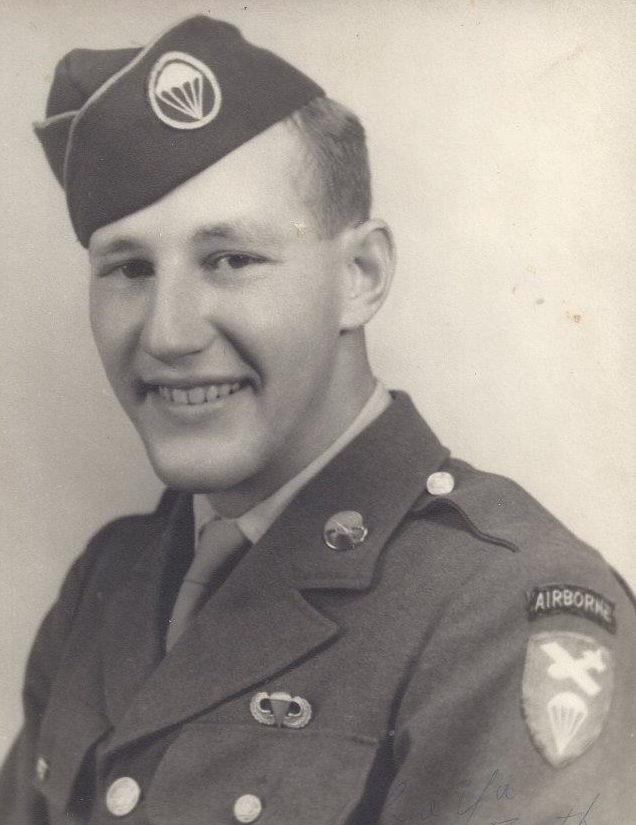
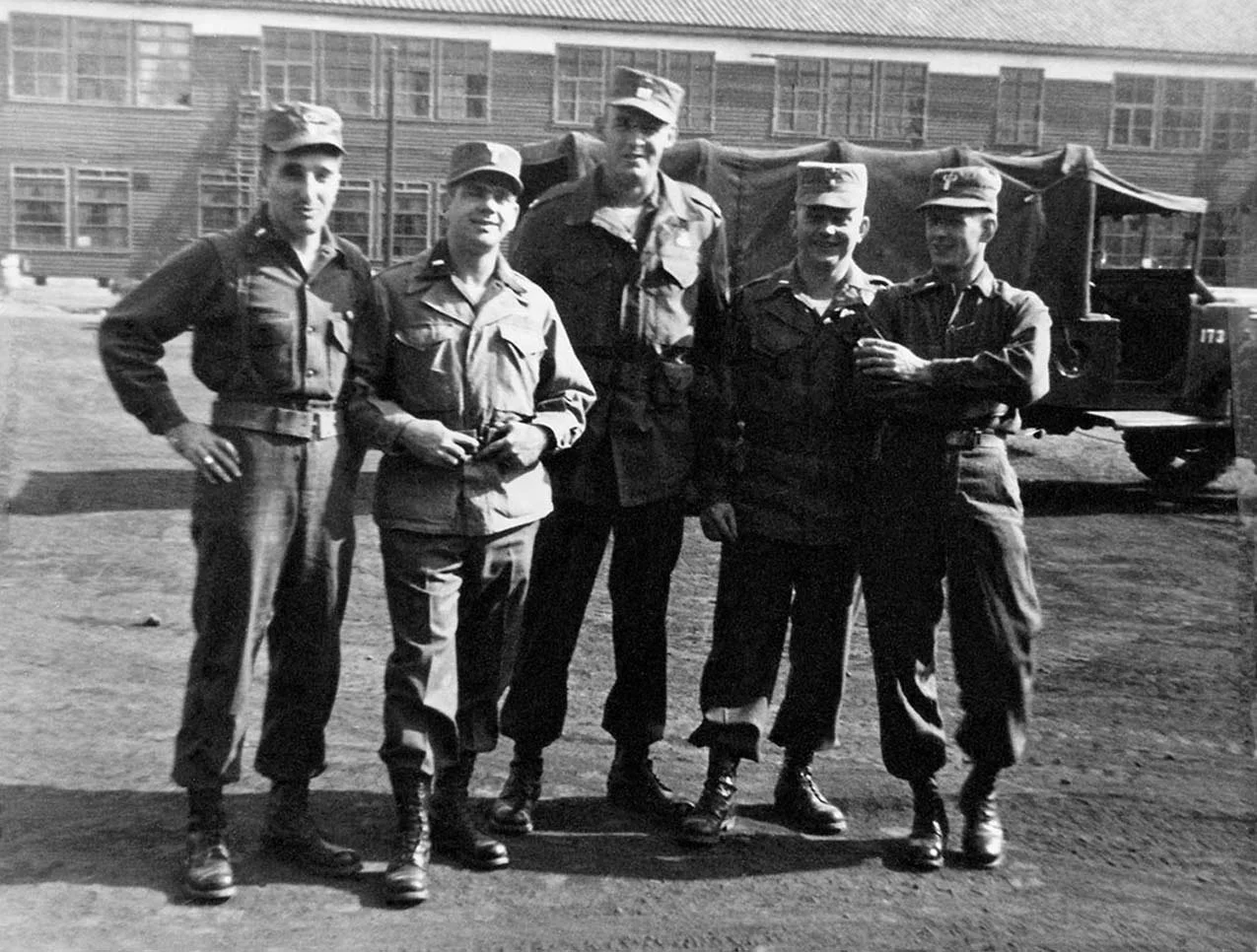
I heard several stories, and actually had to call bull shit on some of them. Then my research and book reading led me to more of the story, and there were “Special units in WWII, and during the Korean War too, and afterwards. And the stories started to overlap; still photos were few, still are, so I’ll be starting here, with the Airborne Command, basically a front to their operation, and their training. There were others in the Pacific Command, Etc. I’m thinking some would have looked something like this while strolling around the base, wearing the beret when with their group, like in the barracks. So I’m going to go through the next half-dozen uniforms, what I could come up with, what I’ll call the transition period. There were not a lot of photos really taken of these people; the “Un-Official Insignia” was their cover. They were on a need-to-know basis and specially trained in many different operations; they worked secretly, didn’t advertise, and came from many different specialties and fields, becoming an official entity just before the Vietnam War….Officially Started with the US. We can say there obviosly was clandesten operations , that had adoped the American for mof the Commands from England, and France, etc, of couse we had ourse with the first special forces, in Italy, with mountenairs from the states and Canada, in a joint operation, and there were operations during the Korean War, and many small operations that followed, Then there were operations to get information out of East Germany, and intel reacentl dis-classifide files, and pictures, a lot is still not written I think. But this is what I could come up with.
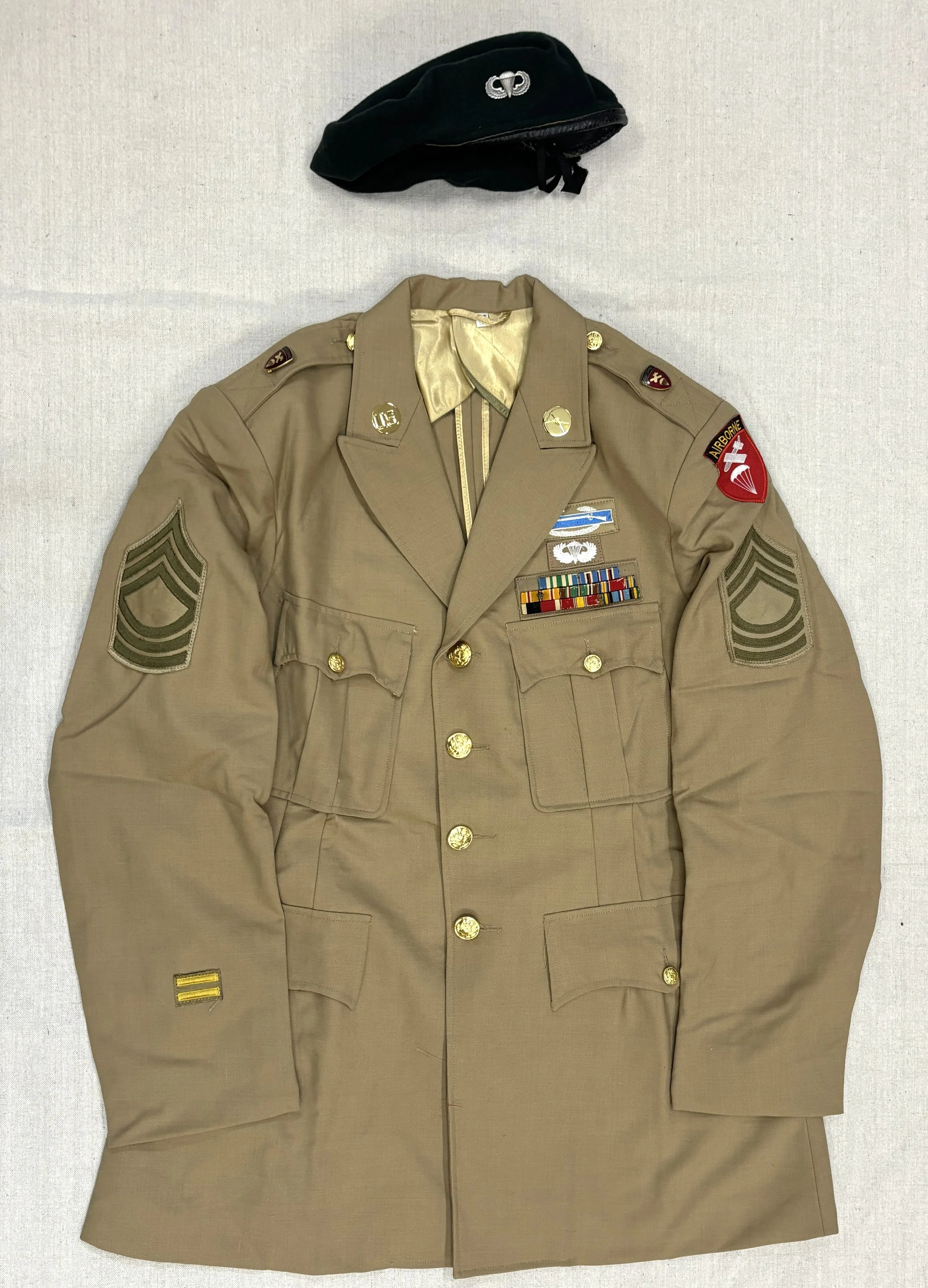
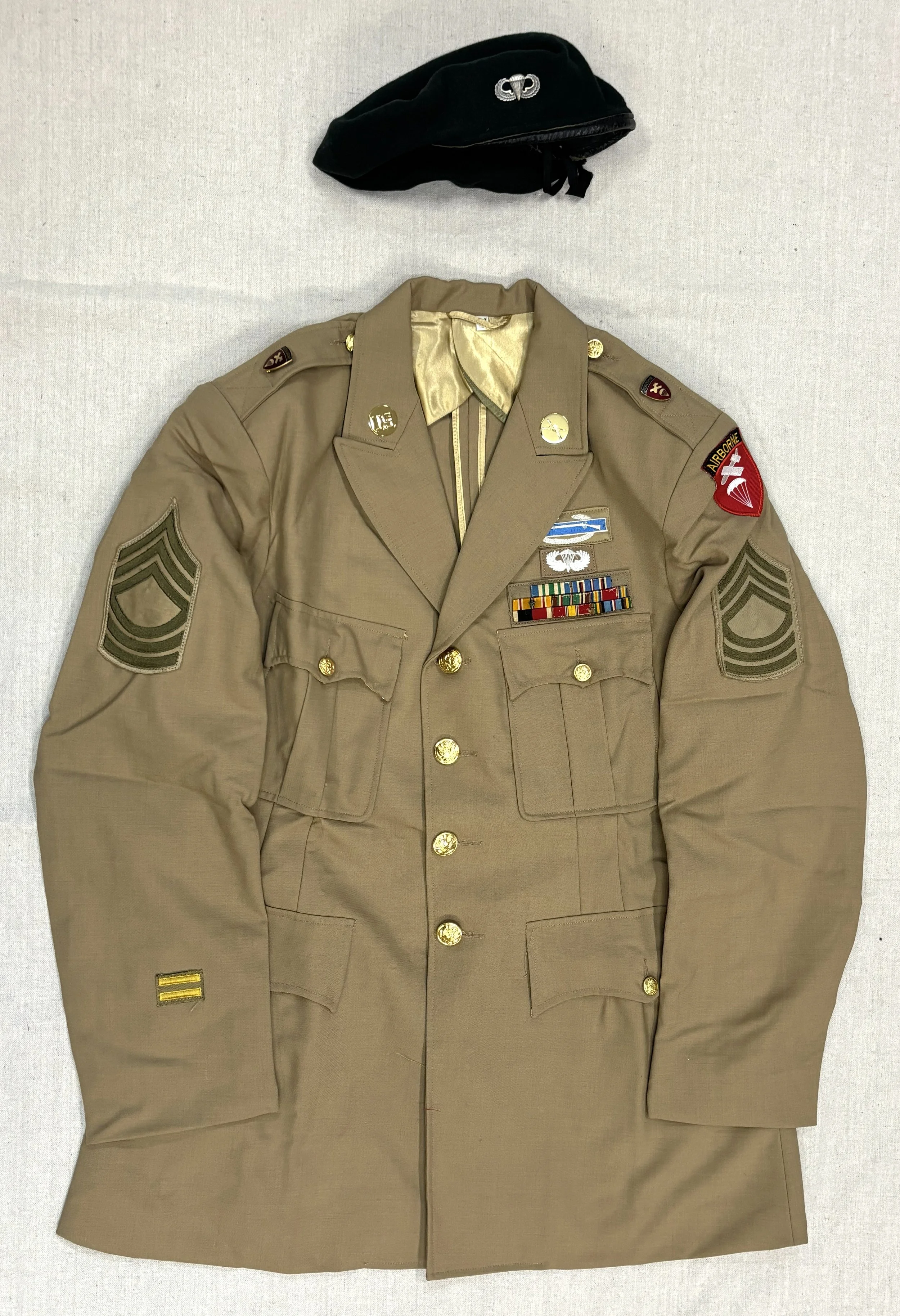
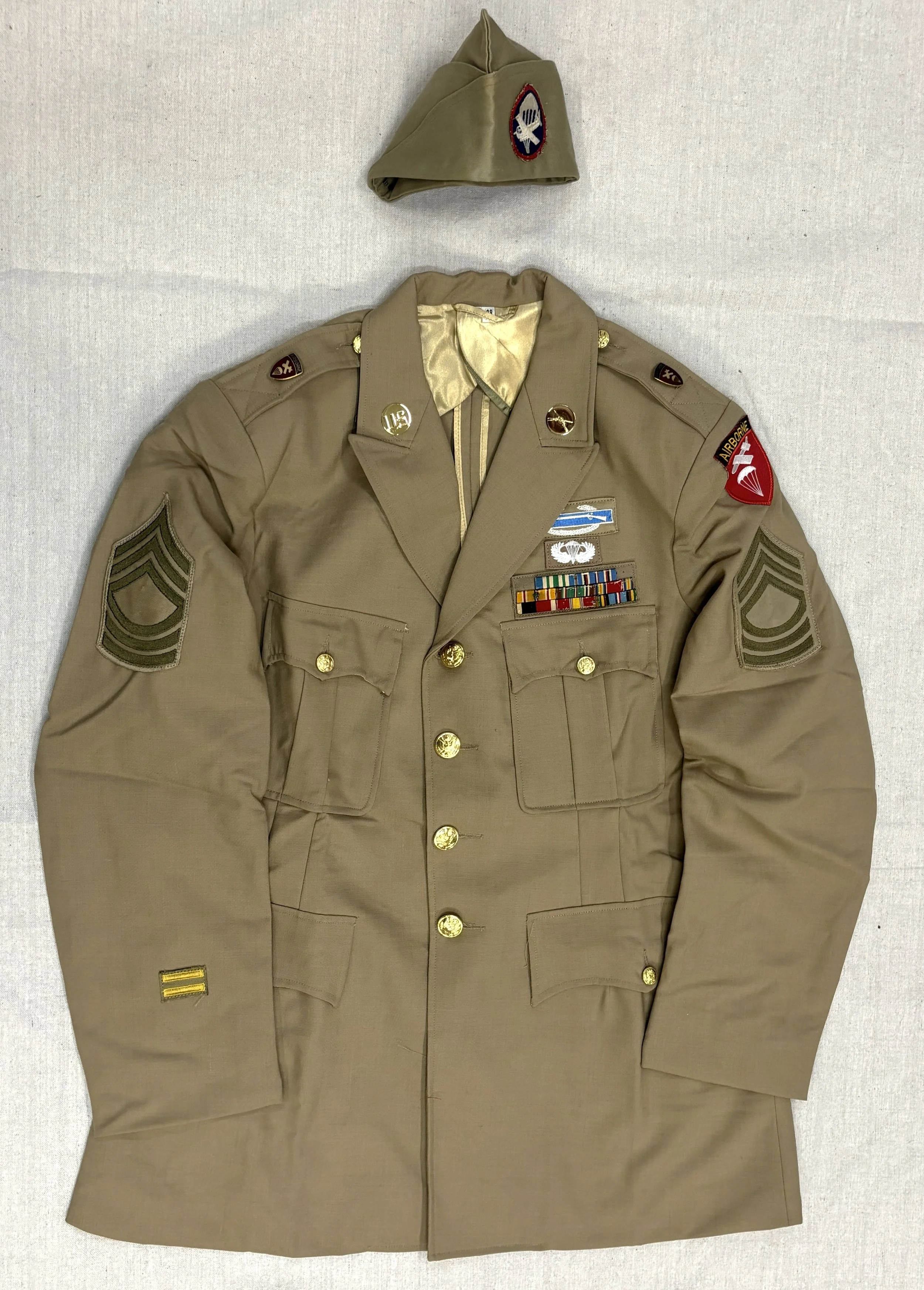
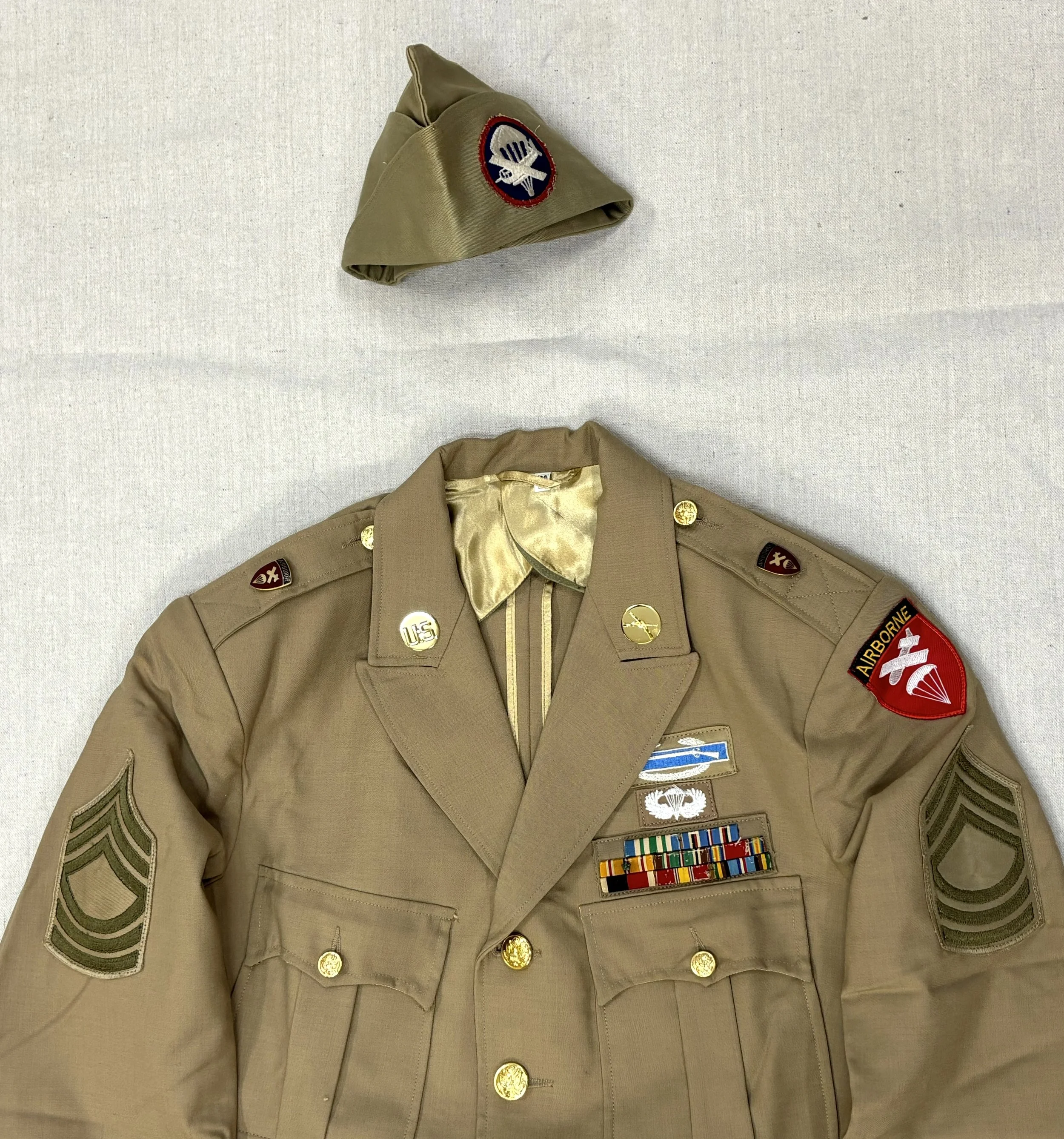
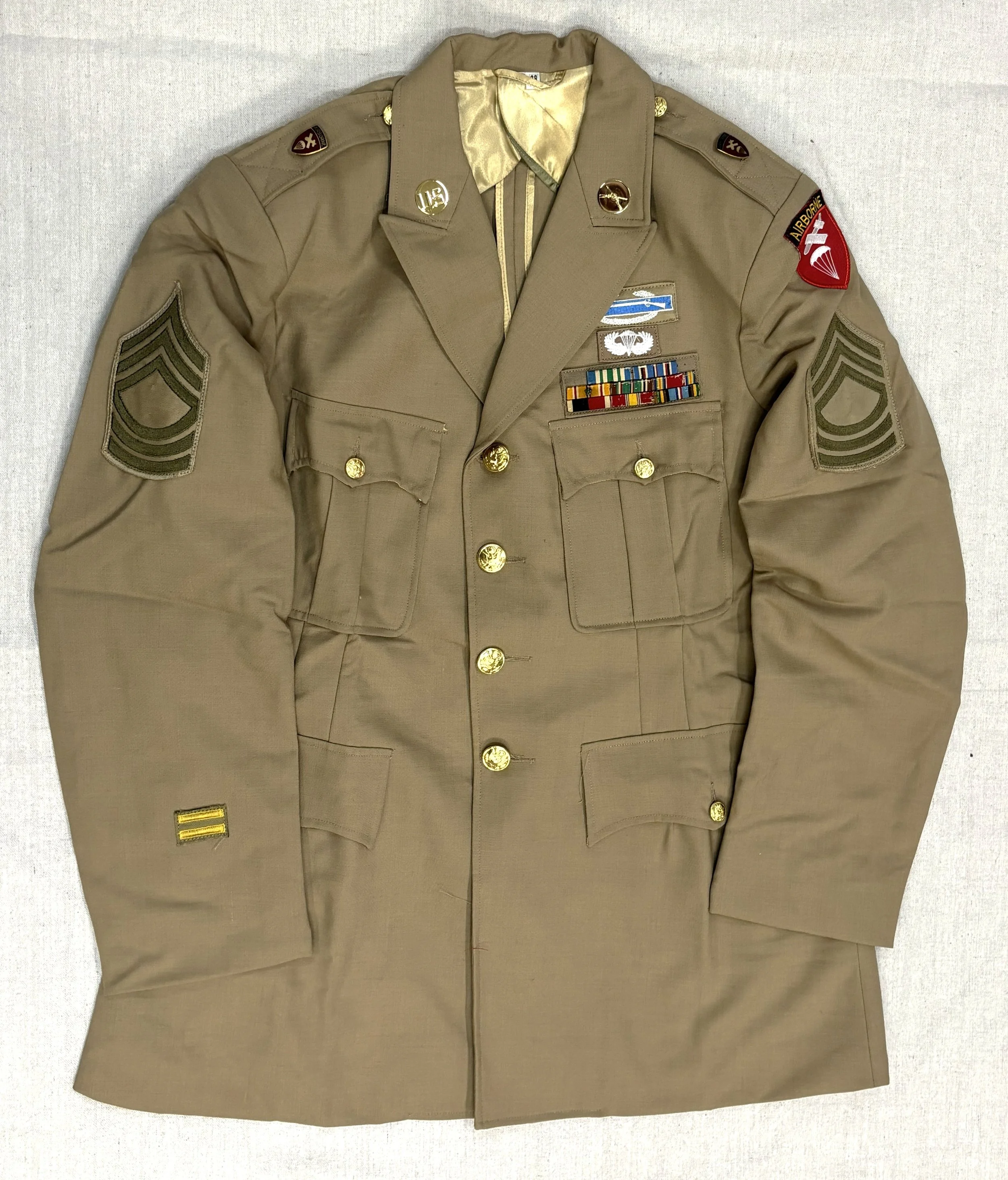
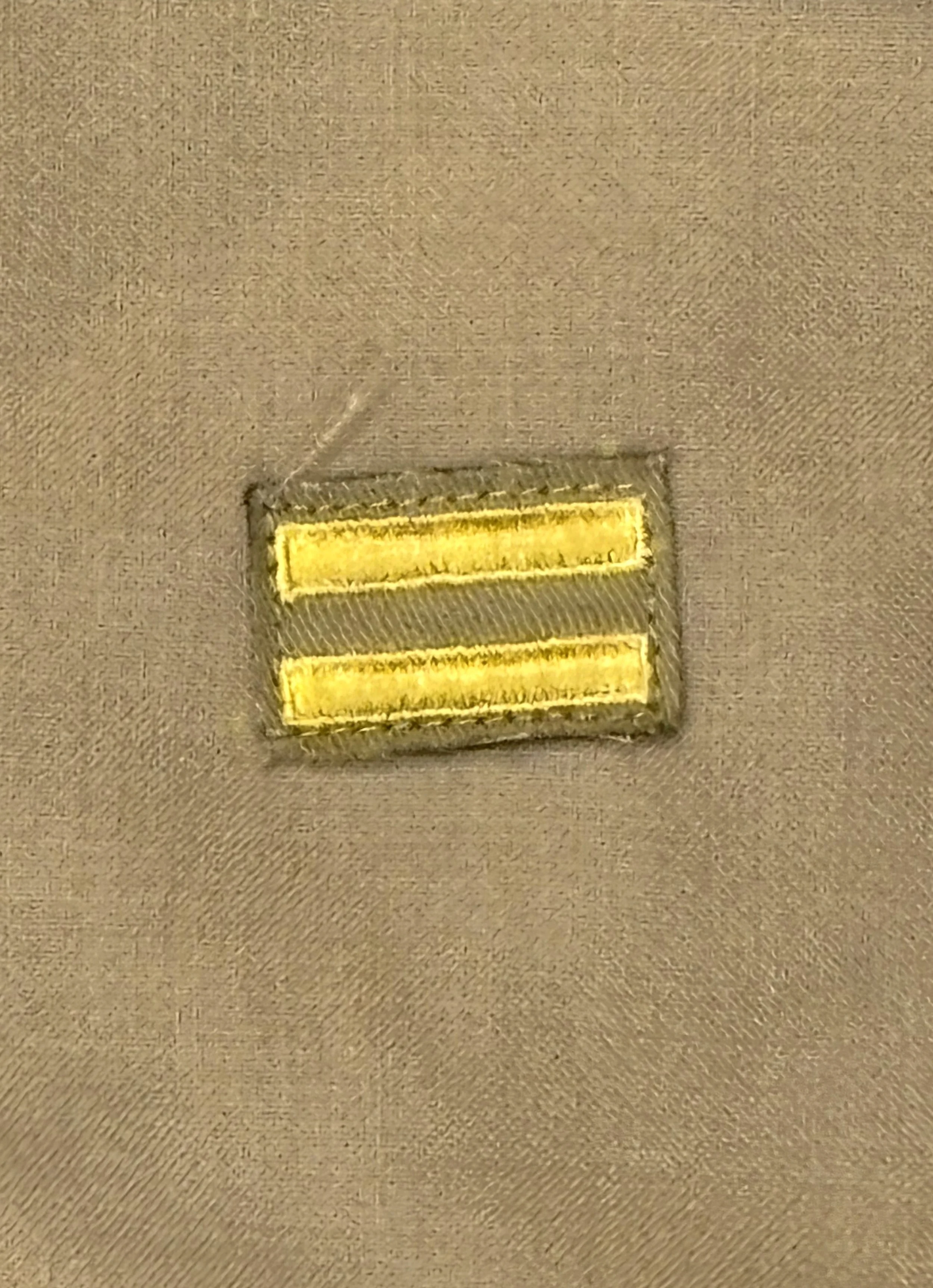
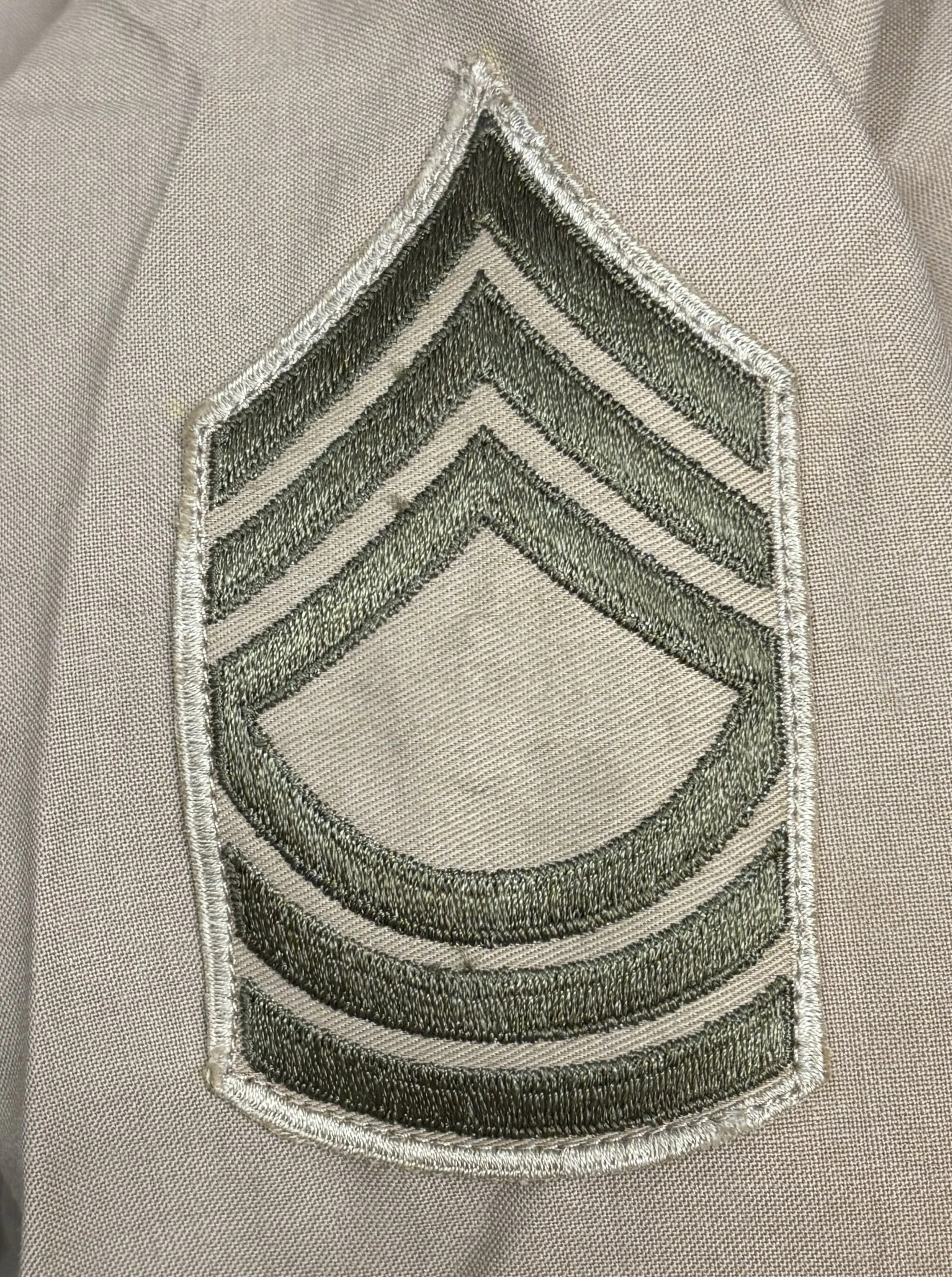
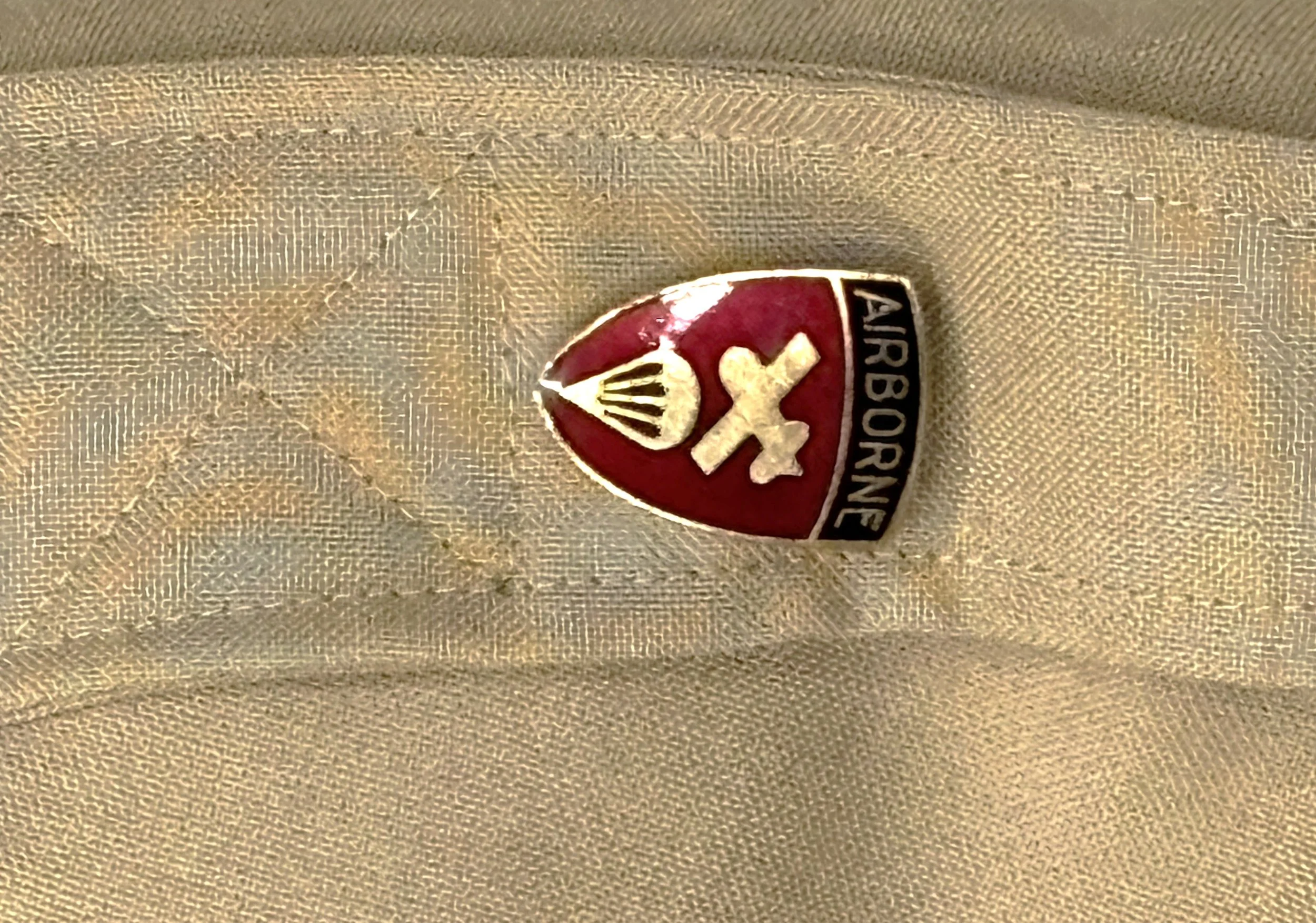
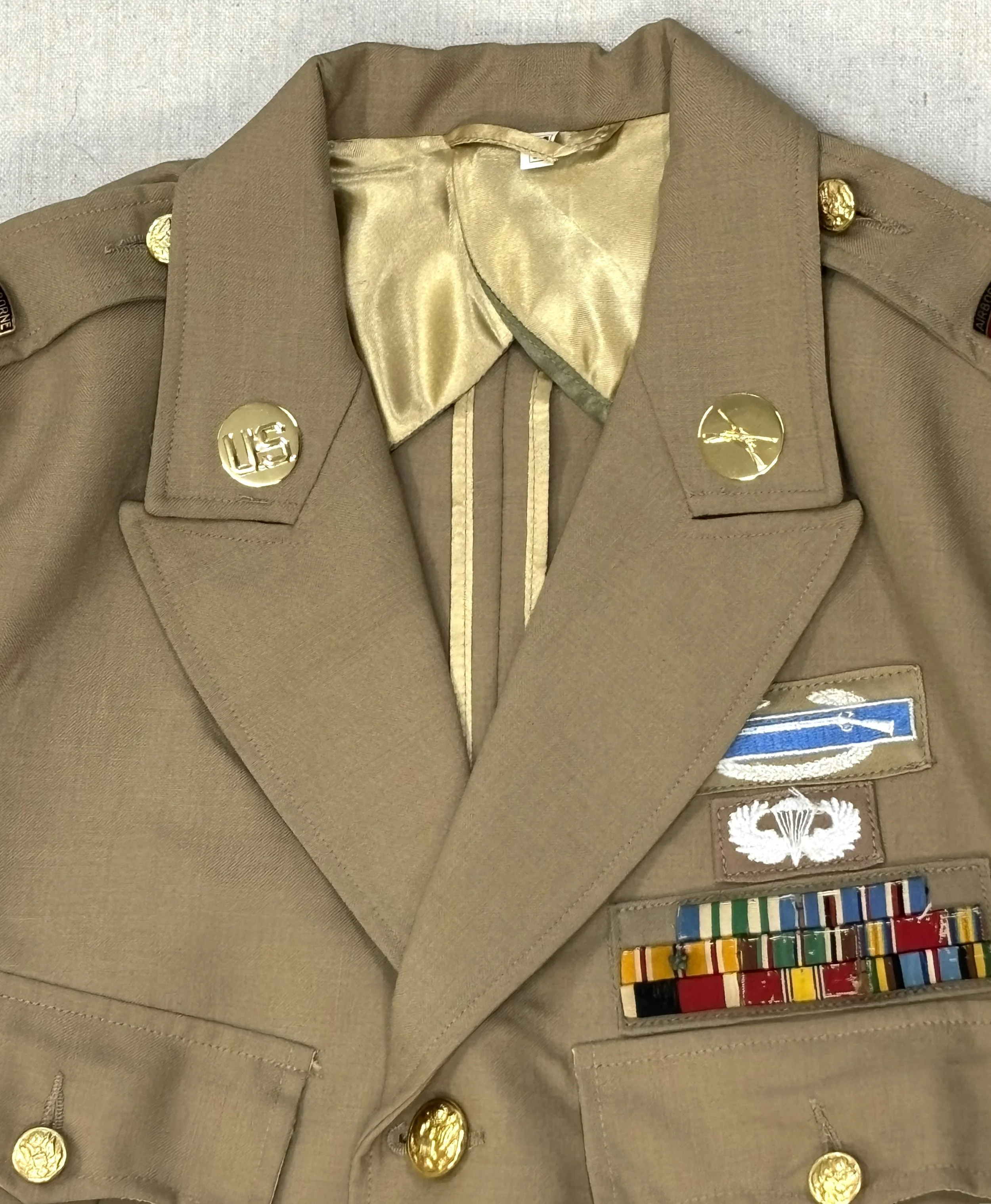
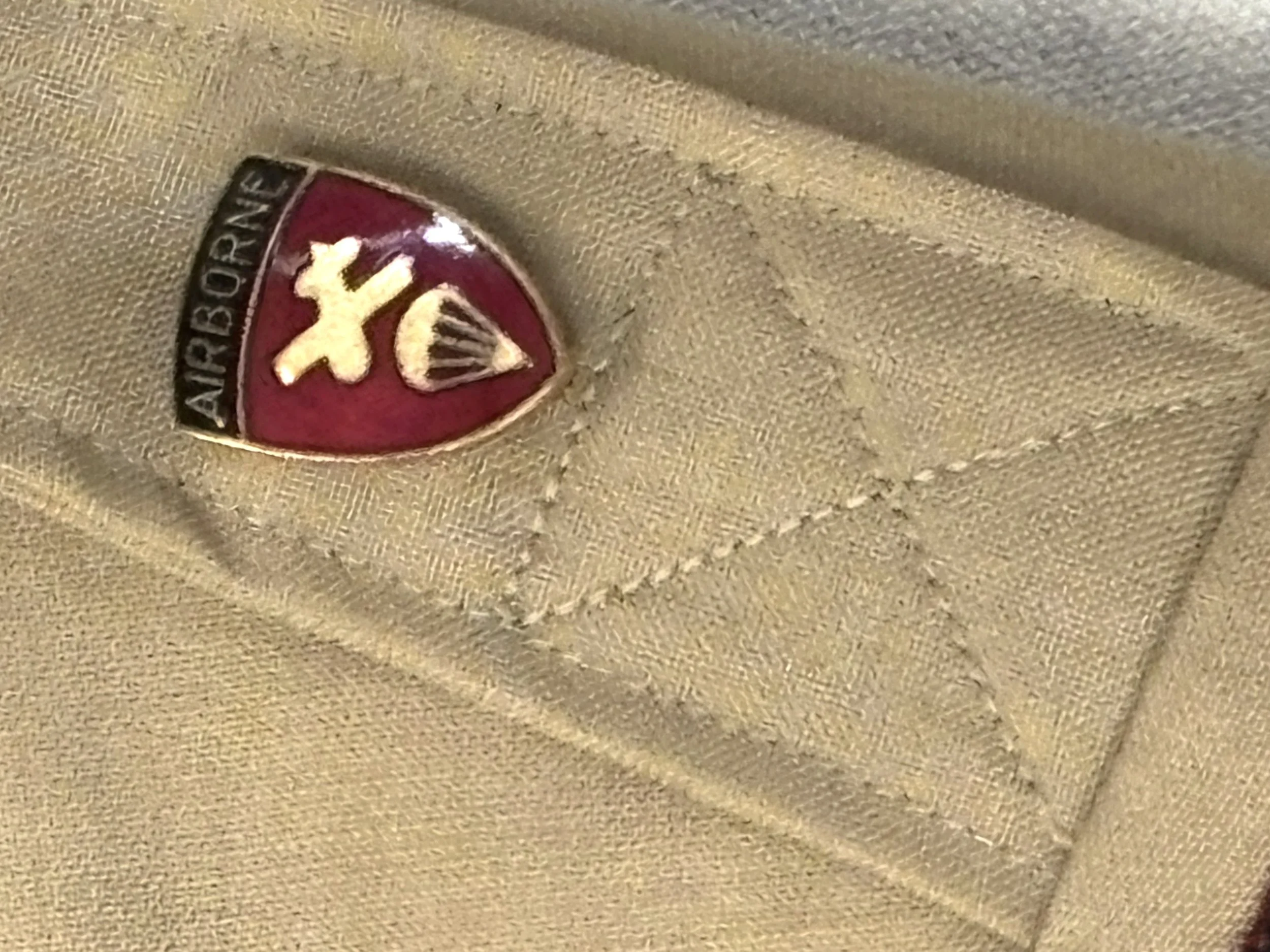
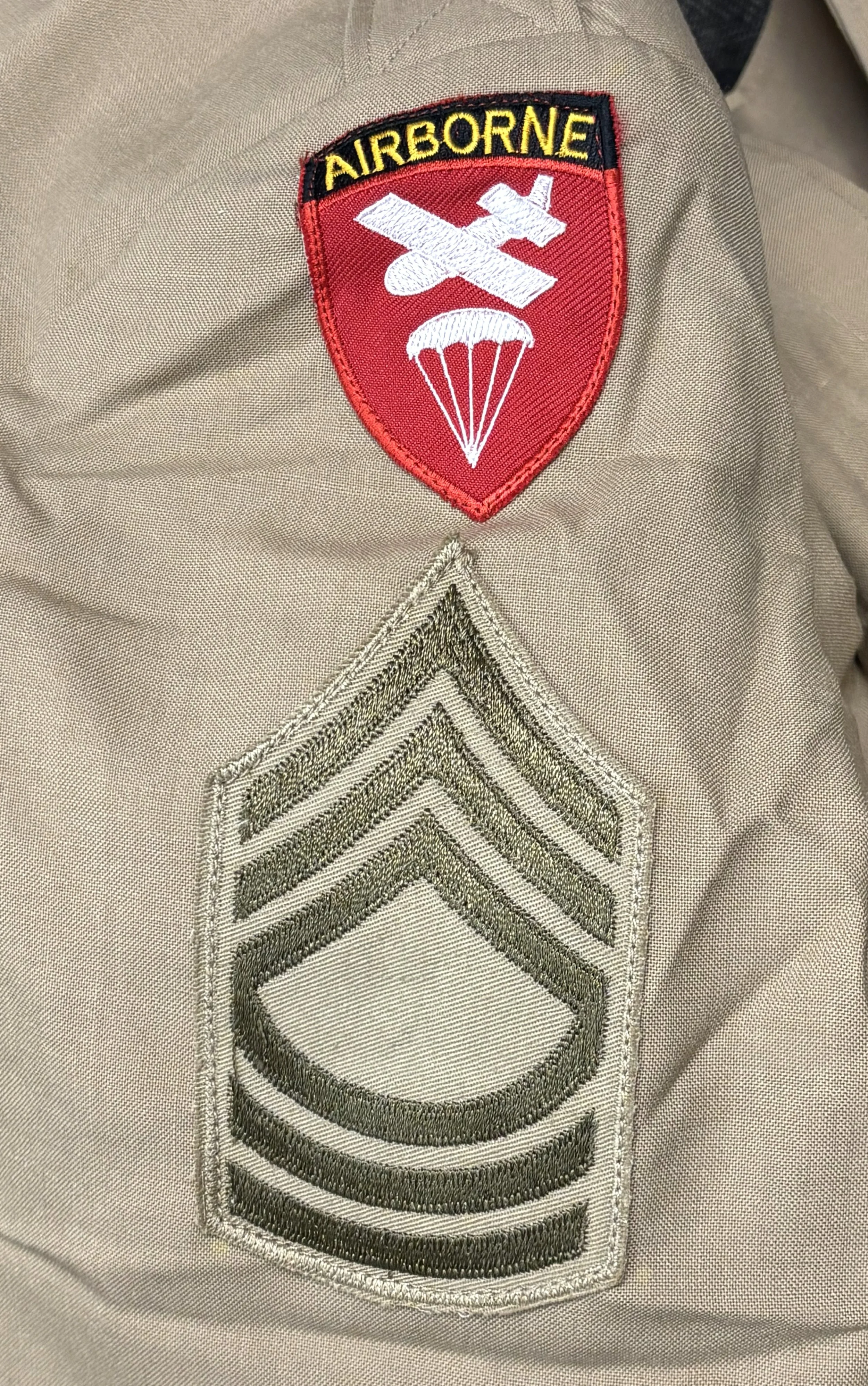
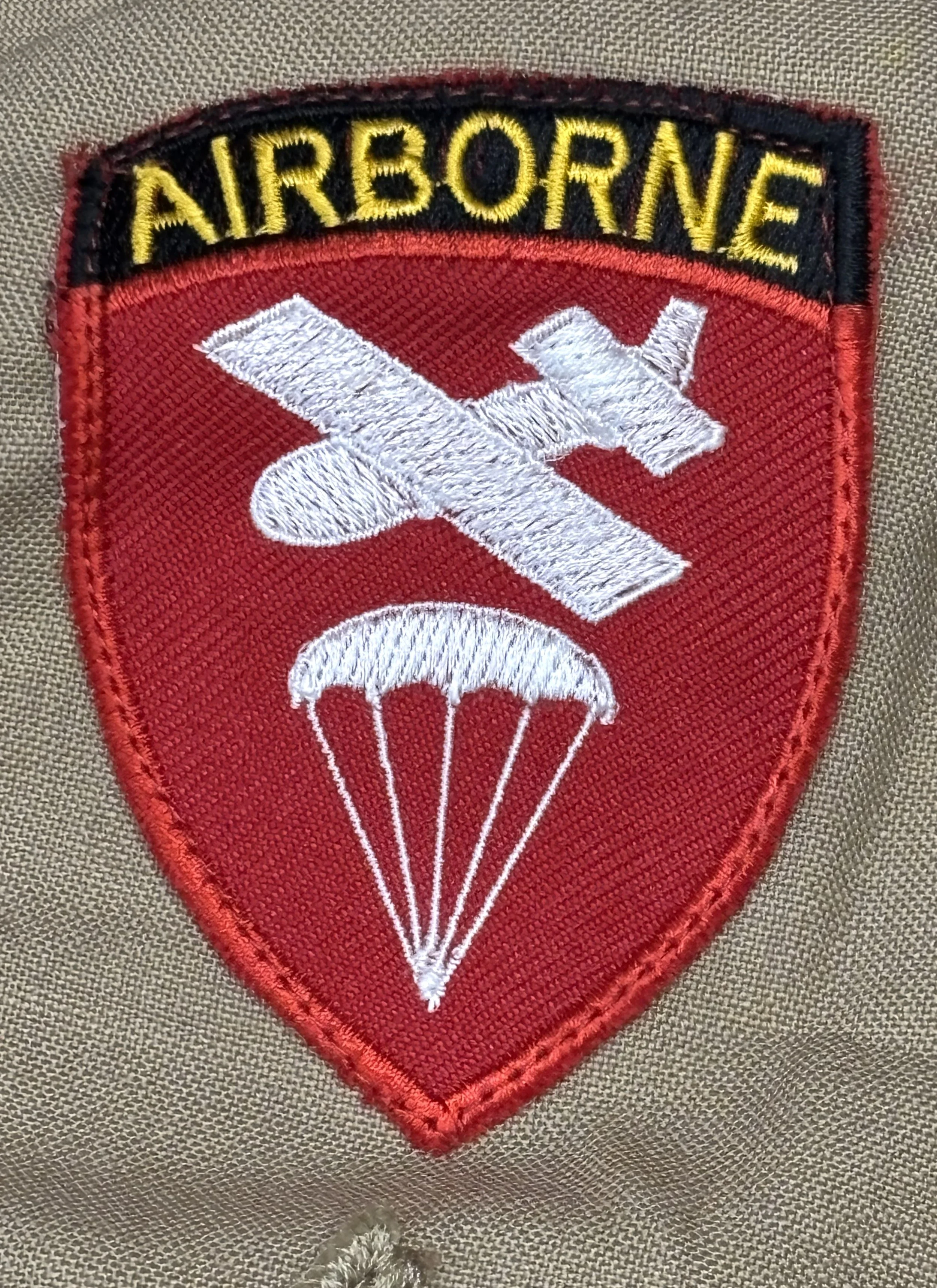
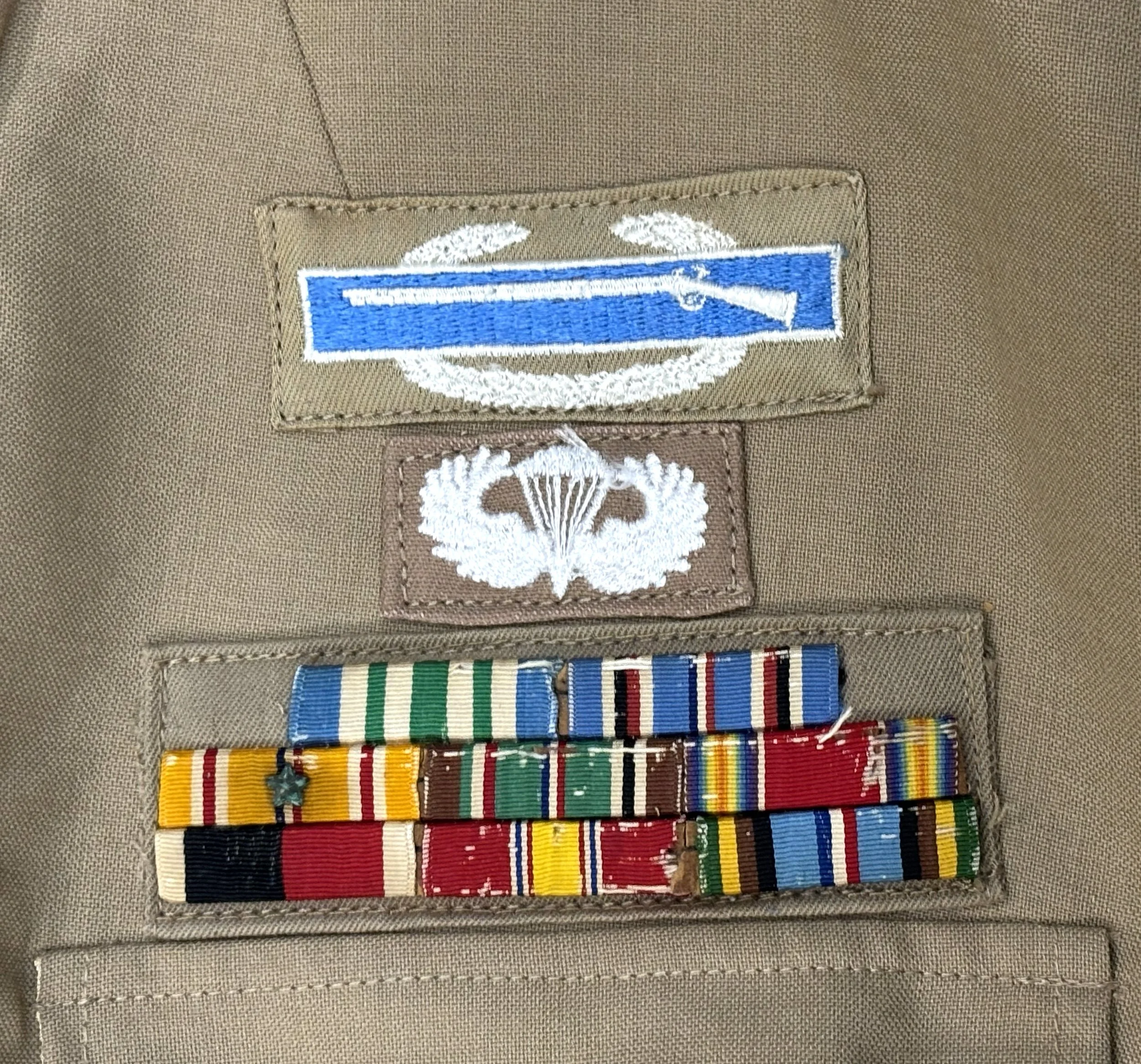
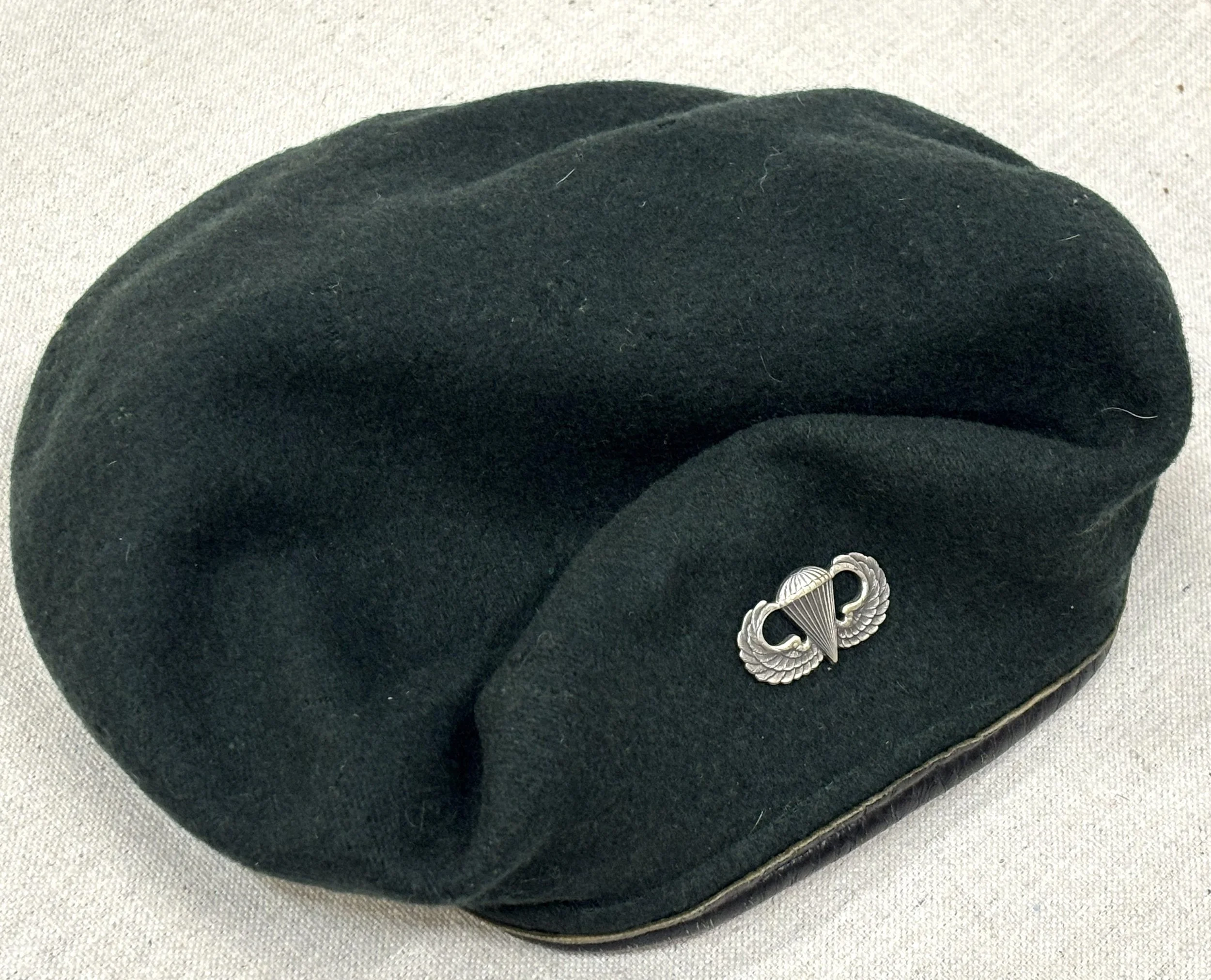
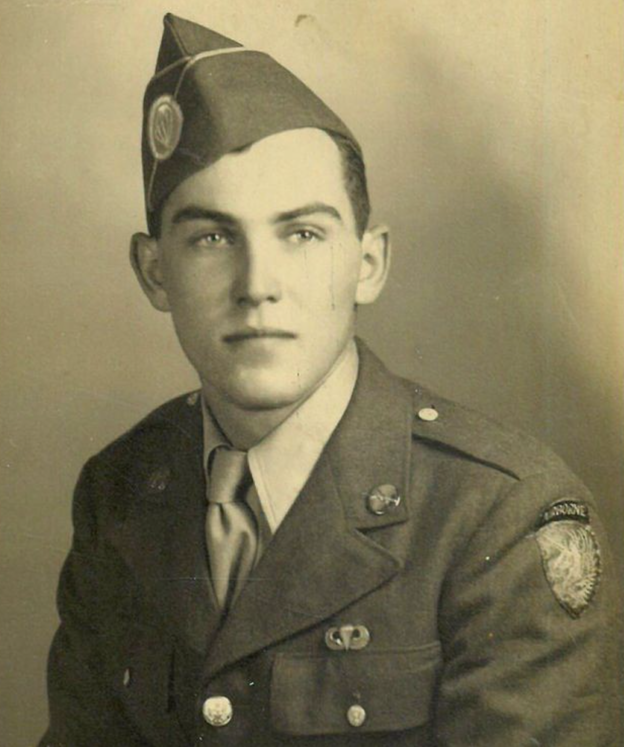
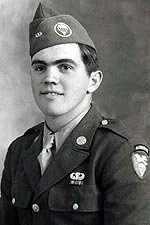
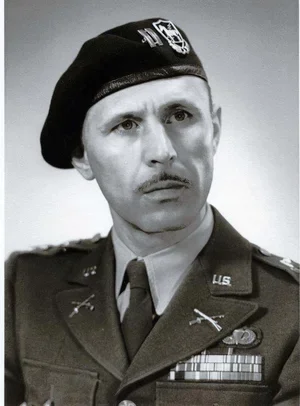
“New” Sergeant Major, 10 SF/ABN. CMD, late 1950s:
There are always legends and stories of special groups, of specially highly trained guys, sneaking around and grabbing people, like Wolfhounds or Hell Hounds, what have you; most are totally changed stories, twisted bits from a real planned operation. I met a fellow once, a long time ago, who was visiting my Dad at a place he was leasing on a golf course in Palm Springs. My Dad mentioned the Marine Corps, and this fellow went on about special forces in the Korean War, and afterwards… After he left, I had to call BS, from what I knew, as “Special Forces,” and I think my dad thought his stories were a bit far-fetched and to calm down about the whole thing. But now I have to question myself; I may not have known all that much as I thought I knew. Some good books I read, and researching the internet, have led to a lot of odd pictures and stories that often do seem to be on par with “Early Special Operations” and the OSS operations of WWI before these.
I’ve tried to copy pictures and bits of these stories, and apply them to this section to try and fill in some of the blanks in this area and bring them to light.
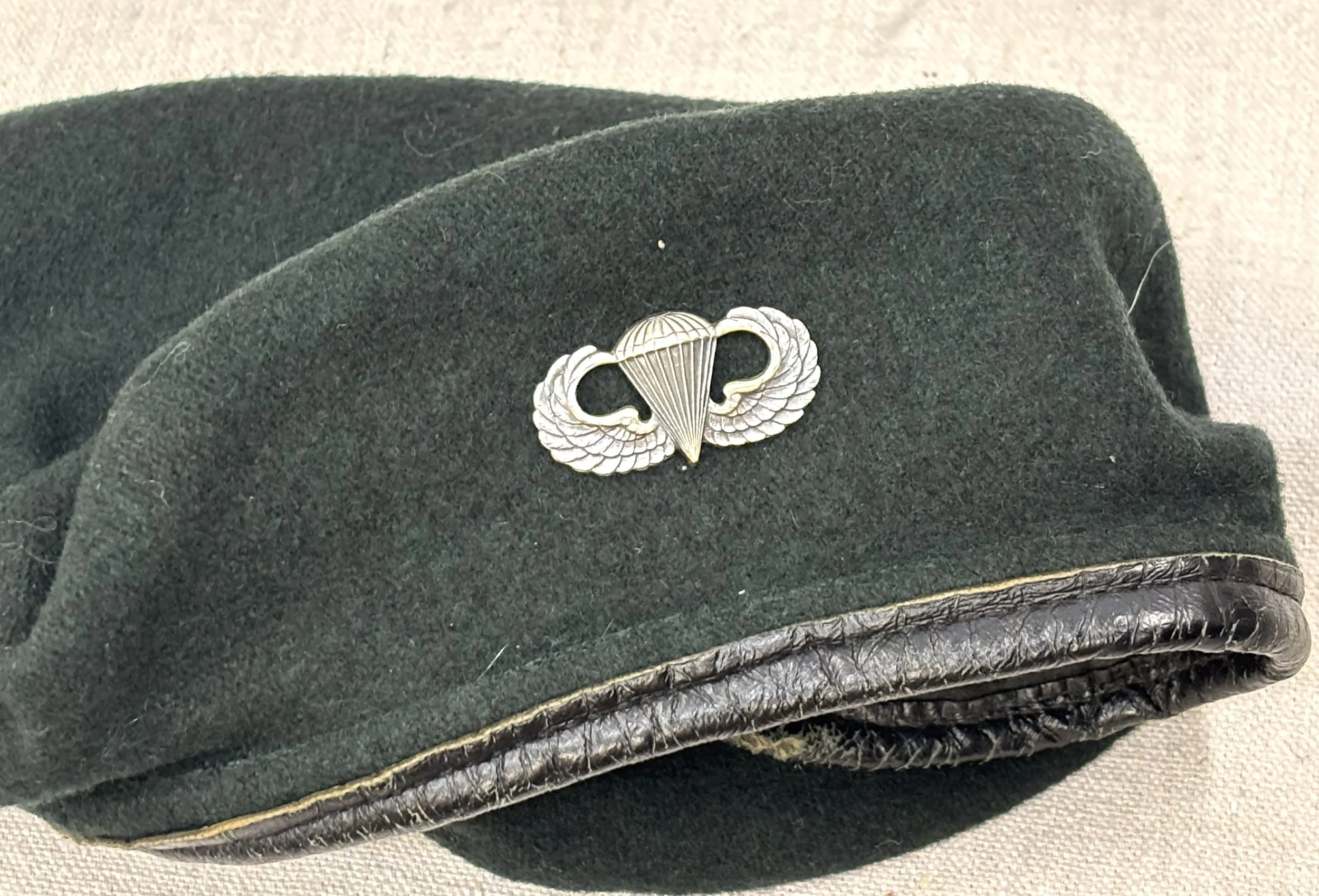
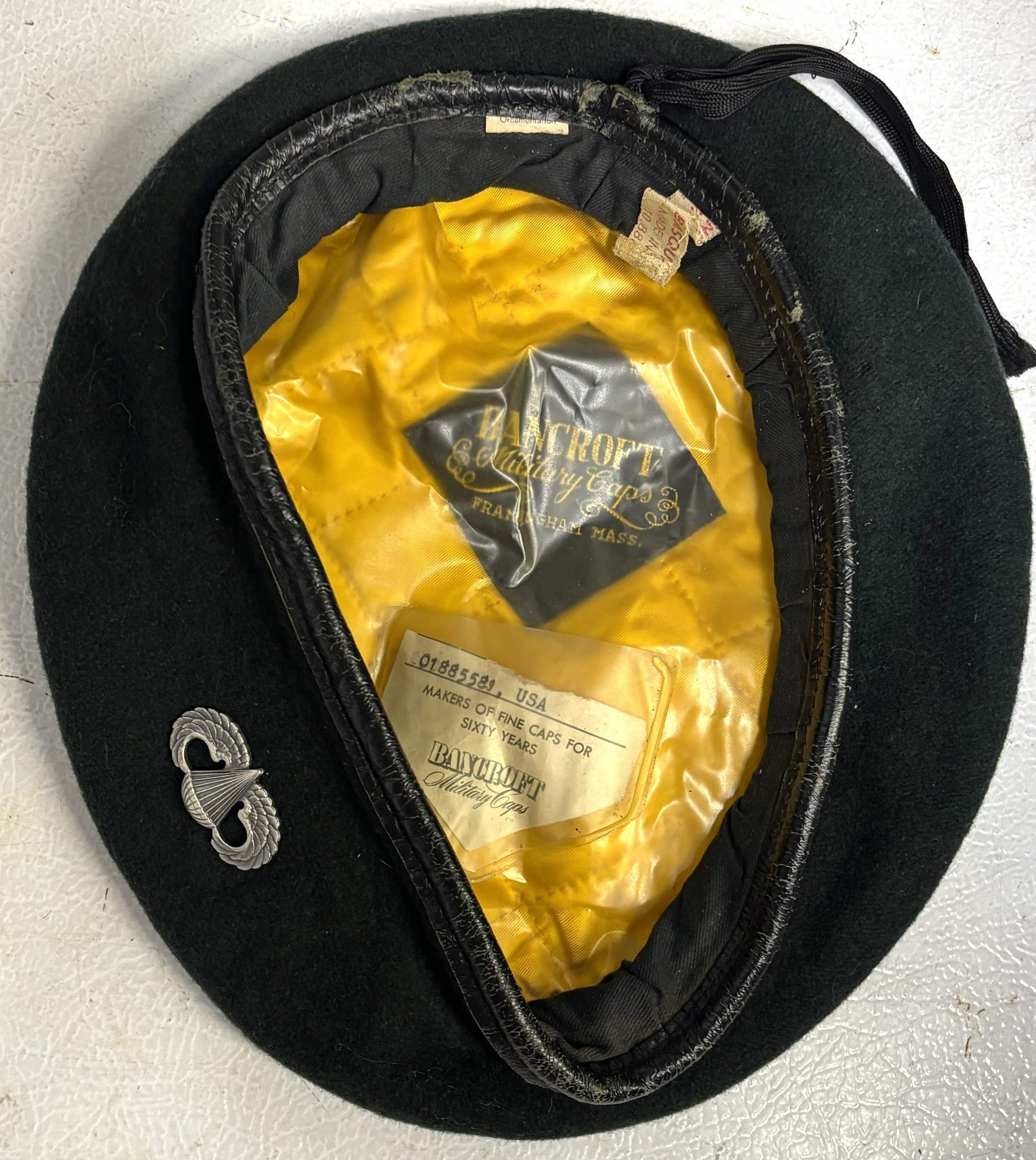
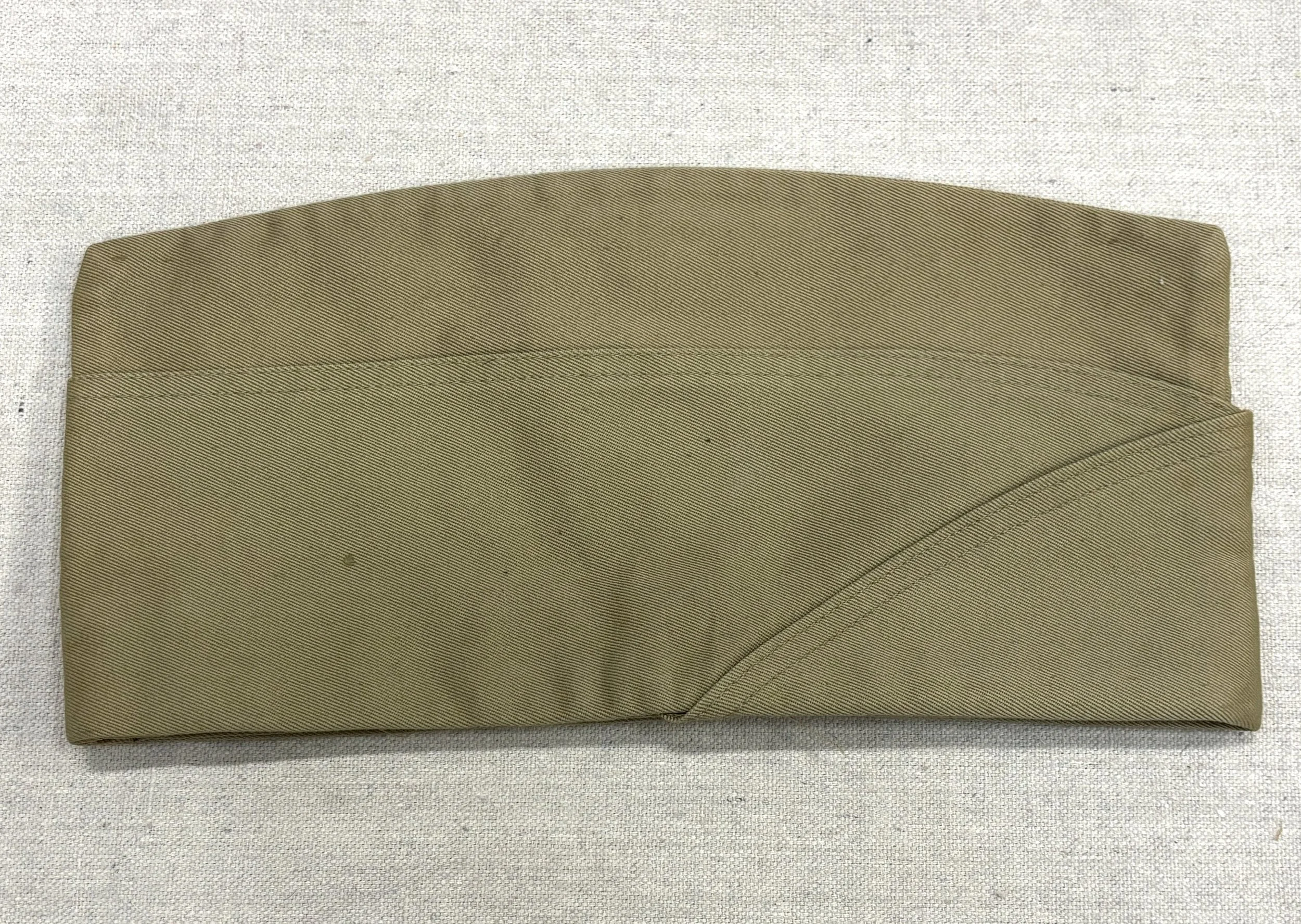
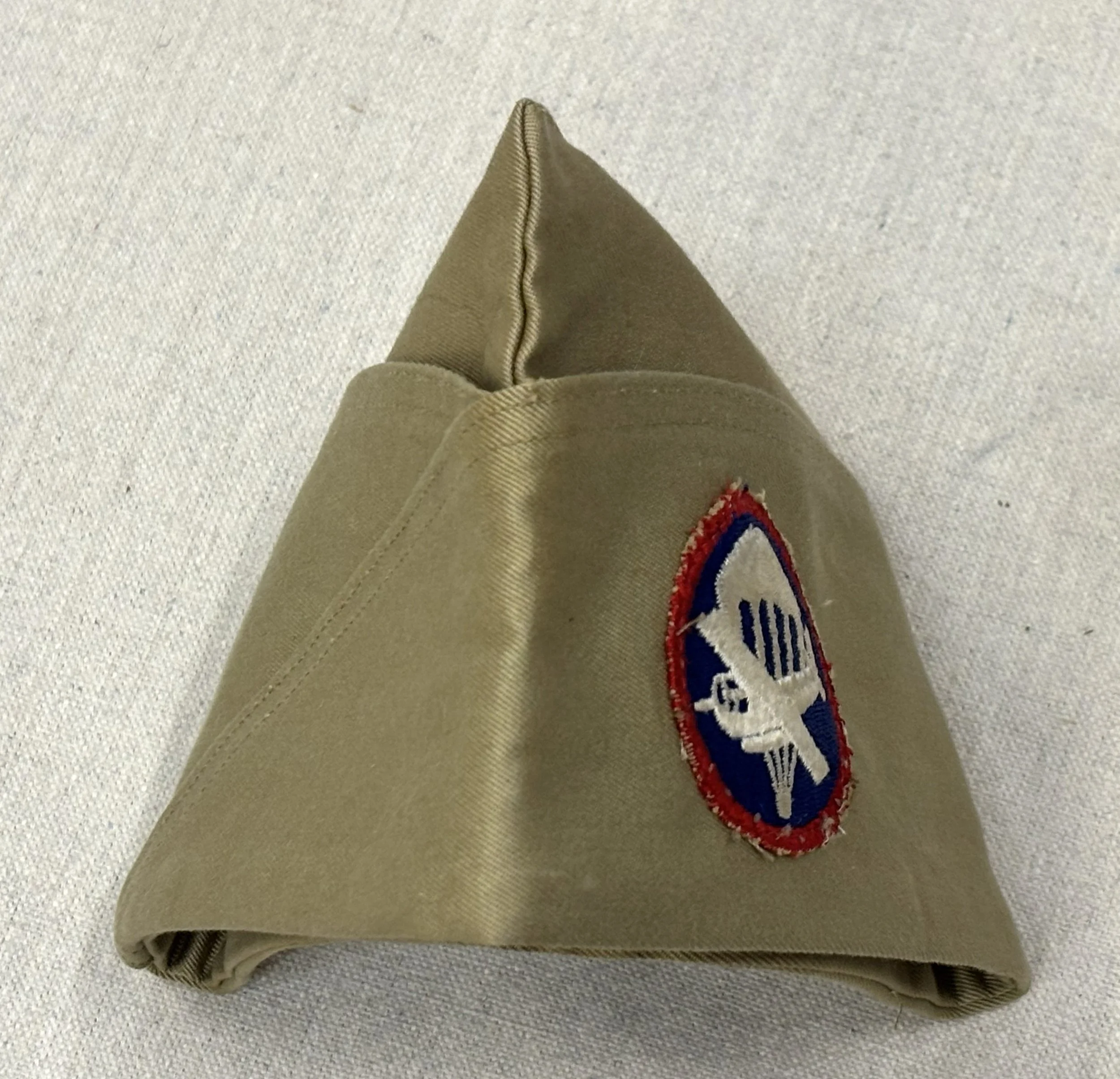
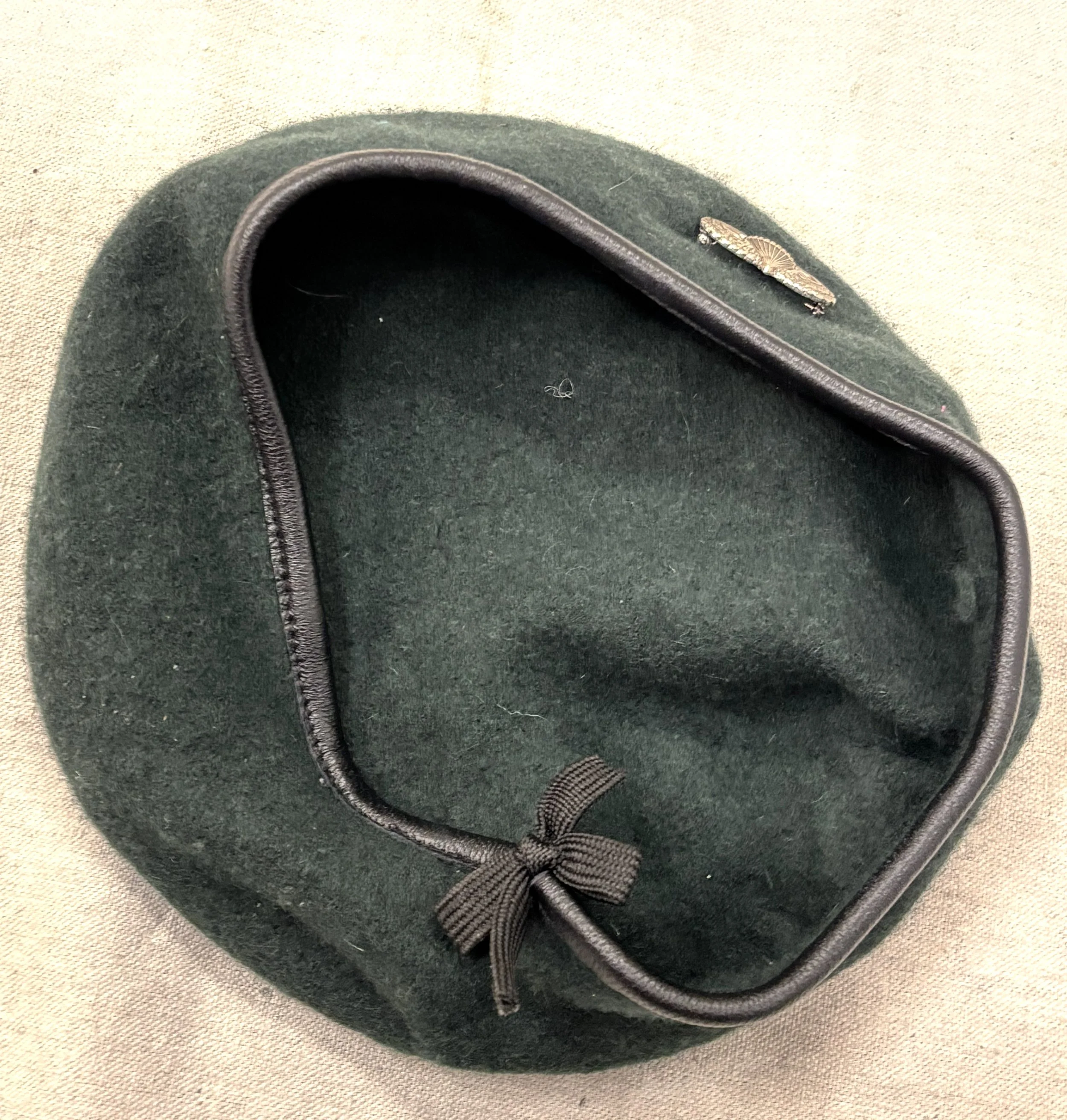
*Showing official and unofficial Overseas Hat and Beret.
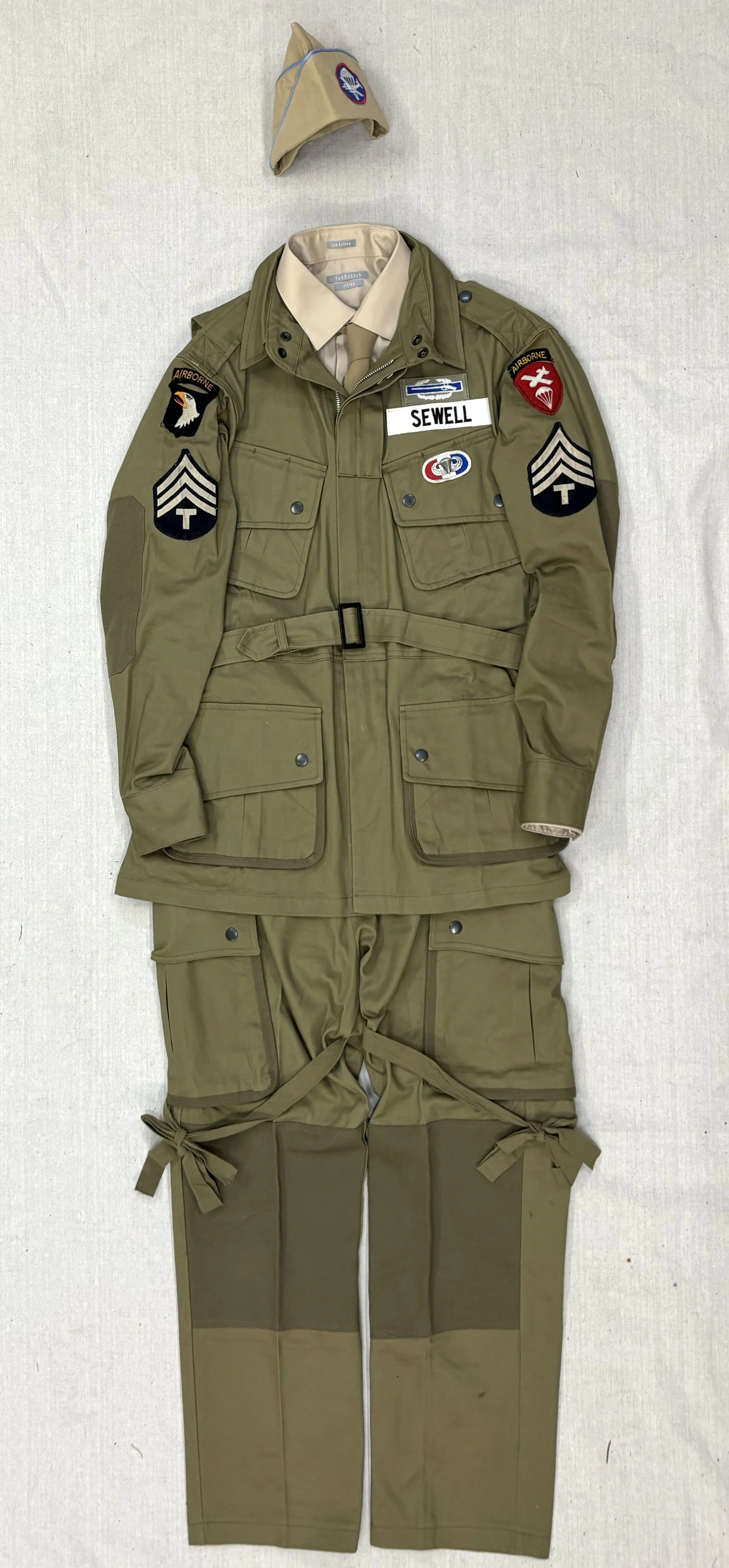
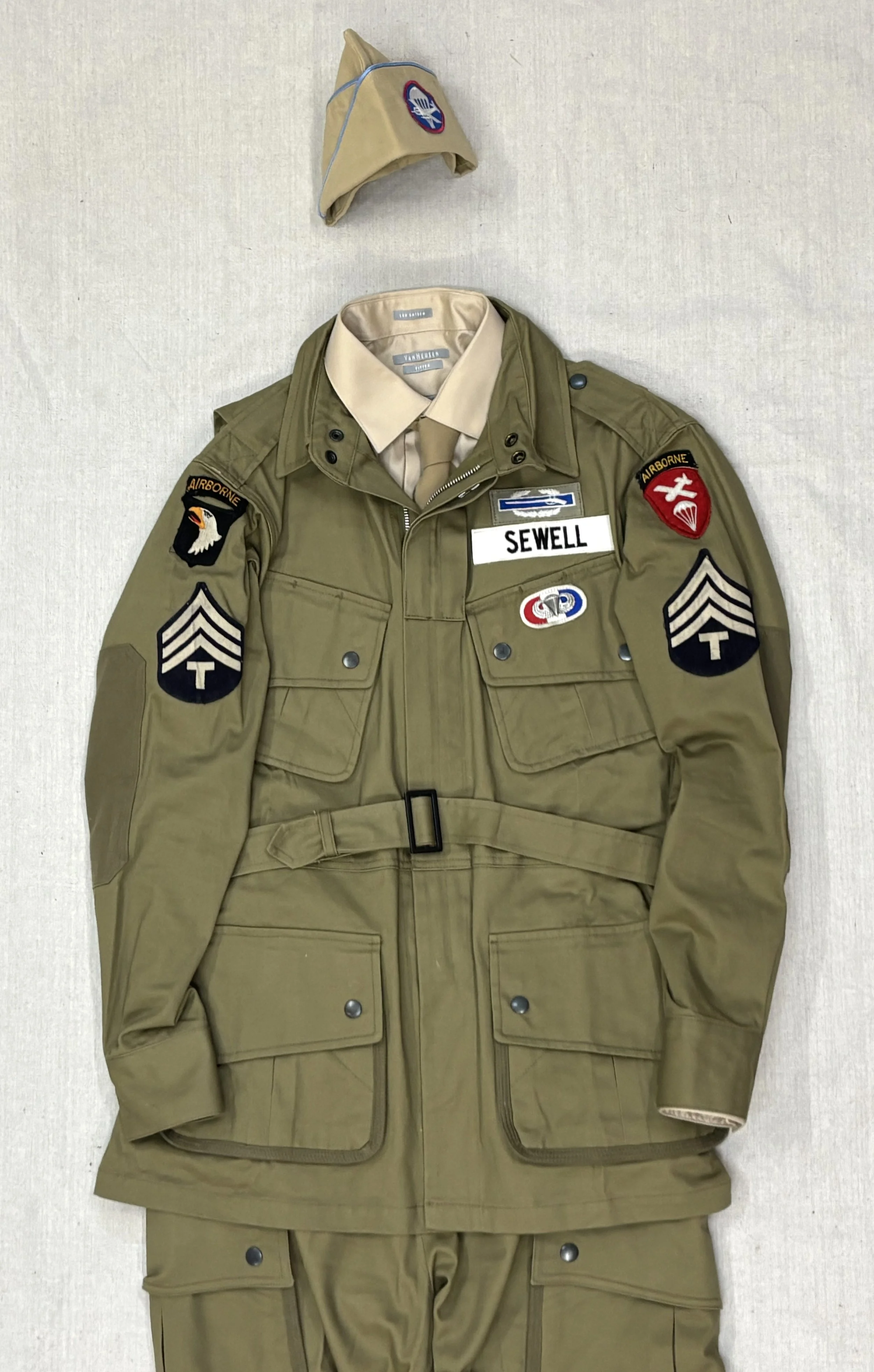
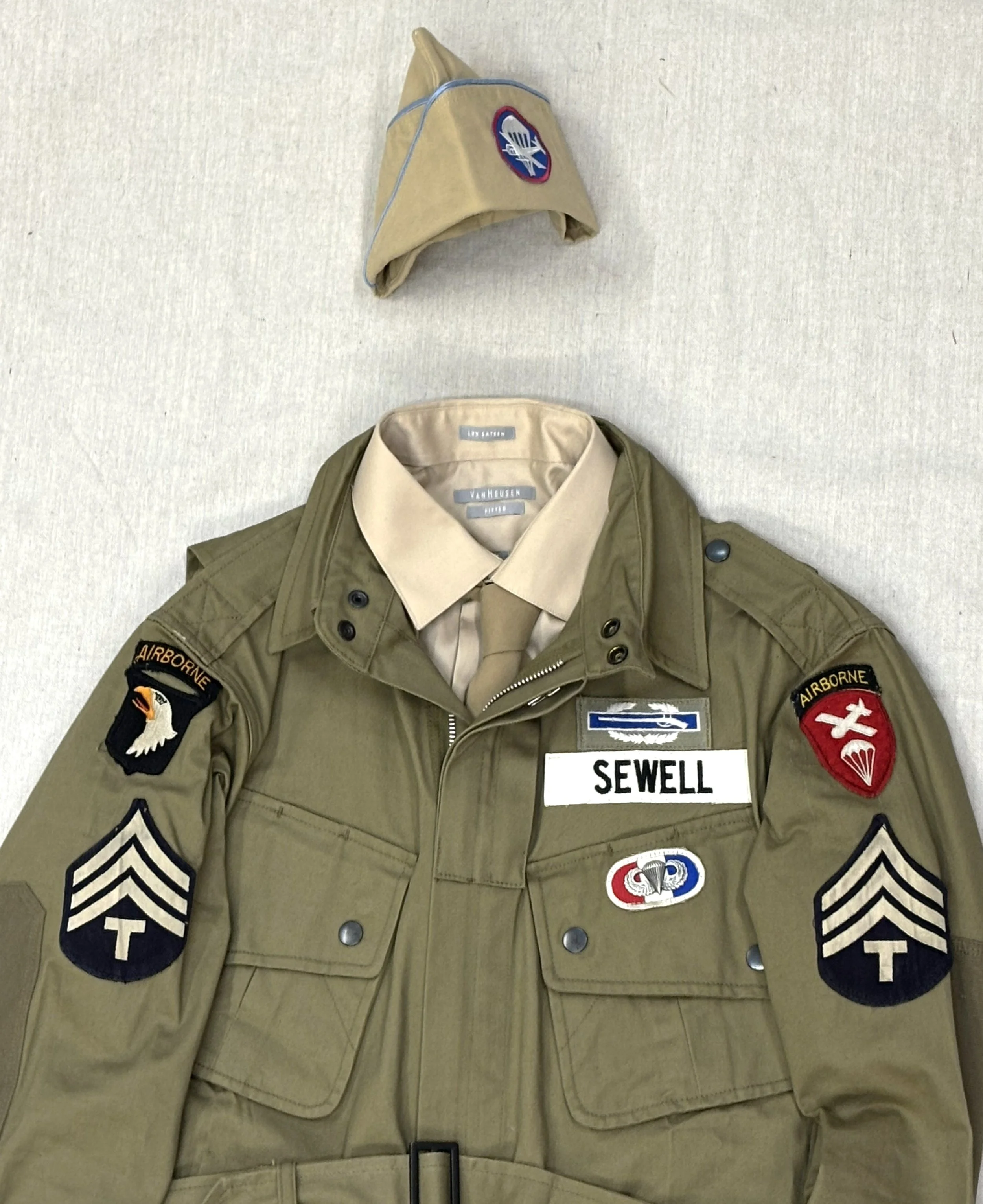
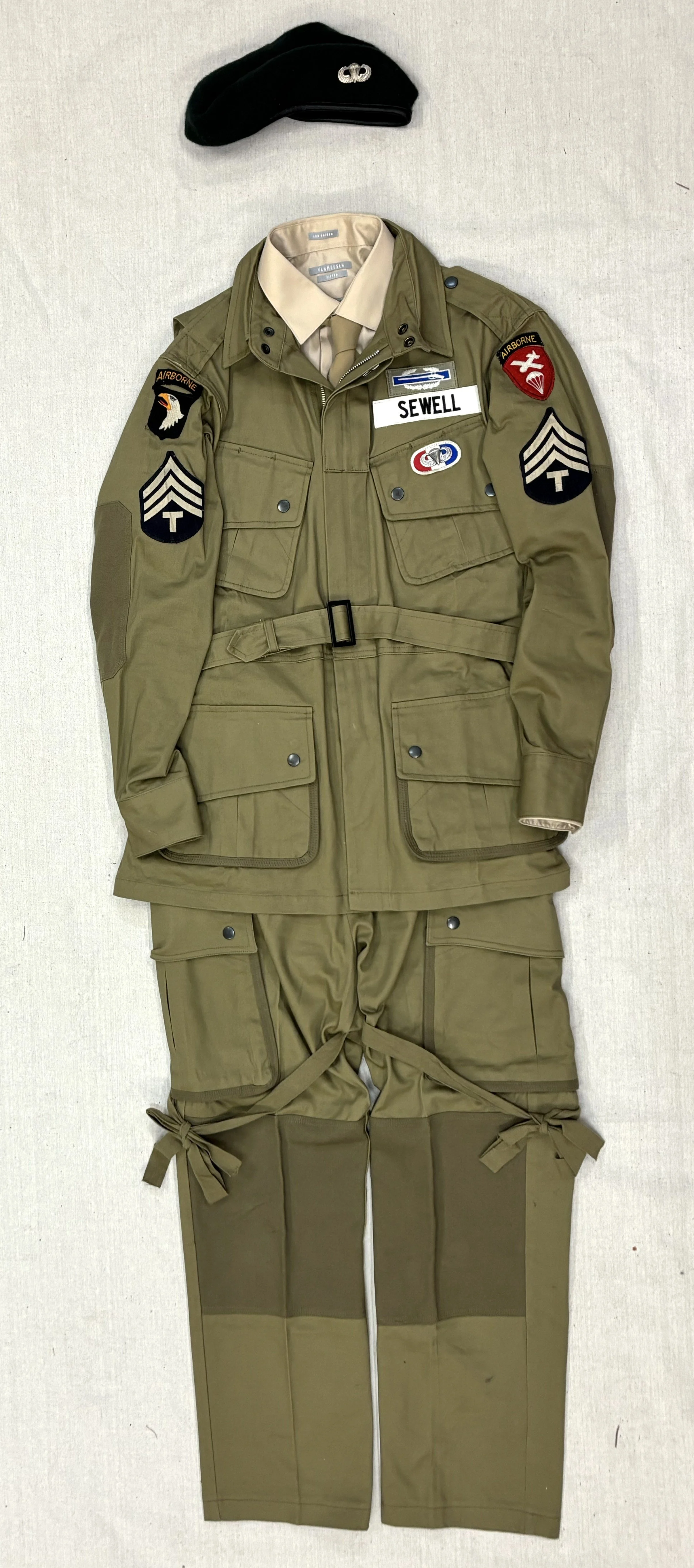
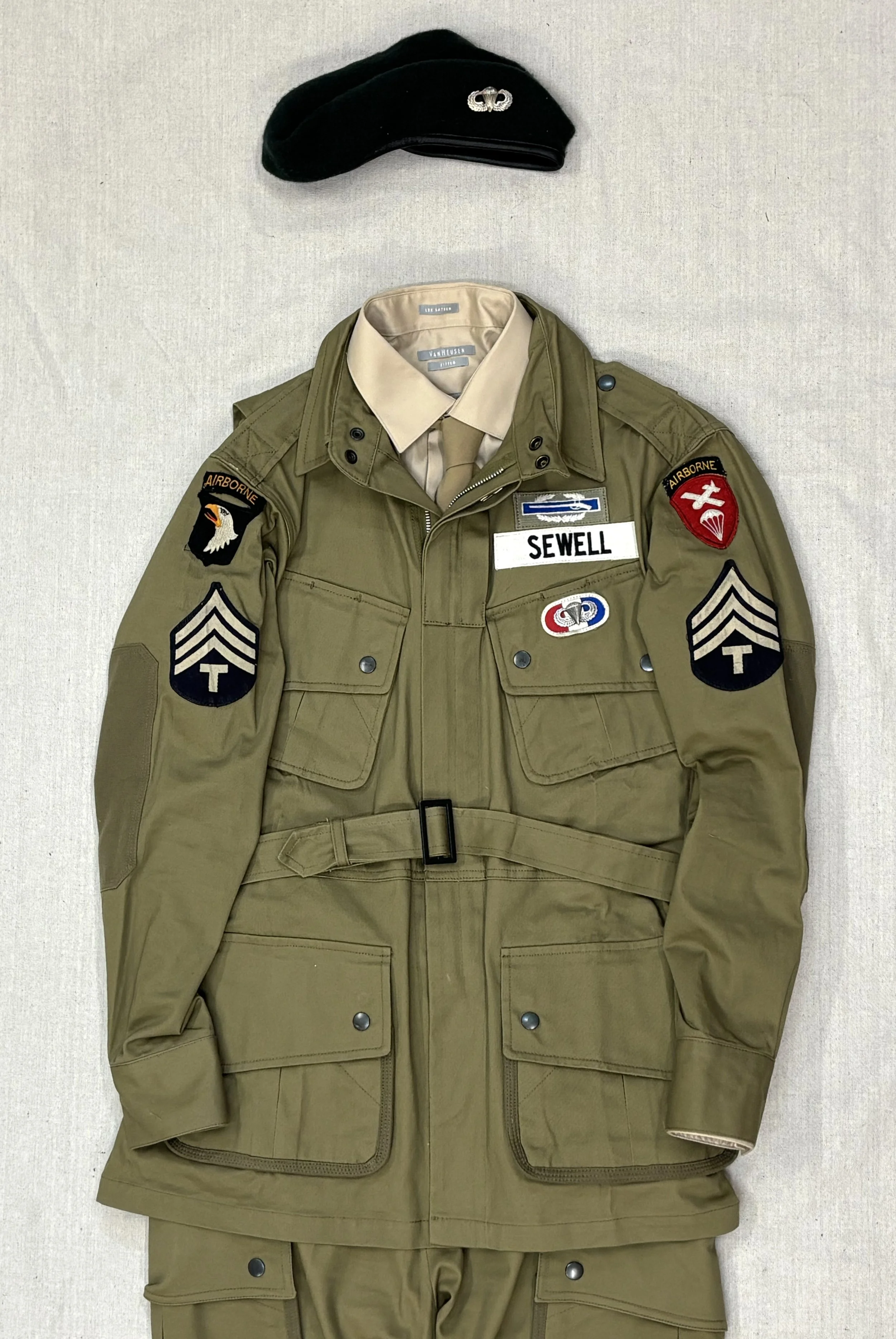
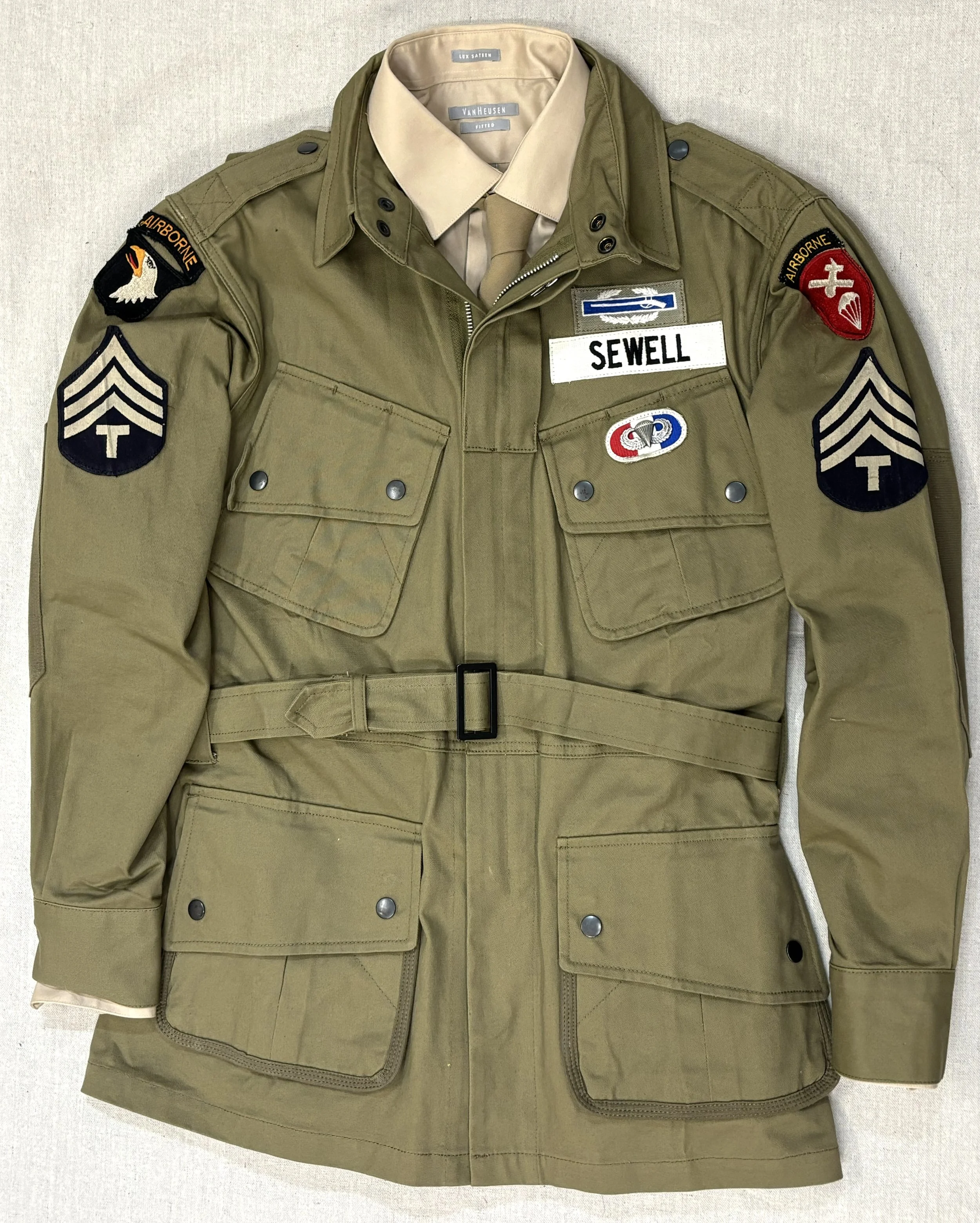
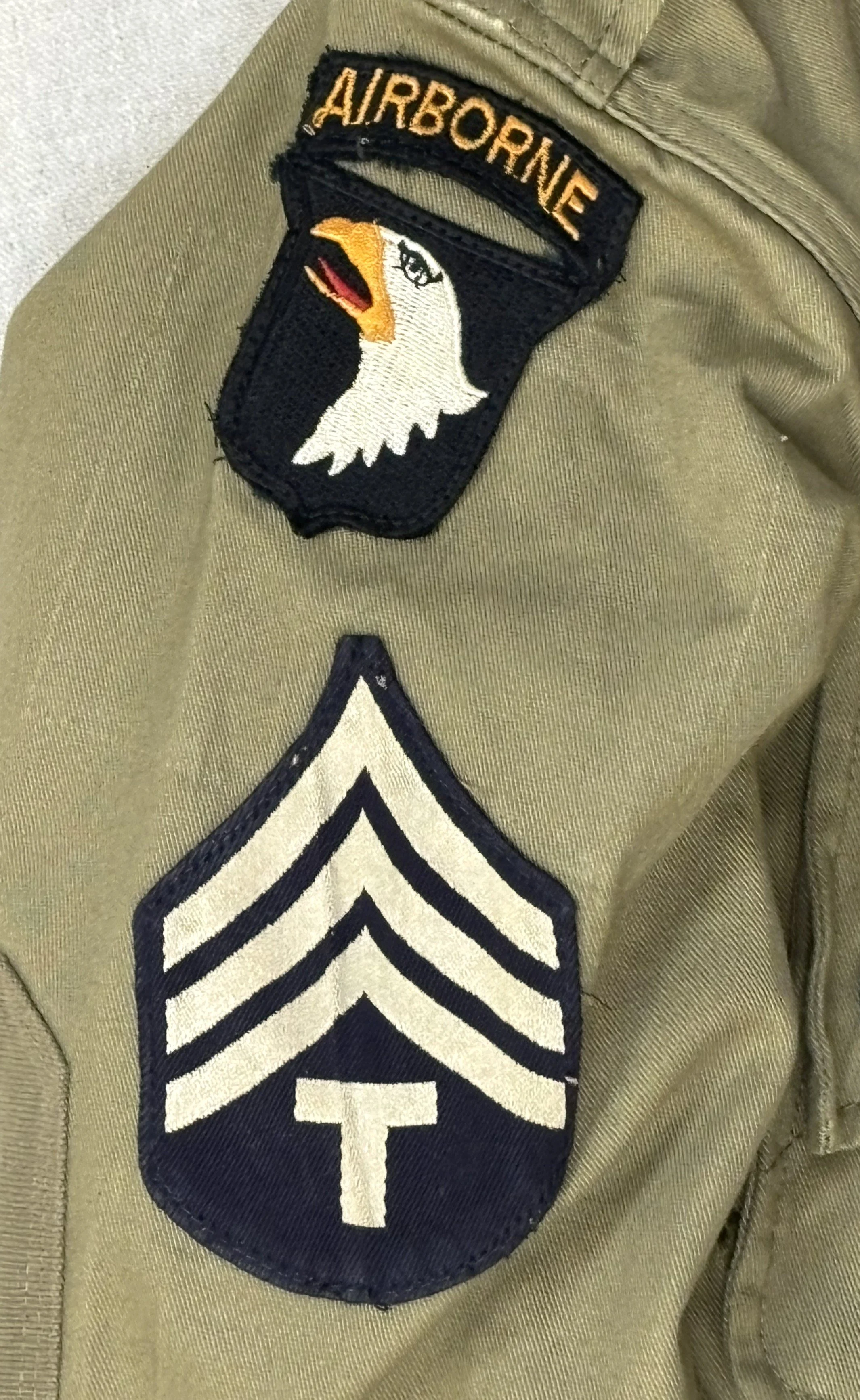
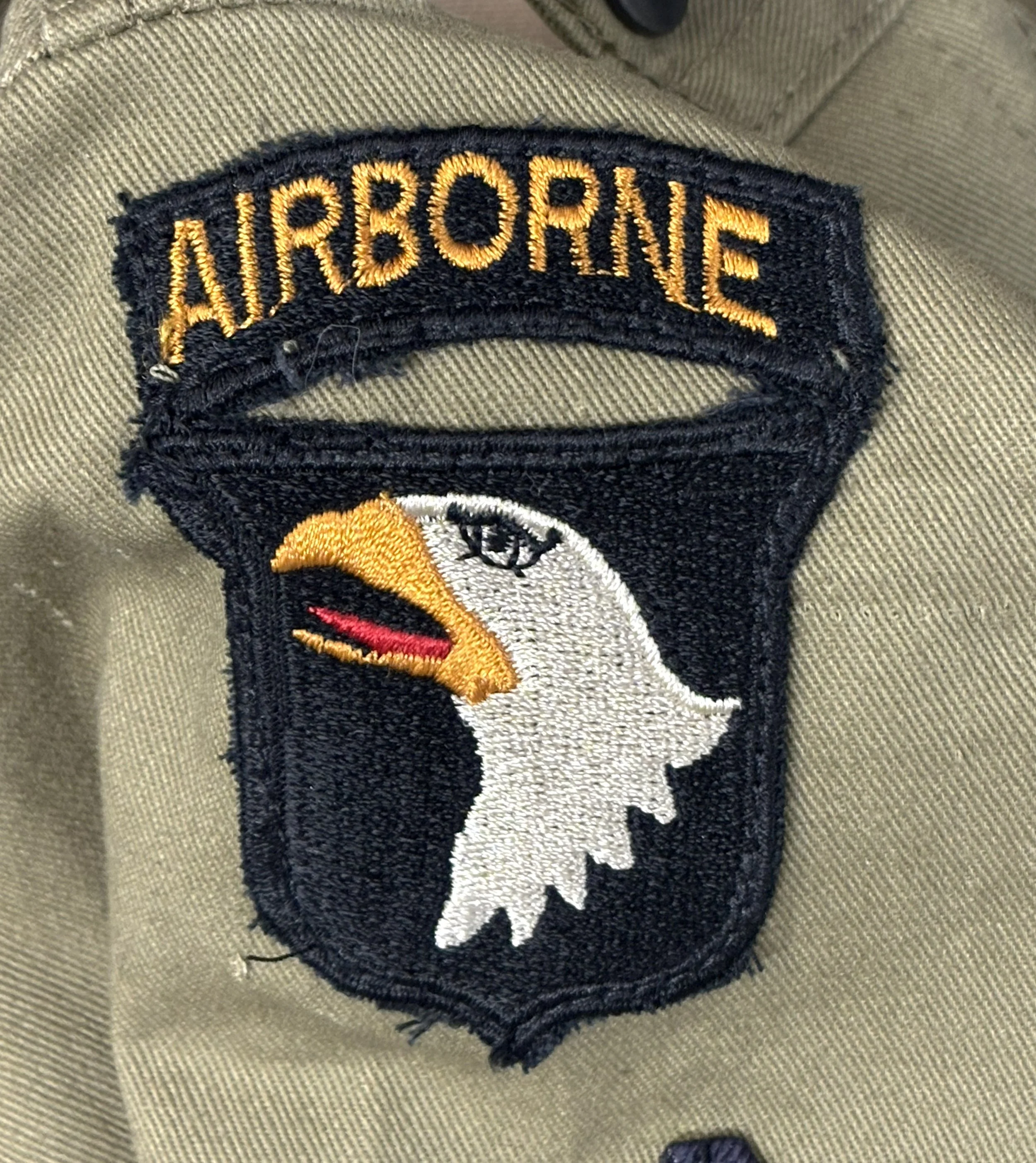
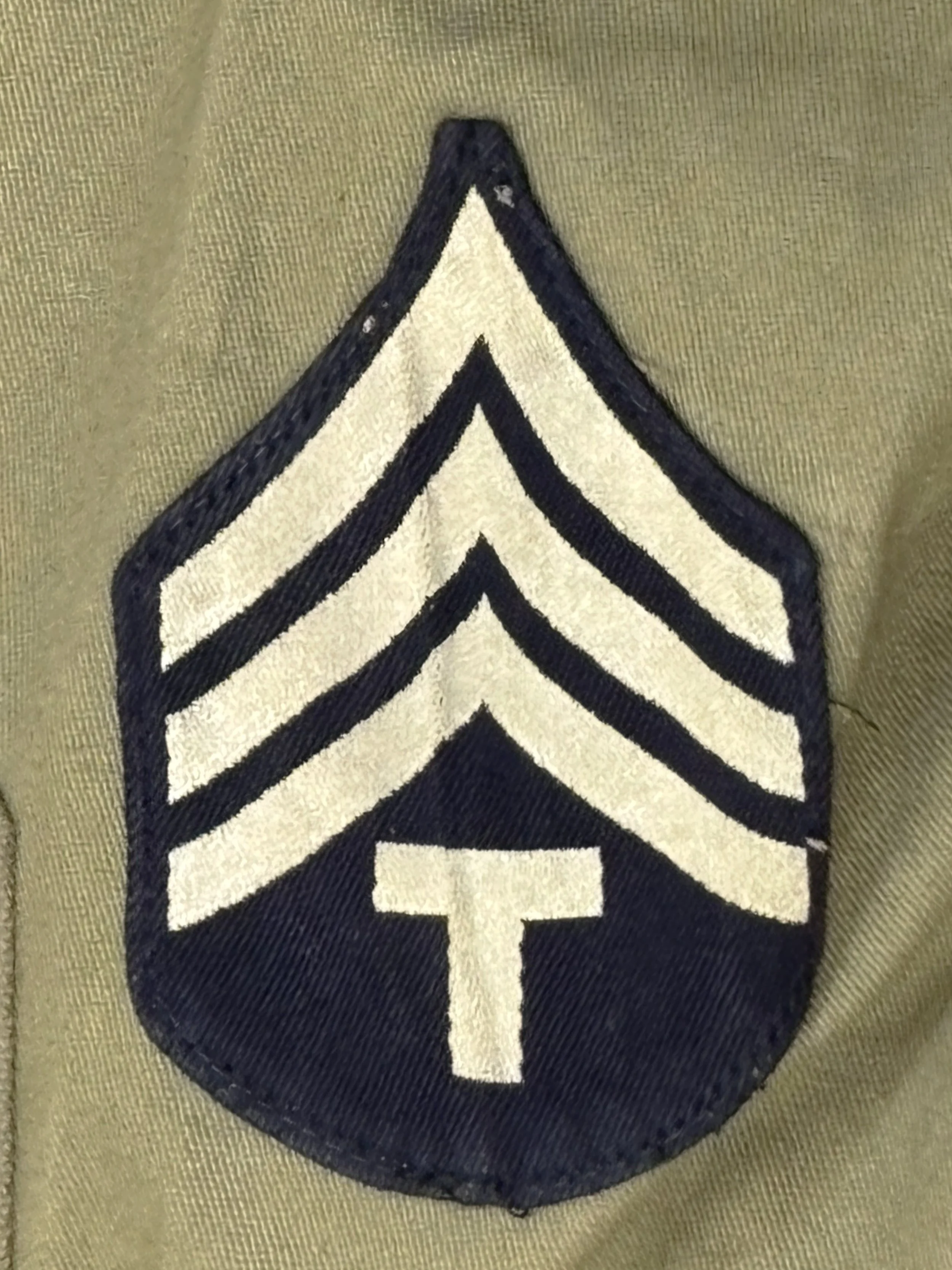
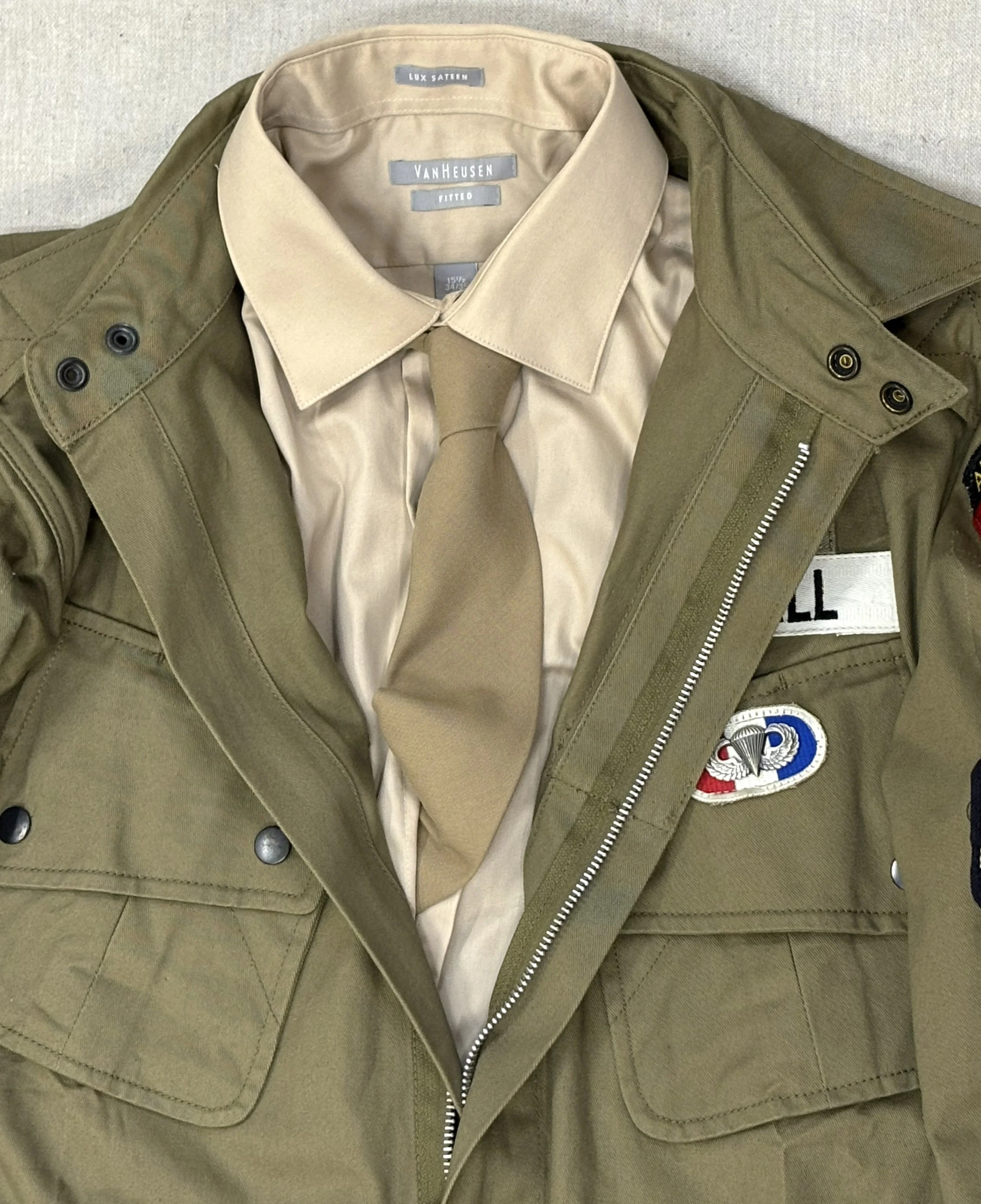
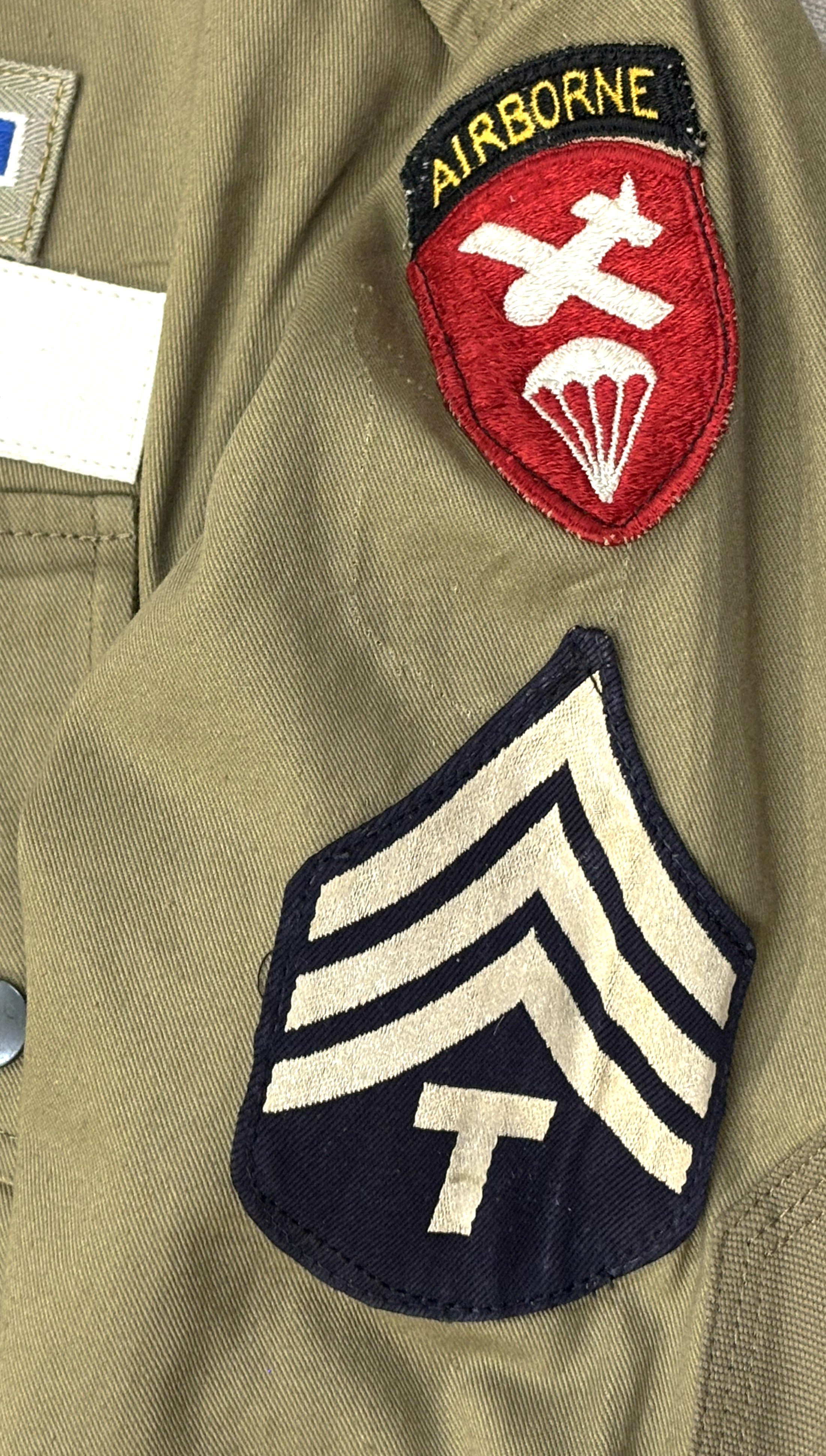
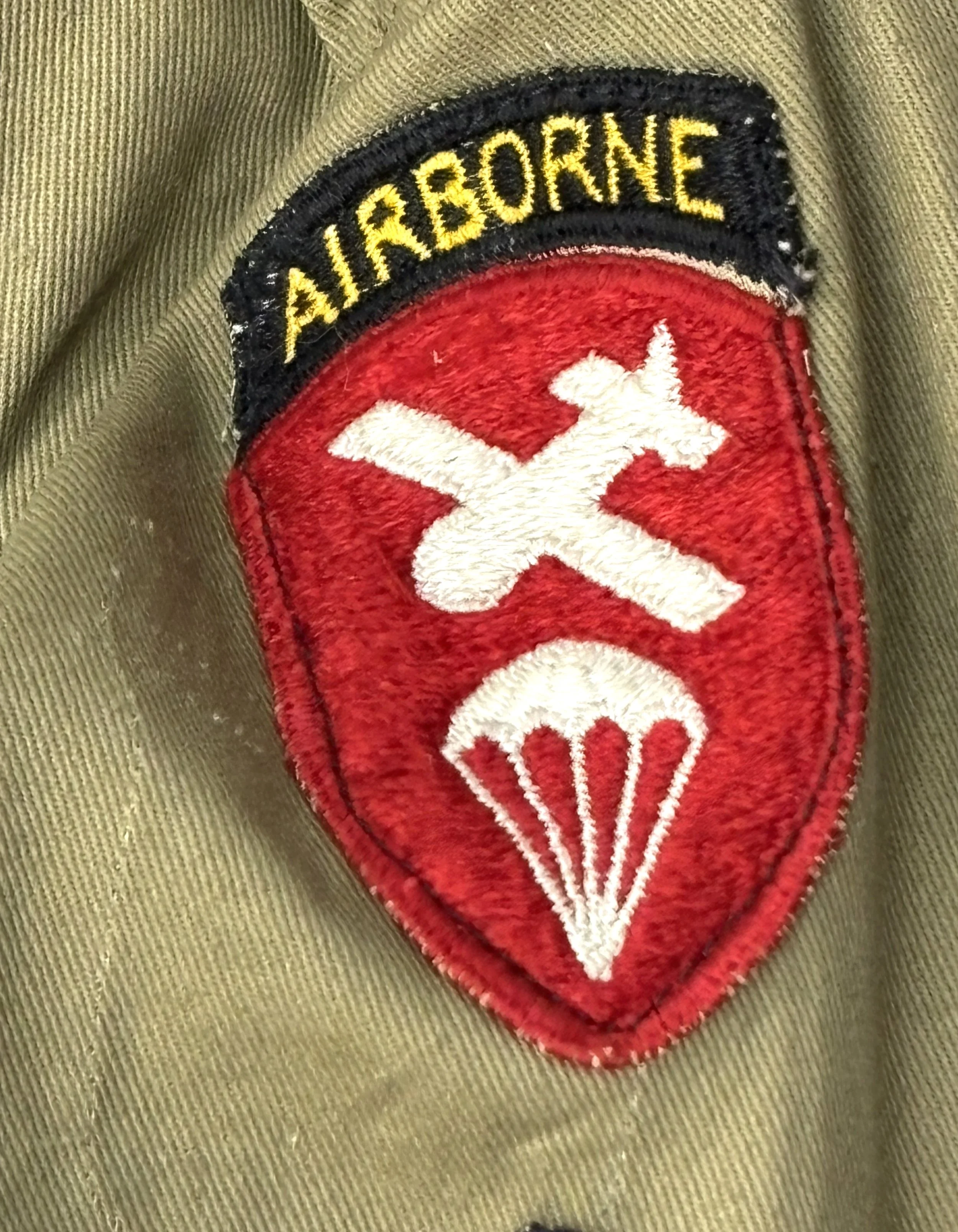
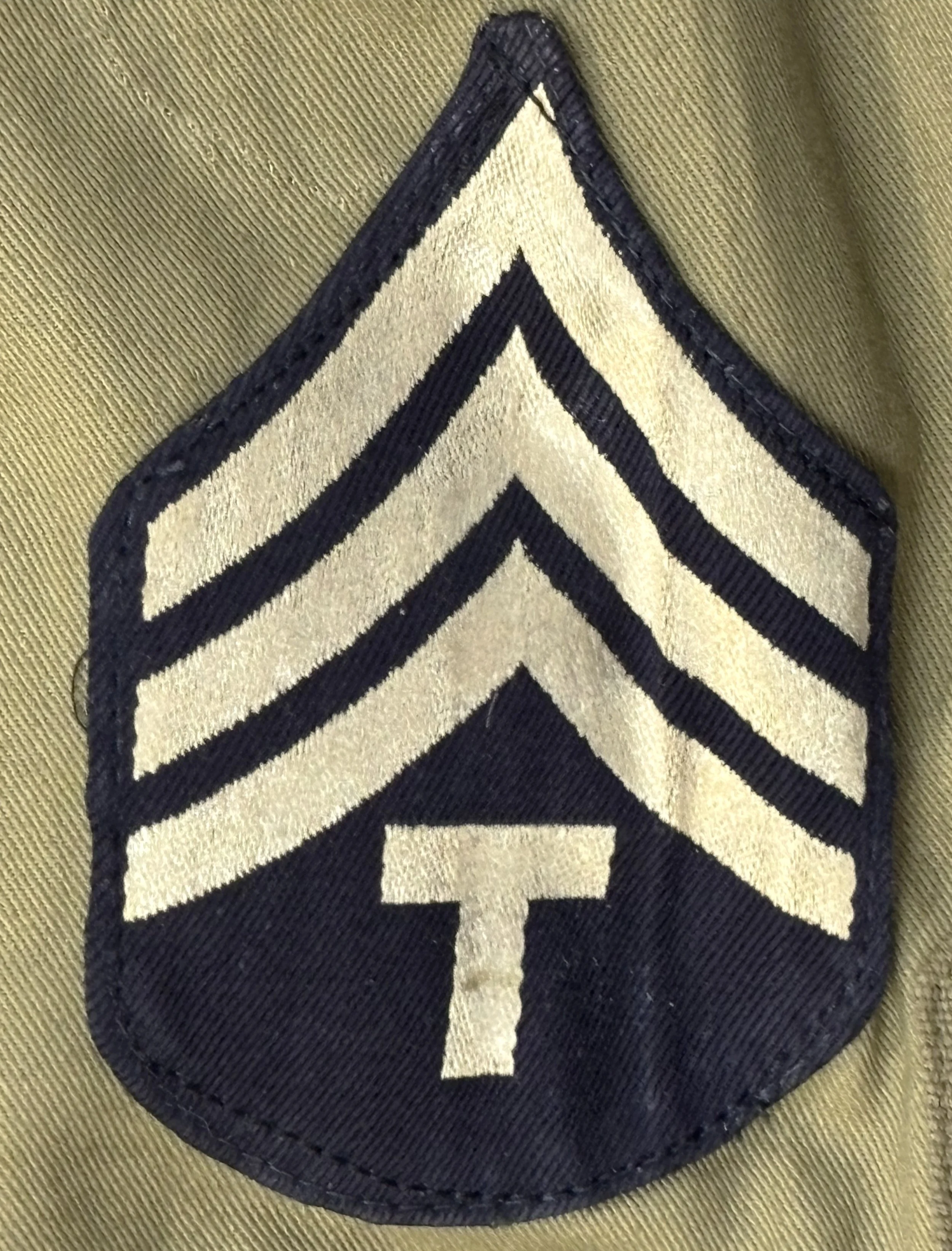
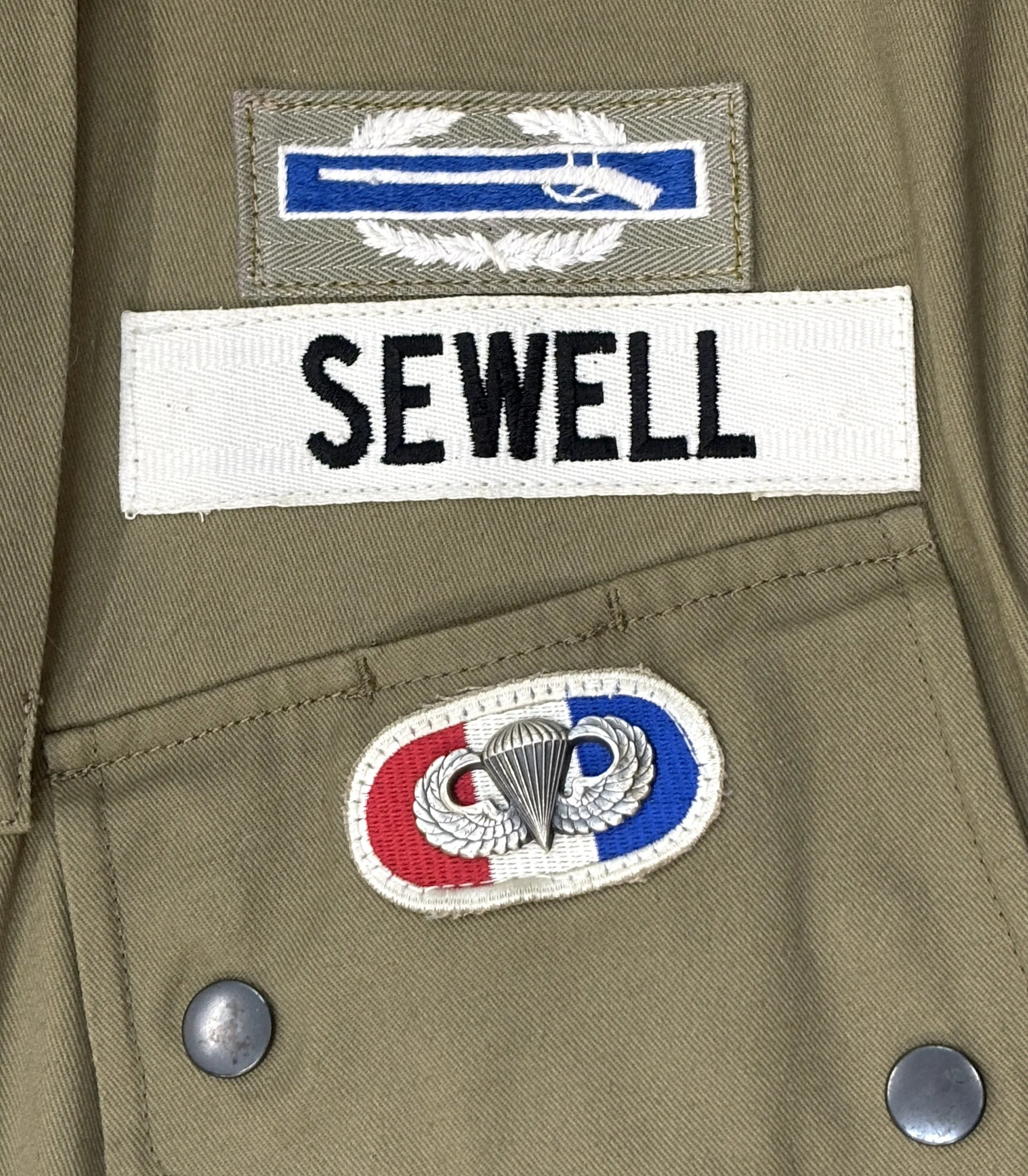
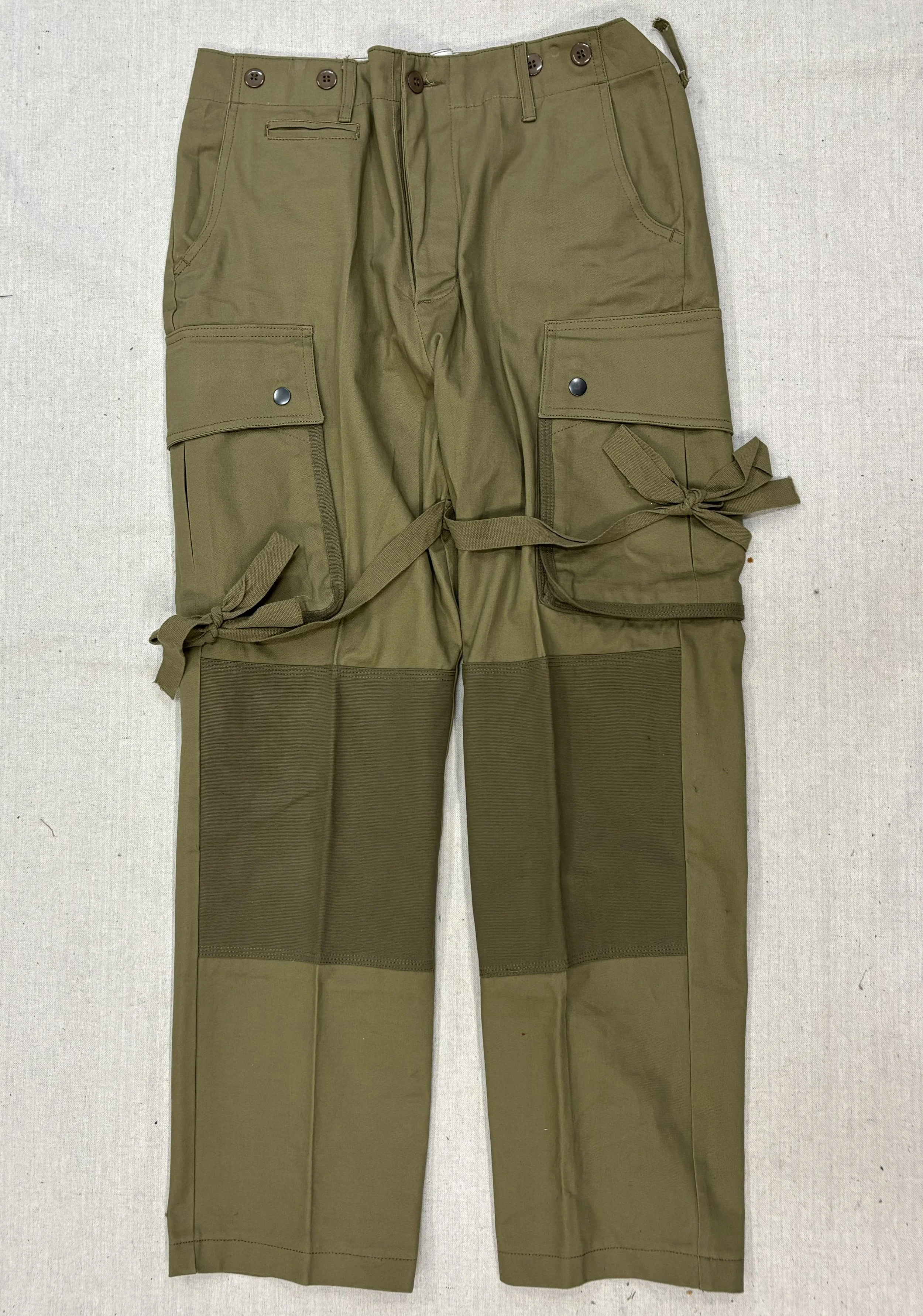
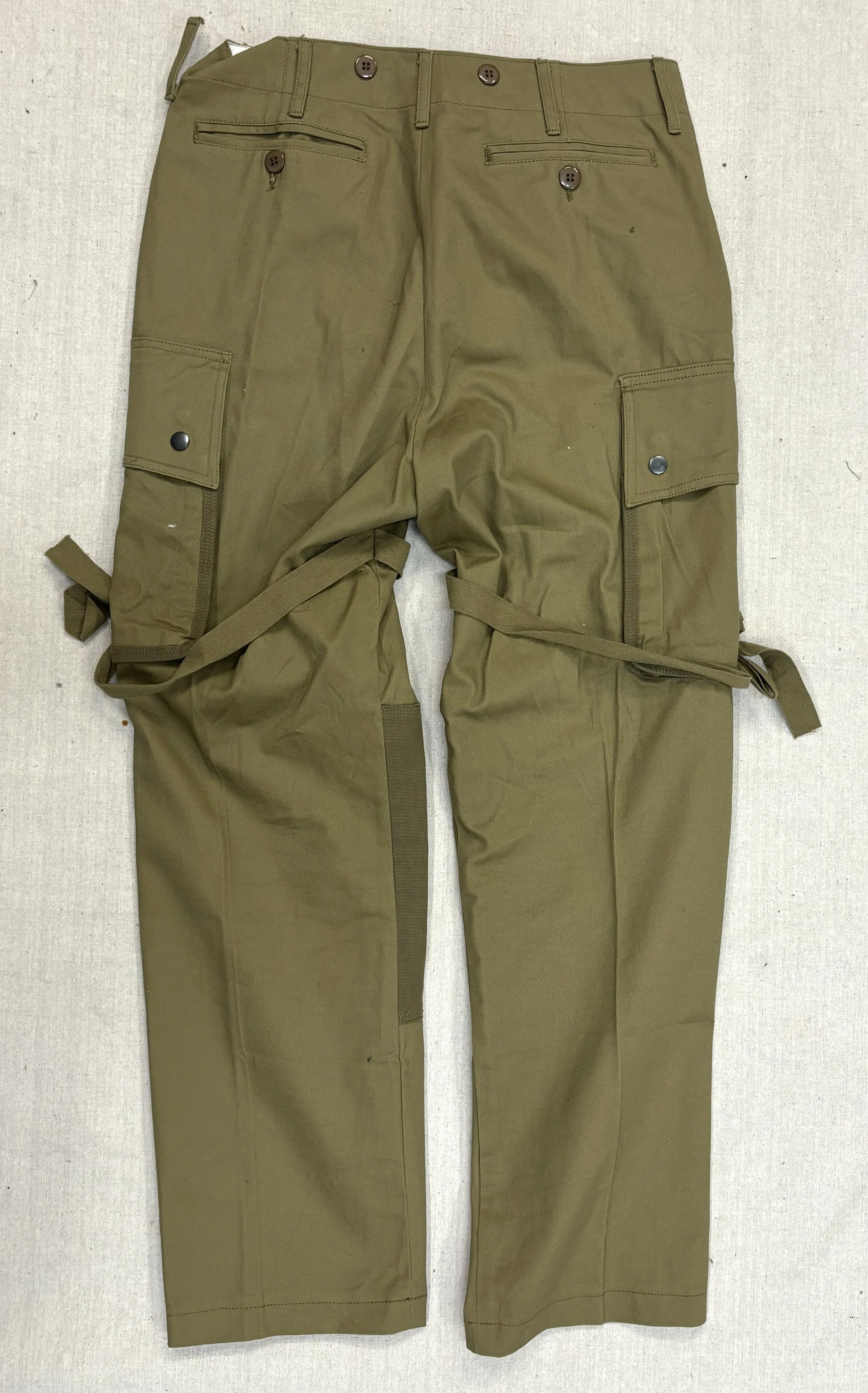
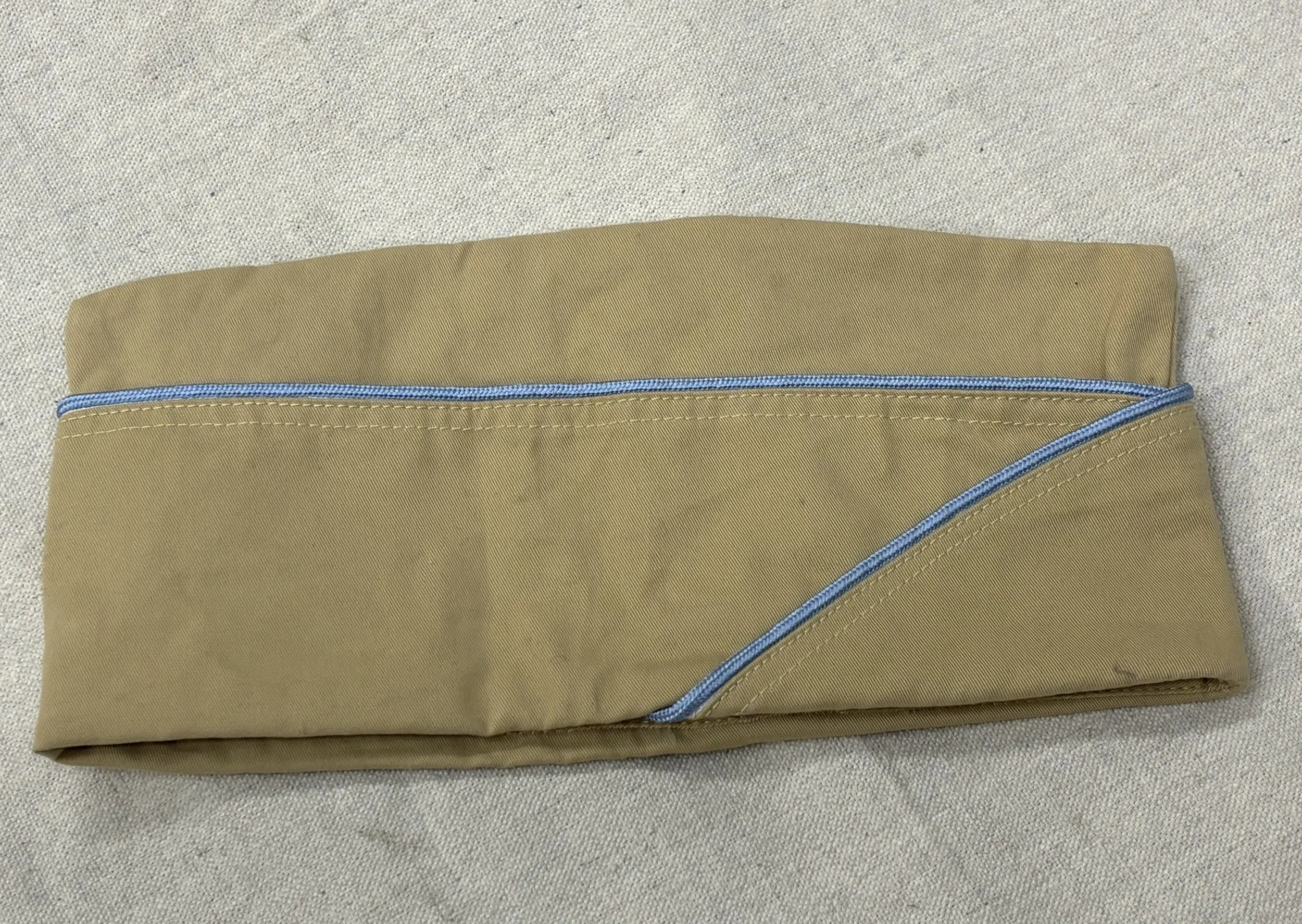
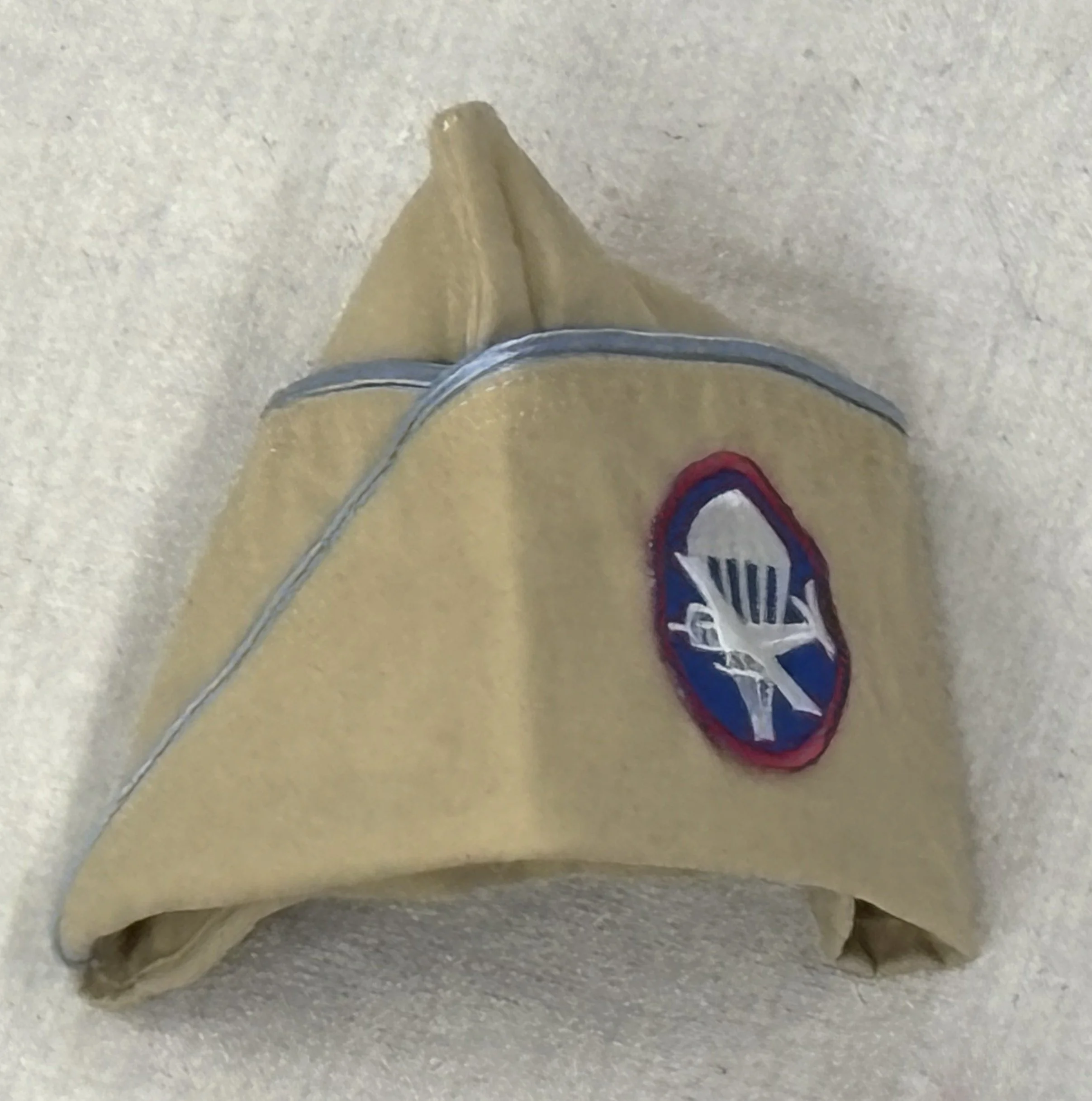
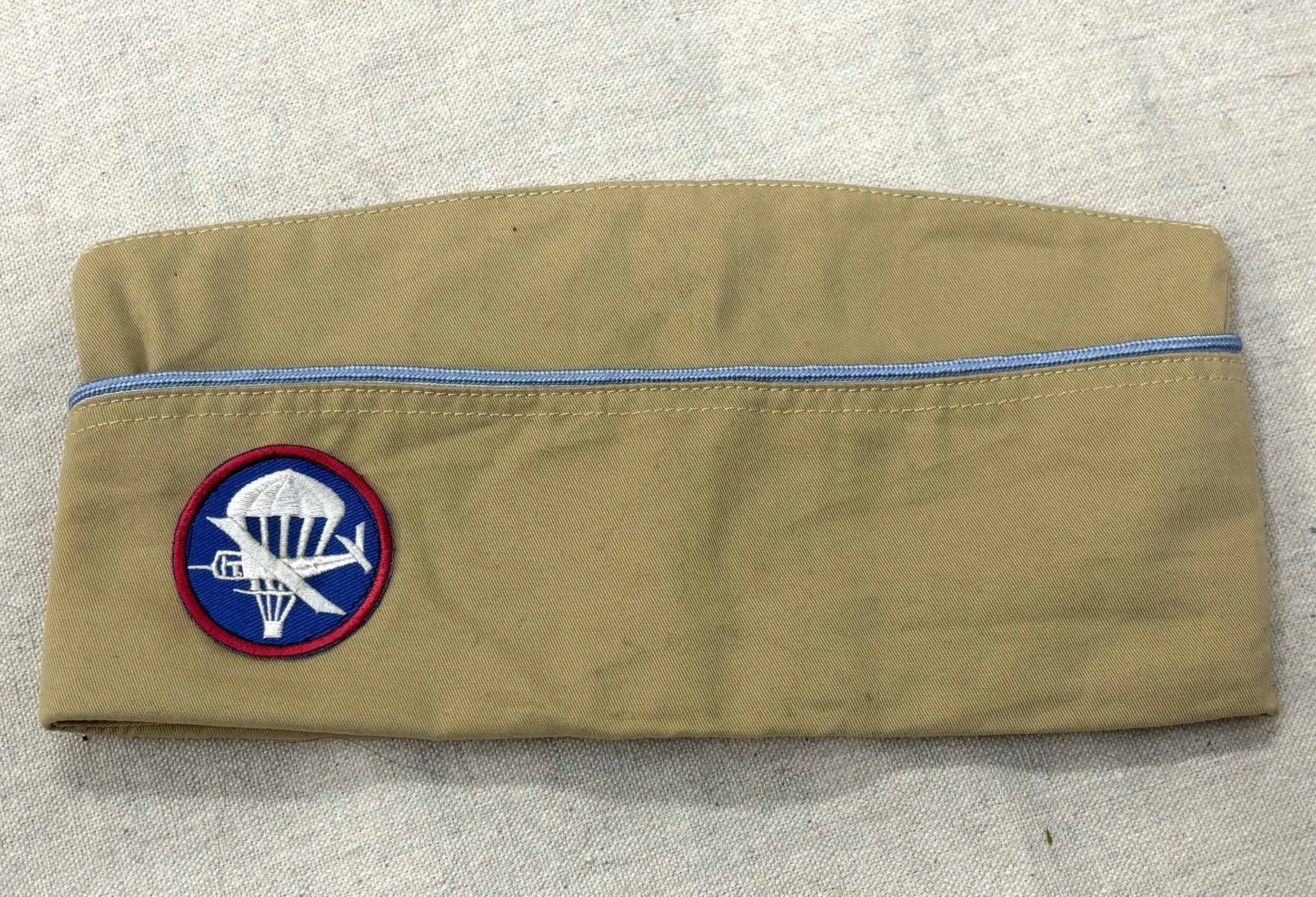
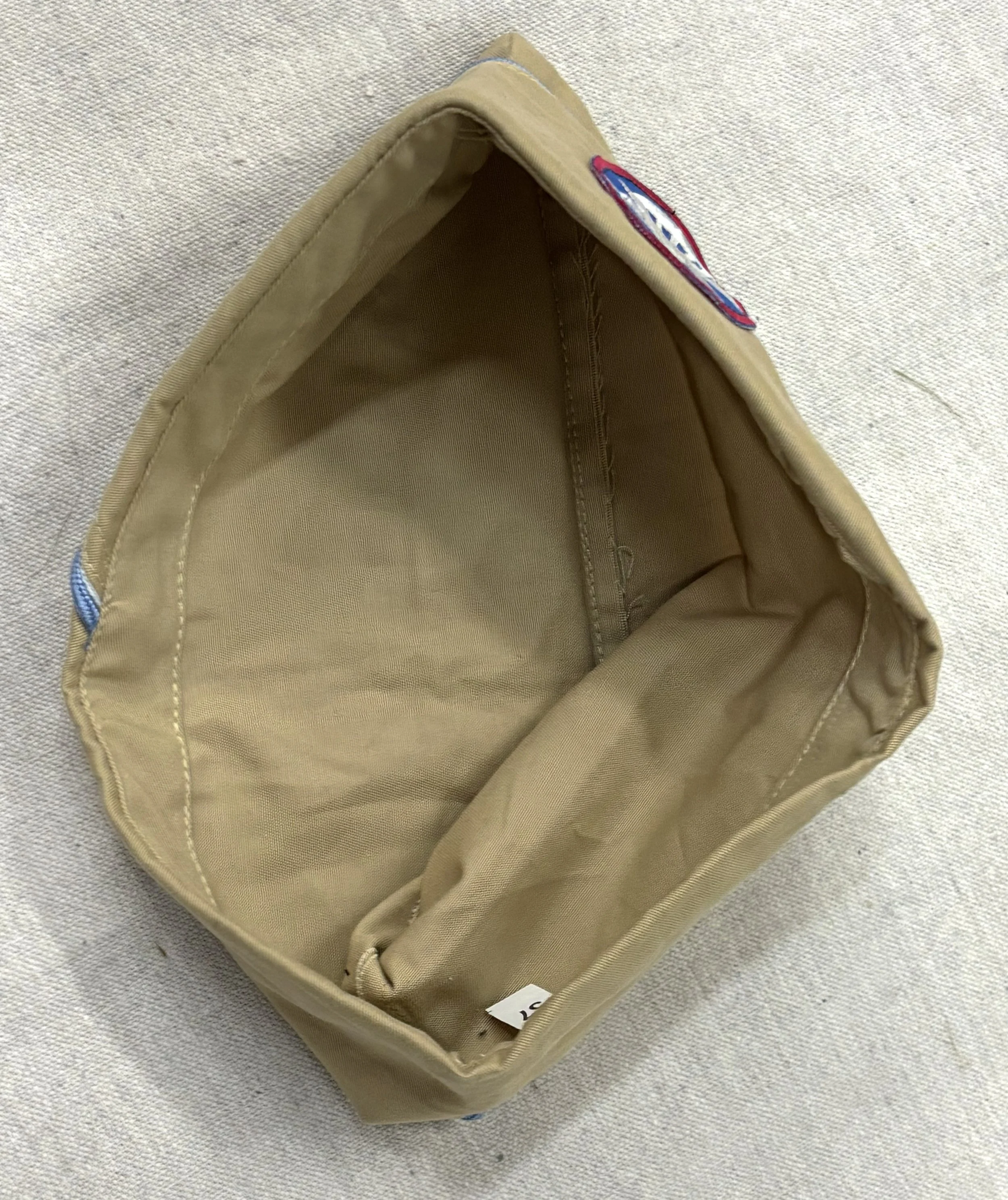
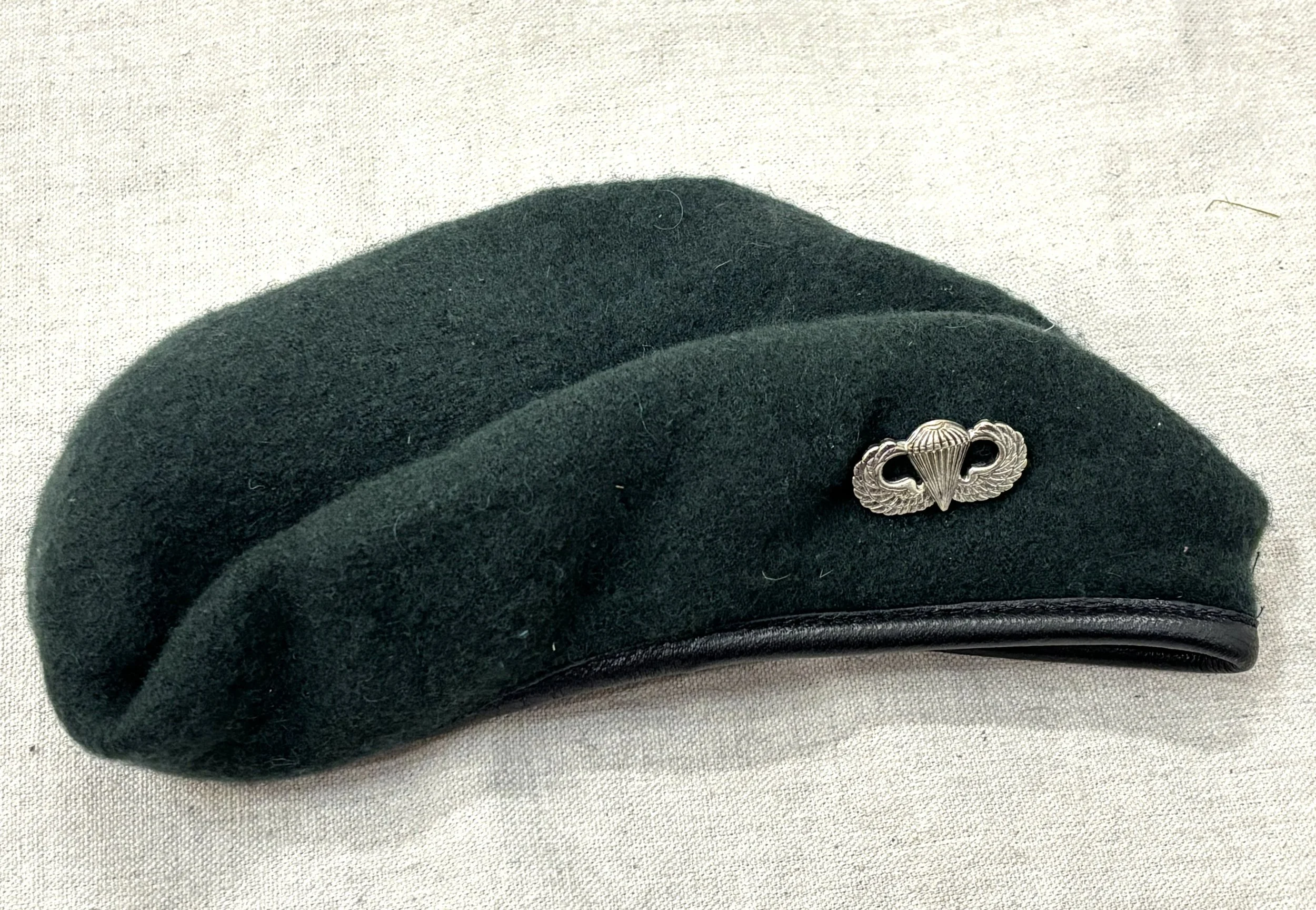
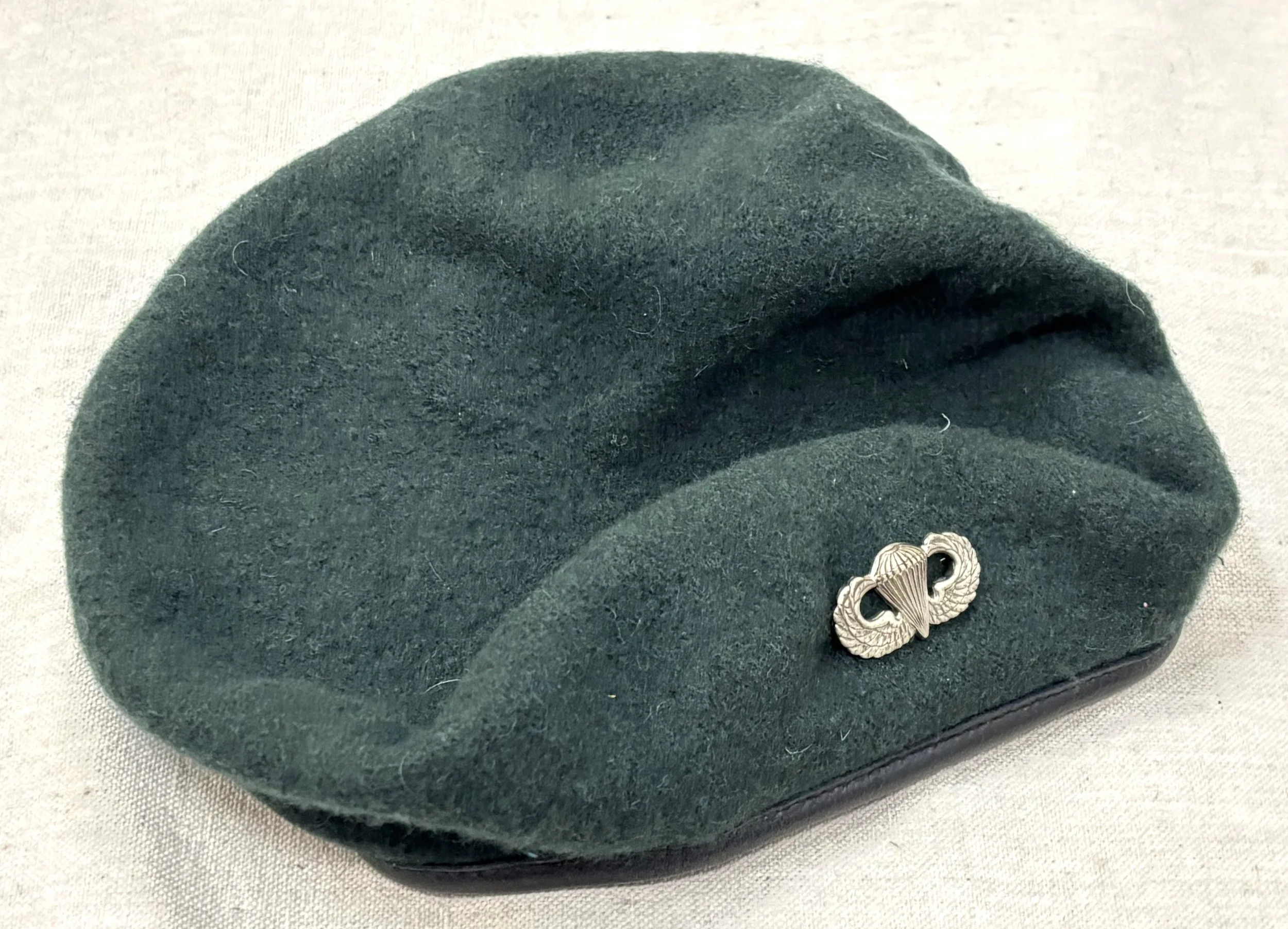
“New” Sergeant, 10th Special Forces Group ‘Development Stage’, Airborne Command (M1942 Jump Uniform):
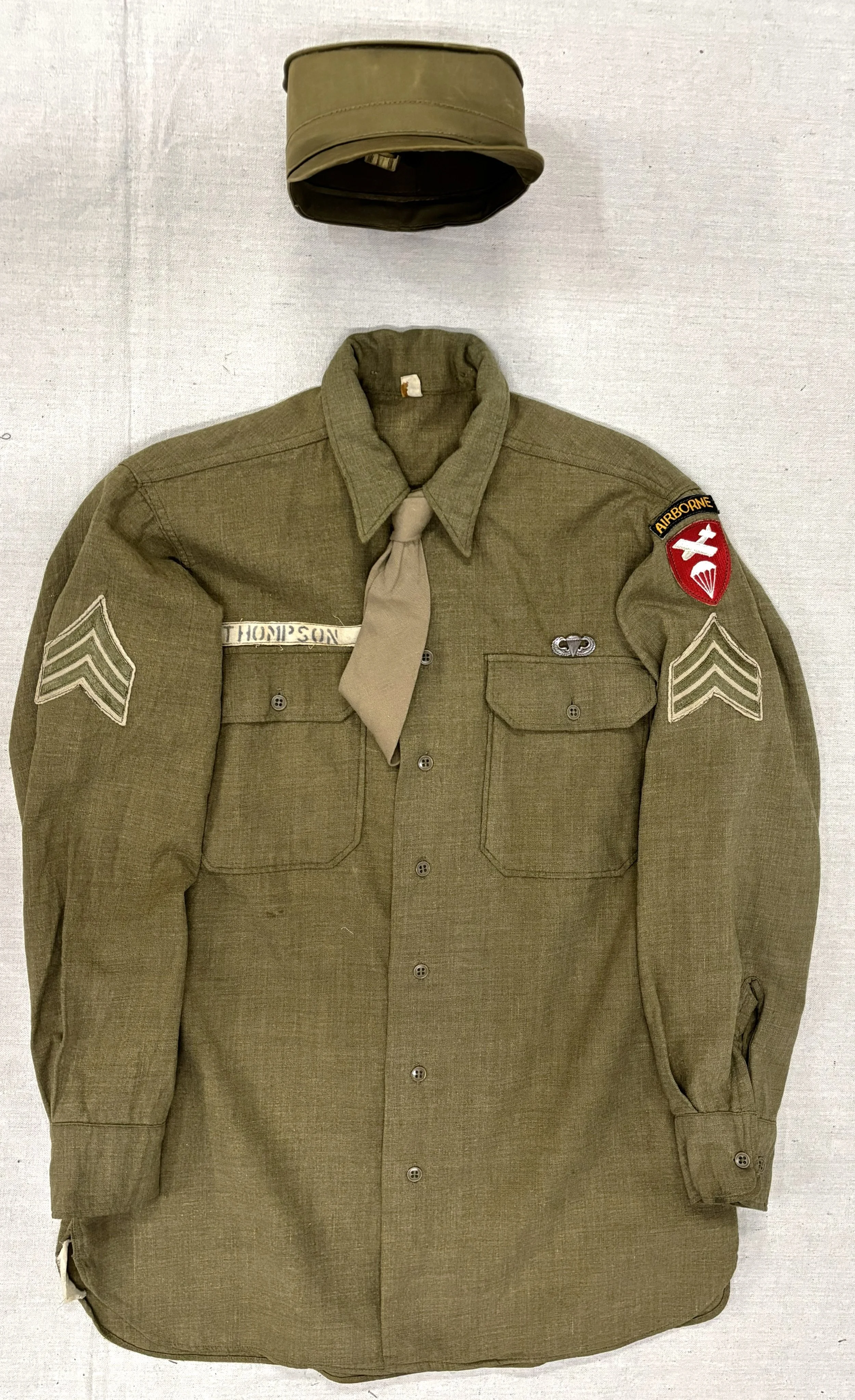
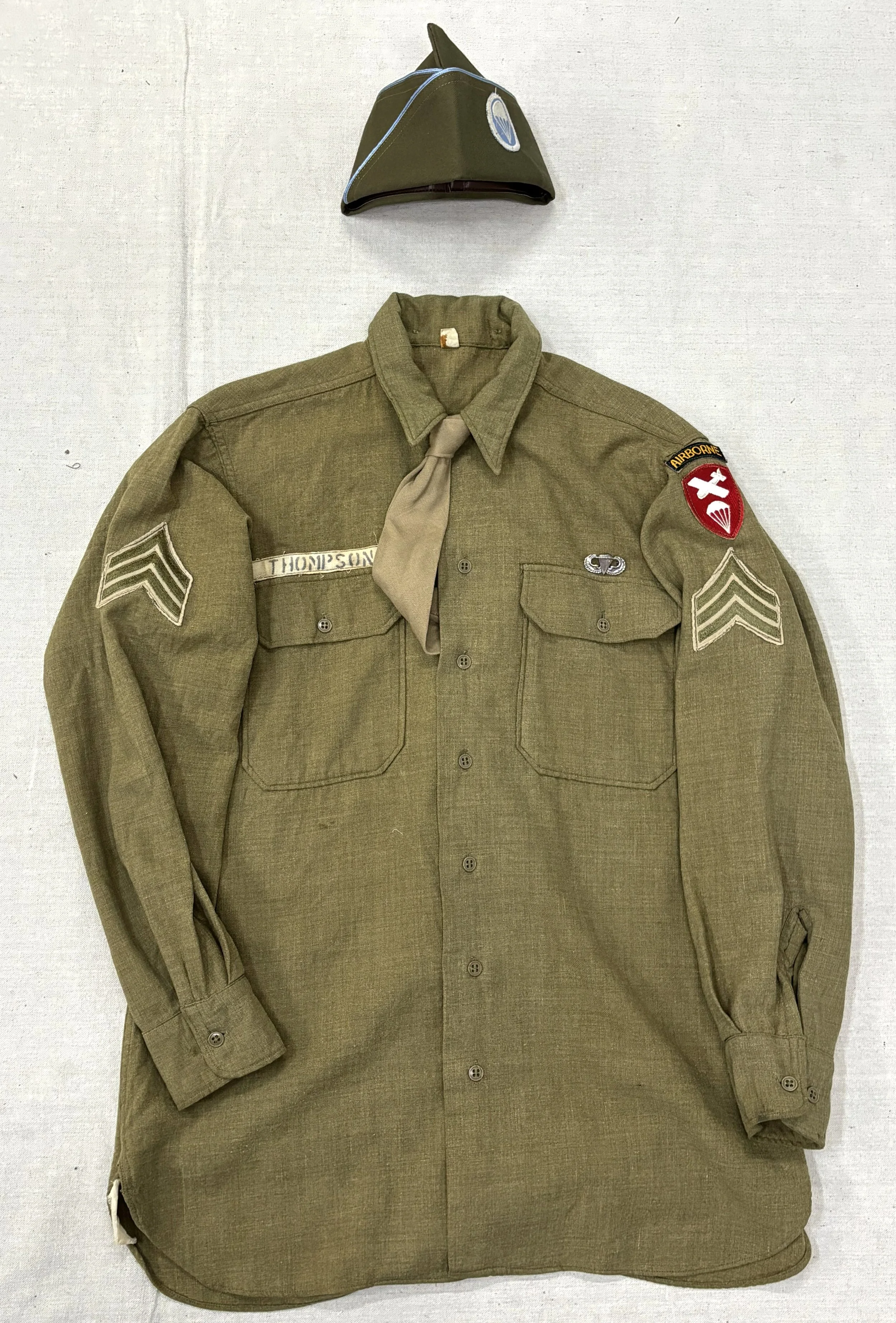
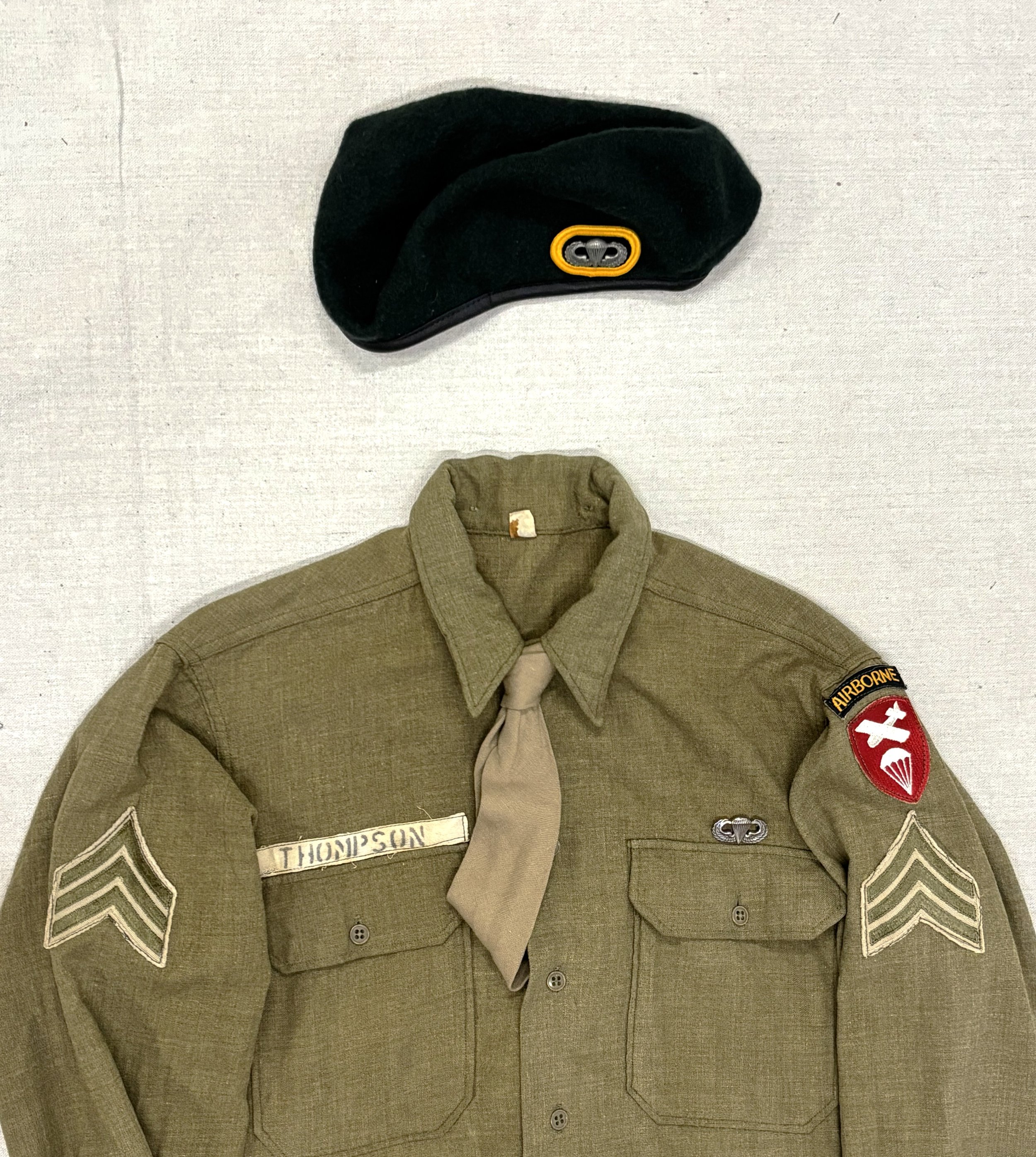
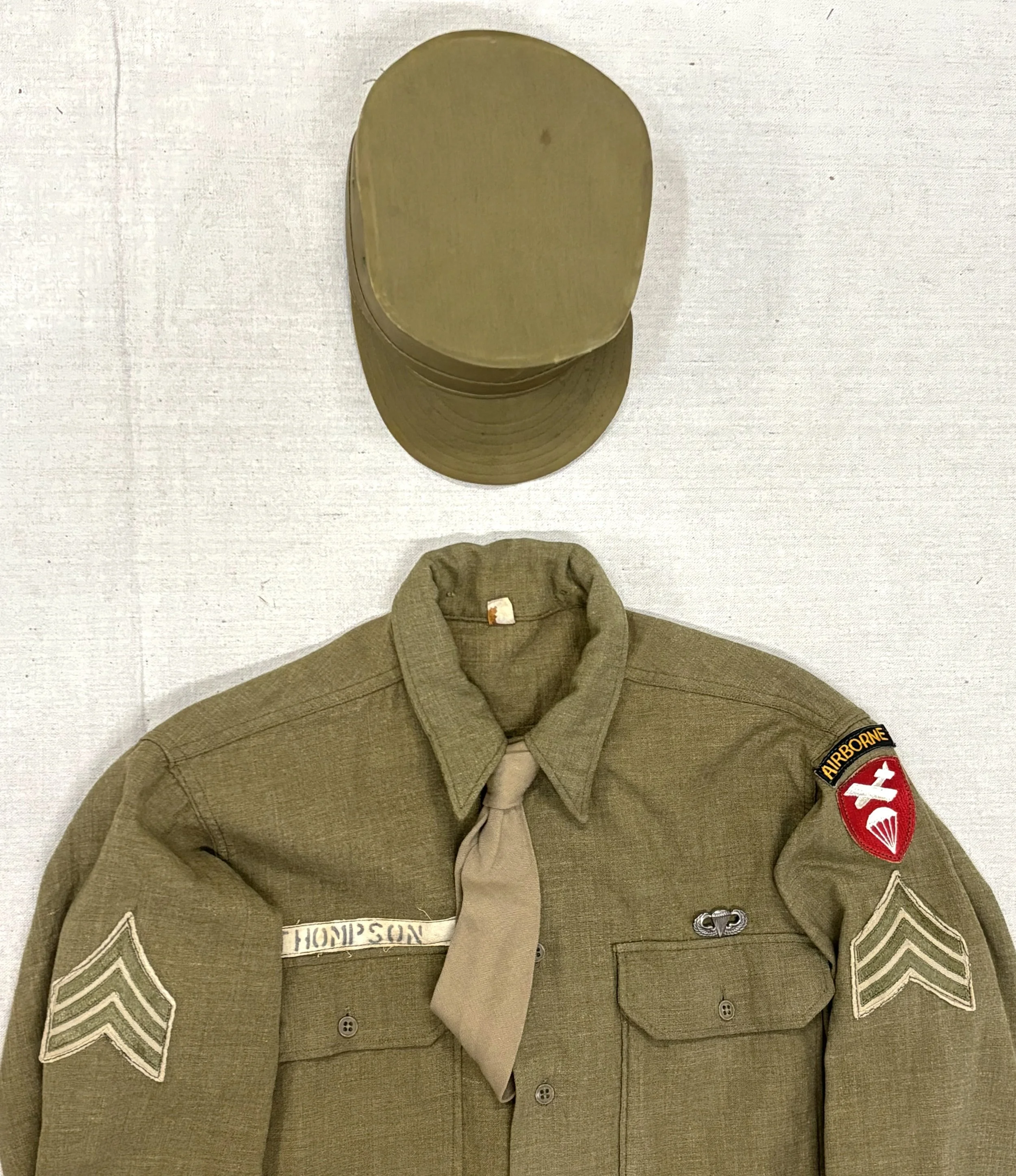
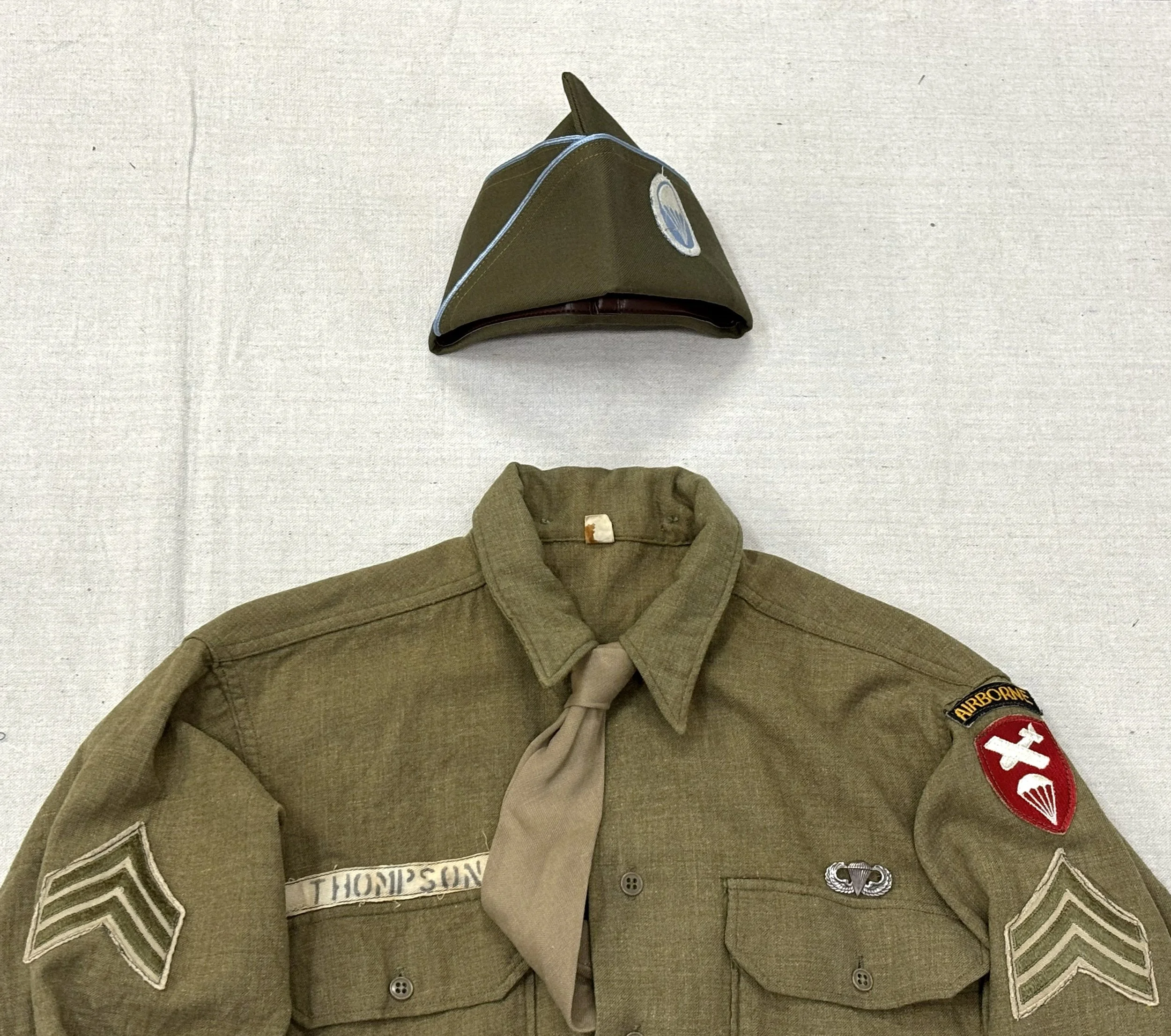
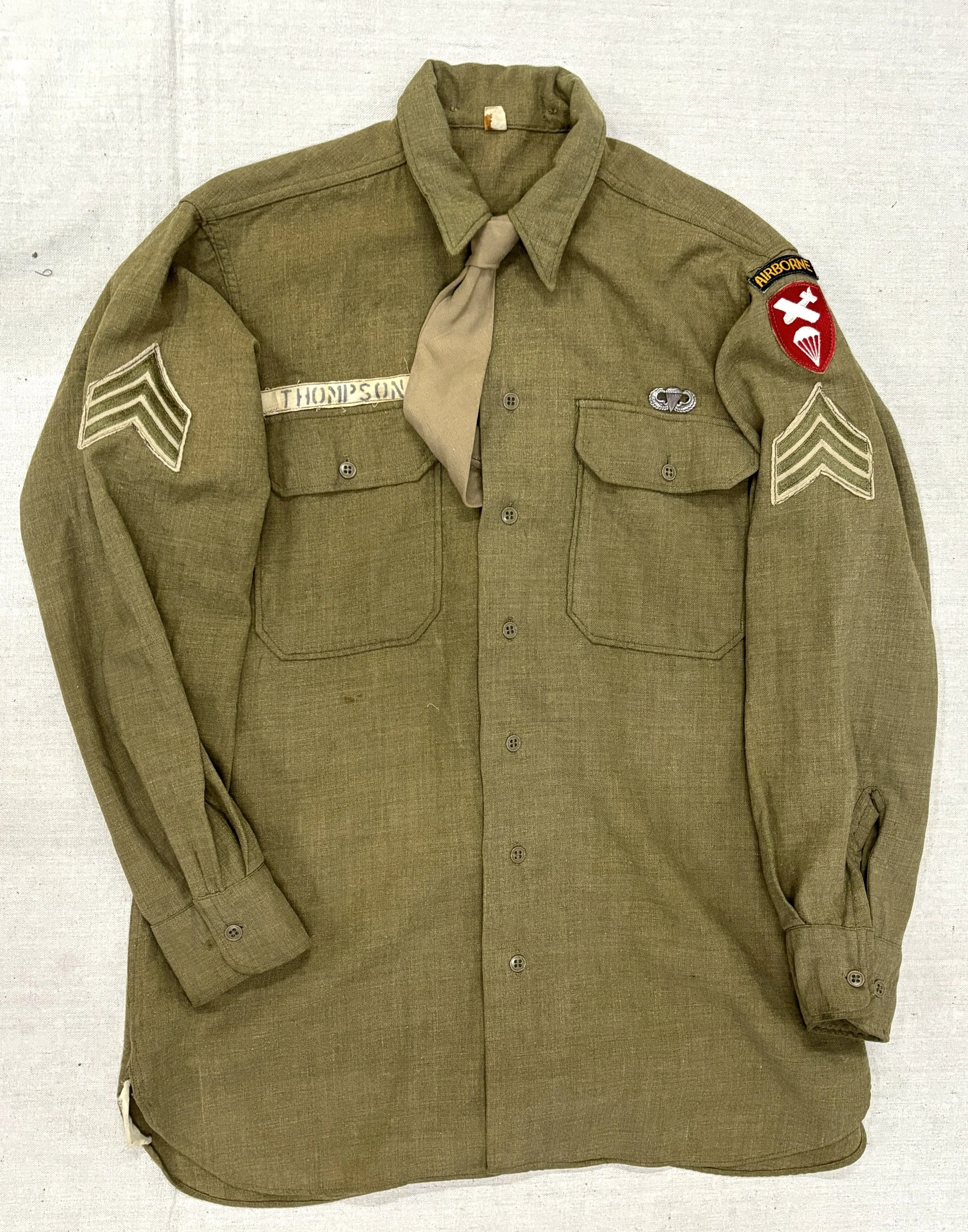
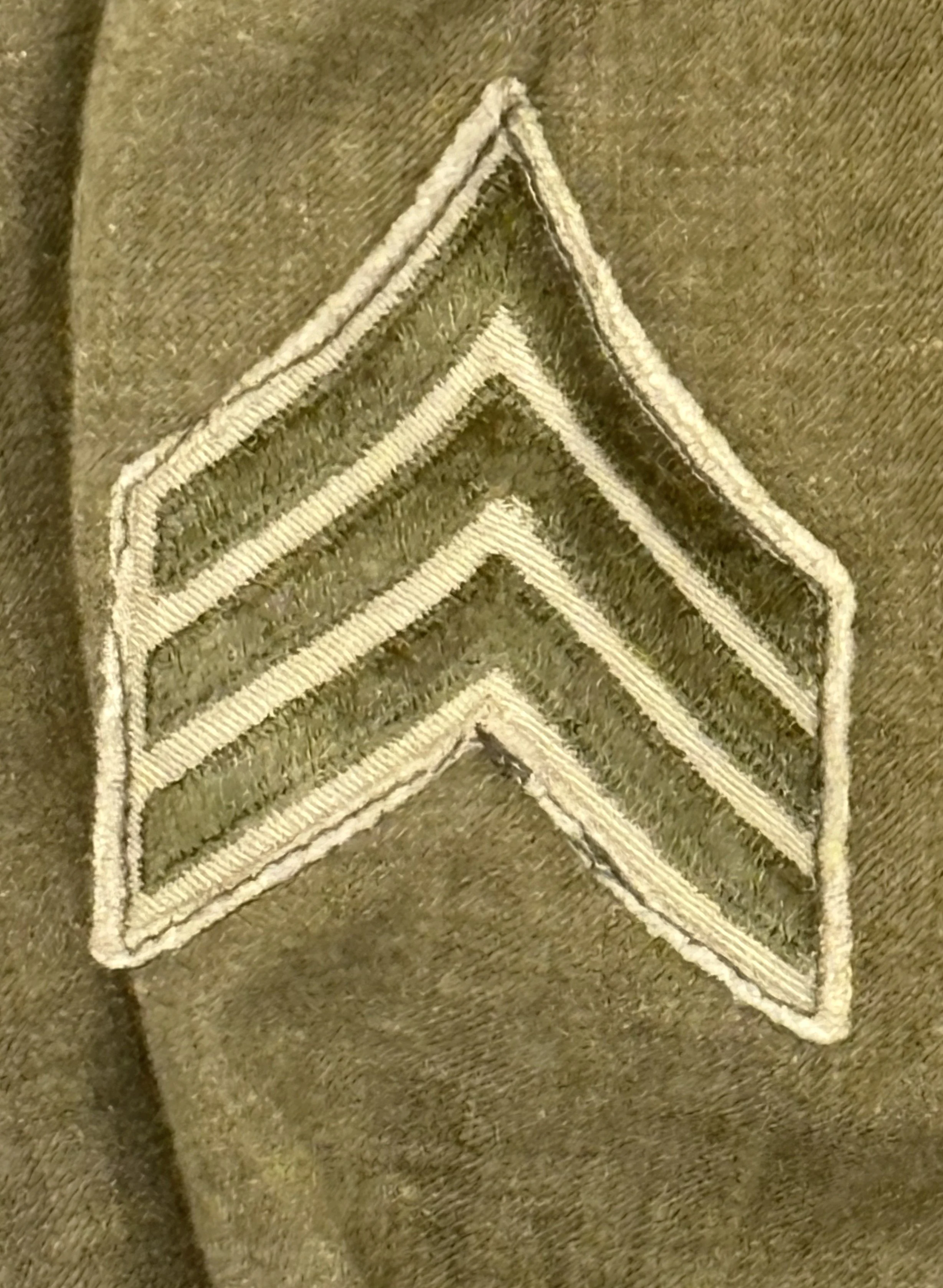
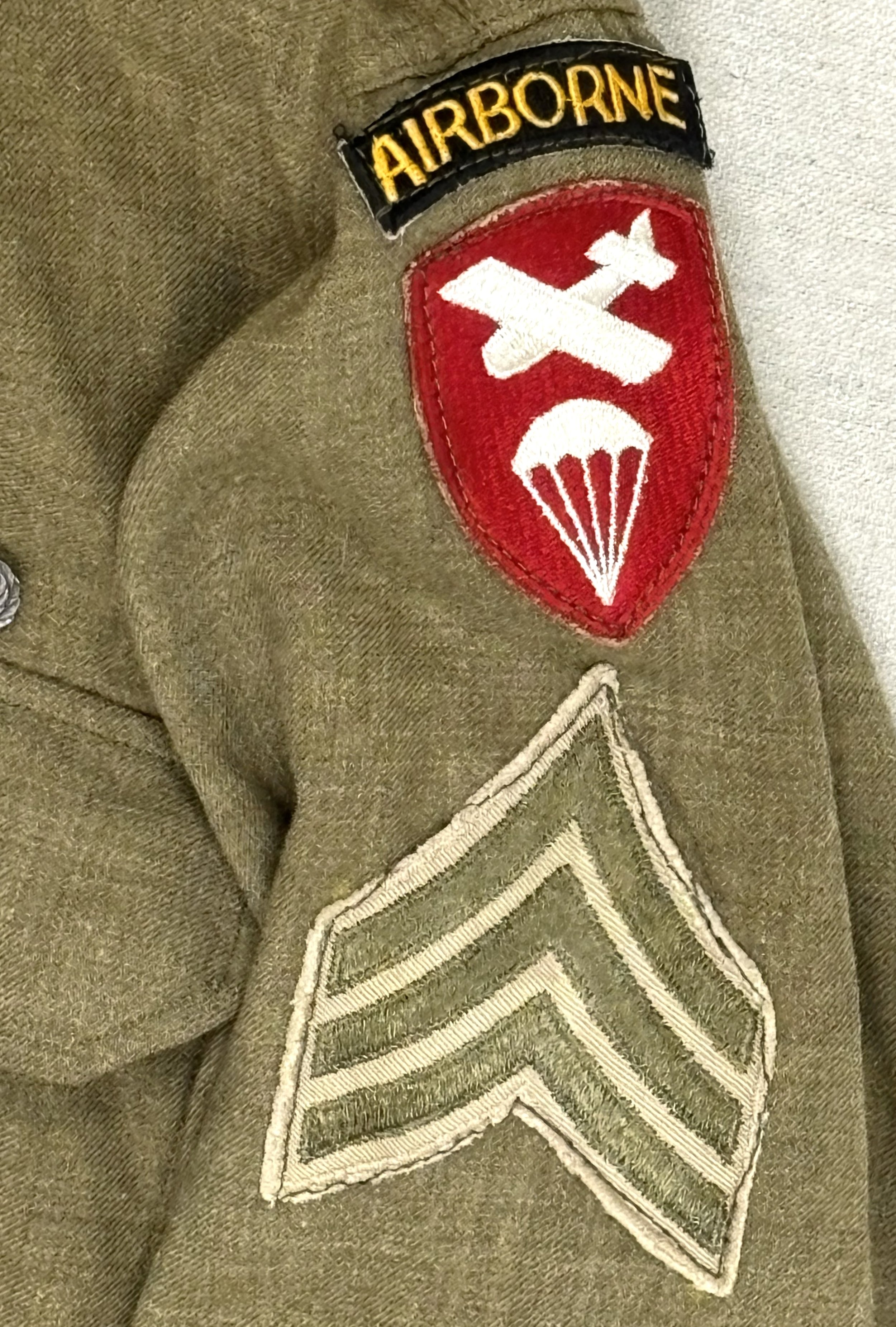
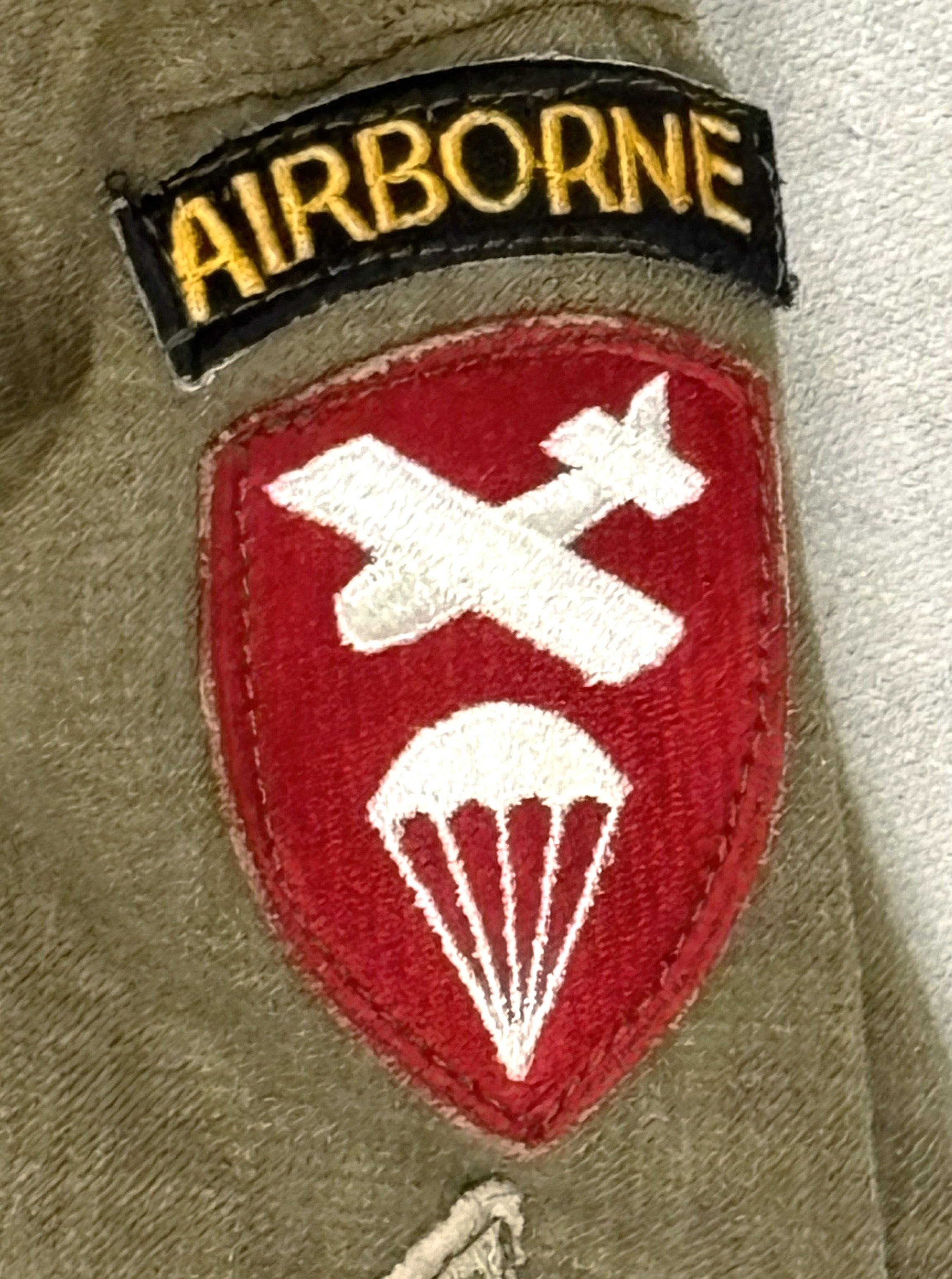
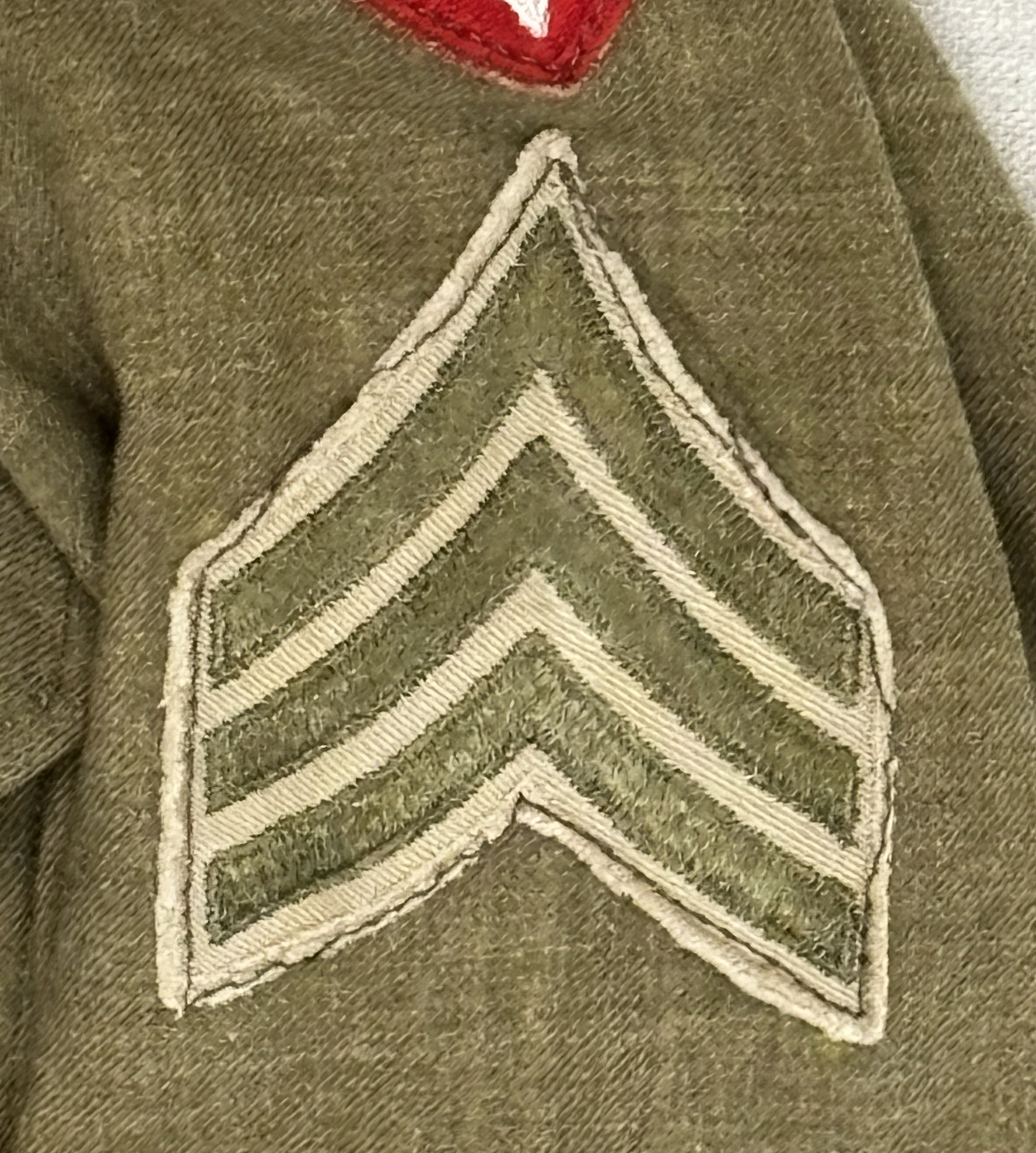
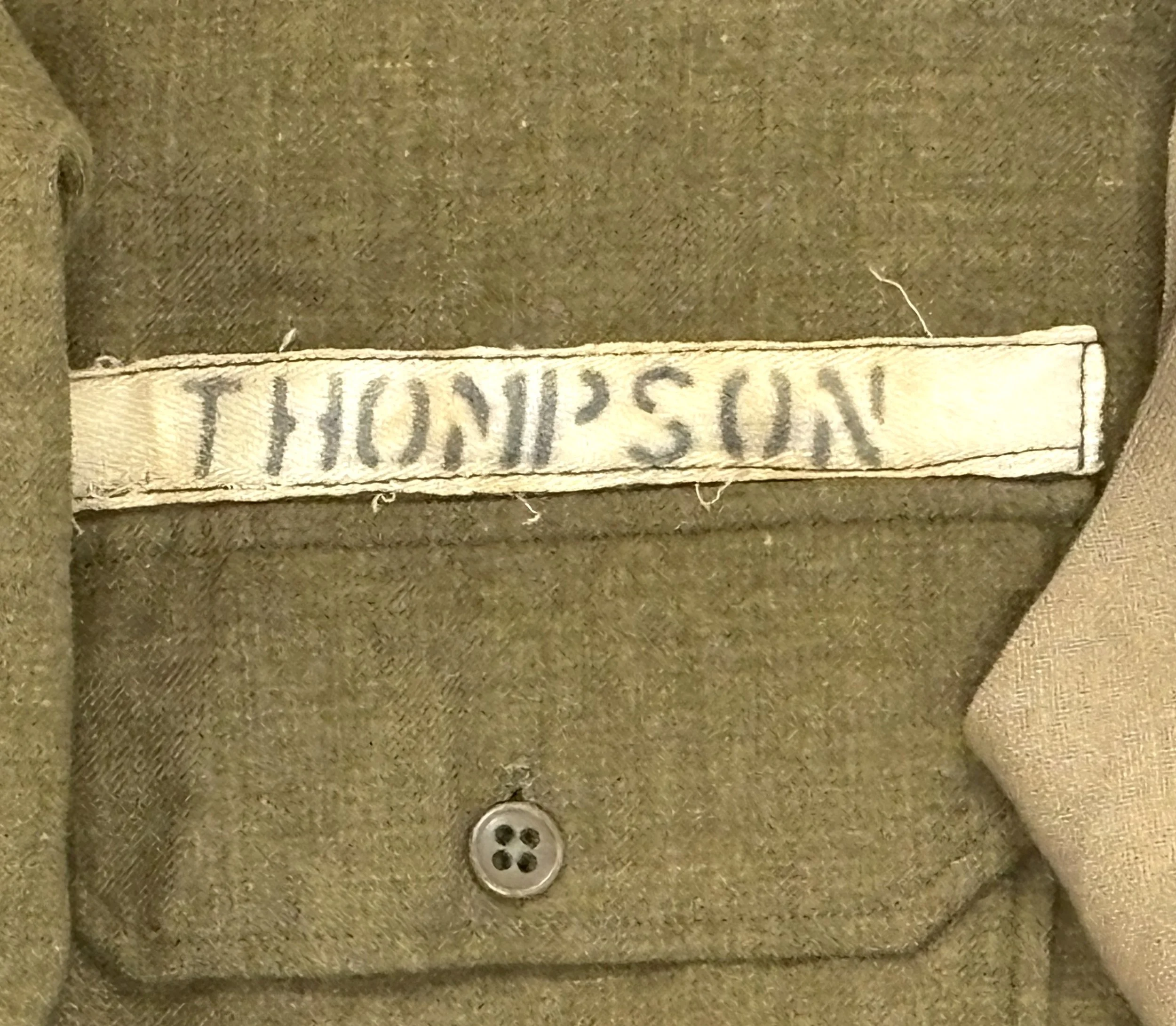
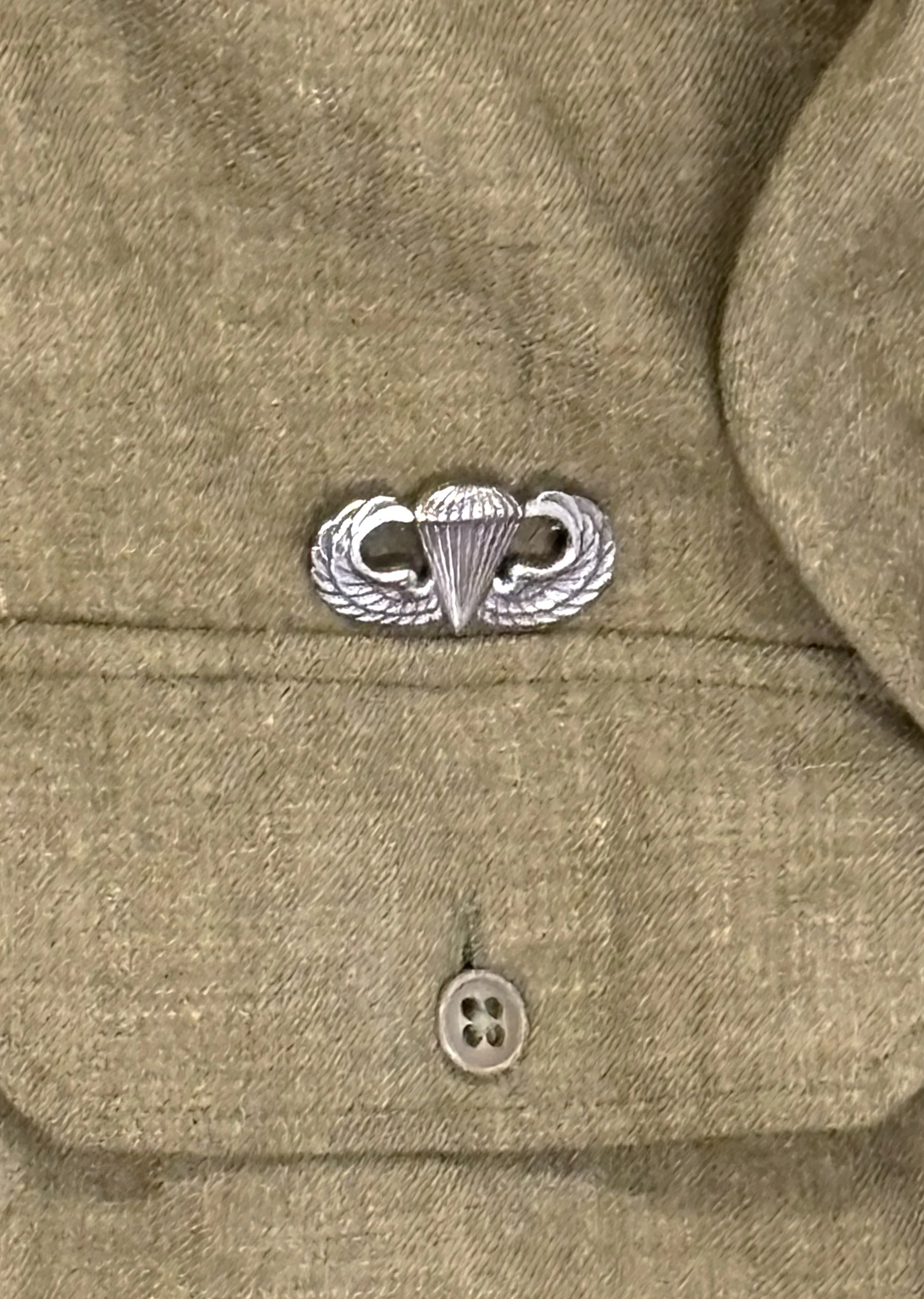
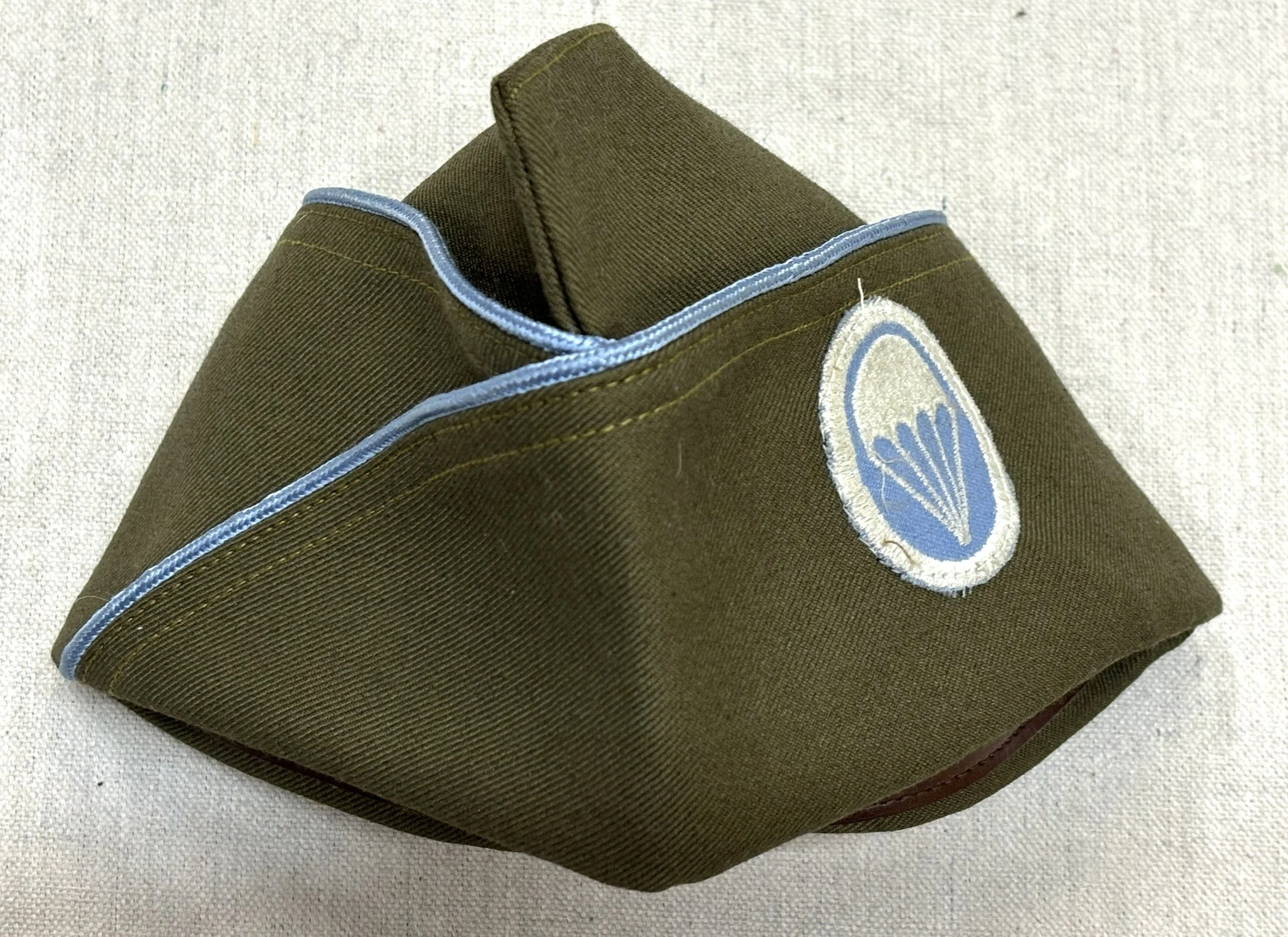
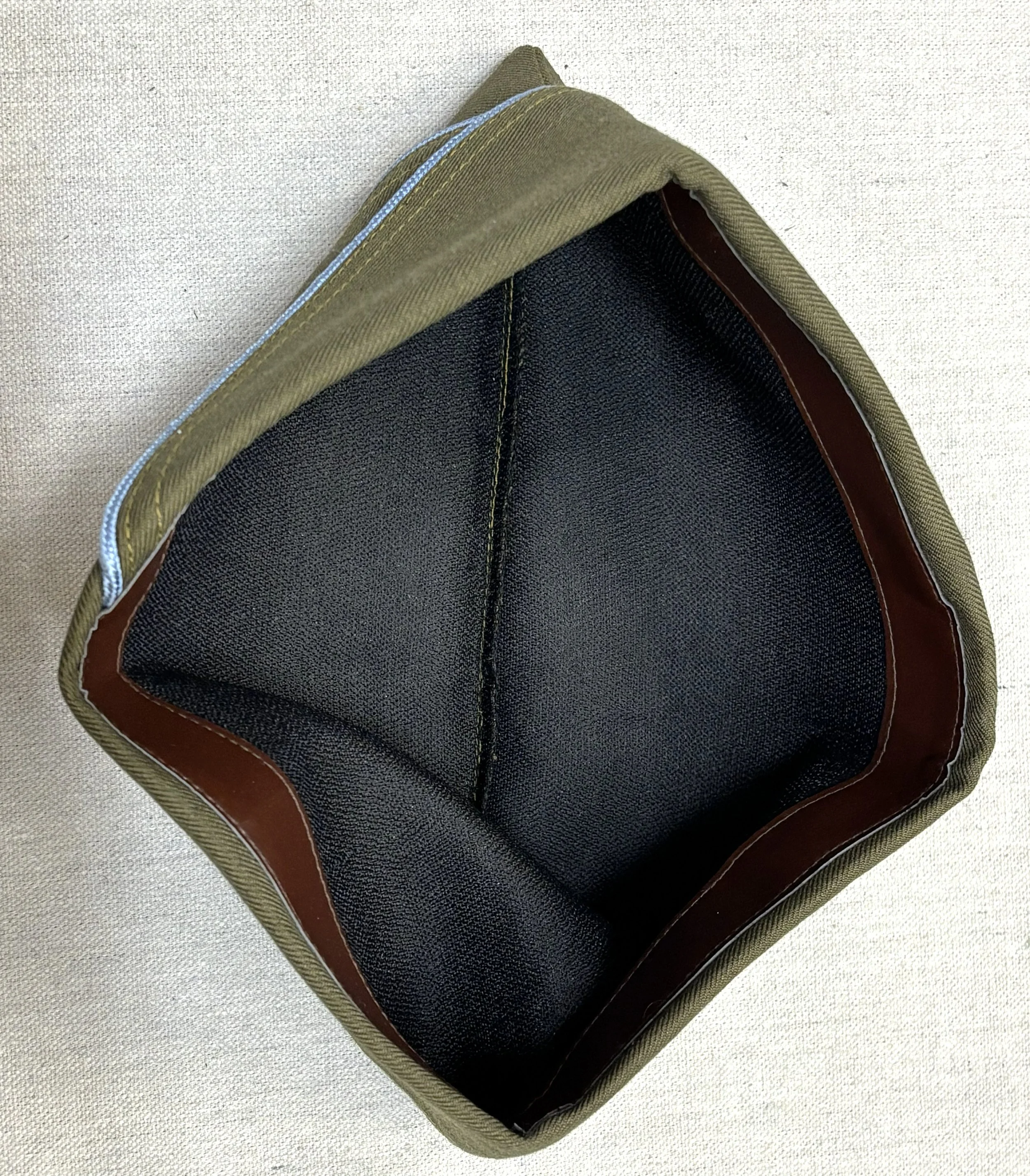
“NEW” Part 2 Sergeant Thompson, Airborne Command_10 SF EUROPE:
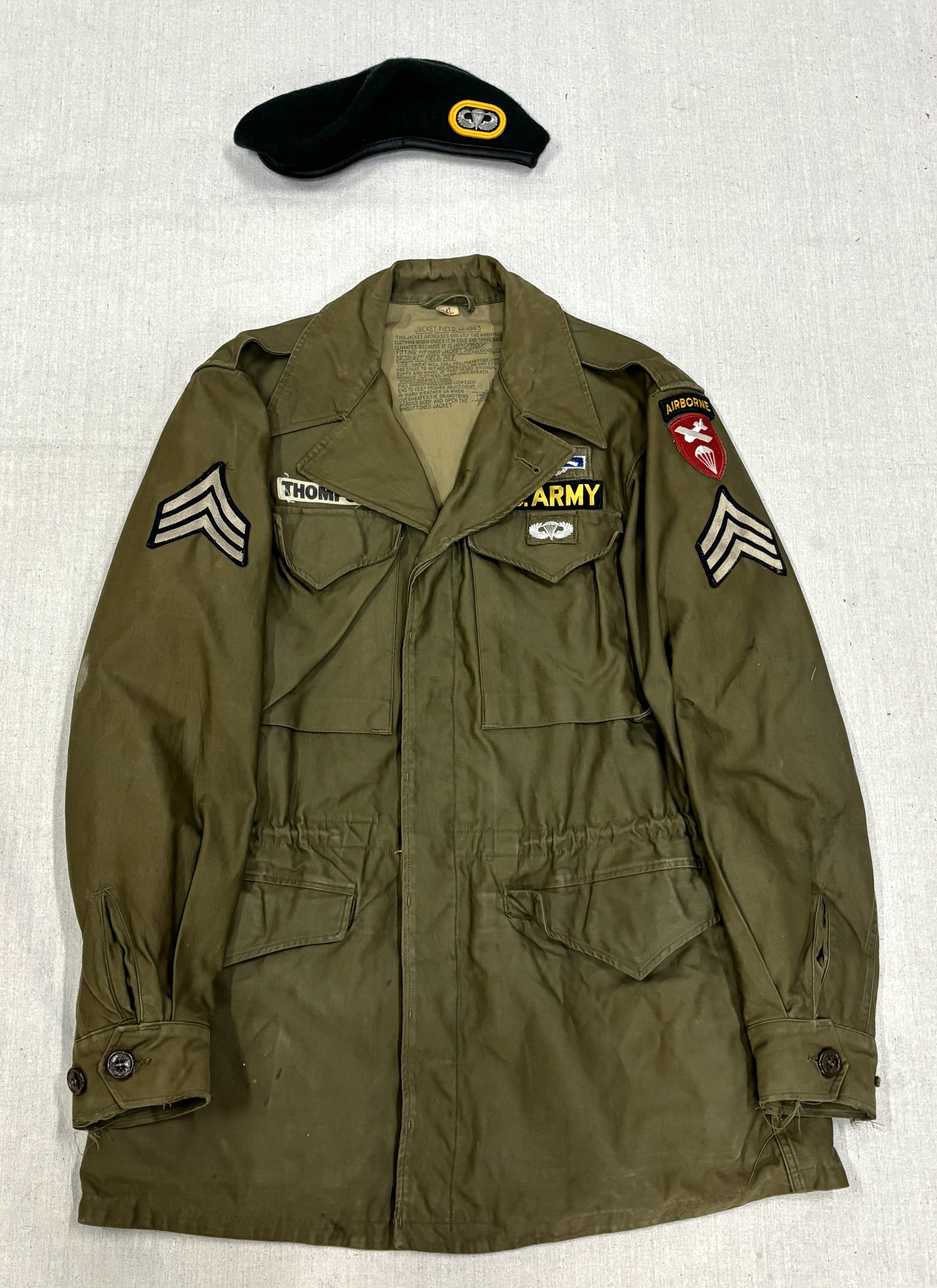
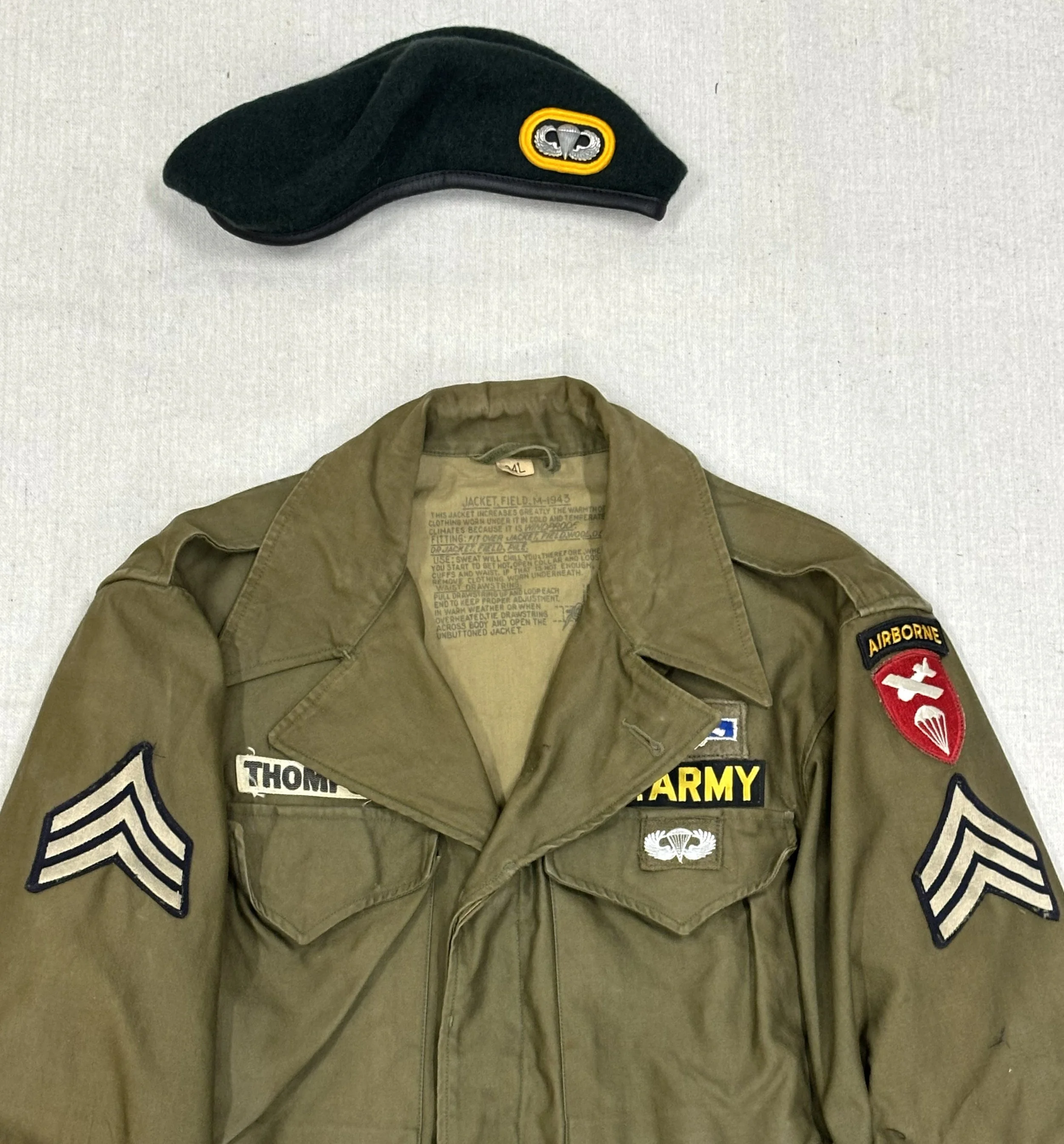
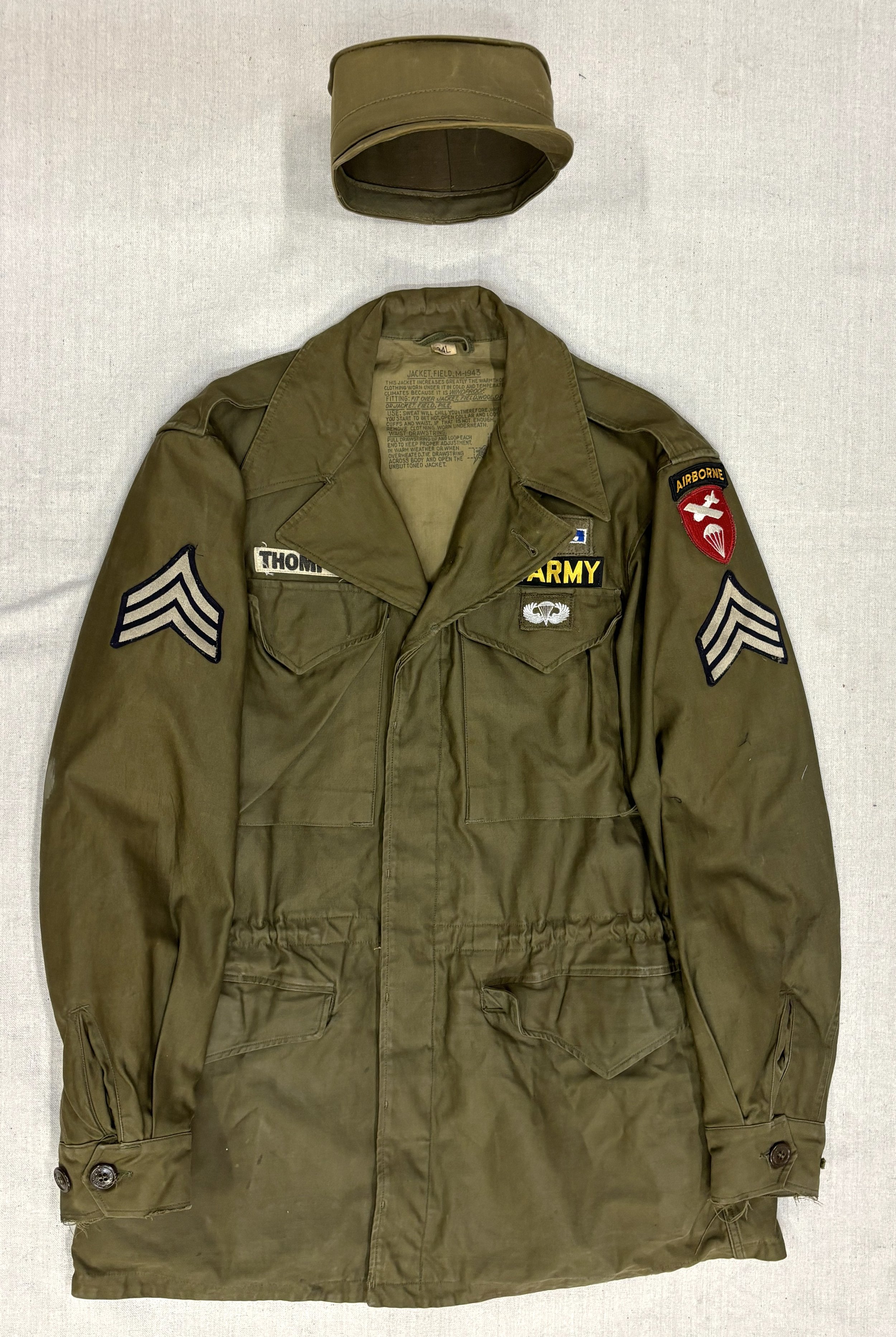
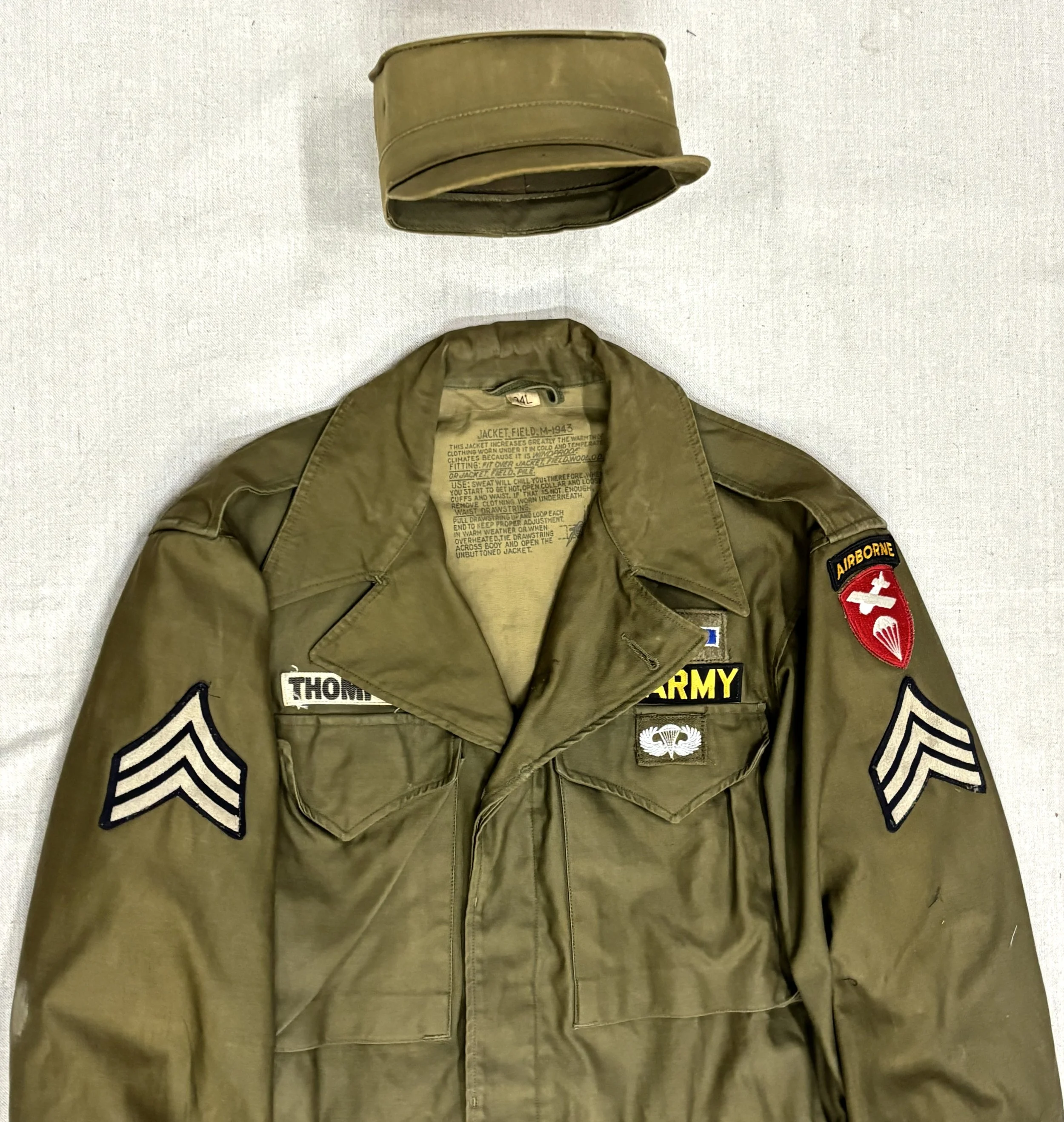
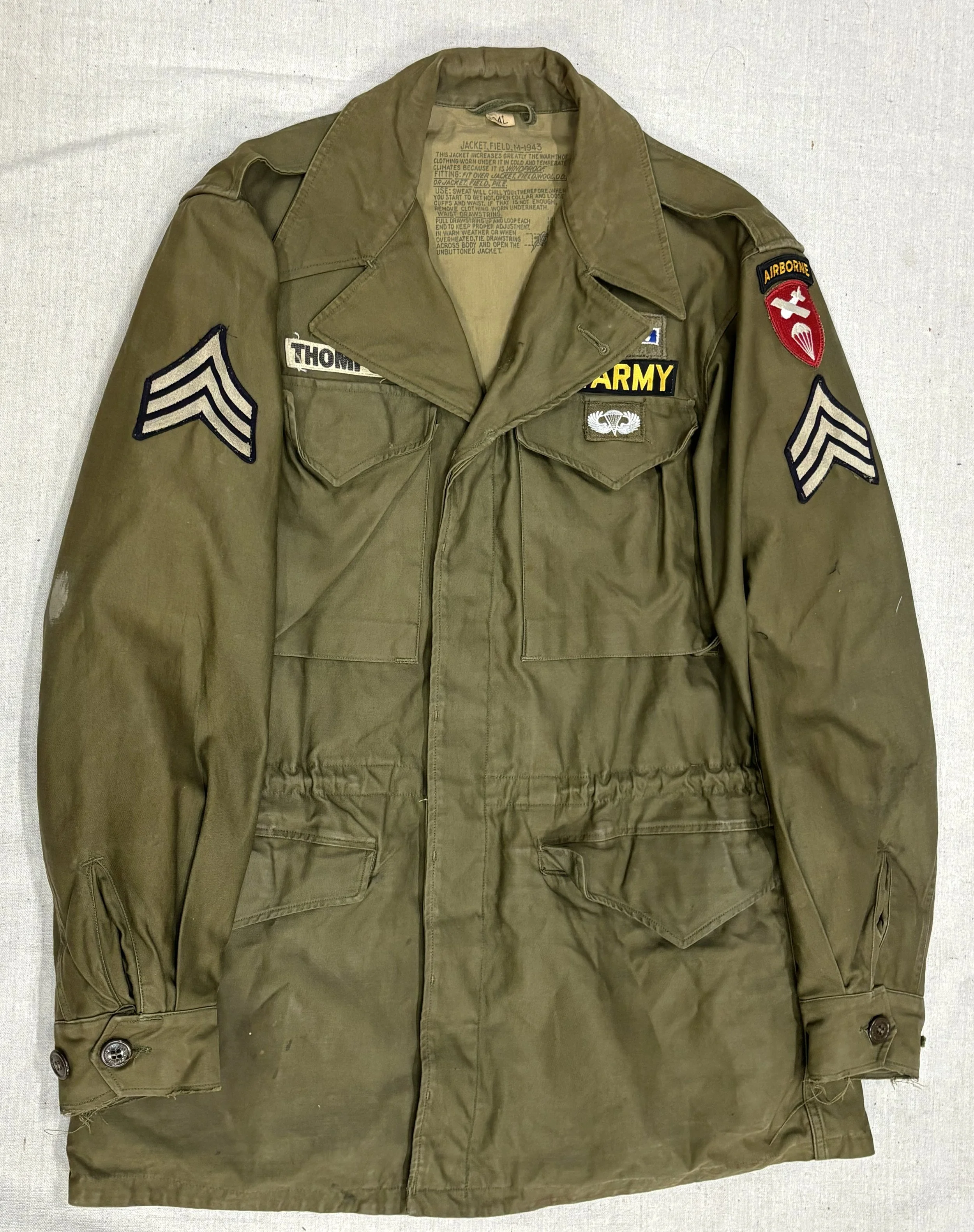
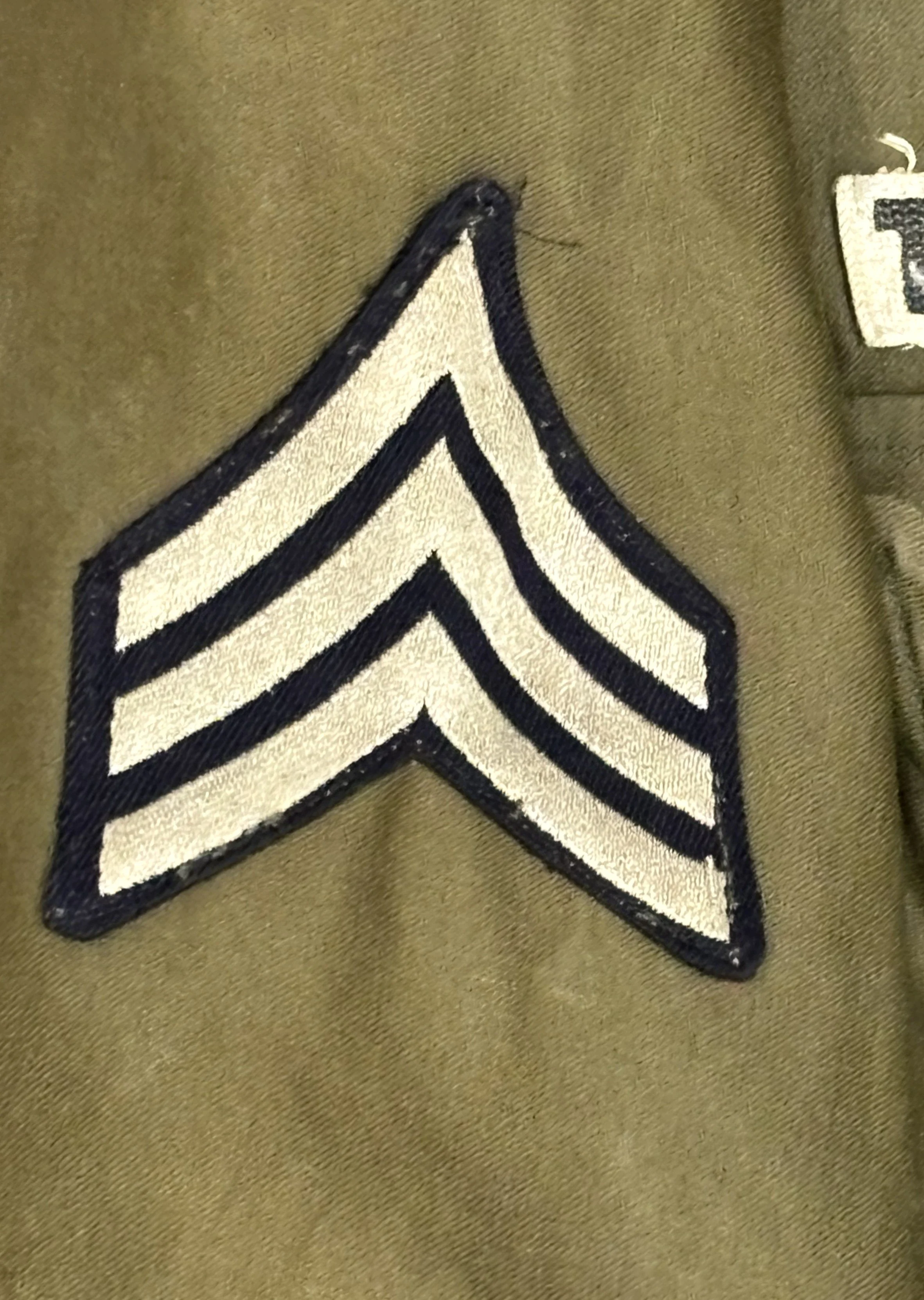
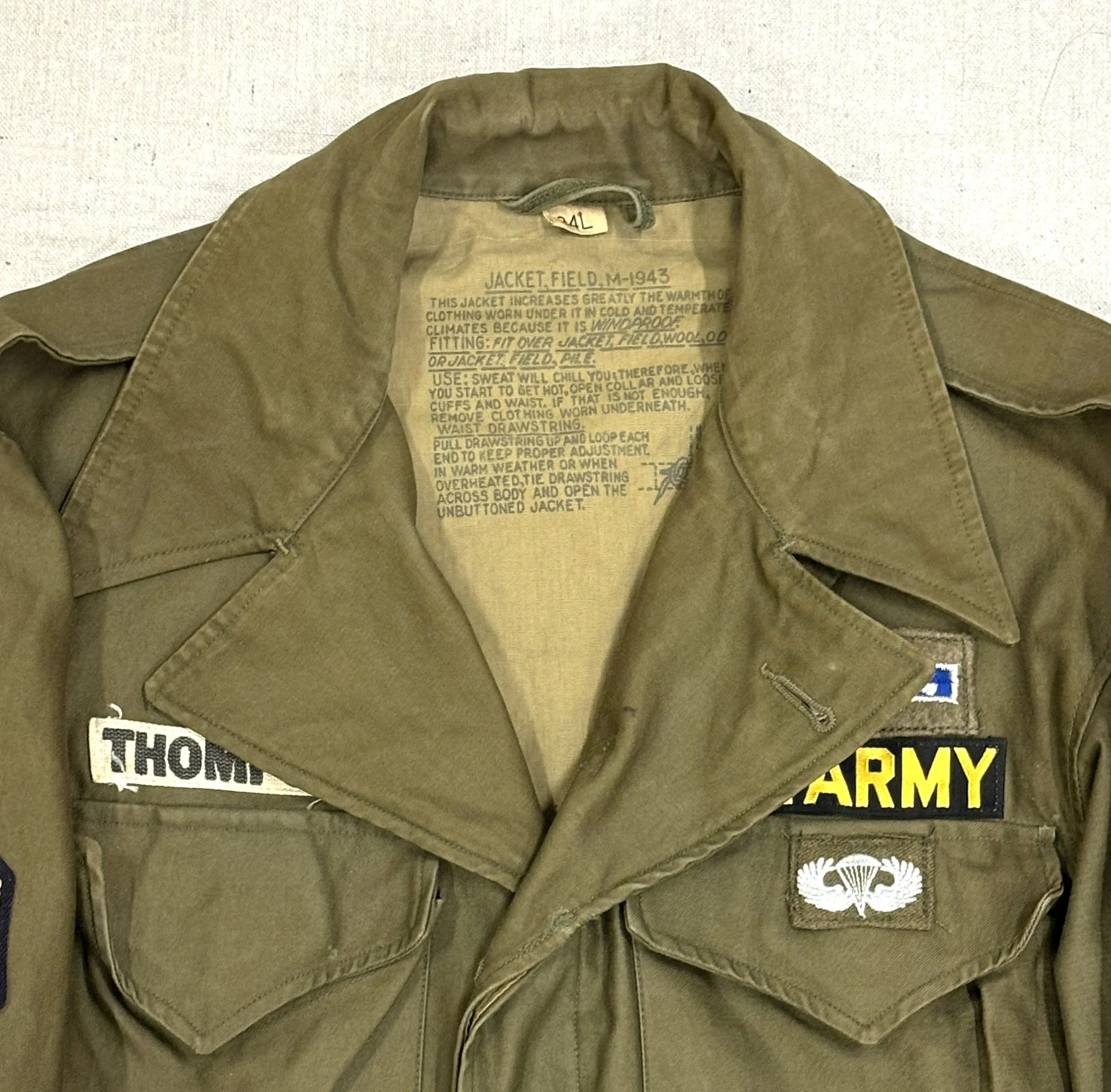
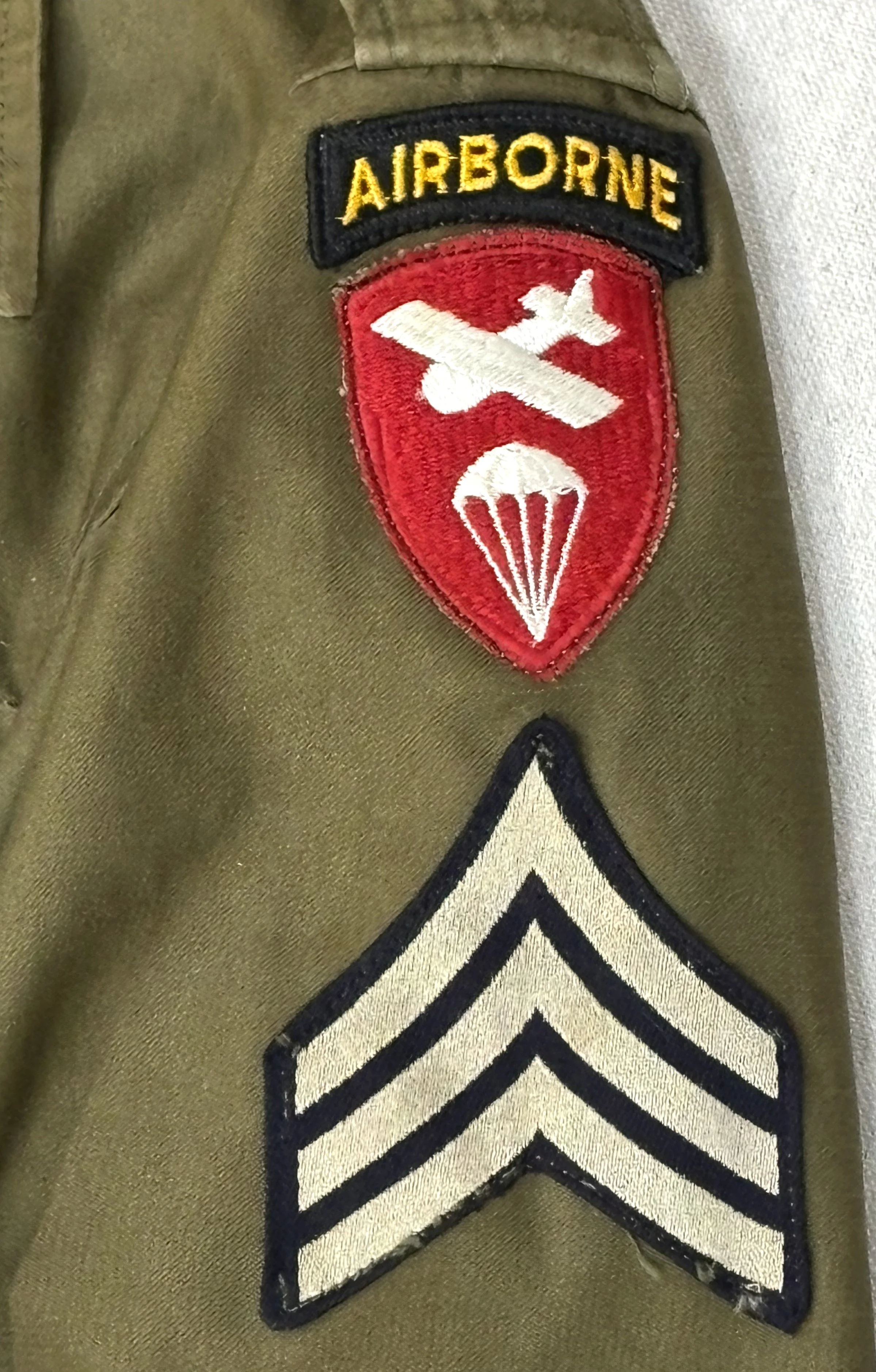
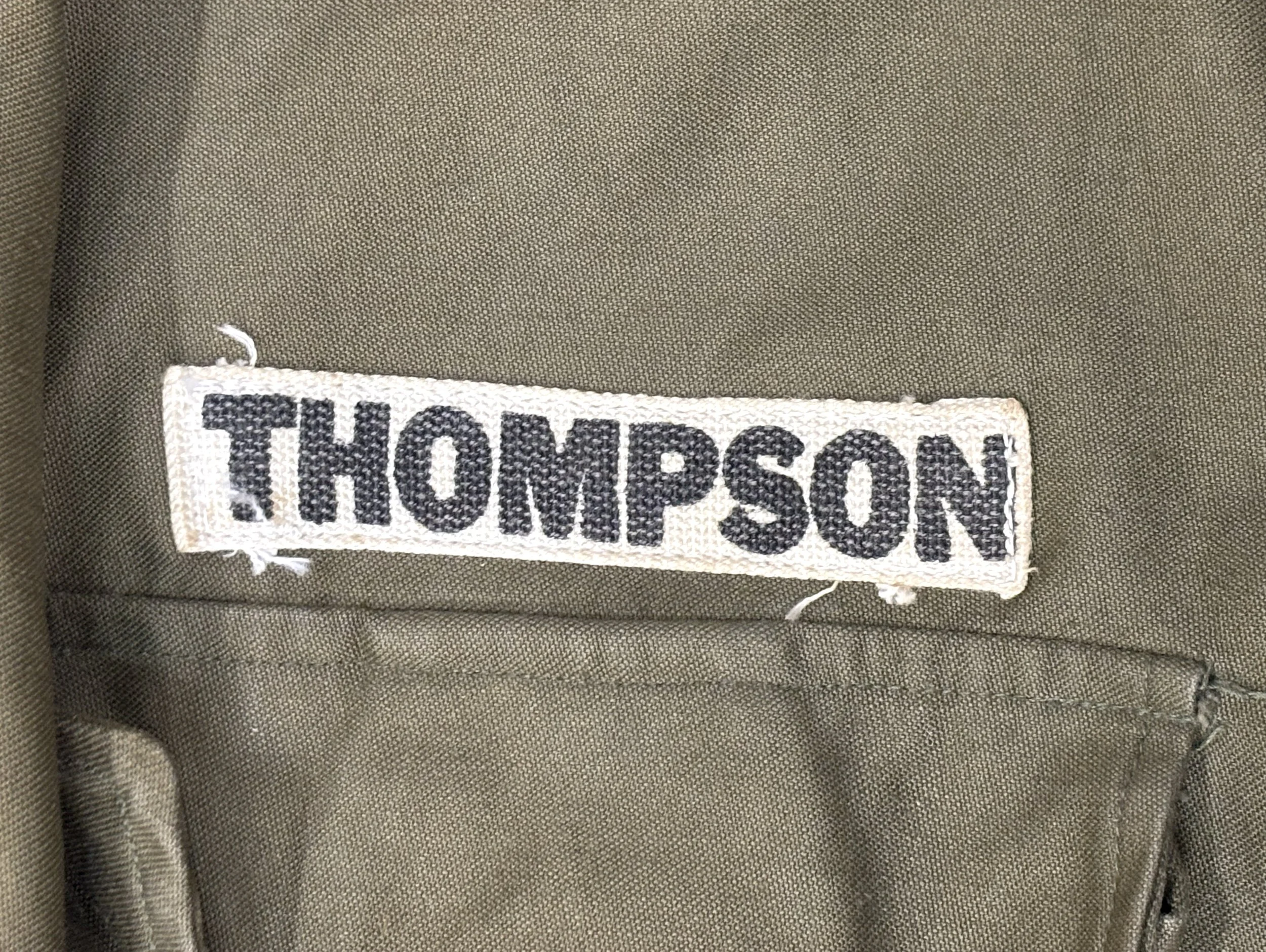
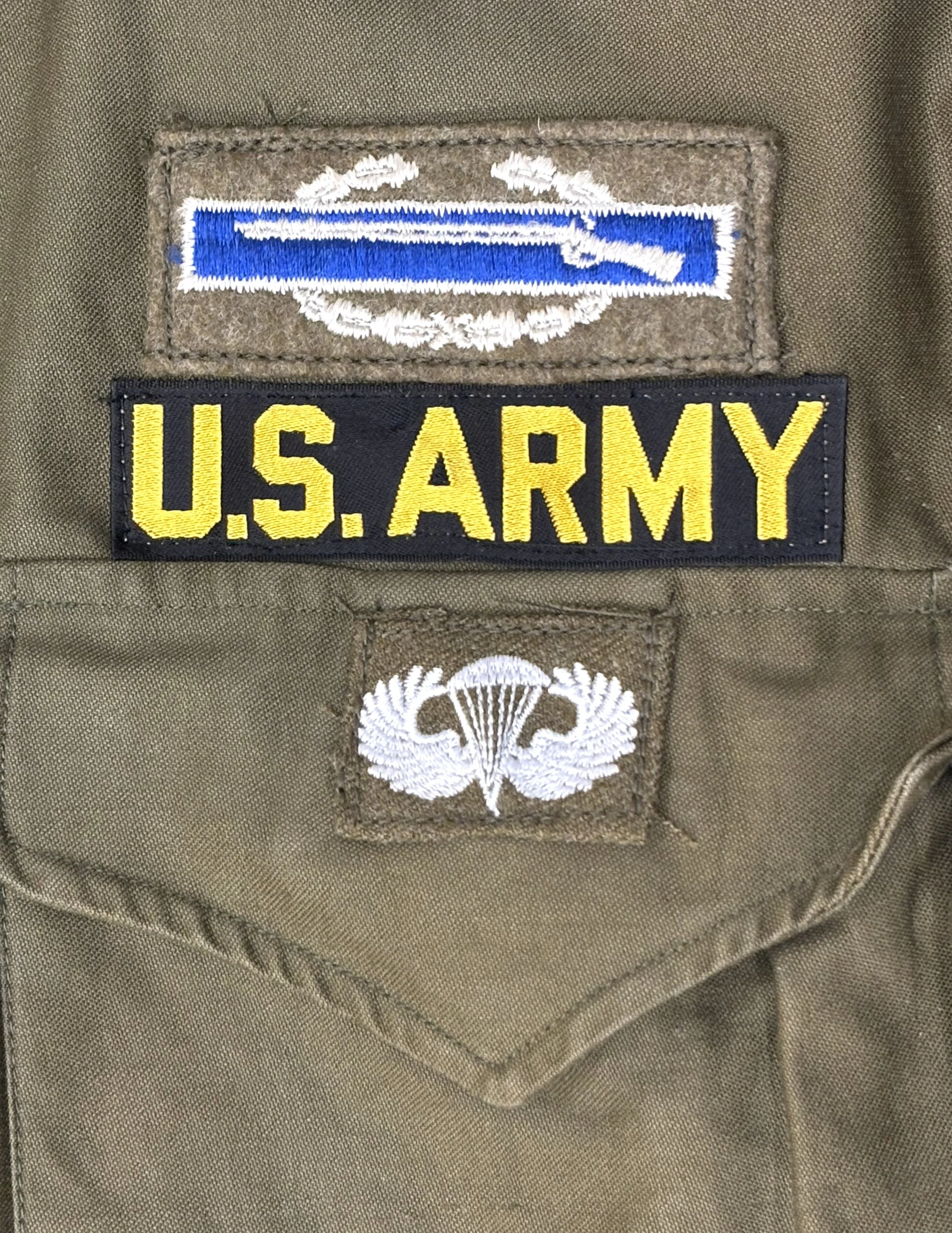
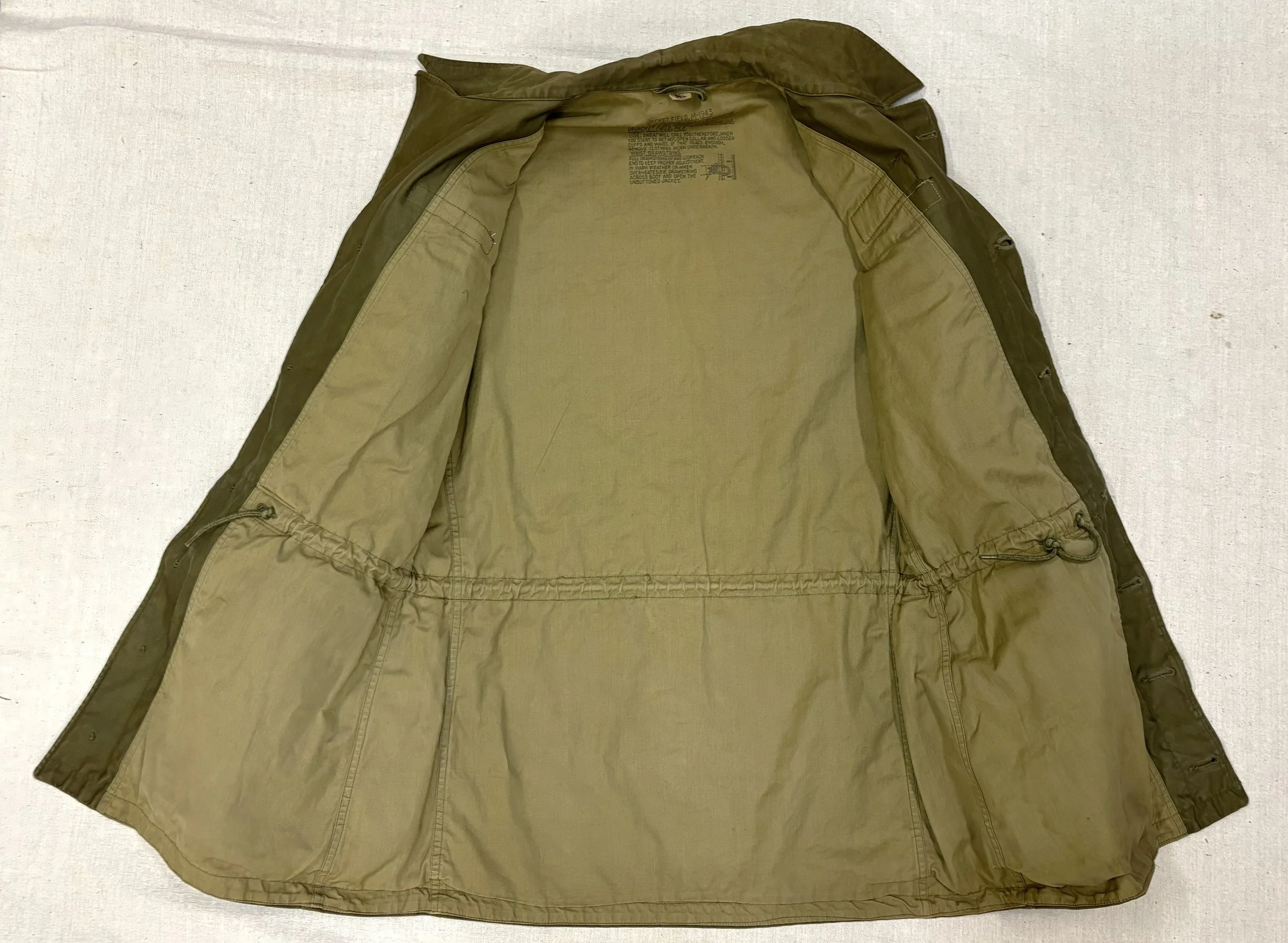
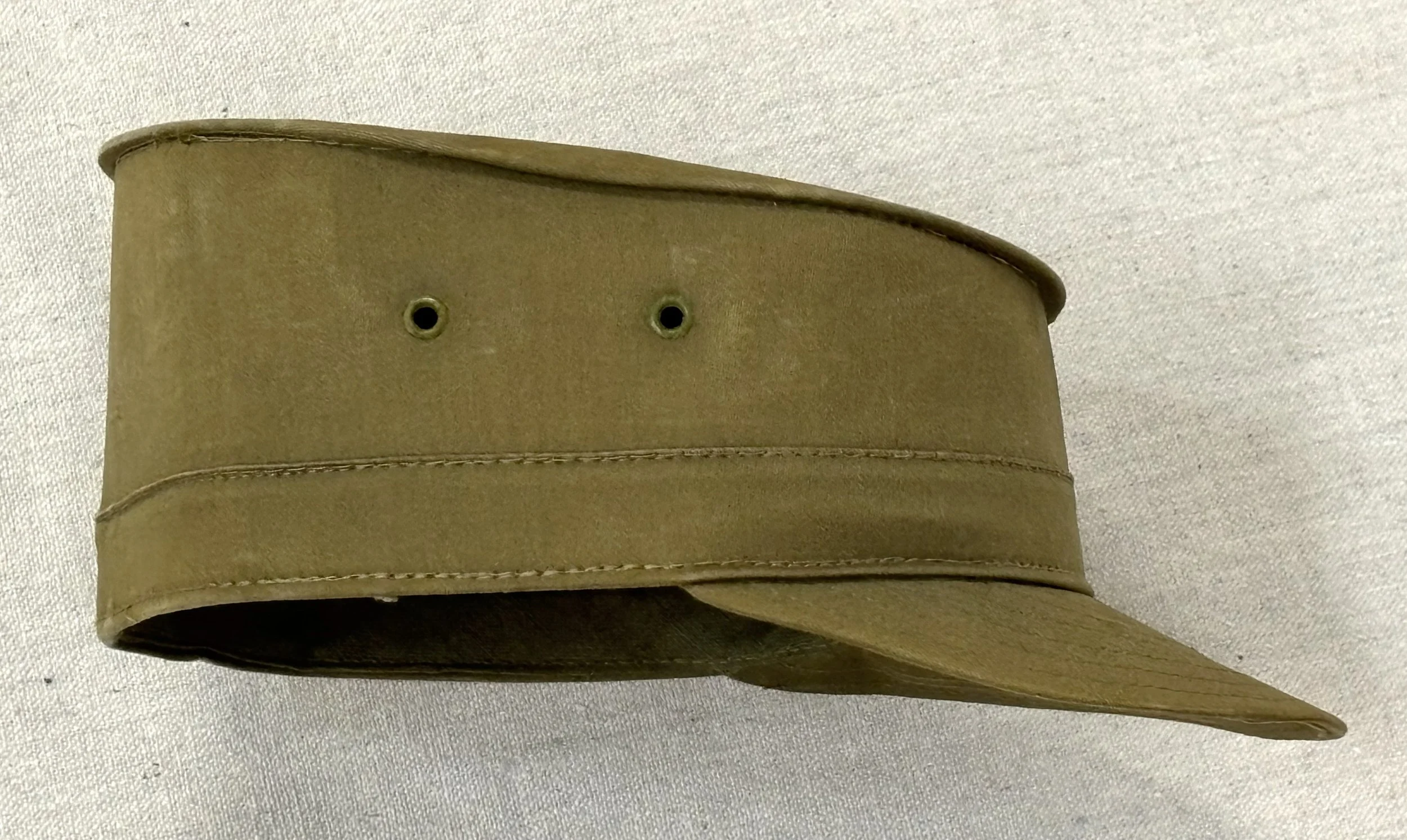
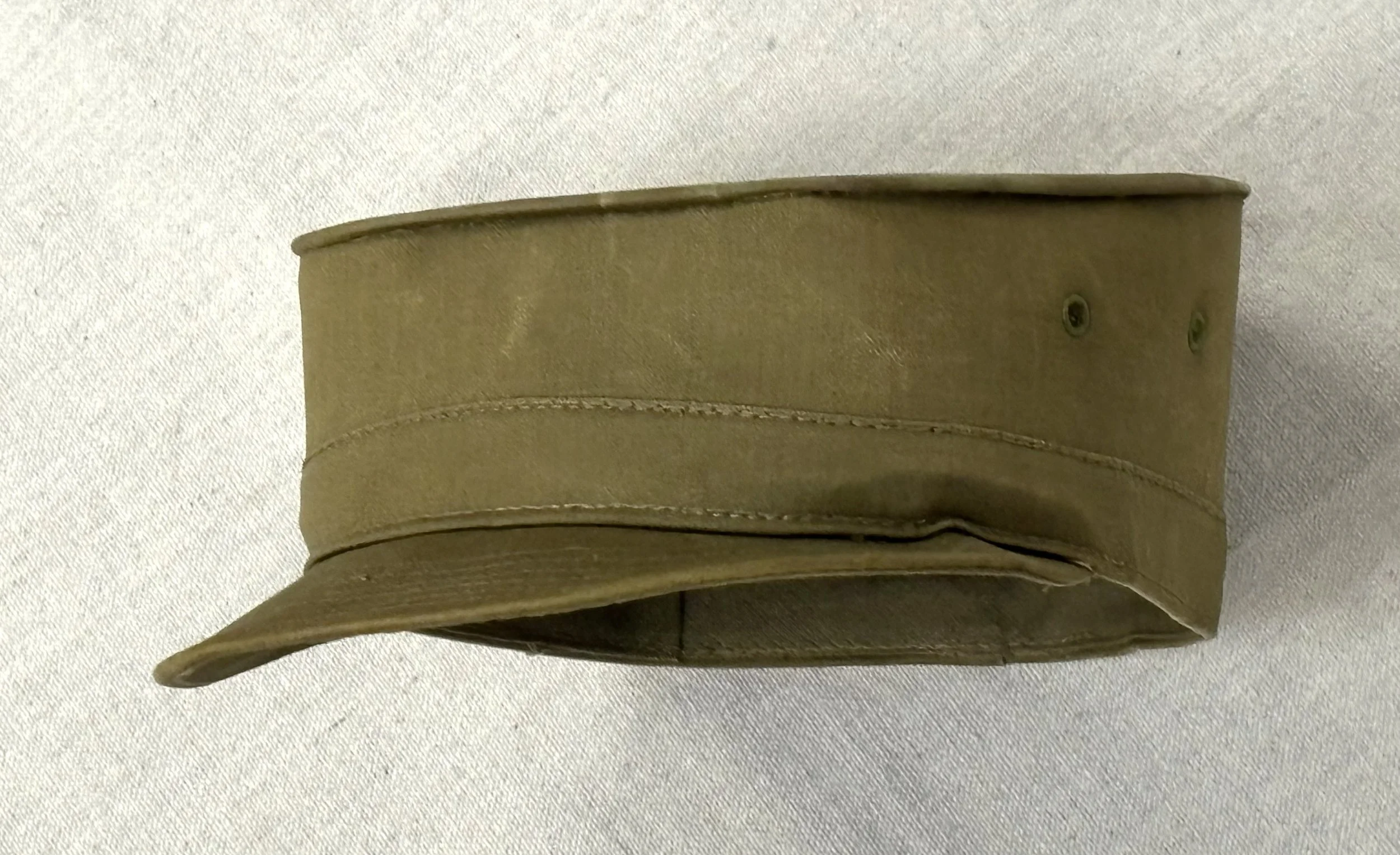
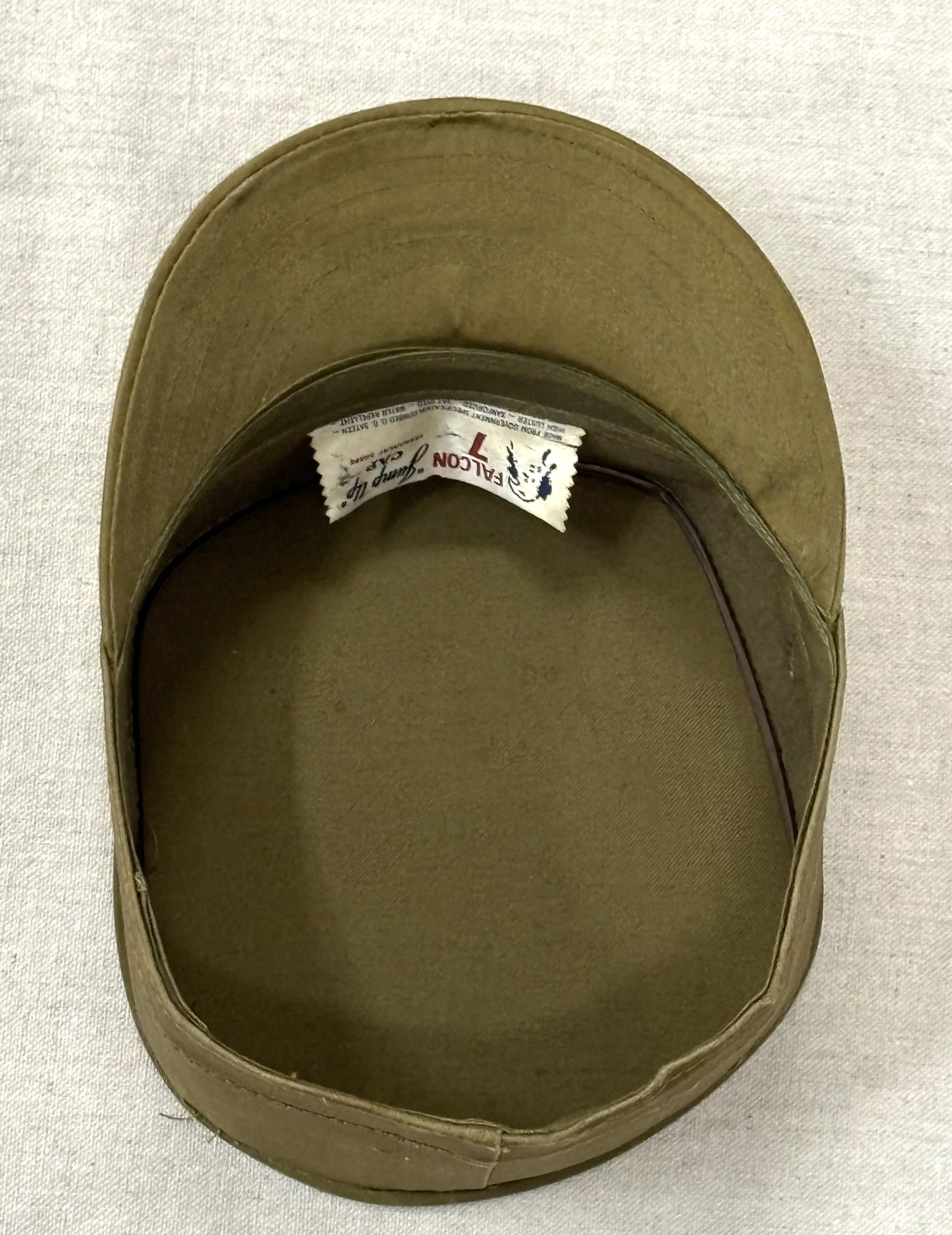
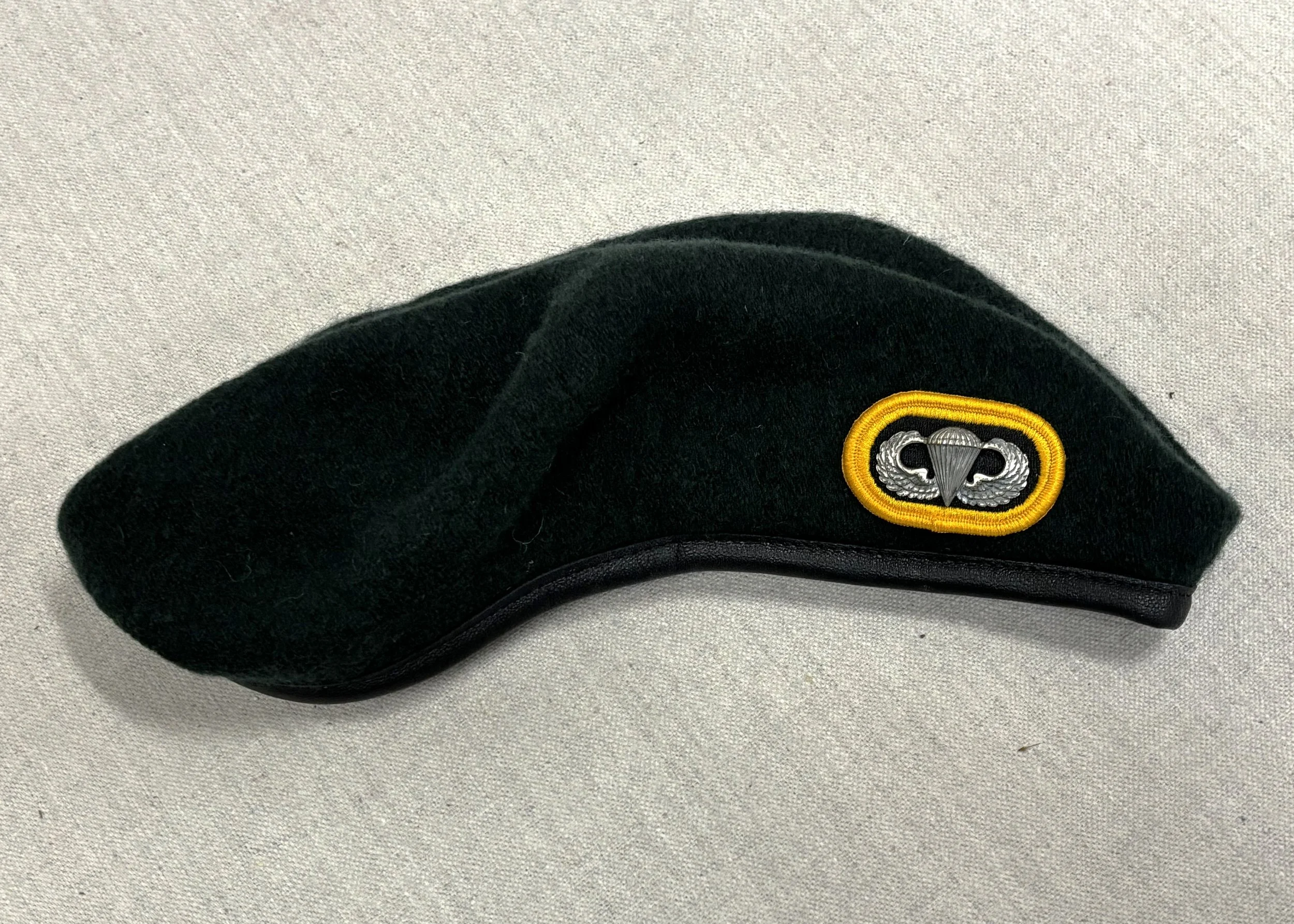
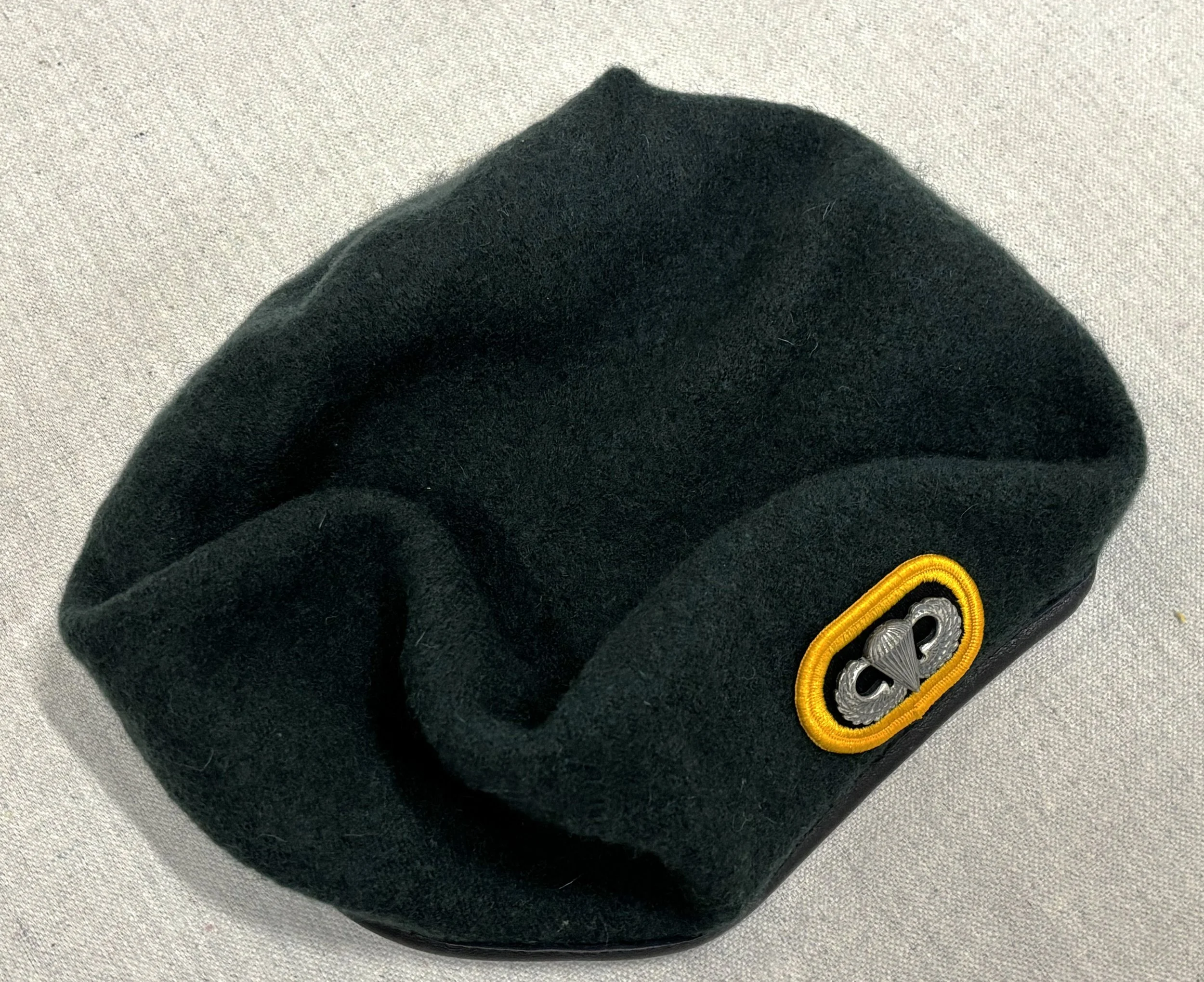
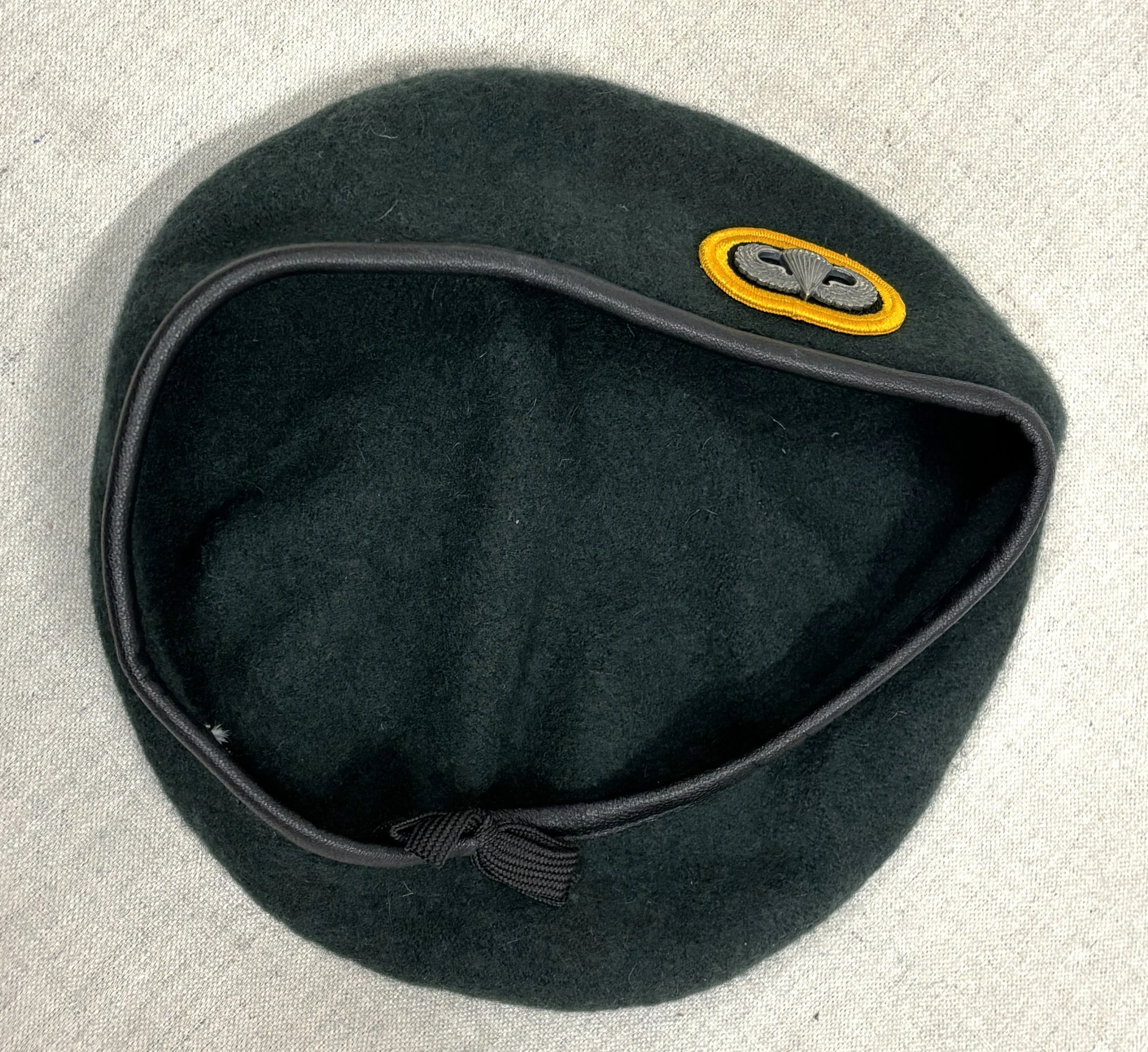
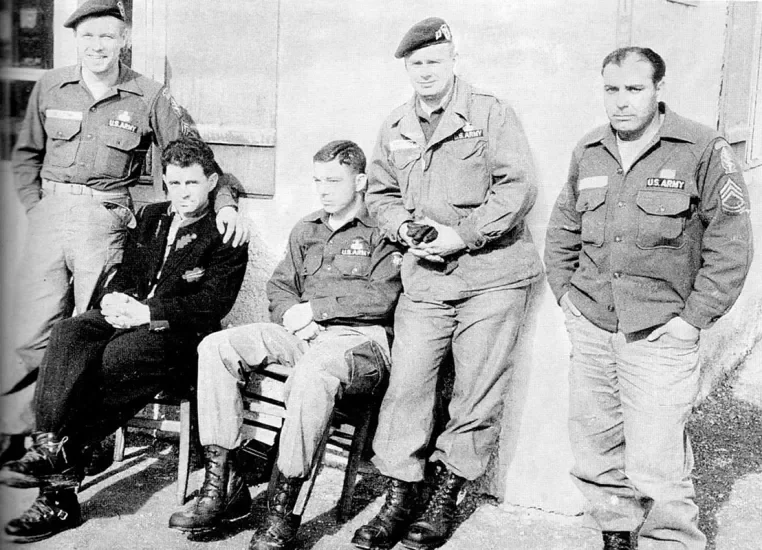
“New” Sergeant, Airborne Command, 10 Special Forces / Europe, (Set), early-1950s:
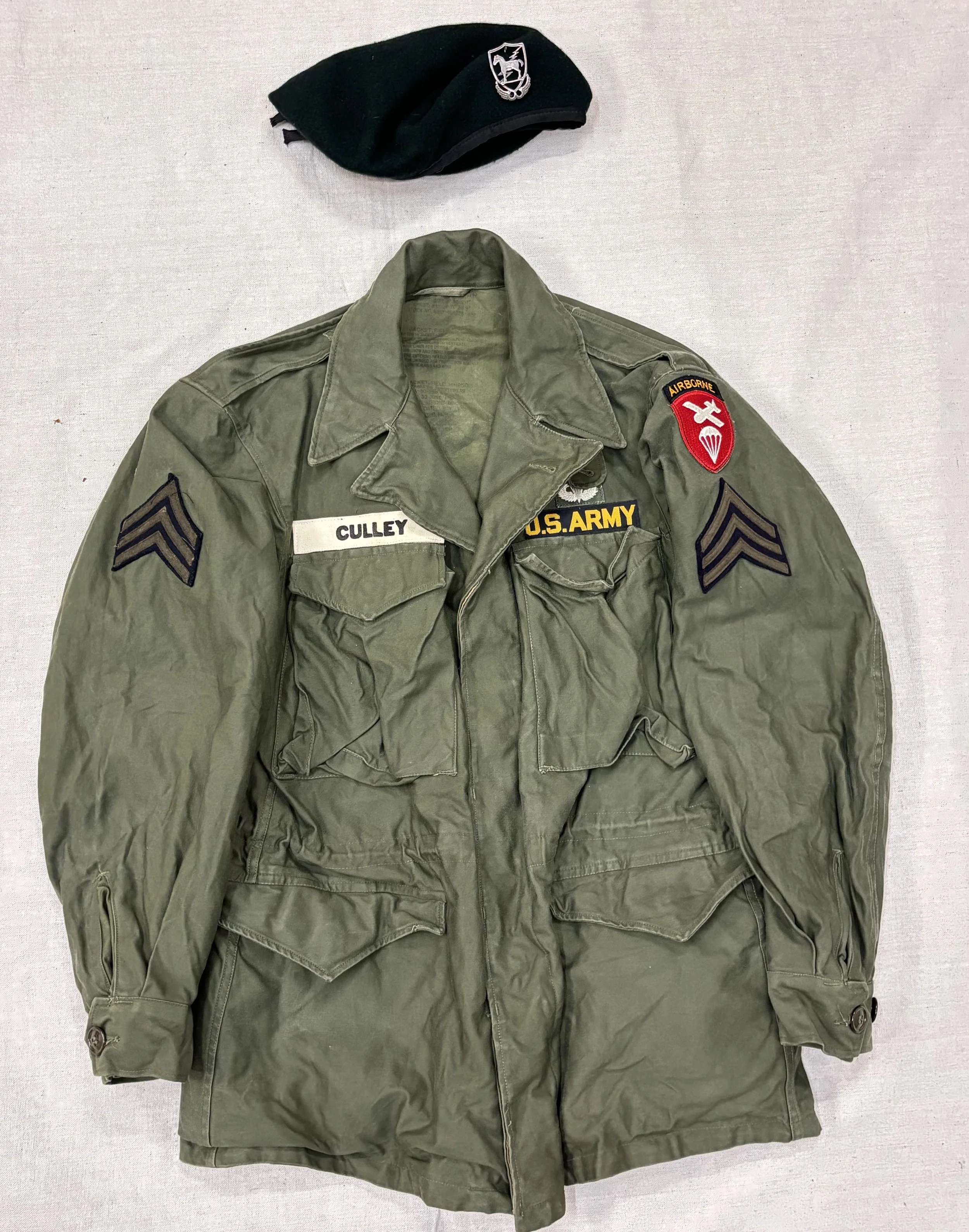
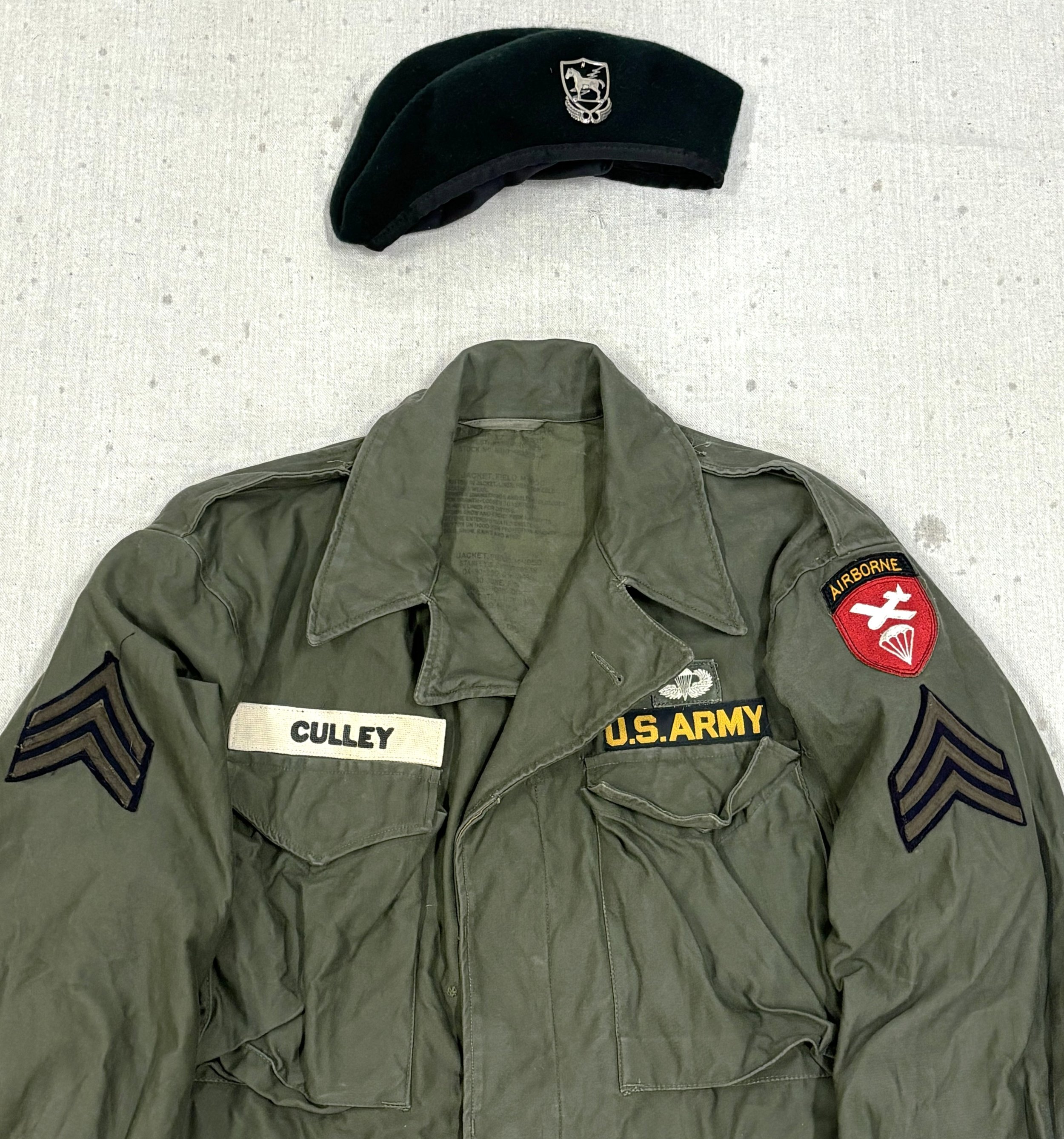
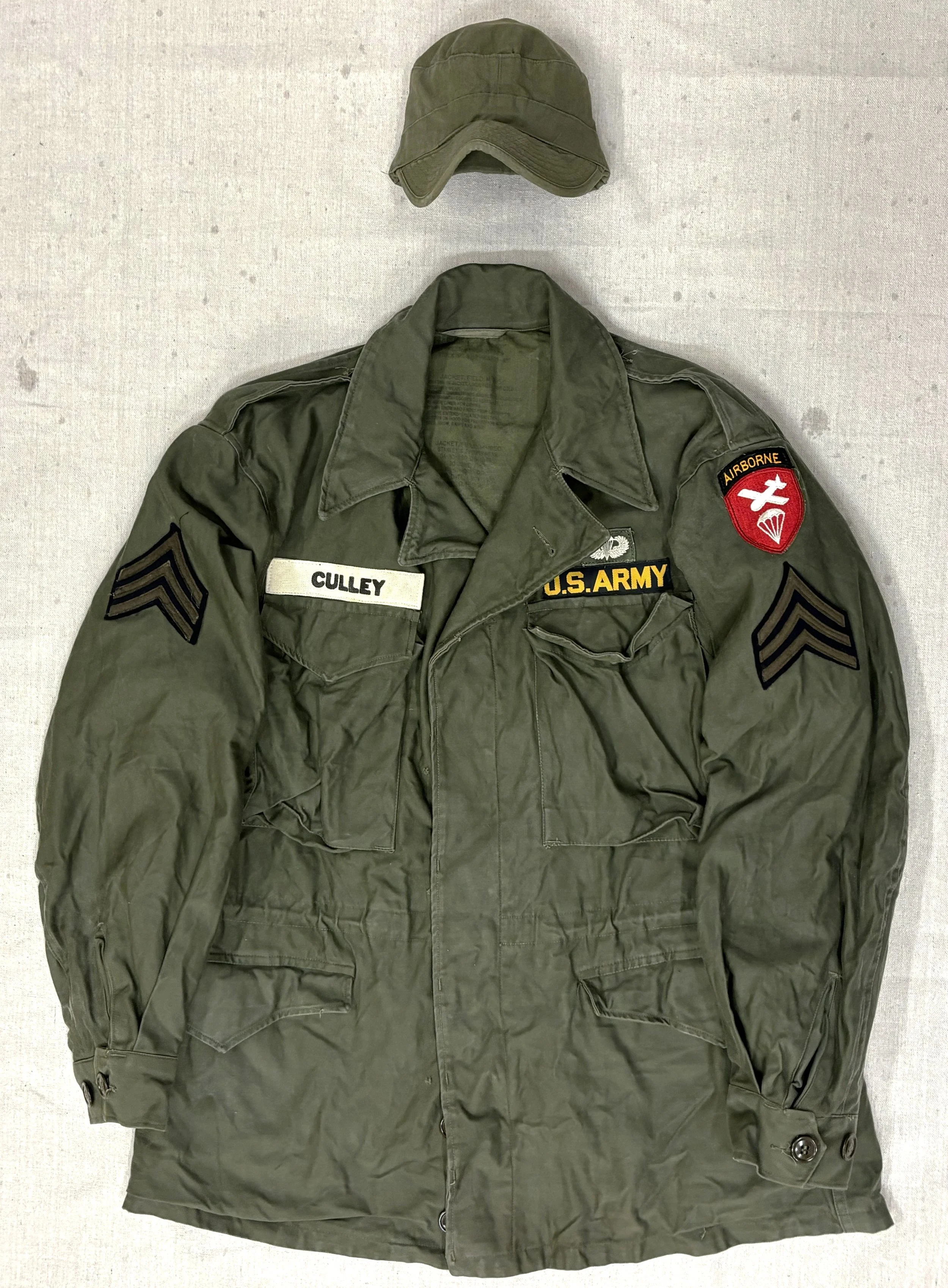
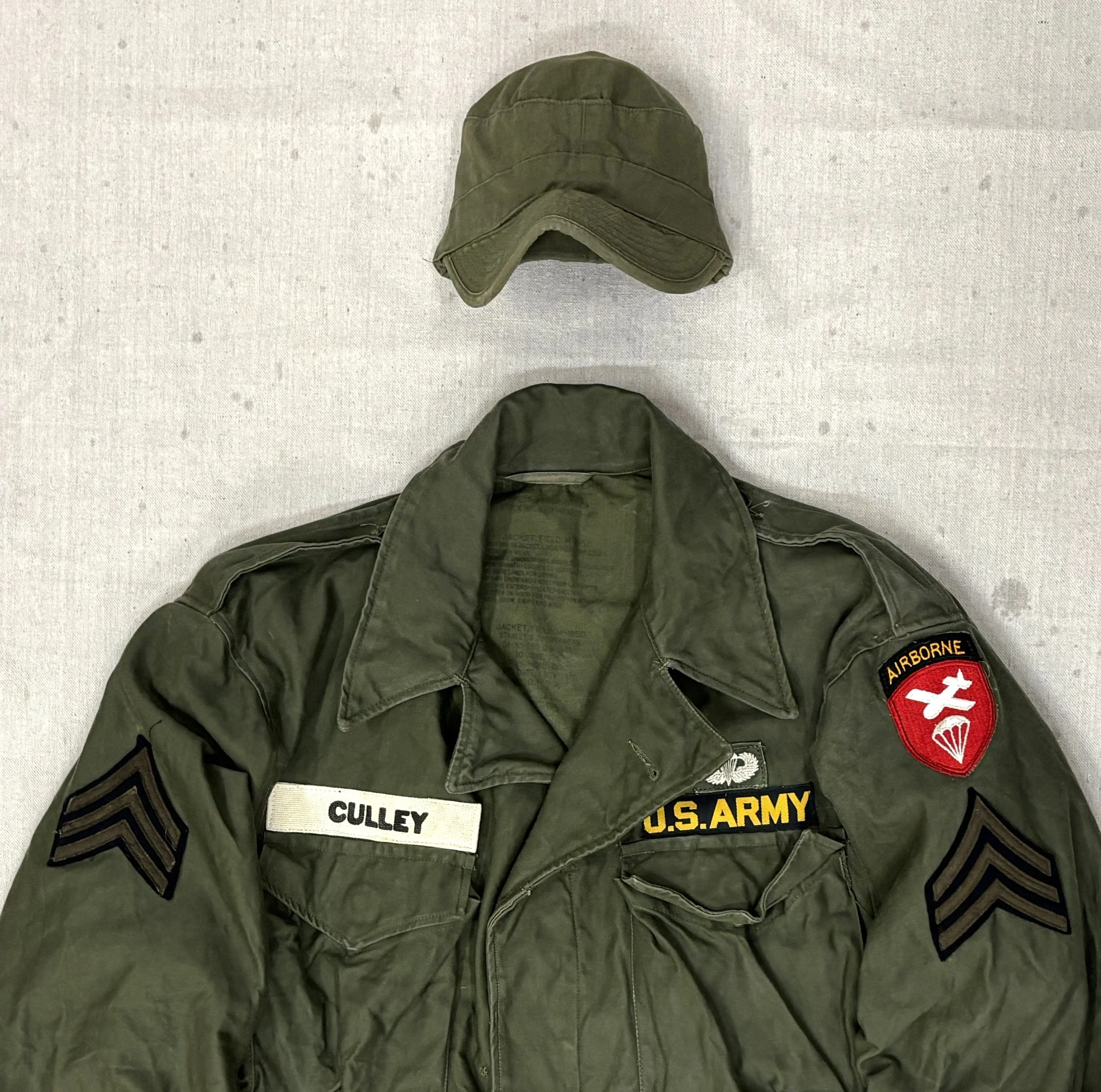
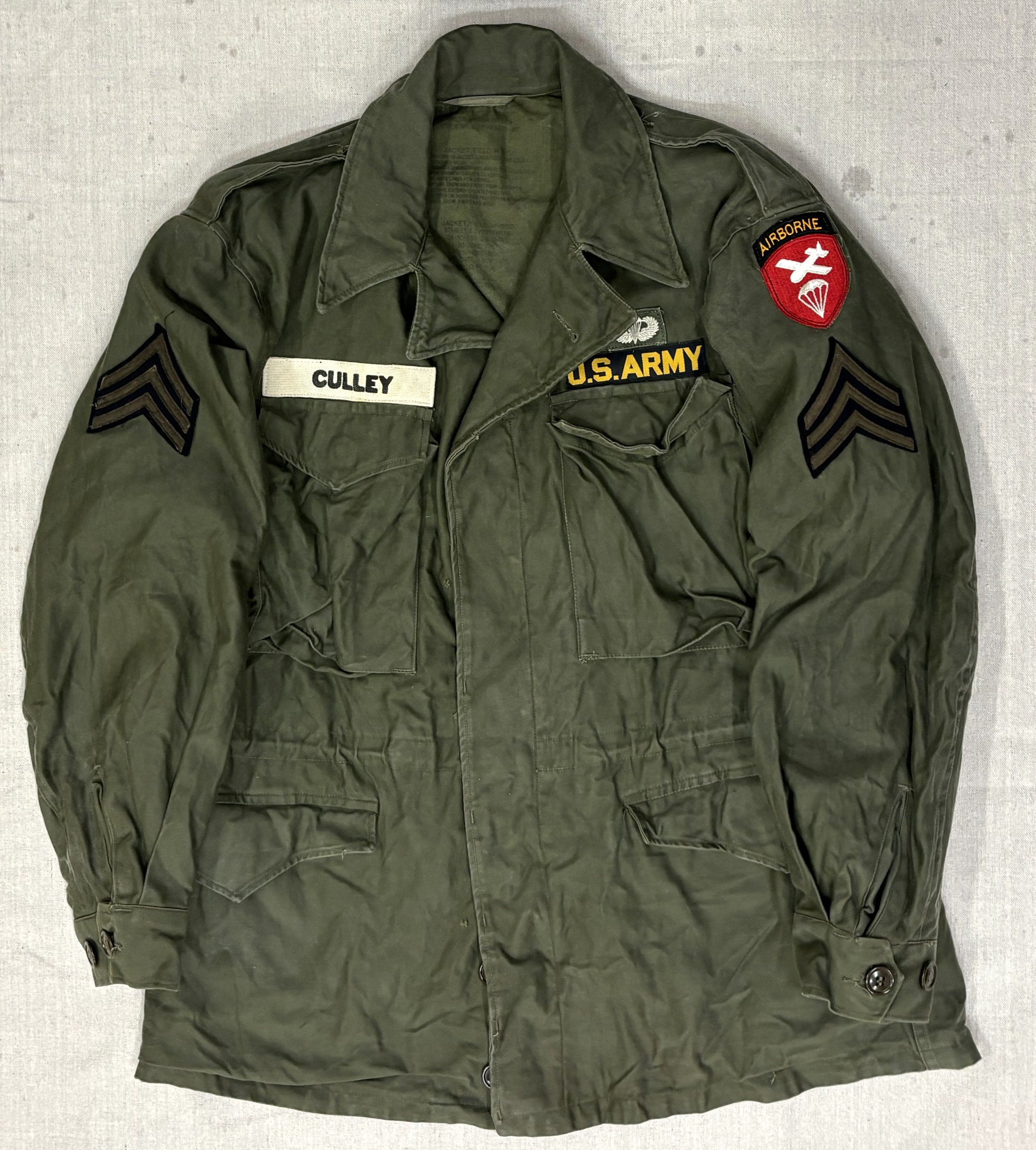
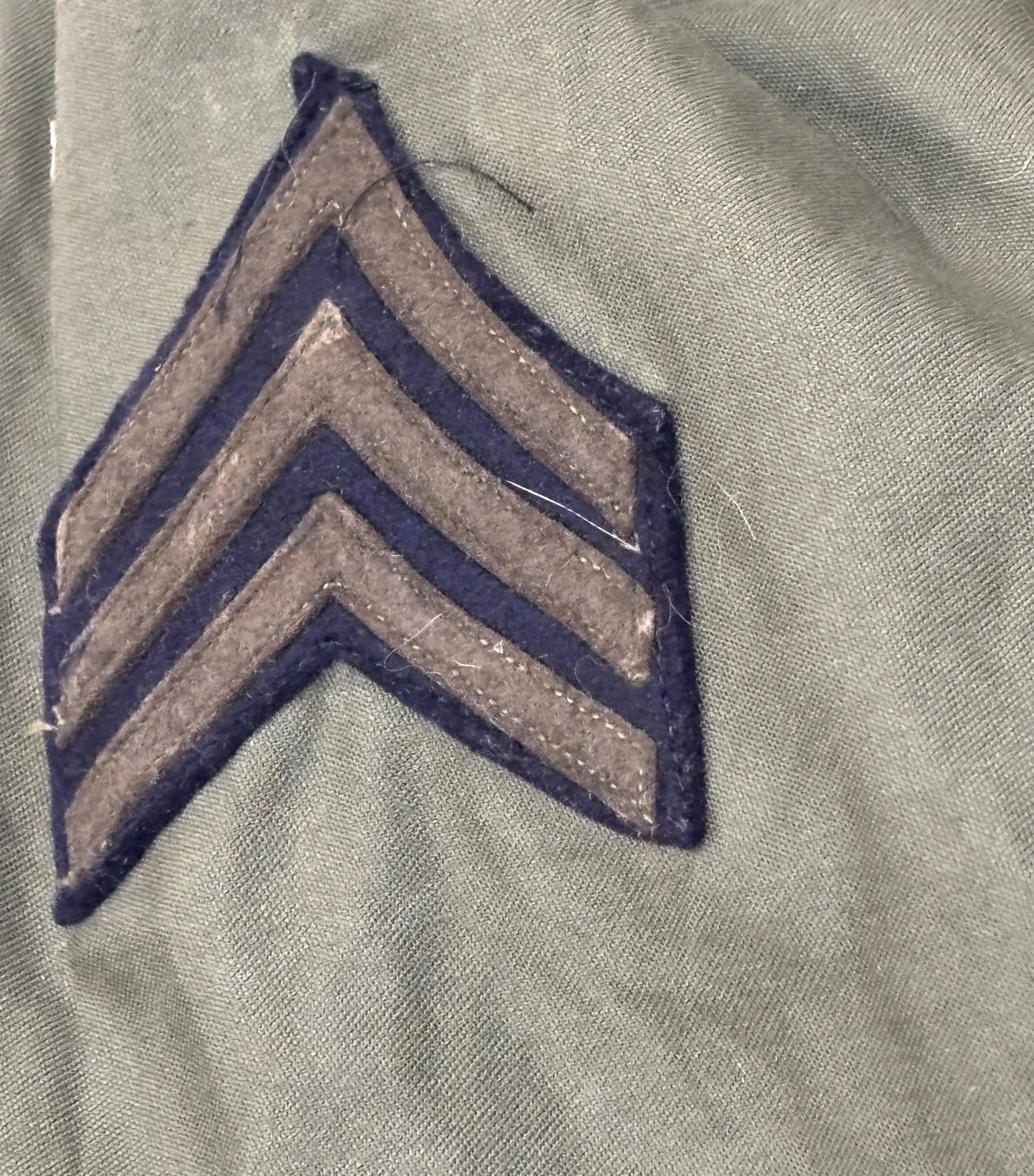
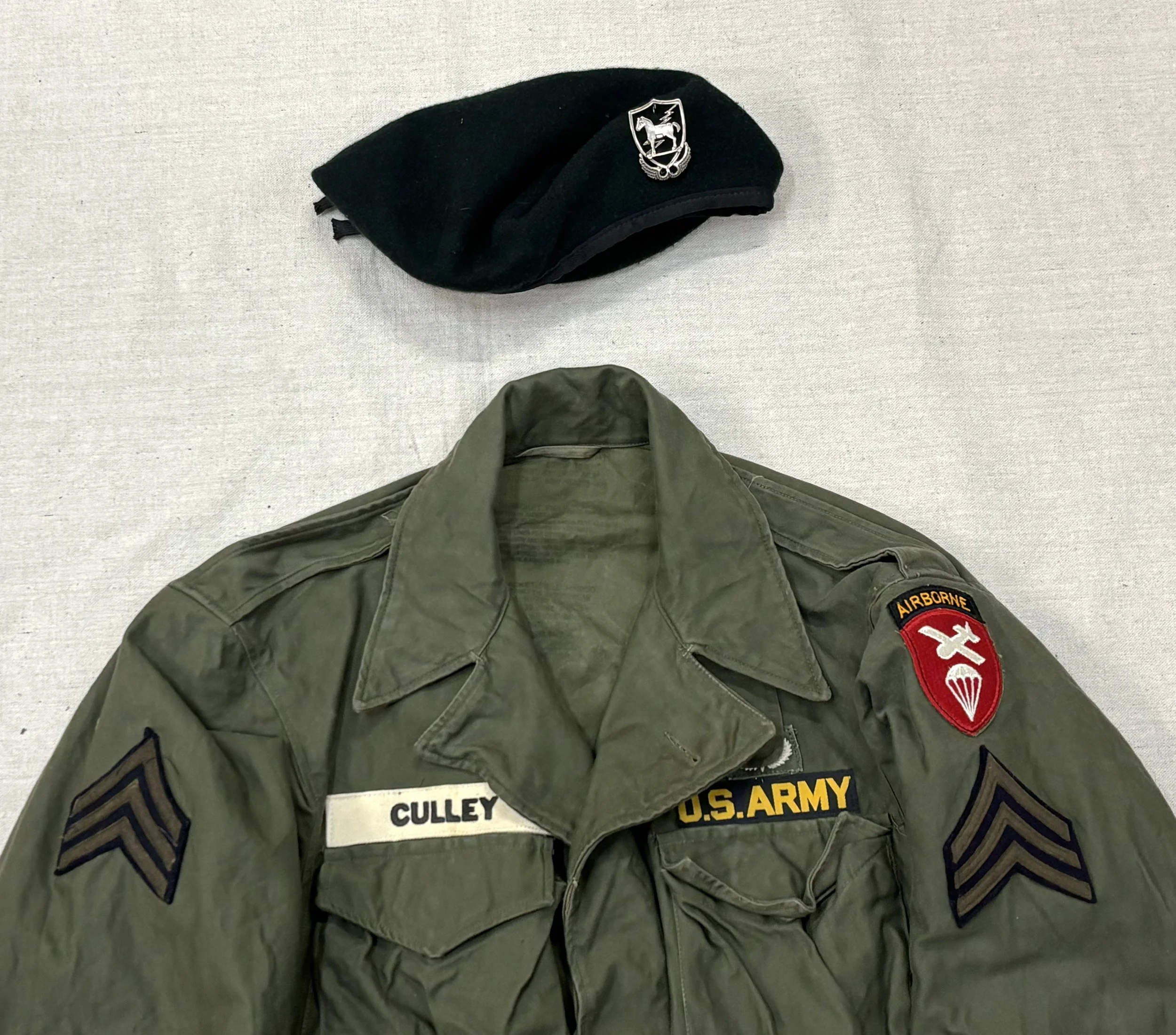
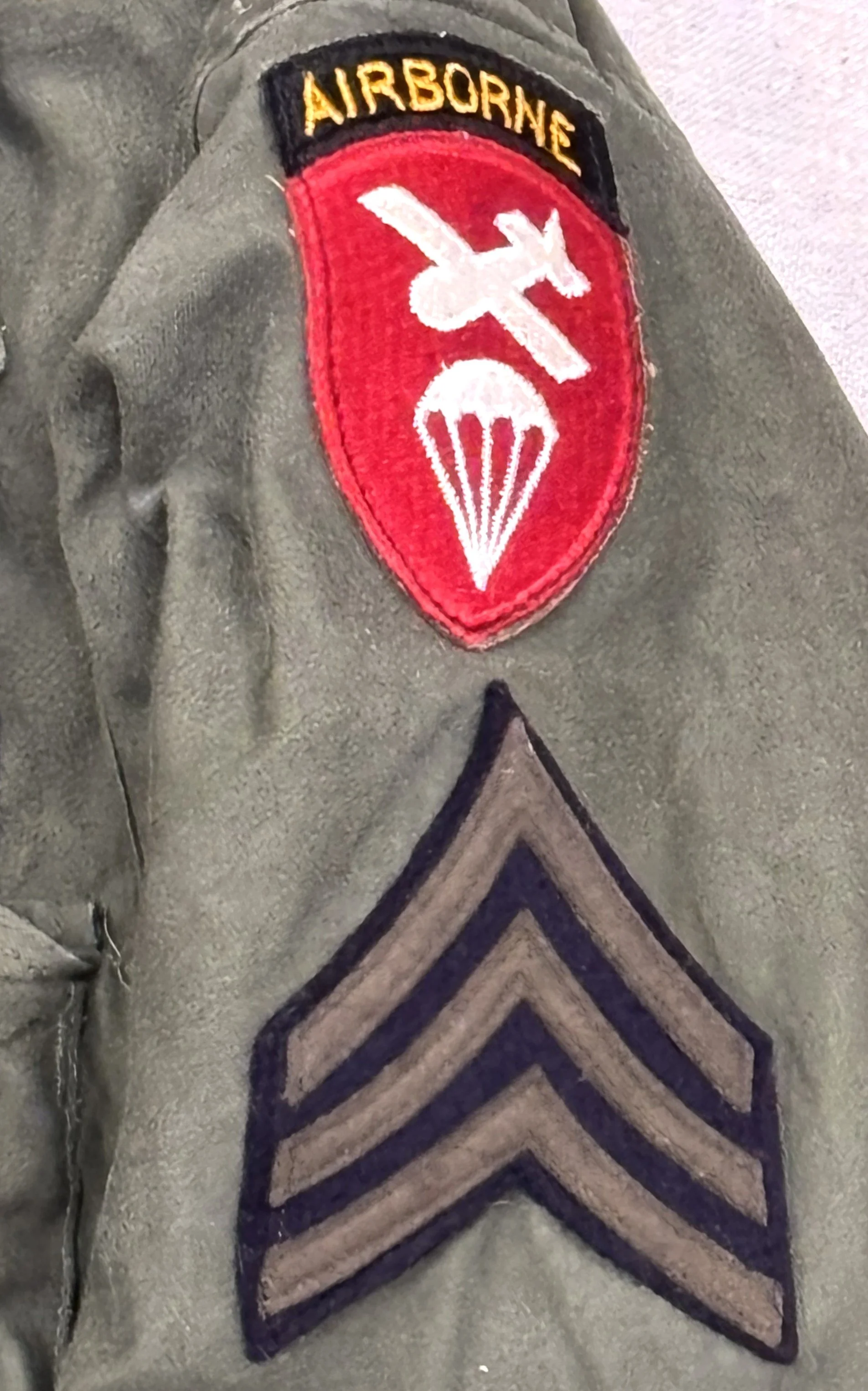
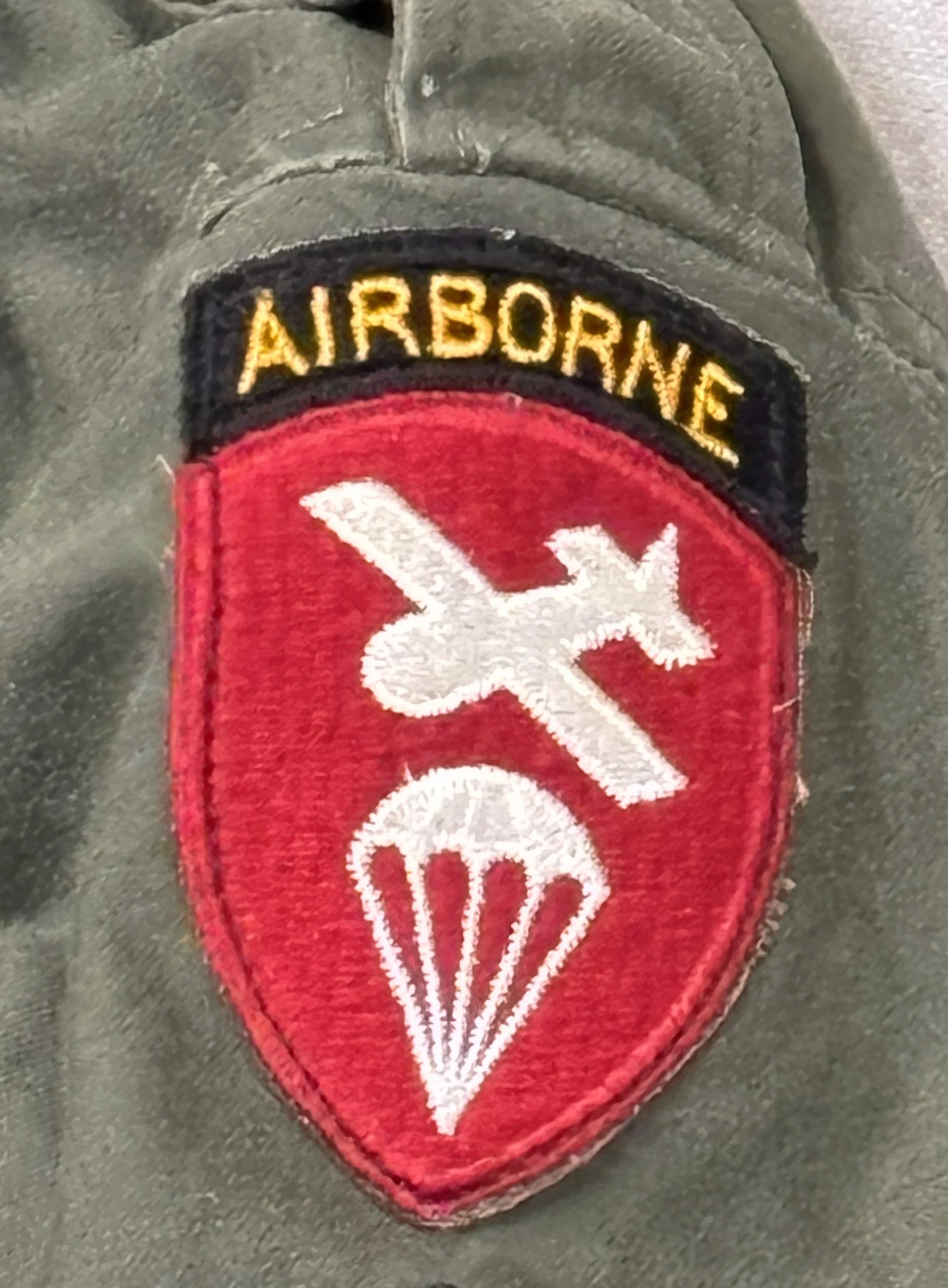
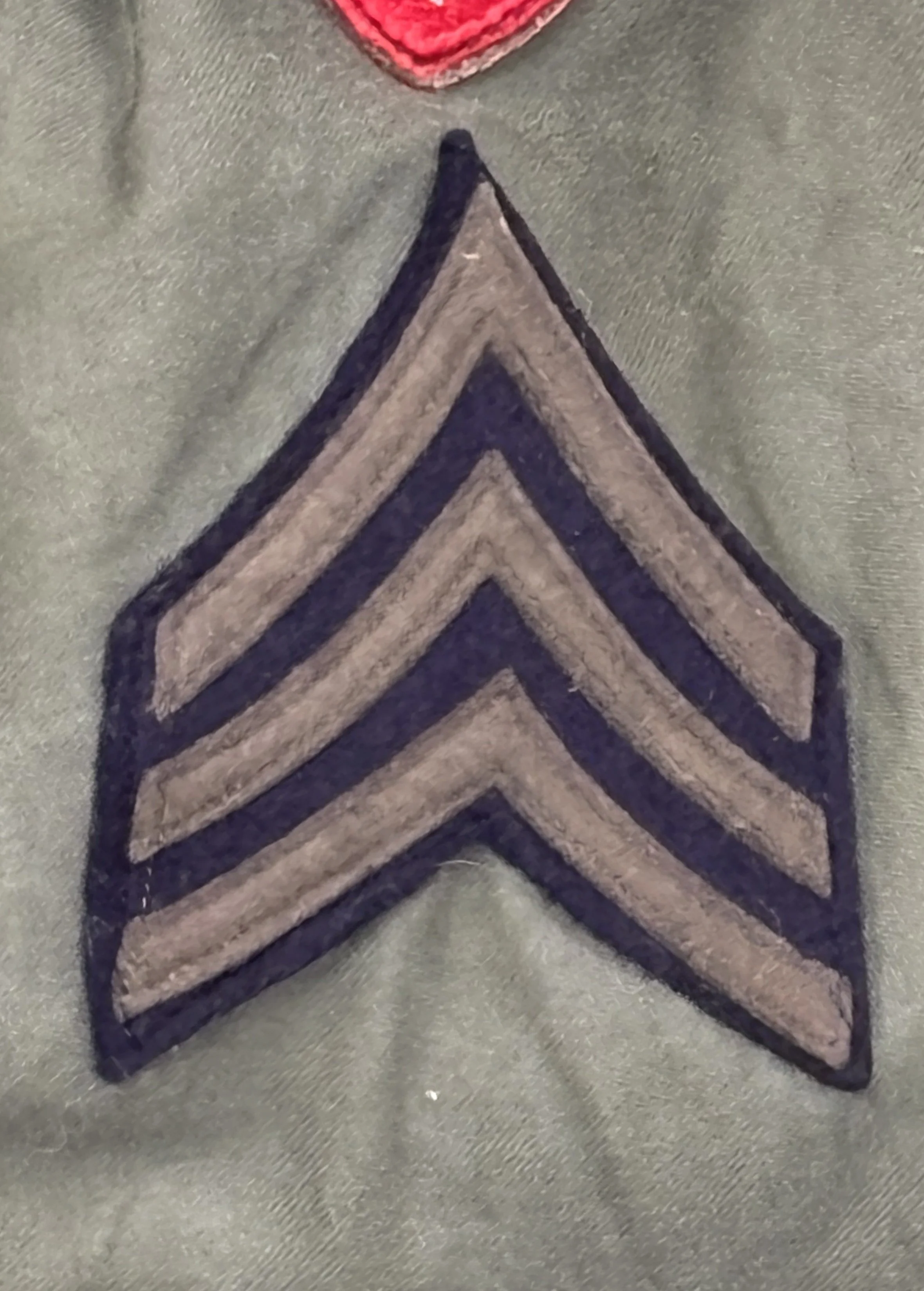
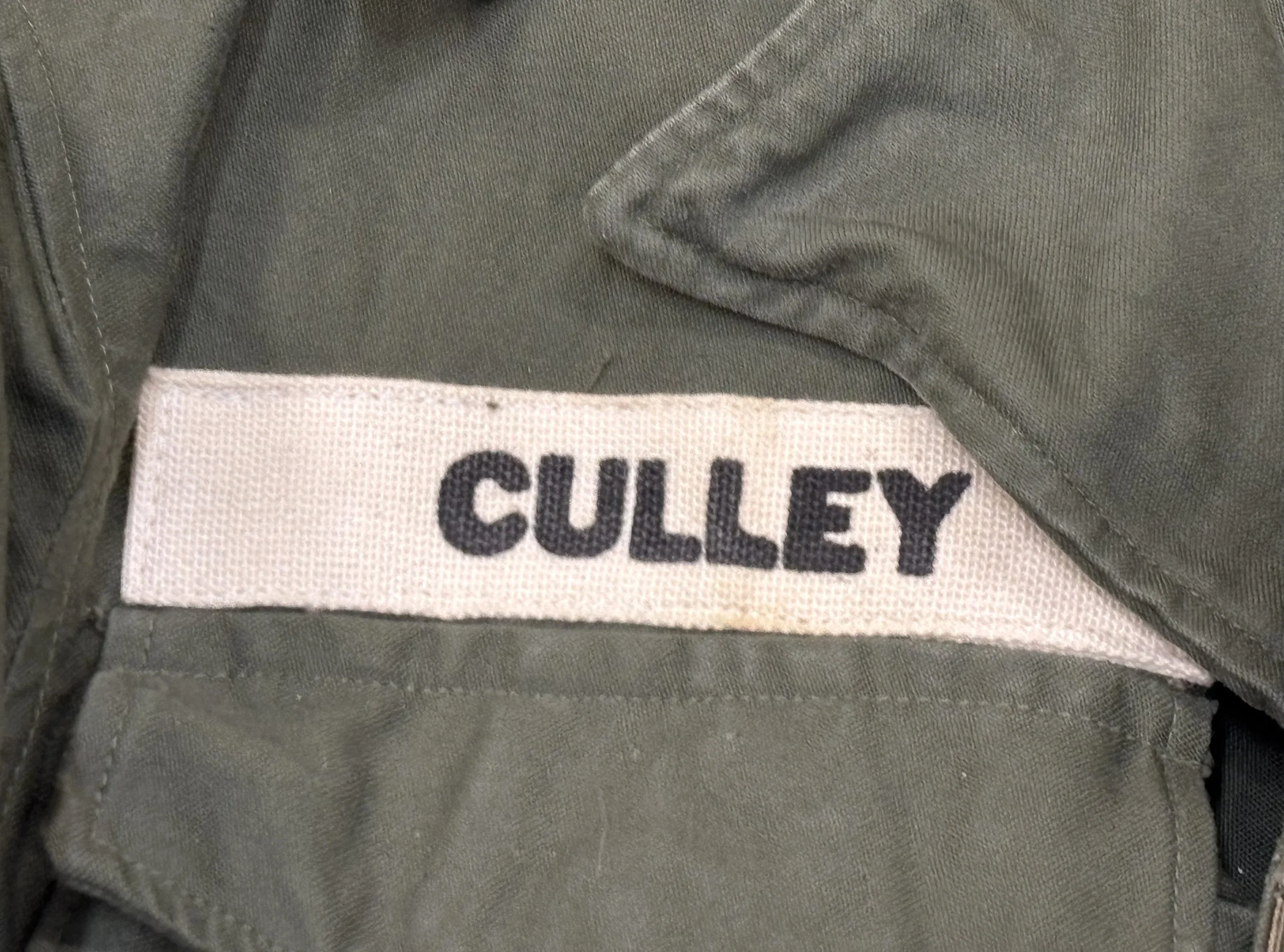
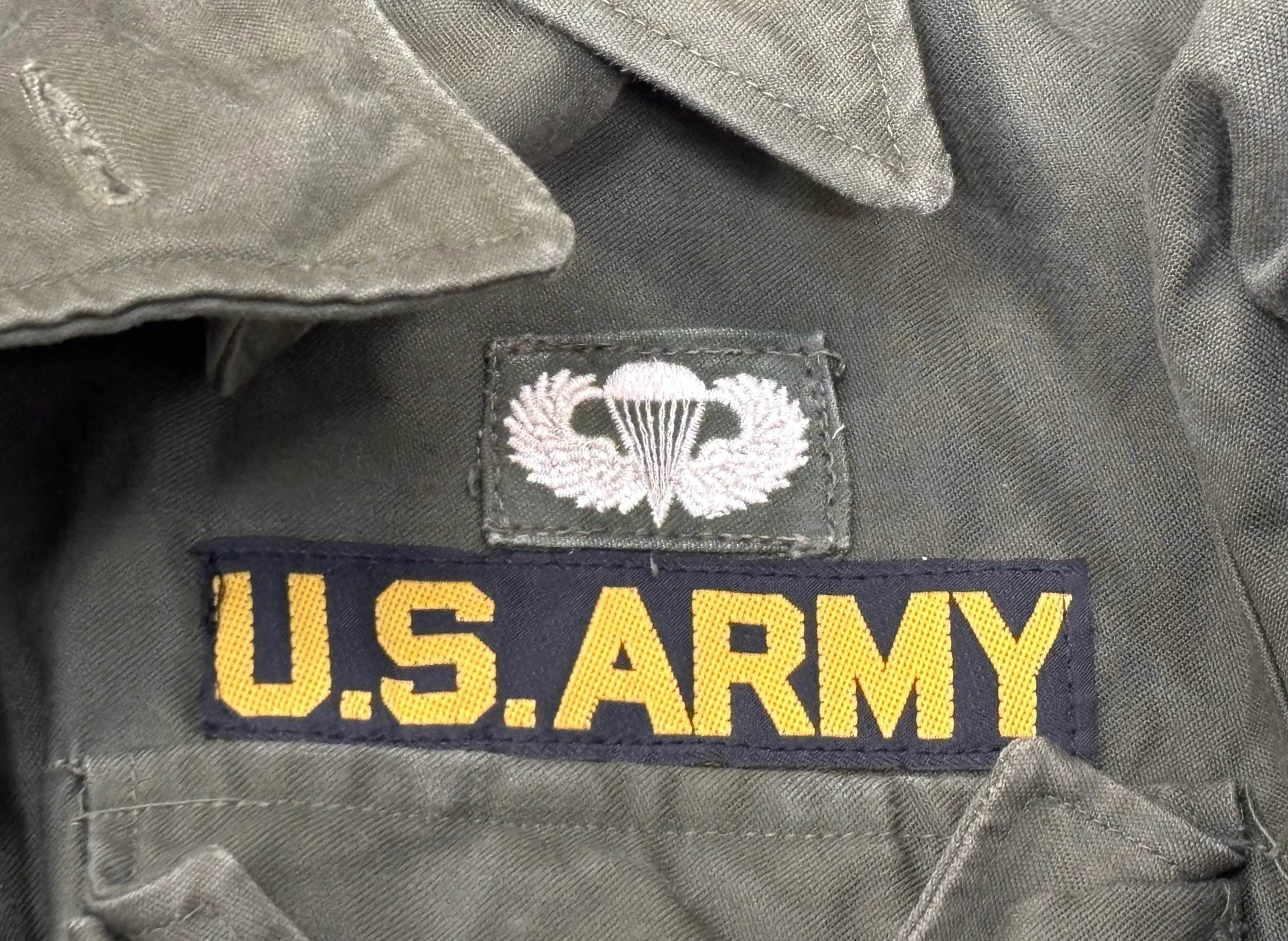
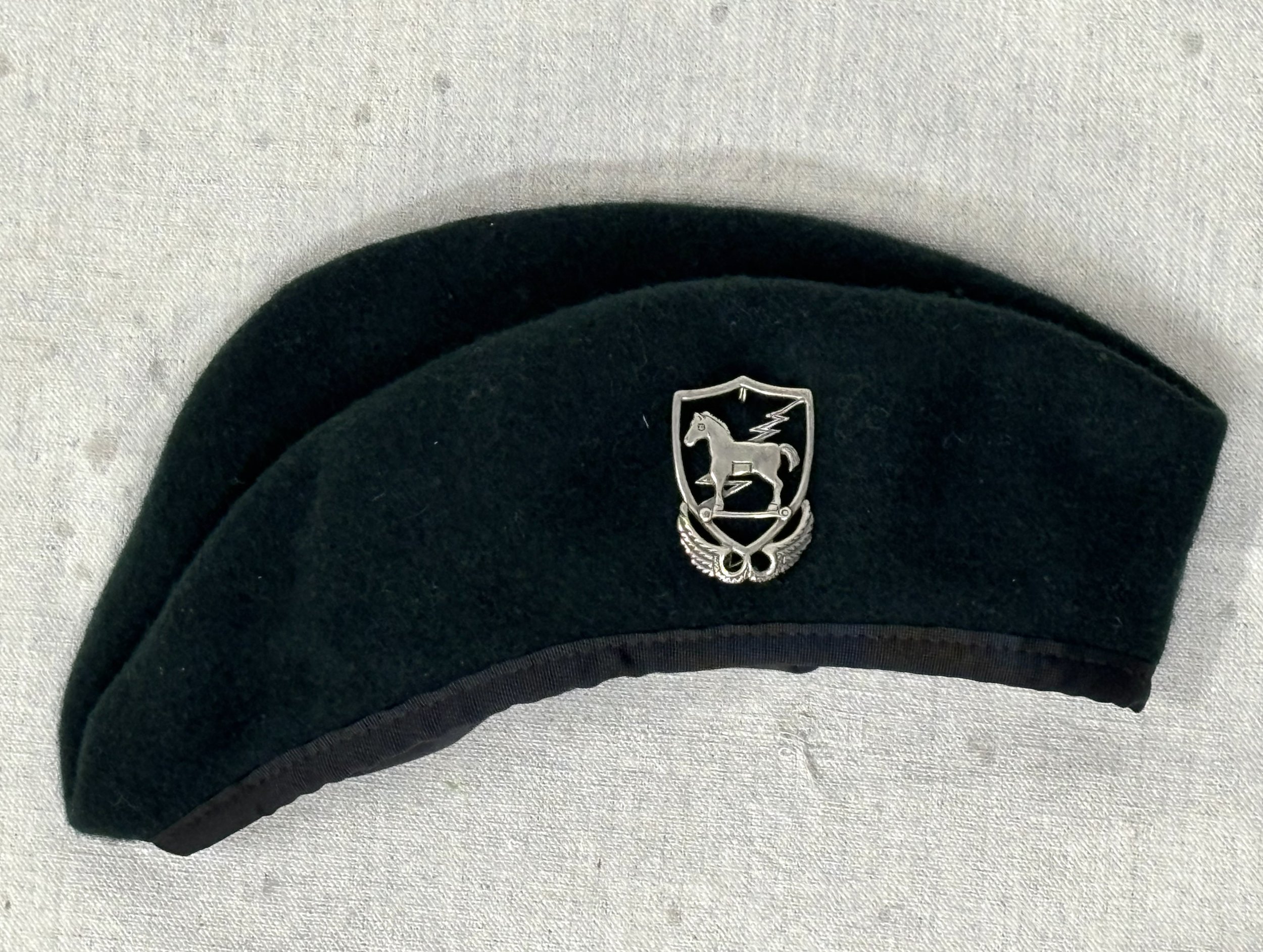
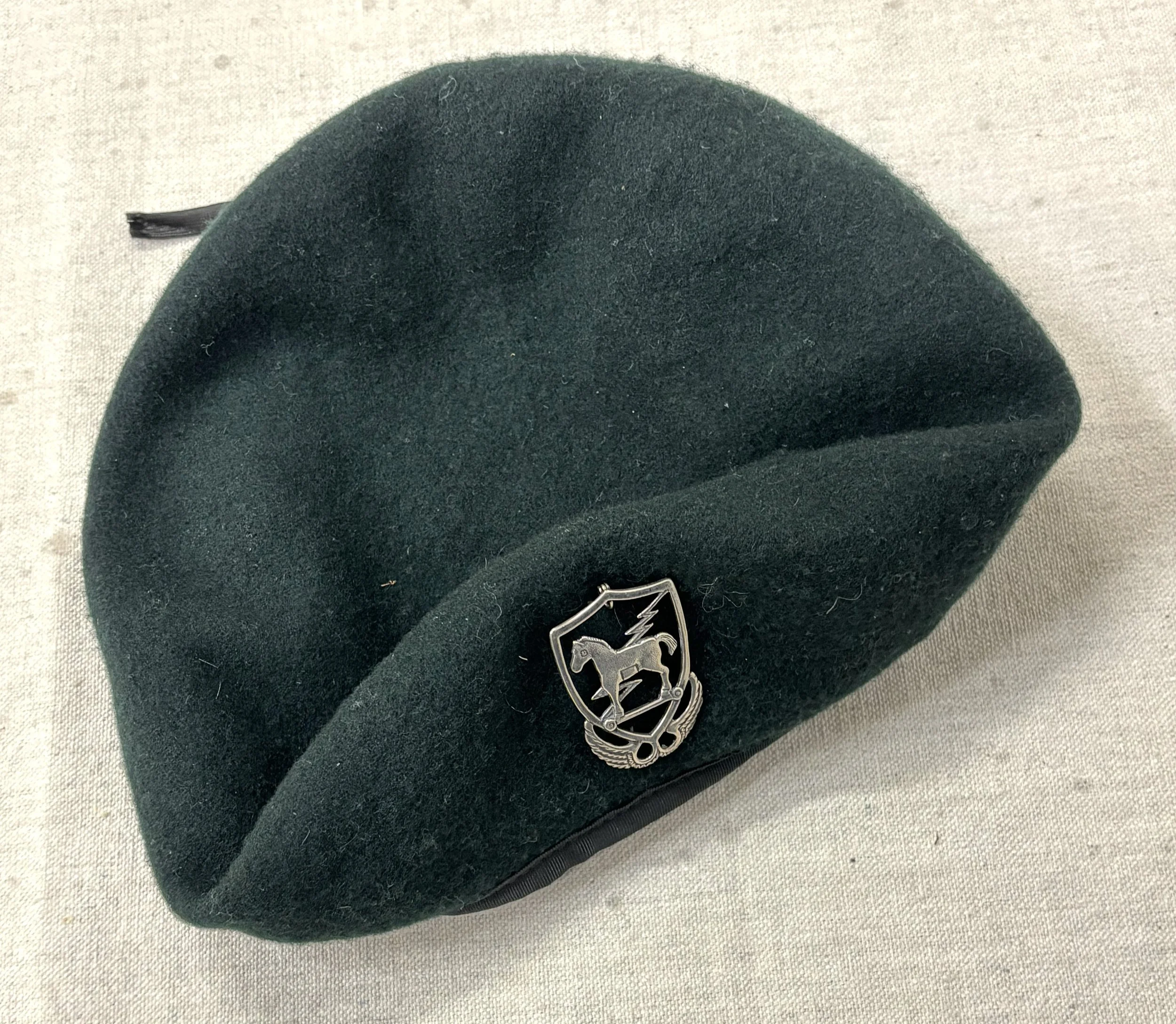
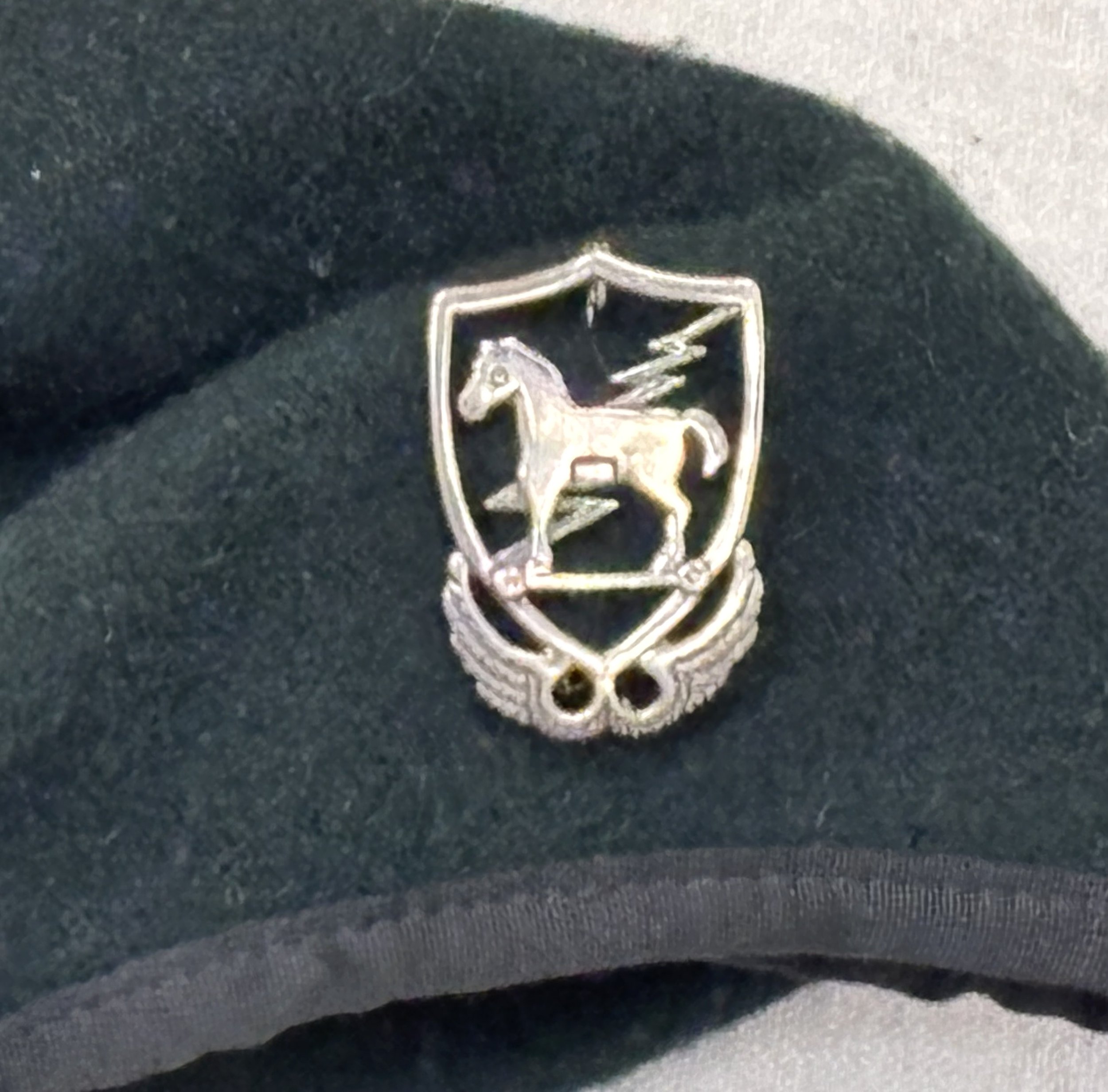
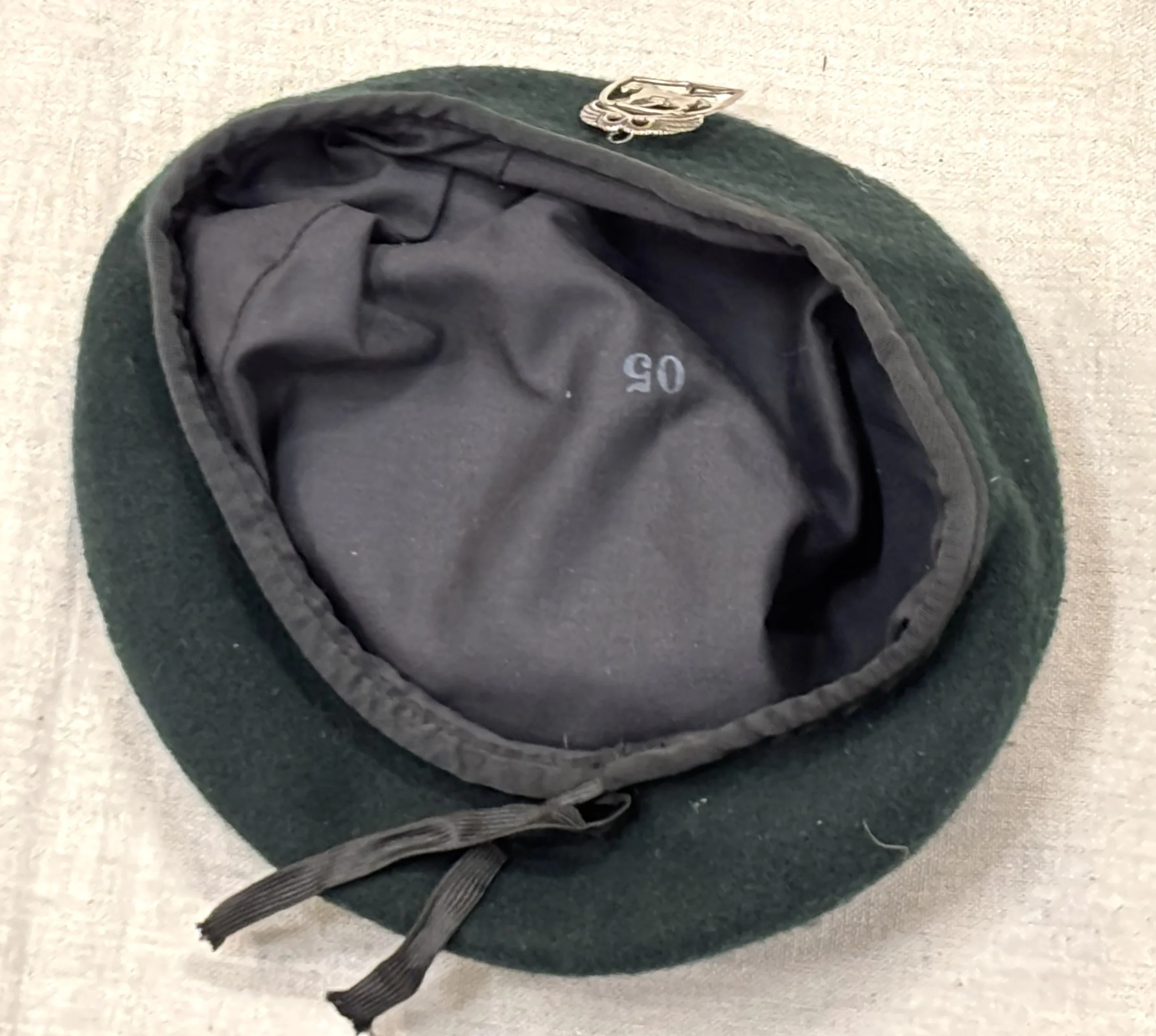
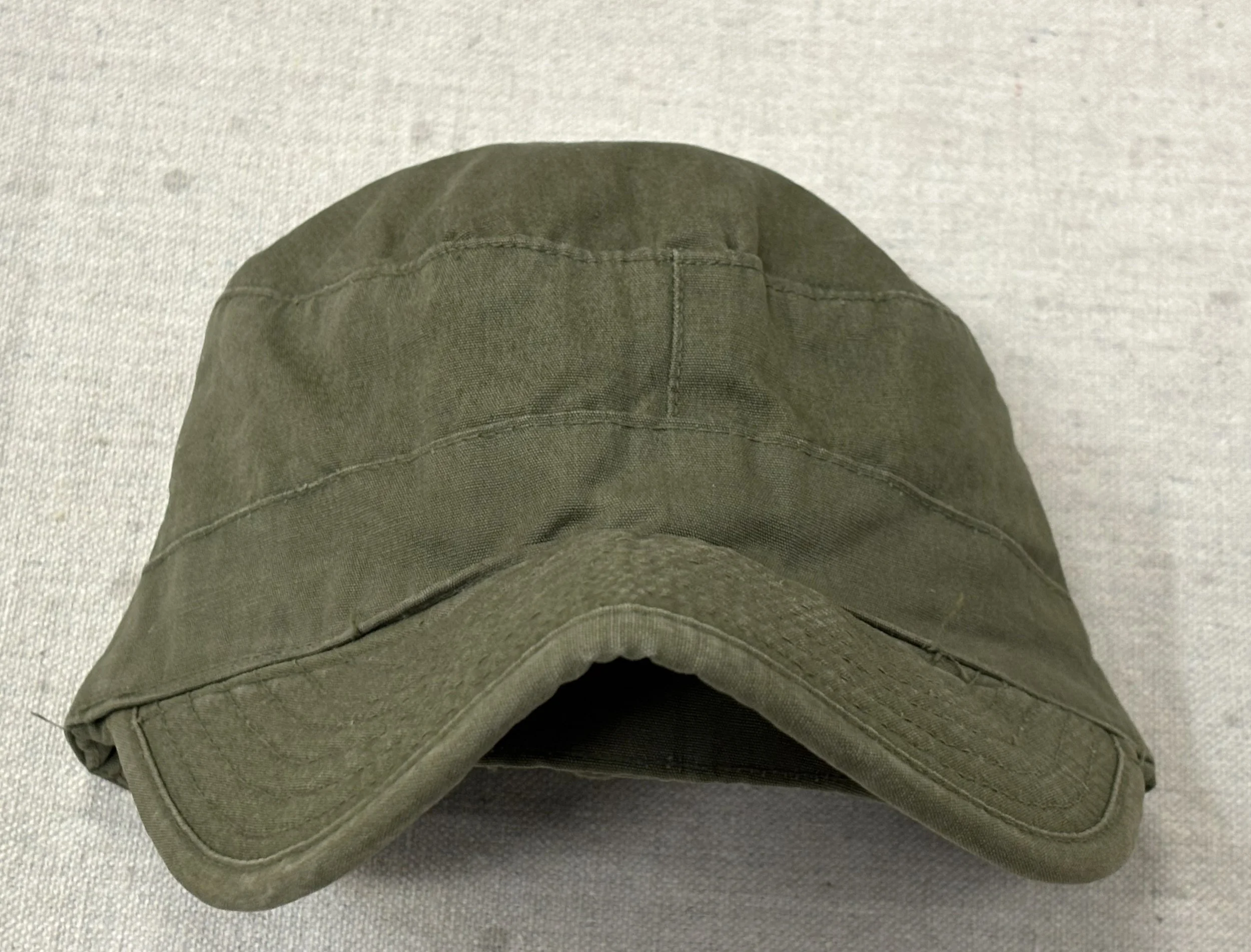
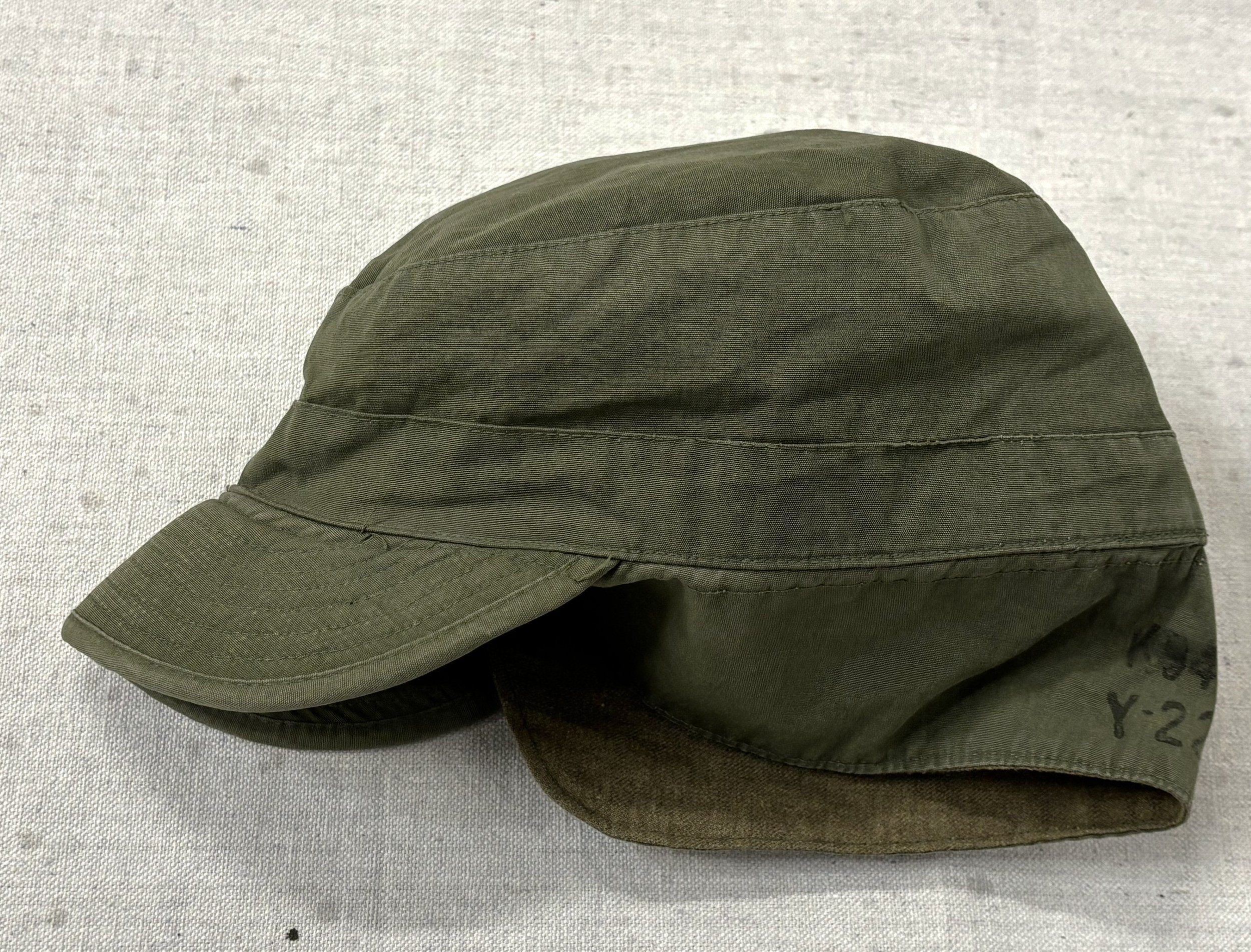
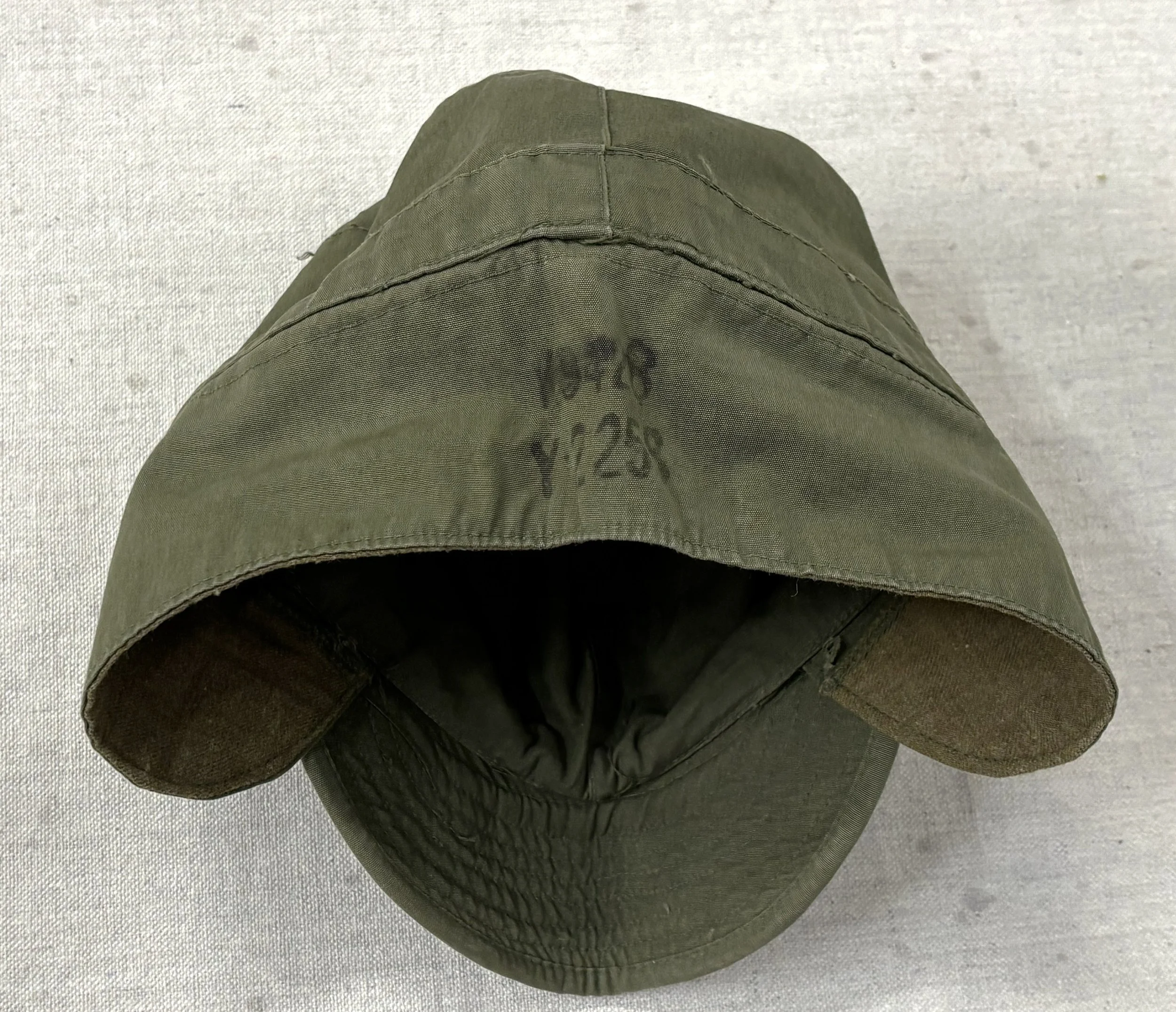
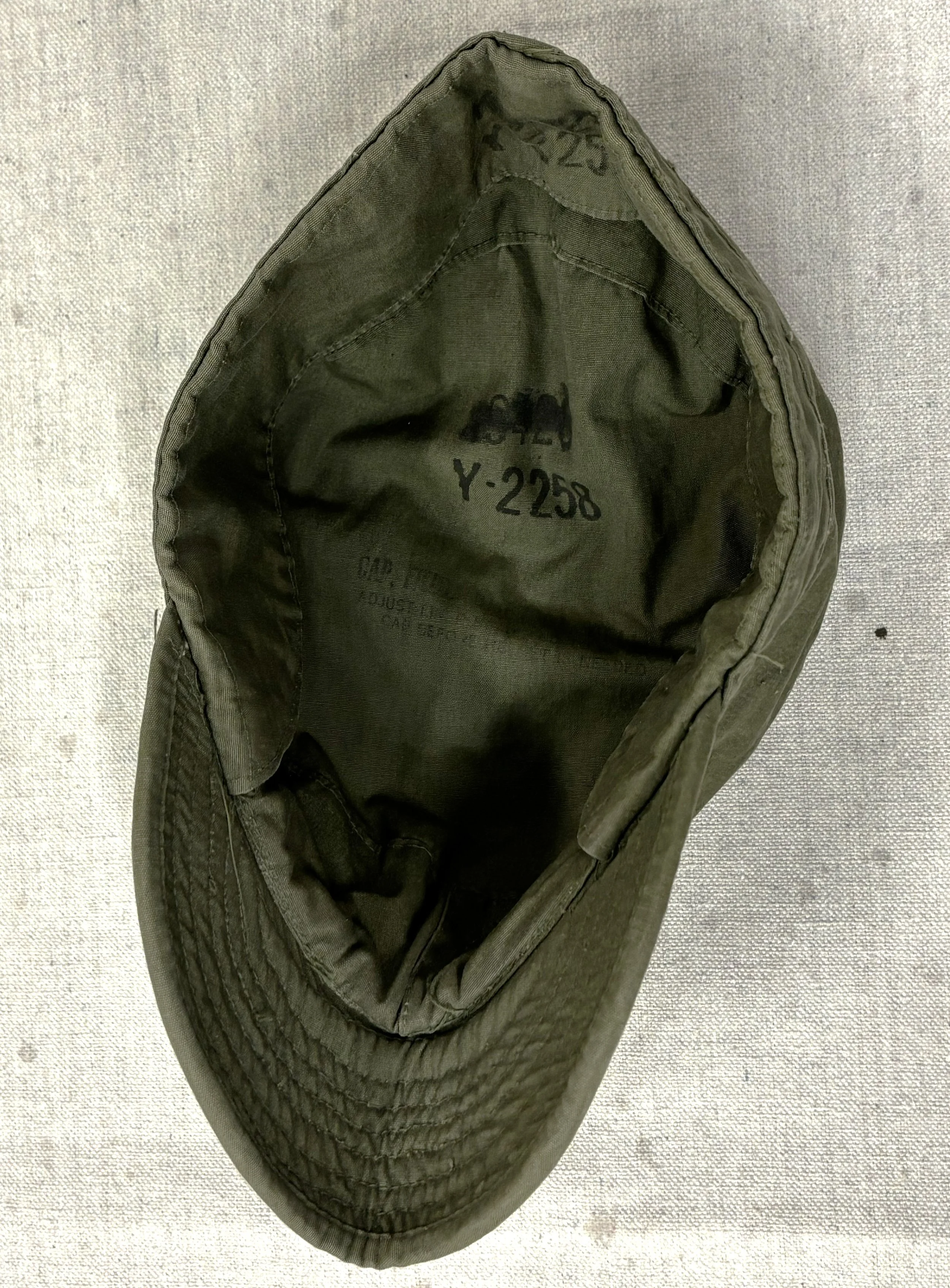
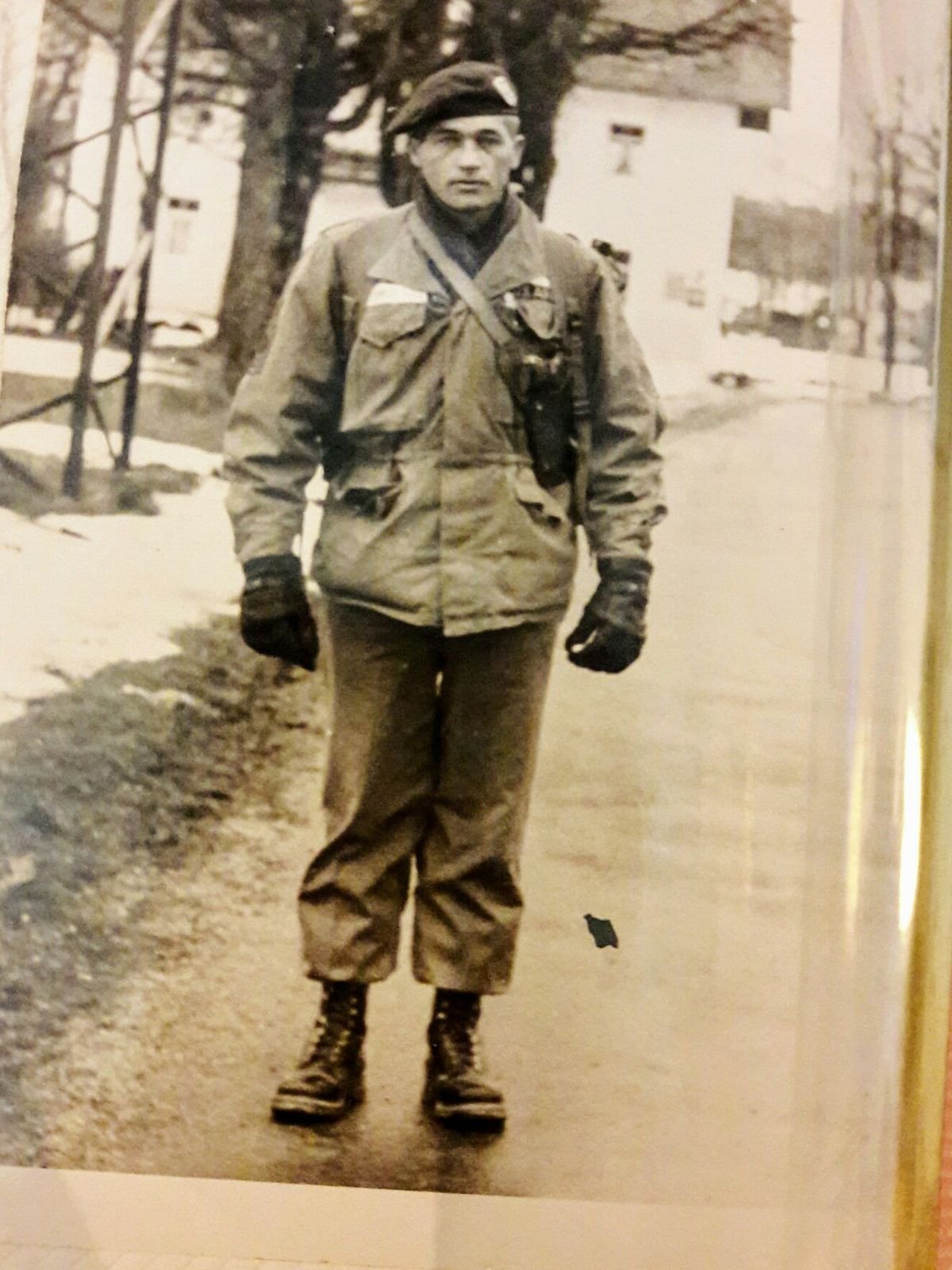
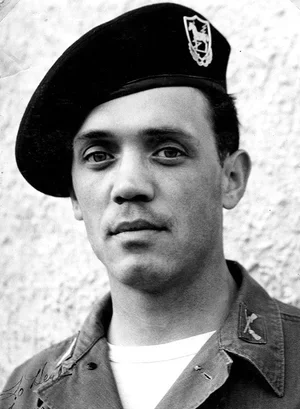

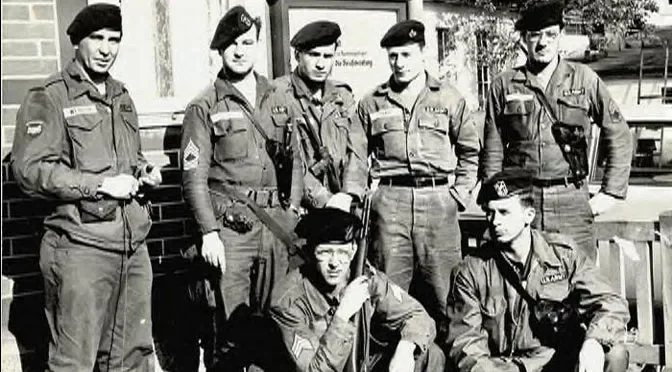
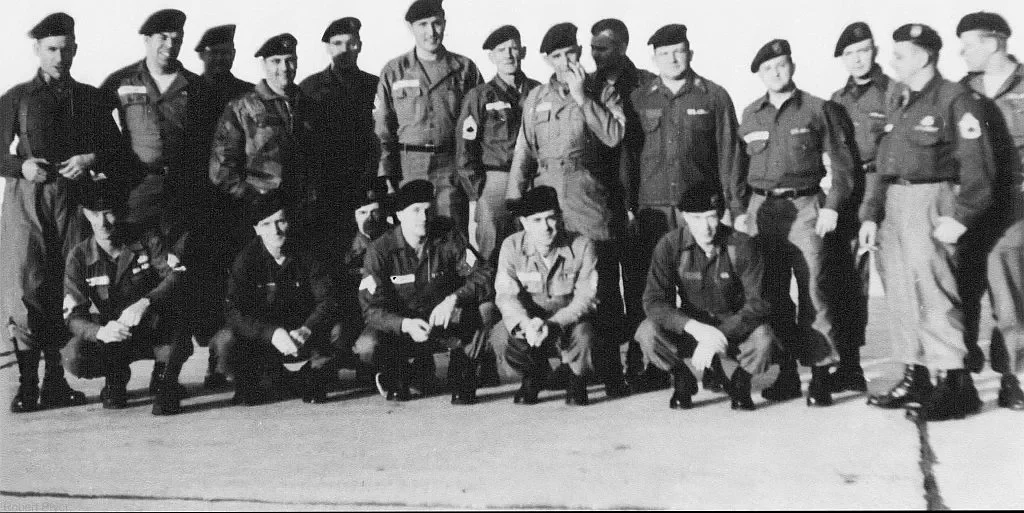
“New” Sergeant, beginning of 10 SF ~ Europe, mid-1950s:
I have a lot coming together and being rearranged, stories to come, just have to get sorted out first. I want to say this is in the late 1950s, but I’m not sure what I had going on here, getting ahead of myself a bit, some stuff still in the works.
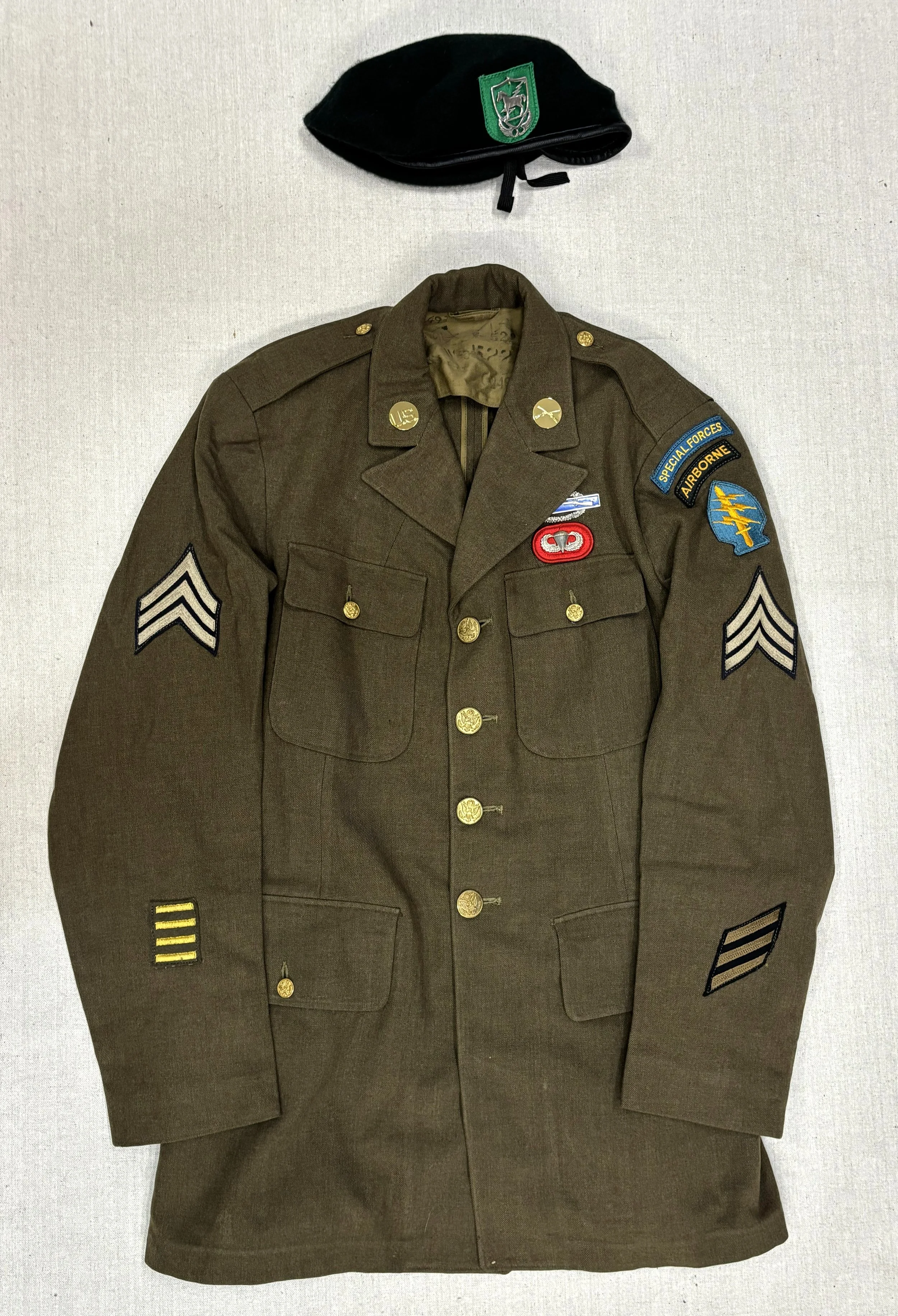
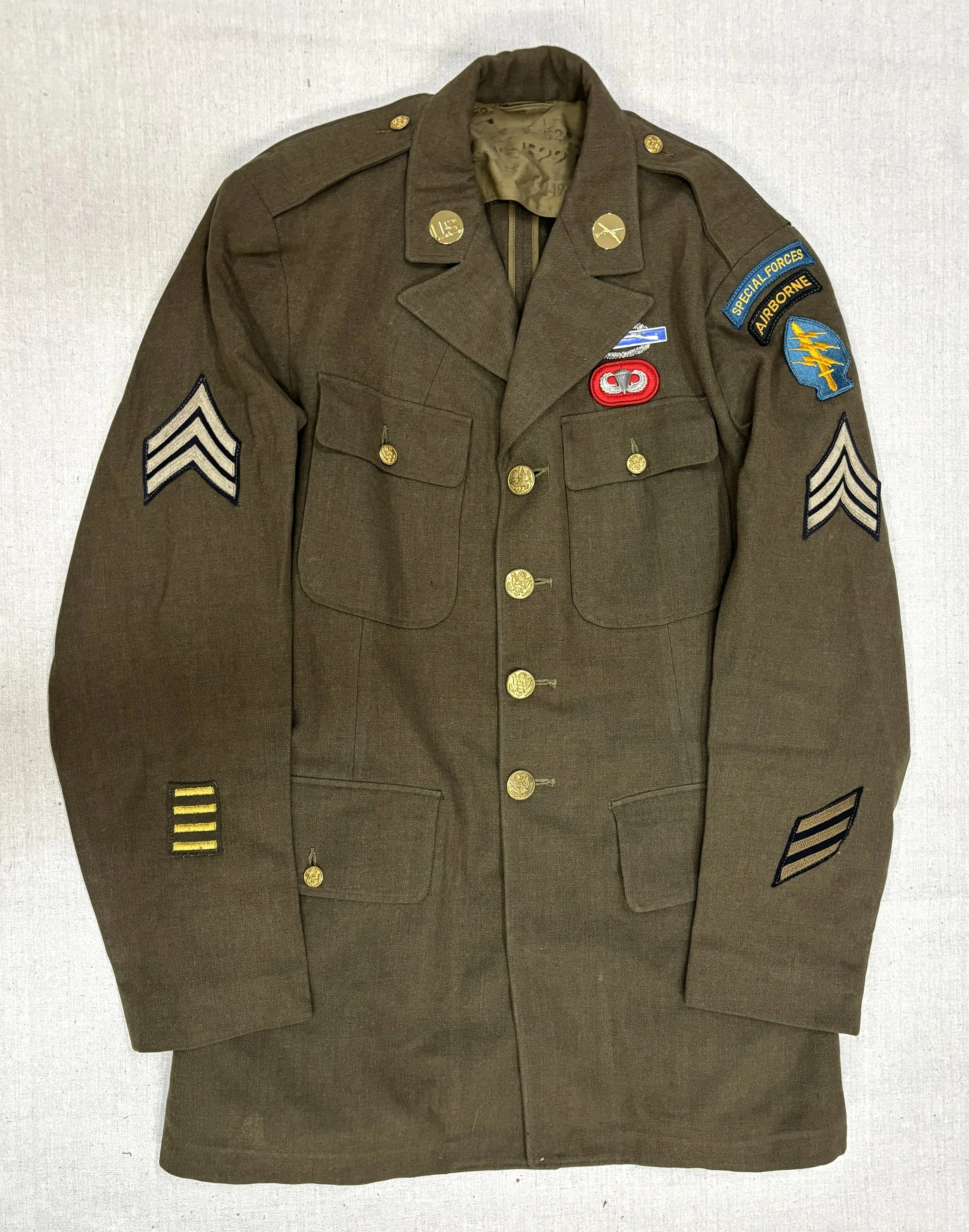
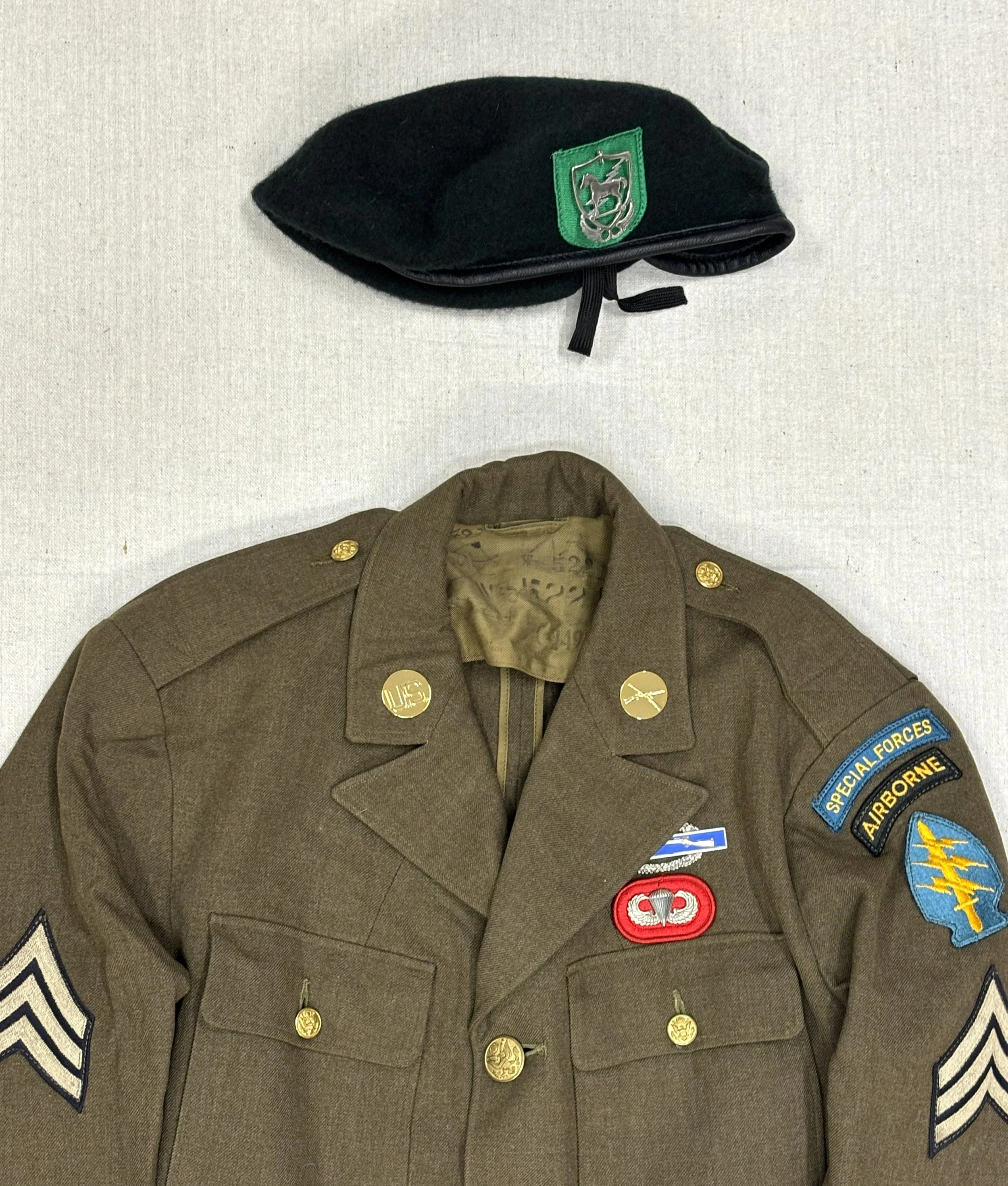
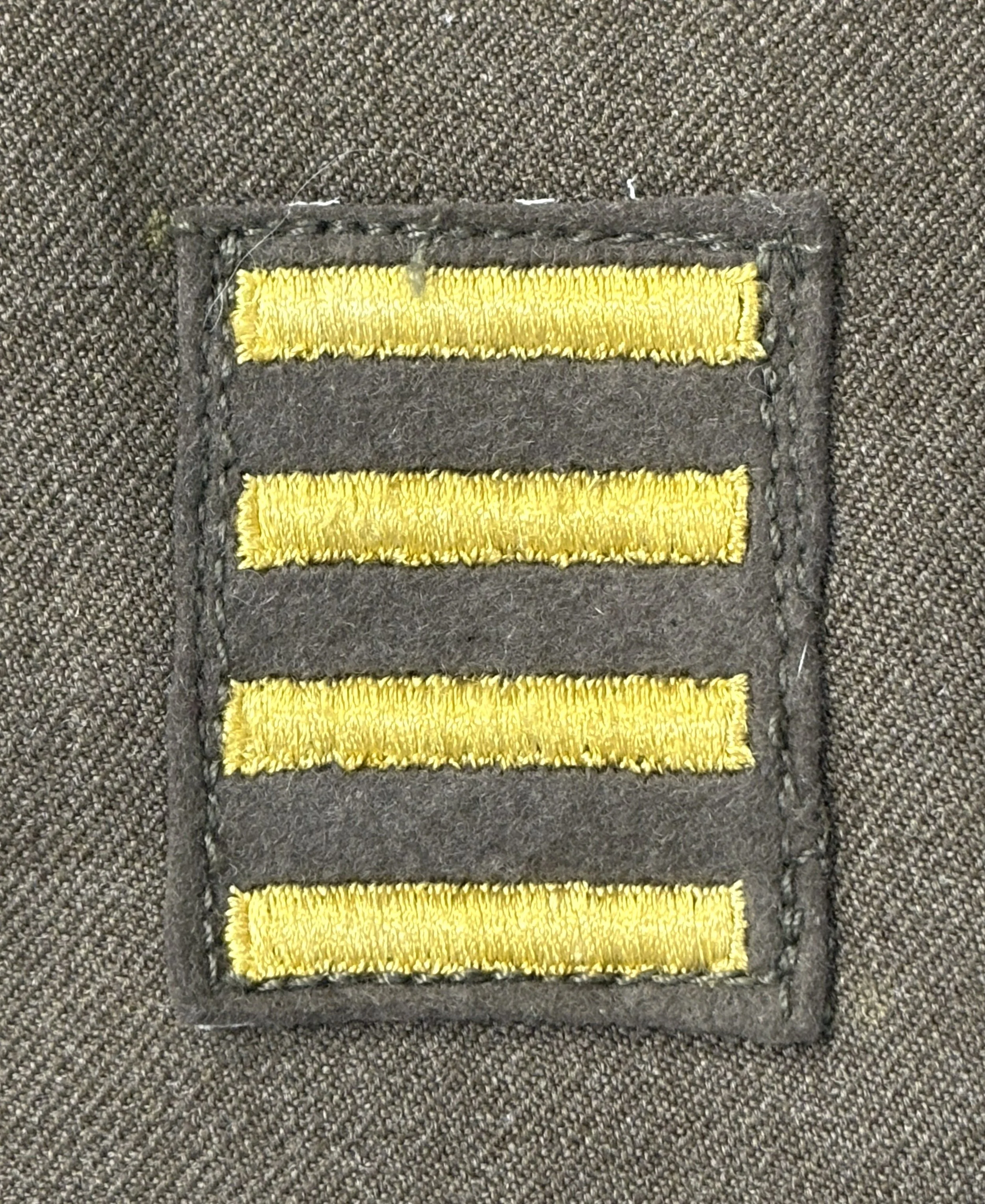
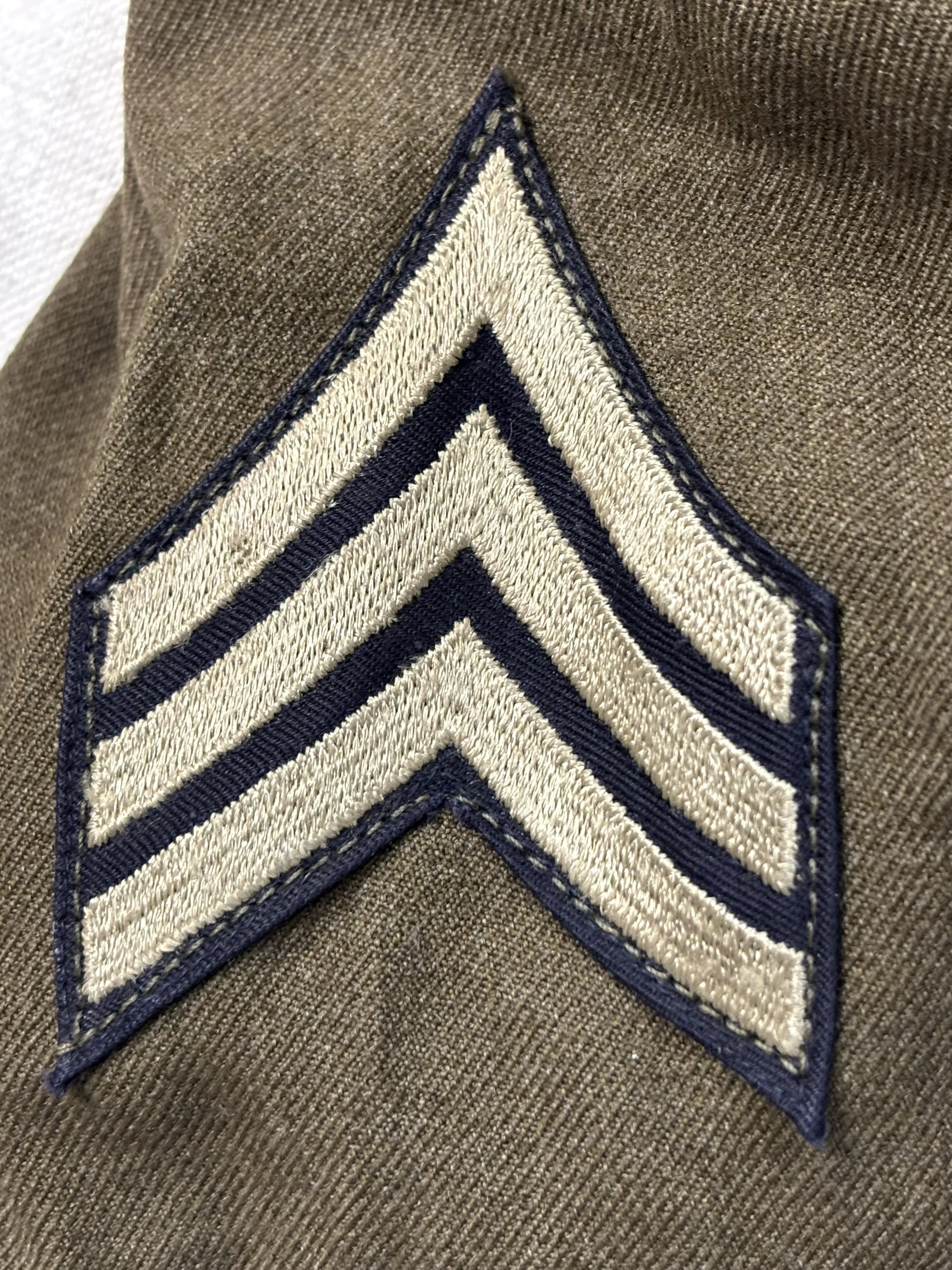
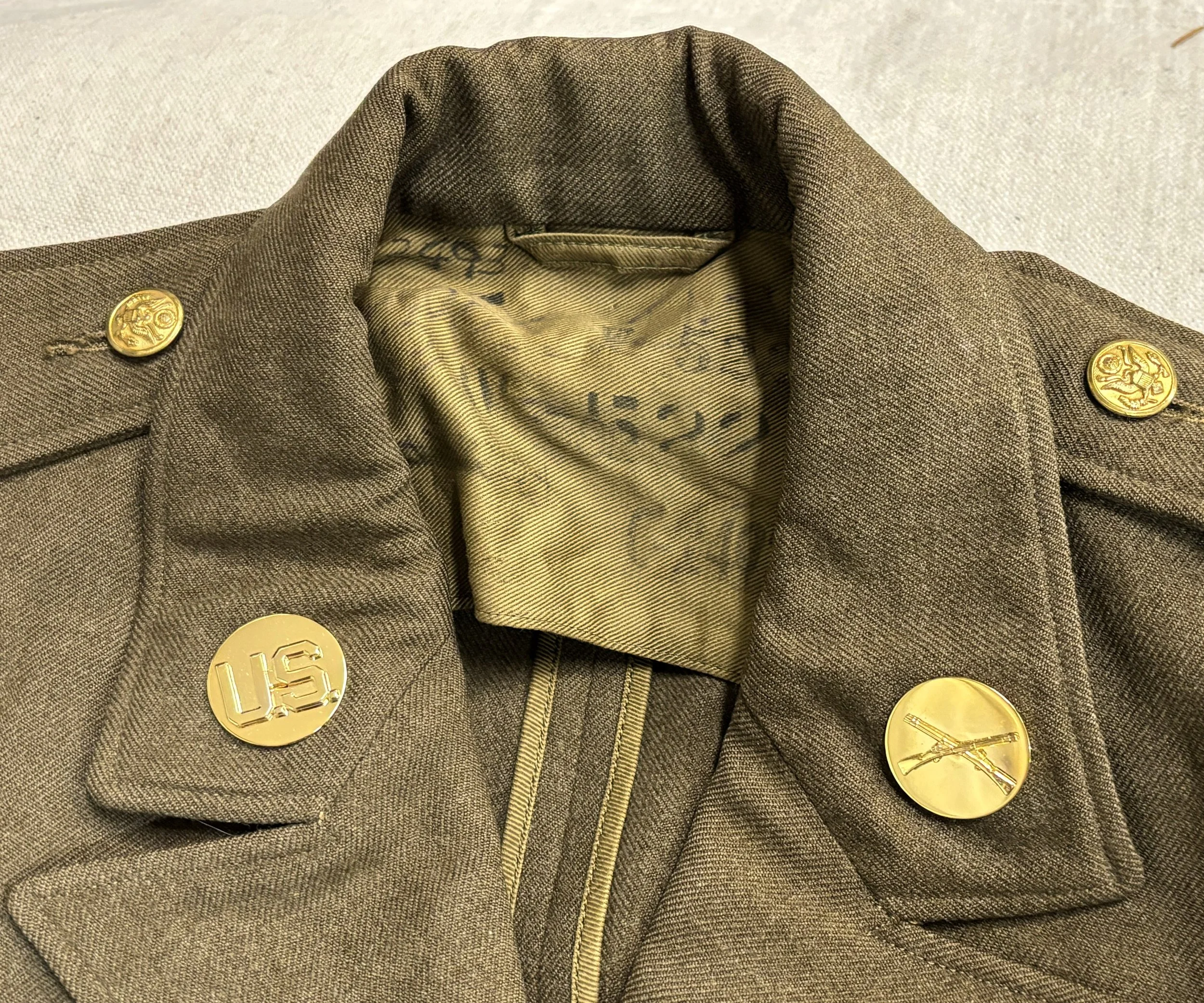
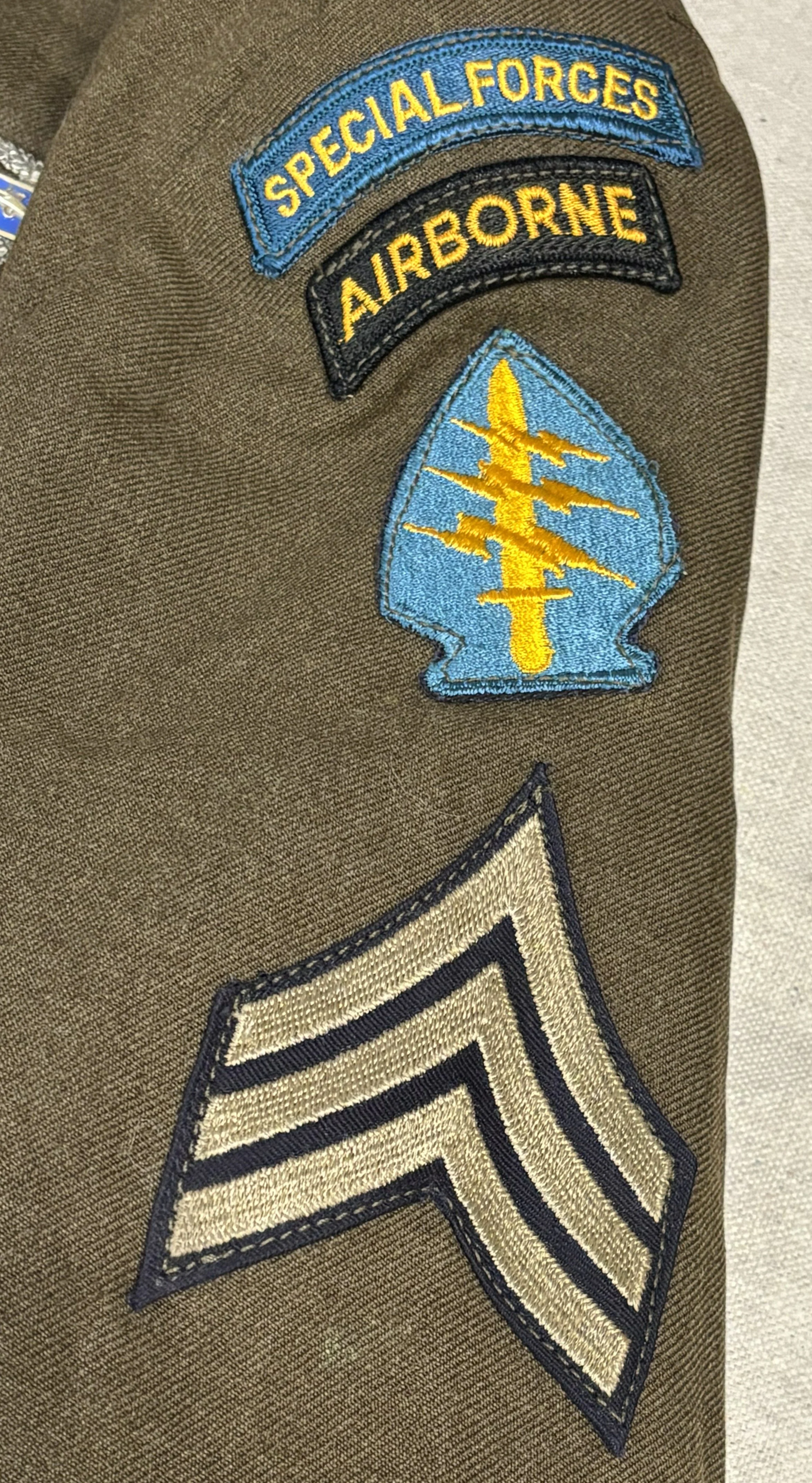
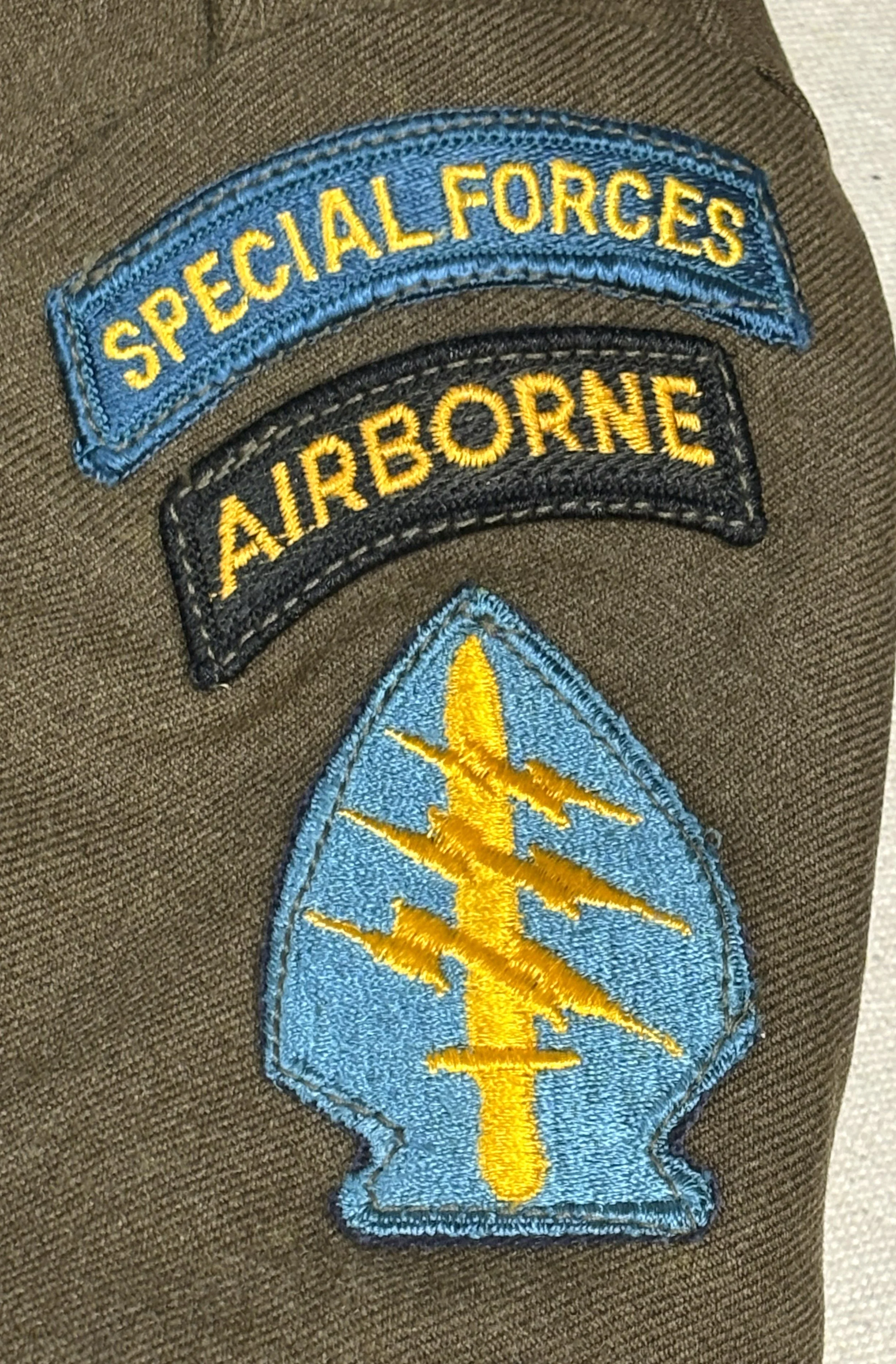
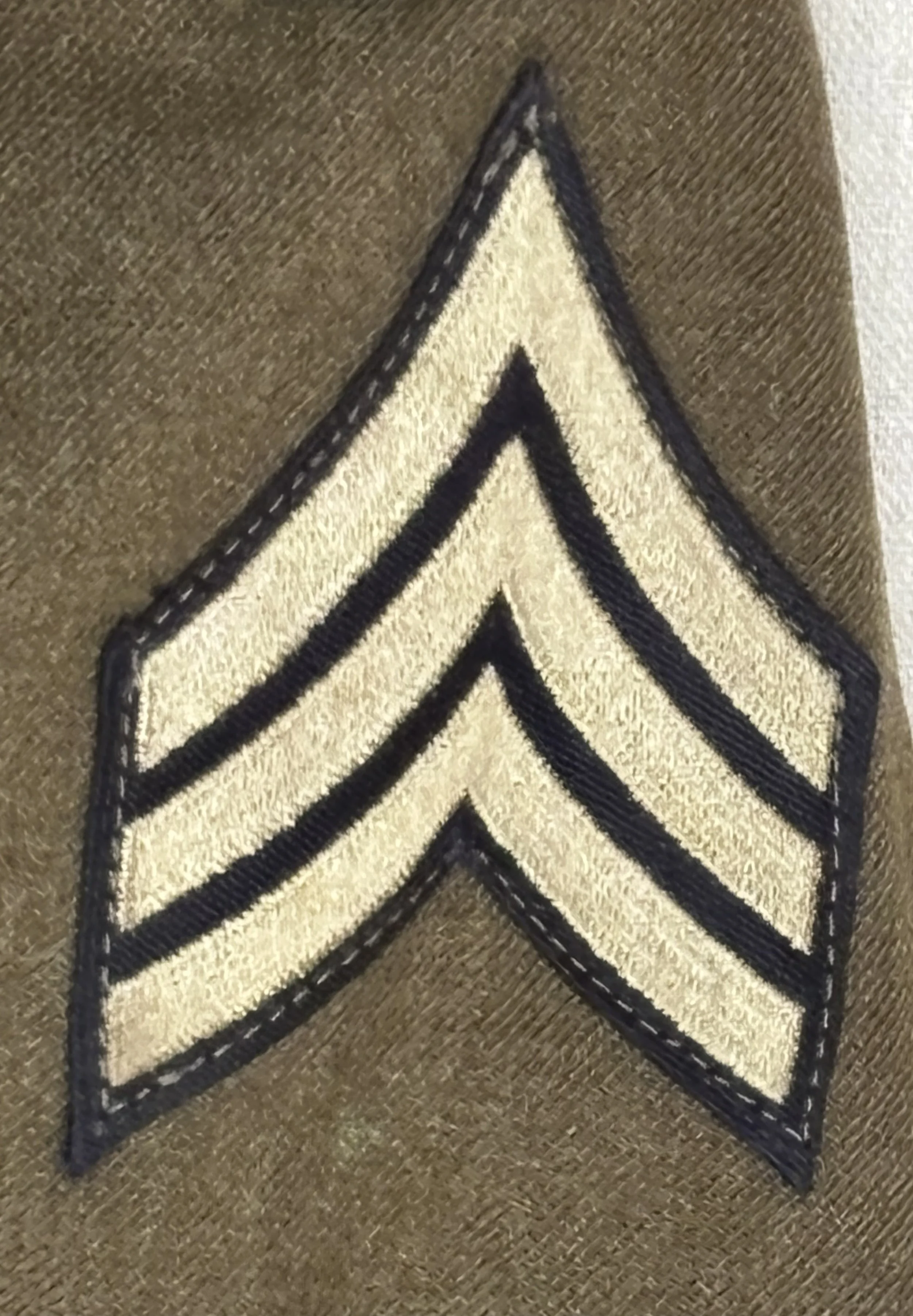
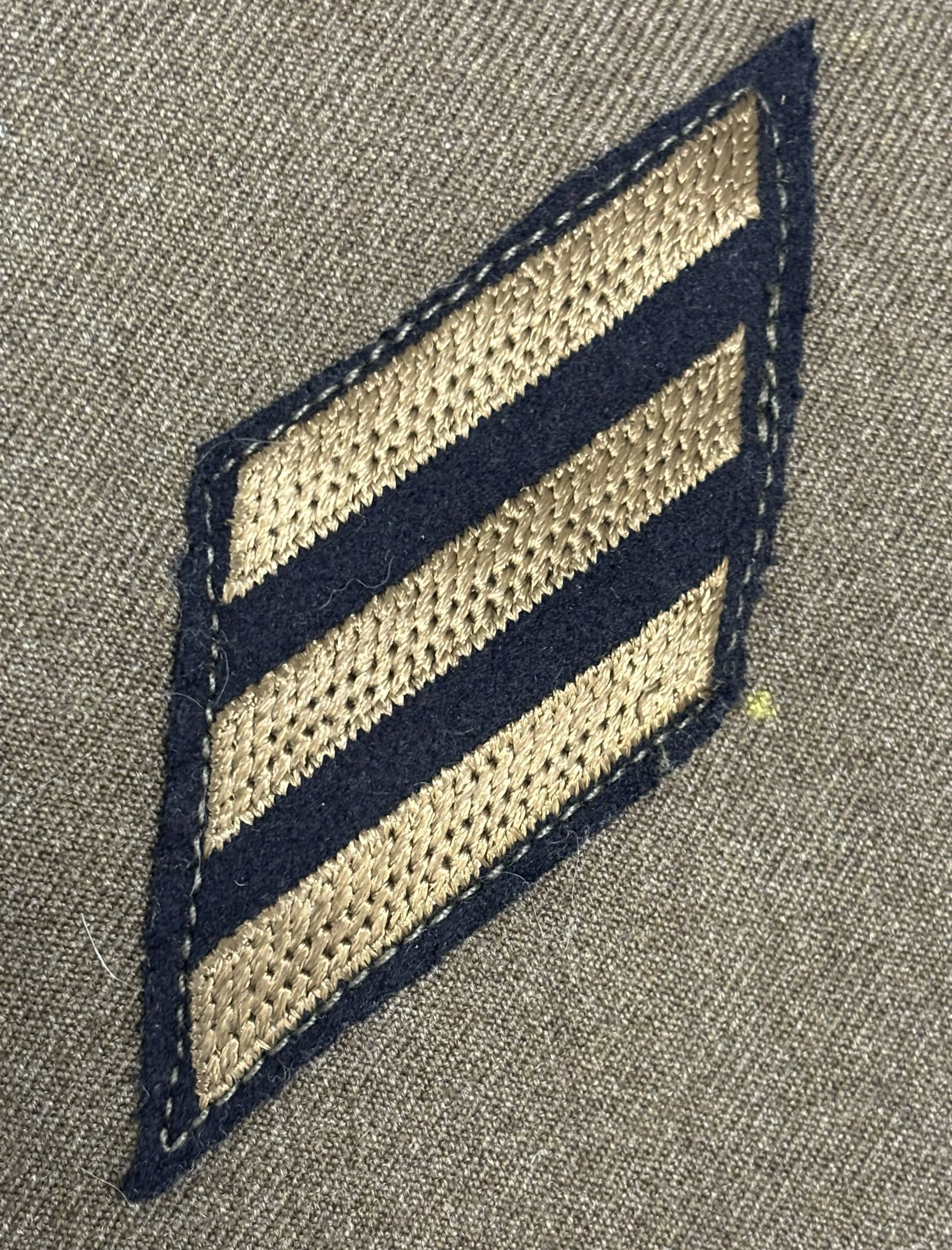
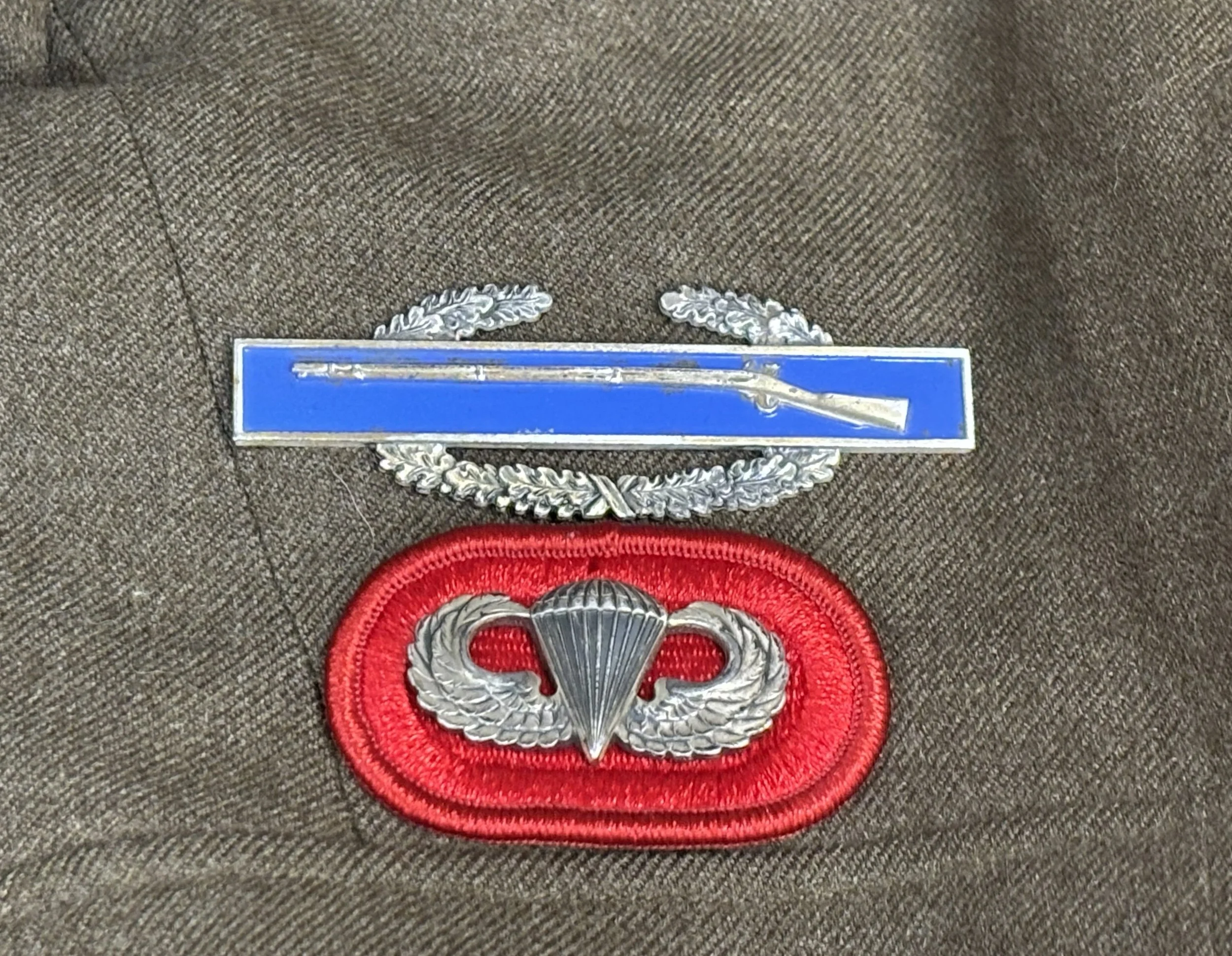
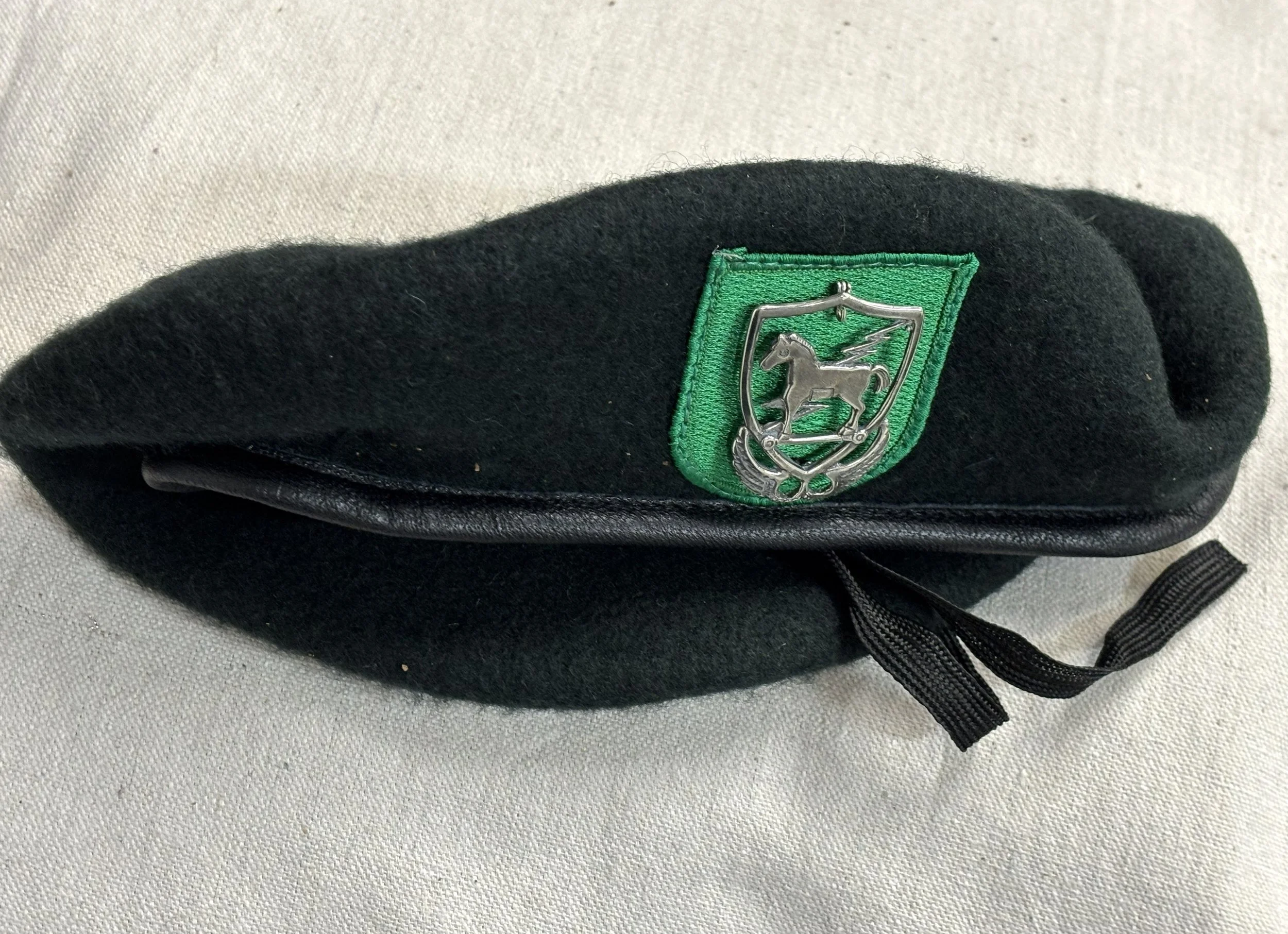
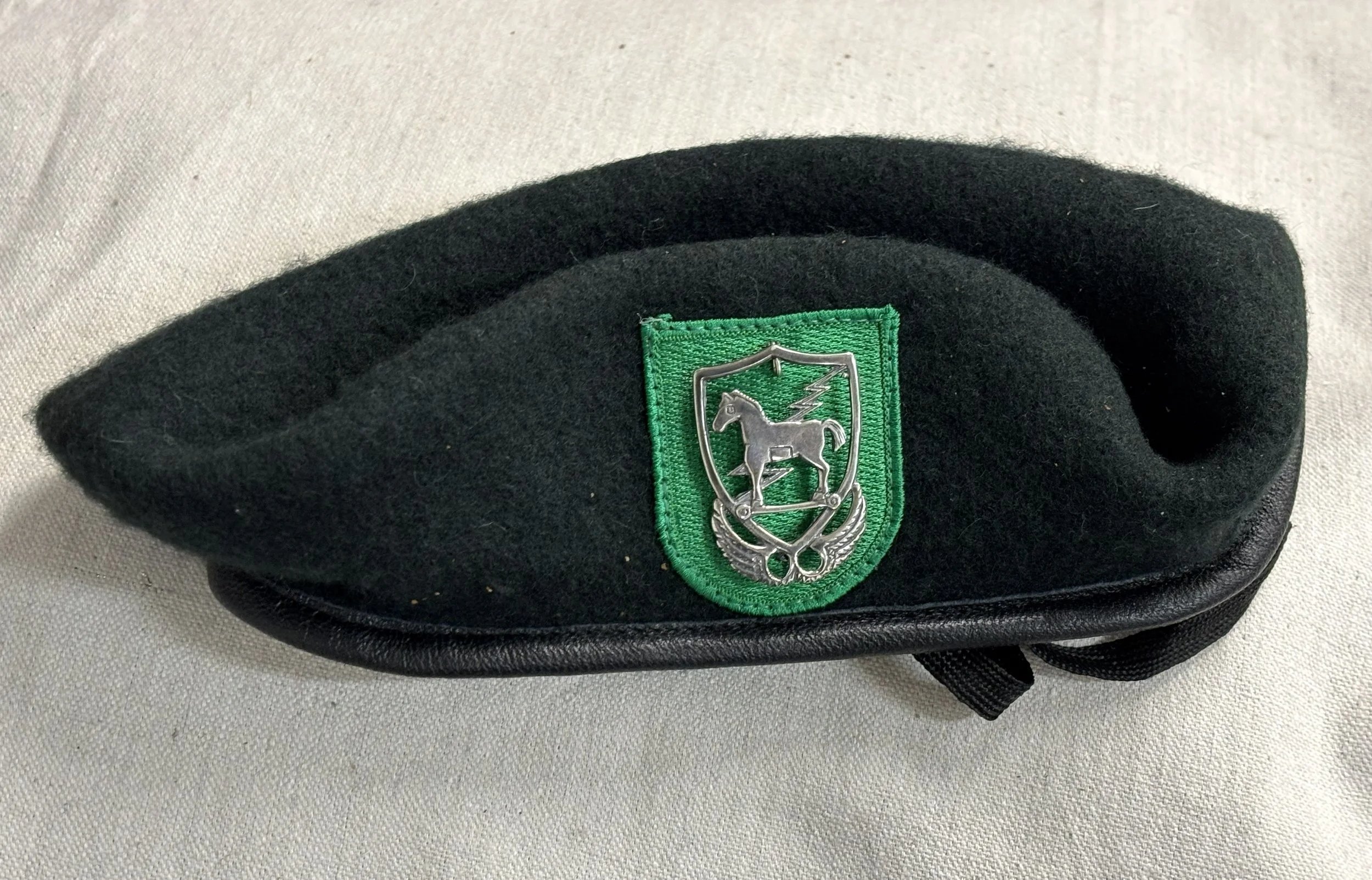
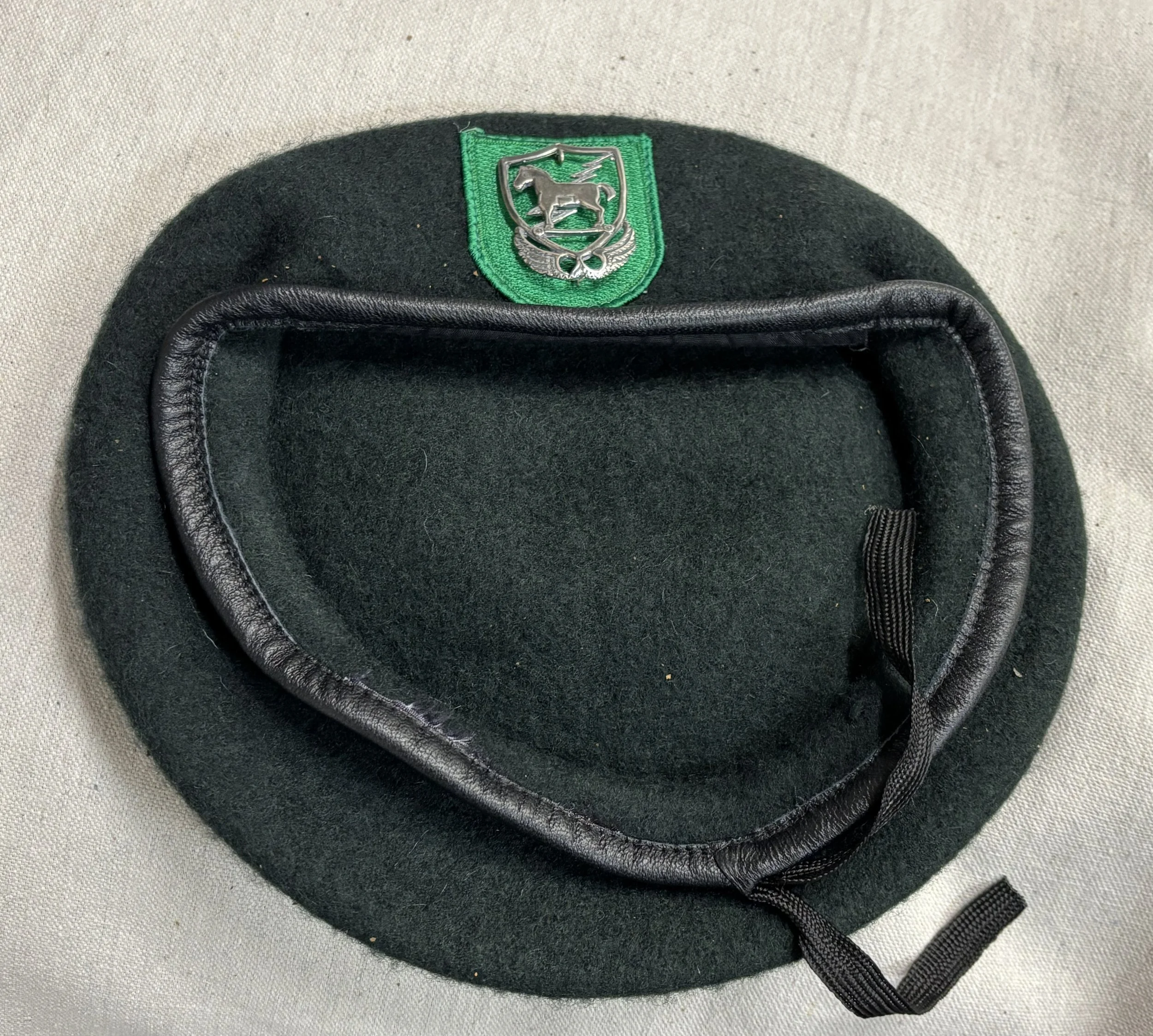
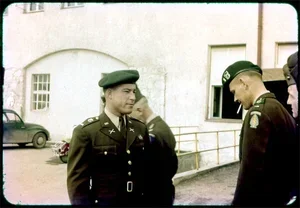
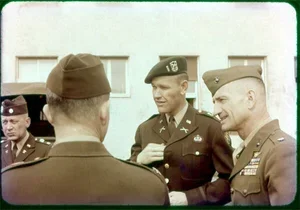
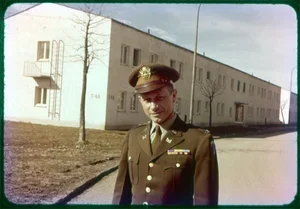
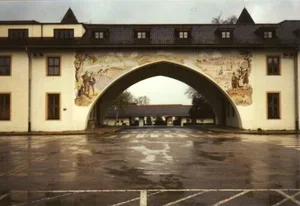
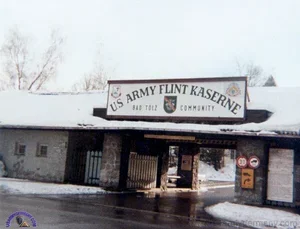
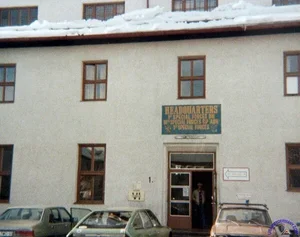
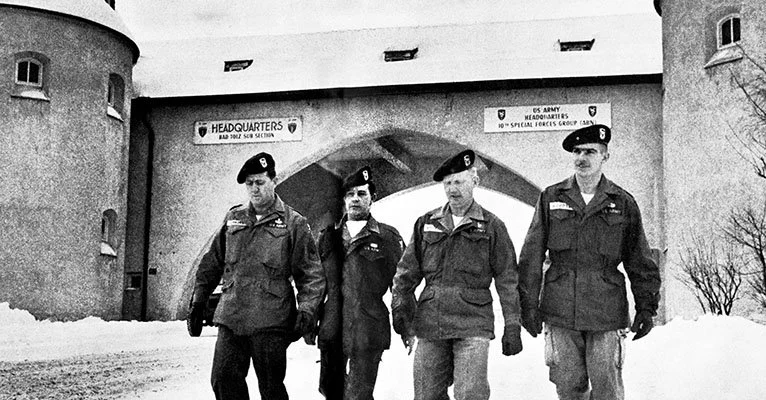
“NEW” 10th SFGA, Bad Tolz, Germany 1956:
The uniform is supposed to have small gold and black shields with a Trojan Horse on them, on the shoulder straps. I had one for $300.00 I had gotten 5 years ago, then grabbed another for $200, but it was a different style and size, and a third I bid on till it was a $1000.00, and gave up! So the uniform does not have its appropriate DUIs. The Berets, Trojan Horse Badge, has another story of a similar outcome.
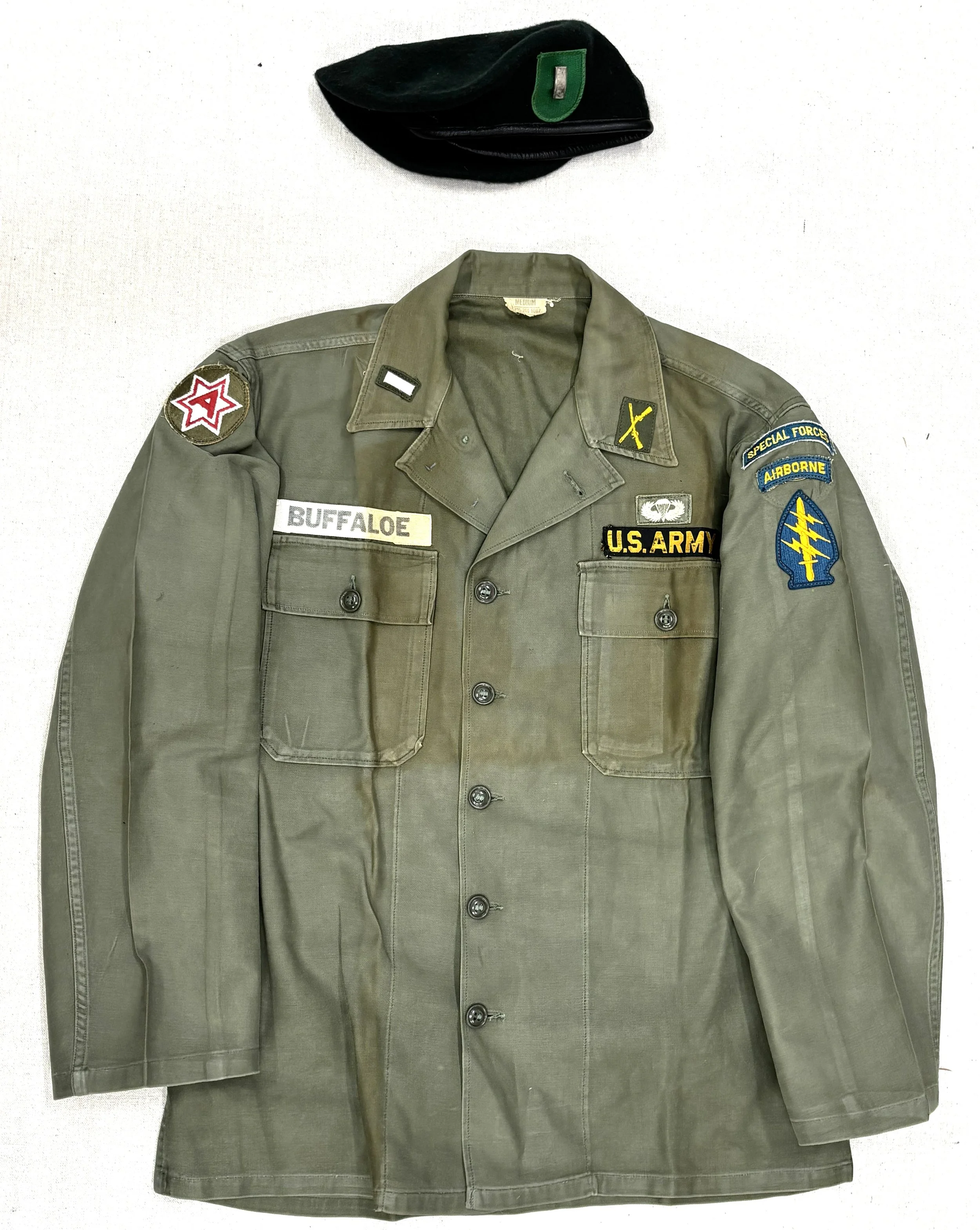
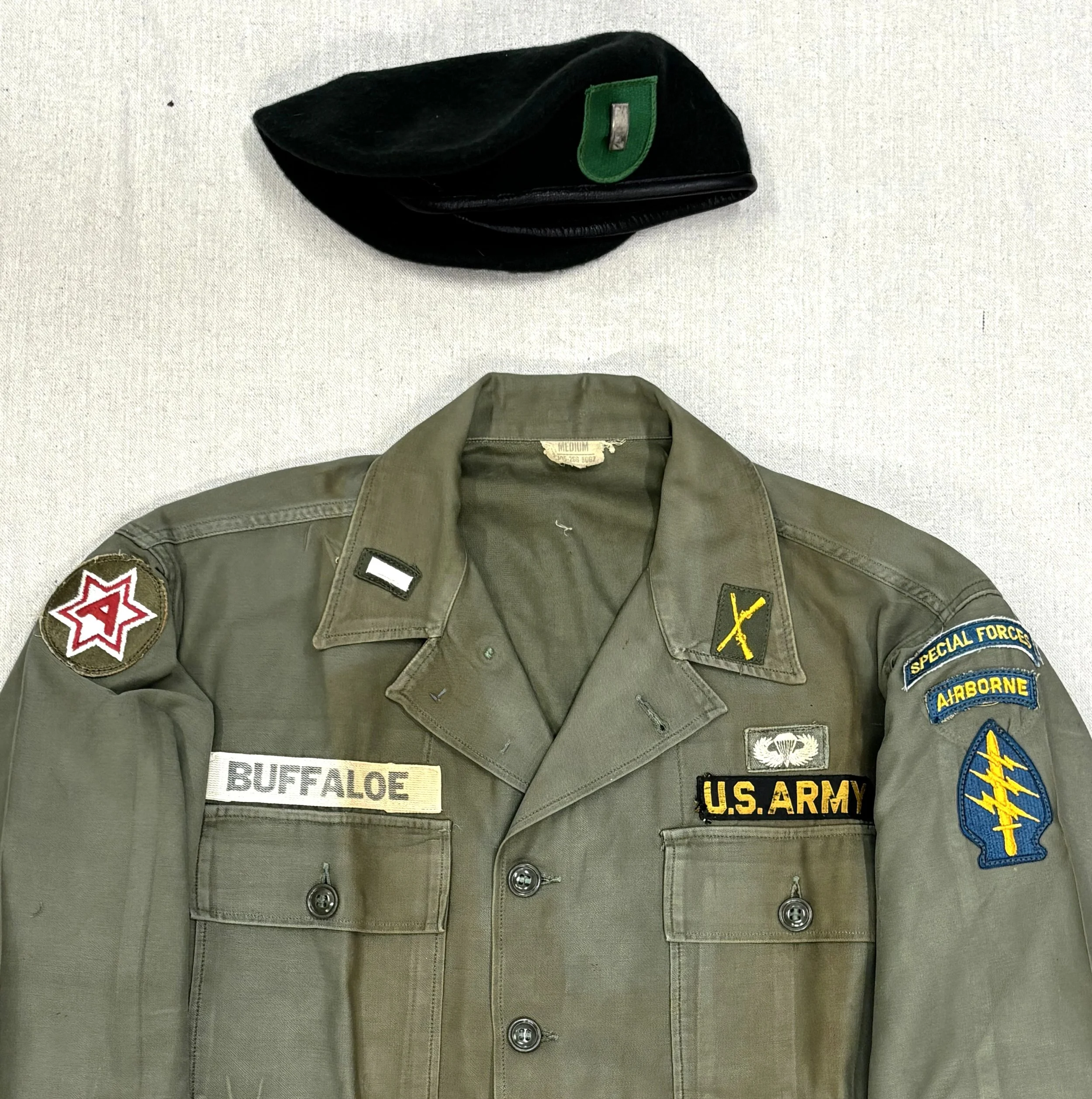
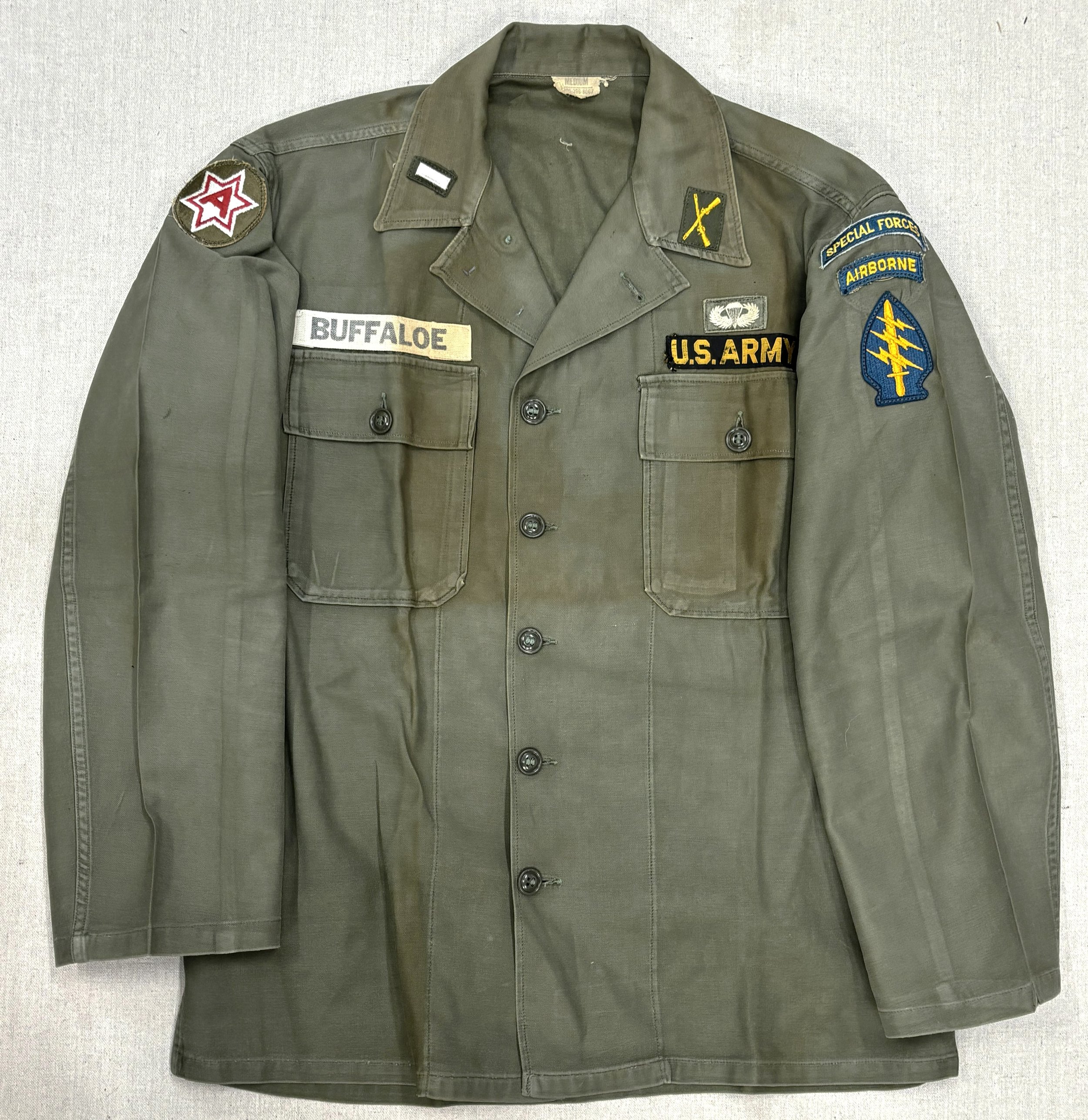
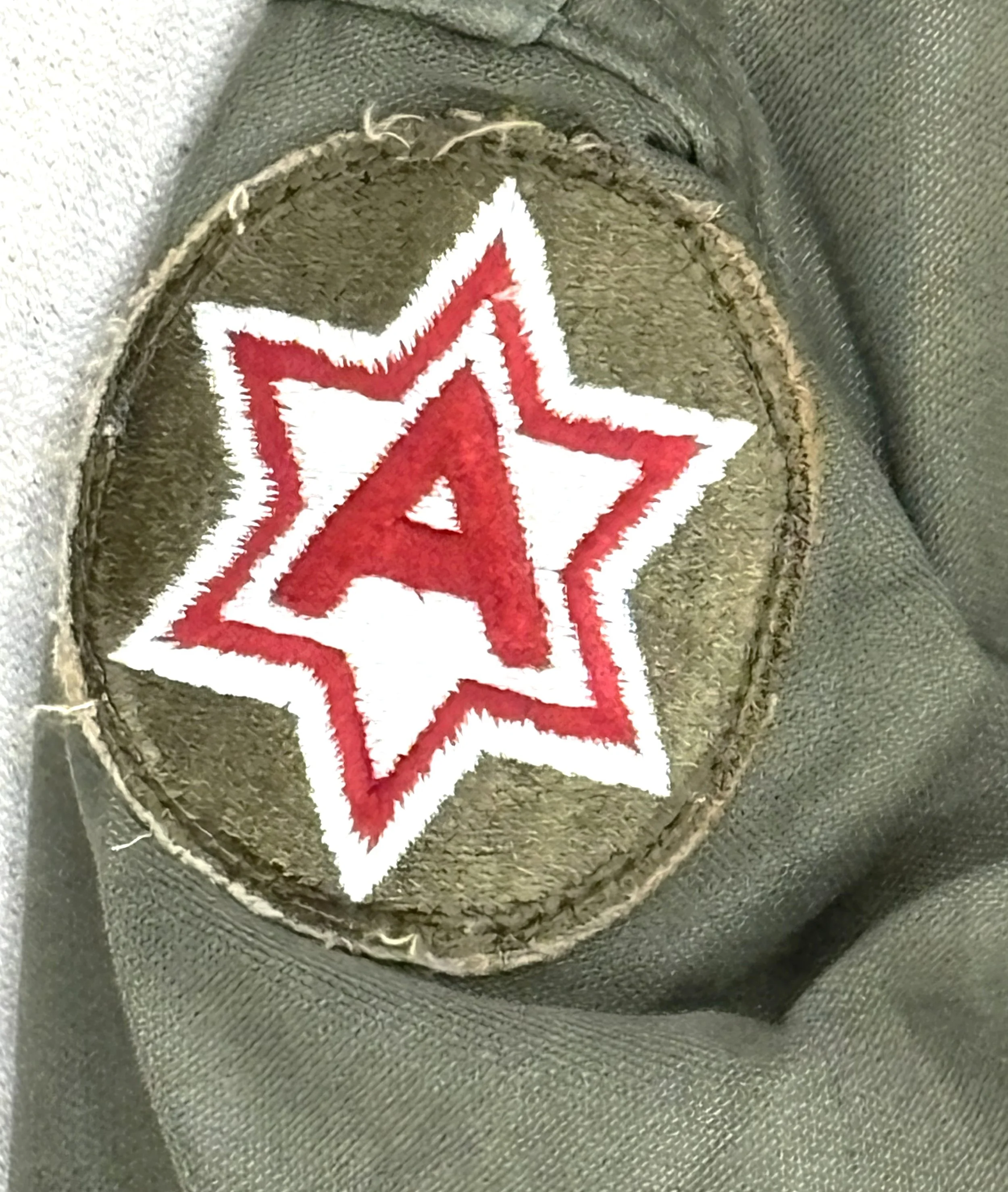
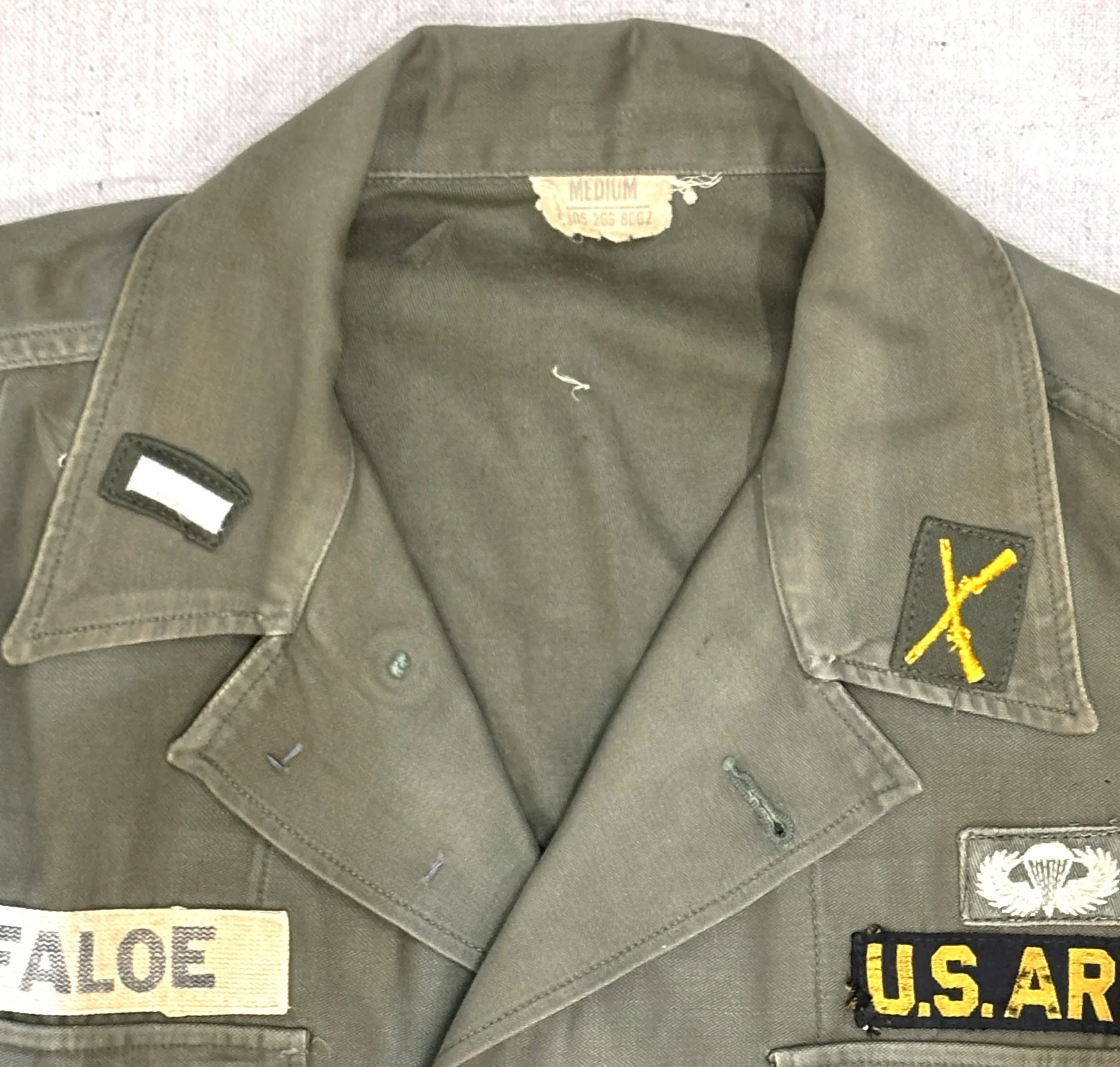
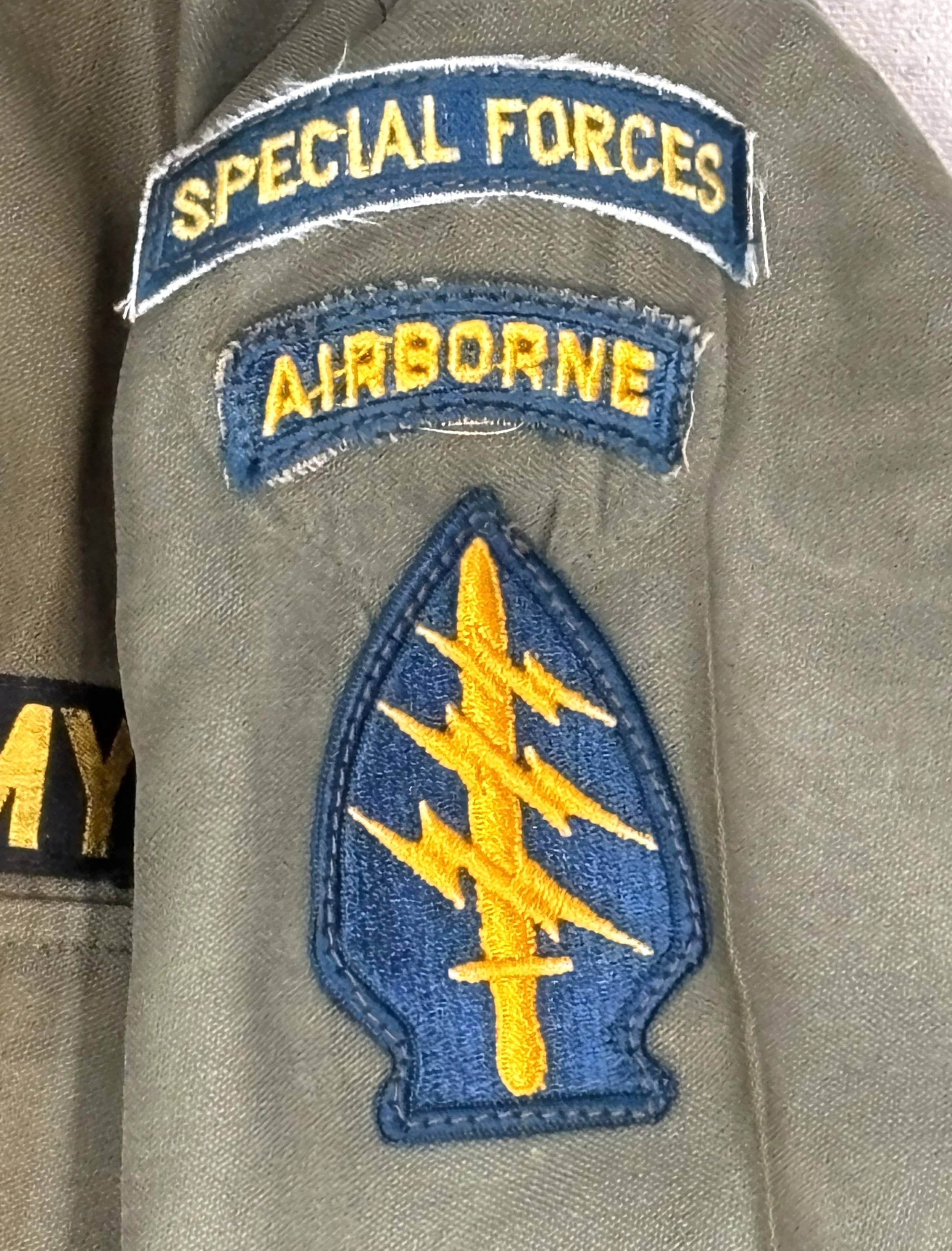
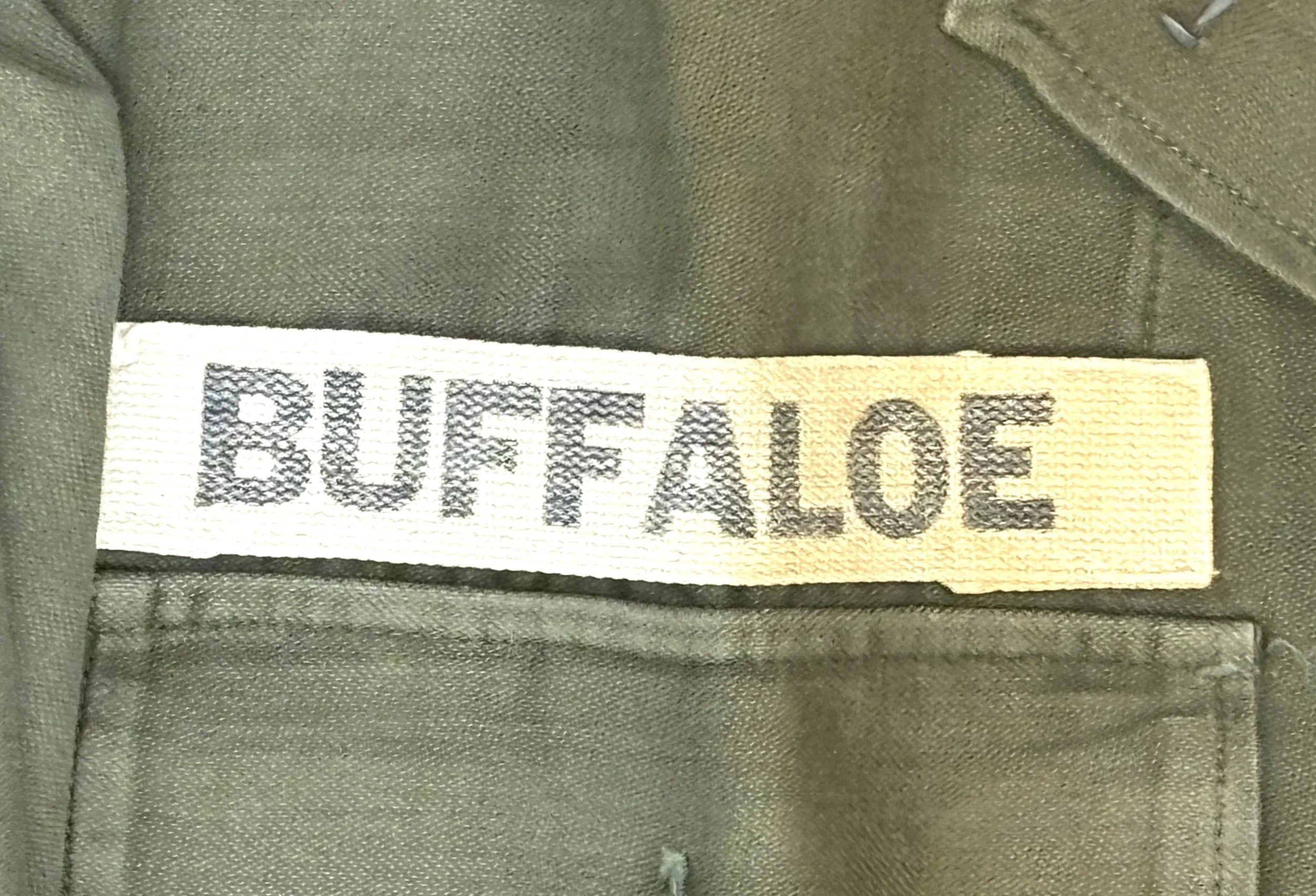
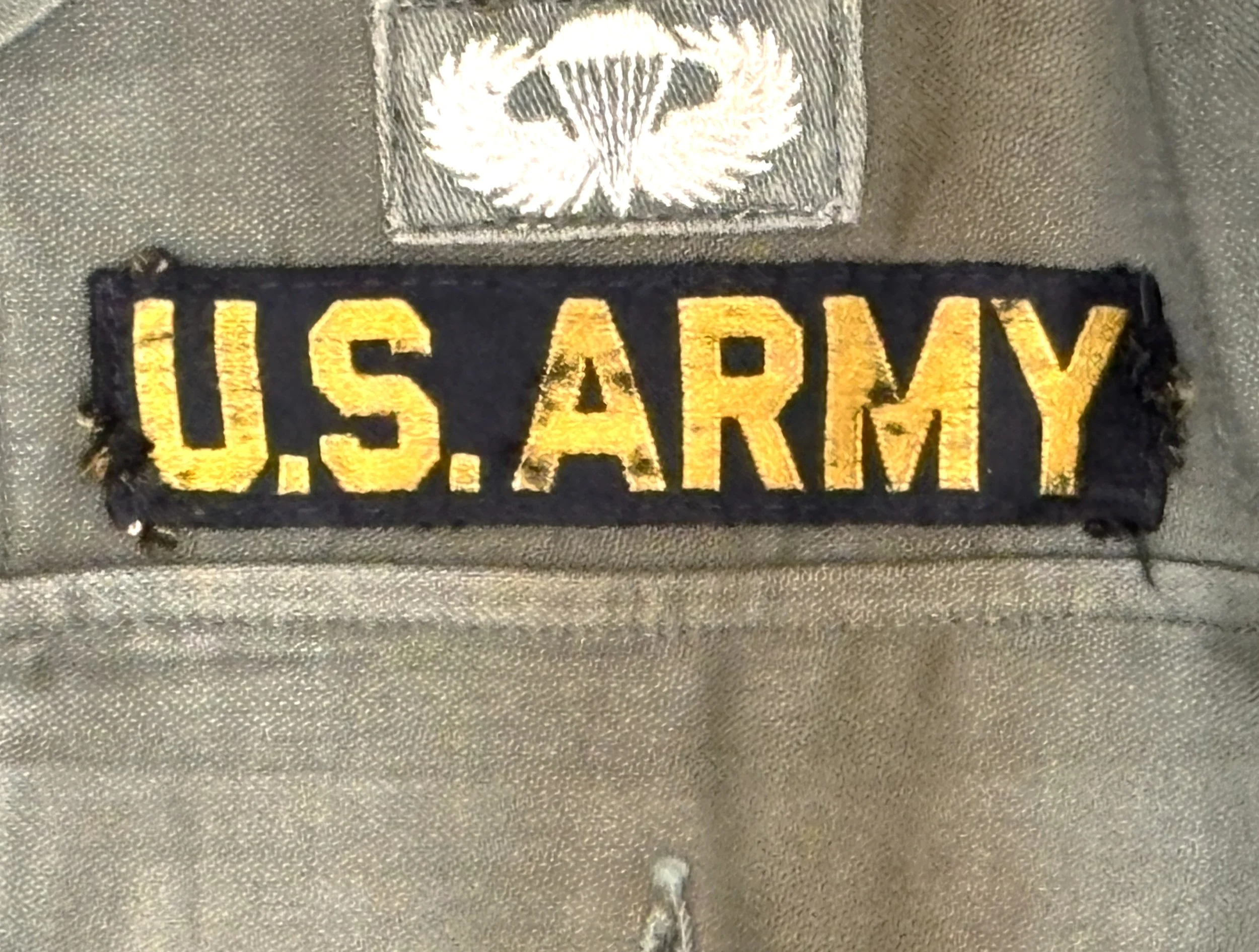
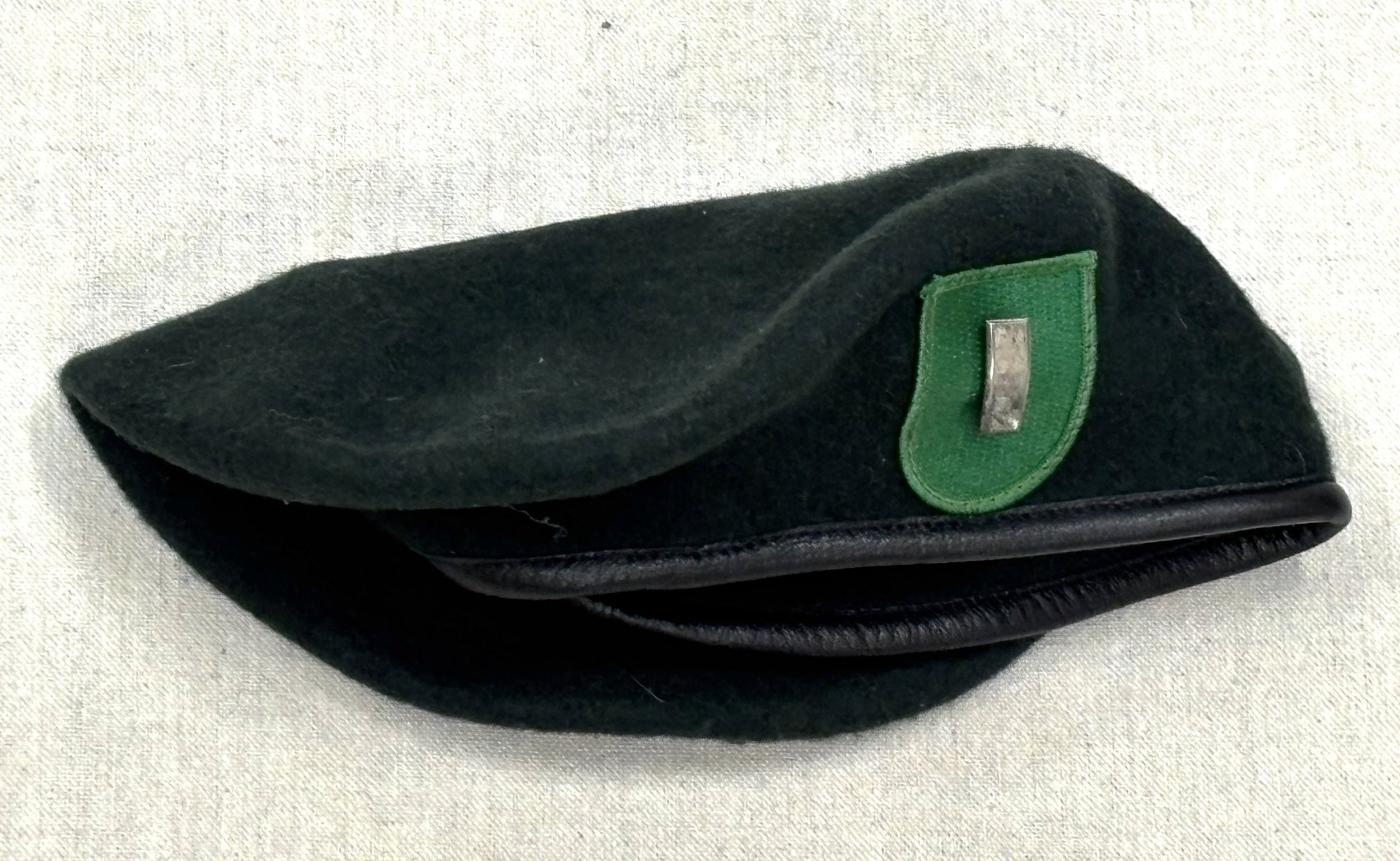
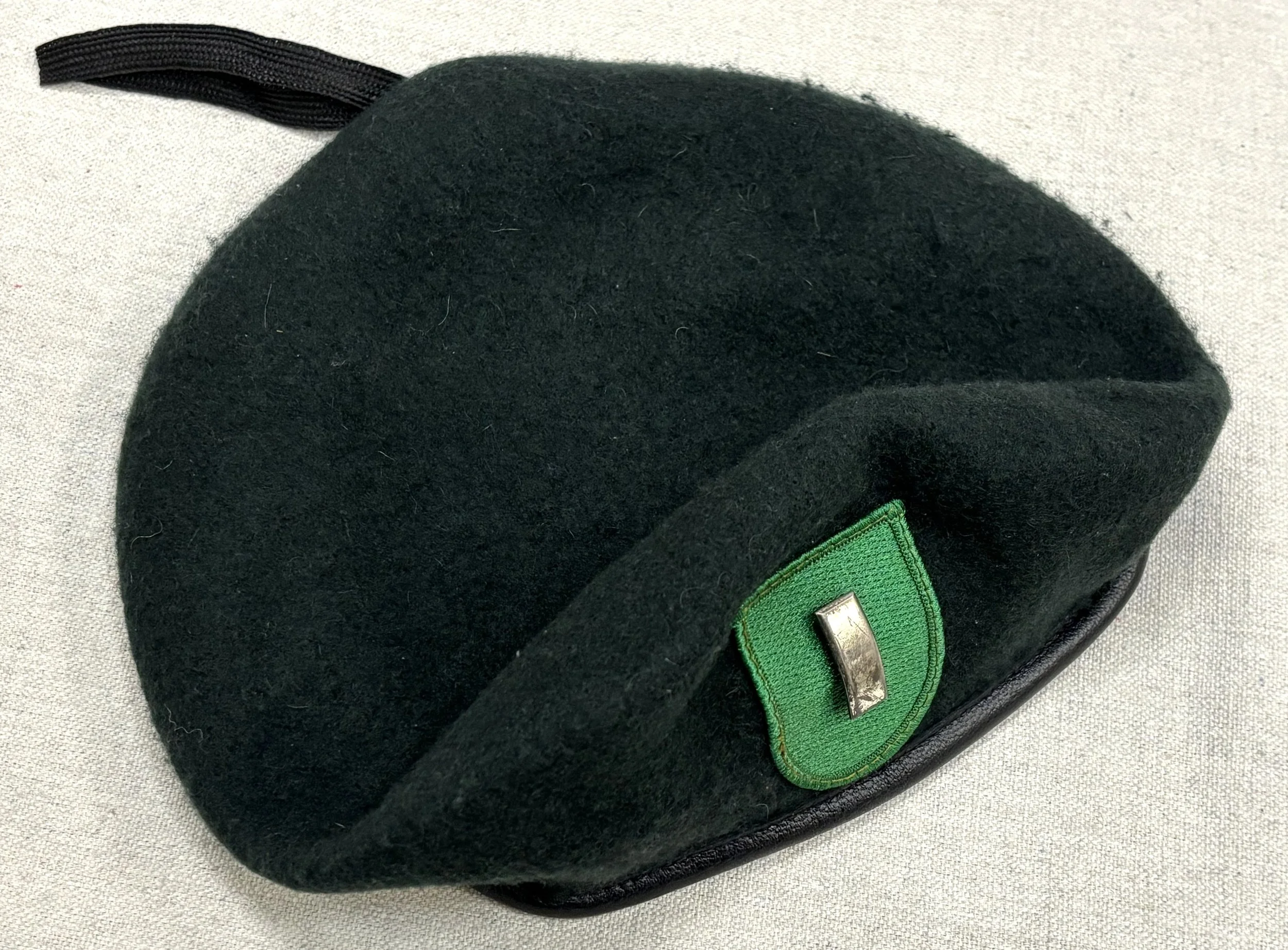
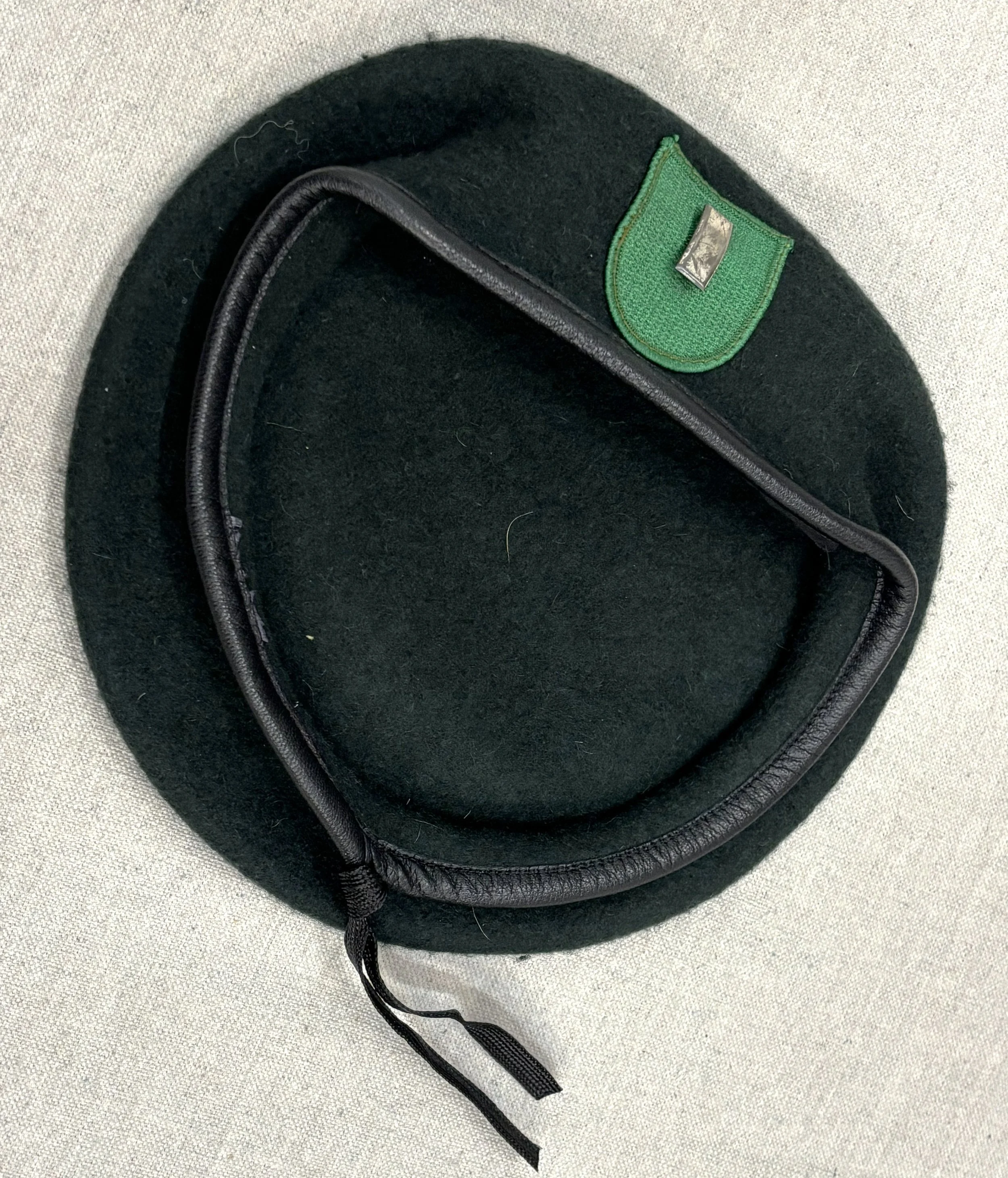
“NEW” 10 Special Forces Group - Europe, Early 1960s:
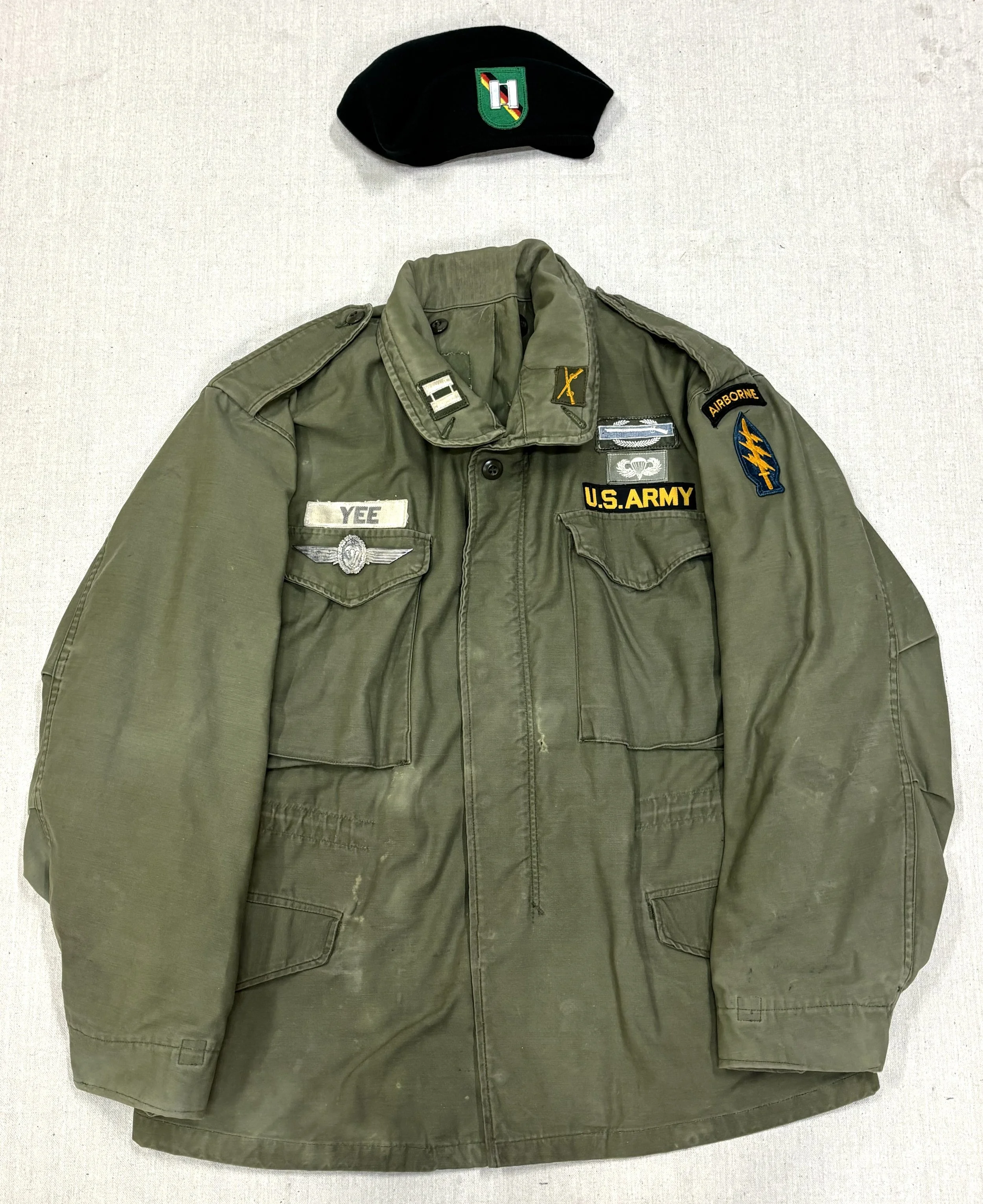
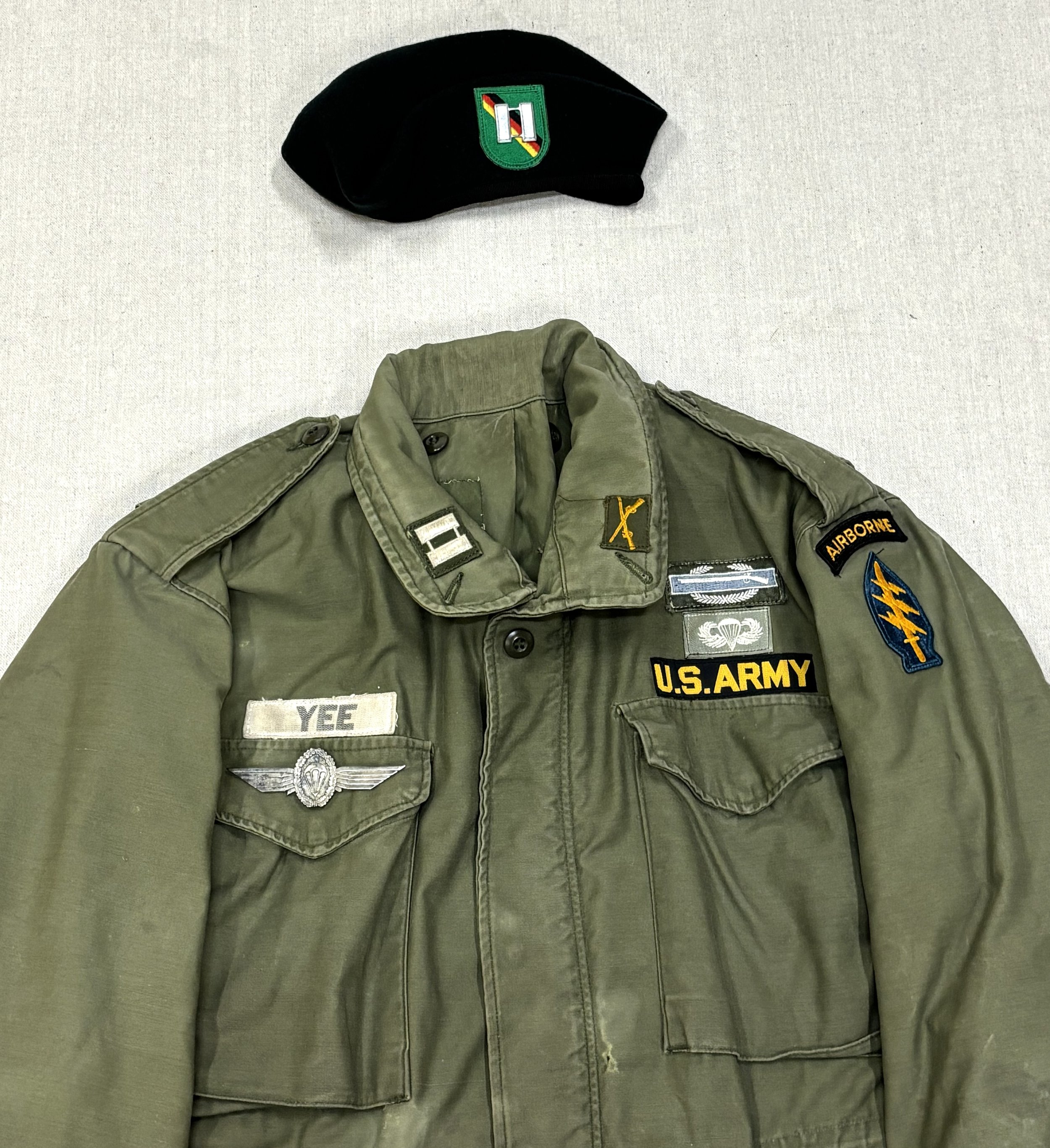
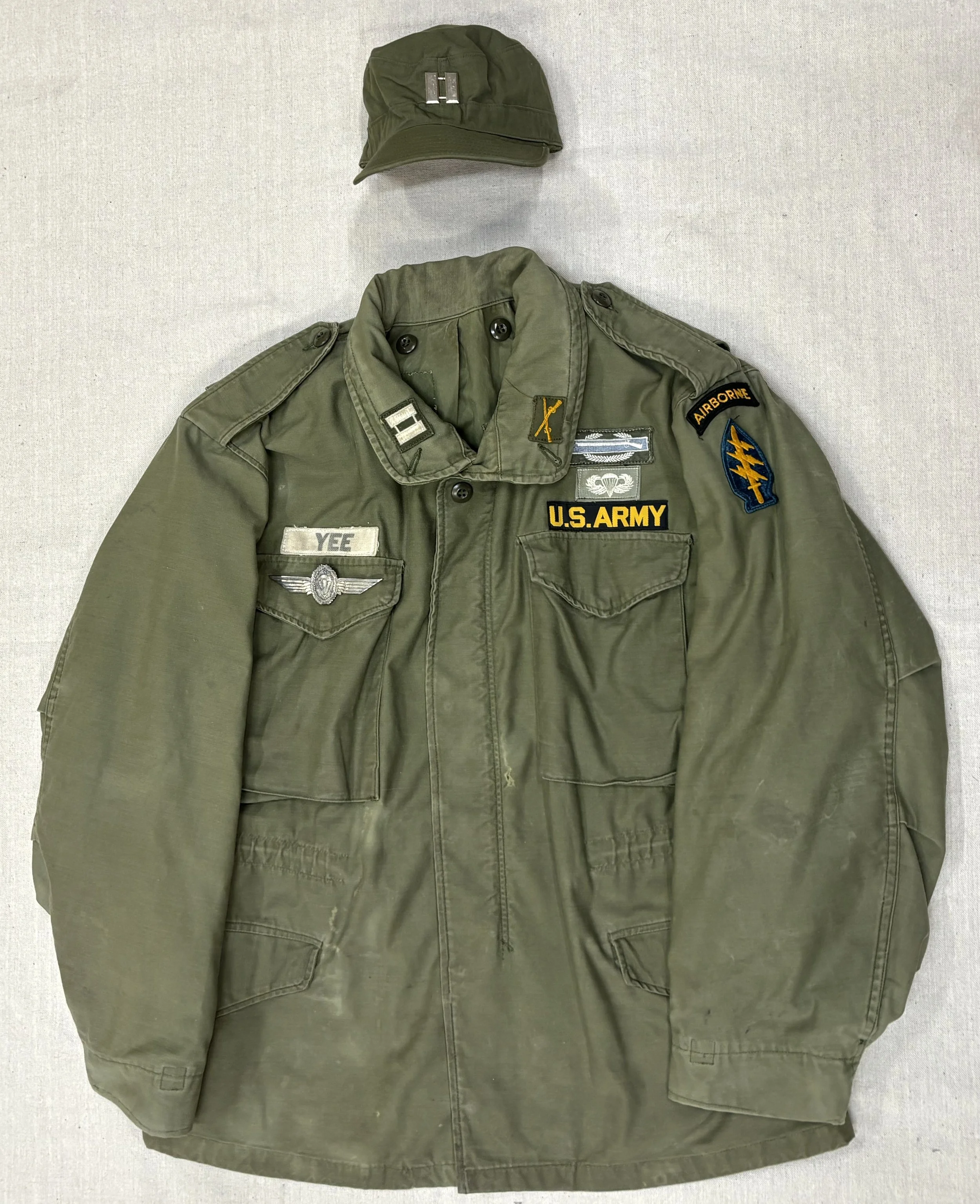
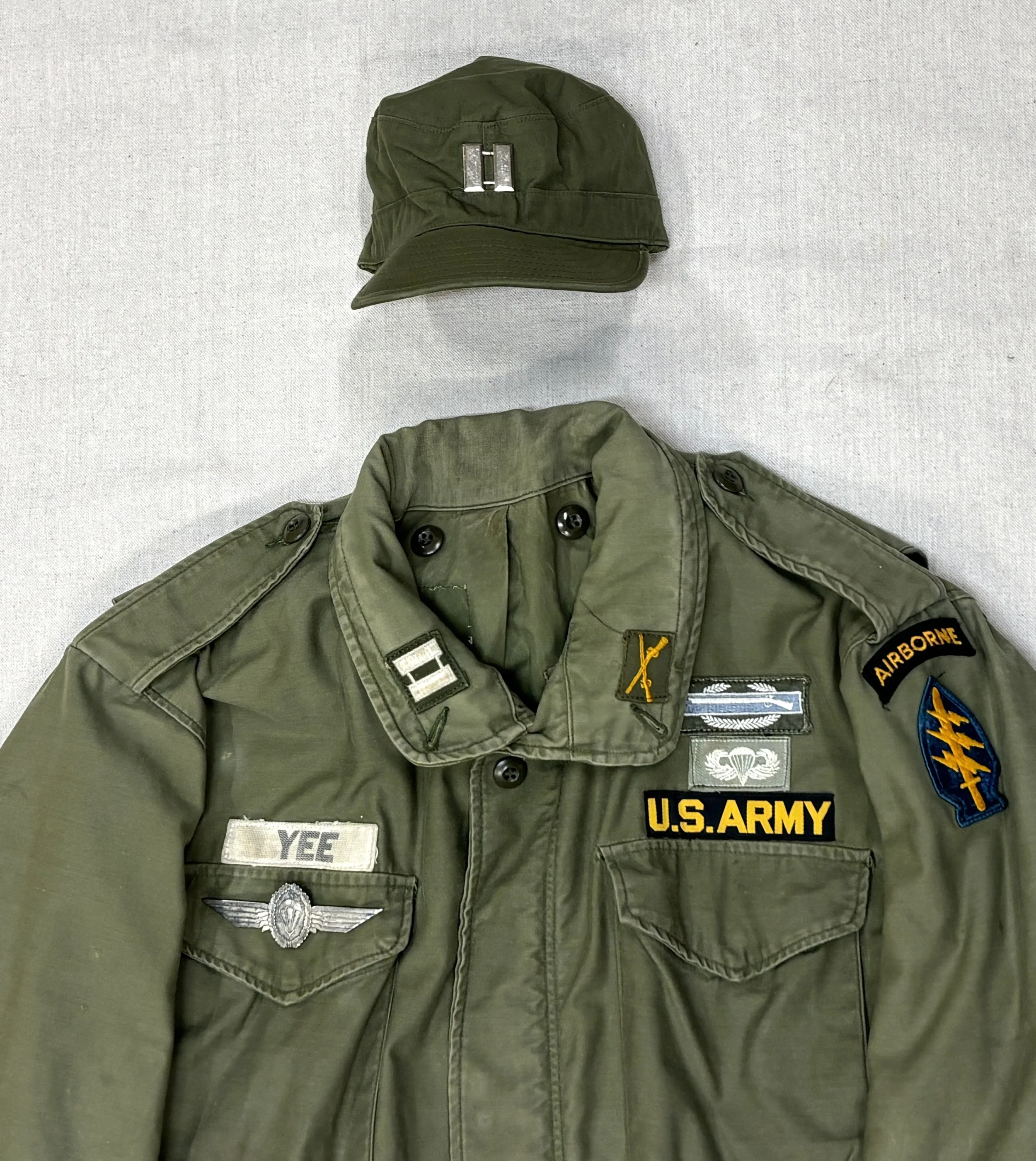
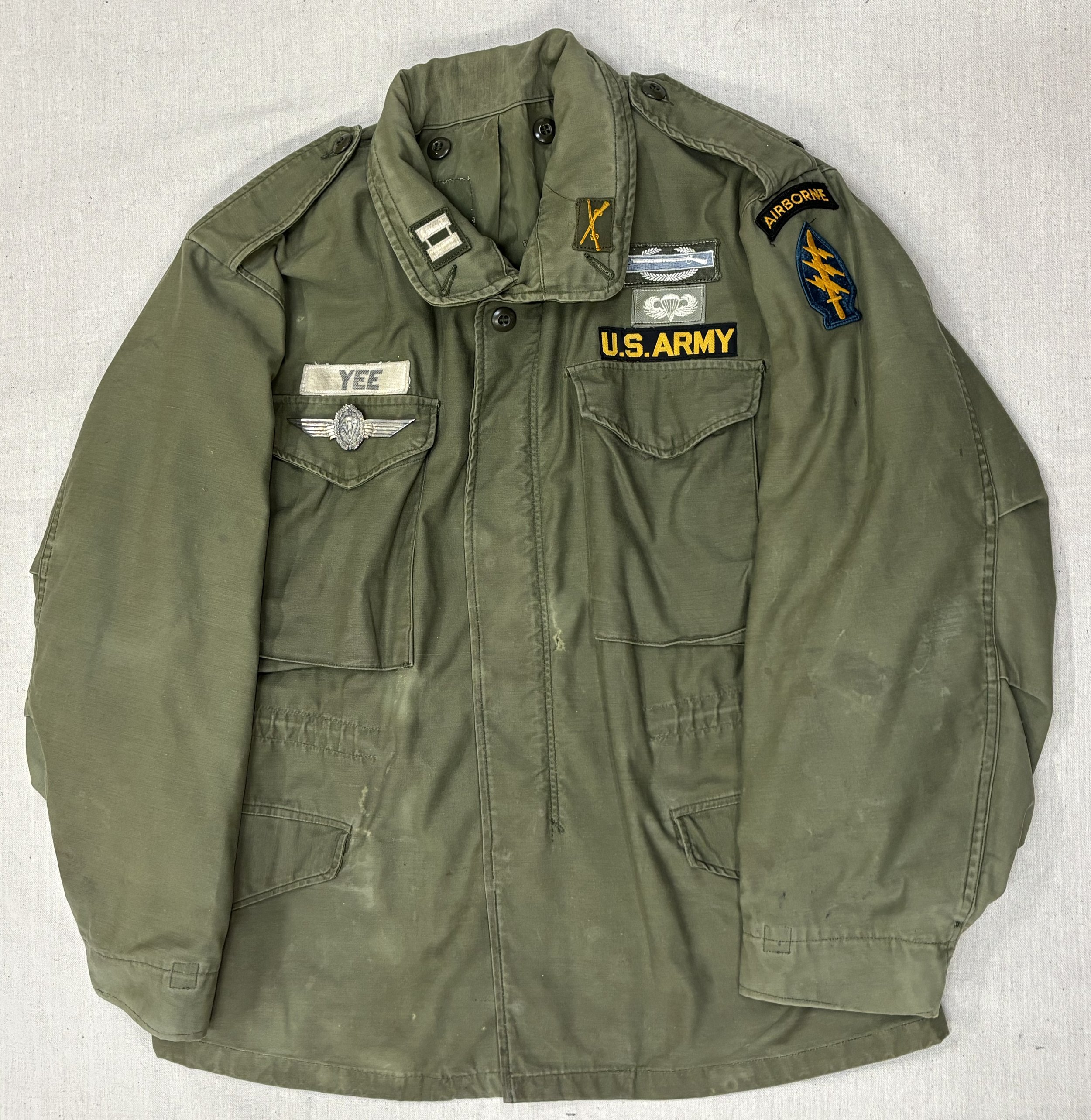
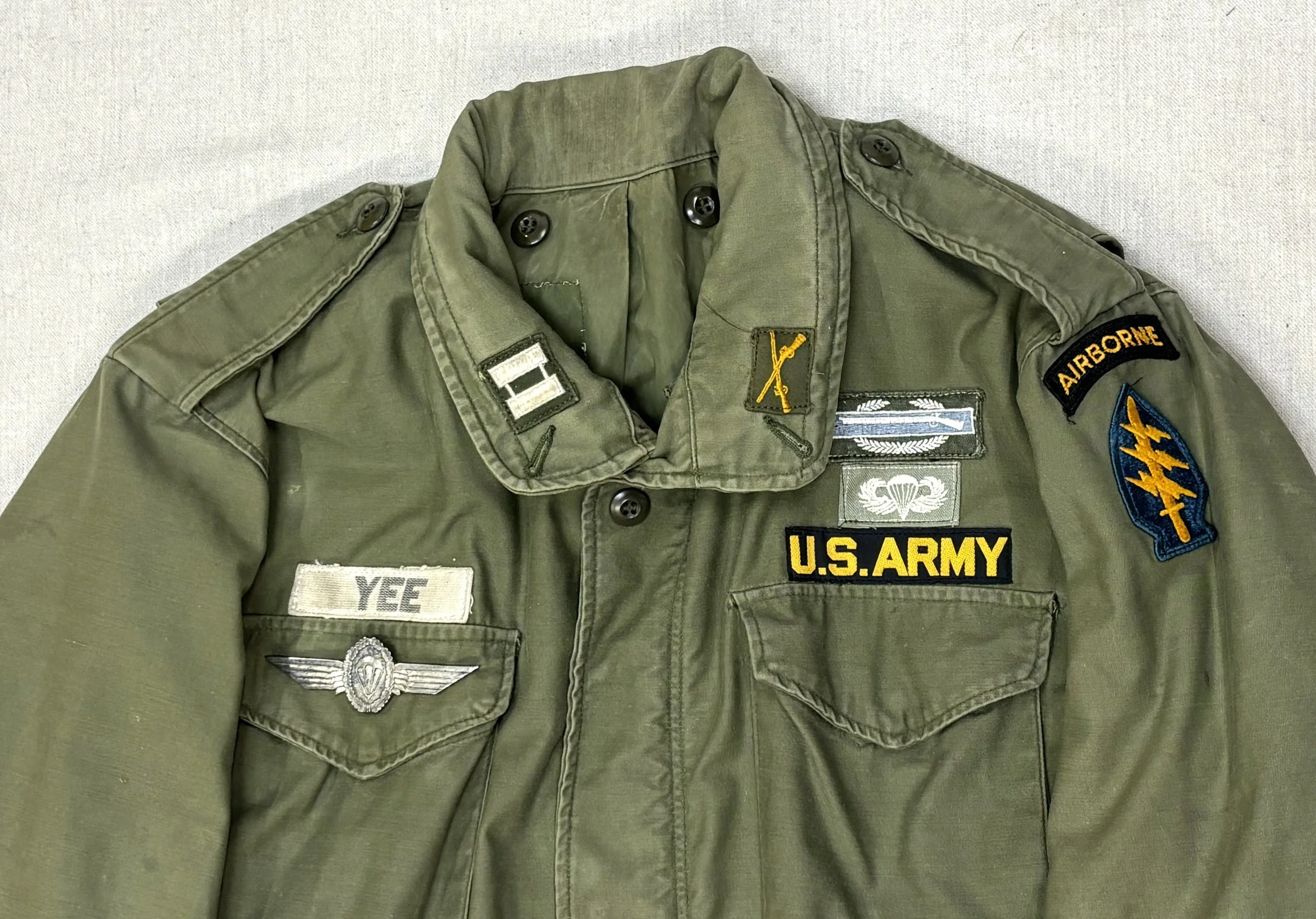
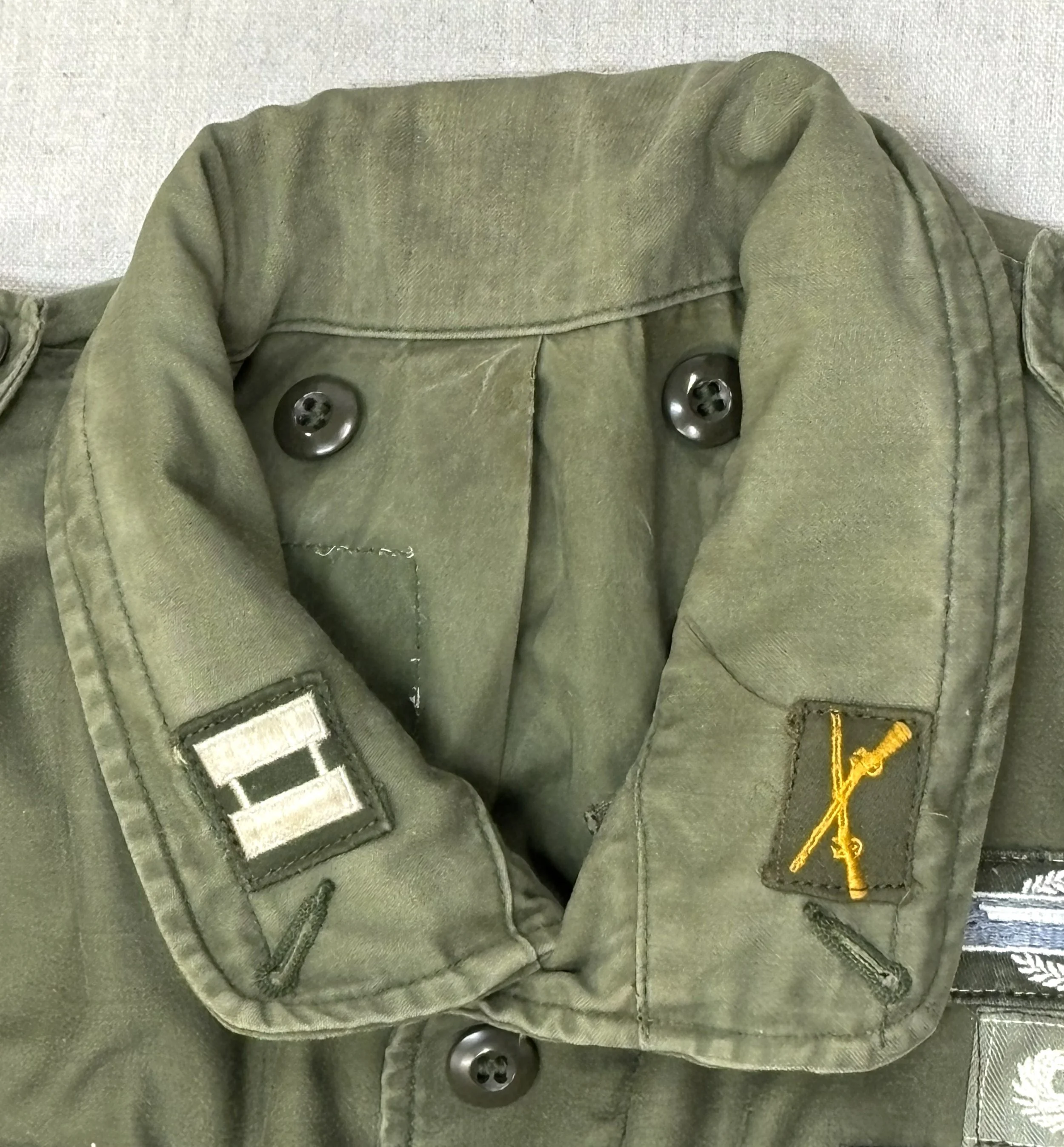
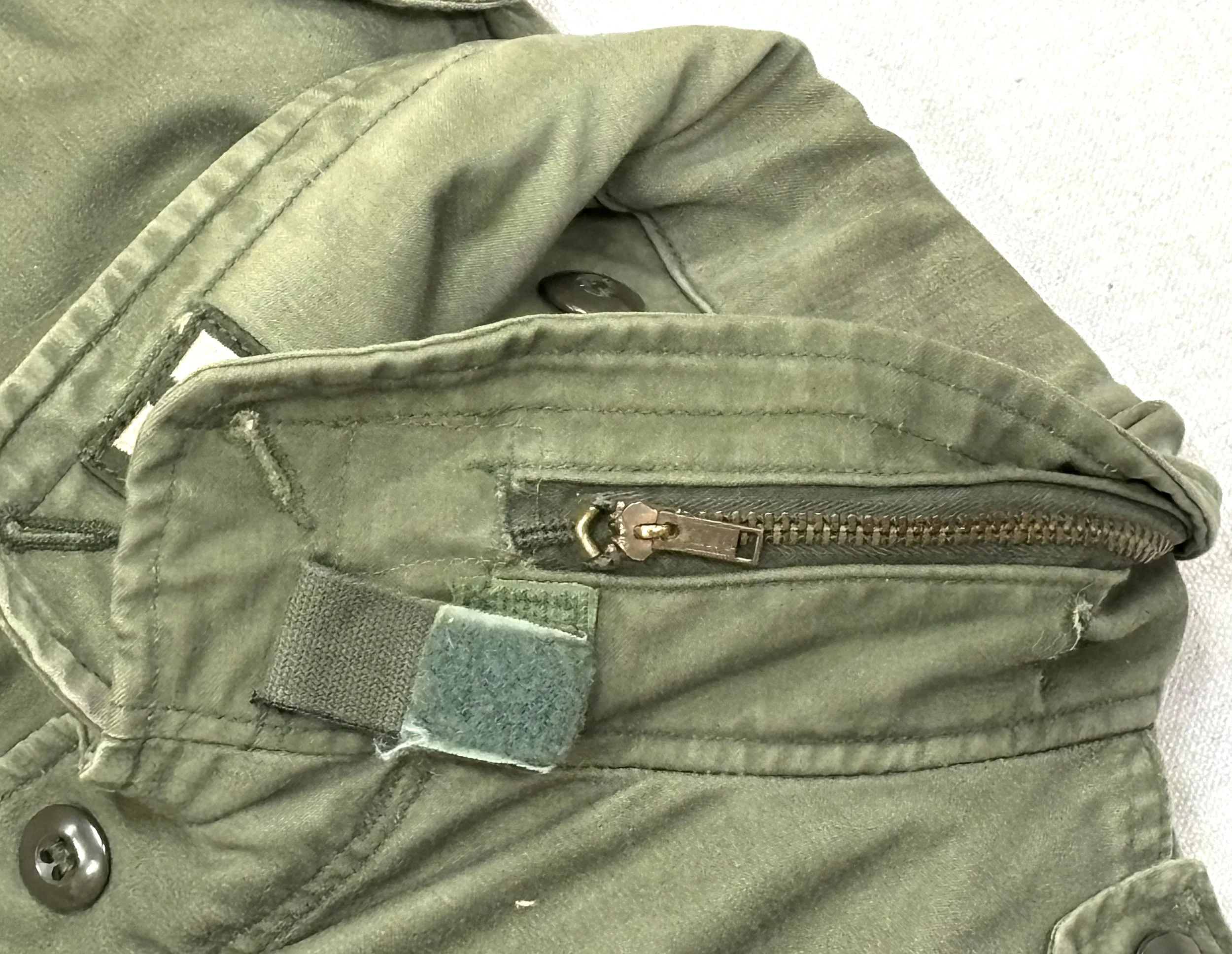
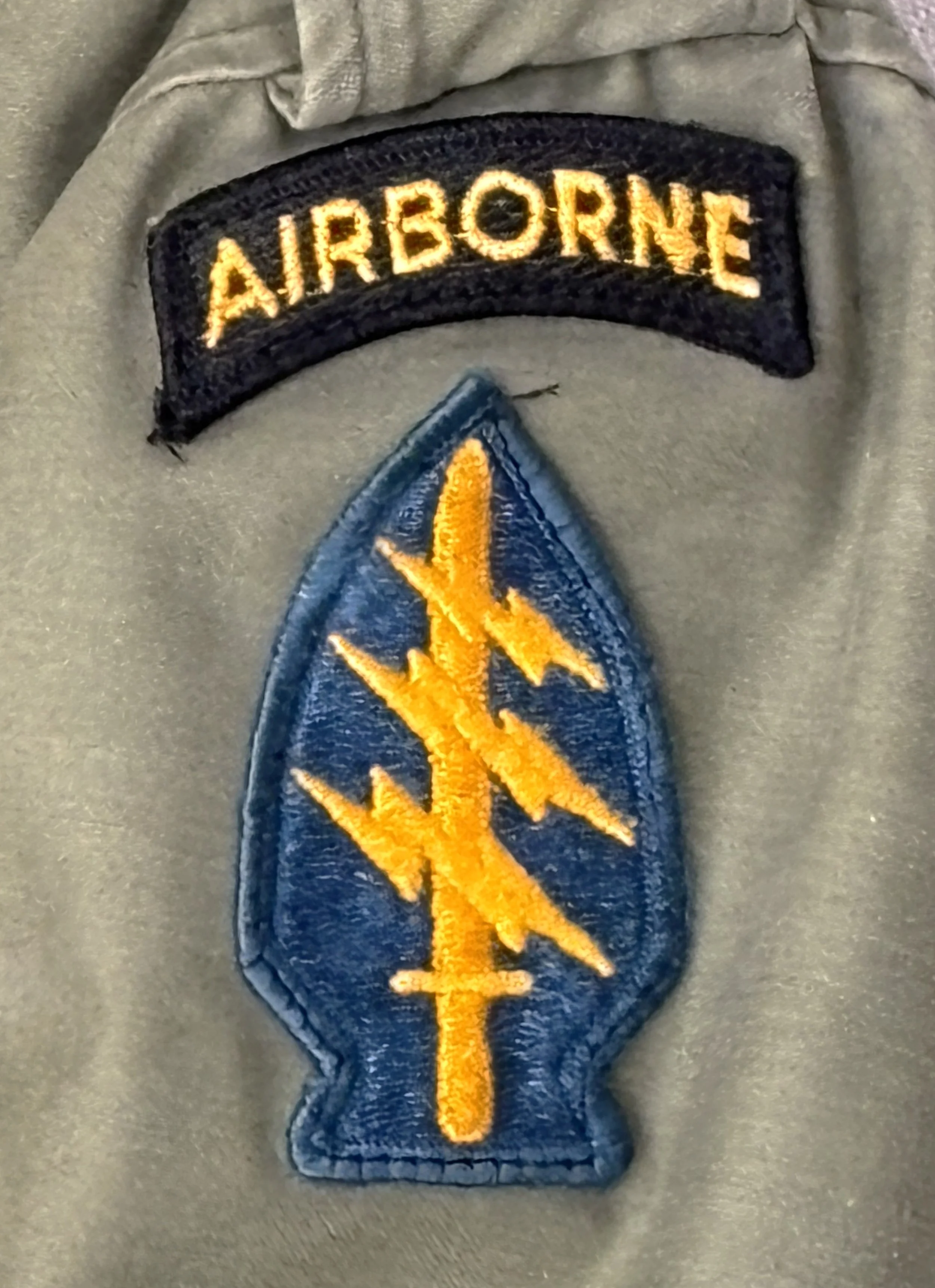
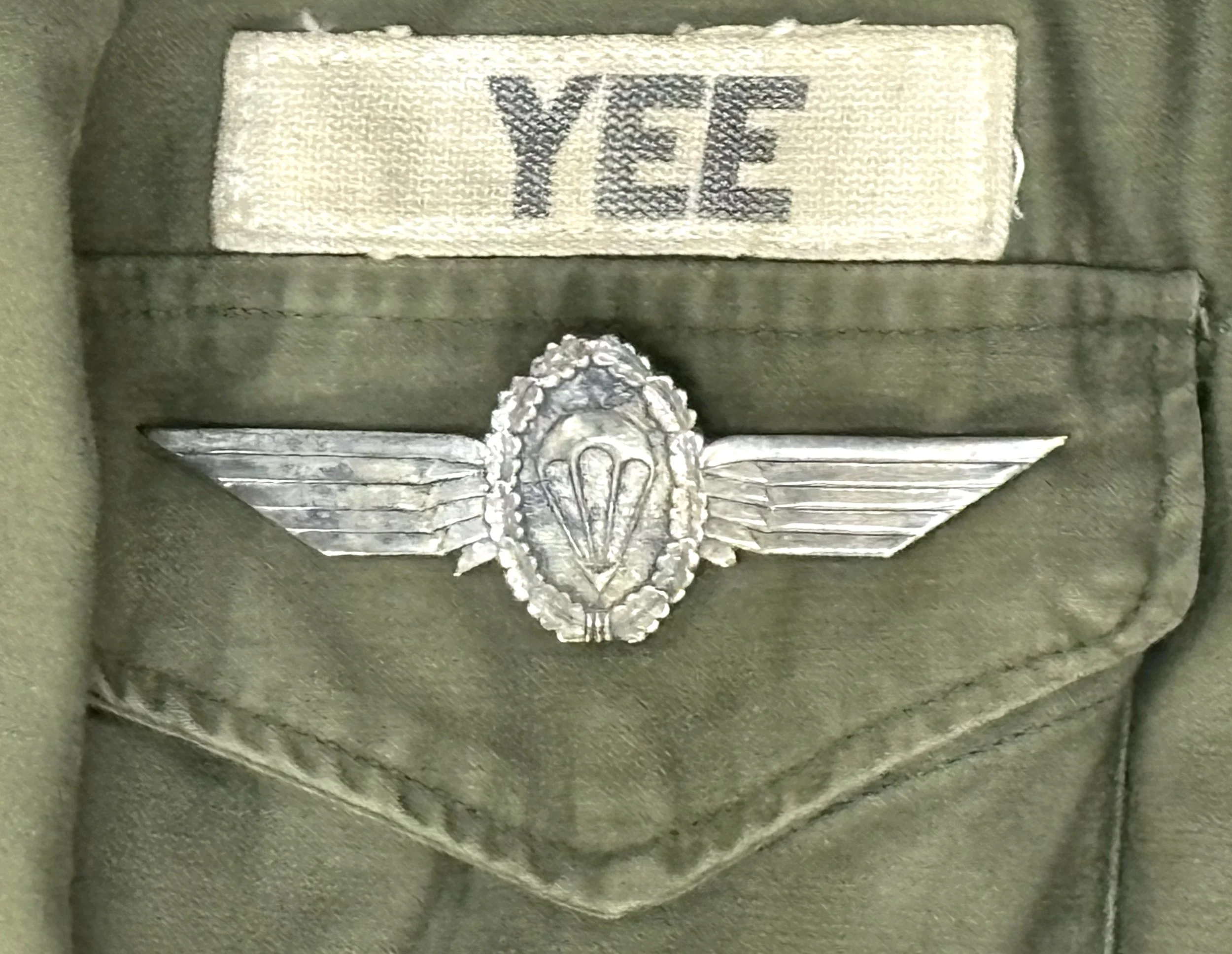
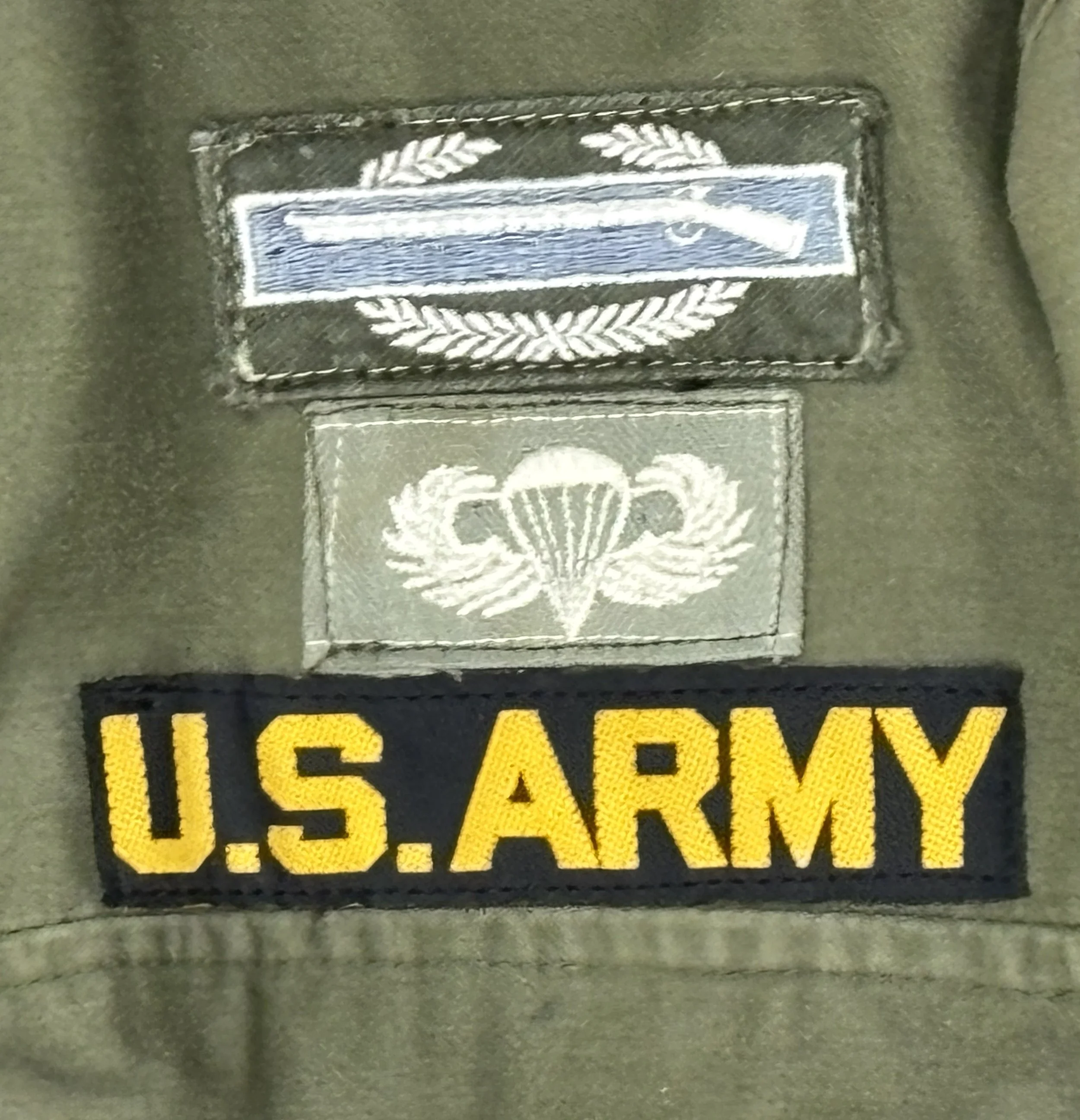
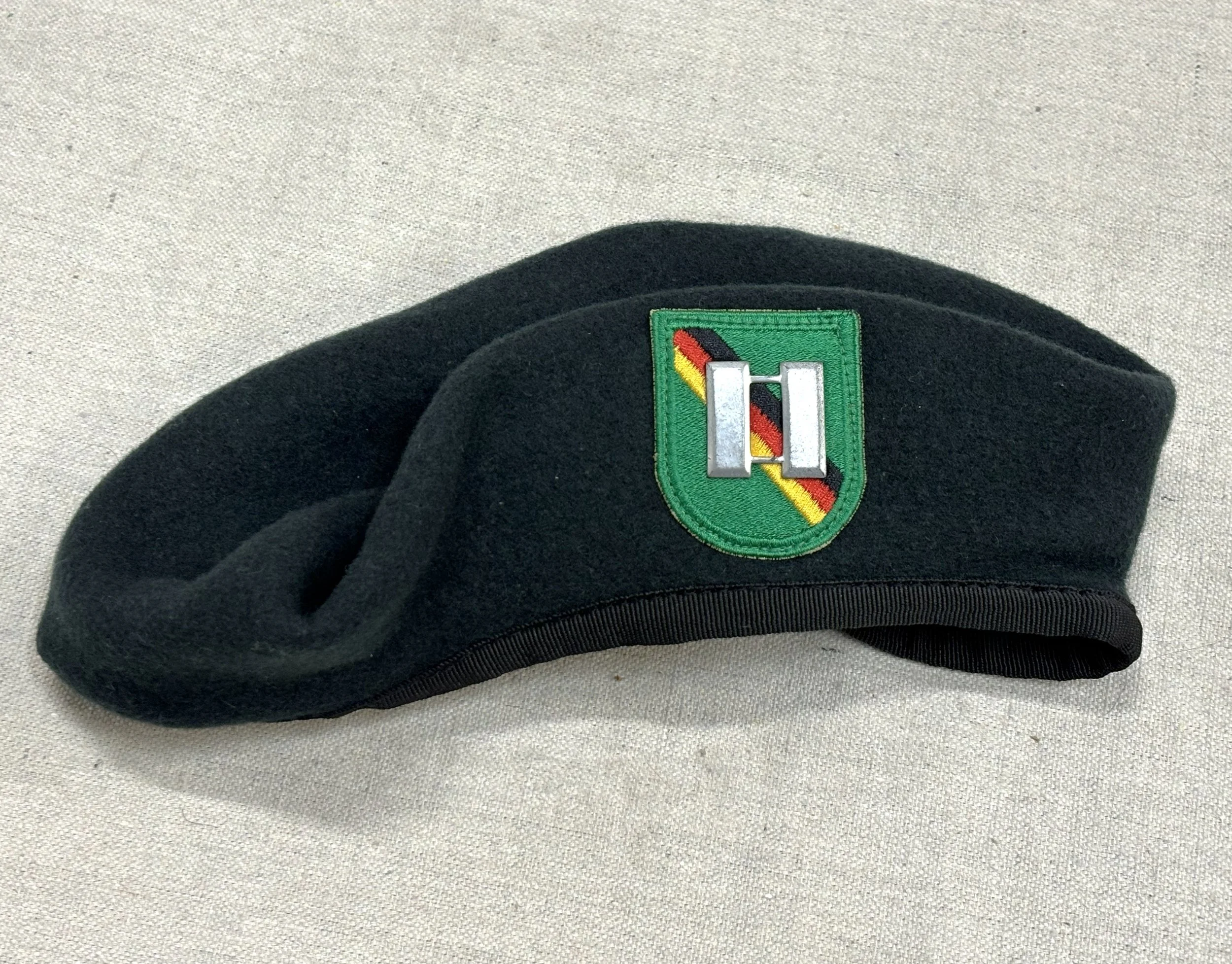
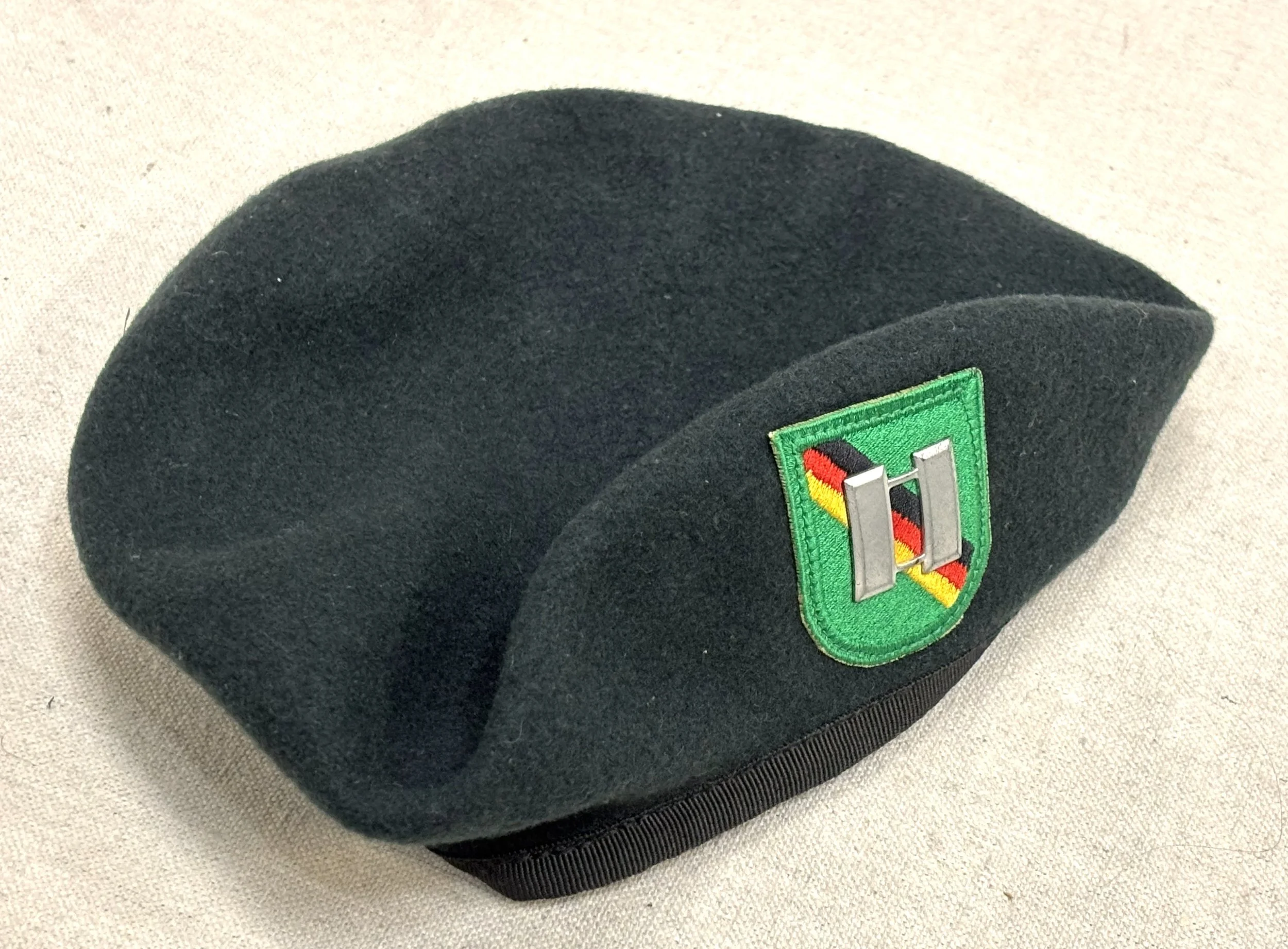
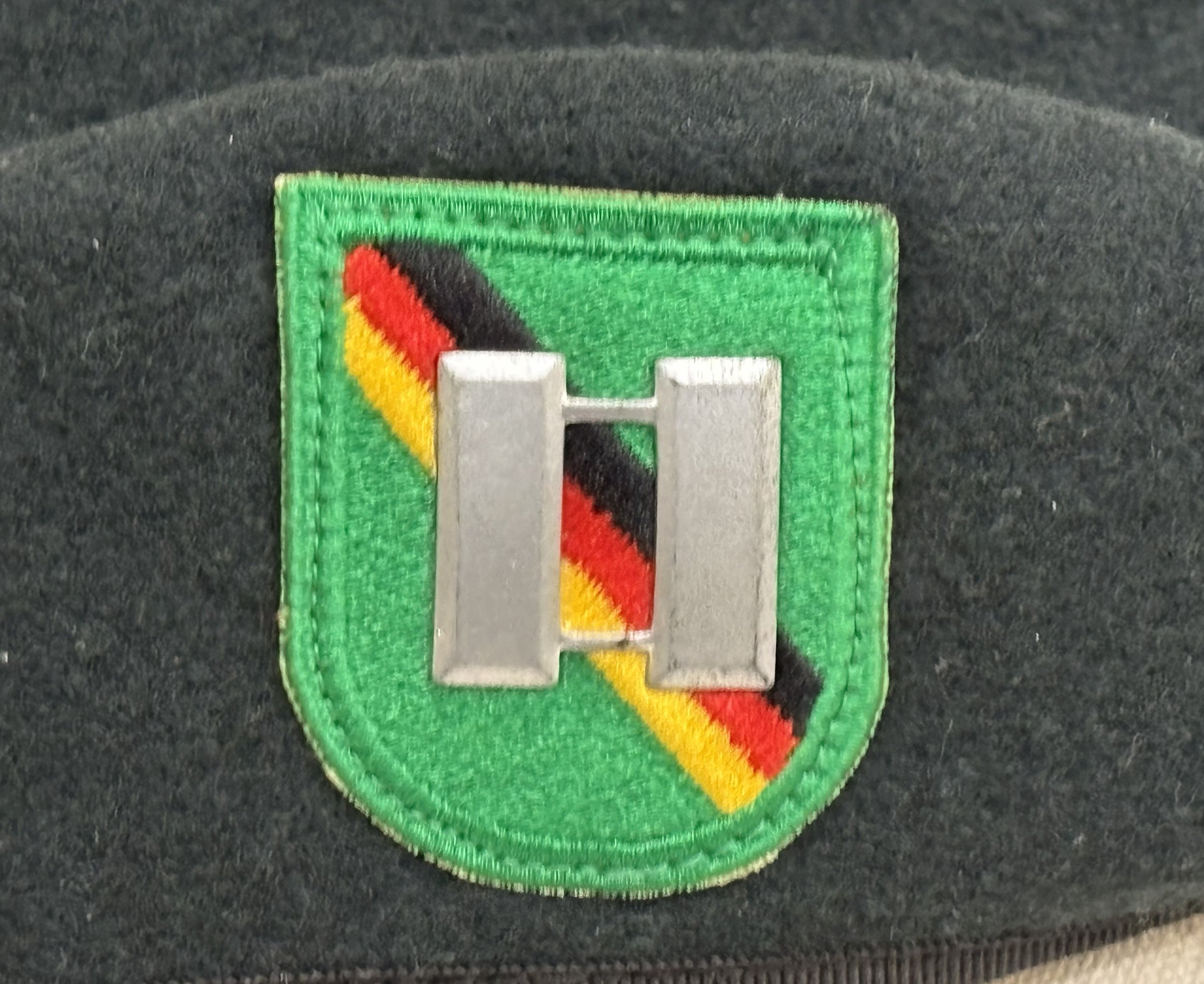
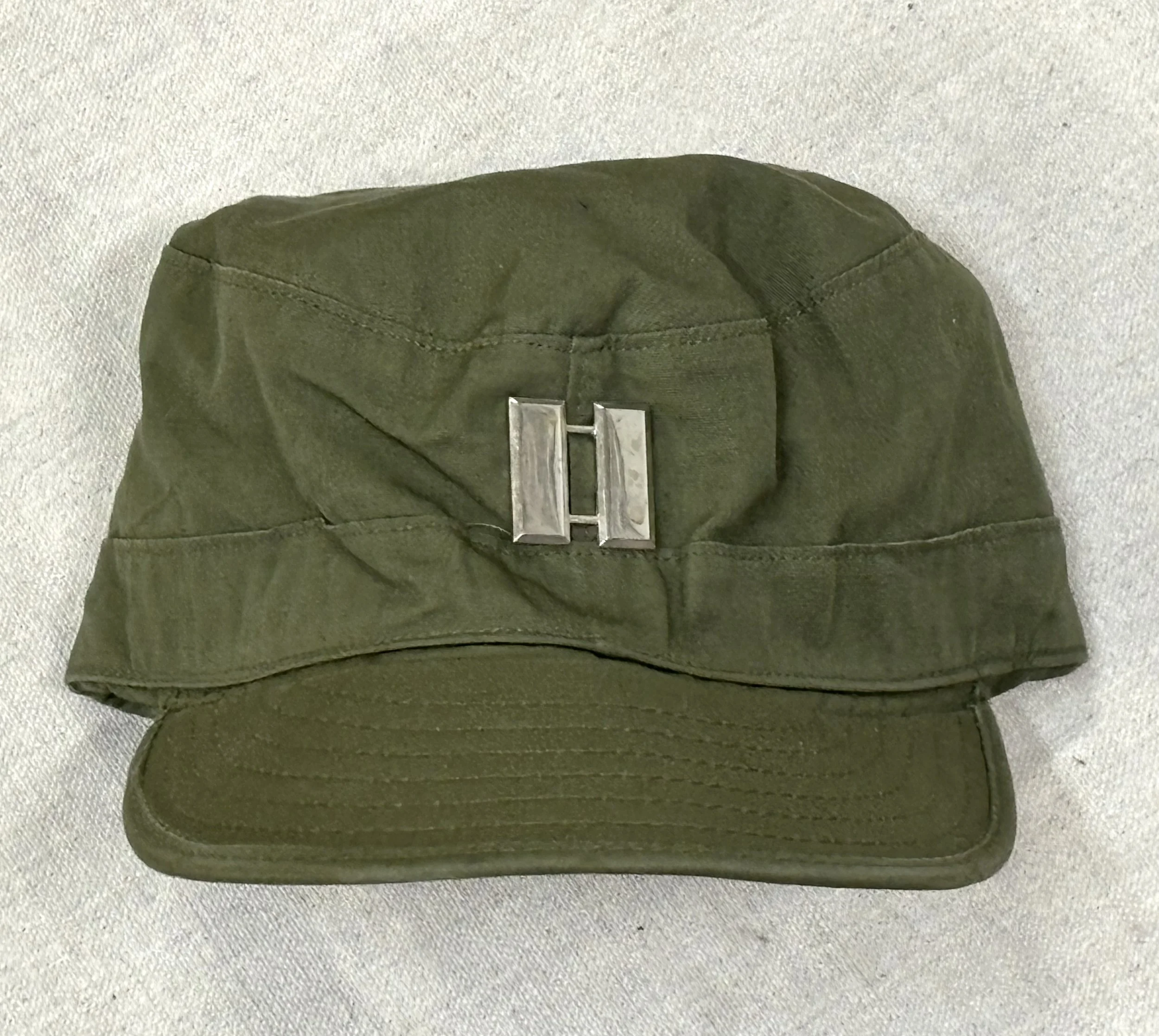
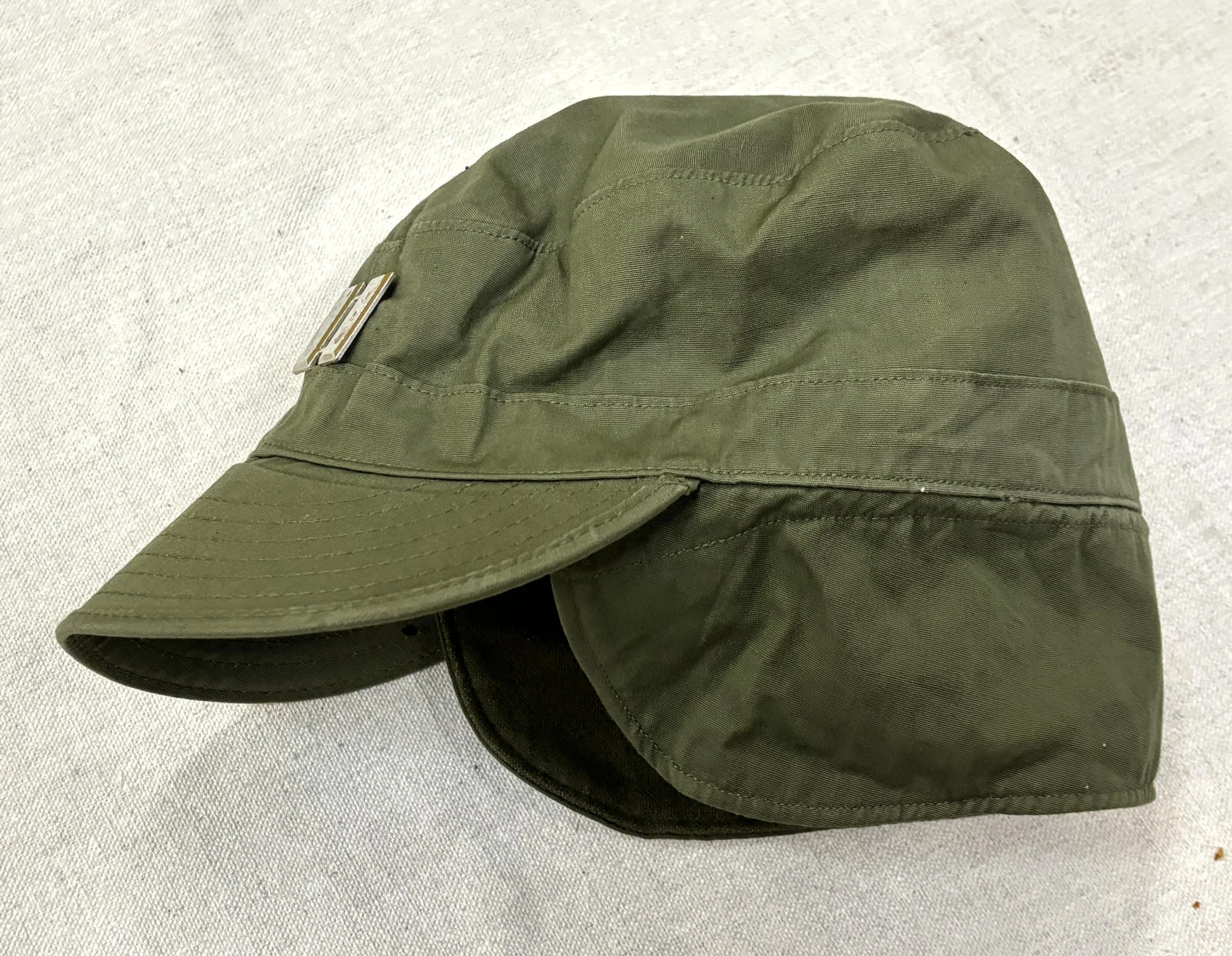
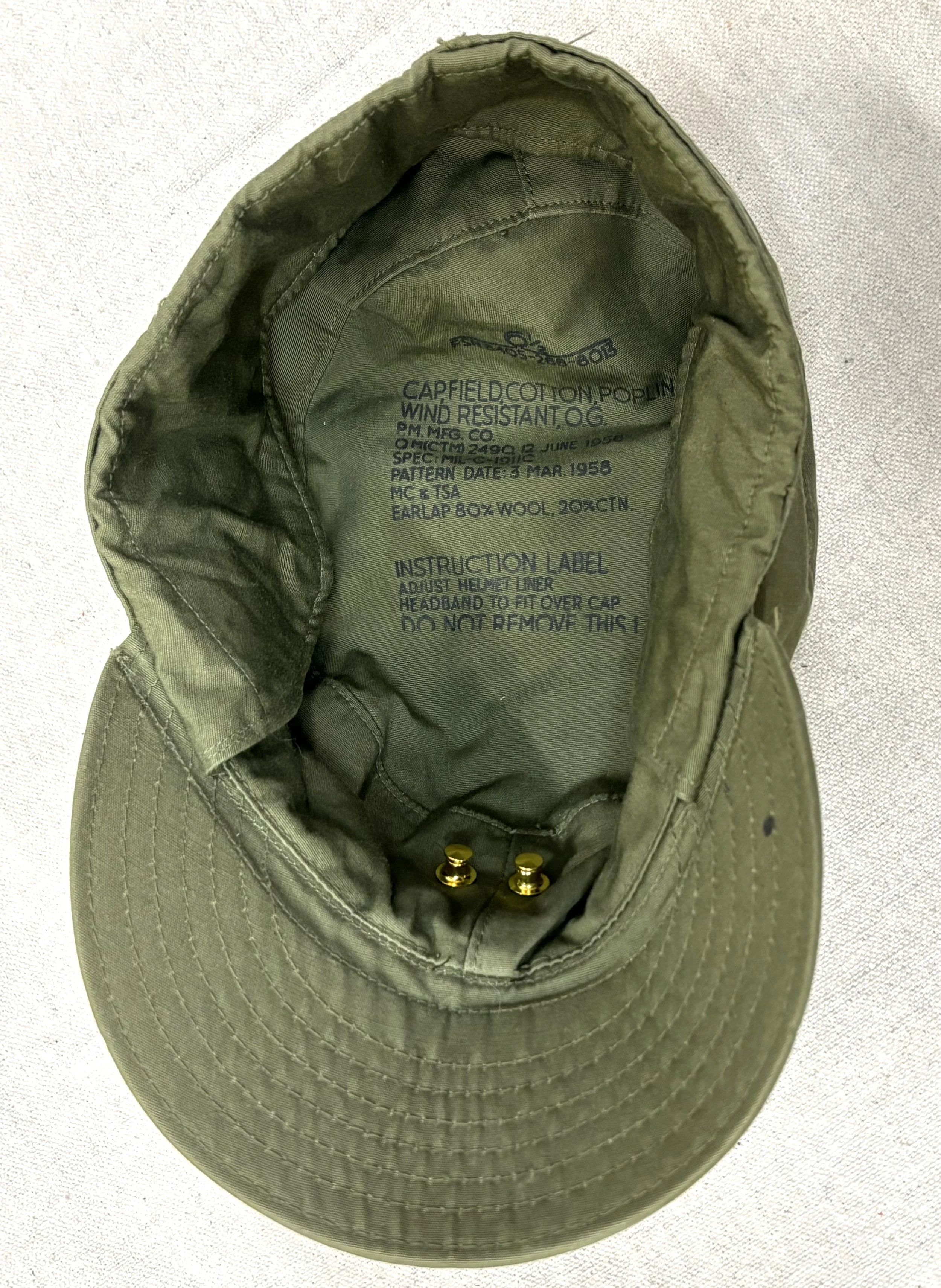
“New” Captain. 10SFG Germany, M65 Field Jacket:
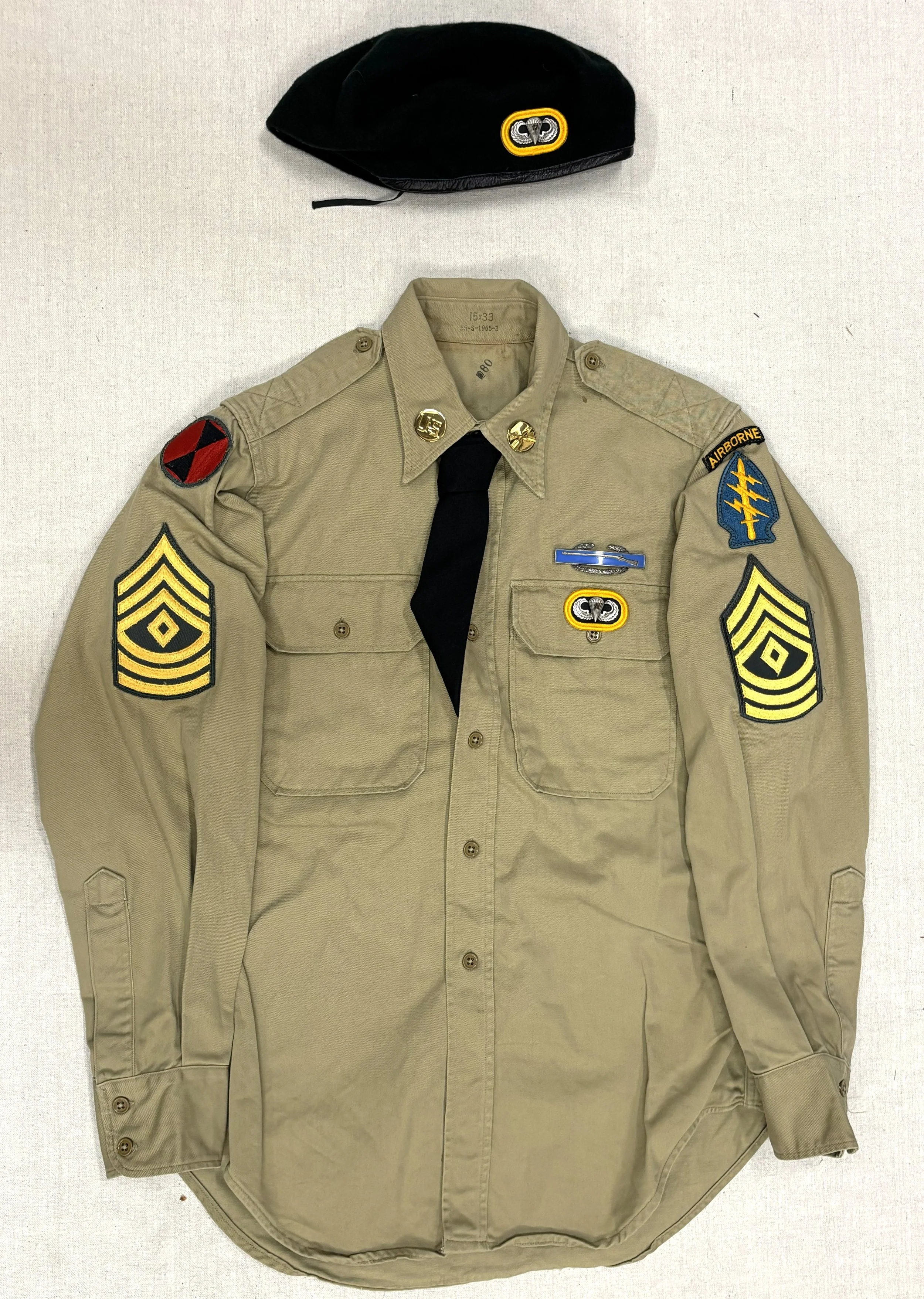
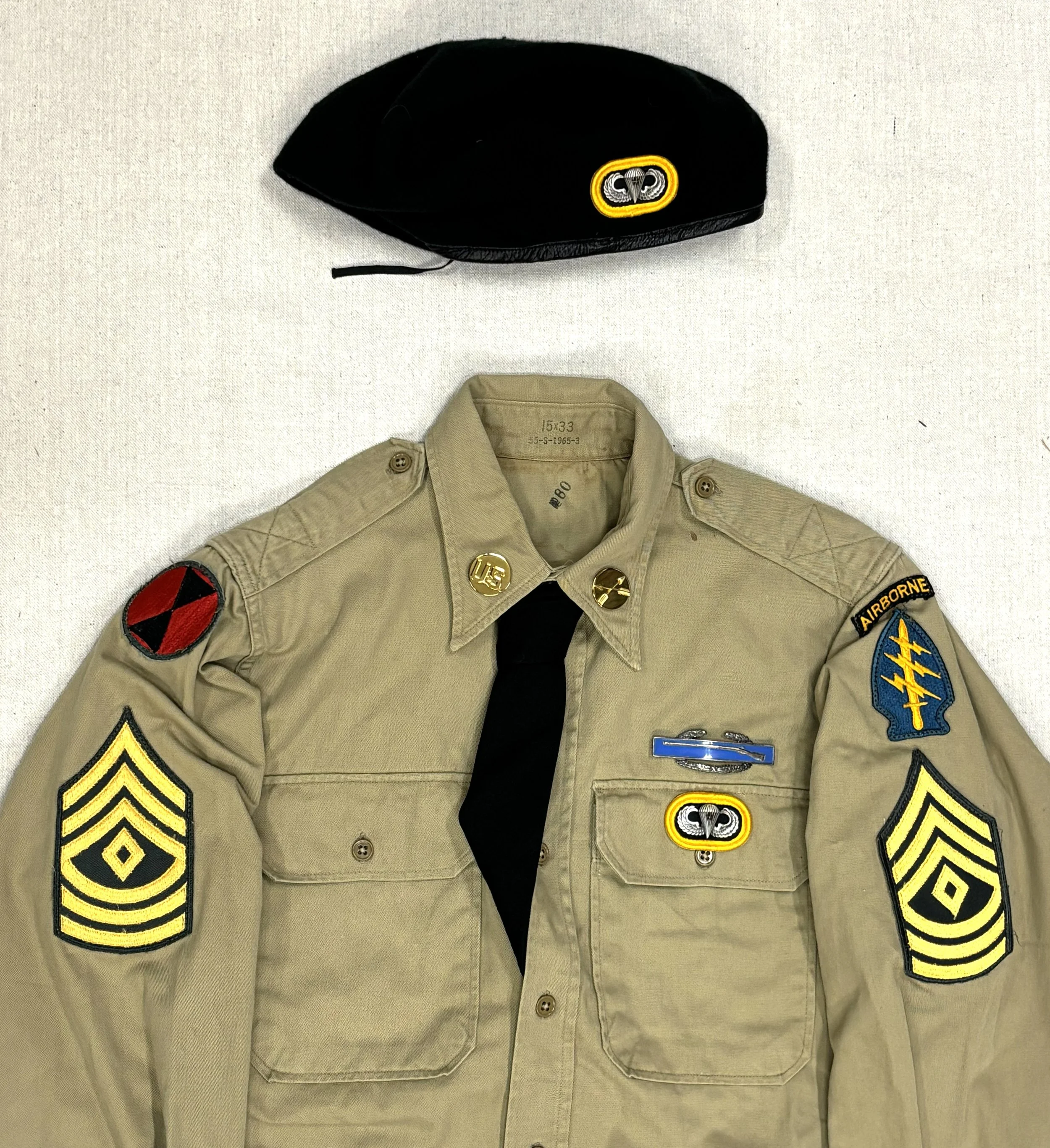
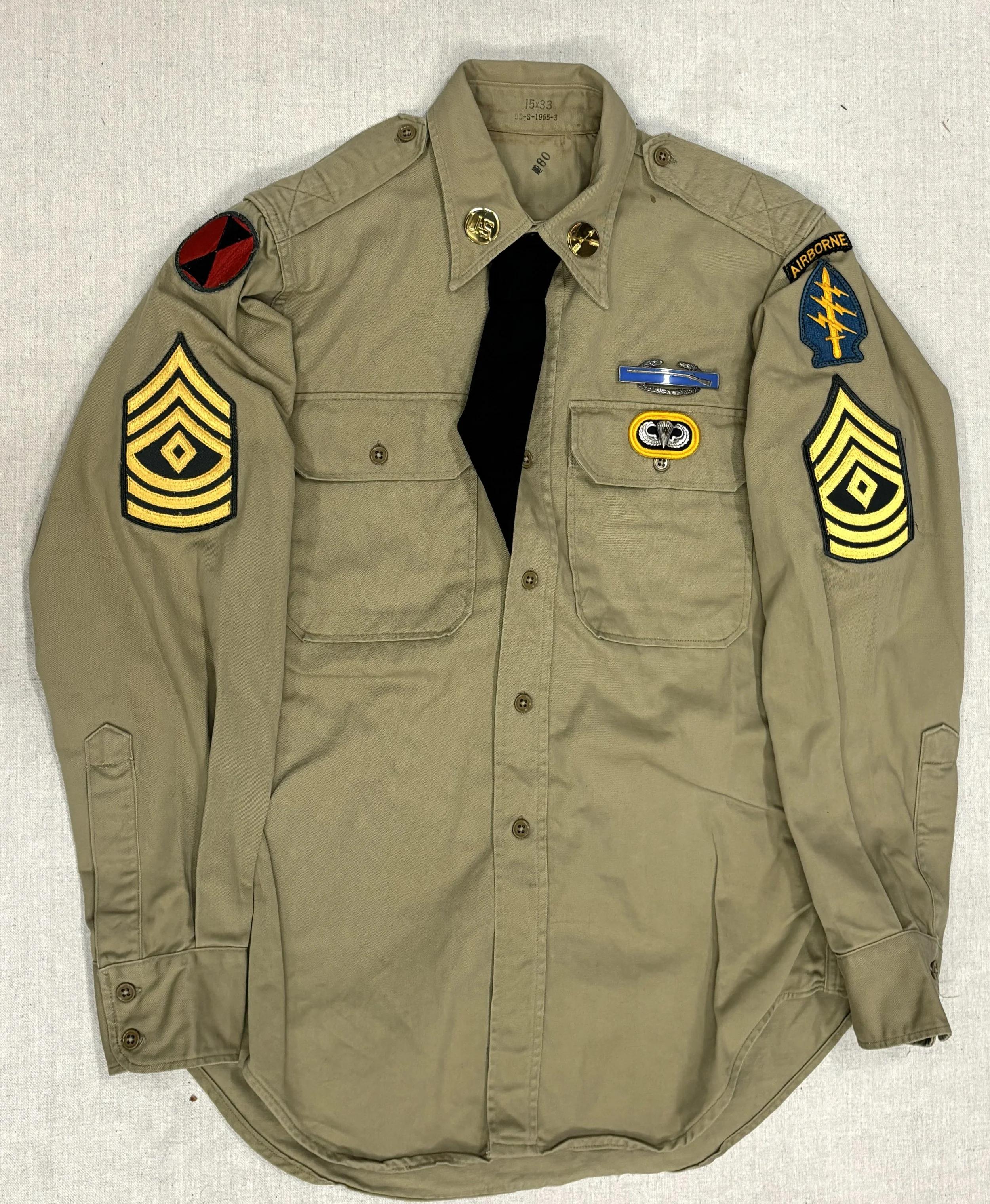
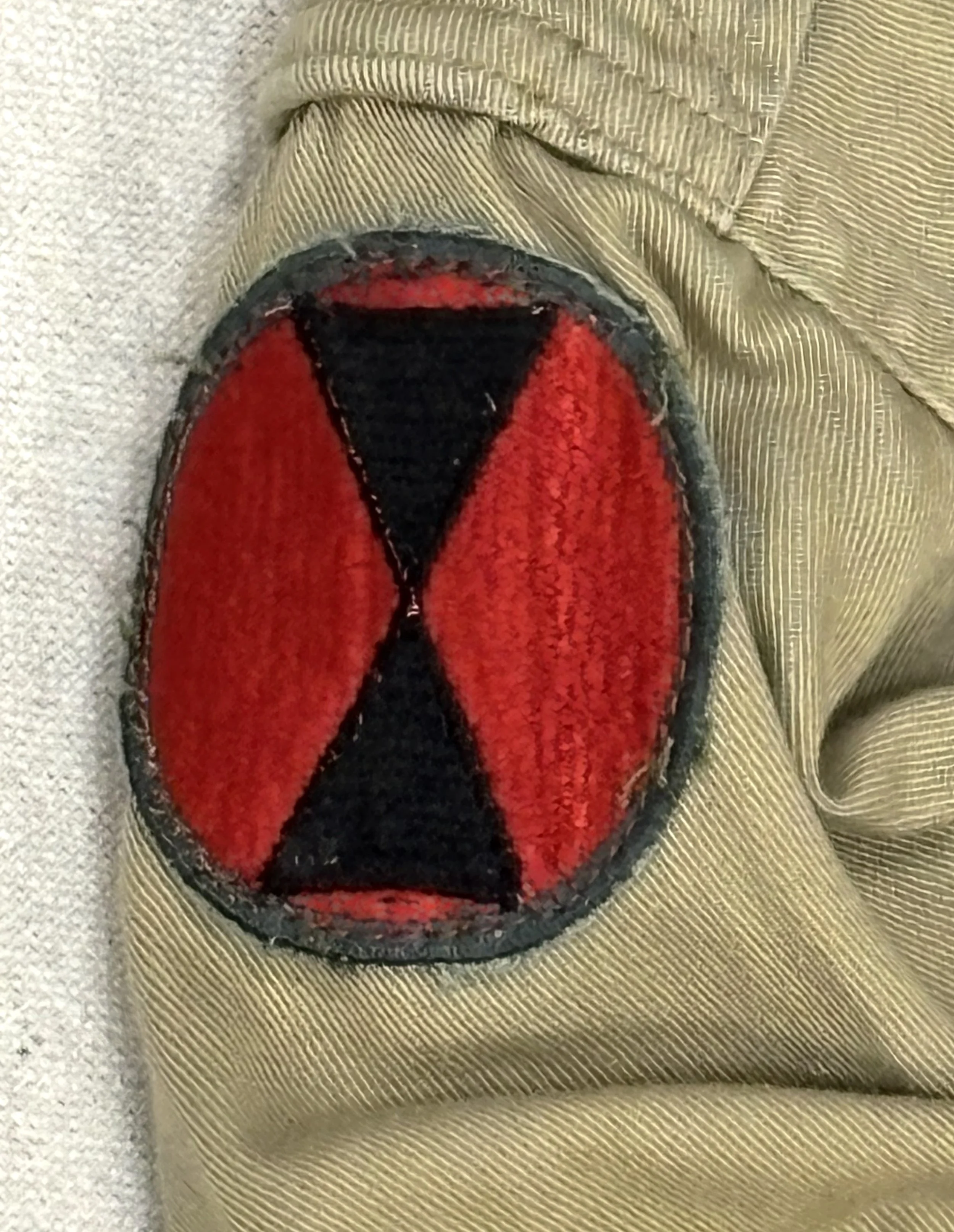
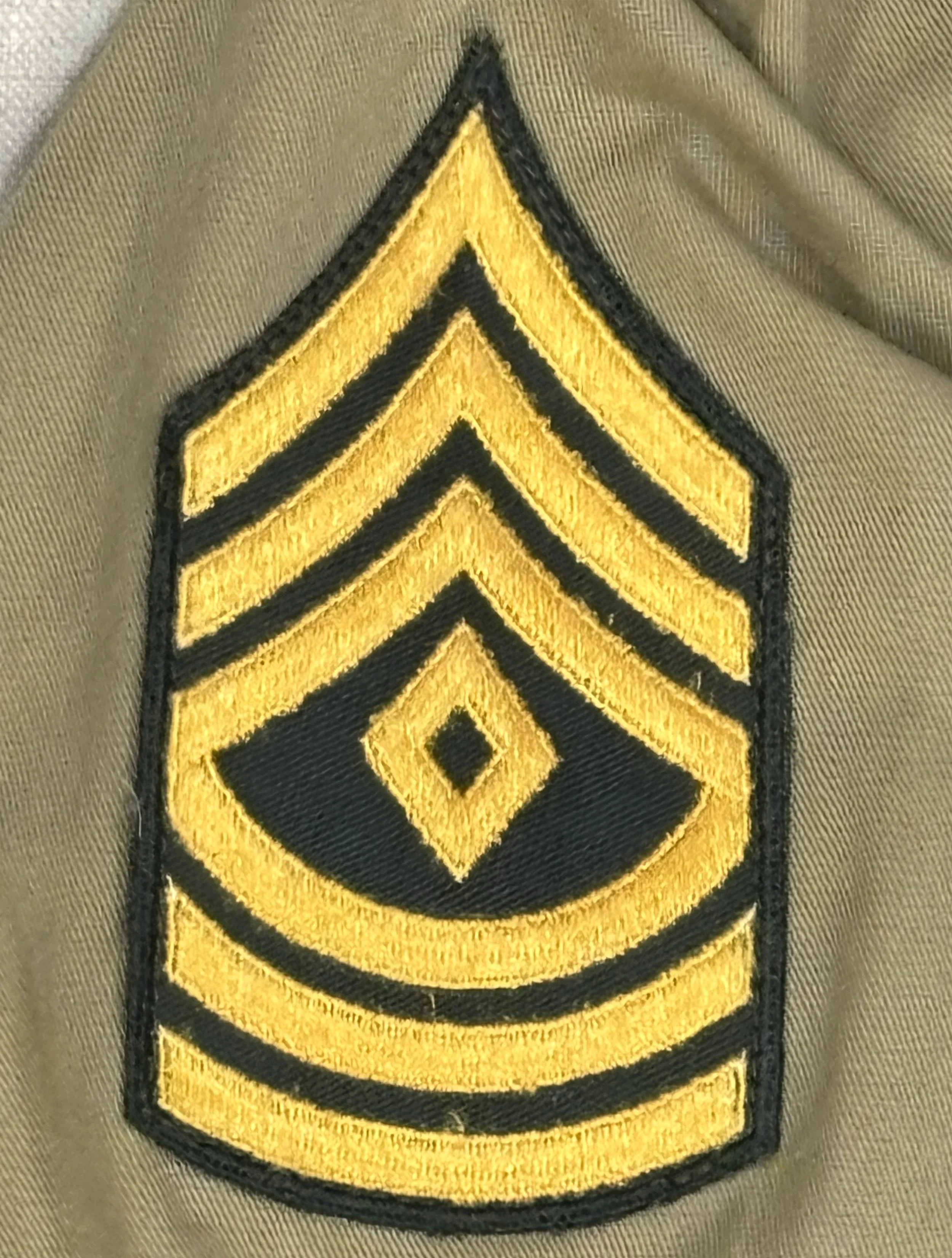
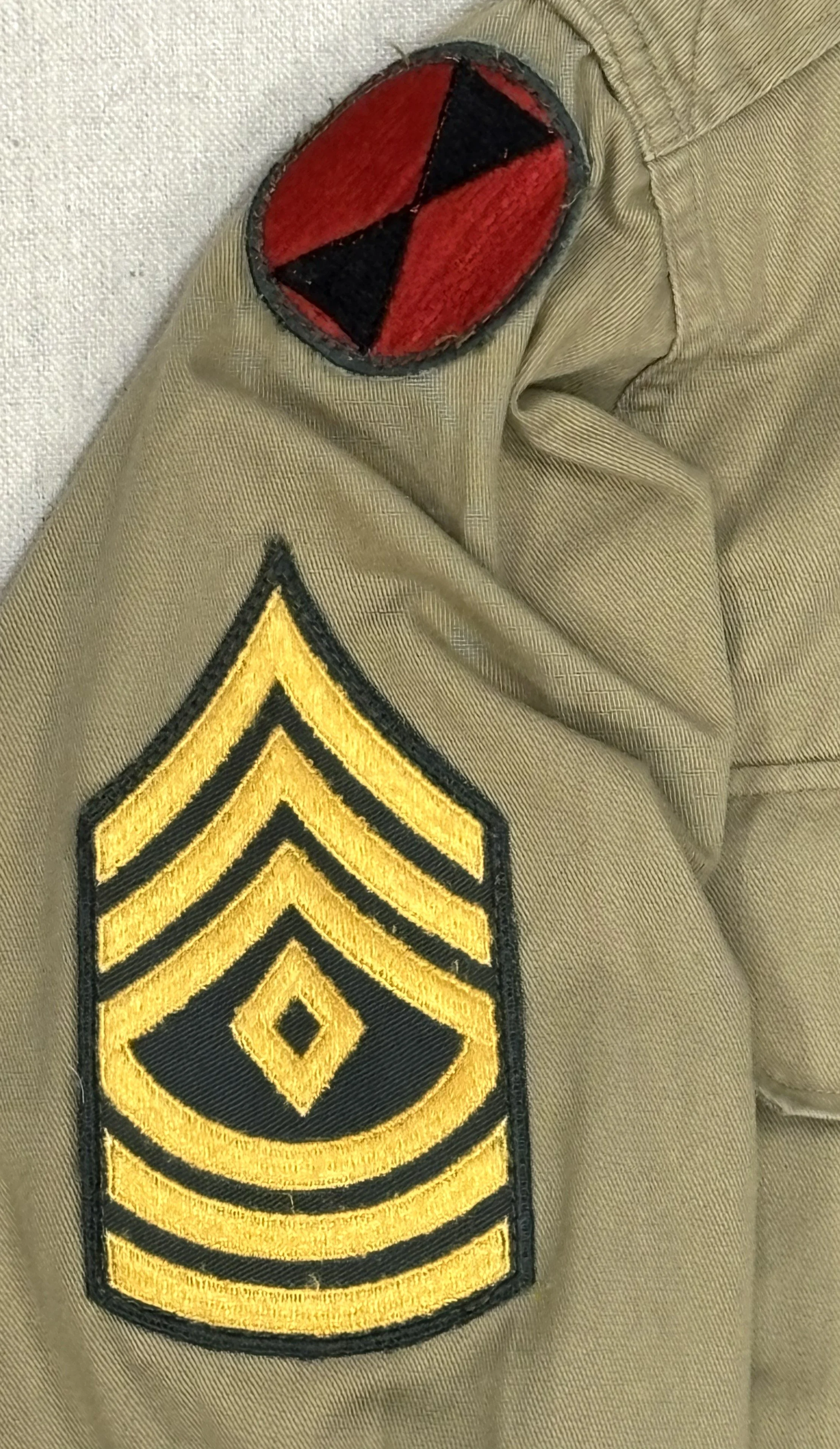
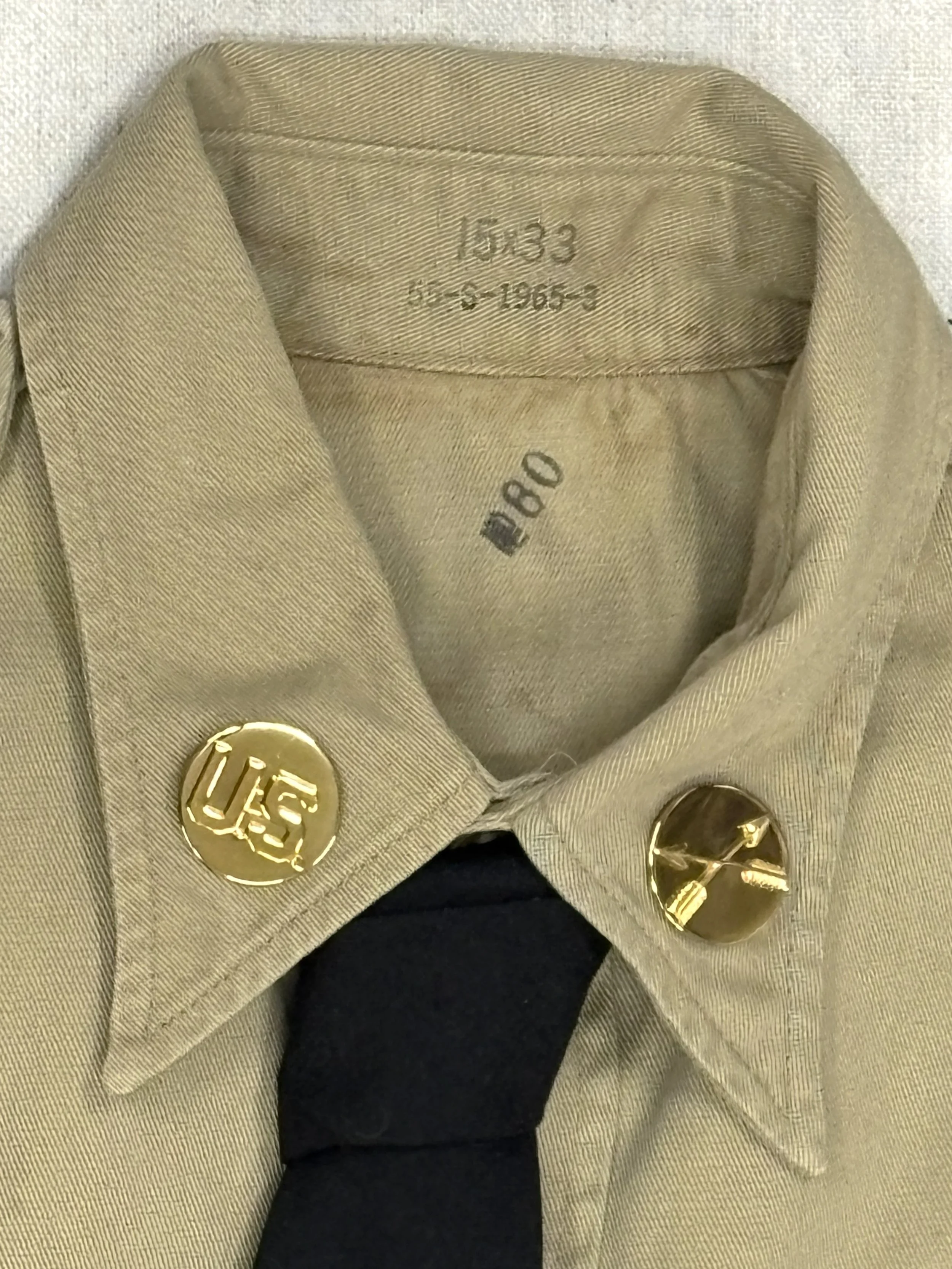
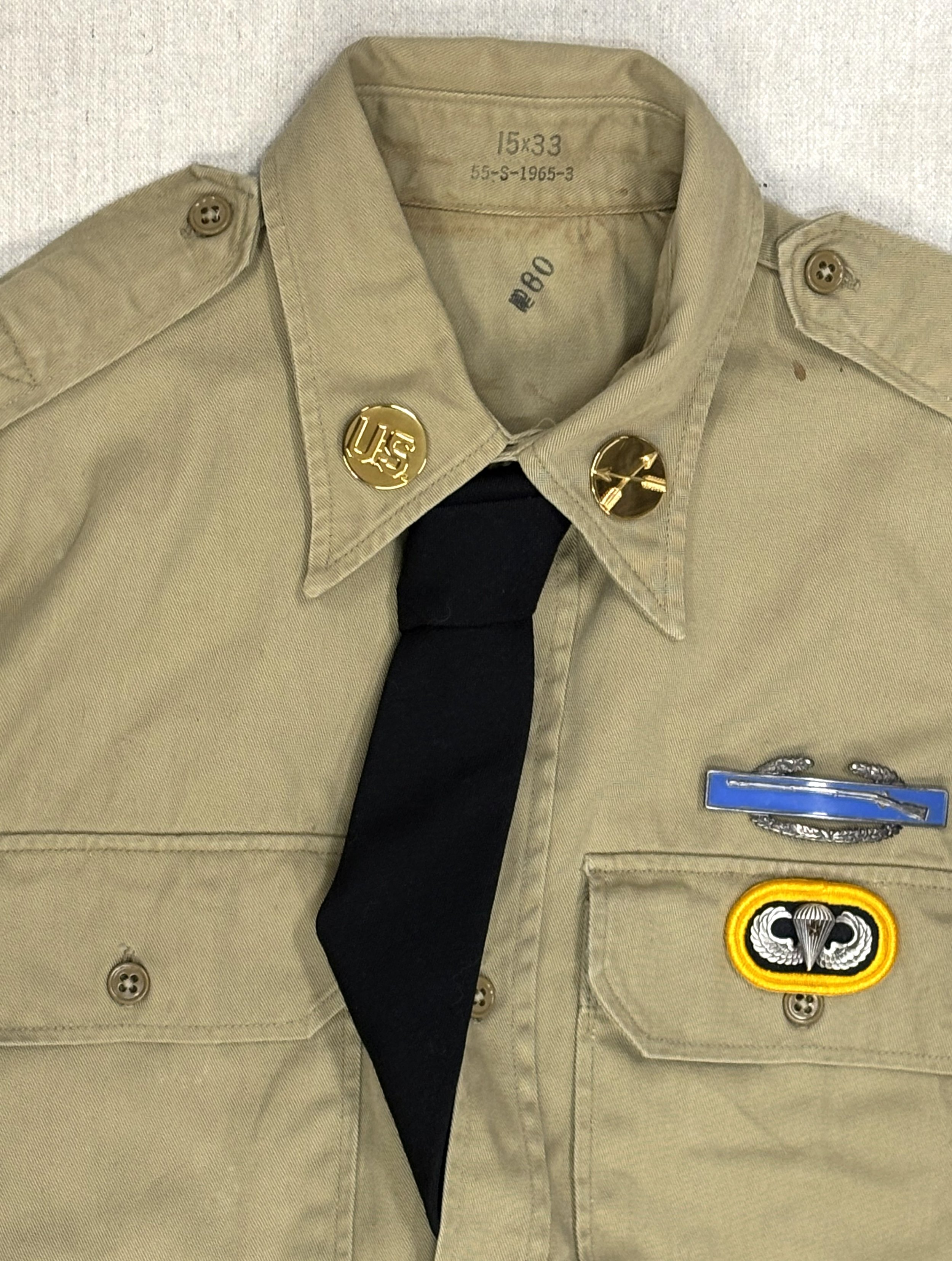
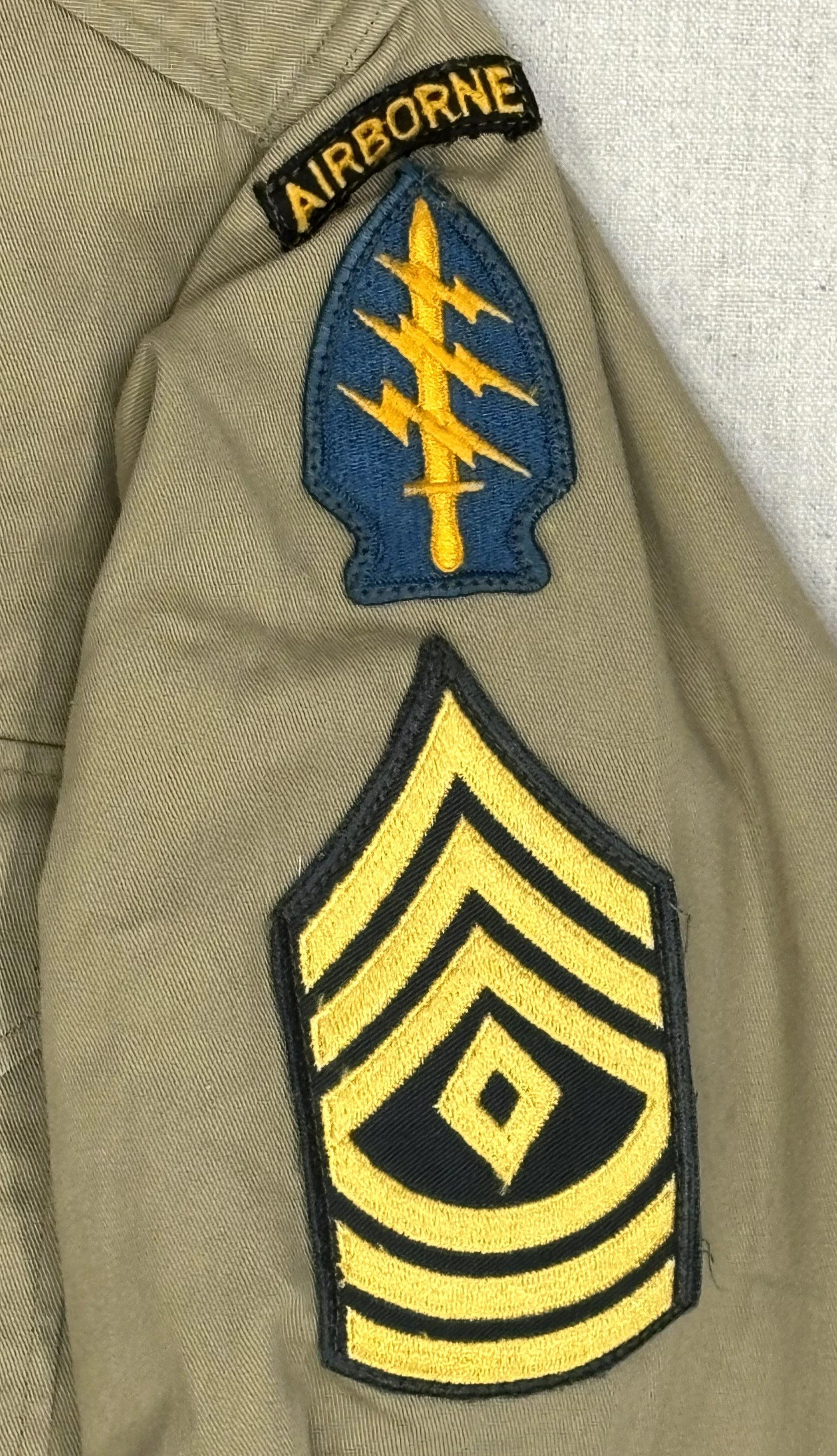
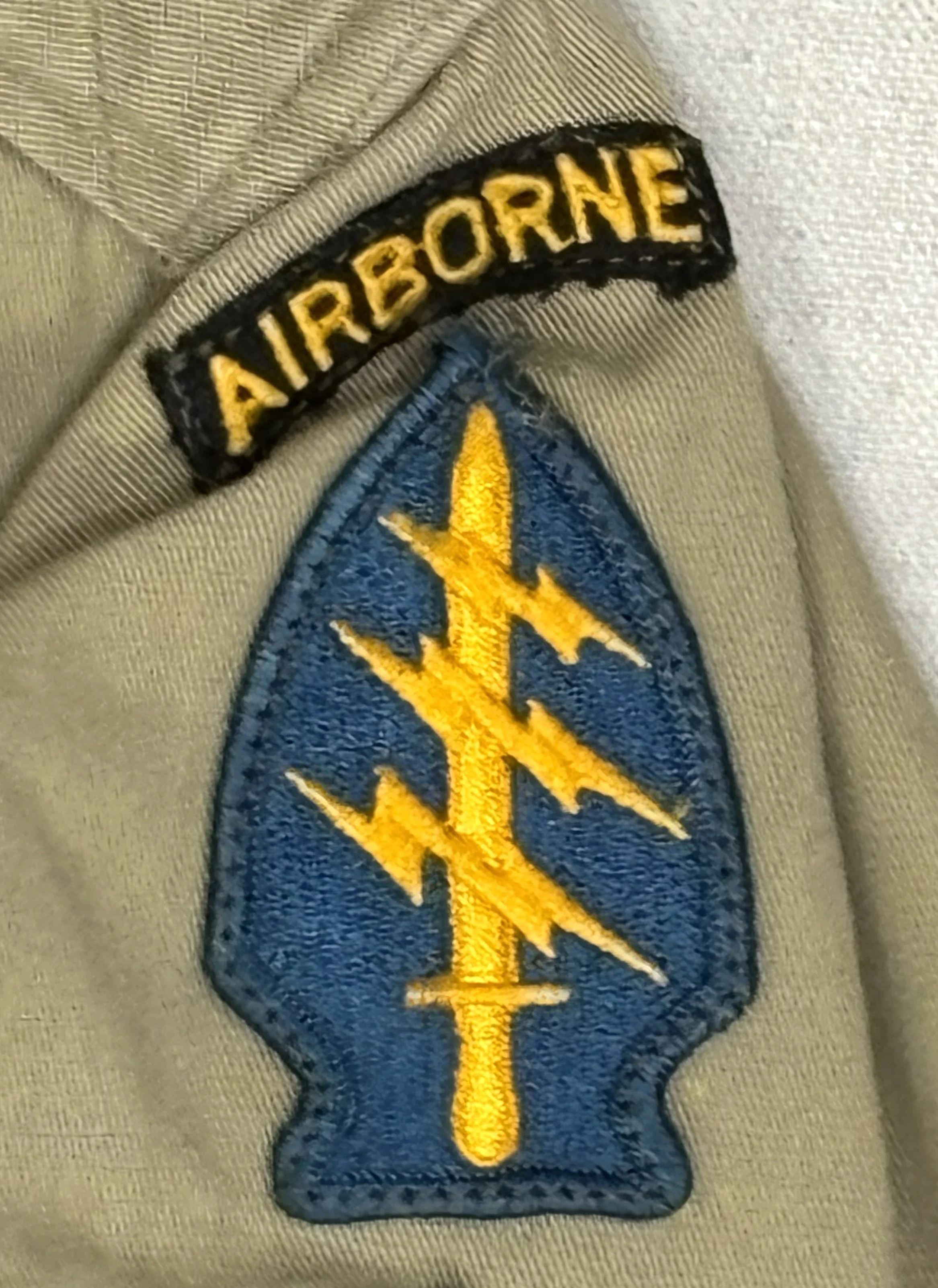
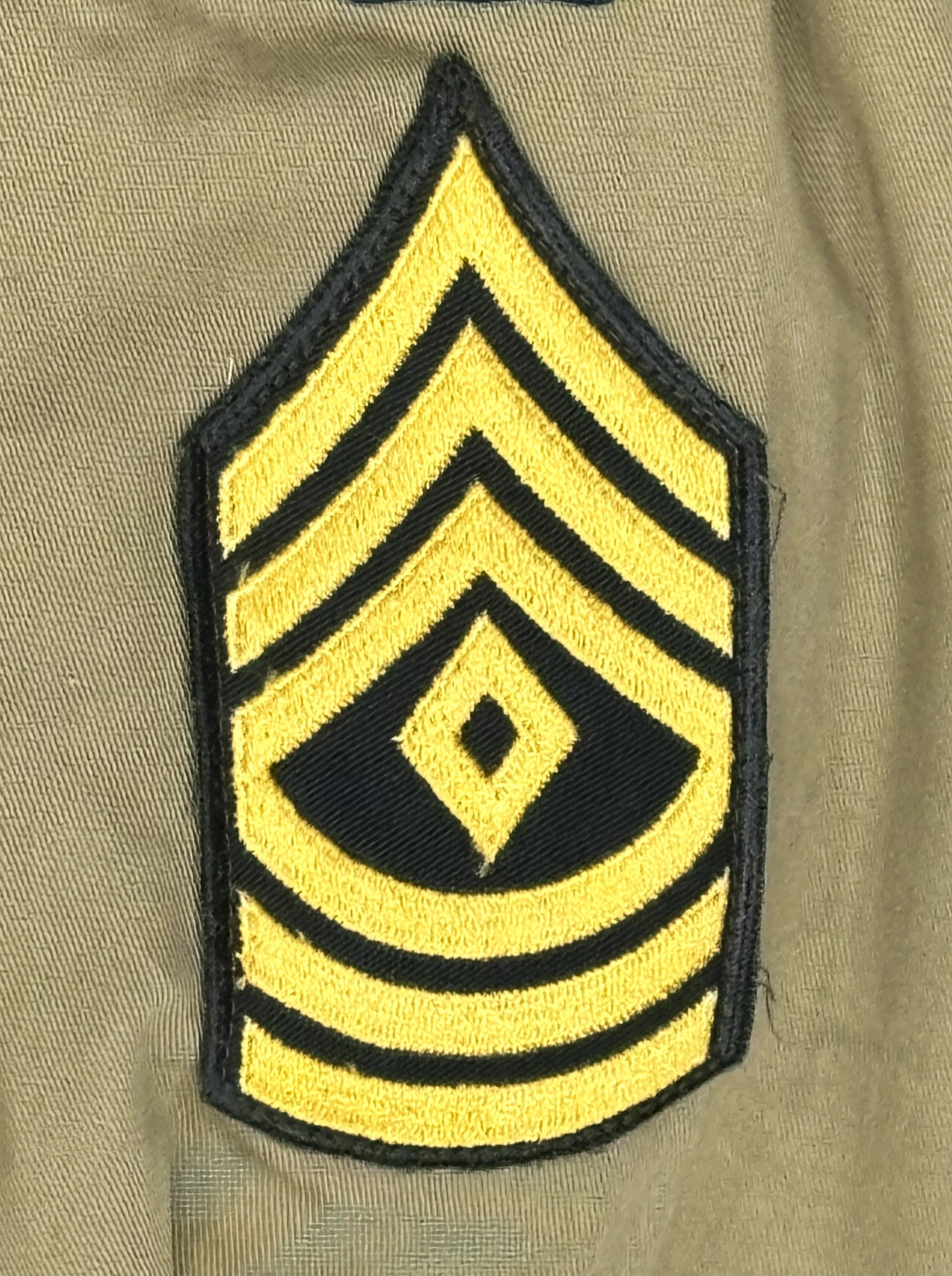
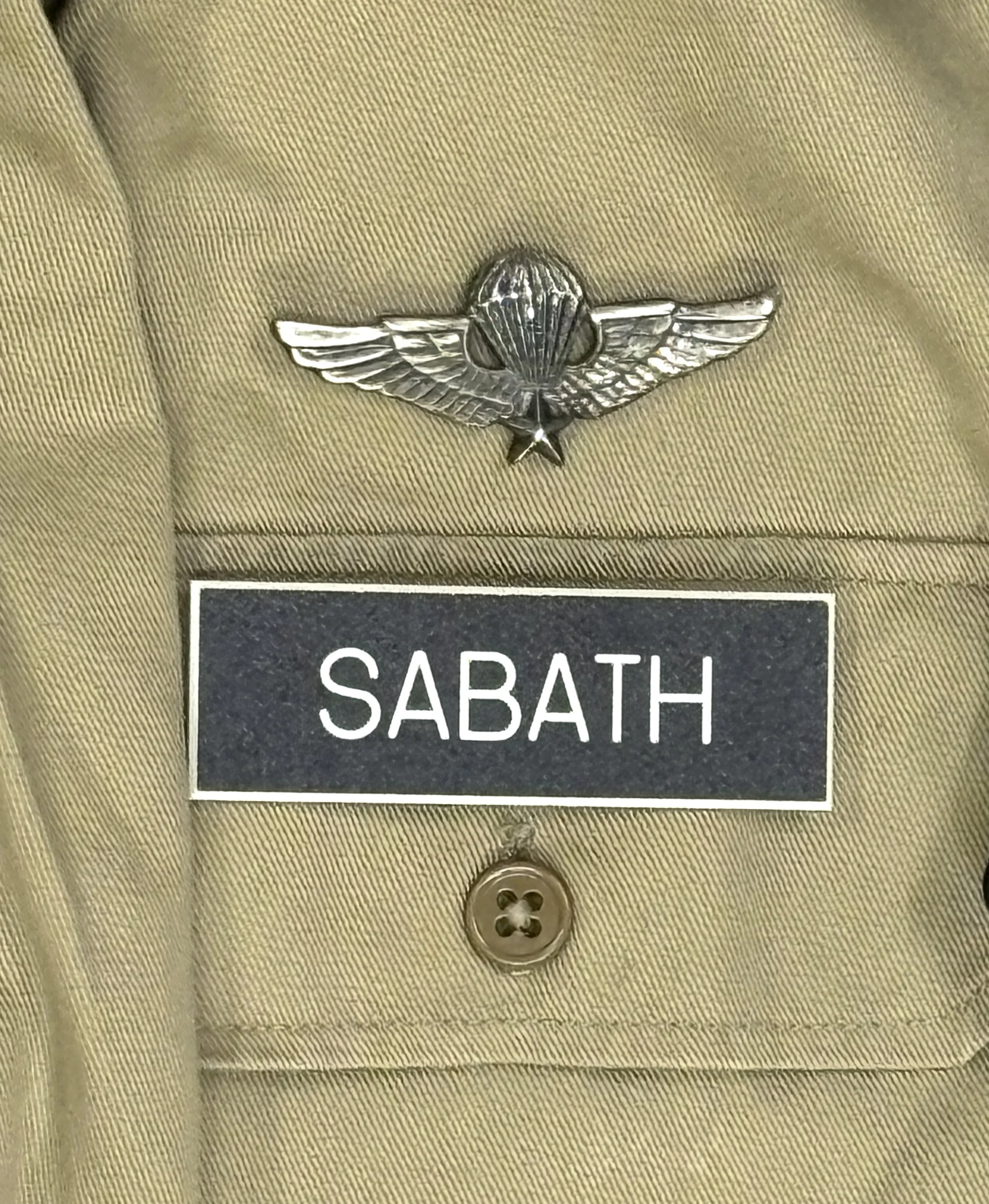
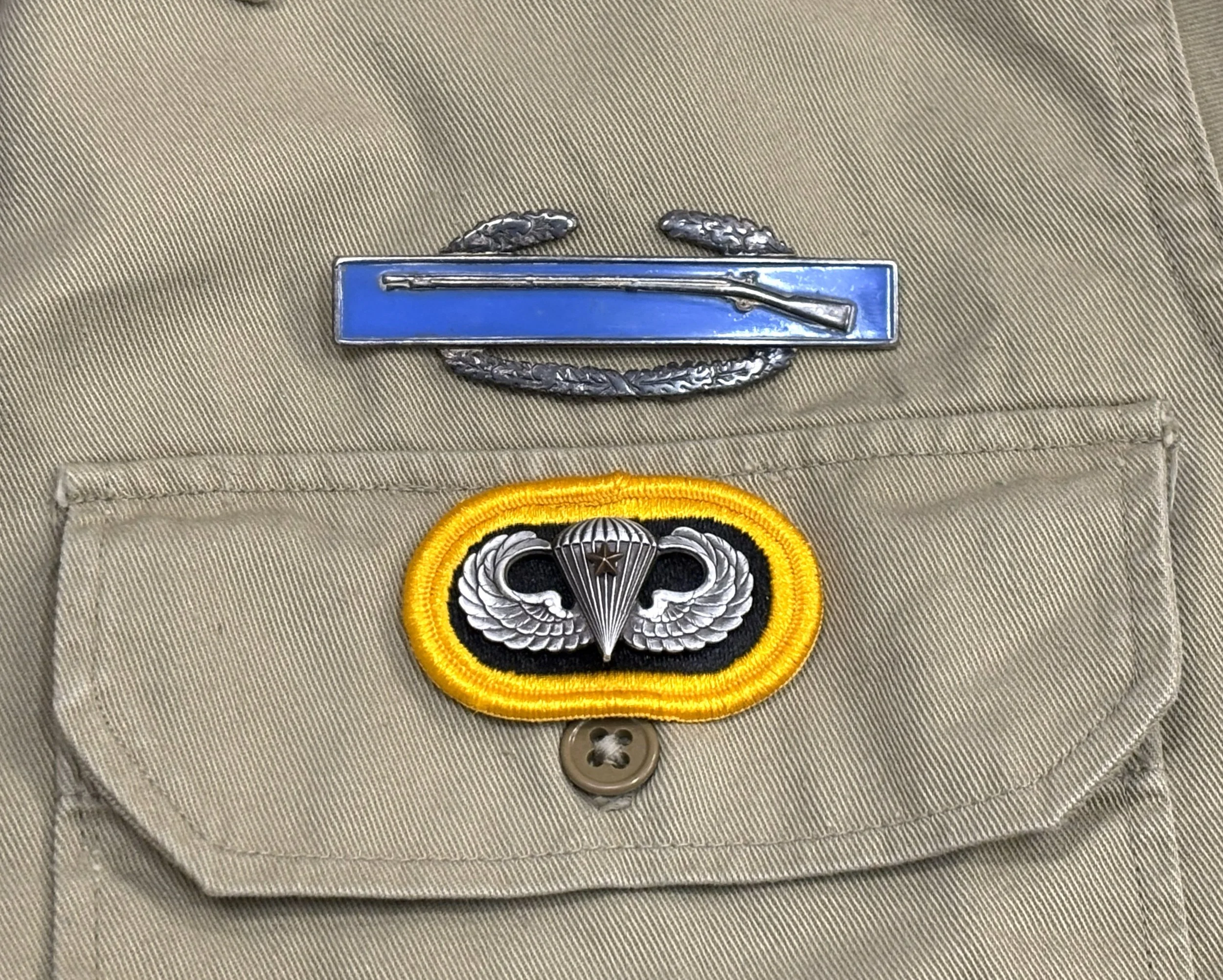
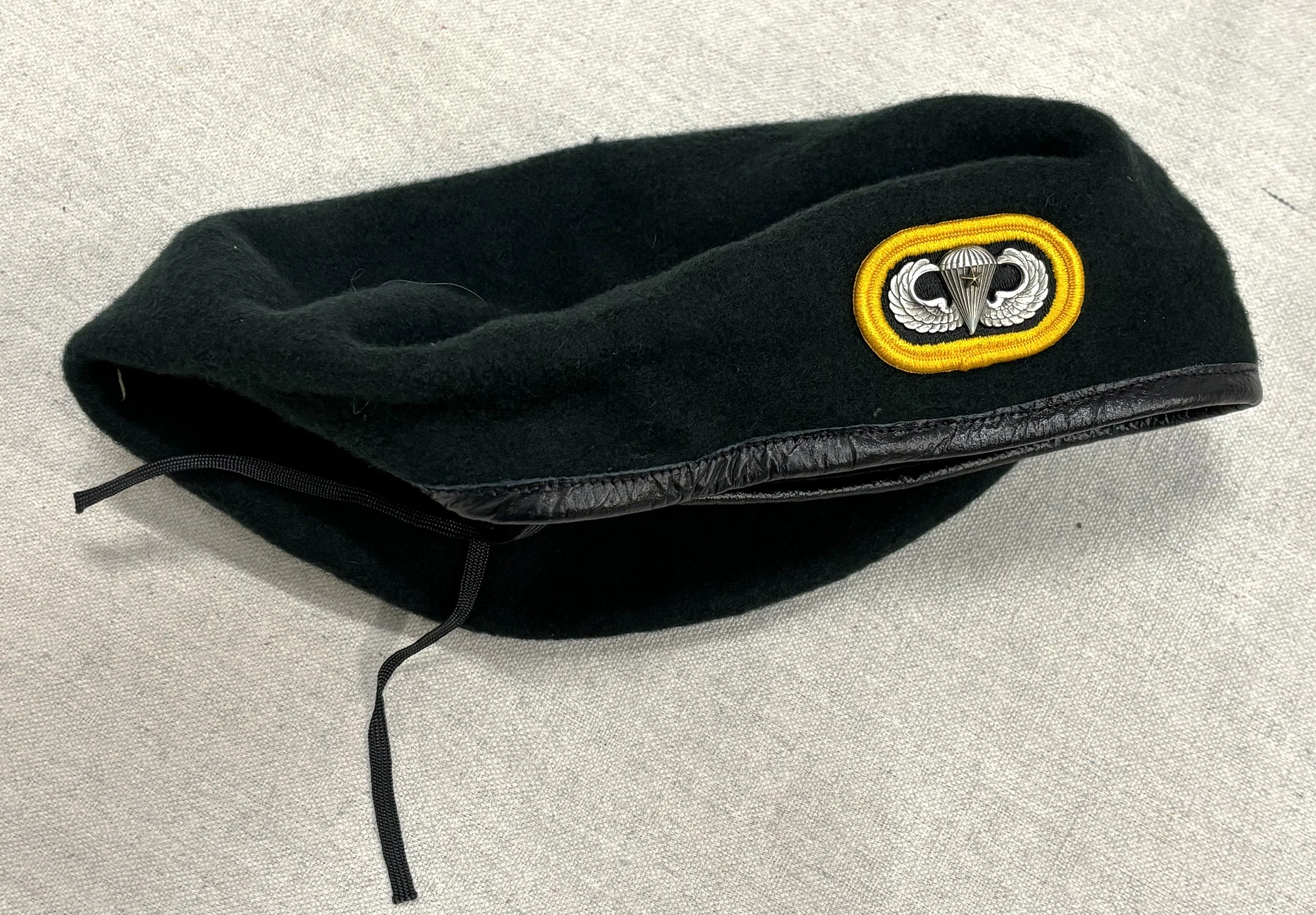
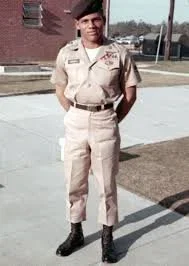
“New” First Sergeant, 1st SFGA, at Okinawa:
I’ll get a better story here, but this represents the US. Army SF before they were really even recognized as such.
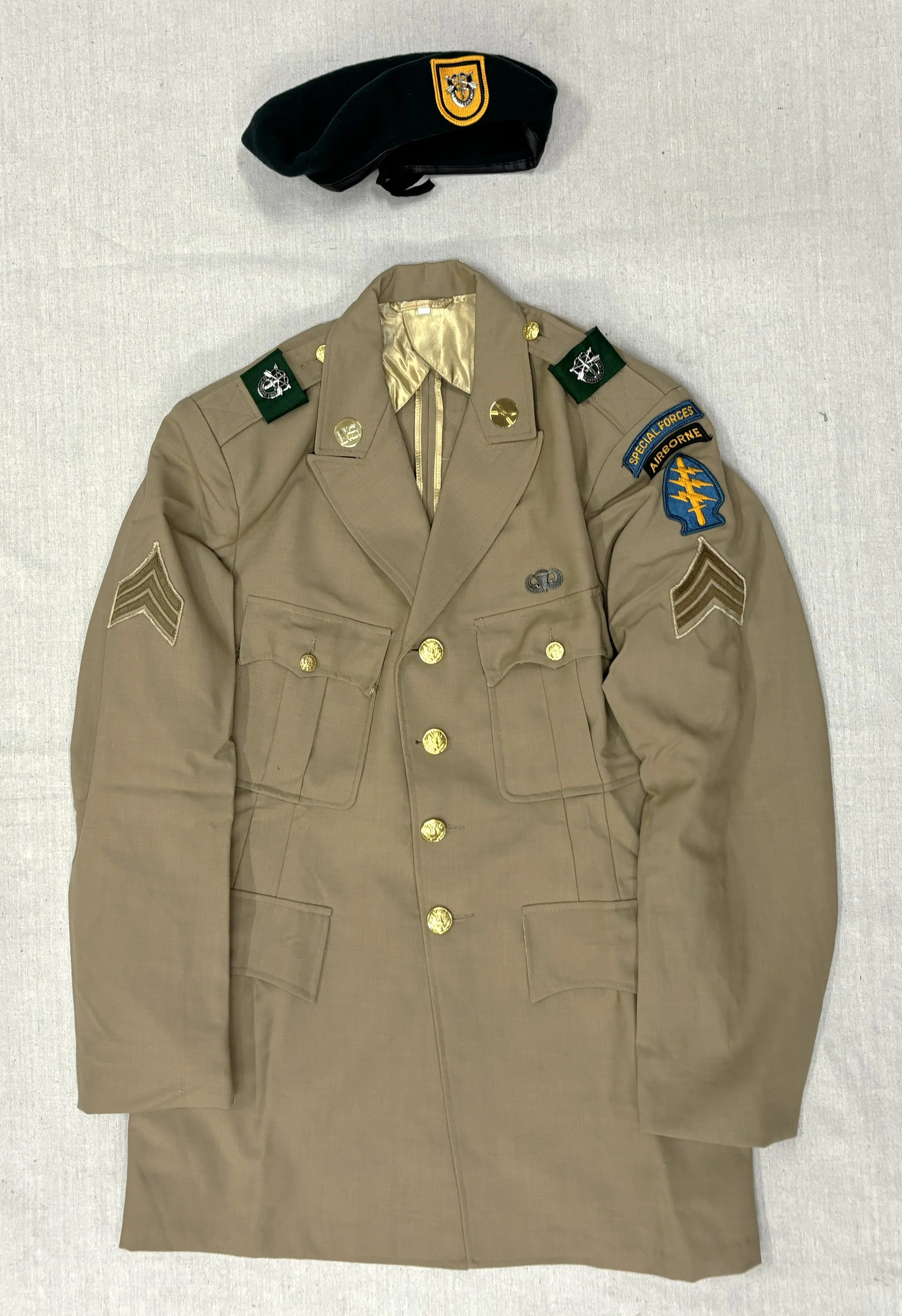
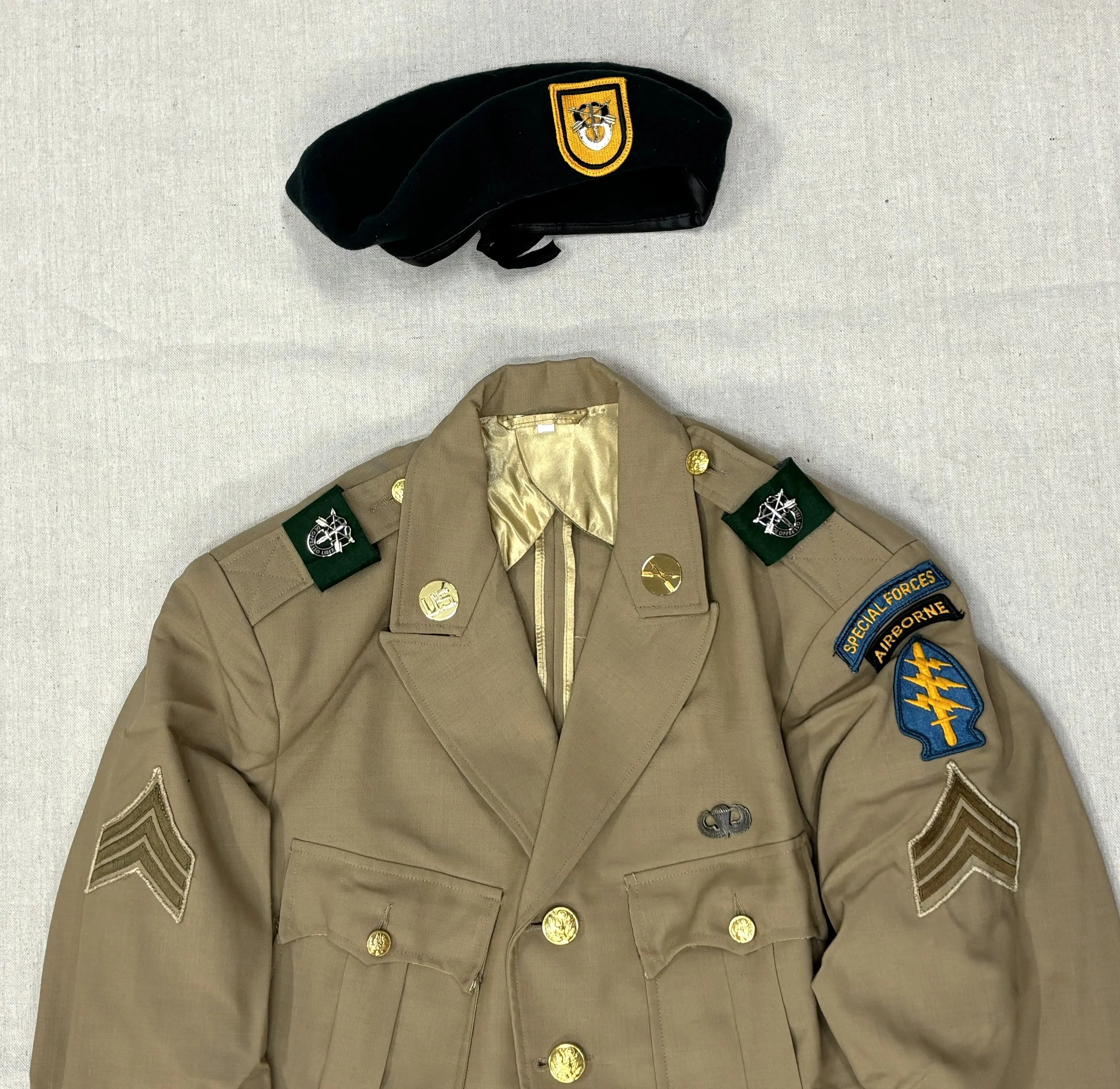
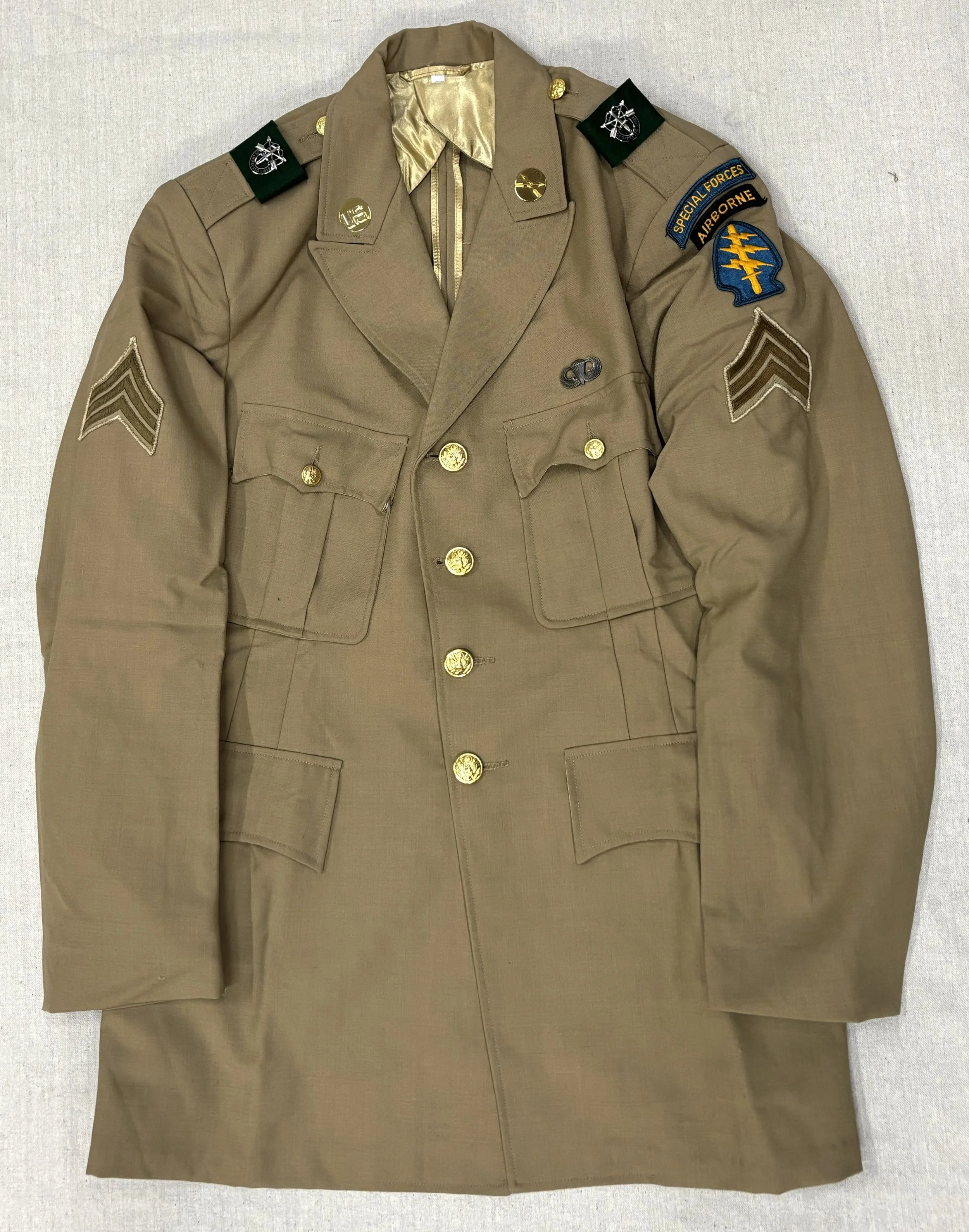
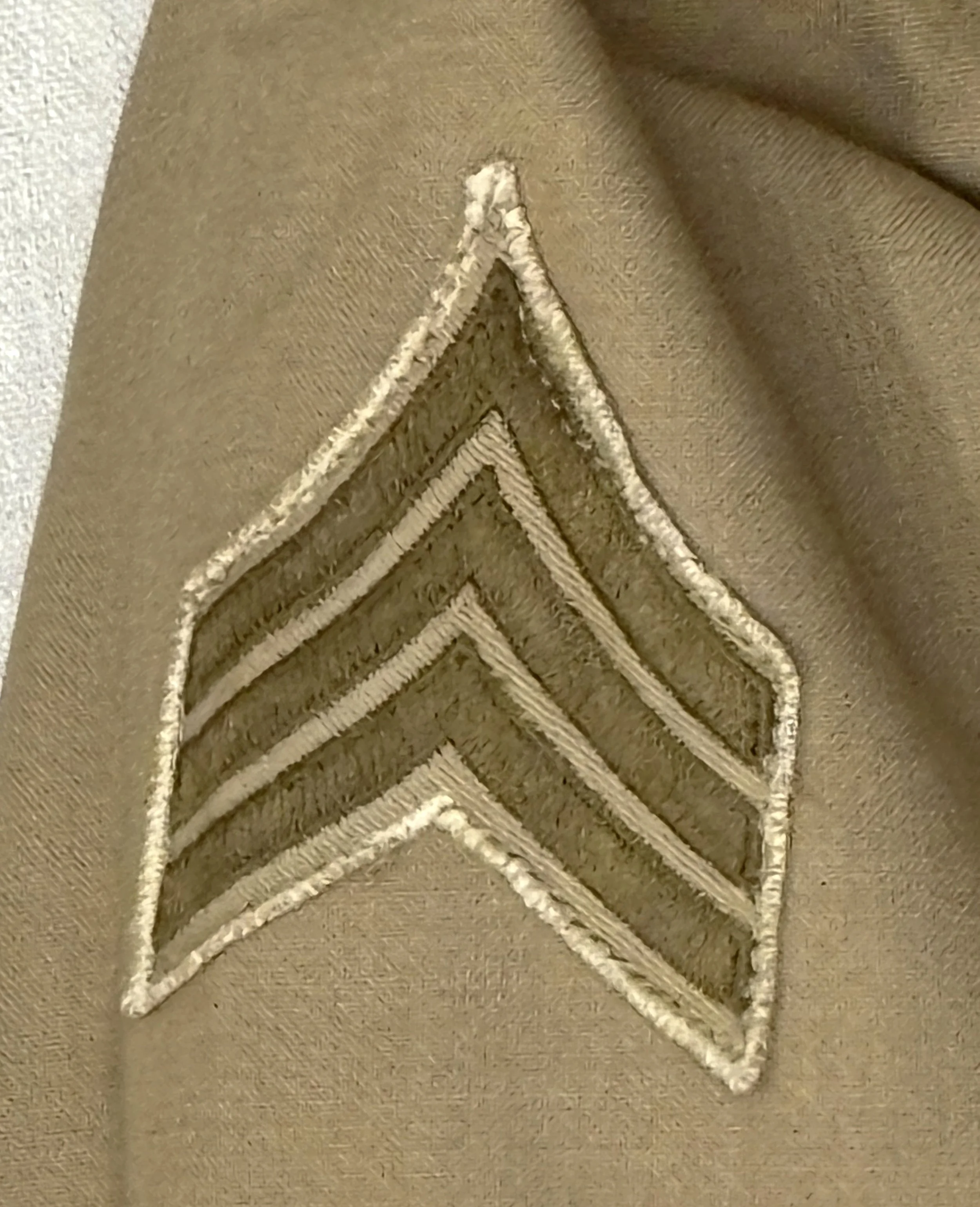
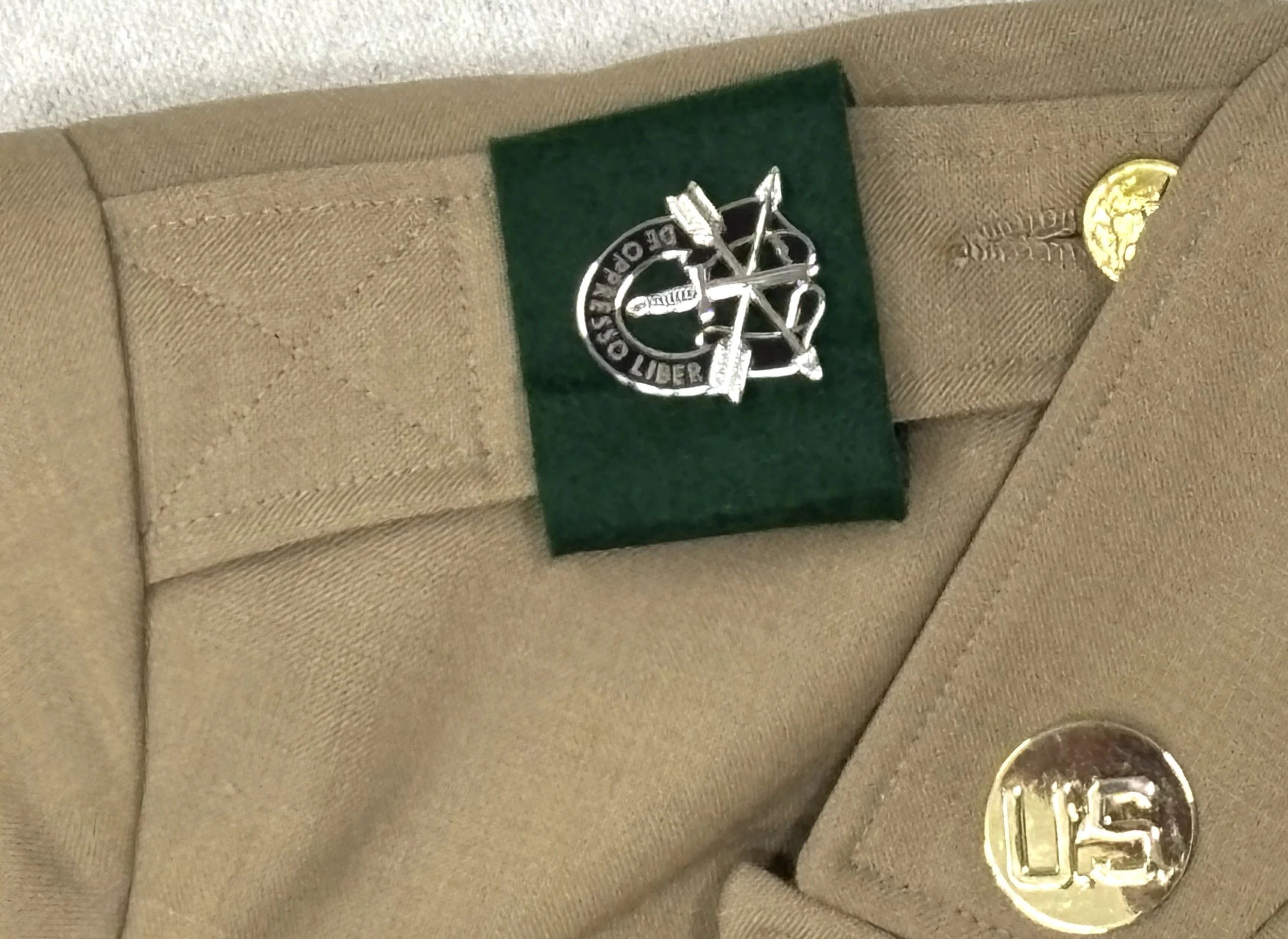
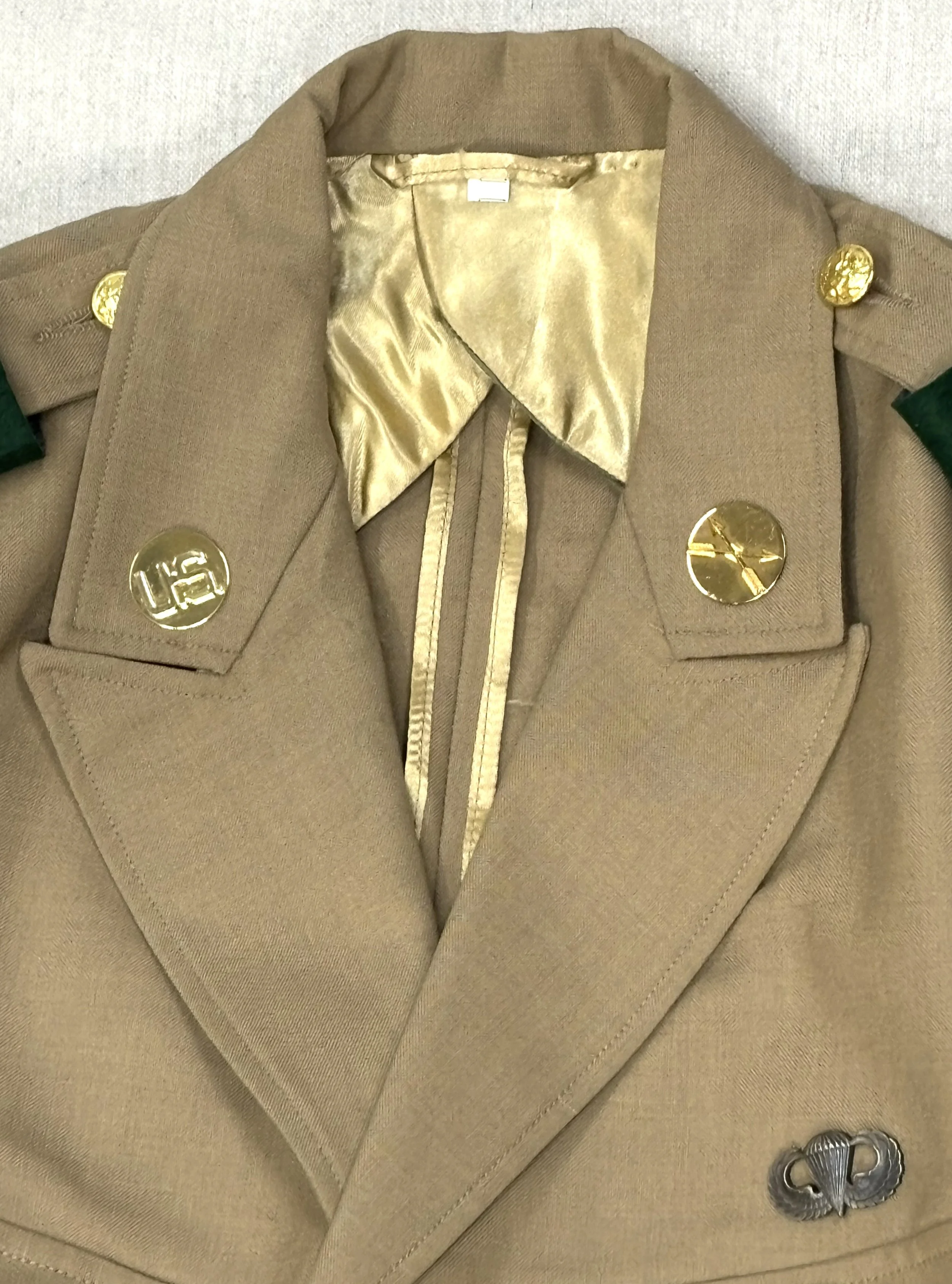
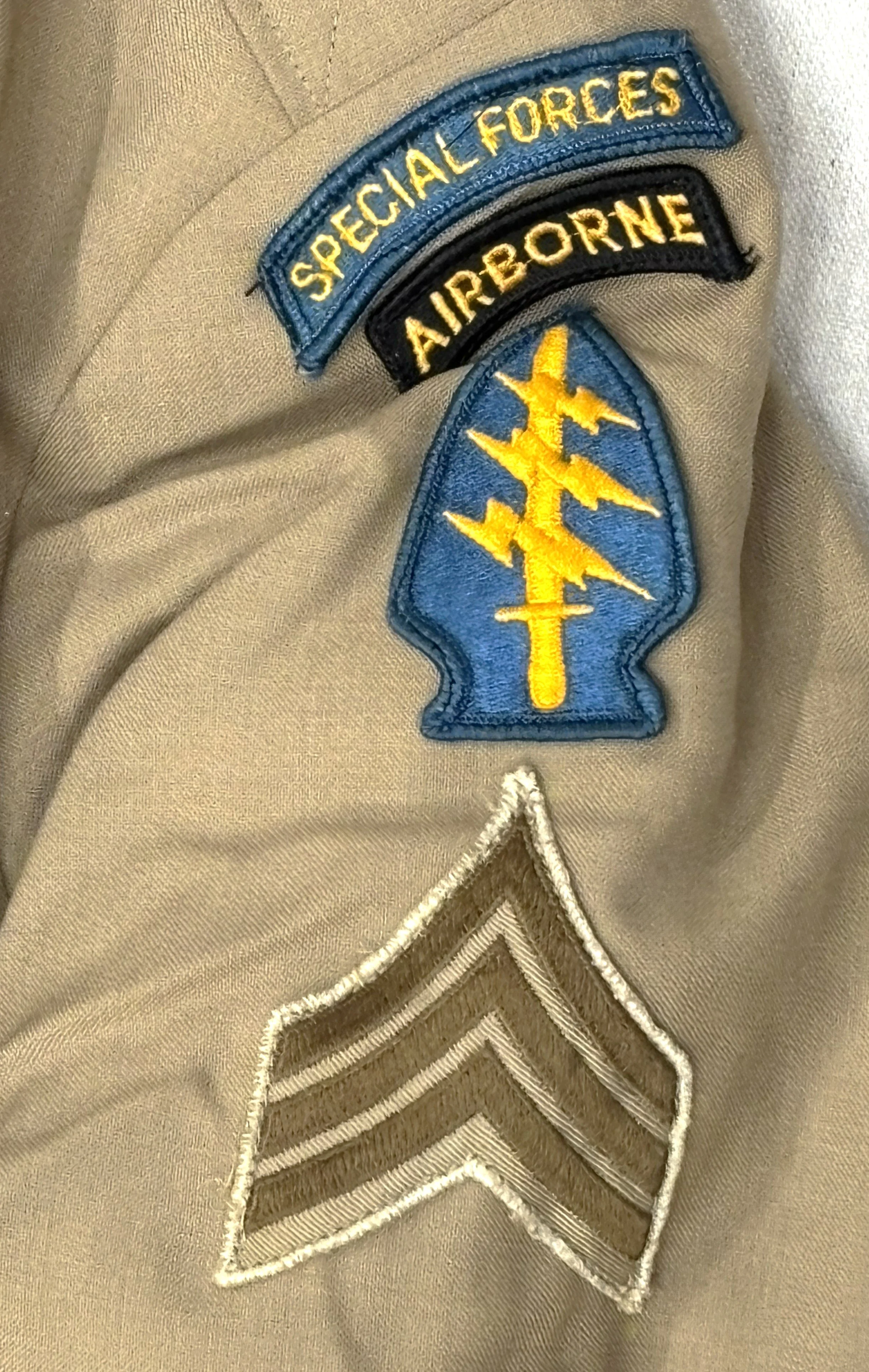
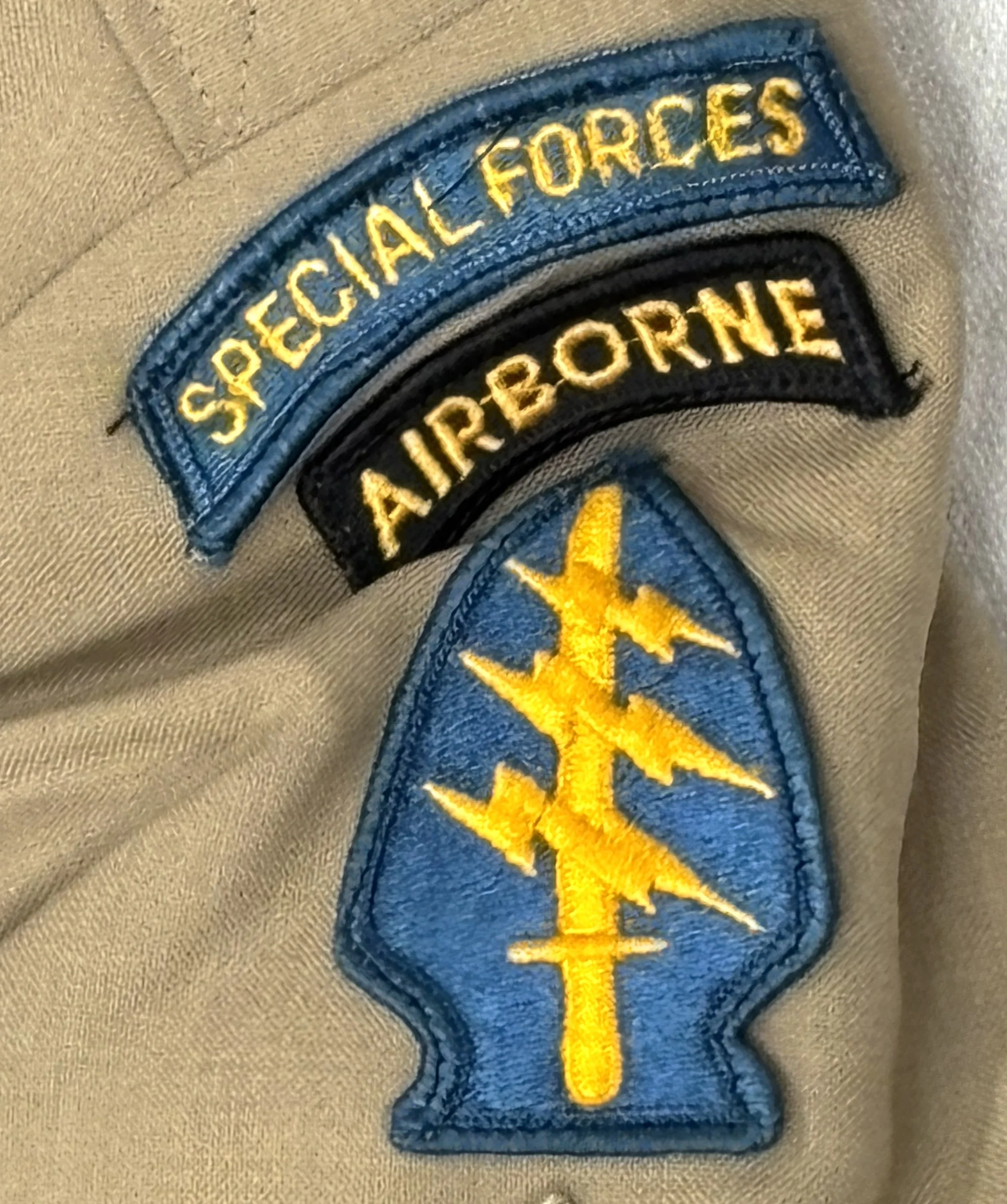
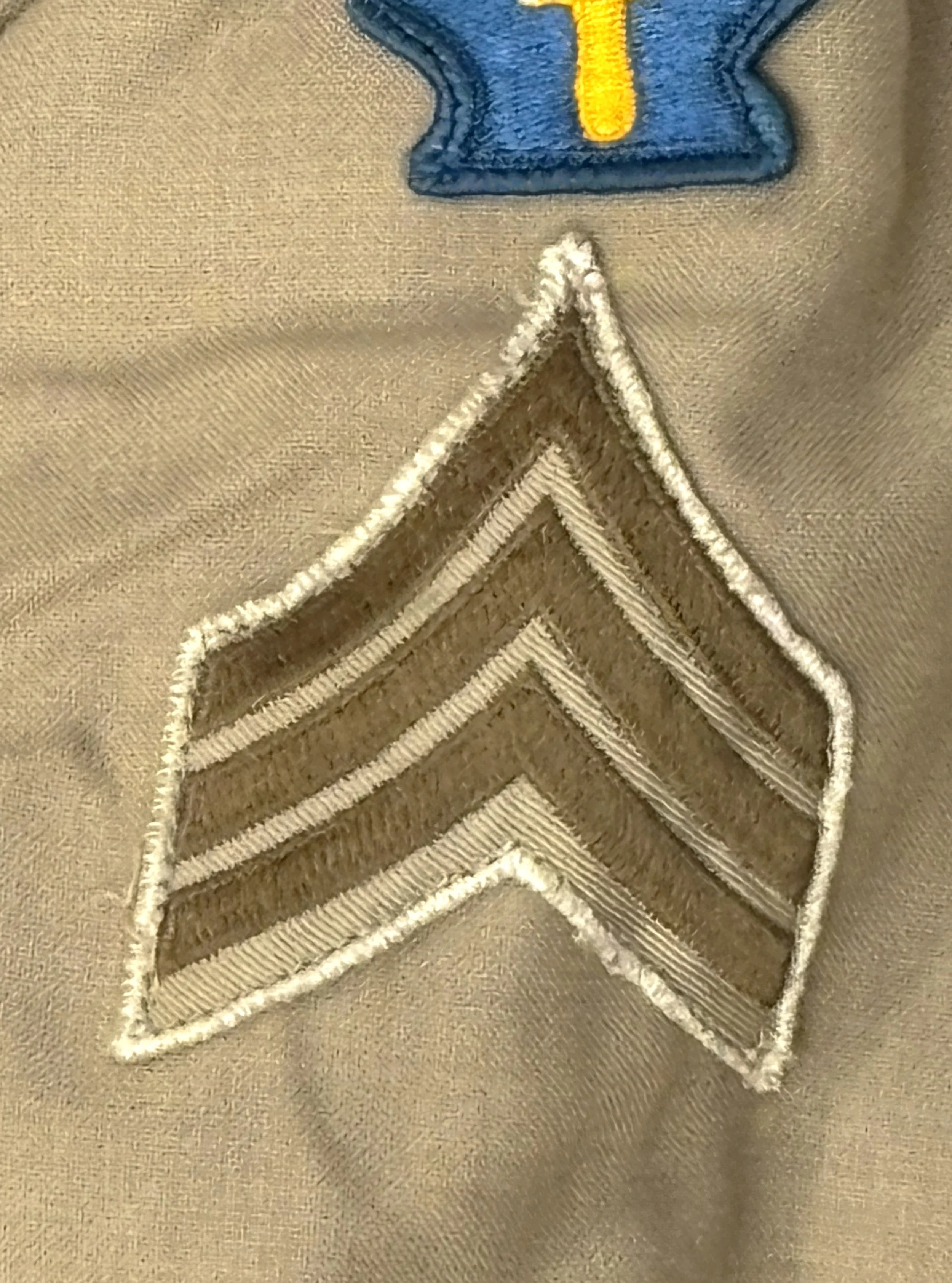
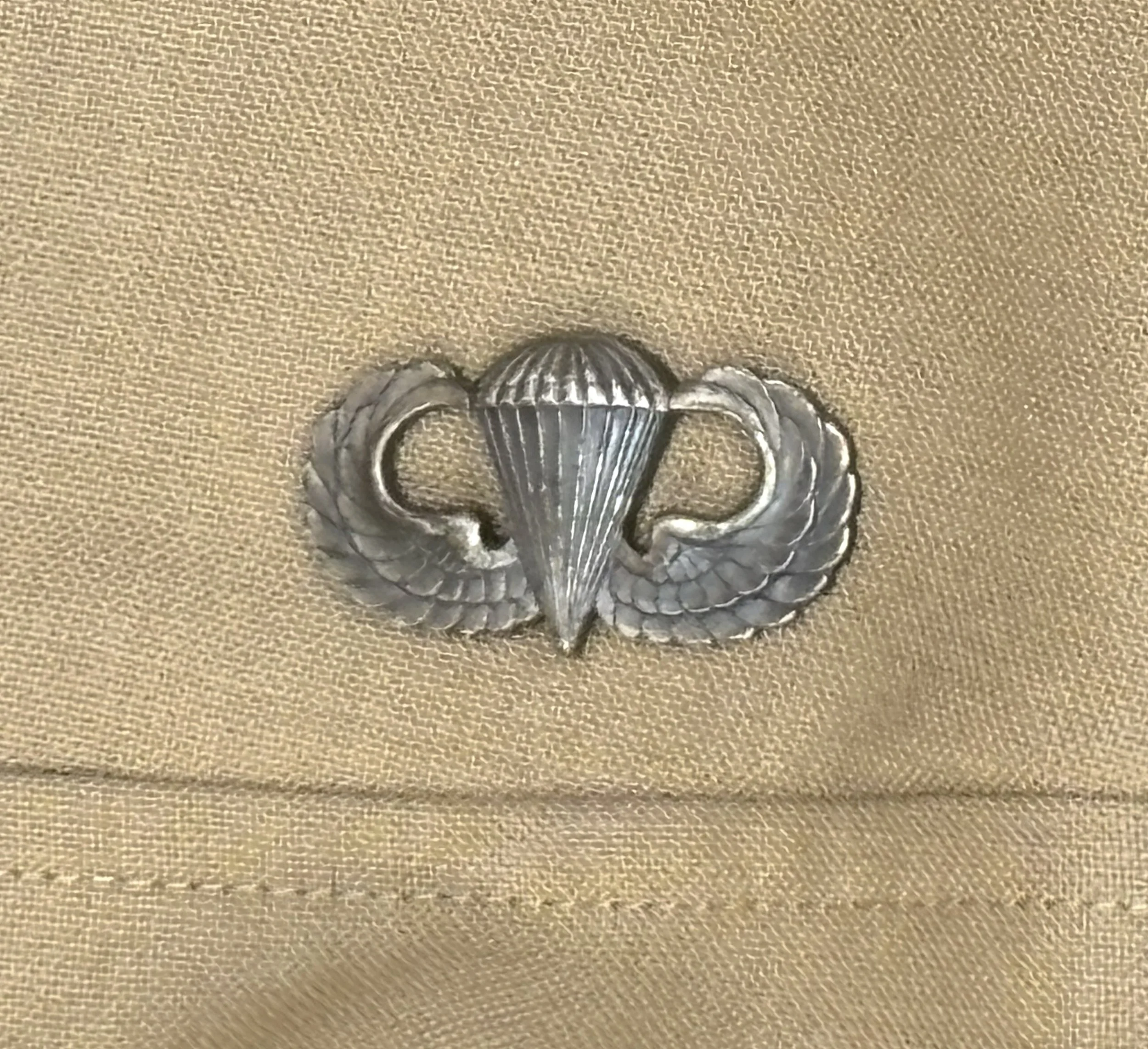
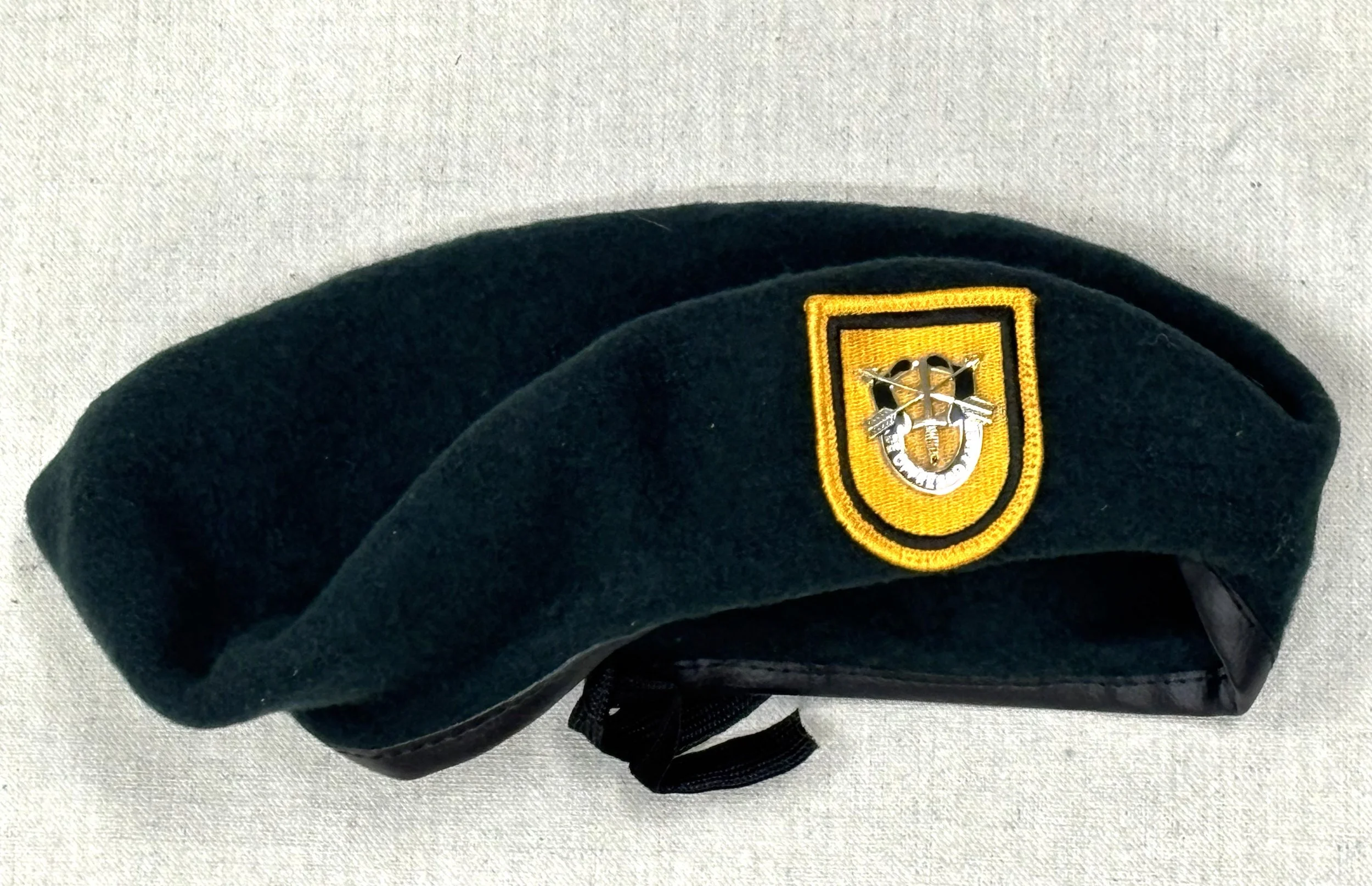
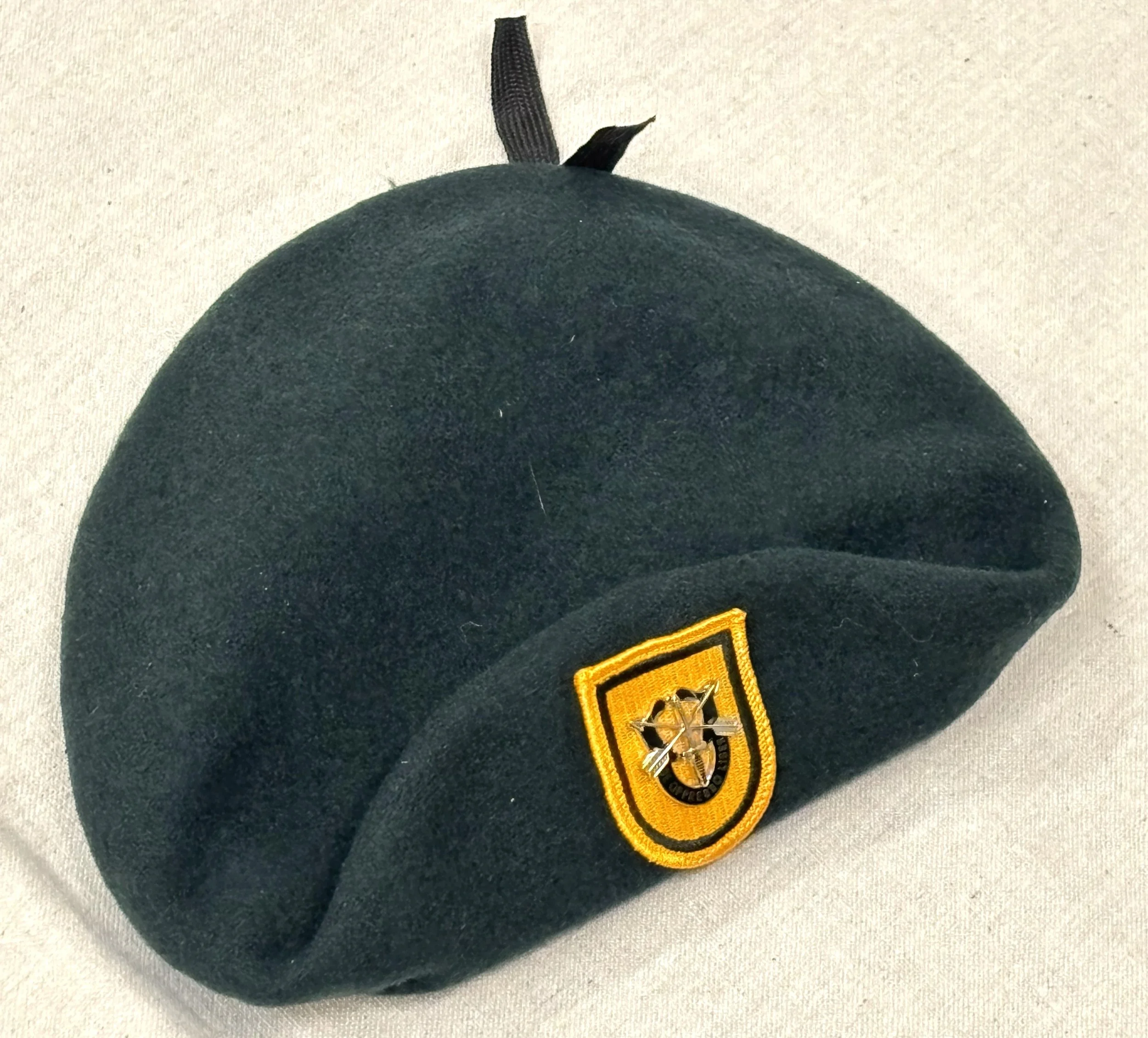
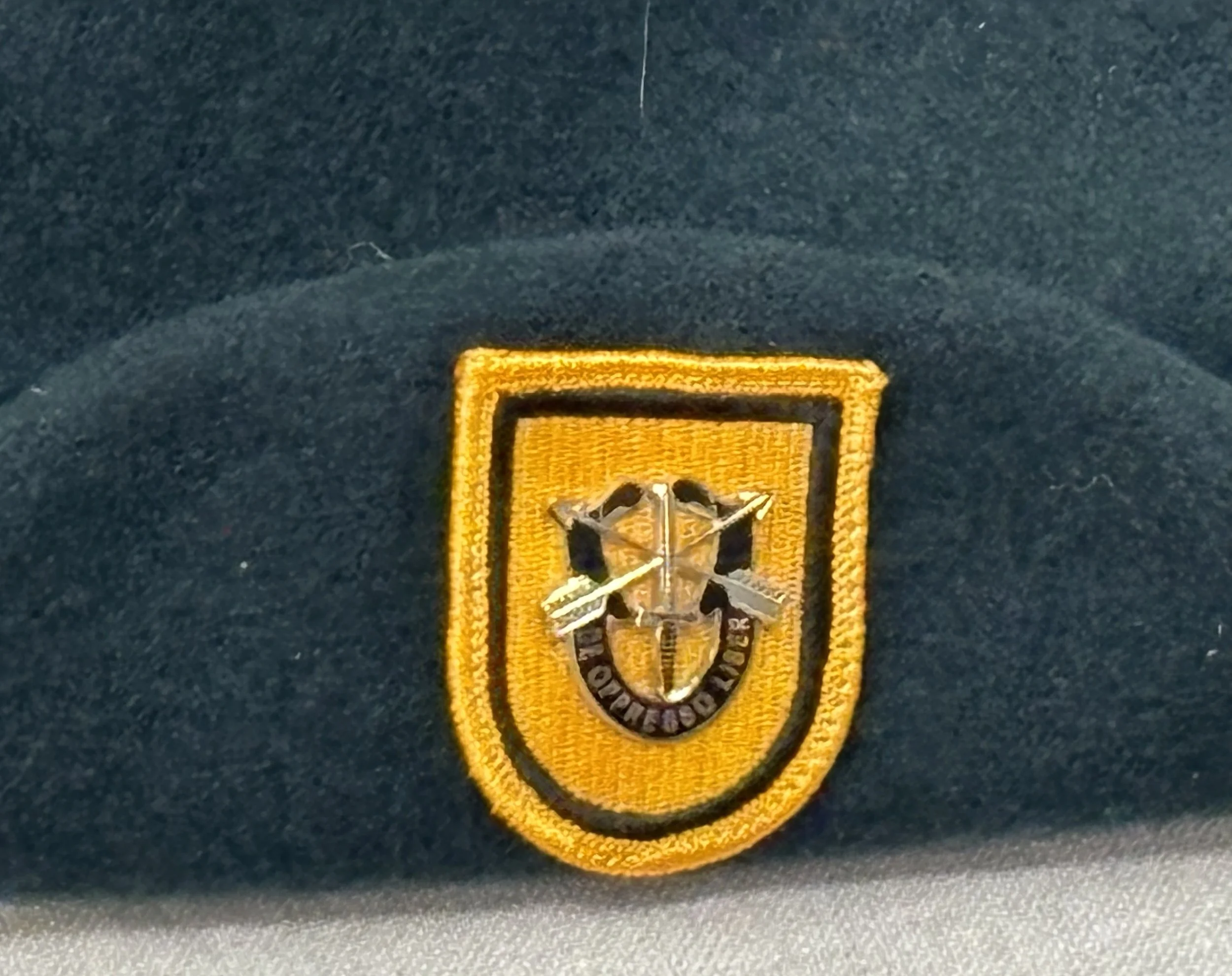
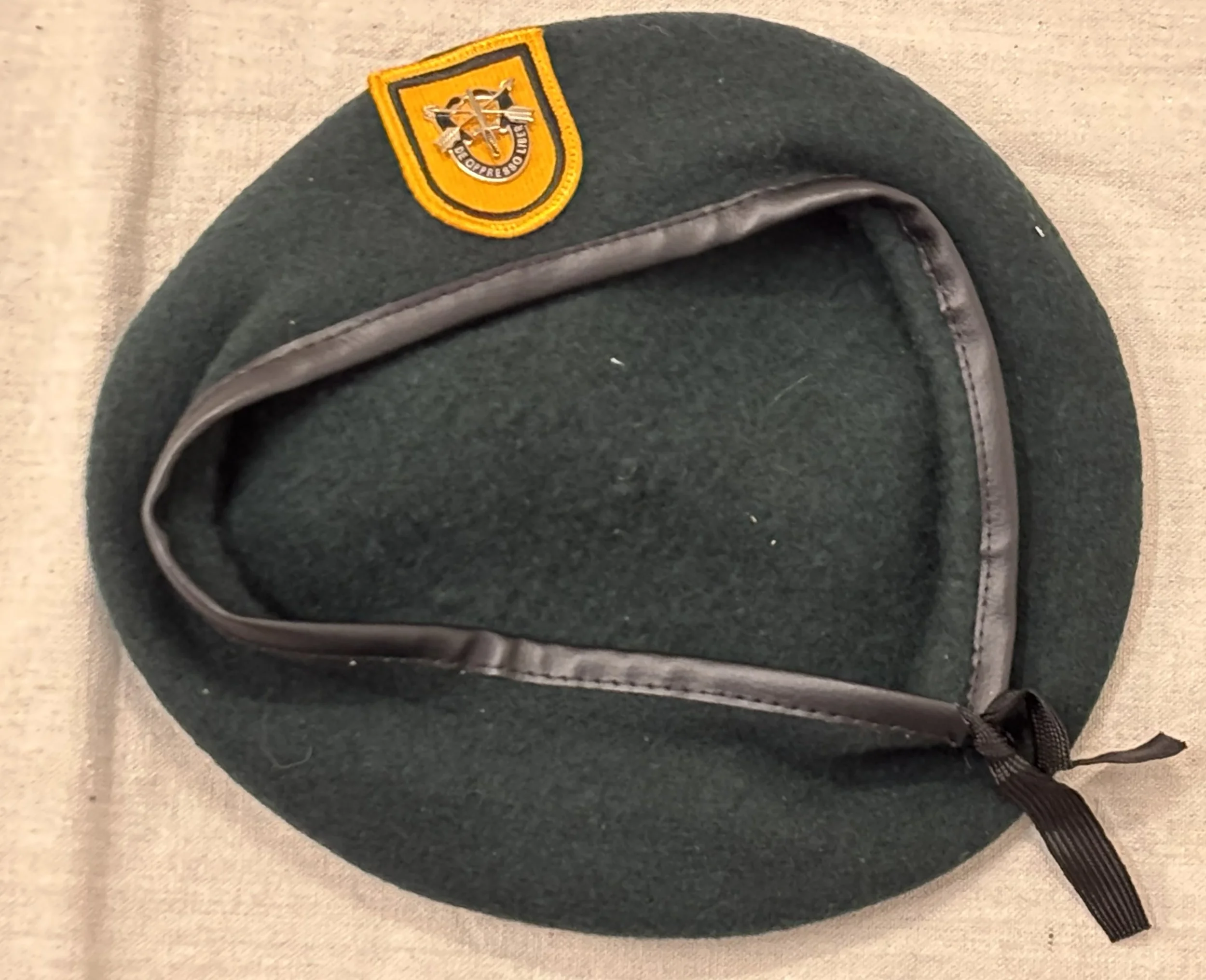
“New” Sergeant, 1st Special Forces, Early 1960:
Just before the “Tropical Dress Jacket” was completely phased out, the “Green-Class A” replaced both the Tropical and the Olive Dress Jackets.
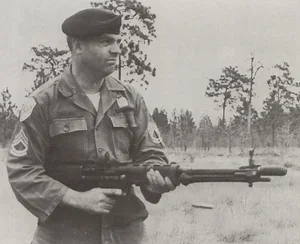
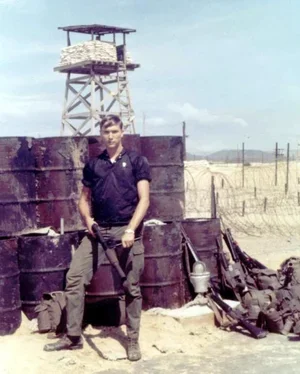
![US+SF+Soldier+testing+StG+44+[Sturmgewehr+44].webp](https://images.squarespace-cdn.com/content/v1/61355b53c1baef12641a2de9/1770422438170-T2CBF67SR8U77WXETFMZ/US%2BSF%2BSoldier%2Btesting%2BStG%2B44%2B%5BSturmgewehr%2B44%5D.webp)
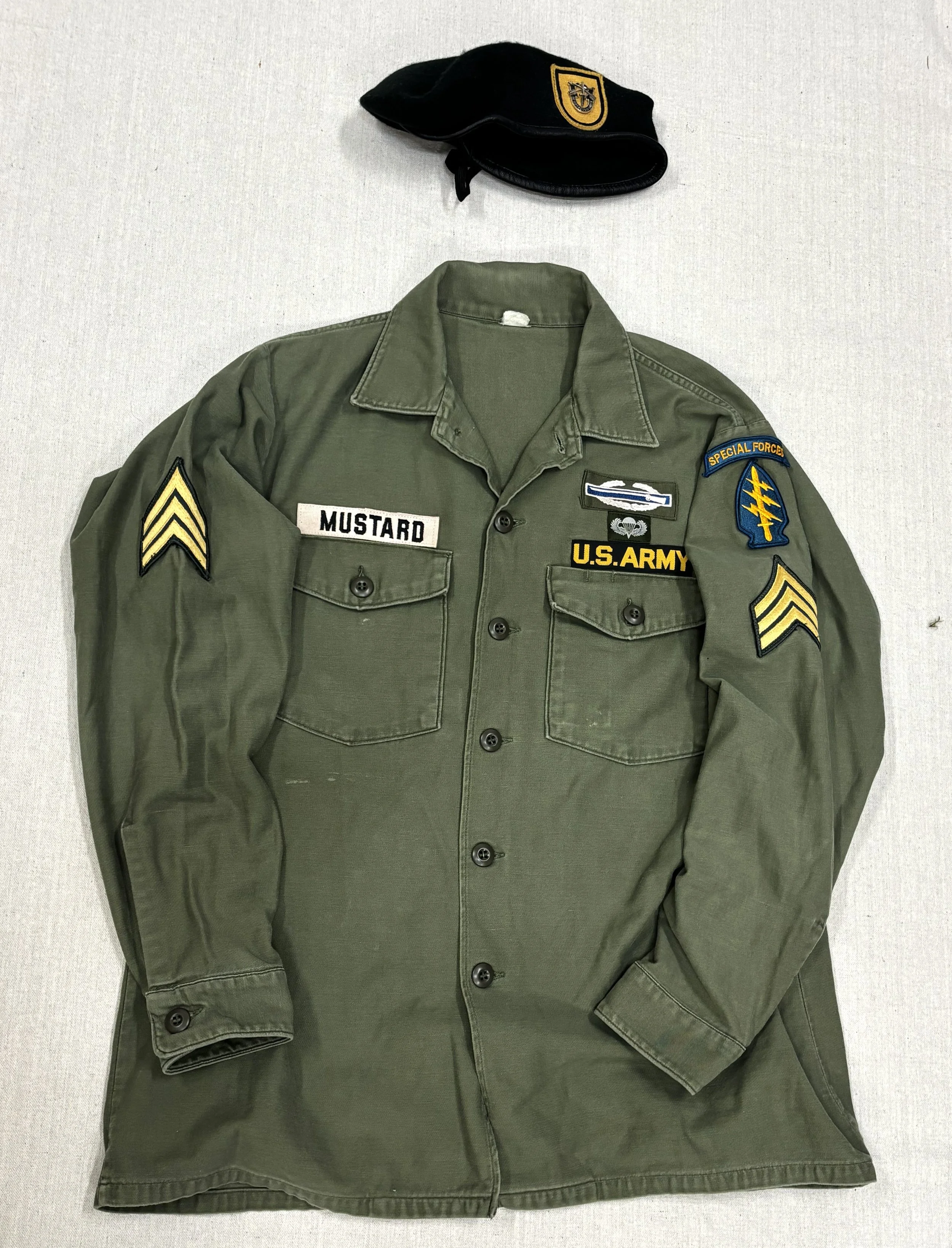
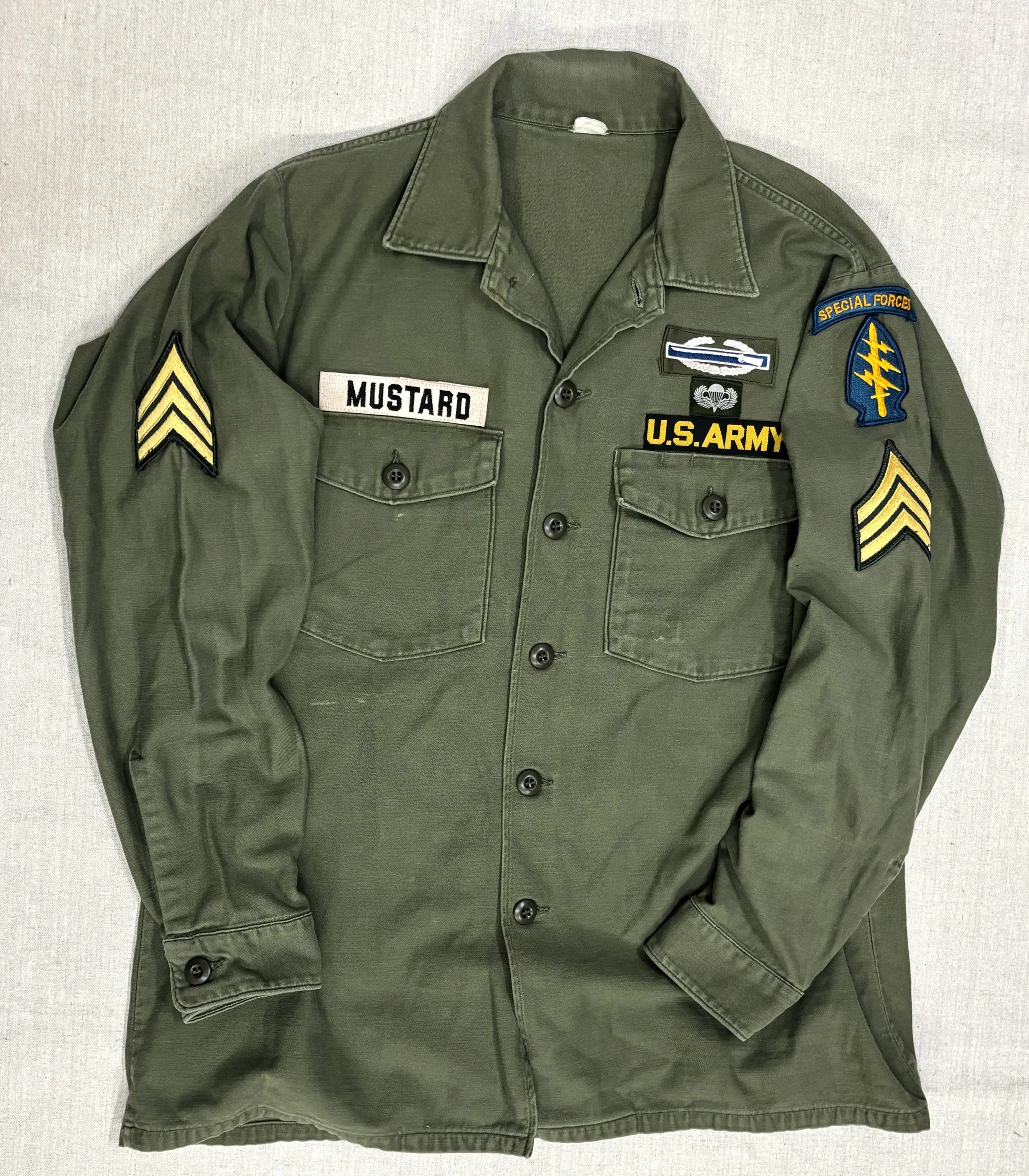
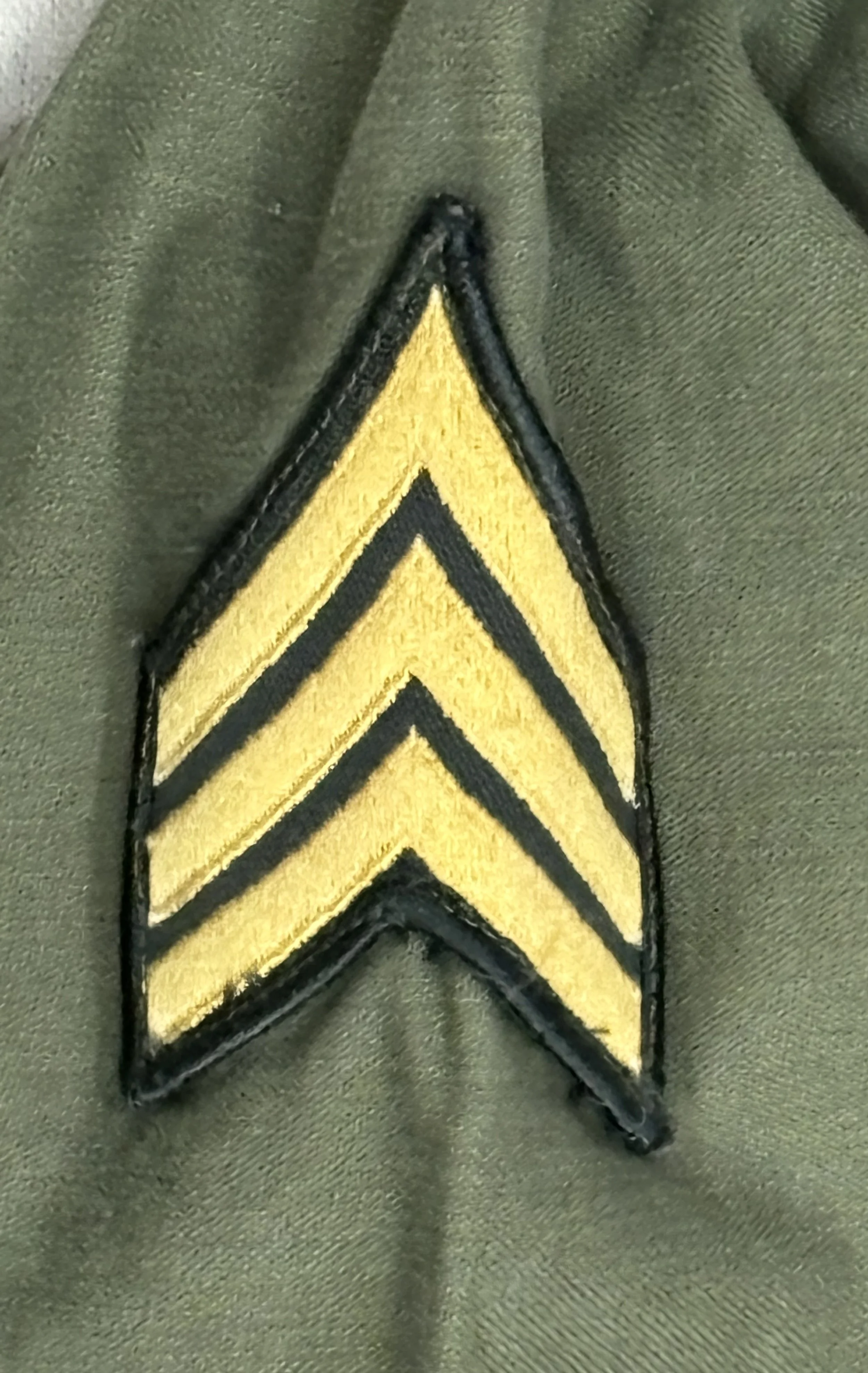
*Updated Pictures: Sergeant, 1st Special Forces Group (Airborne), Fort Bragg, Early 1960s:
Special Forces, also known as Green Berets, trace their heritage back to the Office of Strategic Services, or OSS, of World War II fame. The OSS was a paramilitary intelligence service that operated behind enemy lines in both the European and Pacific theaters, conducting reconnaissance, sabotage, and other clandestine activities directed against the Nazi and Imperial Japanese forces. Members of the OSS went on to serve in both the CIA and the Special Forces.
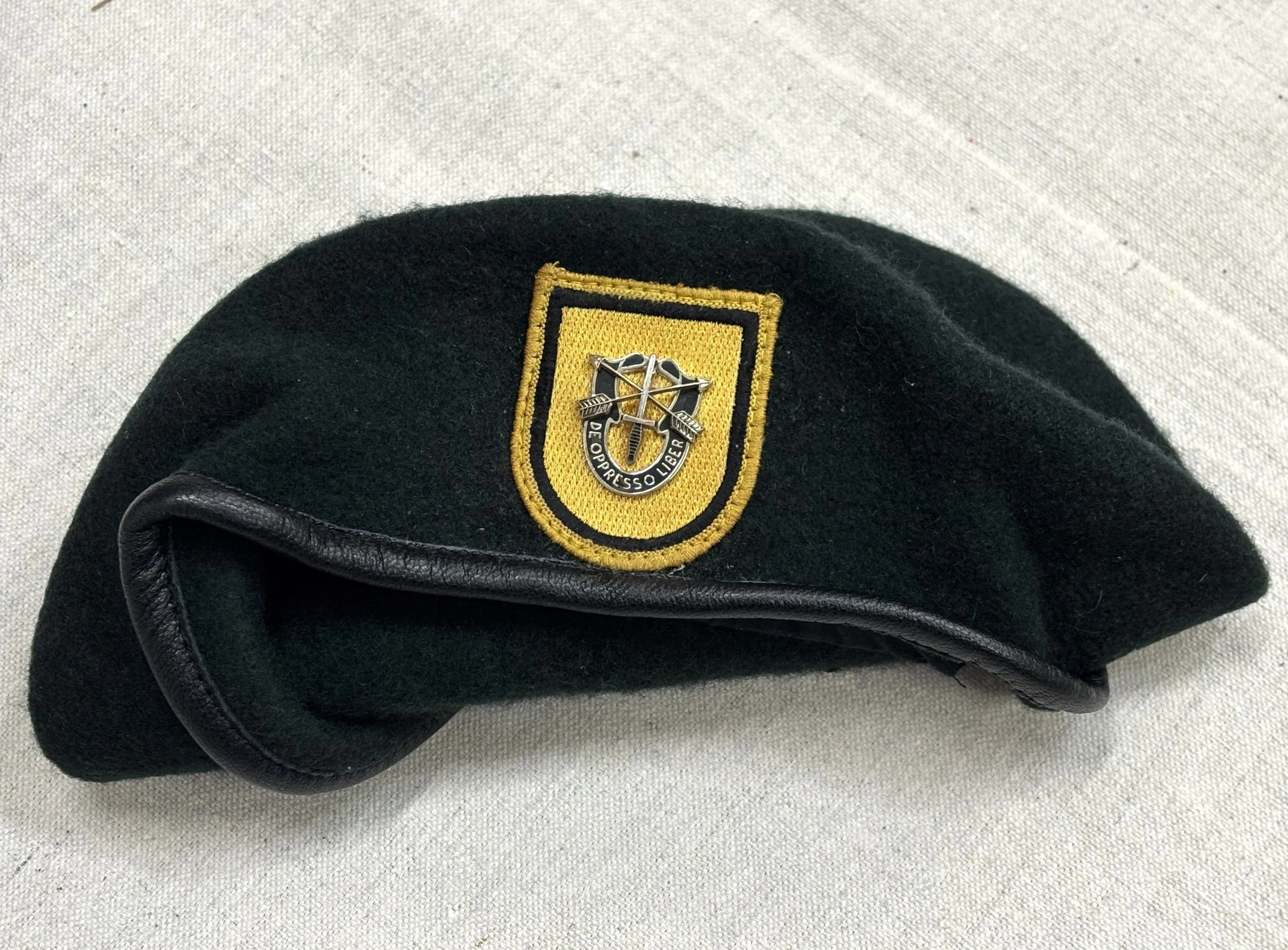
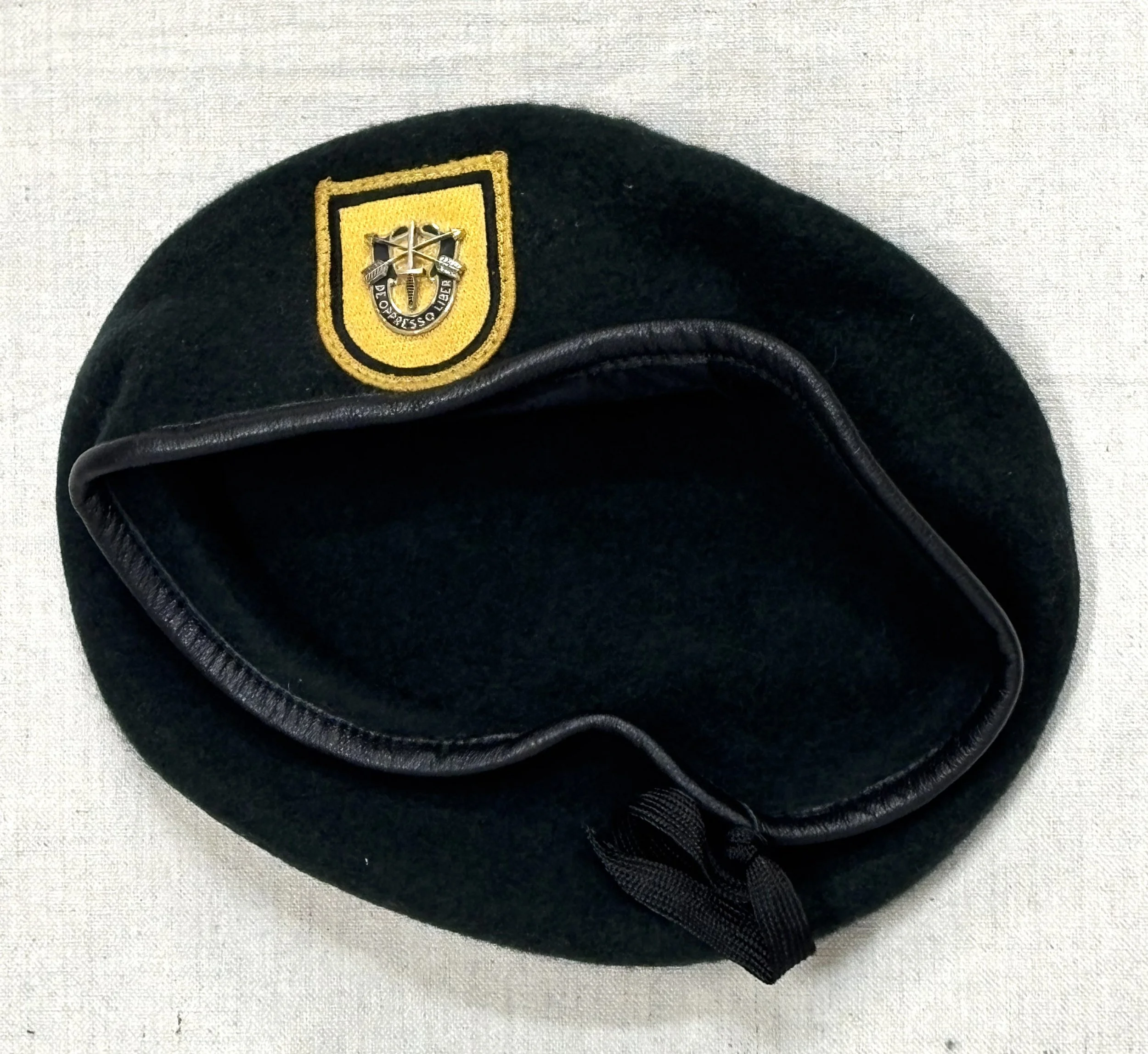
Special Forces were formally established in 1952 by the indomitable Colonel Aaron Bank, himself an OSS legend, who had parachuted into Nazi-occupied France, eventually formulating a plan to capture Hitler if he had tried to flee from Berlin. Located on Smoke Bomb Hill in Fort Bragg, North Carolina, the Special Forces began recruiting. They had their pick of the best America had to offer: battle-hardened paratroopers, former OSS men, and other veterans of World War II and the Korean War. The wearing of the distinctive green beret by Special Forces soldiers was controversial amongst Army leadership until General Yarborough cleared it up for us in 1961.
US Special Forces came into their own, proving themselves in the jungles, villages, and cities of Southeast Asia, especially in Vietnam. As the Vietnam War escalated, Special Forces soldiers carried out their primary duty as military instructors, coaching and mentoring South Vietnamese forces as they fought against the Viet Cong and North Vietnamese Army. Special Forces worked with South Vietnamese, Chinese Nhung mercenaries, and the Montagnards, some of whom were fresh out of their jungle villages. These tribal peoples turned in their loincloths for military boots and uniforms, their Green Beret mentors molding them into an effective fighting force.
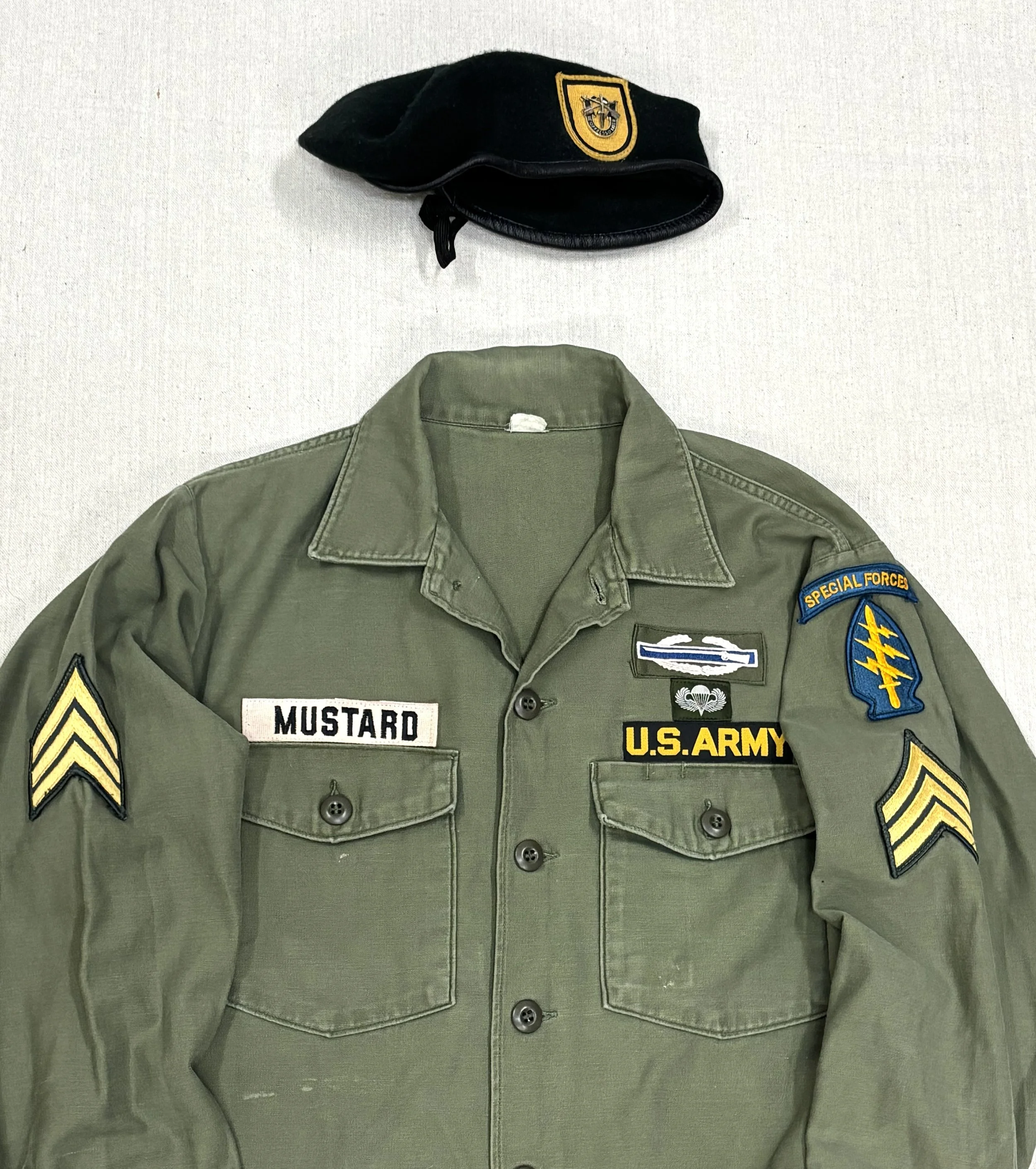
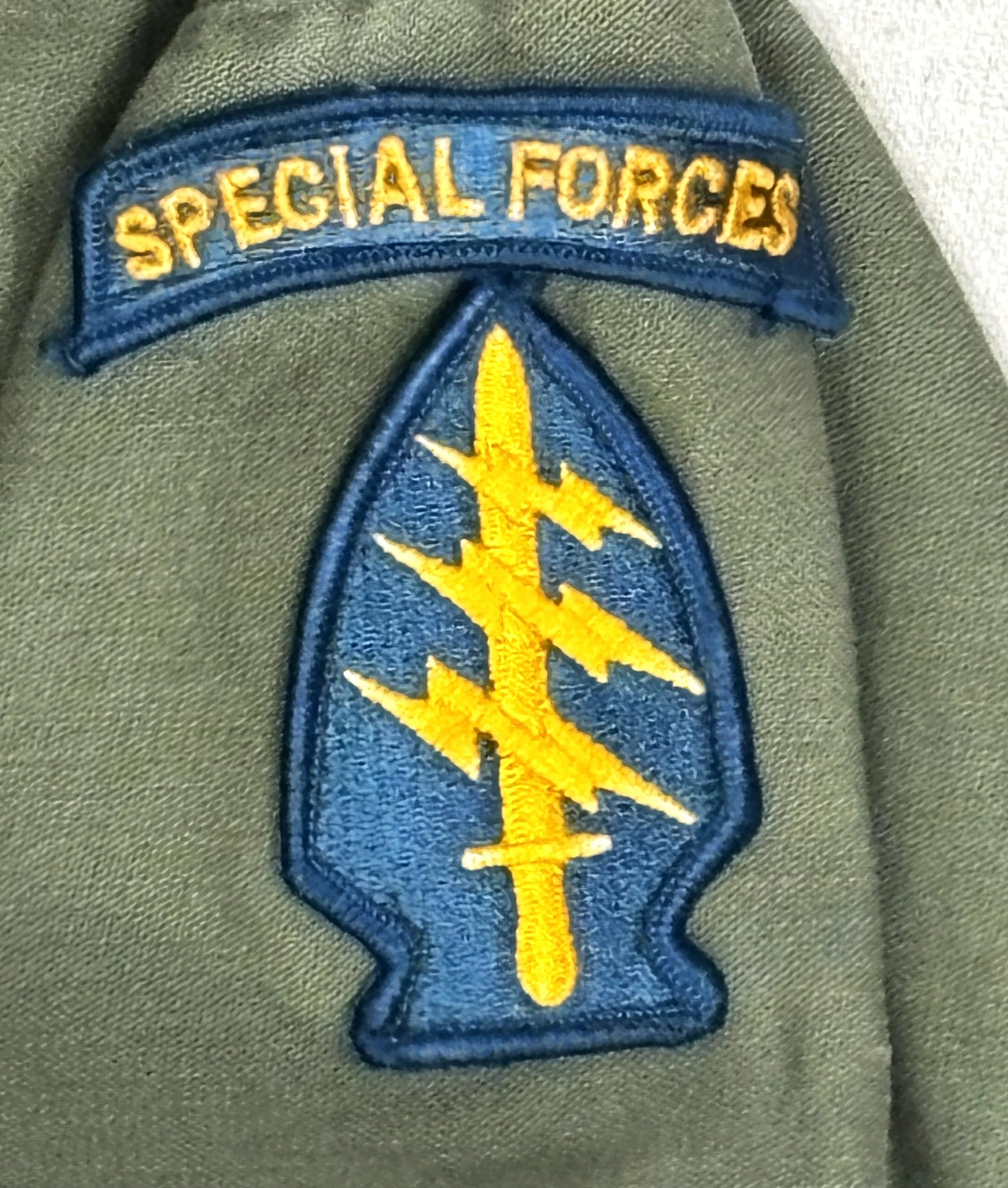
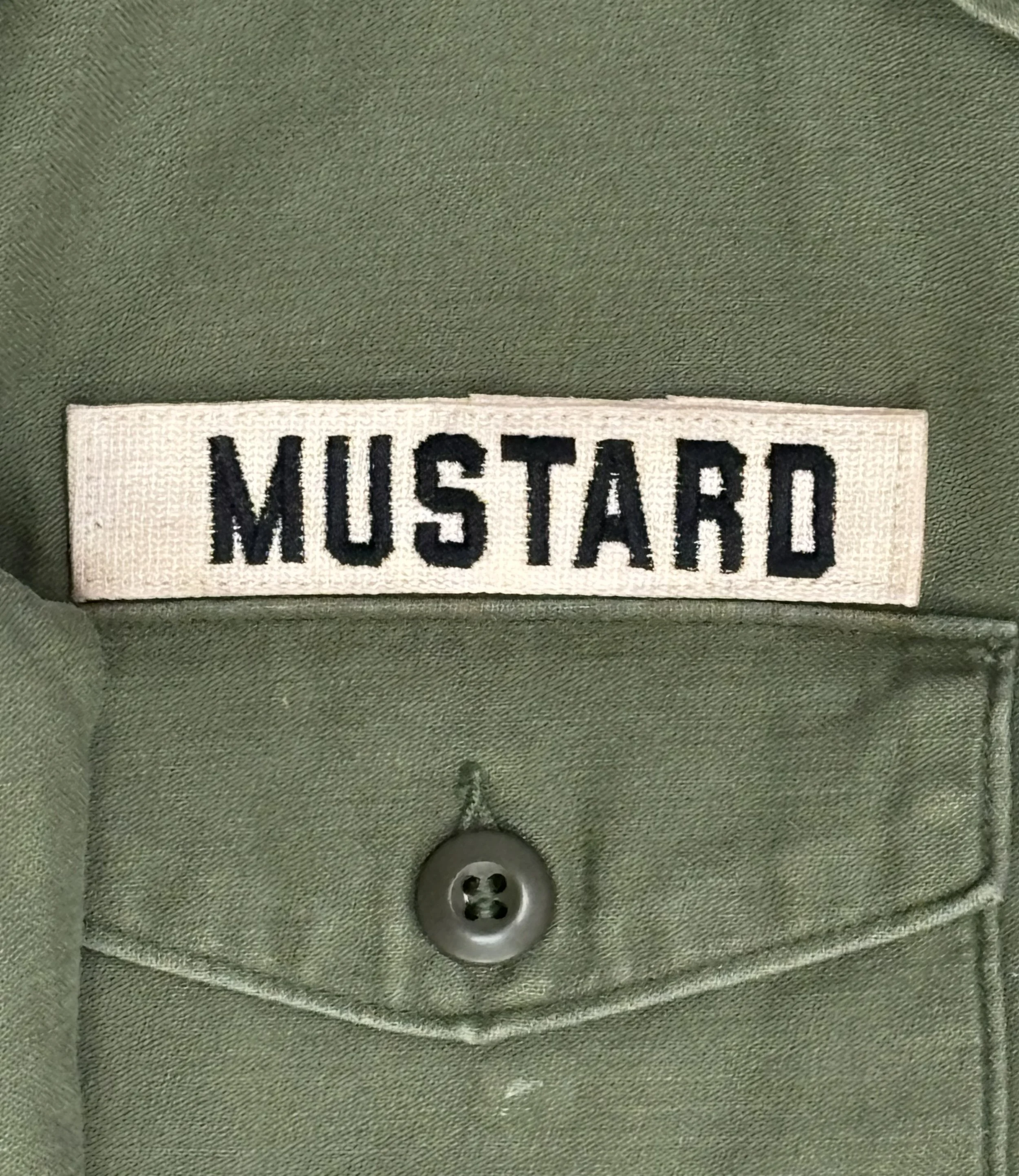
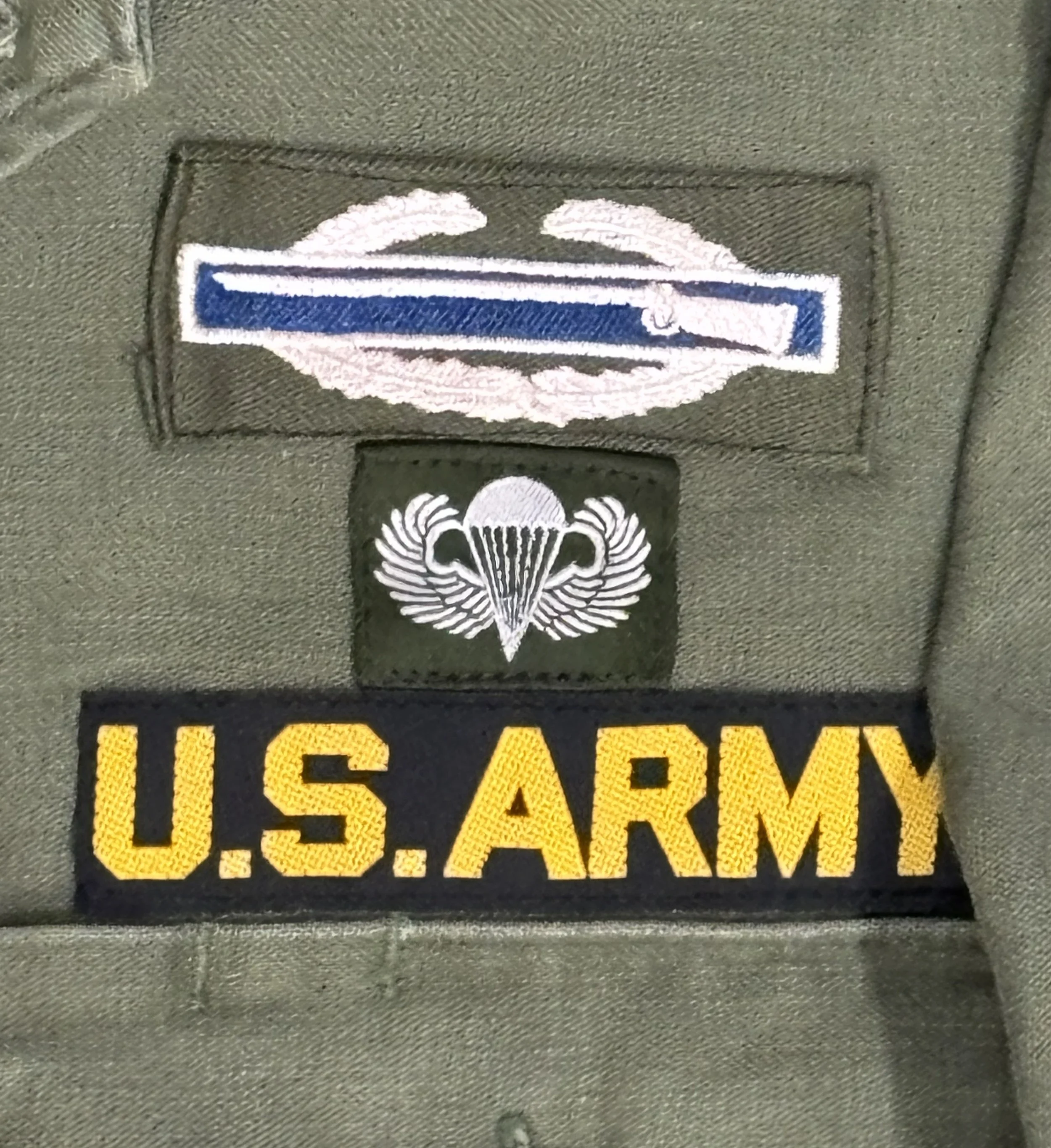
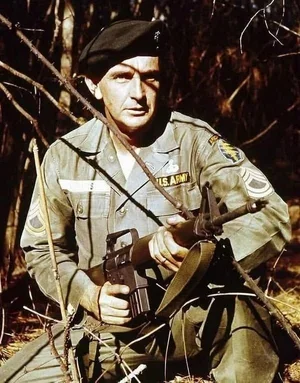
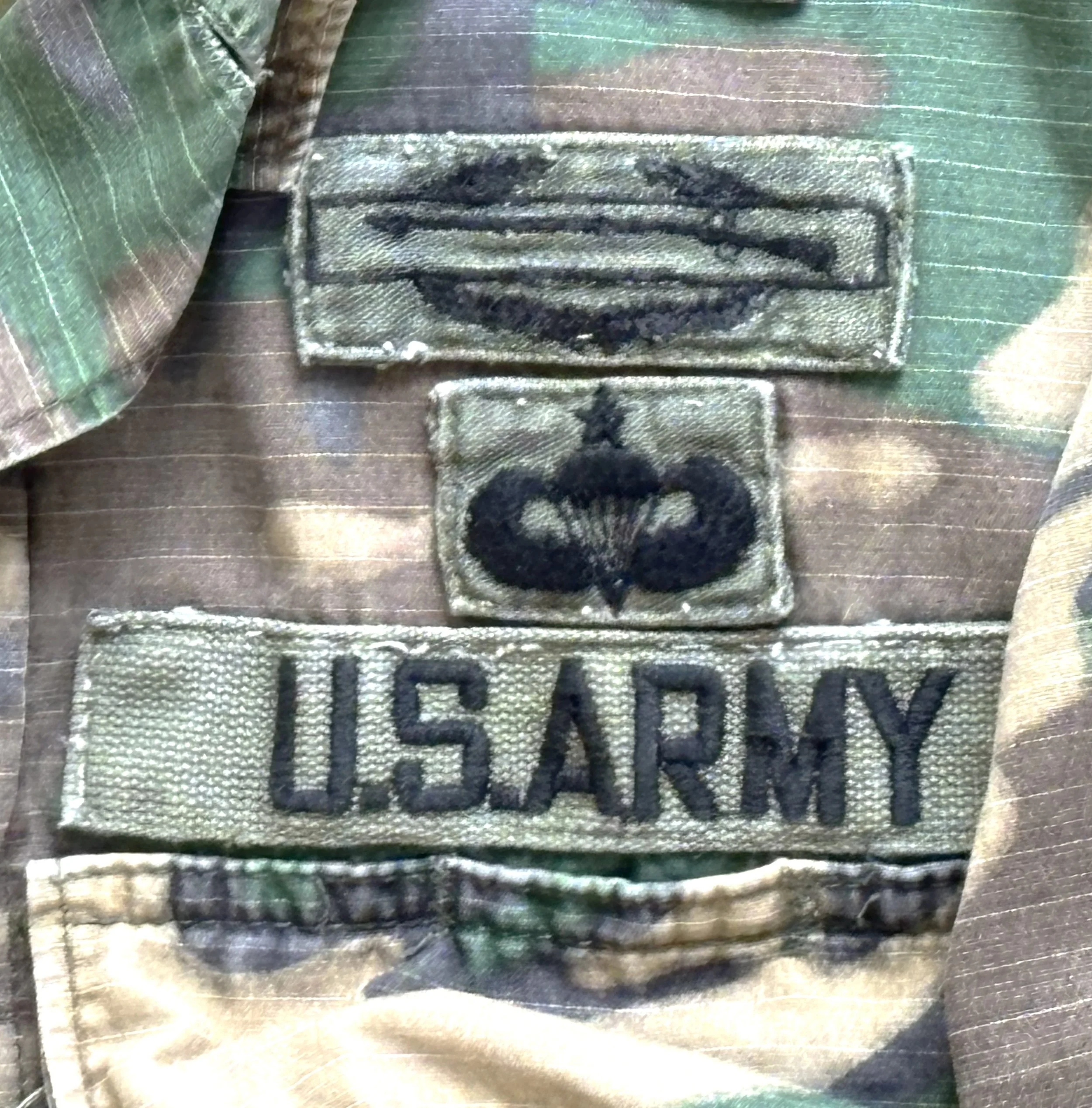
Like many of the Special Forces, Master Sergeant Mustard has served in combat before. He wears Parachutist Wings as well as the Combat Infantry Badge. He wears spit-shined Corcoran jump boots with starched fatigues as he prepares younger Green Berets for combat. A Master of Improvised Weapons, balistics, an Expert in international firearms, and an Armorer, he is acting as an assistant teacher with a “Special Weapons Training Program.”
The First Special Forces Group sent teams to Vietnam for six-month-long, temporary duty tours. They were at Camp Hardy / Combat Training Center, located in the Northern Training Area of Okinawa, training with the Army’s Special Forces, Navy-SEAL Teams, and some Marine Scouts, before their redeployment to Vietnam. The 1st Special Forces Group was activated at Fort Buckner, Okinawa, in June of 1957, but the 1st Special Forces Group holds the sad distinction of having first and last Special Forces soldiers killed in Vietnam.
This would be the normal, or standard “Look” of the special Forces troop throughout the 1960s, and as well as having served in Vietnam, he could have also very well served in Panama, South America, South of the border, Africa, or any number of other places the United States was trying to push its political influence. In sooting the uniform, I had to break the starch as they say, unfortunately, as the method for starching and pressing these uniforms is no longer available, and the uniform was like picking up some flat cardboard, pretty radical, and was considered really cool, or, strack!
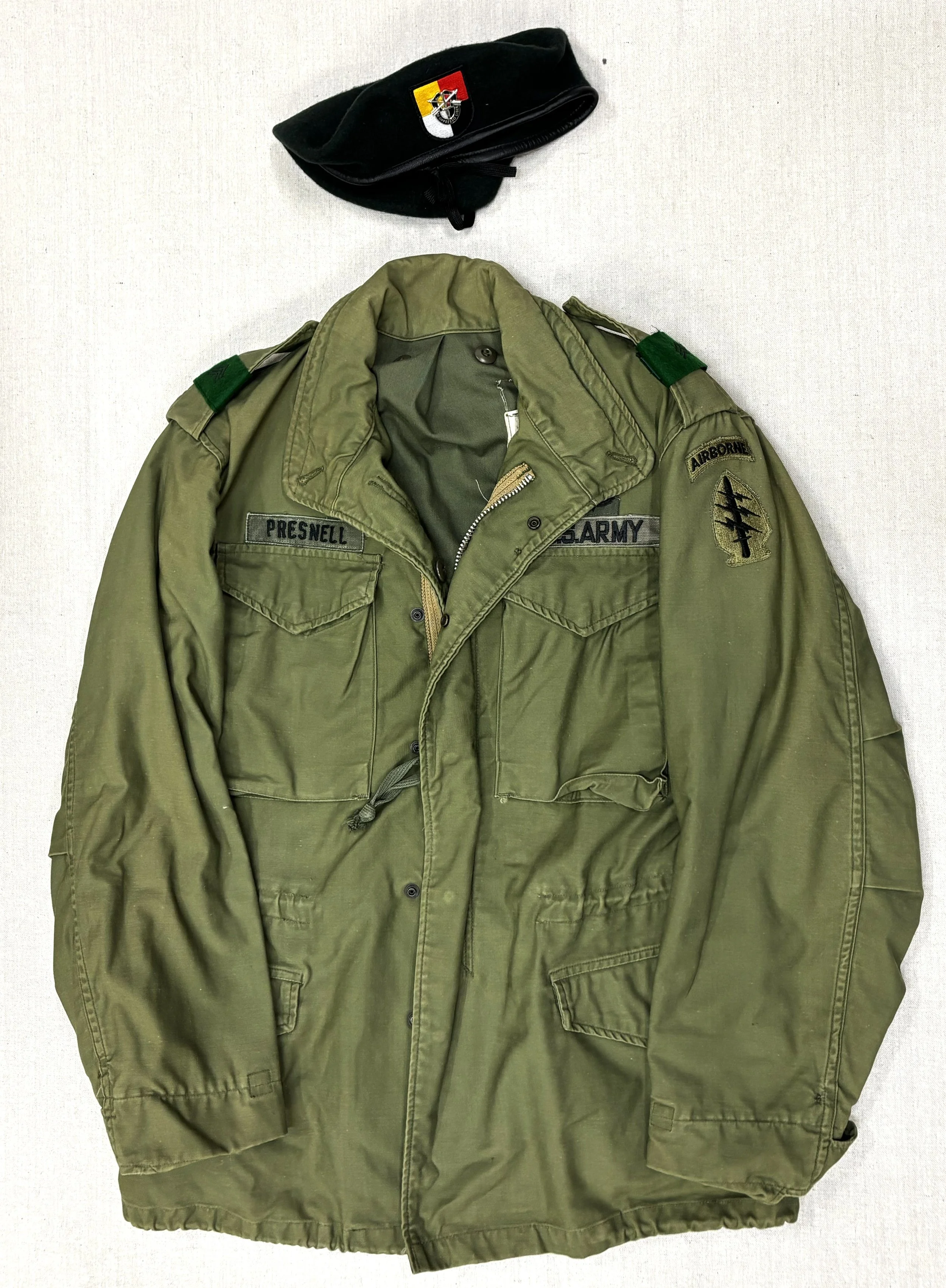
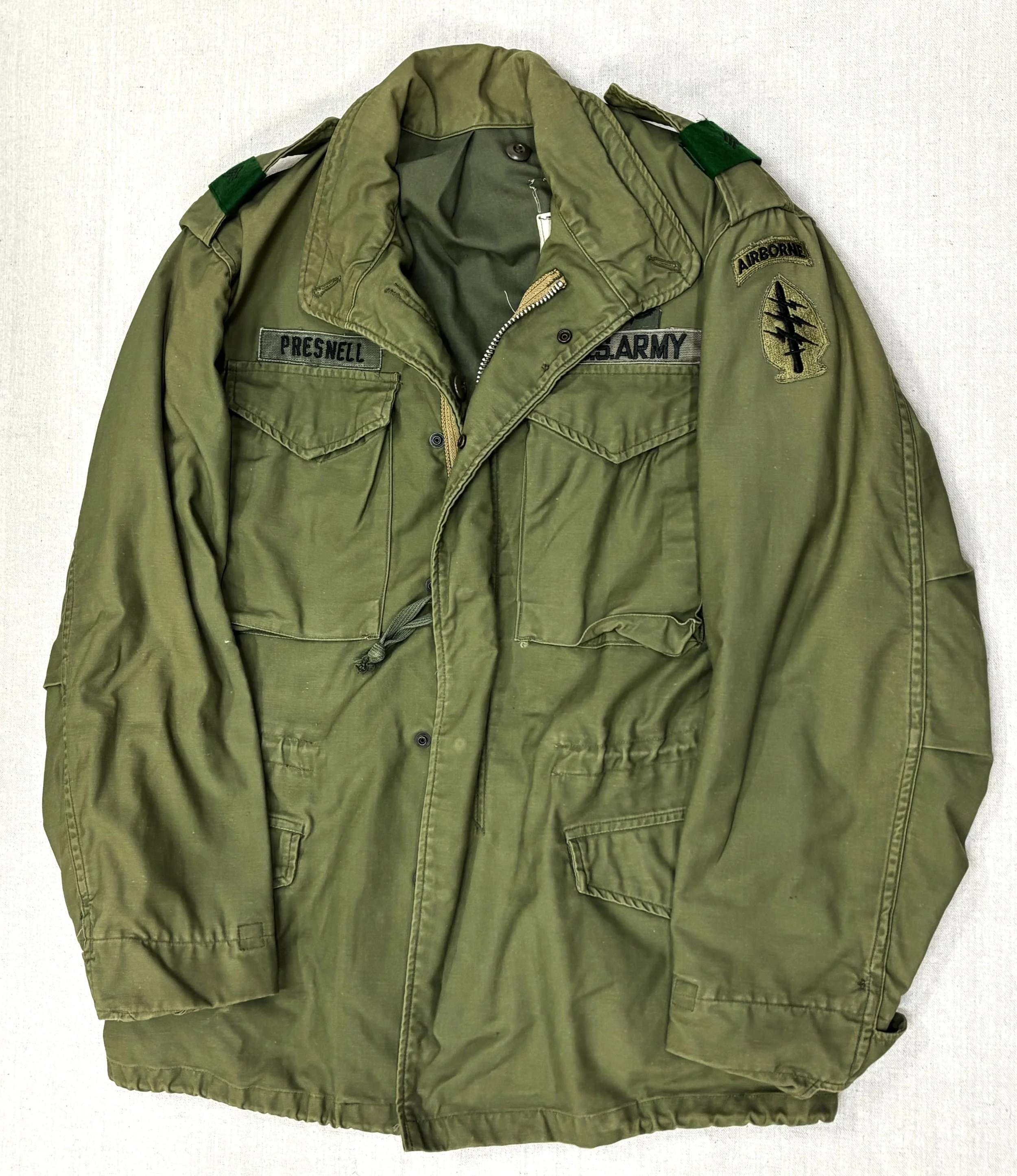
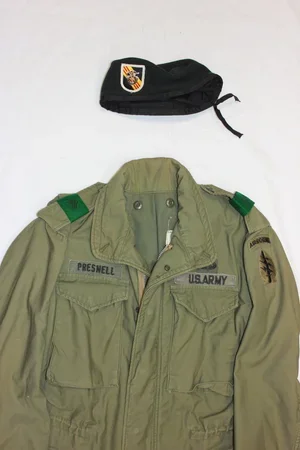
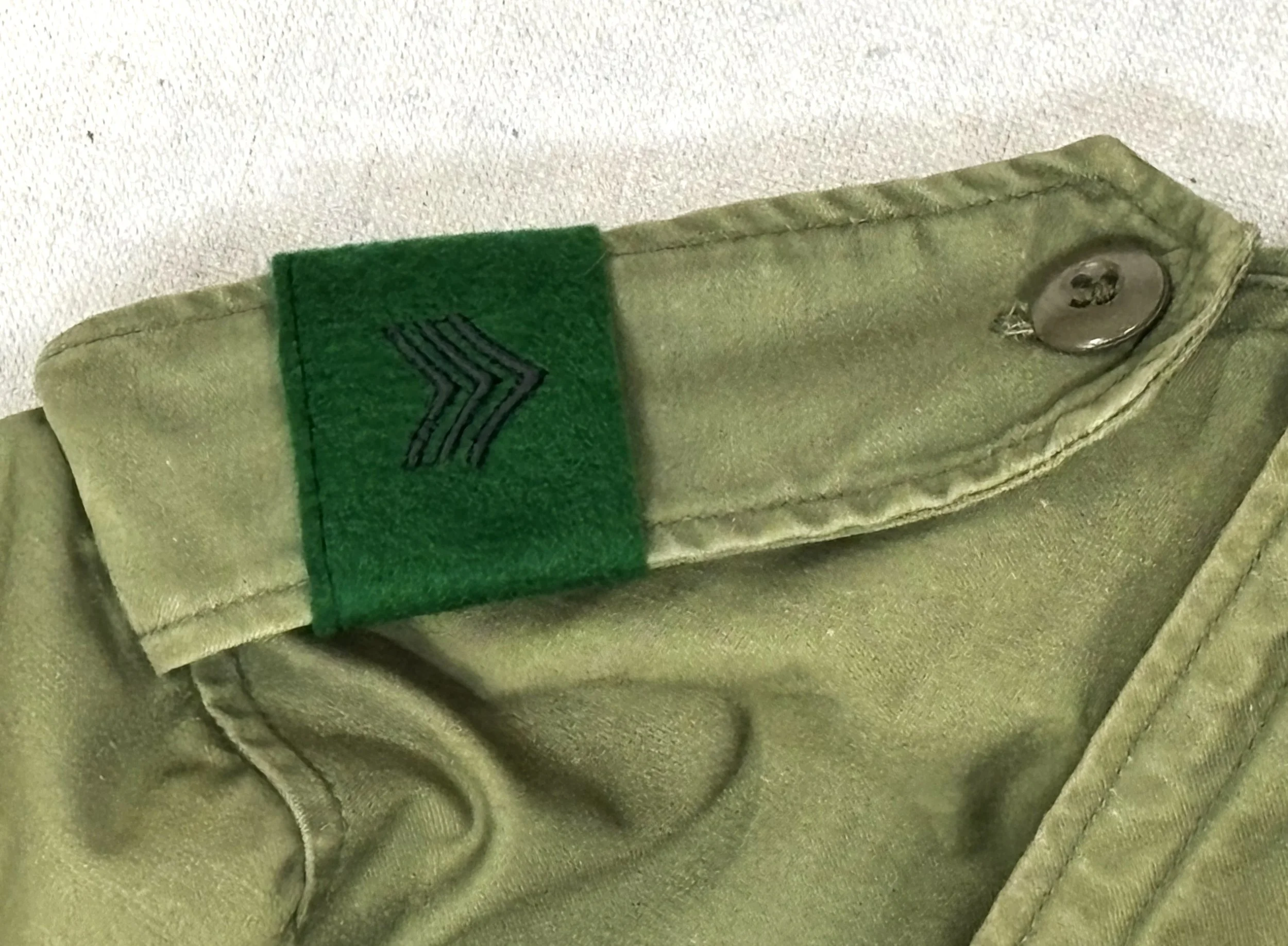
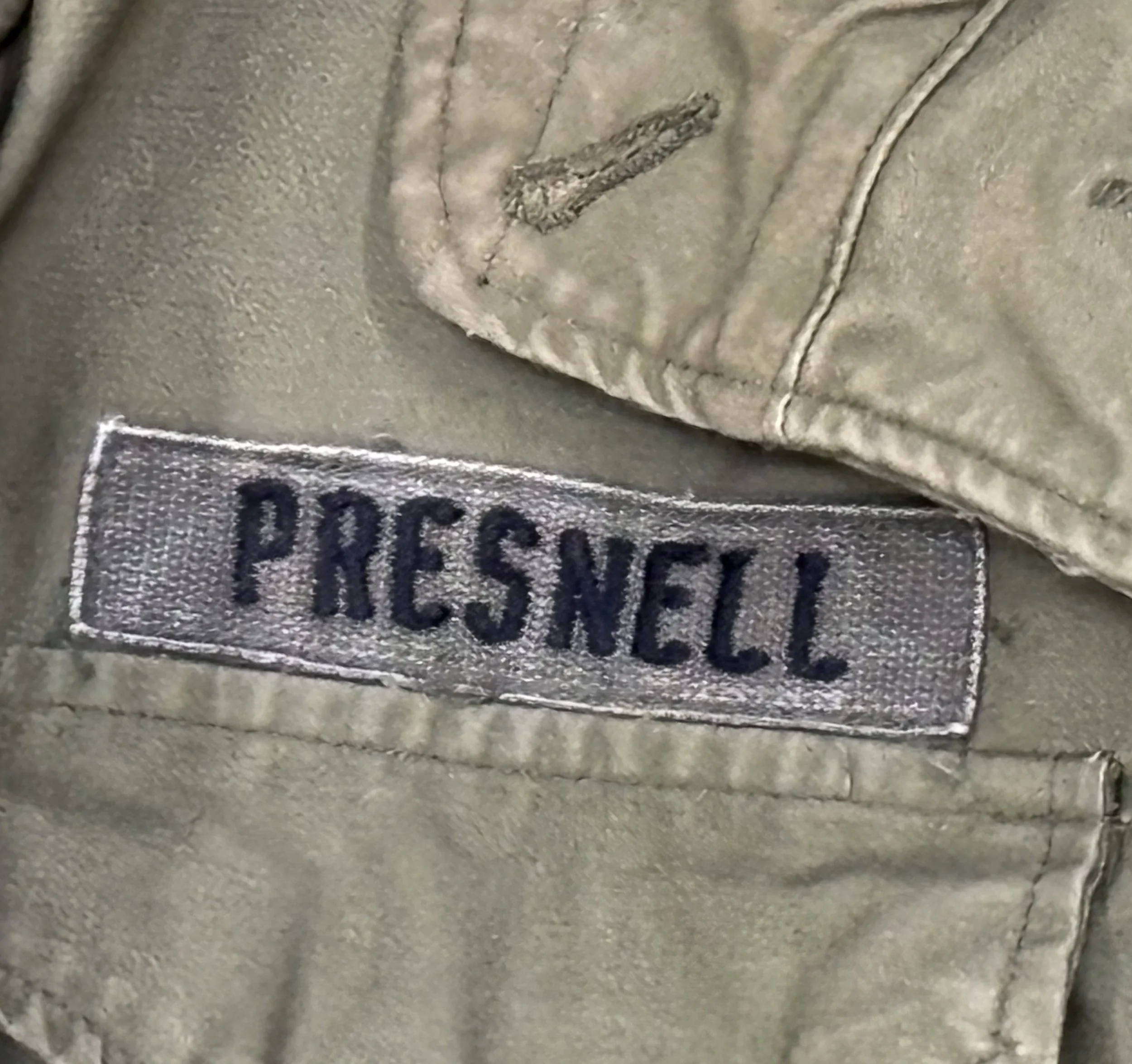
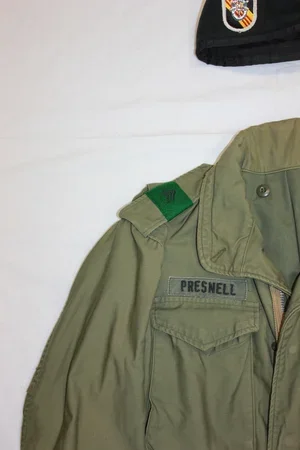
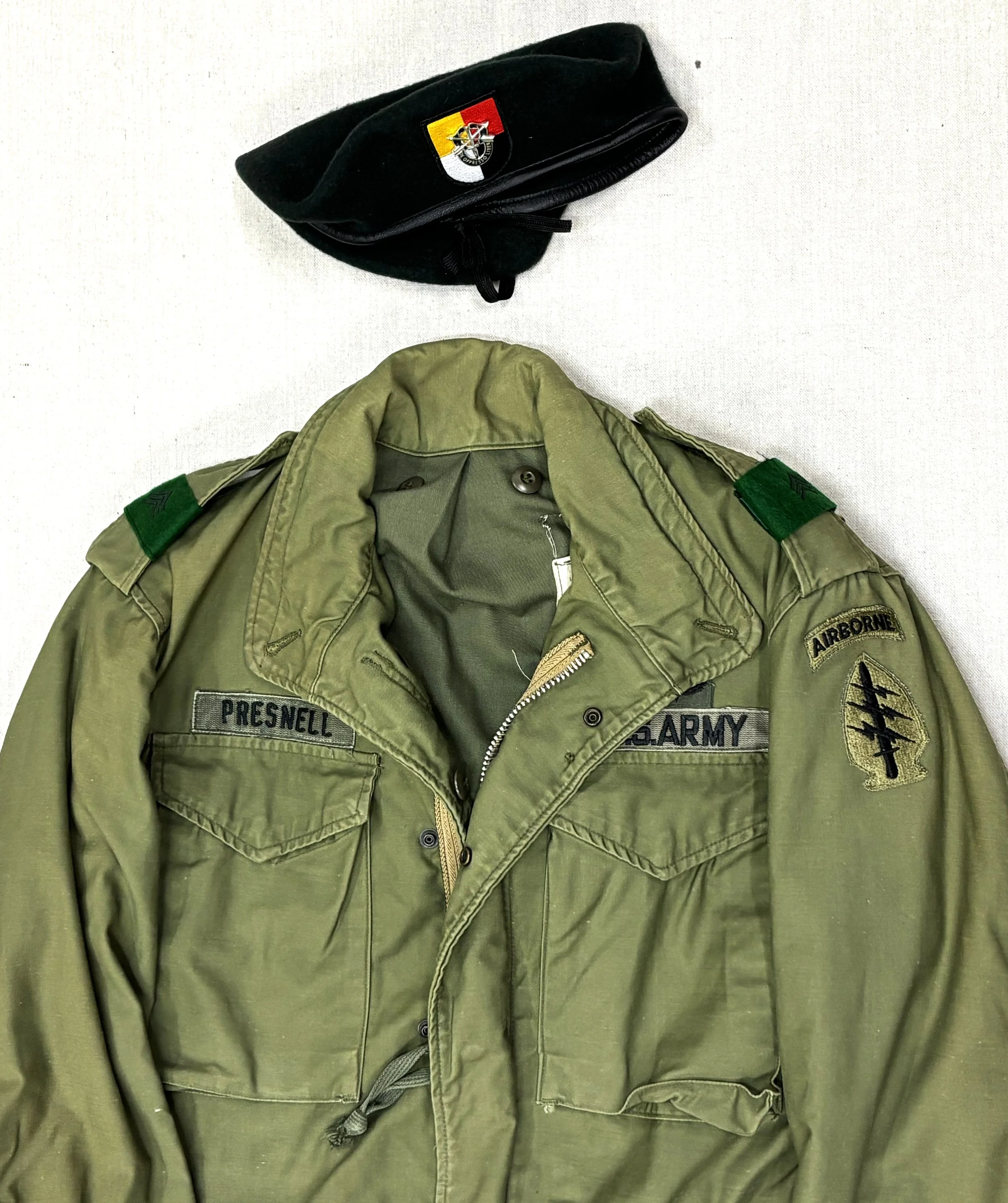
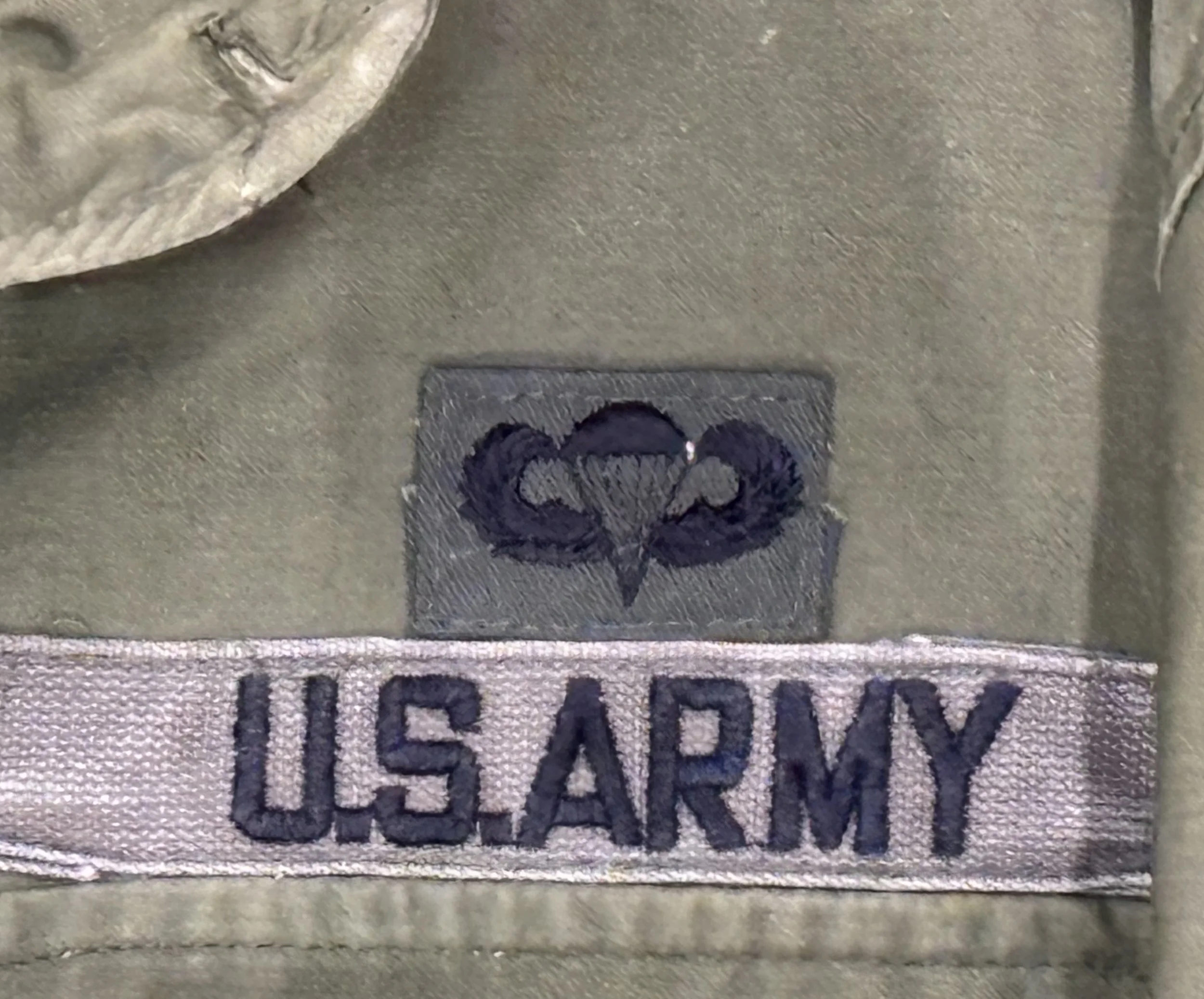
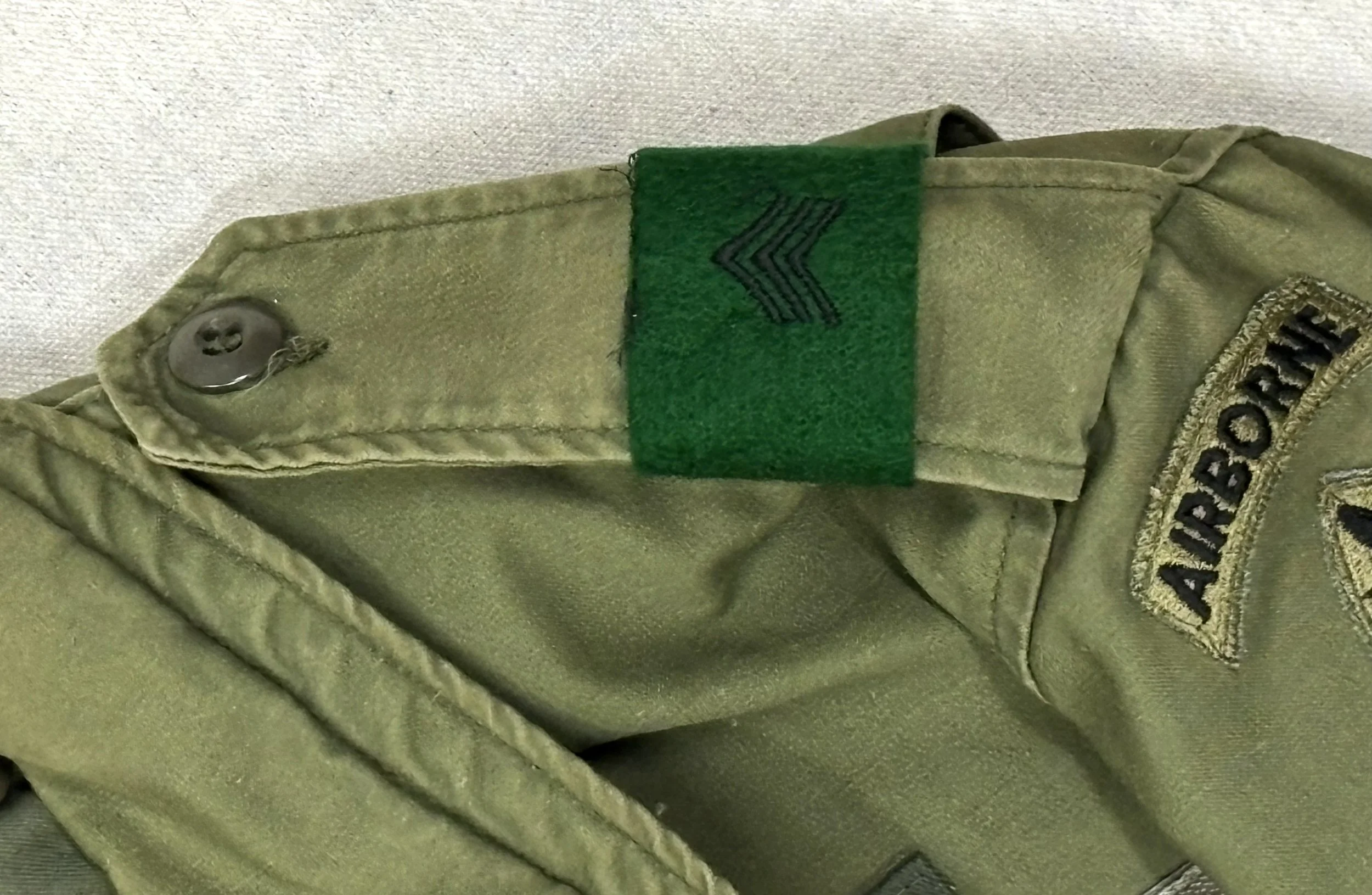
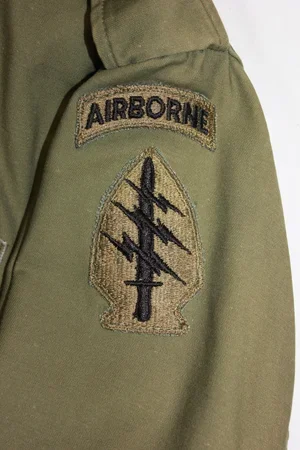
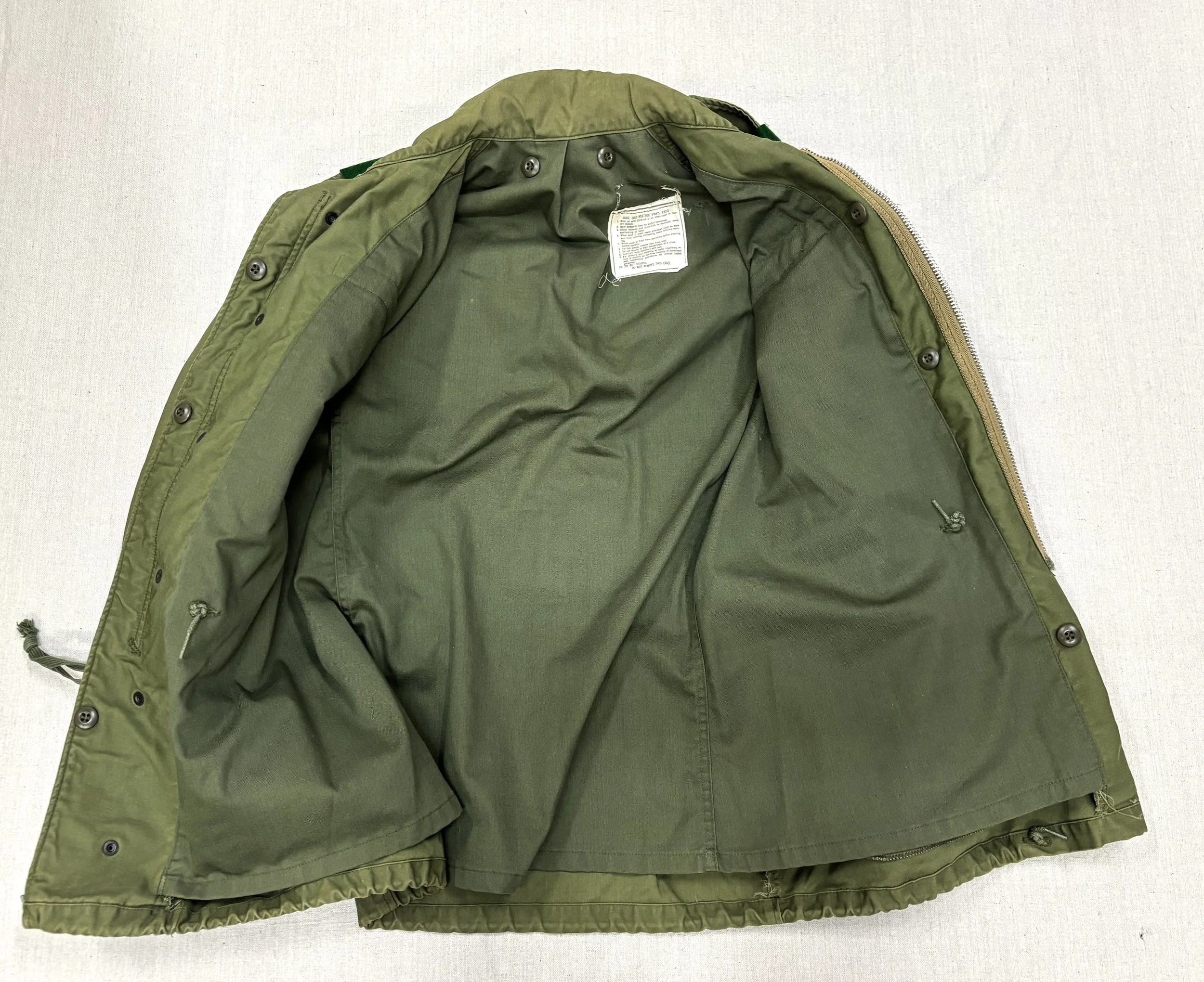
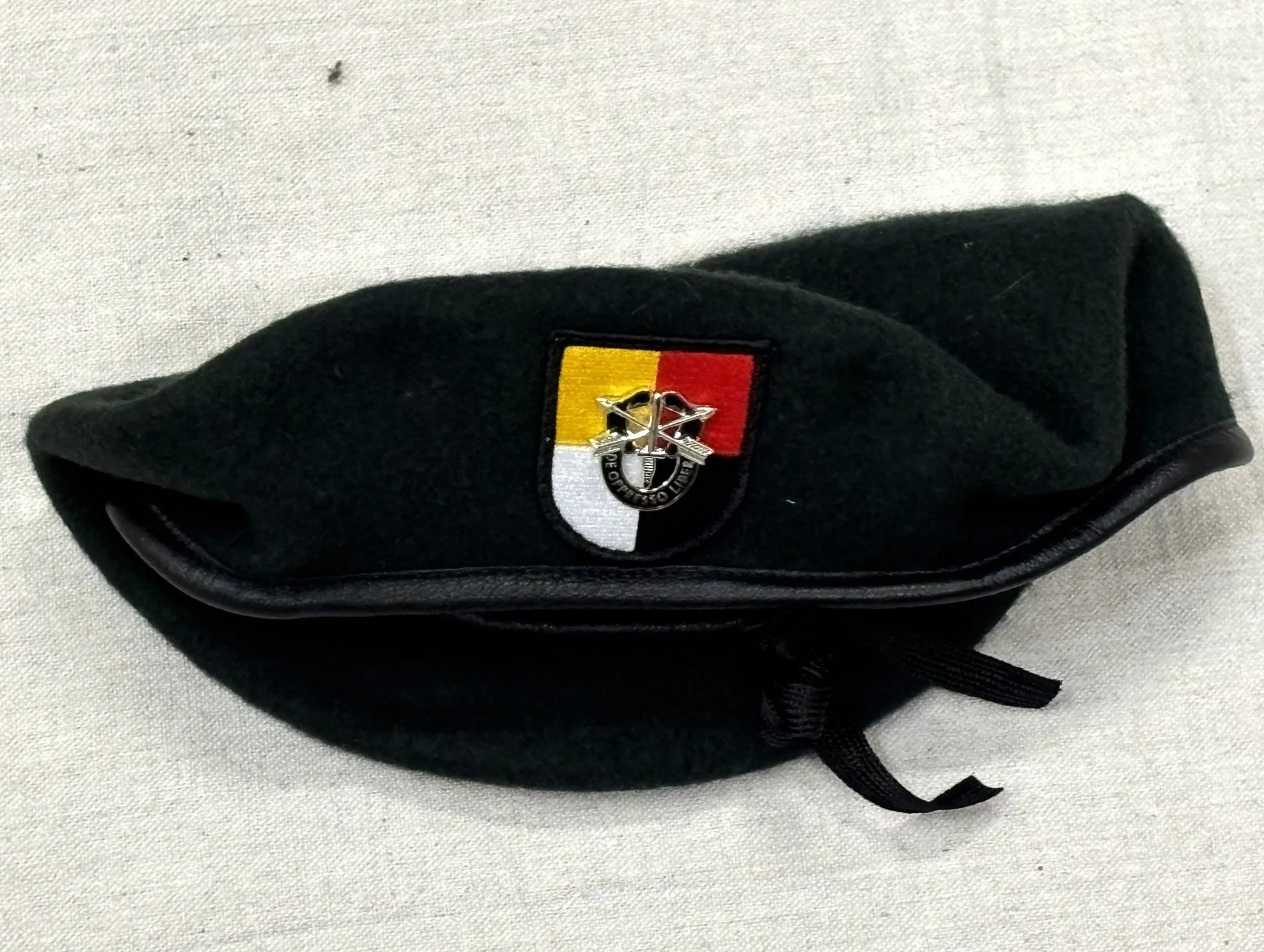
*UPDATED: Sergeant, Presnell, 3rd Special Forces, Fort Bragg, Late 1960s:
Under winter conditions, the old M1965 jacket, which had a liner that could be and would be installed by buttoning inside the jacket, and winter issue hats were used, though the beret was preferred till necessary. Some special forces soldiers never received the CIB, and they never operated in a declared war, or with an infantry organization, as an infantryman per se, they were generally used as teachers, trainers, working with indigenous forces, never in divisional strength, but in small groups of 2- 3- 4 guys, less than a dozen at a time. Others received them from places like Korea, where the war never officially ended, and a ceasefire is in place. There were plenty of places he could have been involved in fighting, even though he did not receive the Badge for it. But the jacket would imply he’s stationed at Fort Bragg, and it is Winter, and winter there, I understand, can be quite cold, especially in old barracks. Anyway, it is a good example of a typical M65 field jacket. He is also in the position of a team leader, with green loops on his Straps. We think of Special Forces in South-East Asia, and Tropical Places often, but likley cross train with the 10th Mountain to get acclimated for Afghanistan, and places like that, and Northern Norway, with Norwegian Special Forces “The Kracken” if given the chance. You can rest assured they’re in the Balkans and Ukraine. Training never ends for these soldiers; as long as they are Special Forces assigned, they will be continuously trained and polished to a high standard. They are up with the best, and operate all over the world.


Staff Sgt, 3rd Special Forces Group, (West Africa Operating Area) 1990s:
The typical BDU uniform of the time, after the unit’s reactivation, had not been in operation since 1975. They would also operate in the Caribbean before serving in Iraq and Kuwait. Then in 1991ccupying the U.S. Embassy in Kuwait City. Both the other two battalions of the 3rd Group were reactivated in 1992. The 3rd Group also went to Haiti in 1994 to try to get some stability there. In the late '90s, the 3rd Group helped train forces in Senegal, Uganda, Malawi, Mali, Ethiopia, Tobago, as well as others. The 3rd Special Forces Group is believed to be still operating and doing what they do.
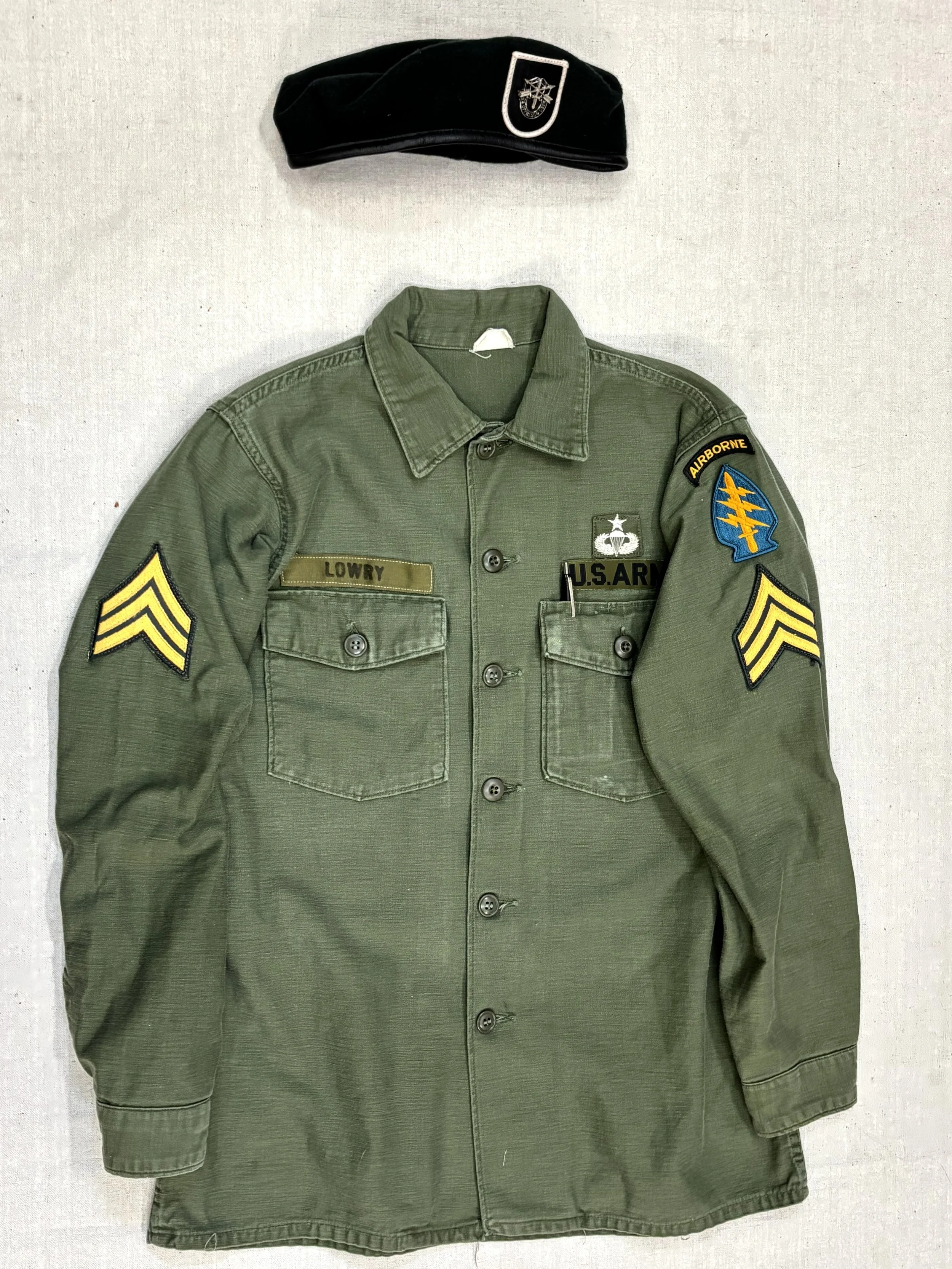
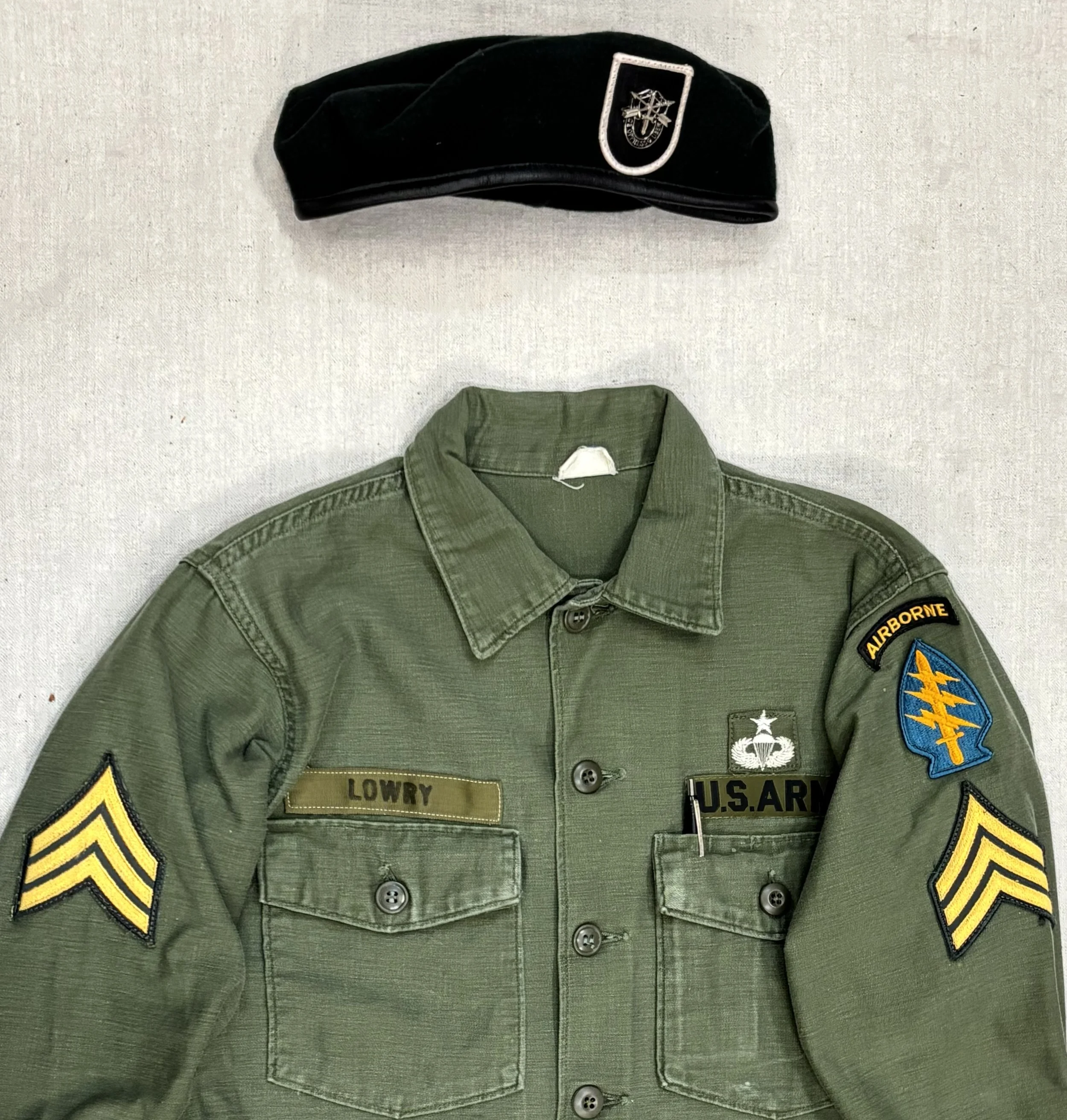
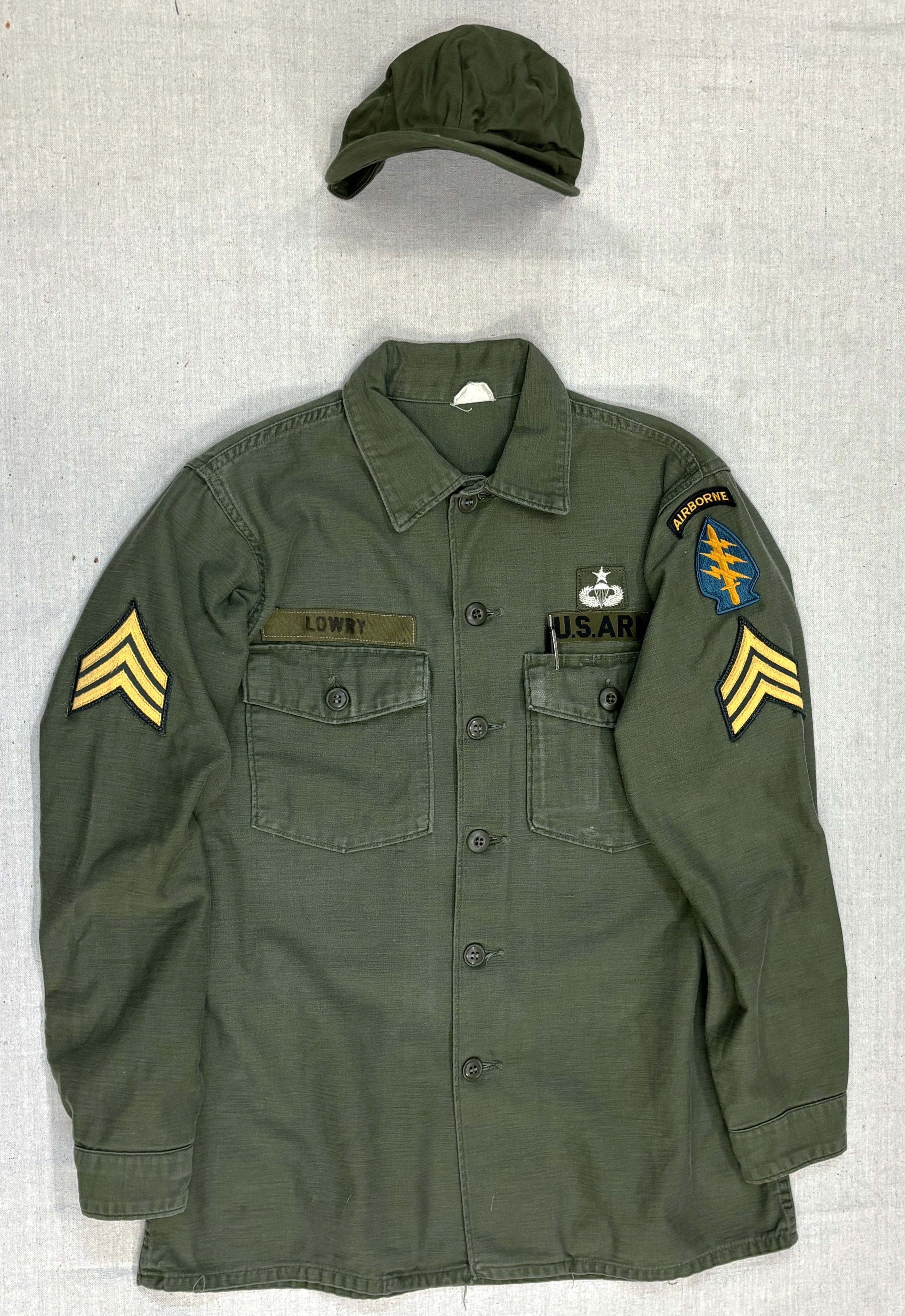
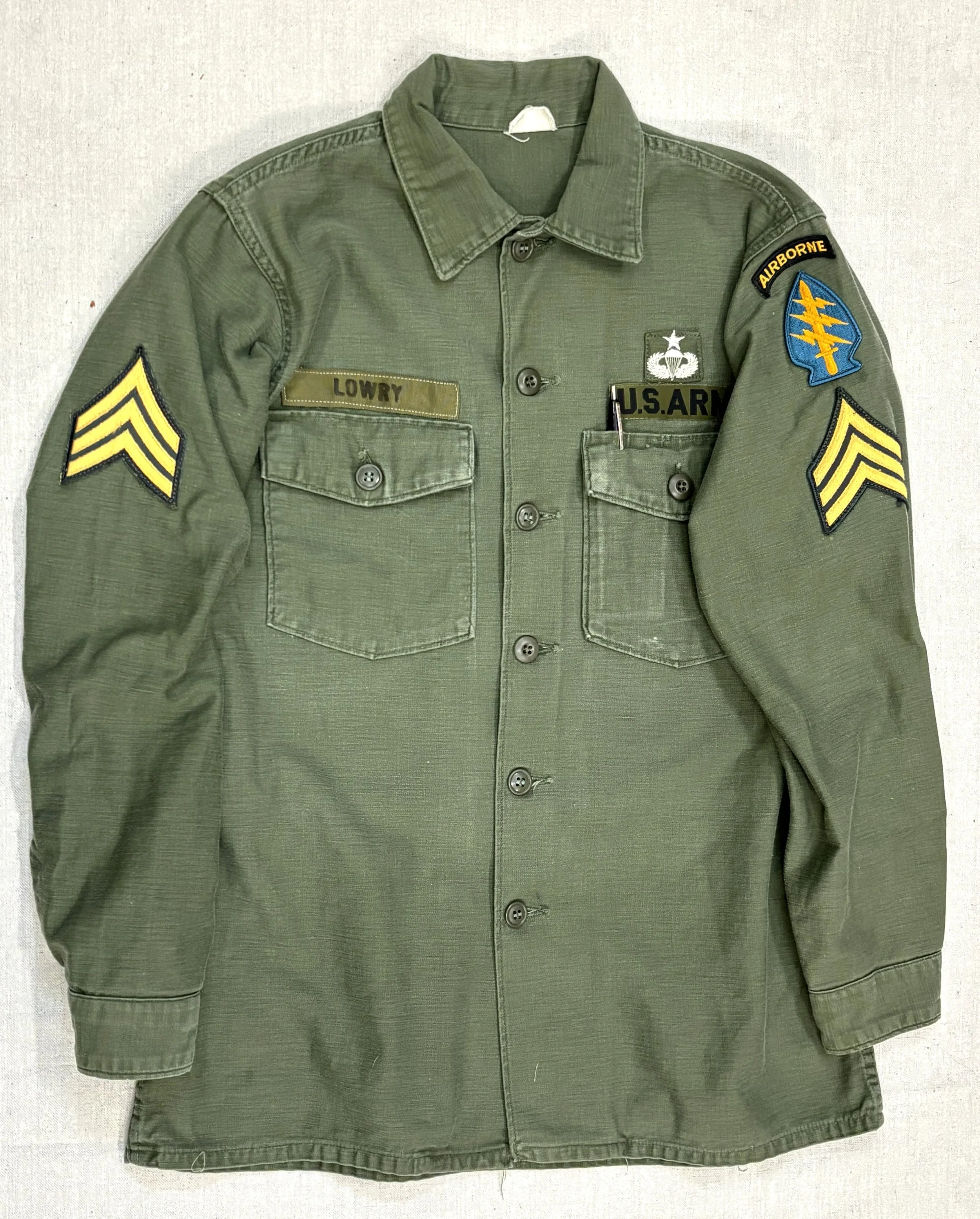
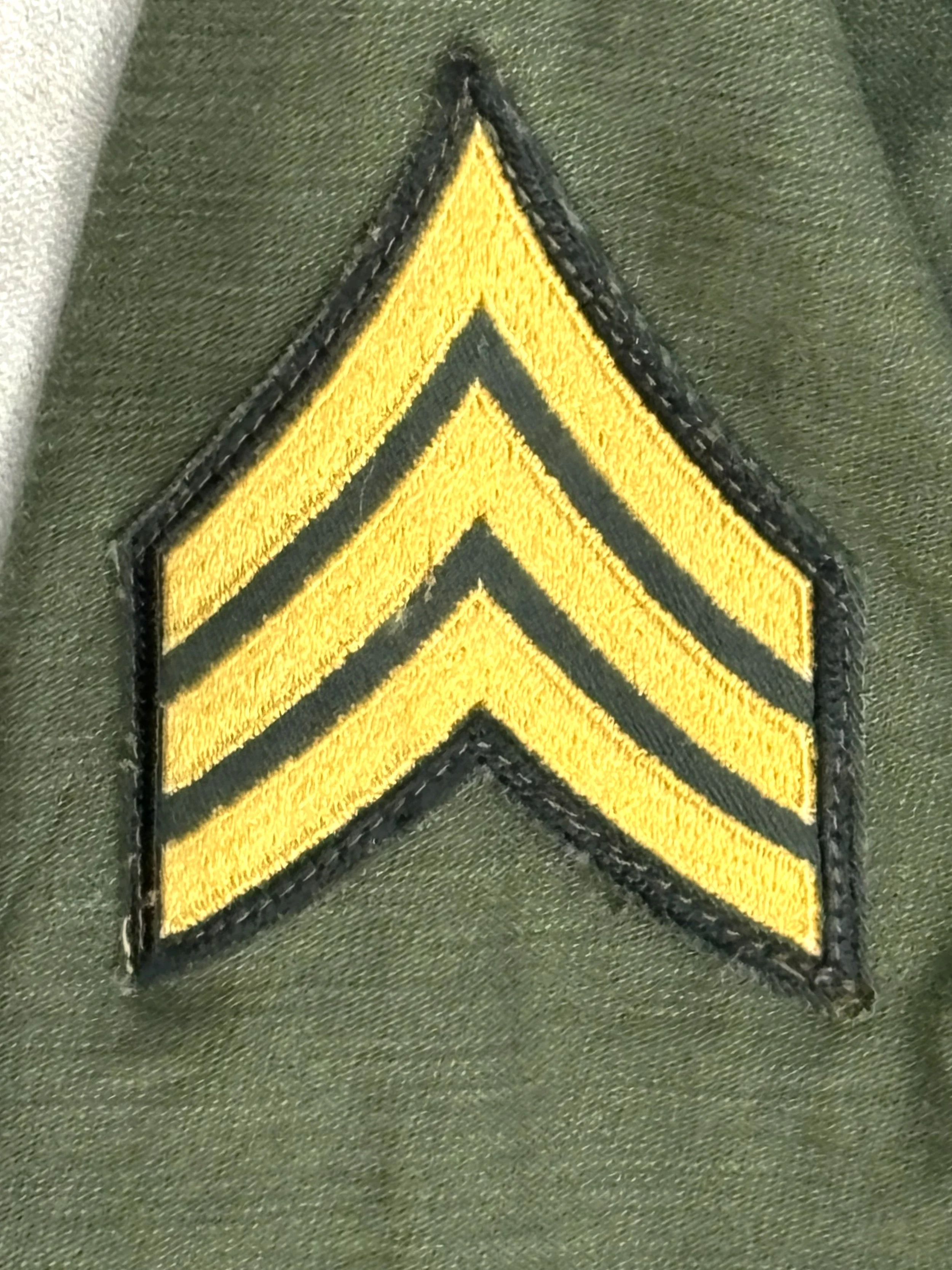
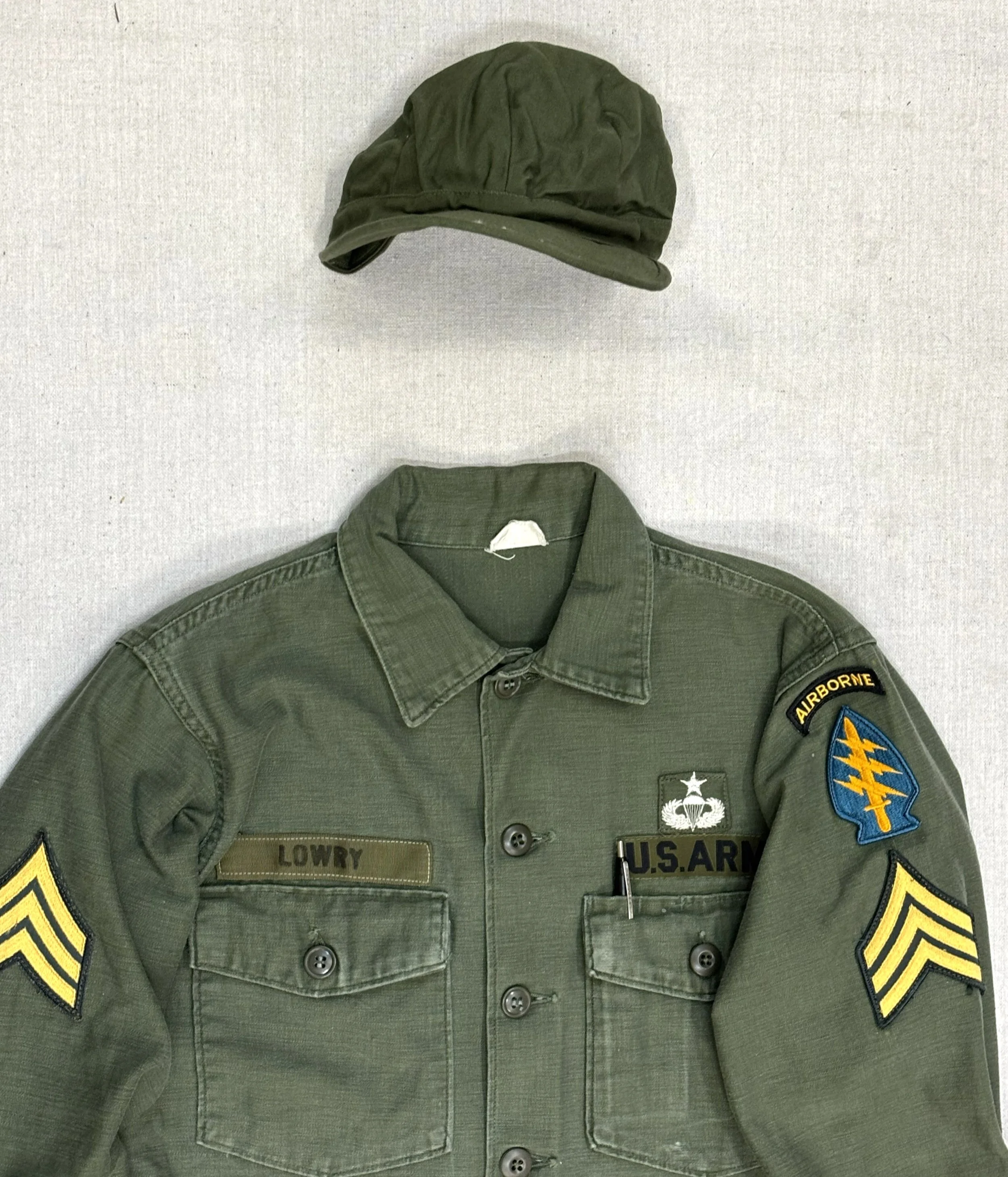
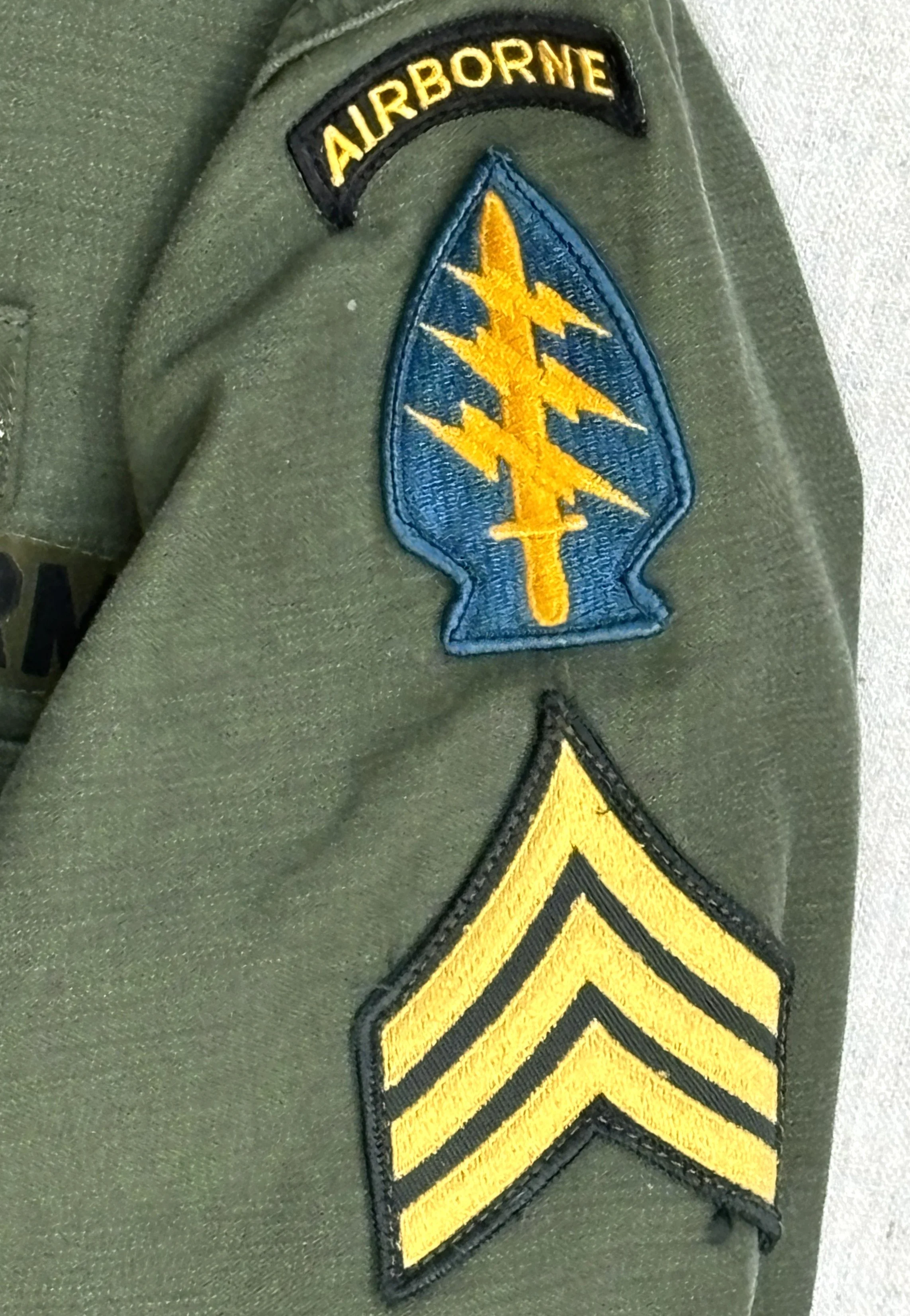
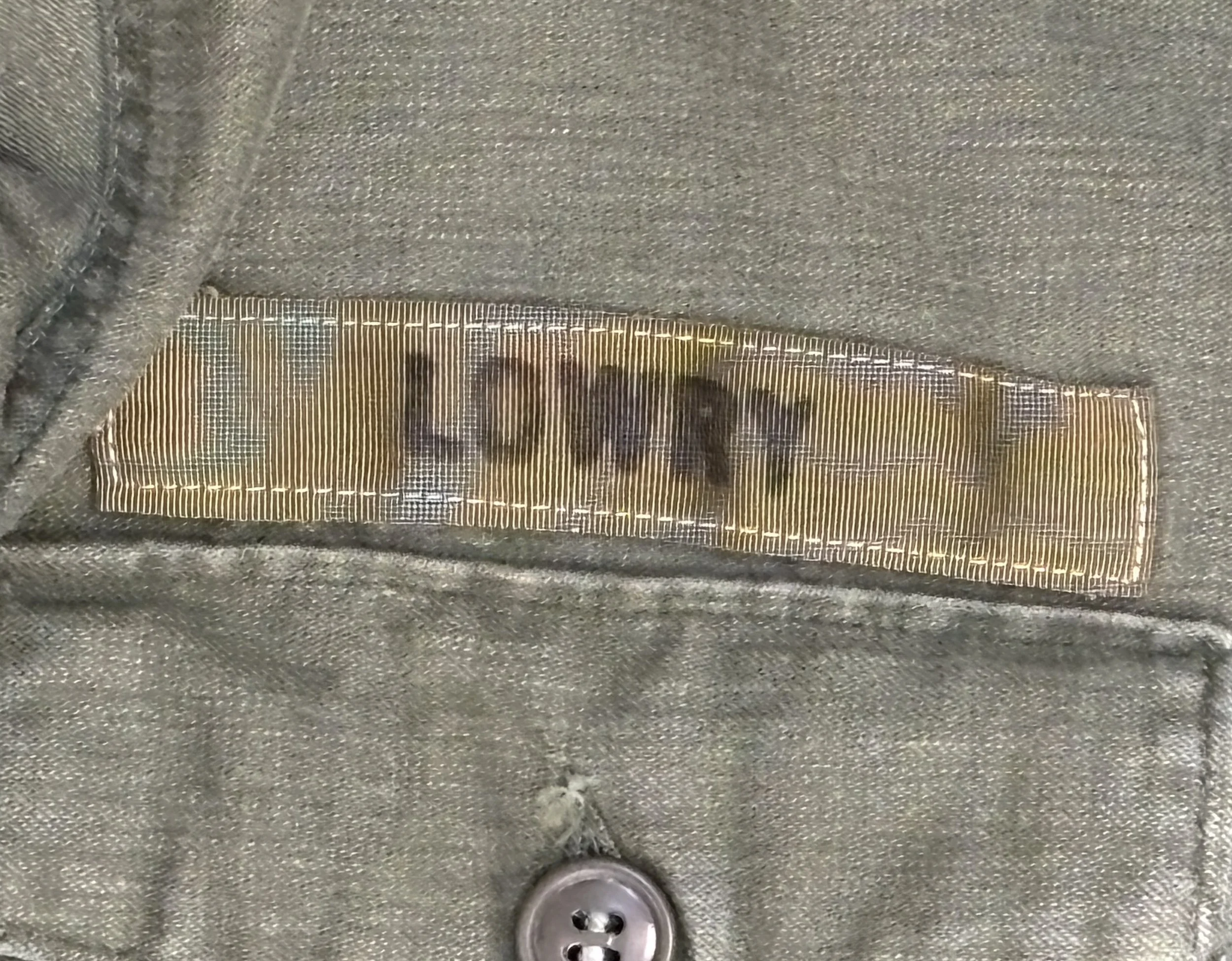
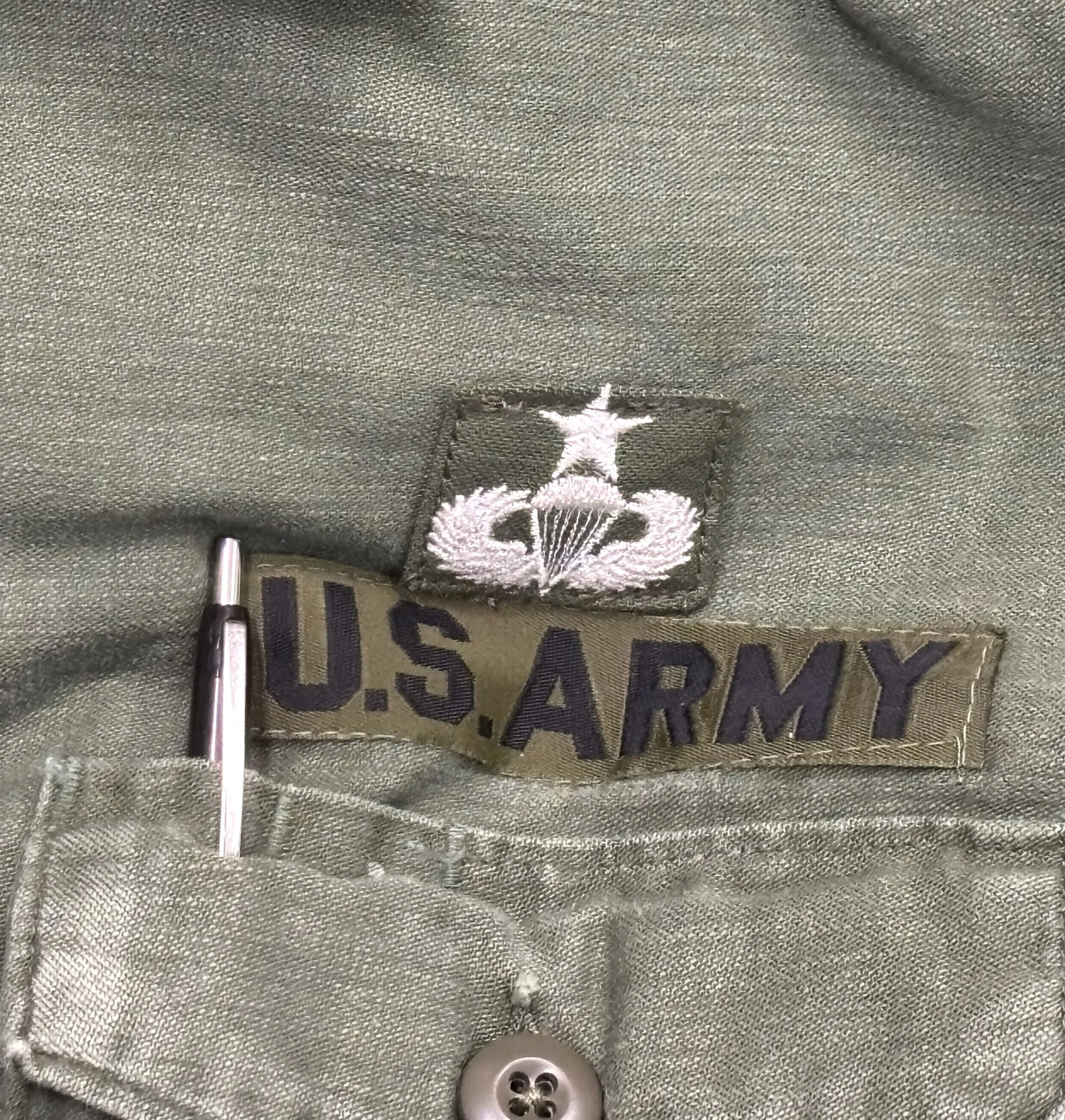
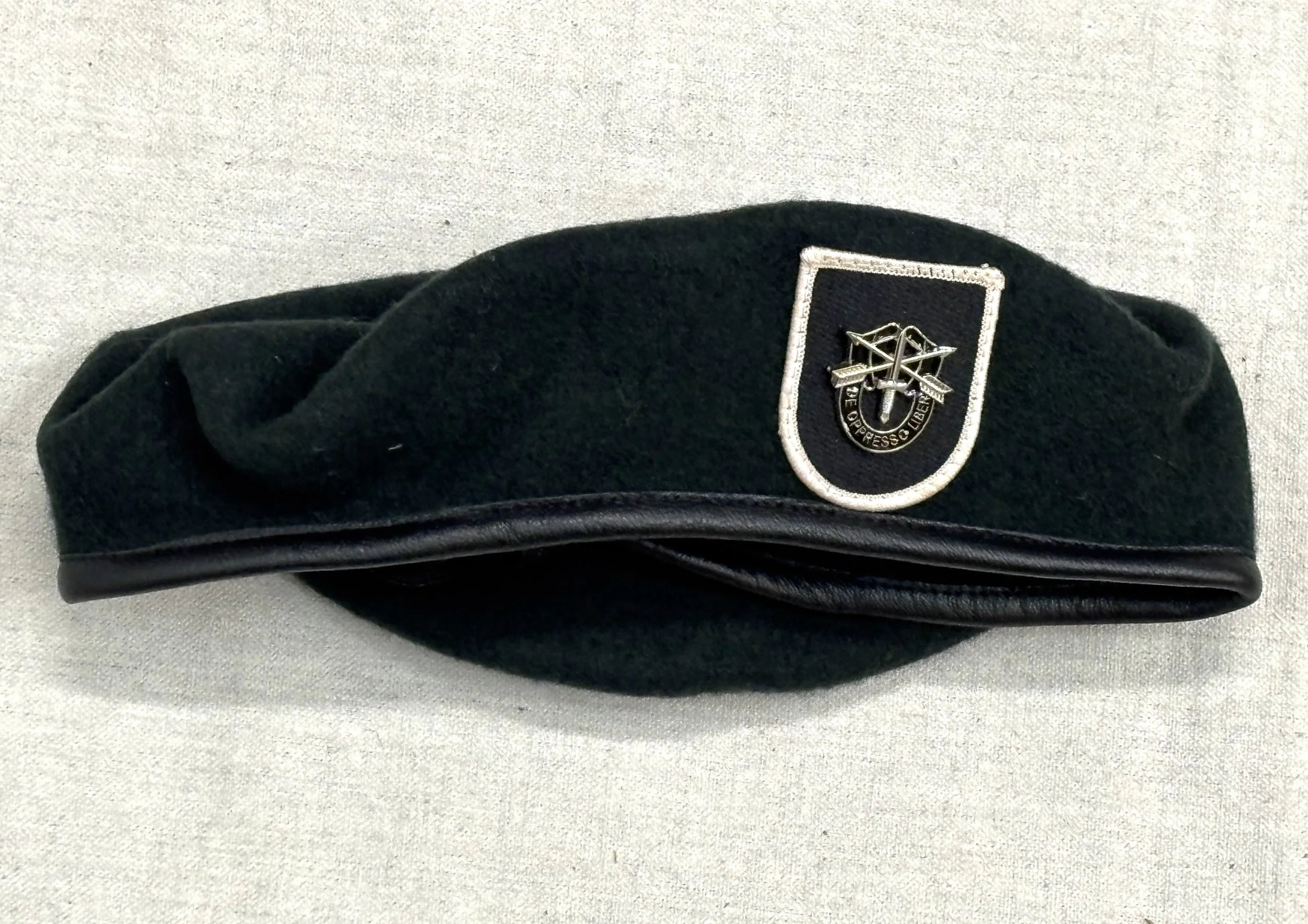
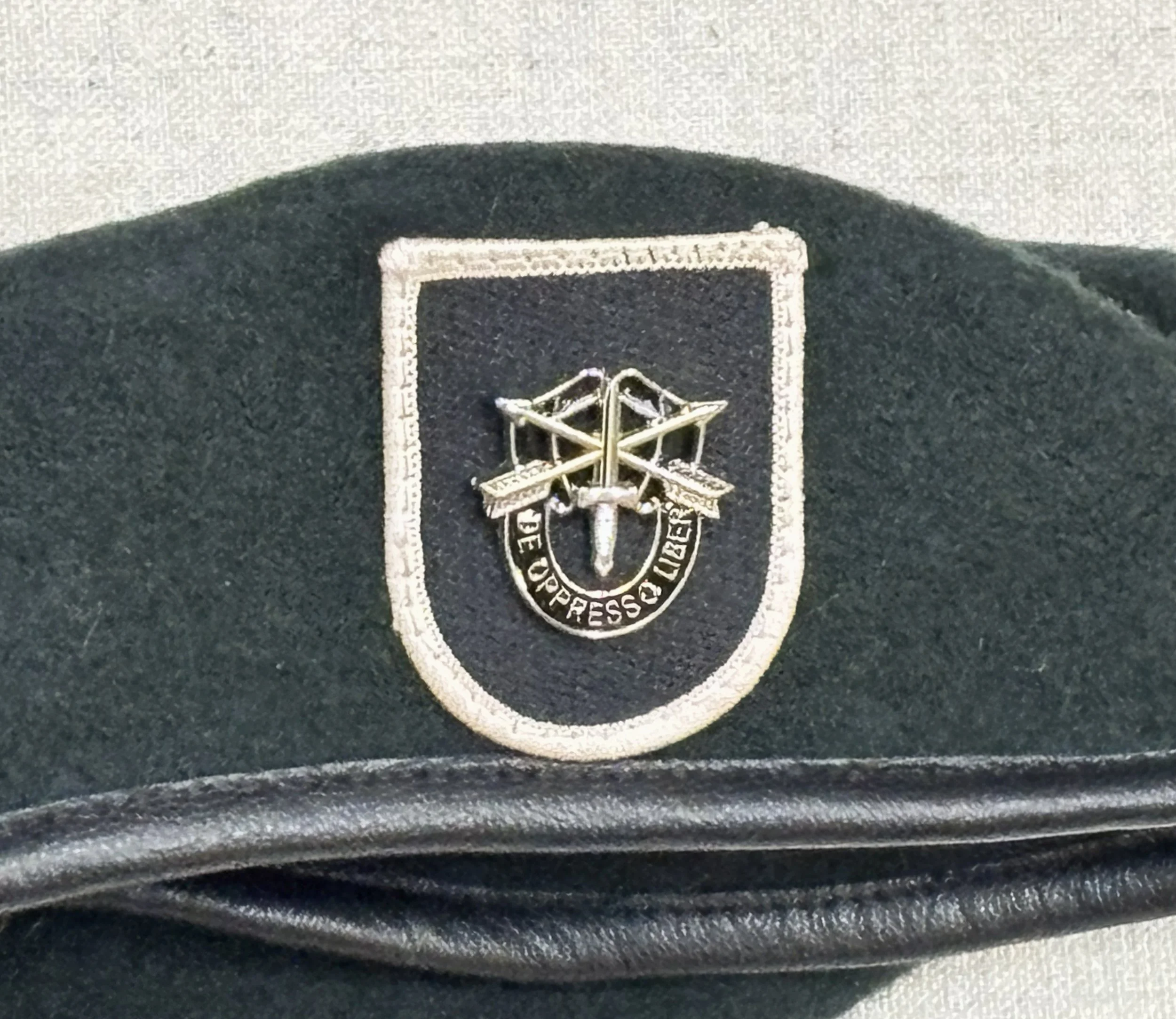
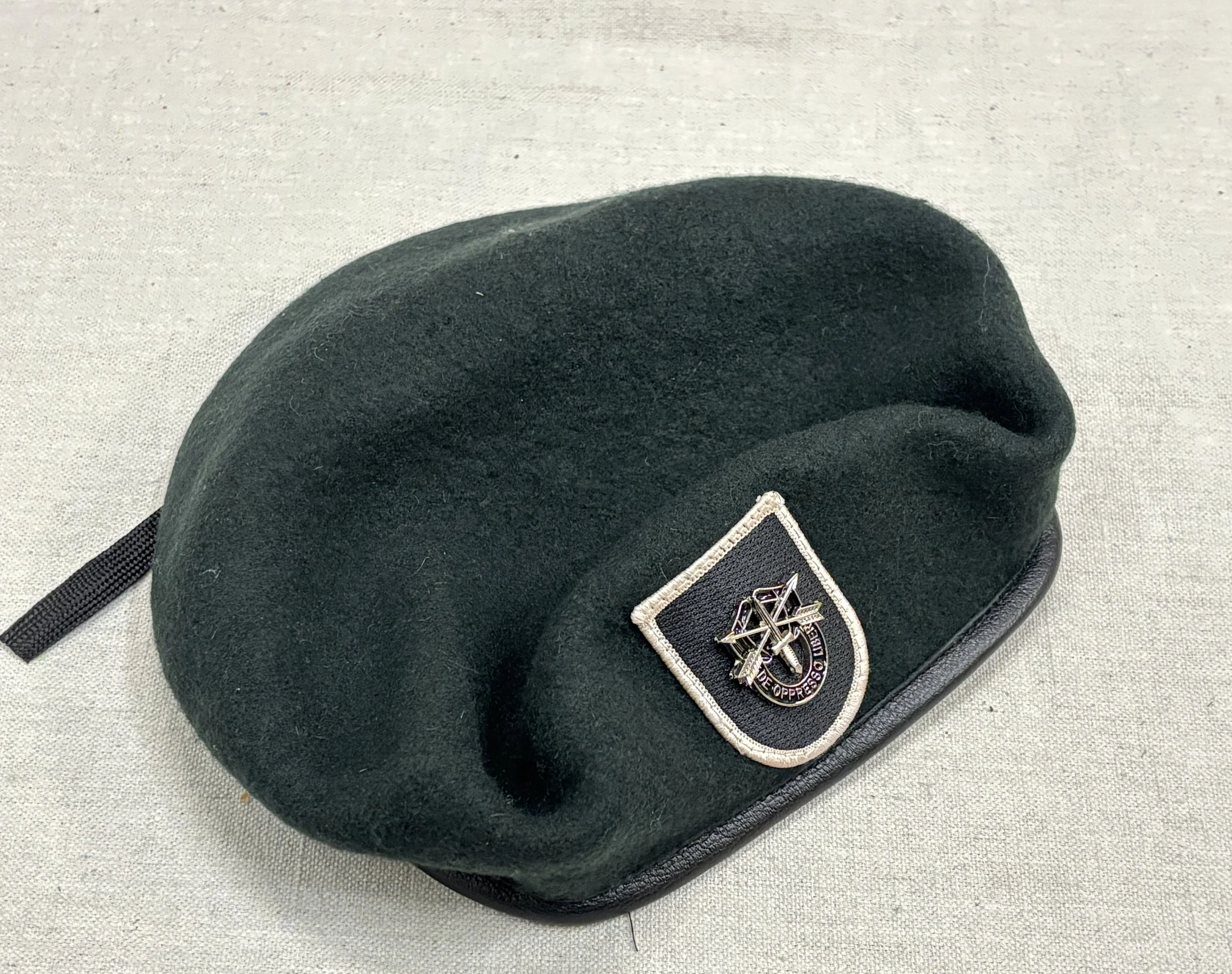
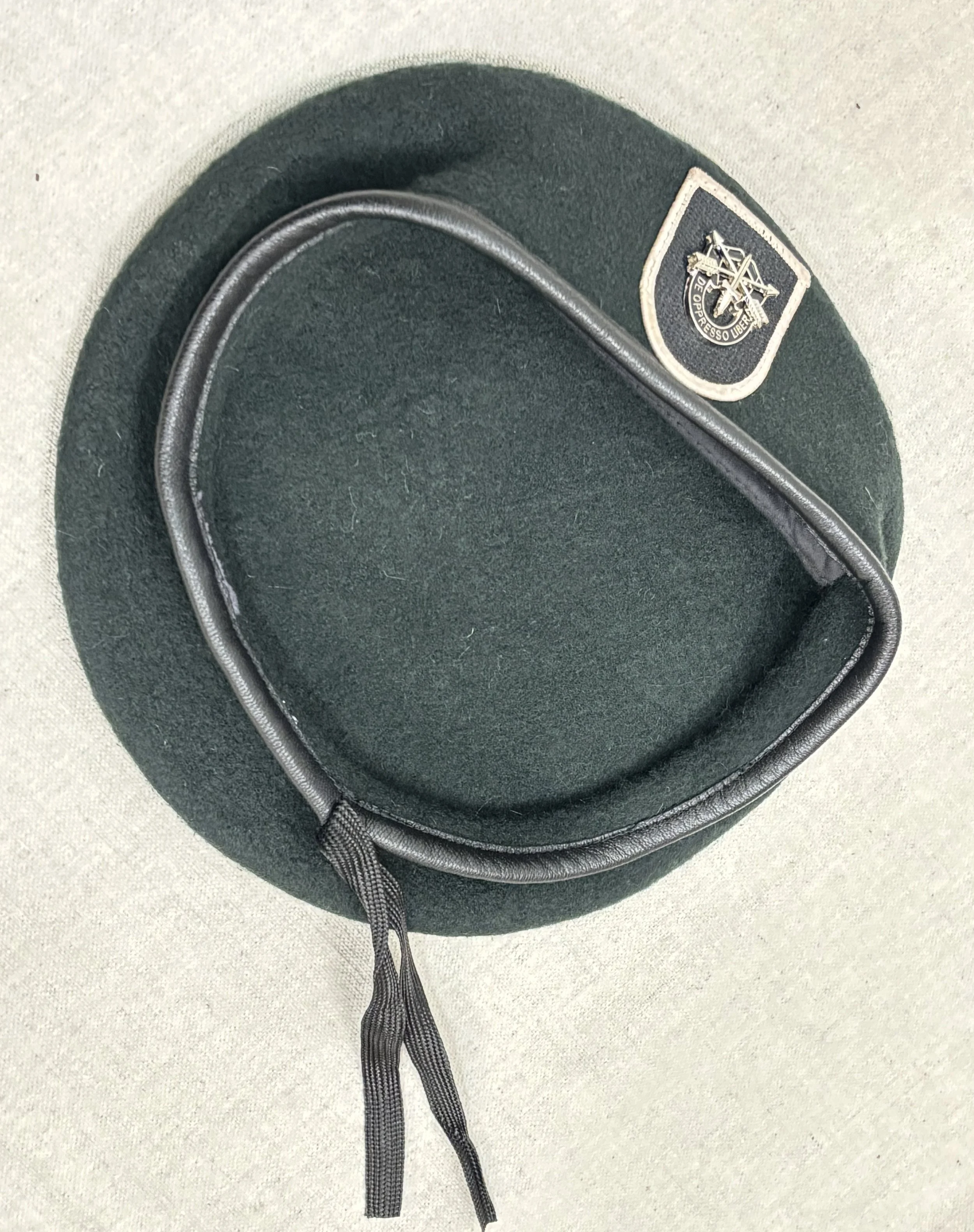
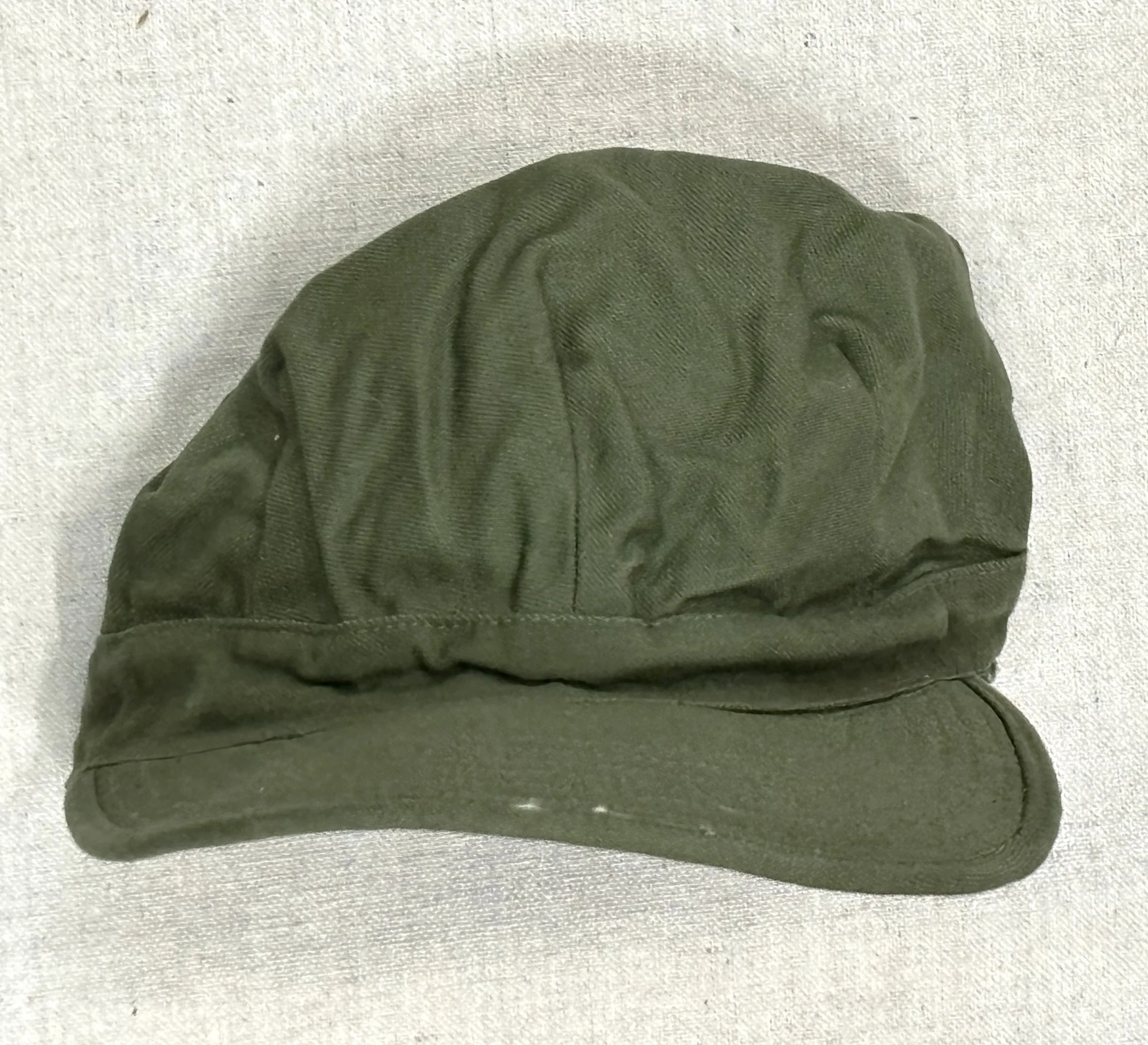
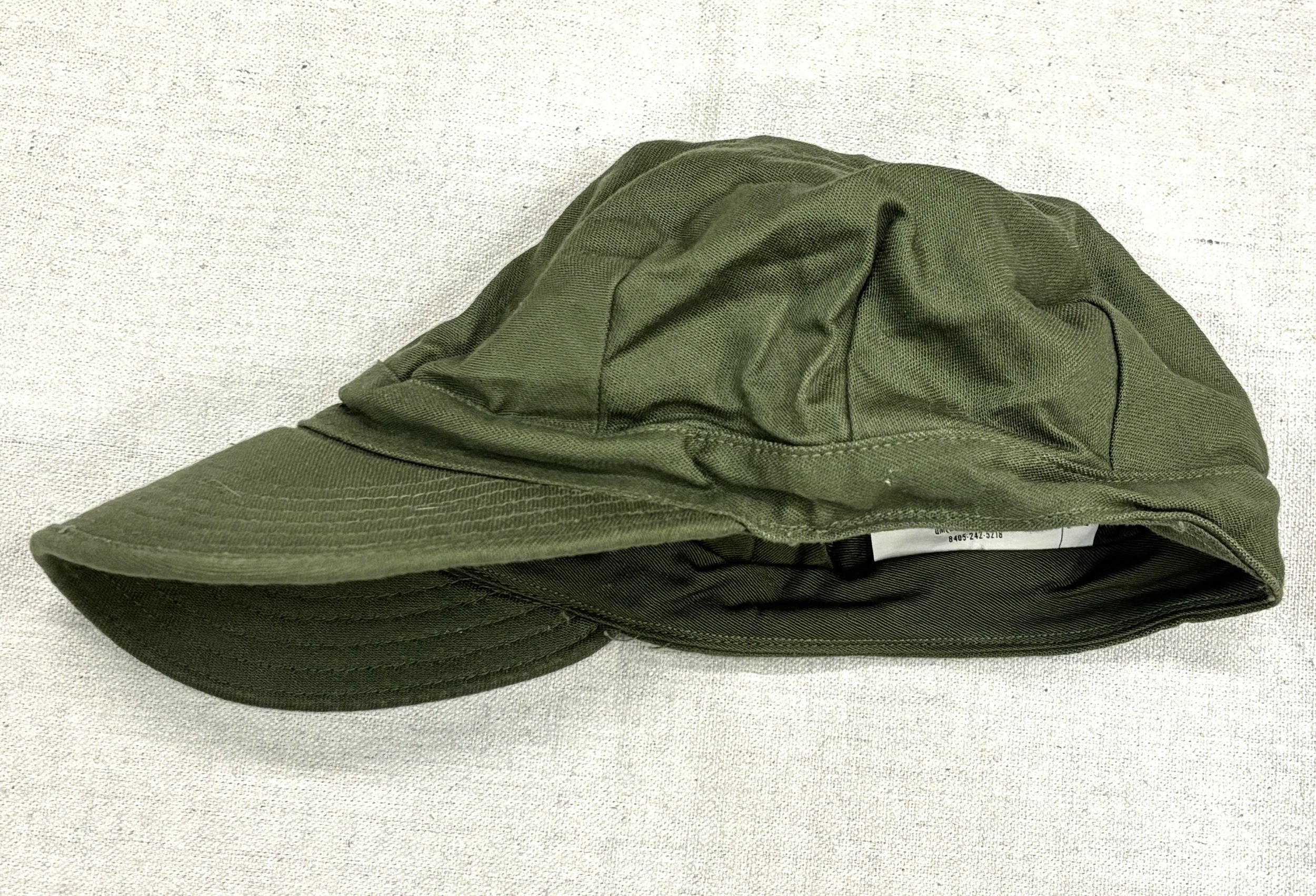
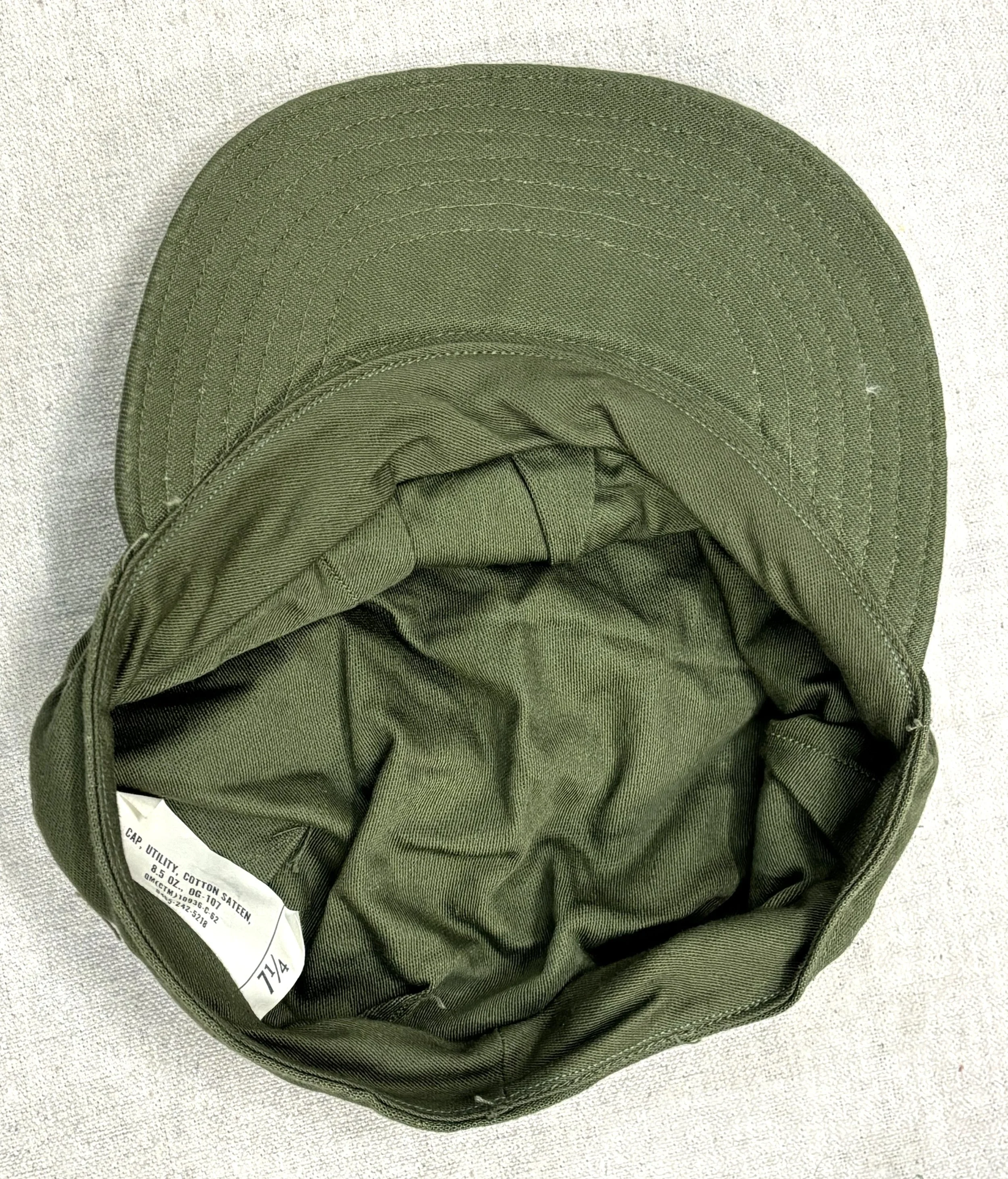
“New” SGT. 5th SFG, Fatigue Shirt, 1960s.
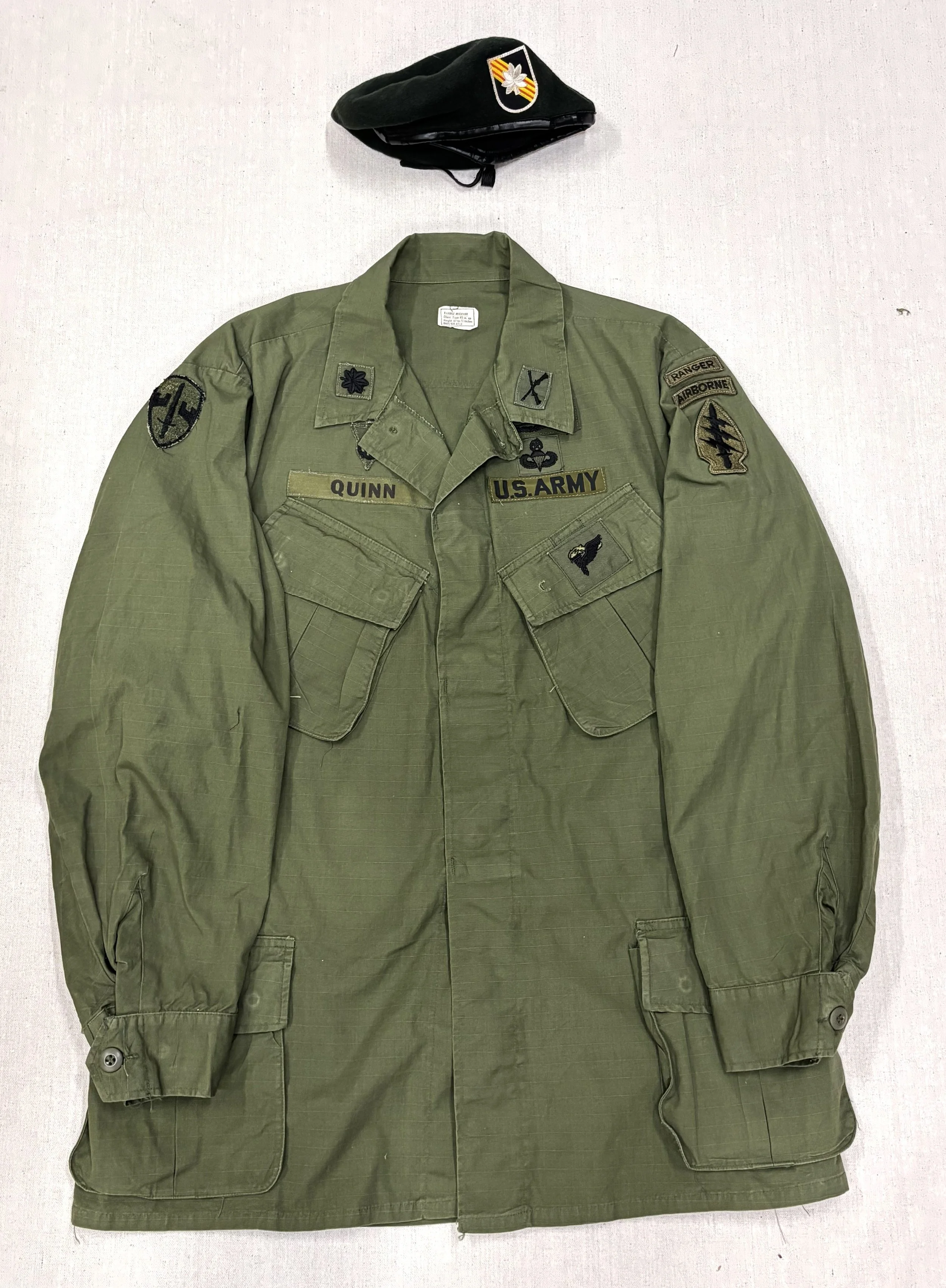
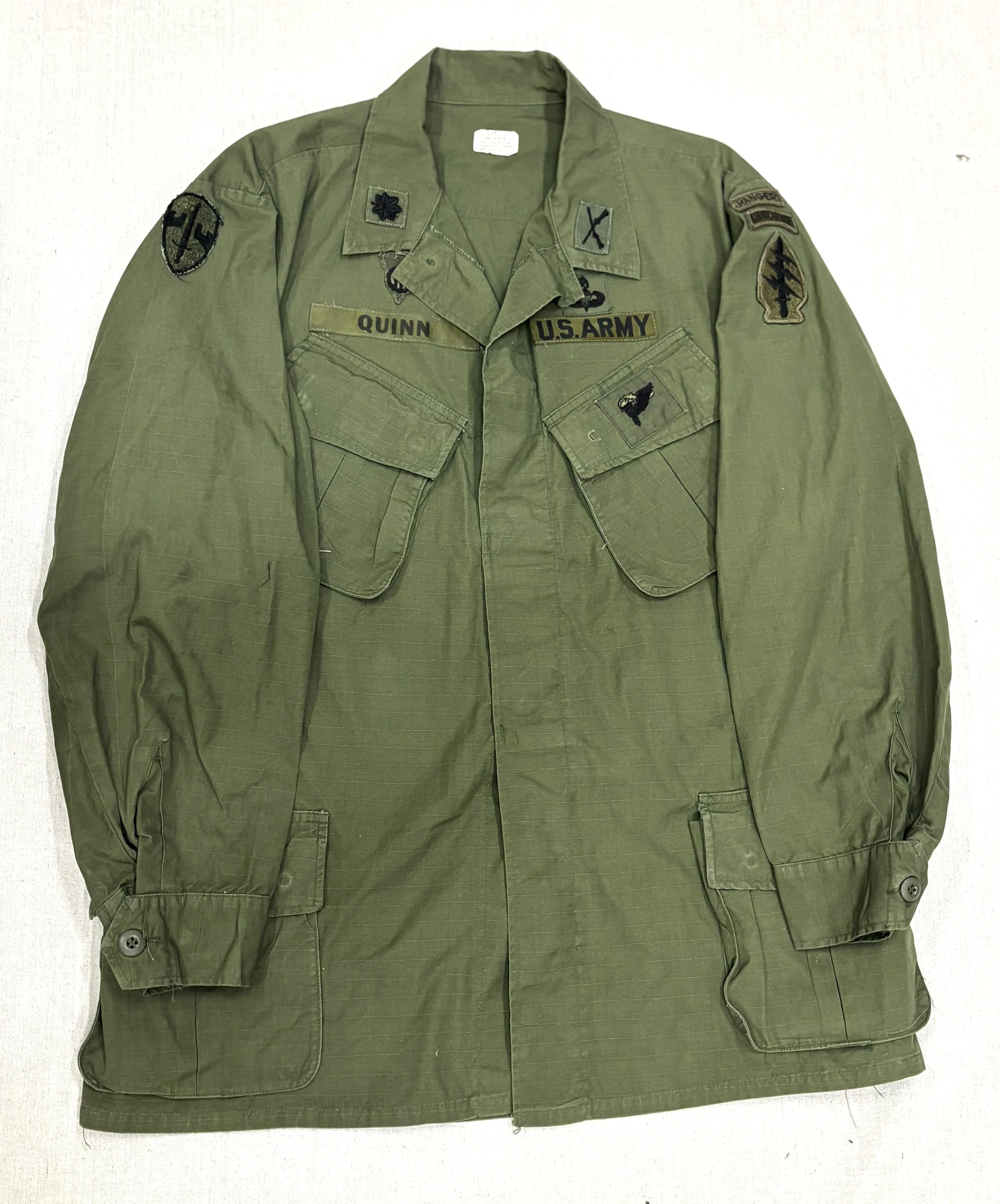
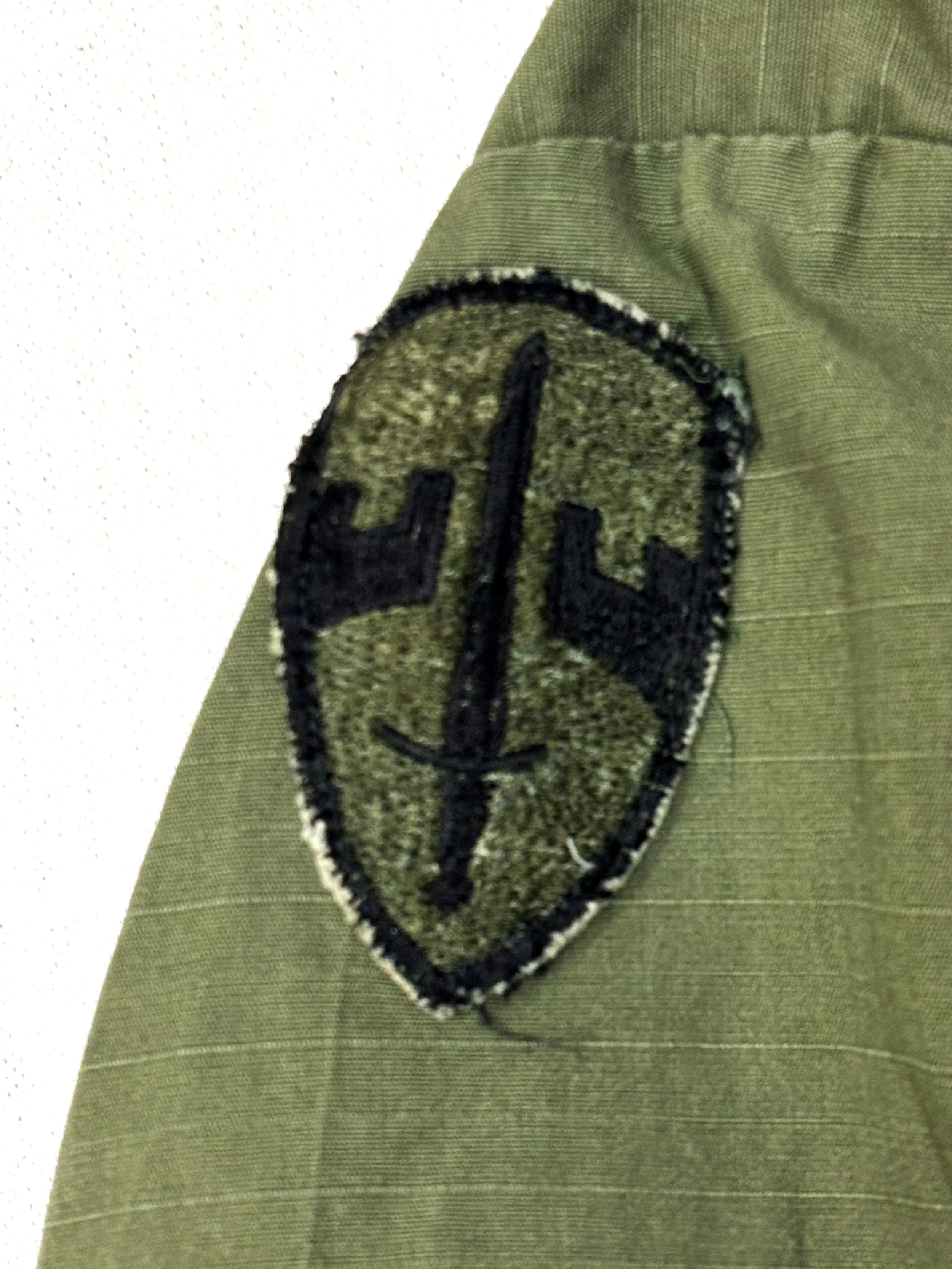
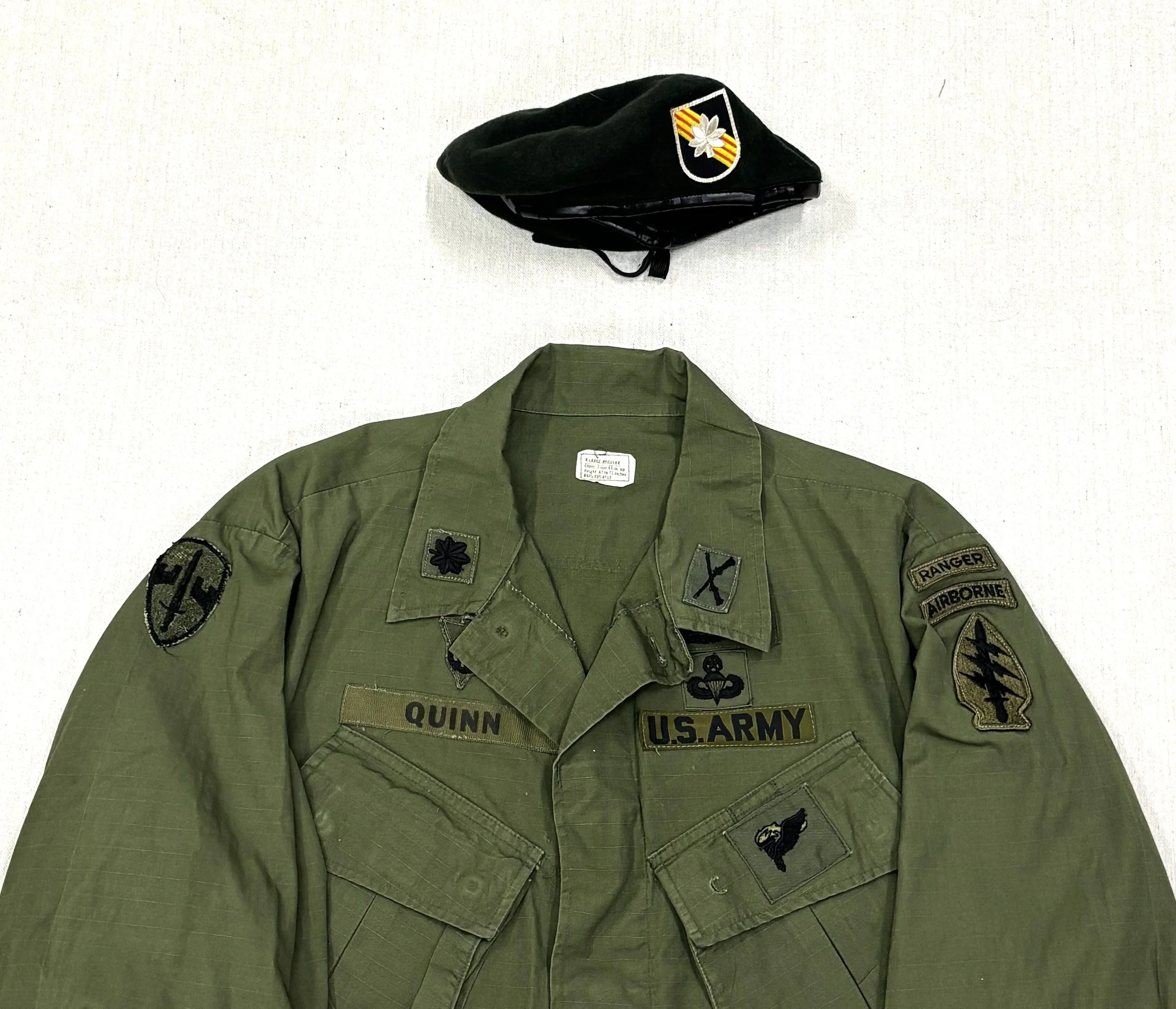
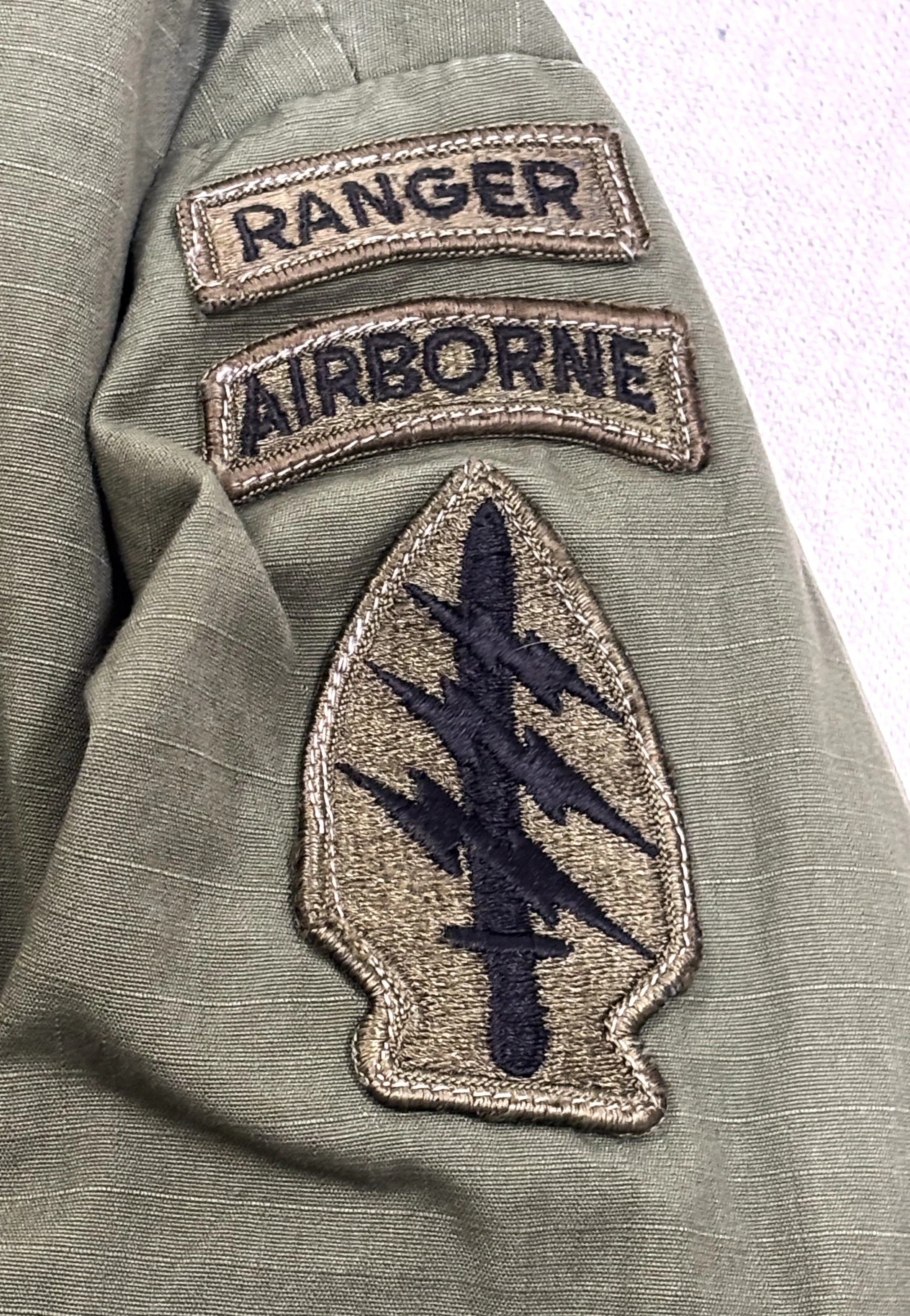
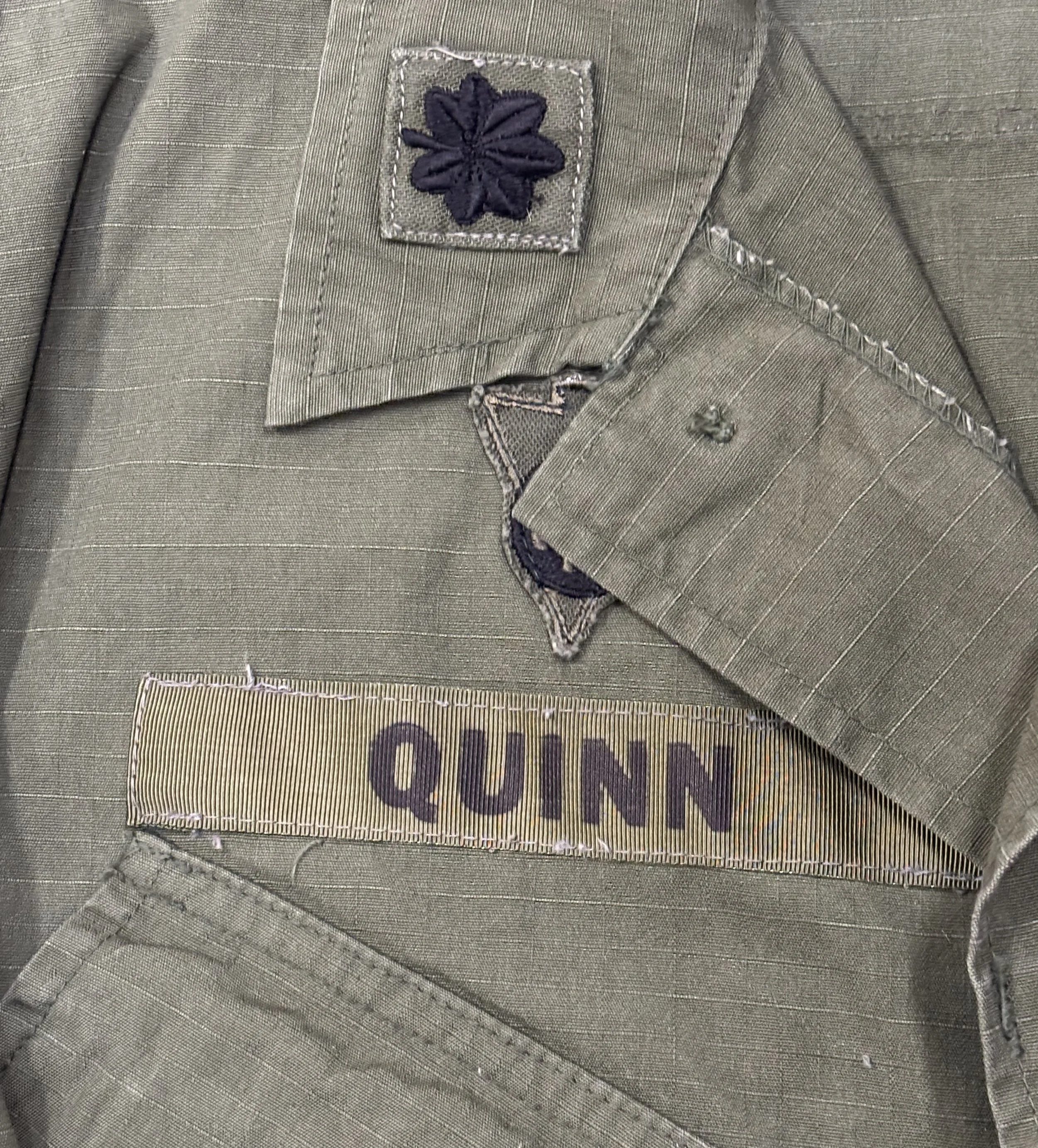
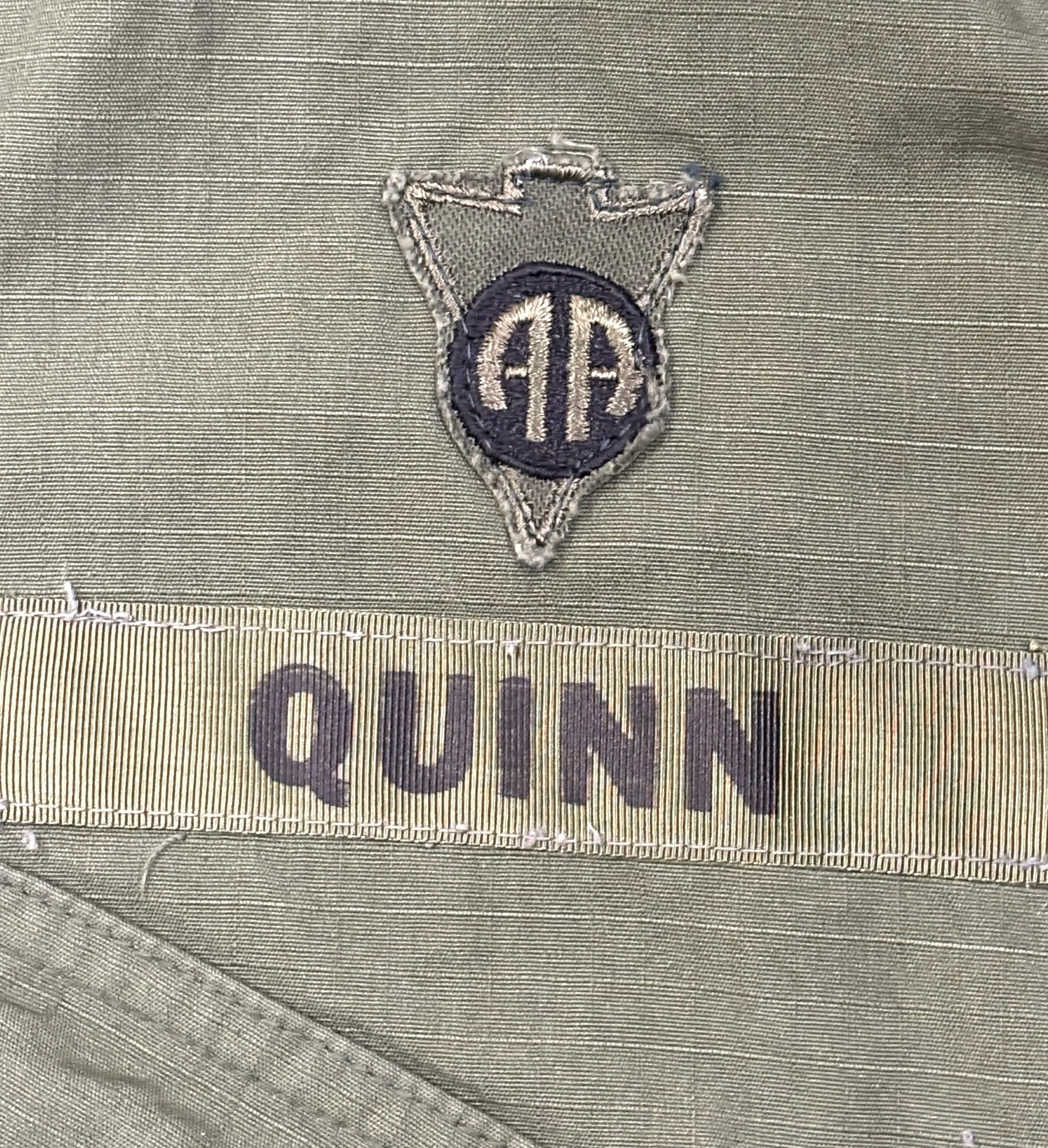
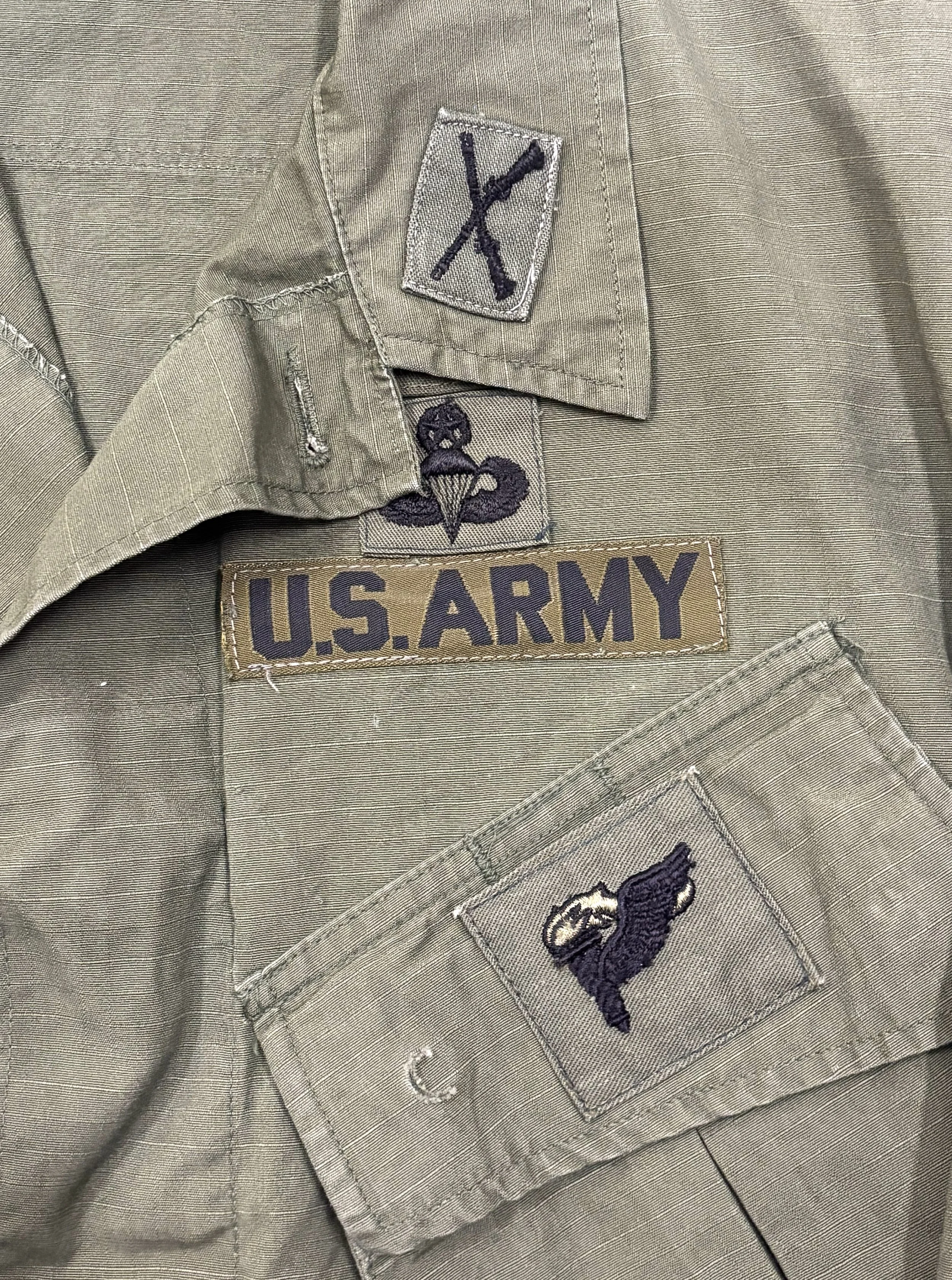
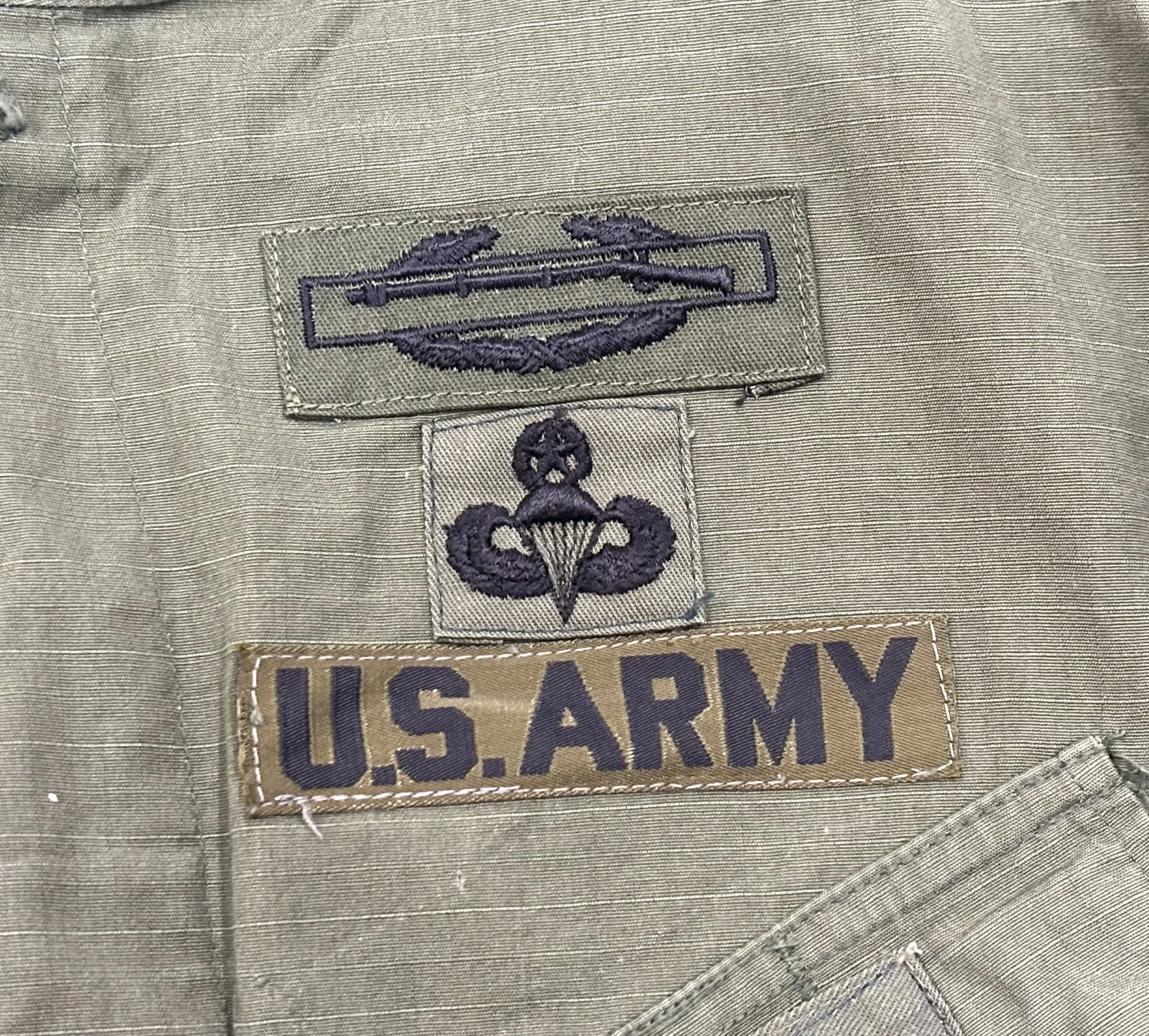
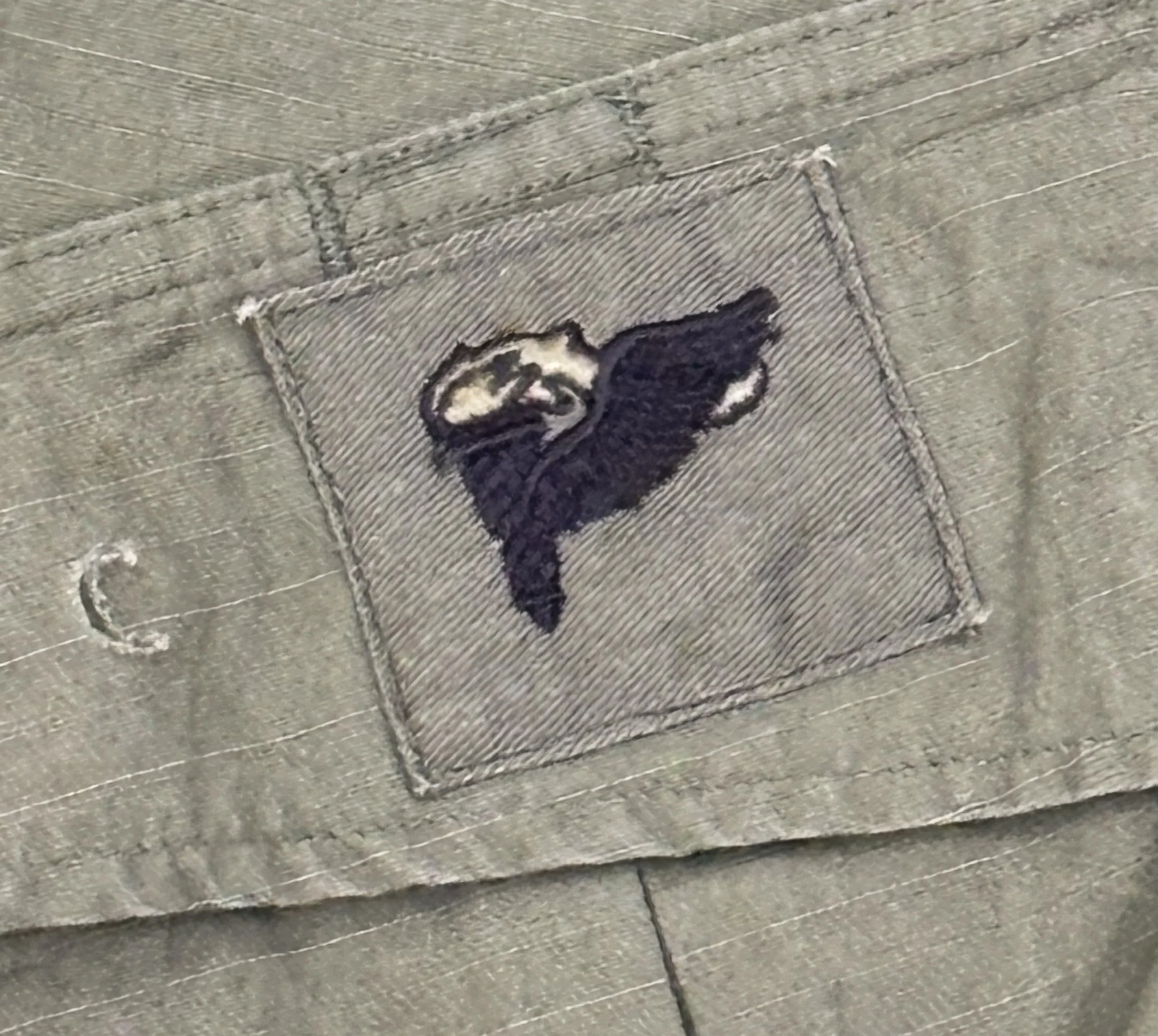
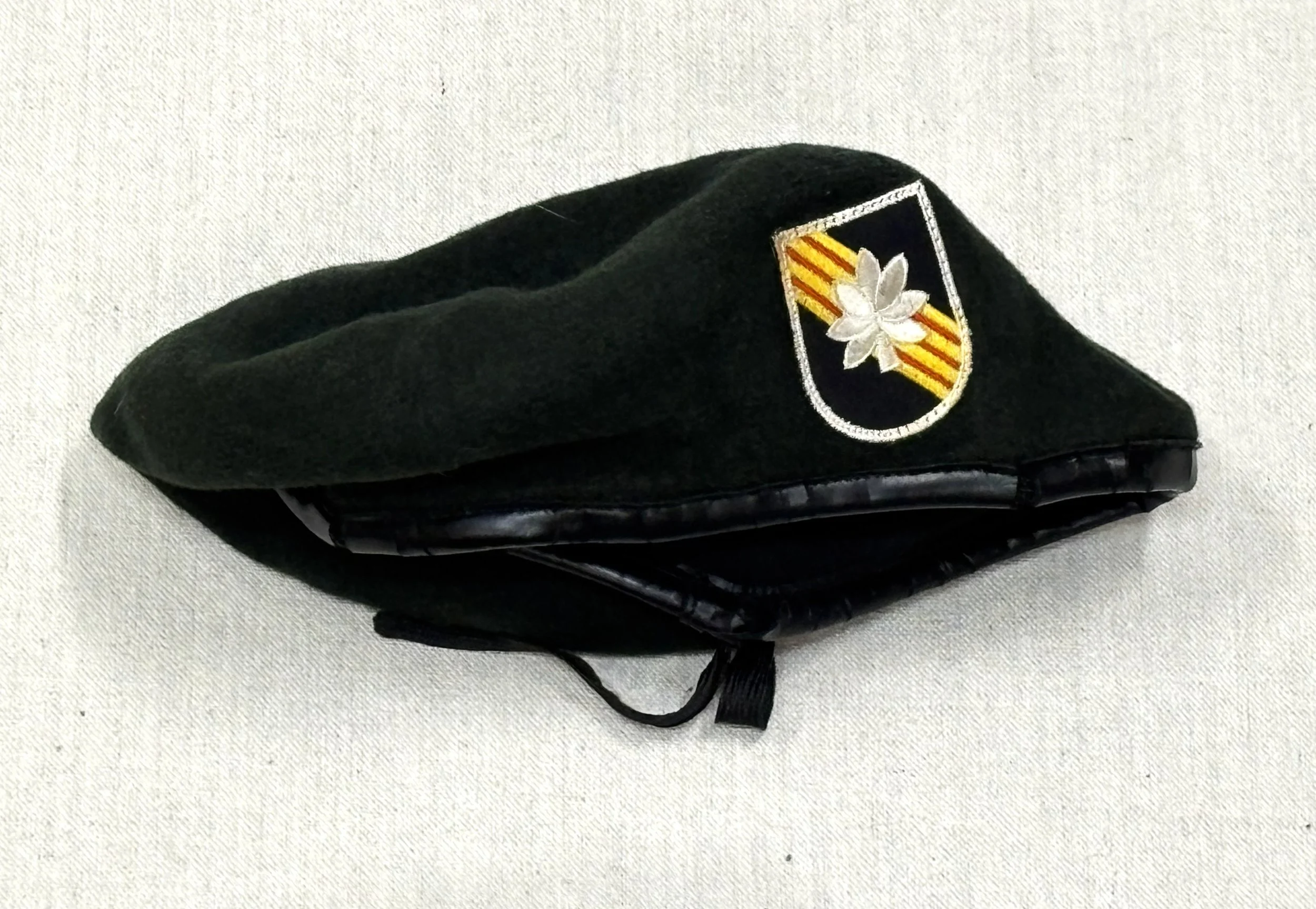
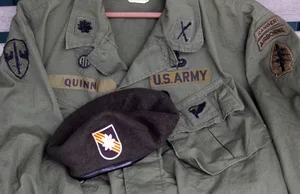
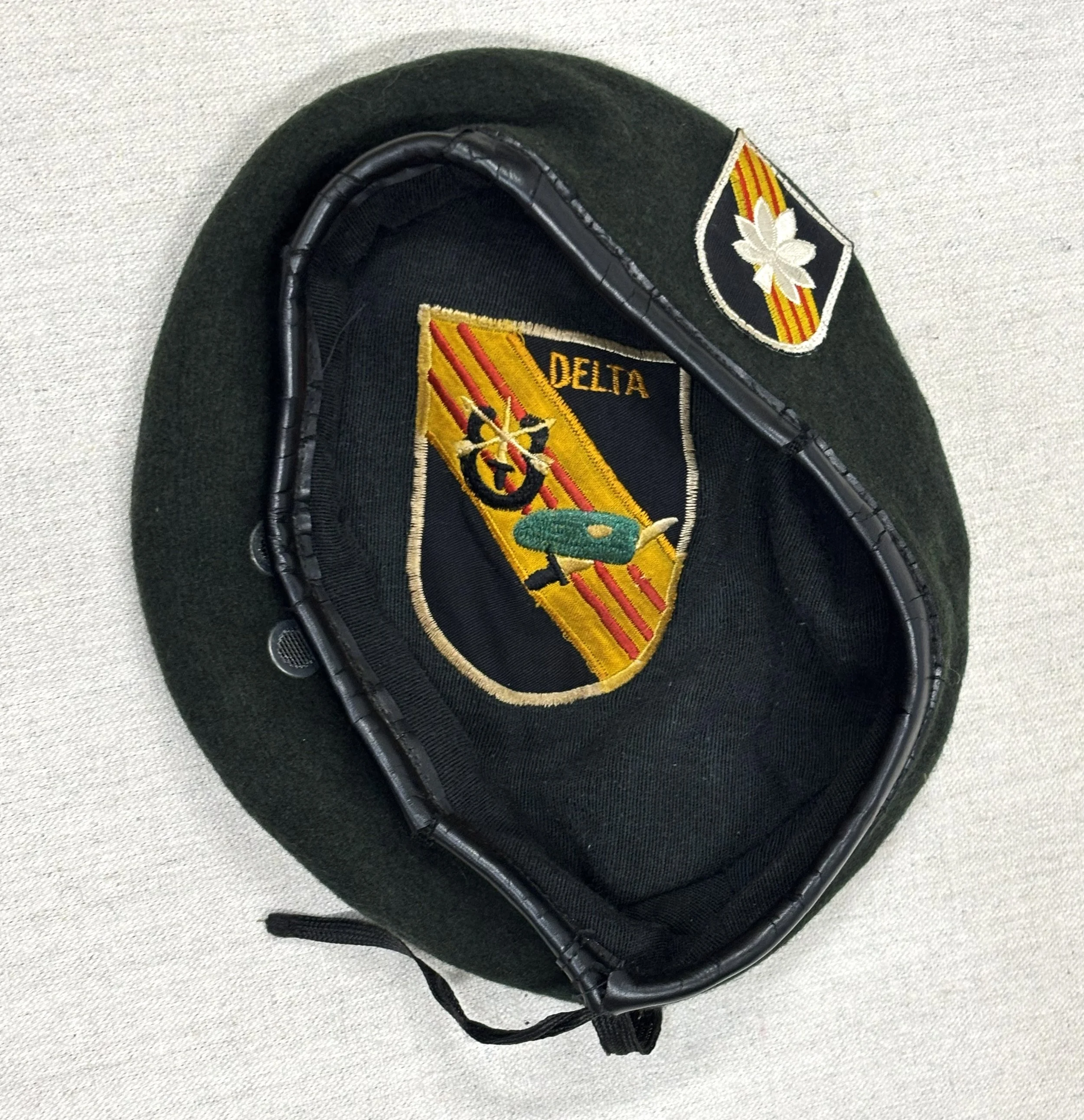
*Updated_Lieutenant Colonel Quinn, 5th Special Forces, Fort Bragg, 1968-1969:
“The Veteran”, now behind a desk at Fort Bragg, the 5th Special Forces Group had their beginnings at Fort Bragg in 1961, and soon thereafter was sent to Vietnam. The Leutnant Colonel had been an NCO then, but already Airborne Qualified, had been through their Pathfinder Course, and had gone to see just what was going on over there, and was nabbed at the airport, signing in with MACV. Where he met, and worked with, and got interested in the Special Forces Operations there, getting sent to the OCS after his tour. Being groomed to become an officer, he also made it through the Ranger Training Course, now having all the prerequisites to gain rank. He got his wish as a young officer to do the Special Forces course. He demands respect, and doesn’t sweat the little, irrelevant stuff. He is the height of cool at Bragg and loves being around his Special Soldiers. Working at the school, his life is different now, but he still thinks he could bring change in Vietnam, but they don’t need him there anymore; the Army has changed; it’s a mostly draftee Army now, not volunteers. He still sends his soldiers there all the time, though.
The rest of the Army still questions the need for his operations, but he knows their worth and importance and wants to train his soldiers the best he can. In Vietnam, there were something like 50% casualties then, and the school would have an attrition rate. They were training soldiers at a high pace now; he is needed there as well, a person with in-country wisdom, and a place to teach it. Unbeknownst to him, it’s at the high point of the War. He may have had enough of war, but being on the base still shows he is ready to go back at any time, but knows just what’s happening over there; leadership is out to lunch, the Supreme Commander, was applying maximum over reach, throwing a wrench in the game plane, logical full-force military command was desperately needed, and would end the show in a month, but while the enemy building up, and is getting powerful, new weapons, and more of them. He knows if he’s ever going to make Colonel before retirement, he’ll have to go back; promotions come faster in the field, but he might not come back from it. And the Army needs NCOs to control the enlisted men, high-ranking officers have to start competing for positions (there are only so many needed), and it’s not so much what you know but who you know… in high places.
The uniform shows the Colonel, who has earned the CIB and Master Paratrooper Jump Wings in Vietnam. He’s been through the rigorous Pathfinder school in the US. And the MACV-Rcondo School with a group from the 82nd ABN. Division in Vietnam, after the Tet Offensive, the 82nd was deployed, but they weren't there for a very long time, and likely, he was only with their class through the school. He had earlier tours of Vietnam as well, obviously the last was with MAC-V (in charge of all Advisor Operators in Vietnam), earning battlefield commissions and quick ranks. He may have even been an infantryman before his MACV tour, too, so he is very qualified. Now, after three or four tours of Vietnam, and quite possibly other overseas tours, he has been charged with passing on his knowledge, so these lessons won’t have to be learned again, and who knows what politicians have in store for the future, or where SF may be sent, they will have to be ready. This Lieutenant Colonel, Quin, has seen and done much in his day and would have ended up in a command position, making me think of Colonel Kirtz, had he made it home…but still itching for the next operation.
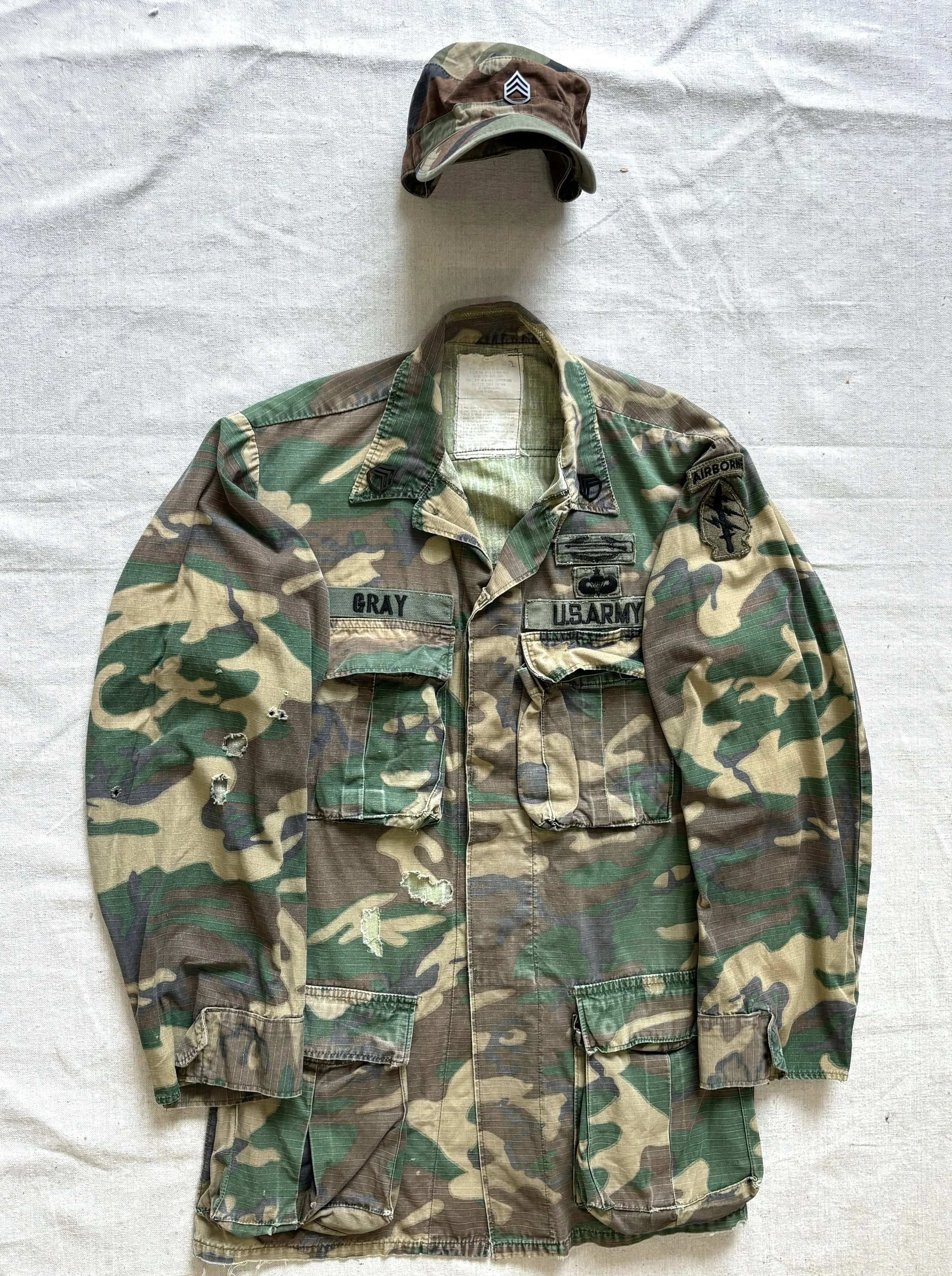
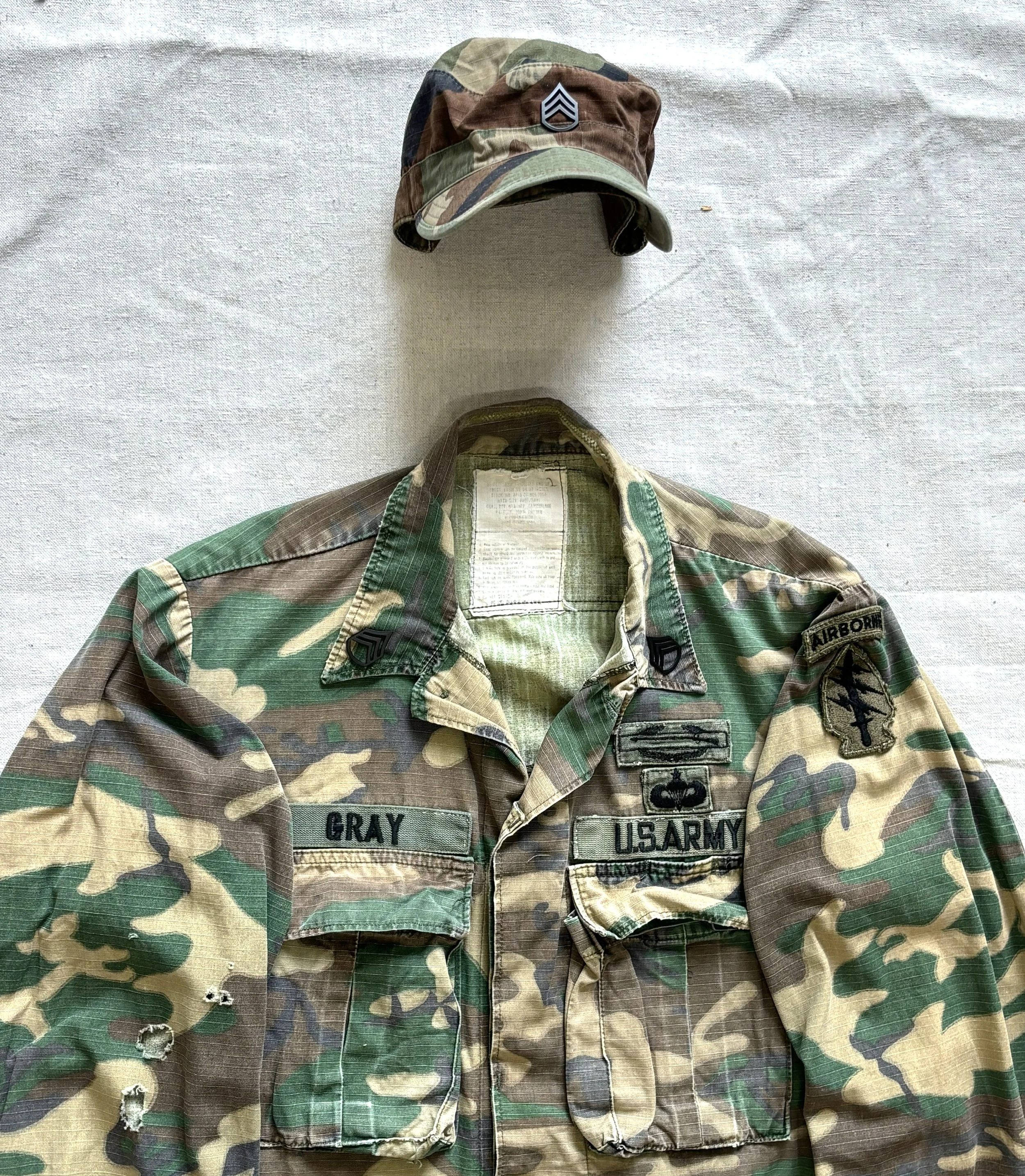
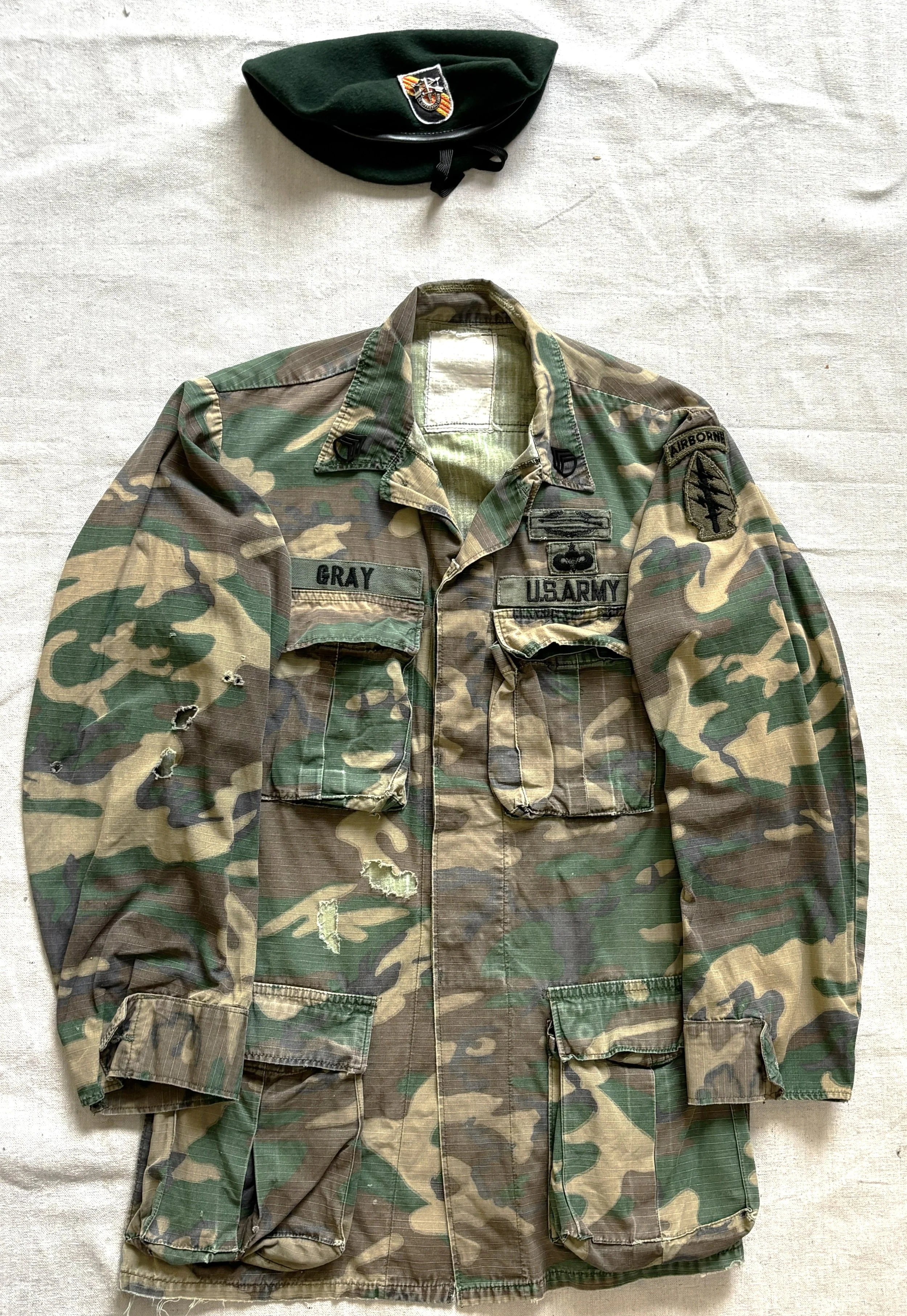
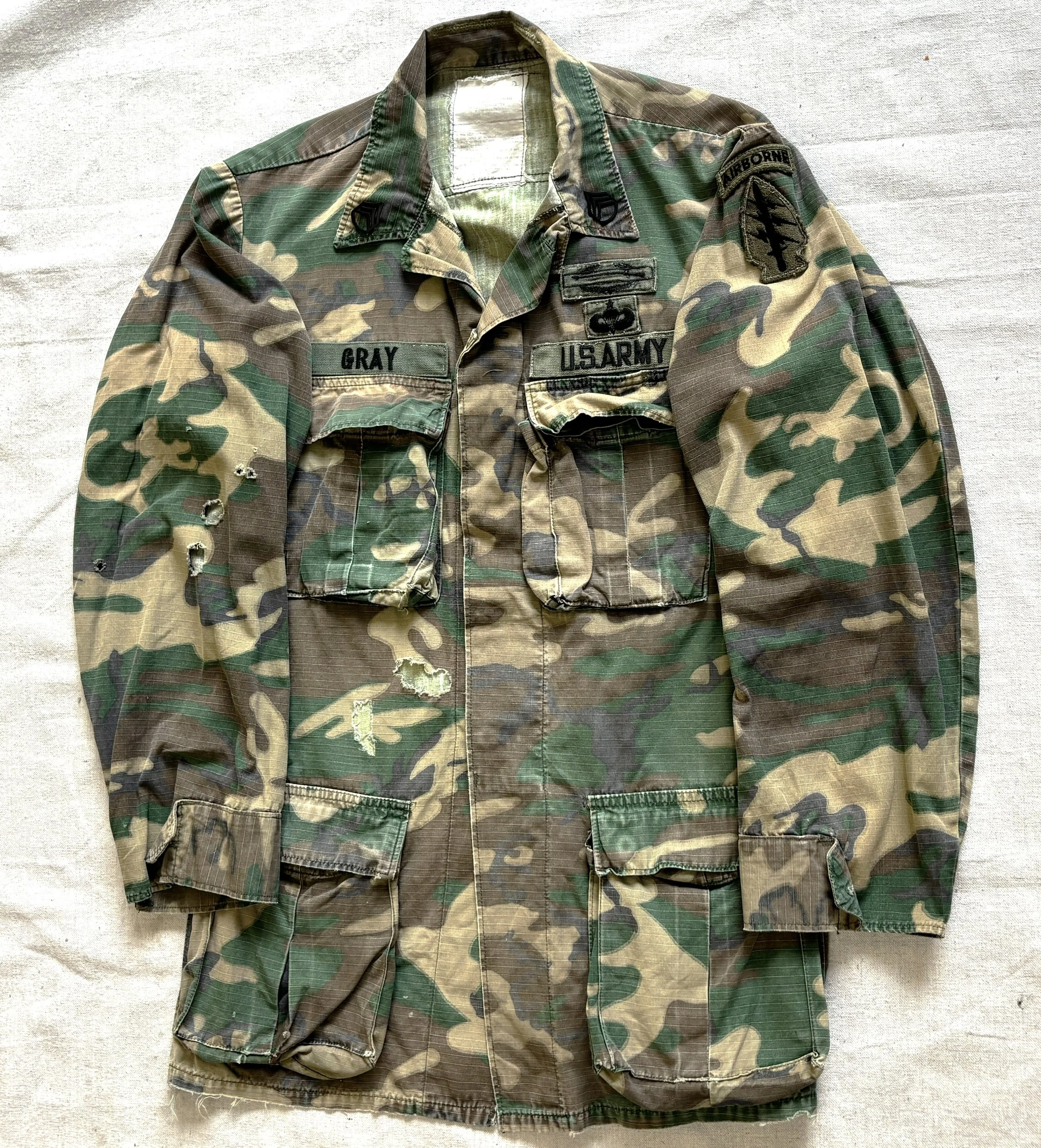
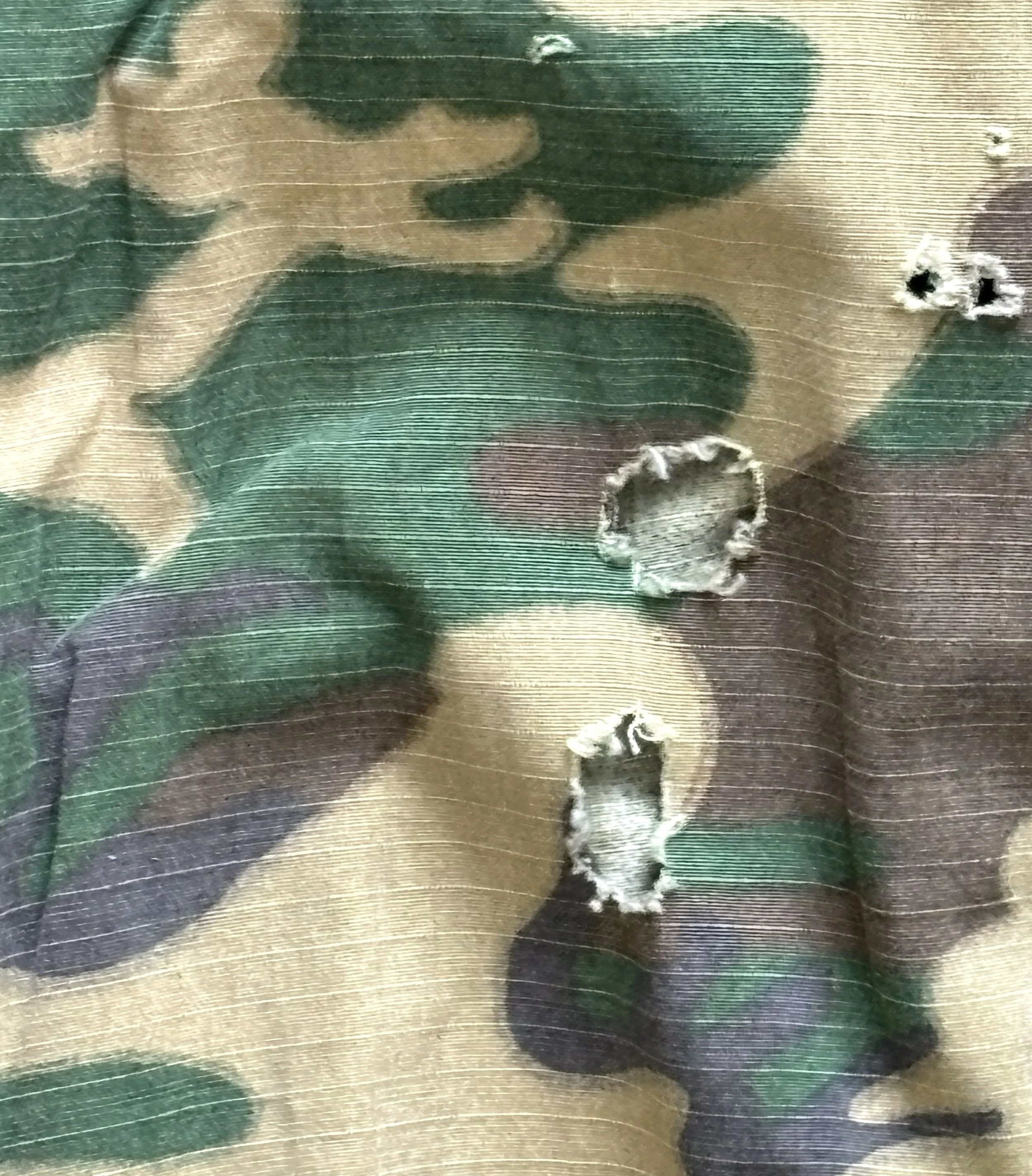
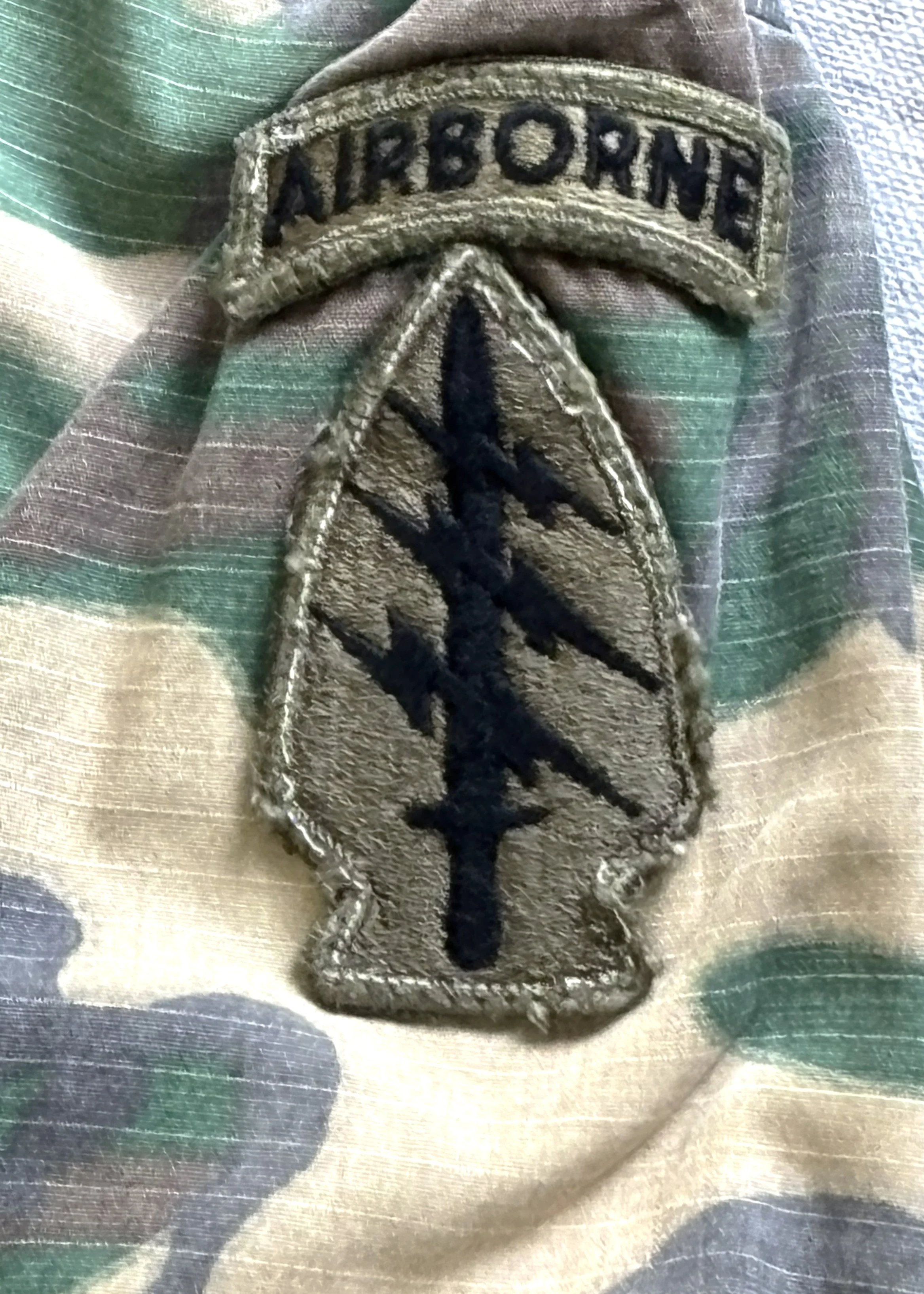
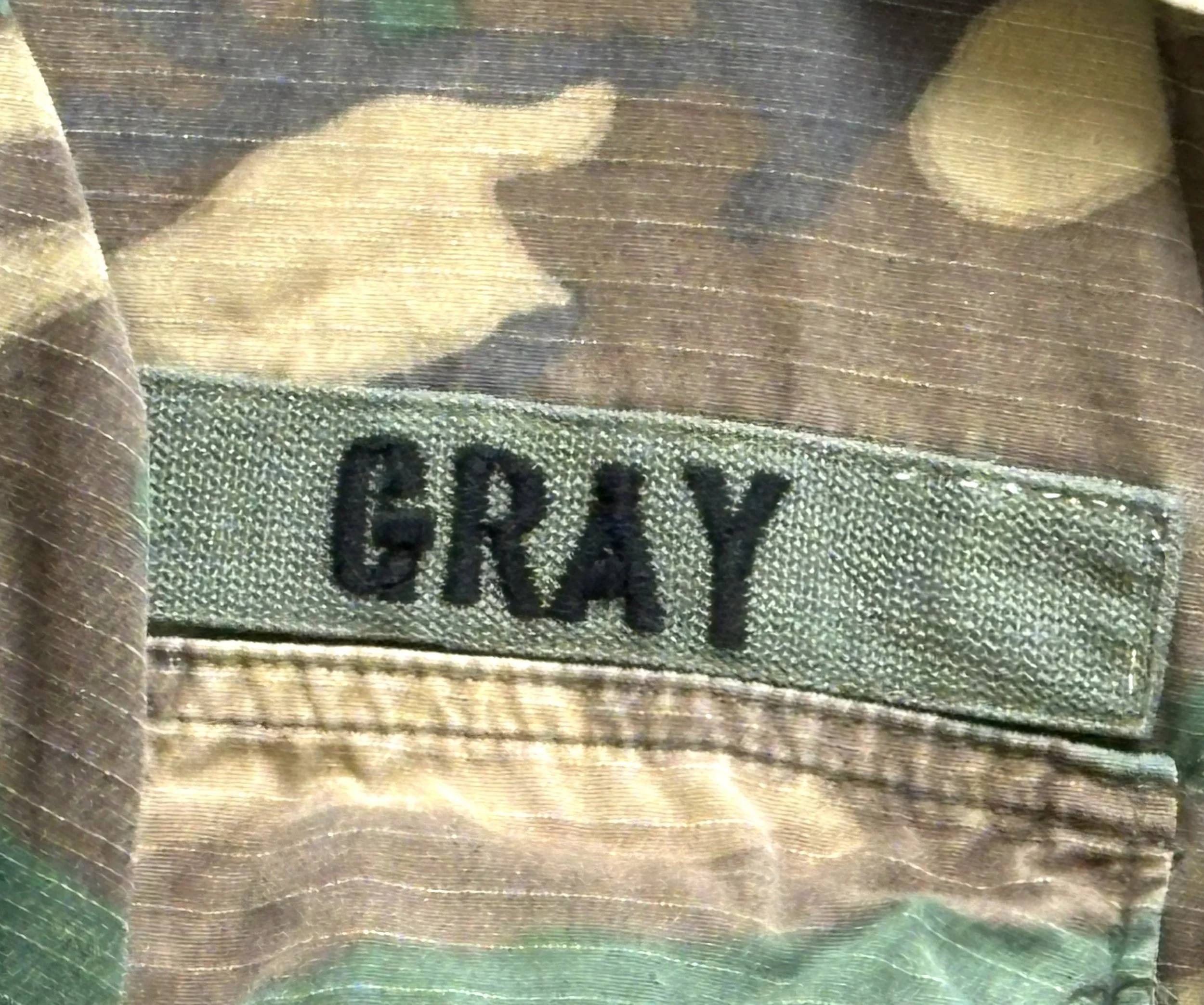
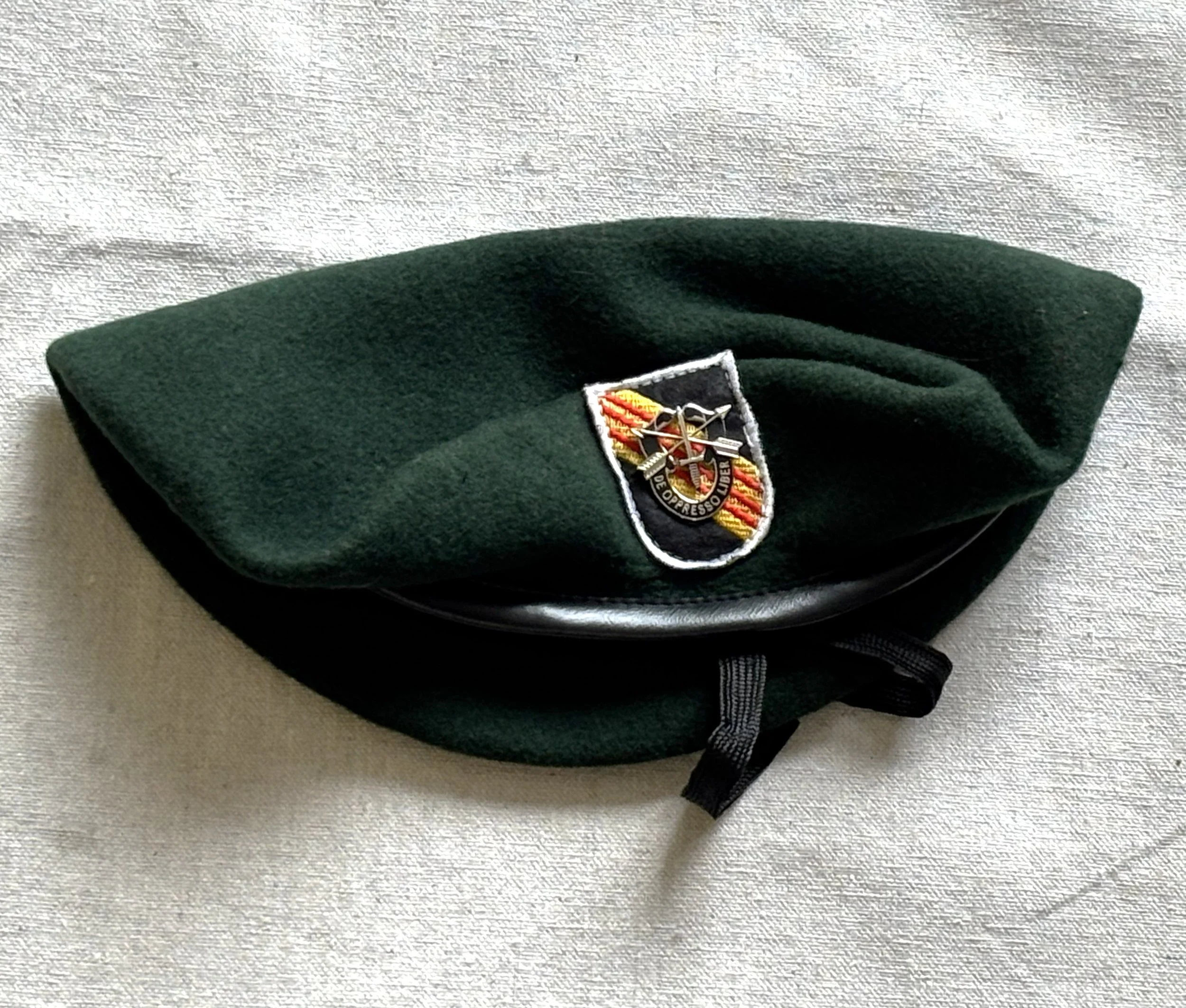
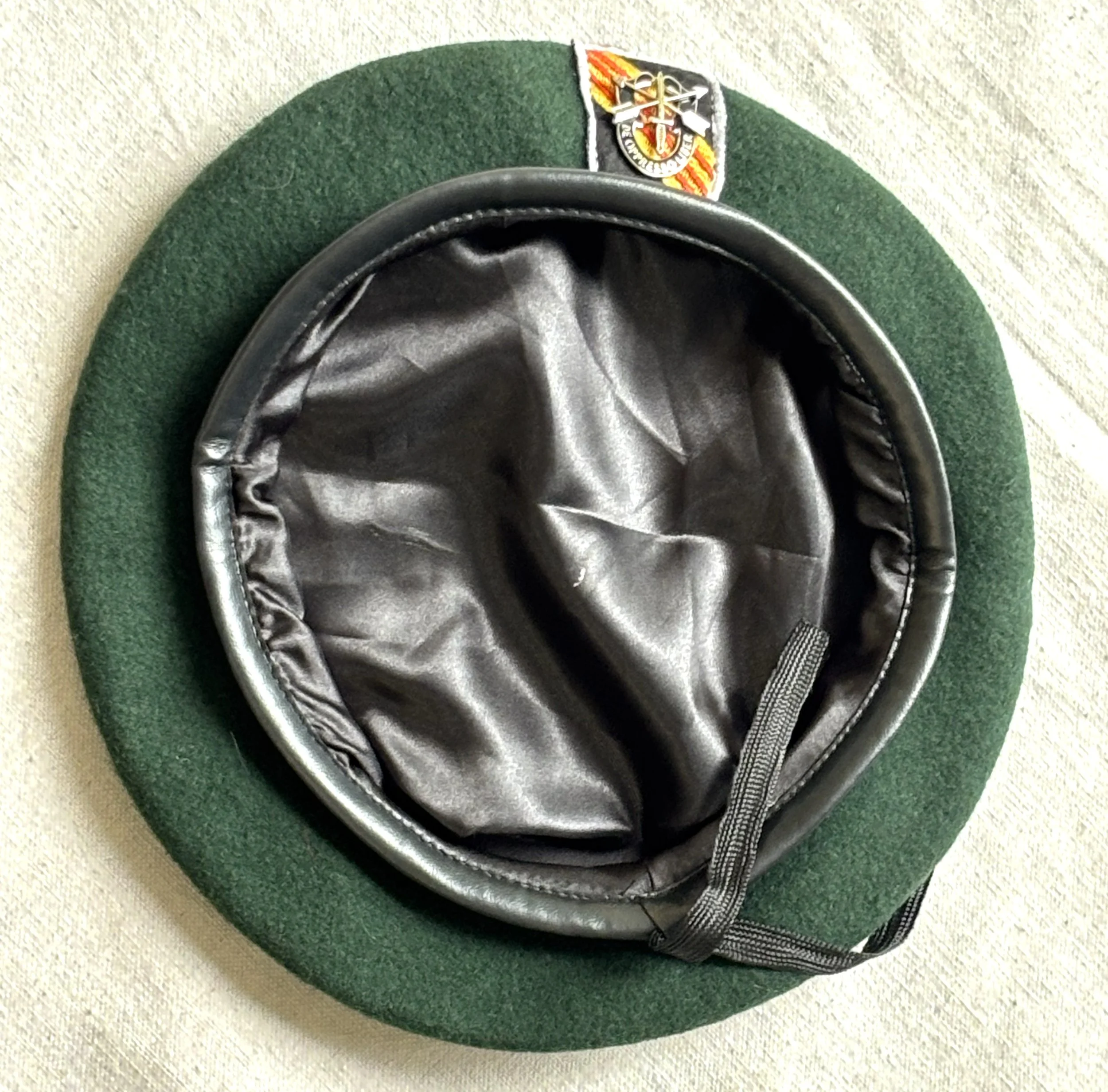
“New” Staff Sergeant, 5th Special Forces, early 1980s:
The Flash-Earned in Vietnam, with the Republic of Vietnam’s flag laid over the all-black prior flash, 1963-1984.


Upgraded (Fixed Right Sleeve Patch)! Sergeant First Class, 5th Special Forces Group (FAV Team):
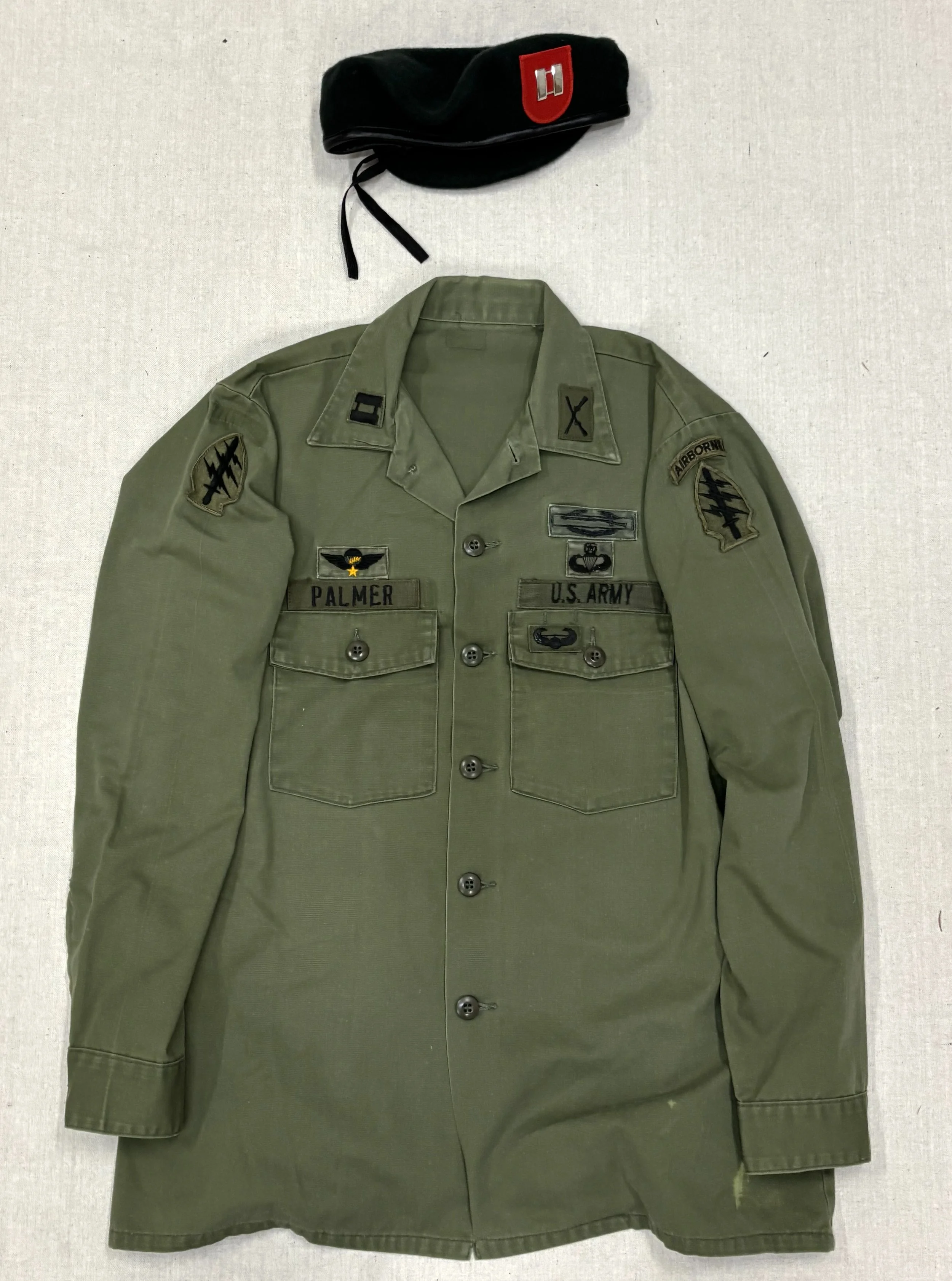
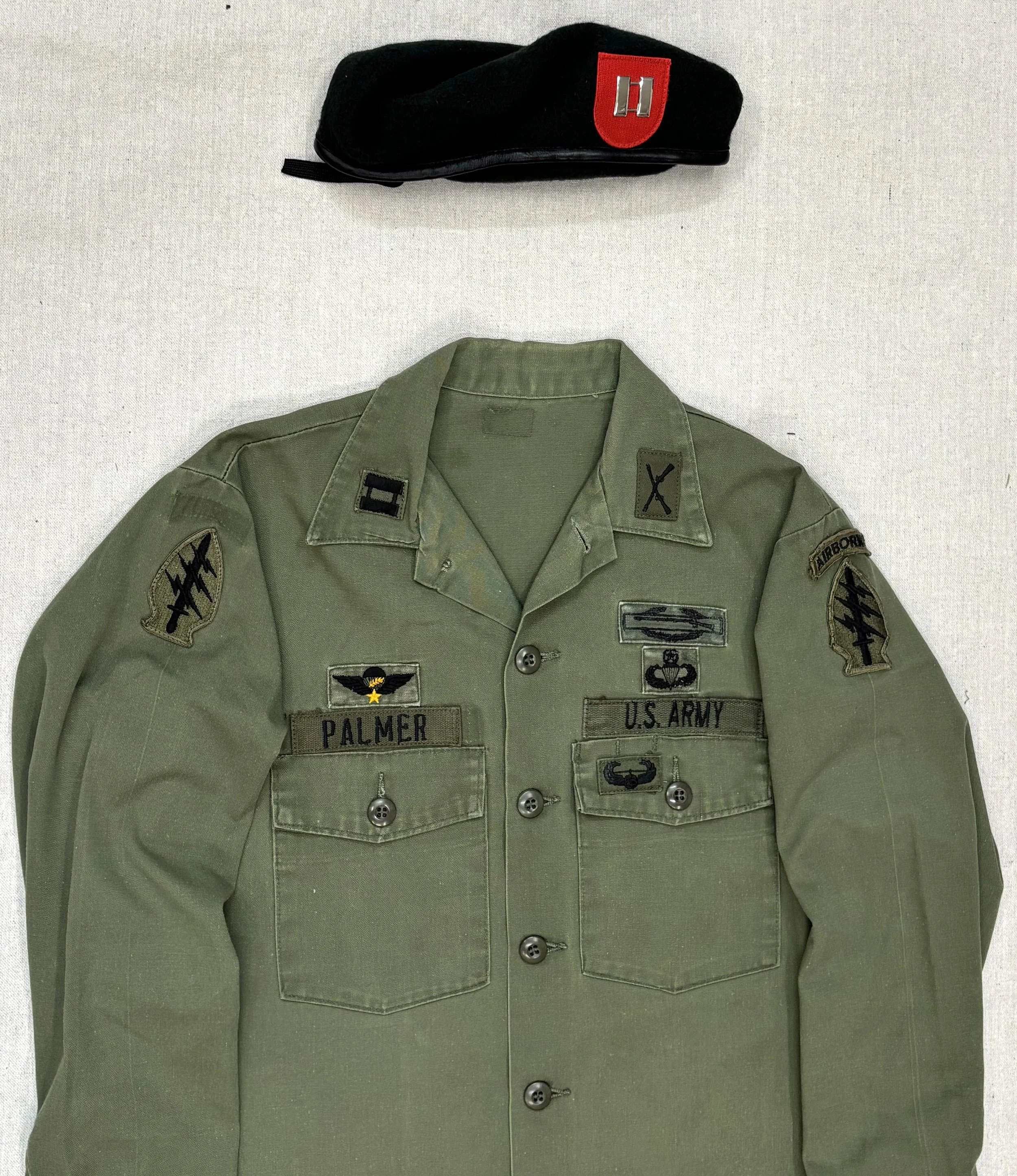
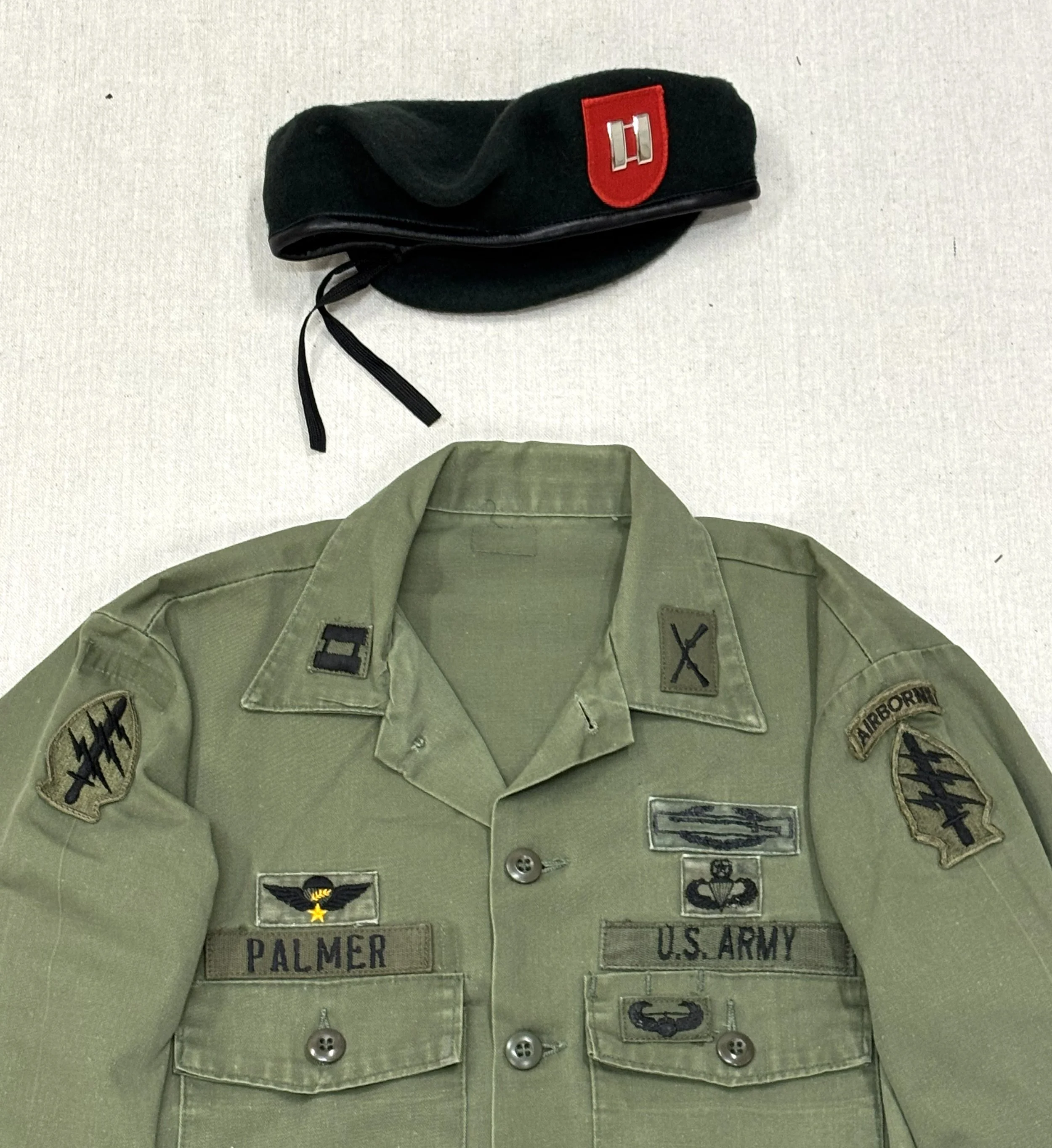
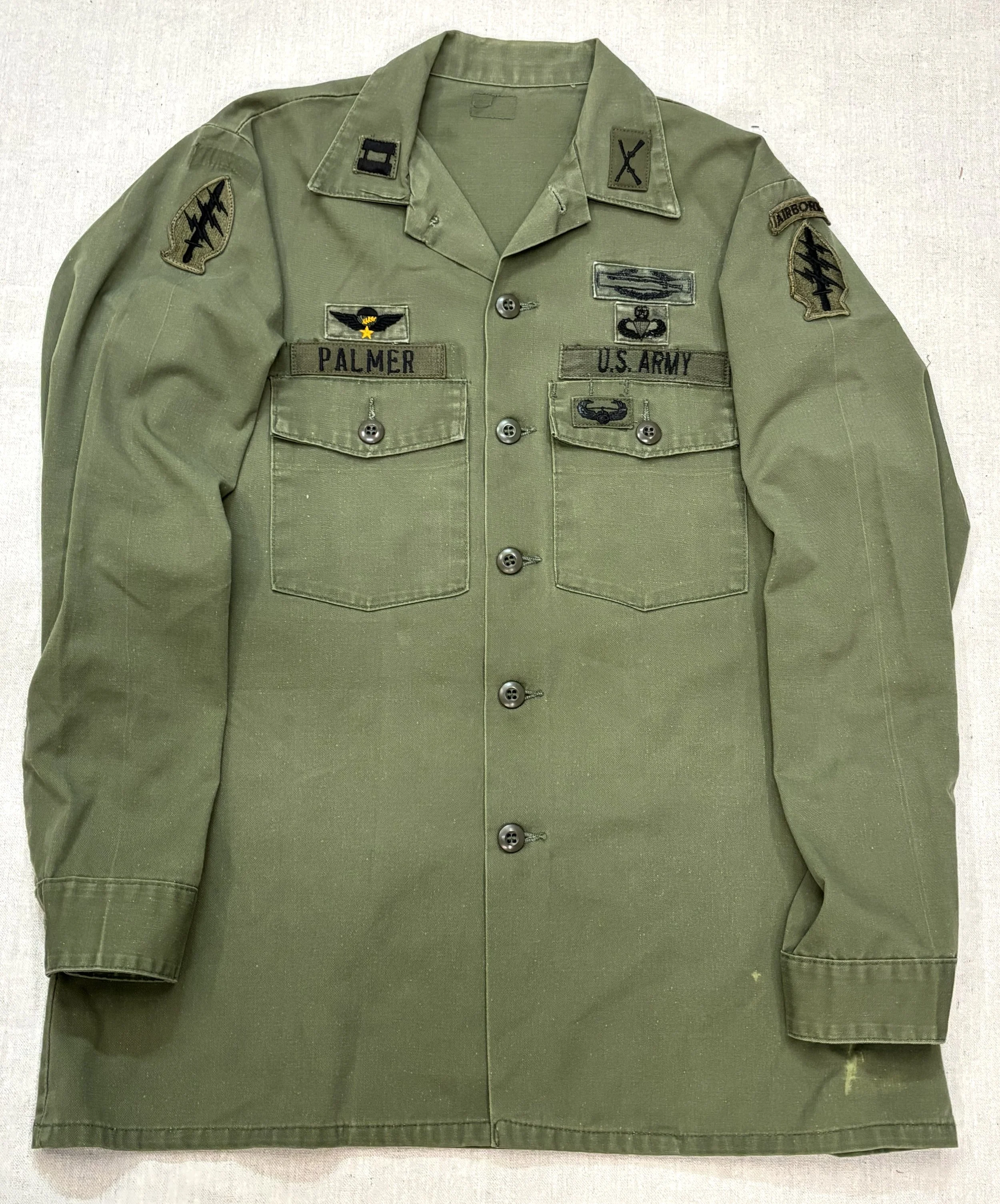
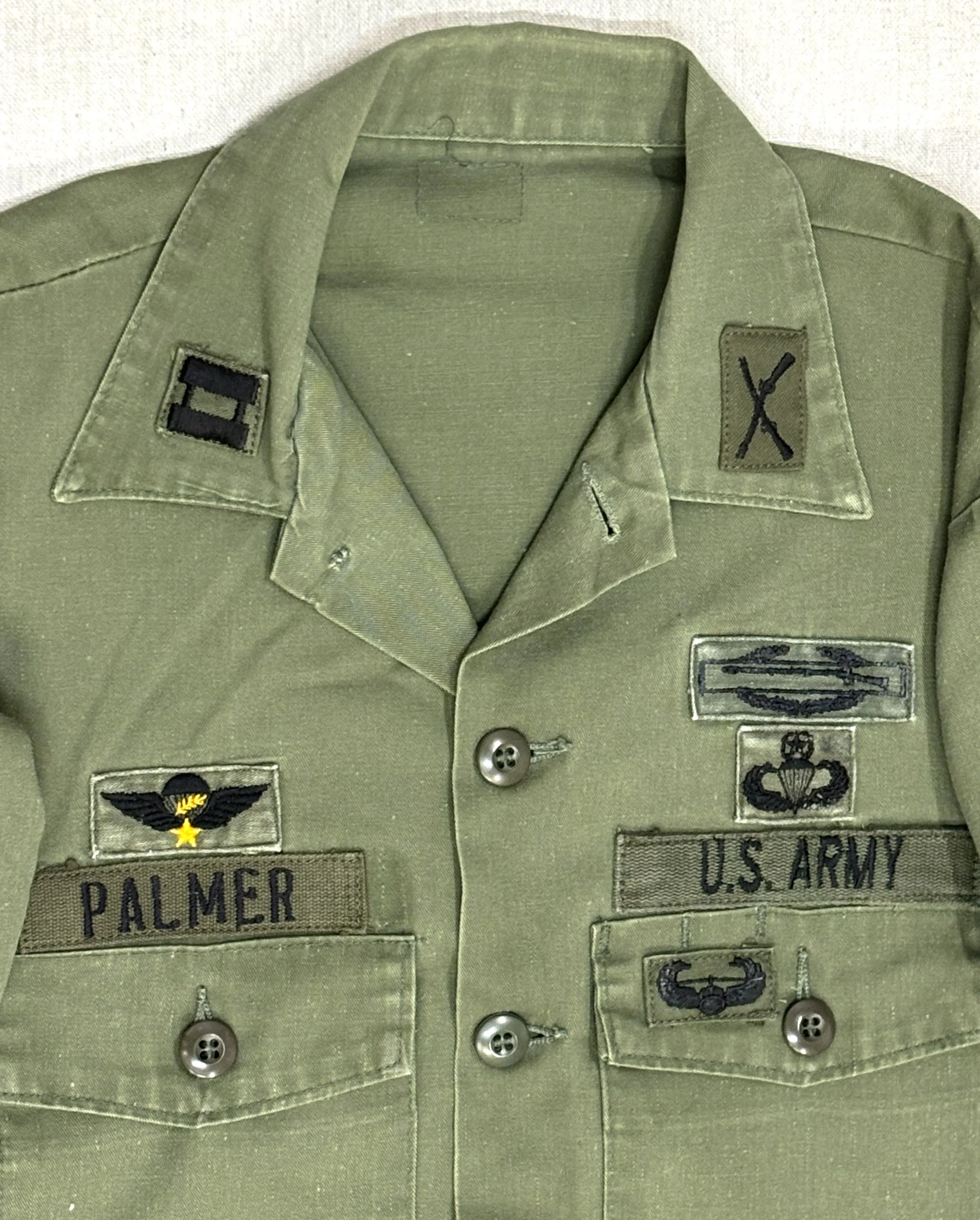
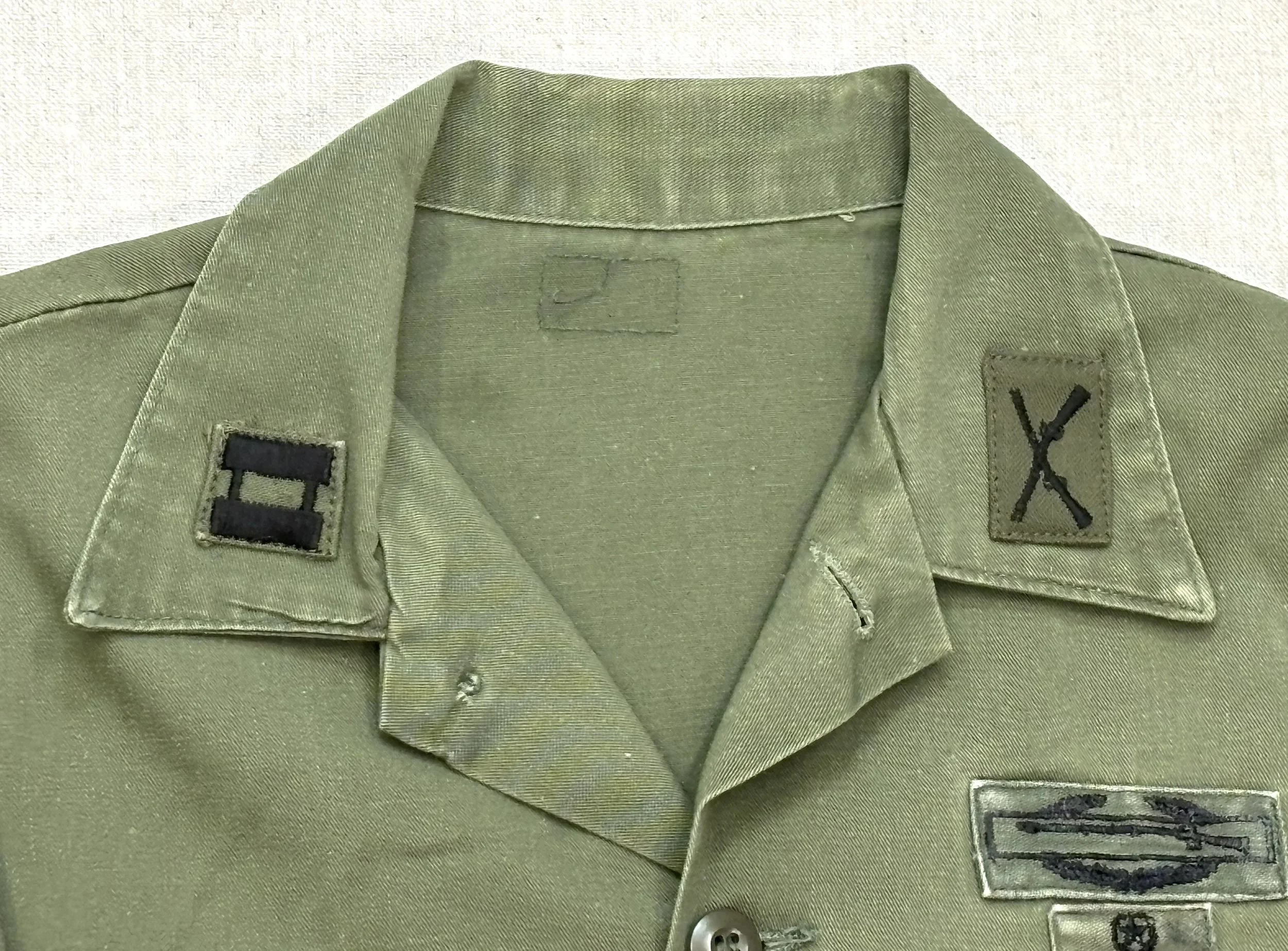
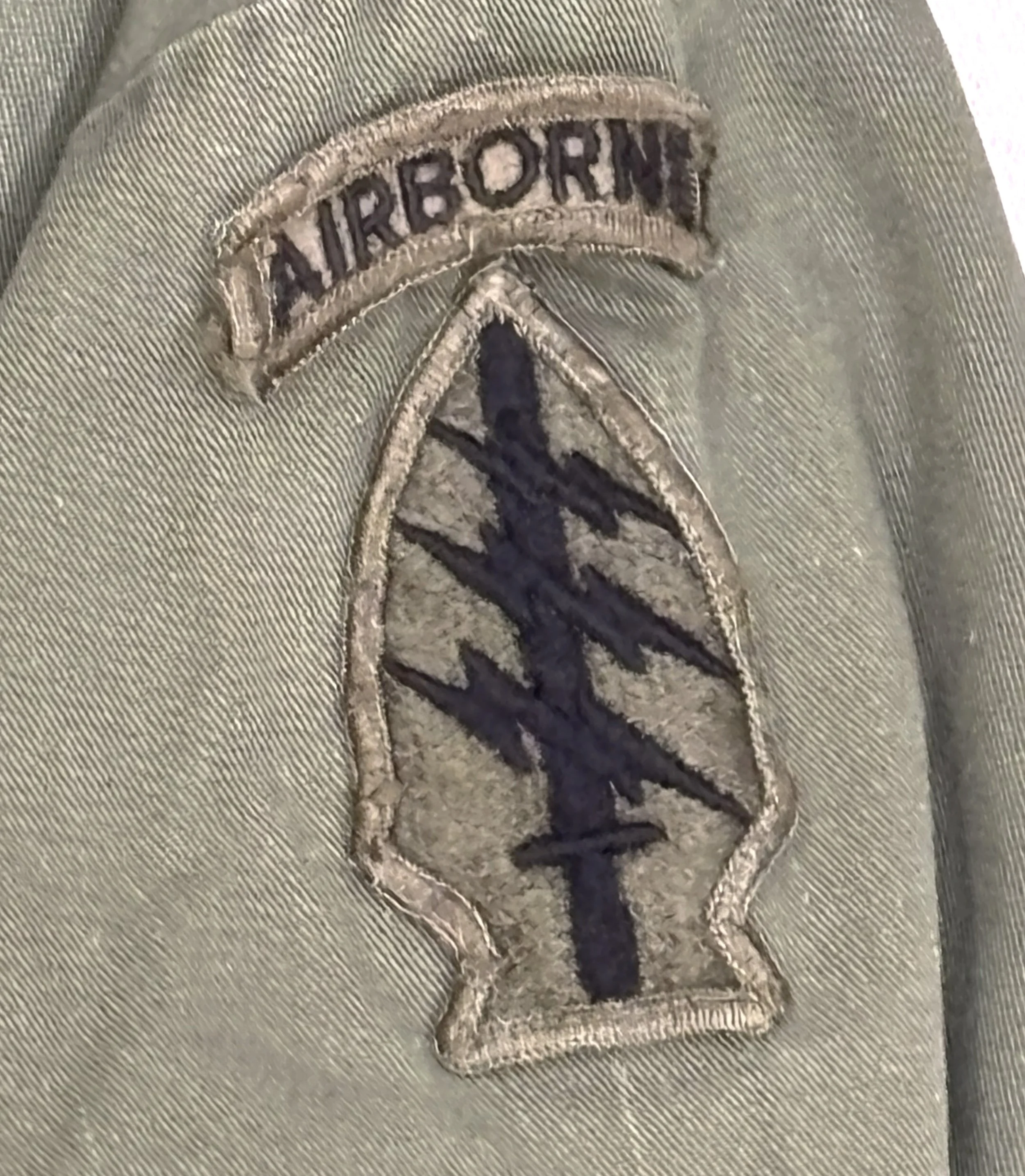
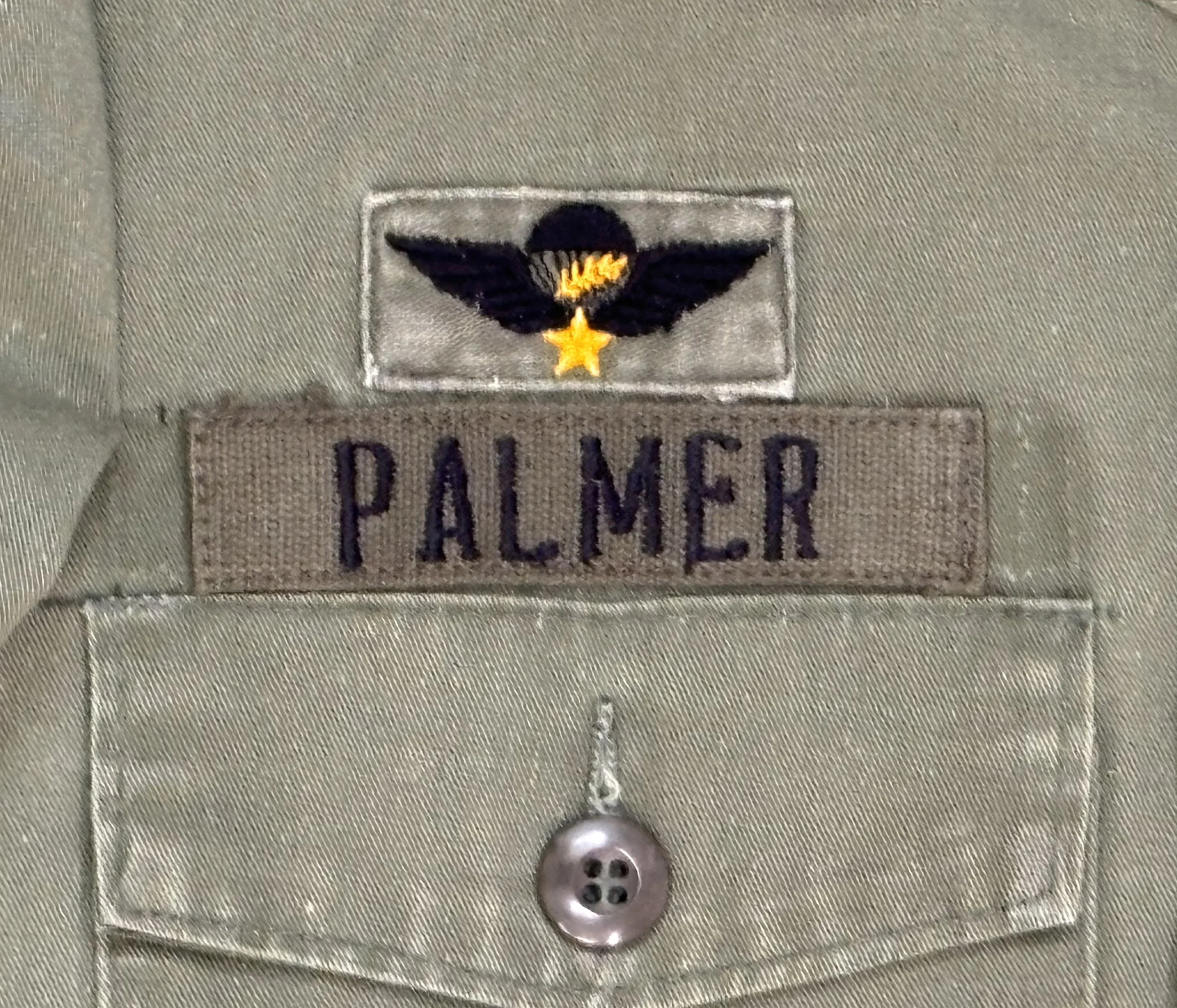
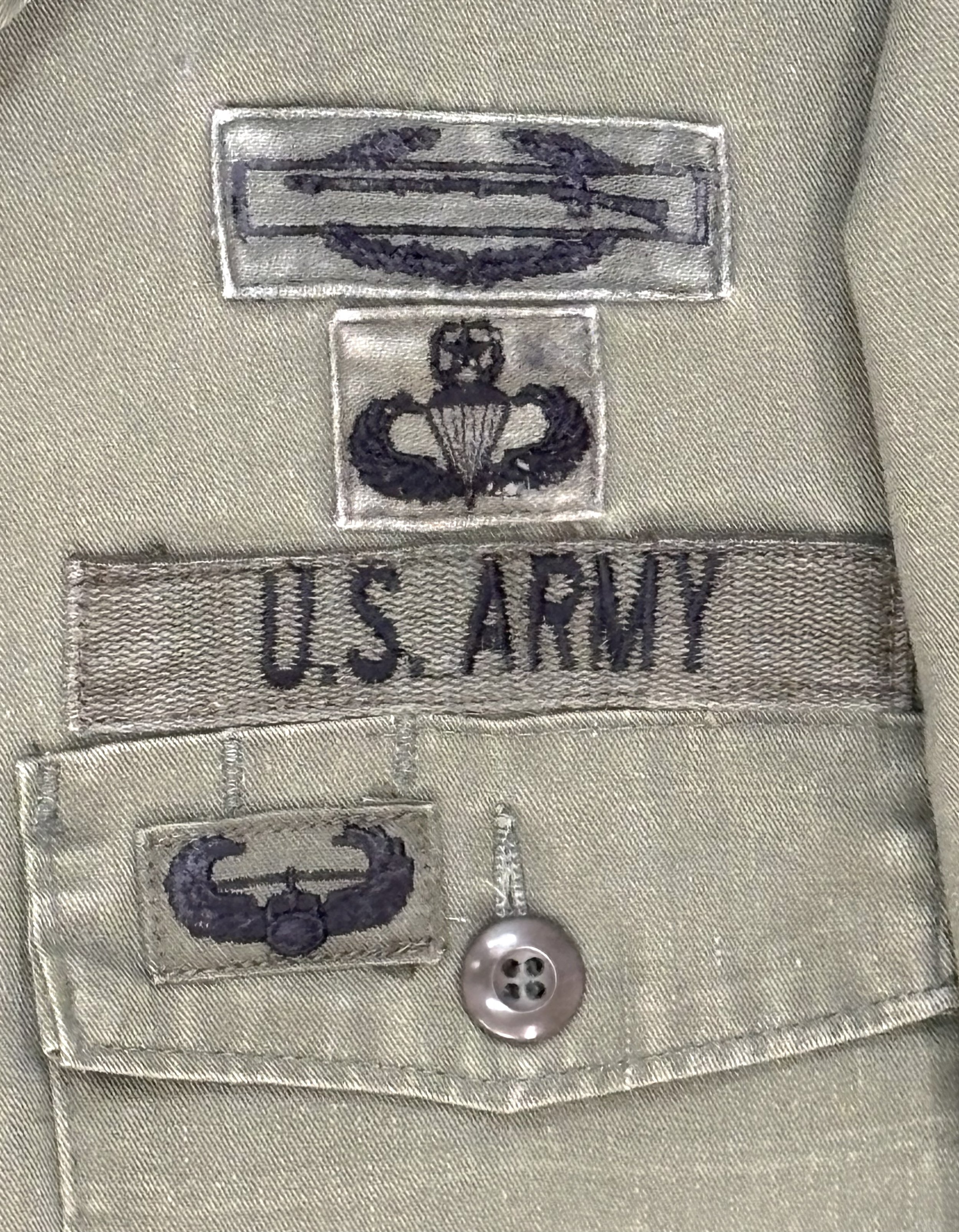
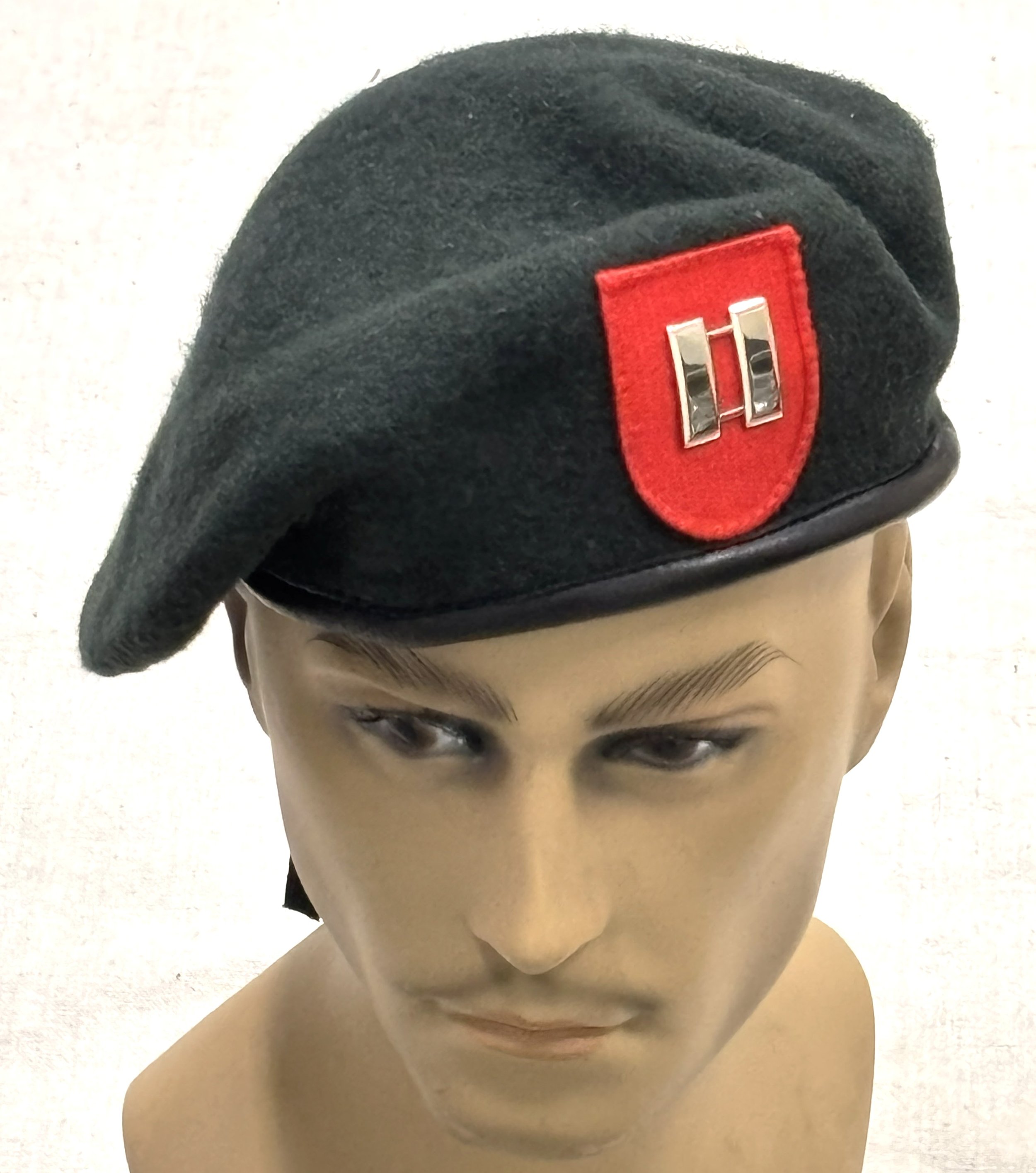
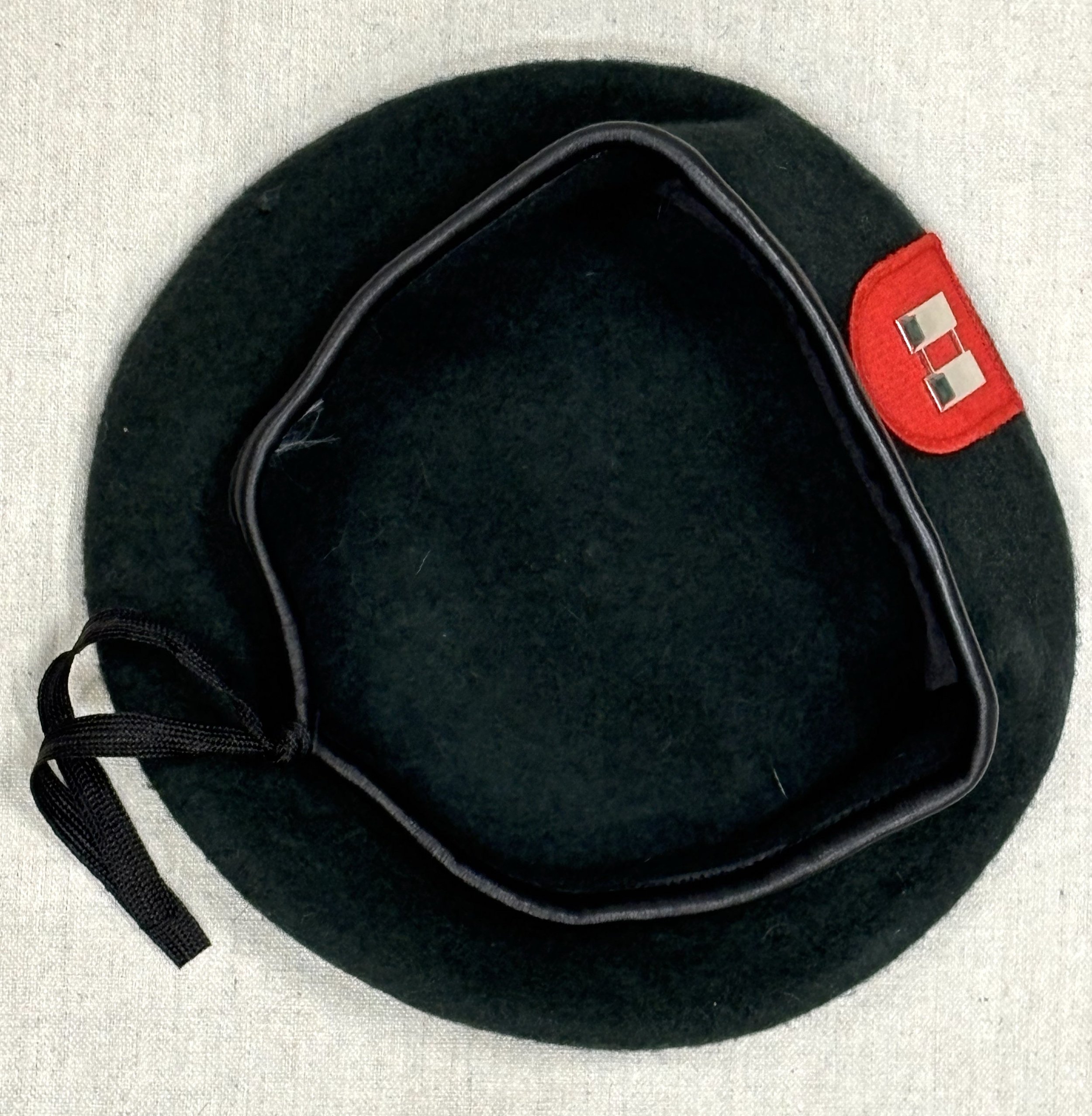
“New” Captain, Palmer, 7th Special Forces Group, later 1960s, Fort Bragg:
The Group was officially activated on 20 May 1960. It was reorganized from the 77th Special Forces Group at Fort Bragg, North Carolina. The 7th Group, now reorganized, the 7th Group would server duing the Vietnam War, but they were over the fence, operating in Laos first, in Operation White Star. They served in other countries in Southeast Asia, operating around Vietnam. A member of the 7th Group, Captain Roger Donlon was the first Special Forces Soldier to earn the Medal of Honor. They went on with counter Drug operaians across the fence in Panama, Central America, and South America, doing operations we won’t hear about for years.
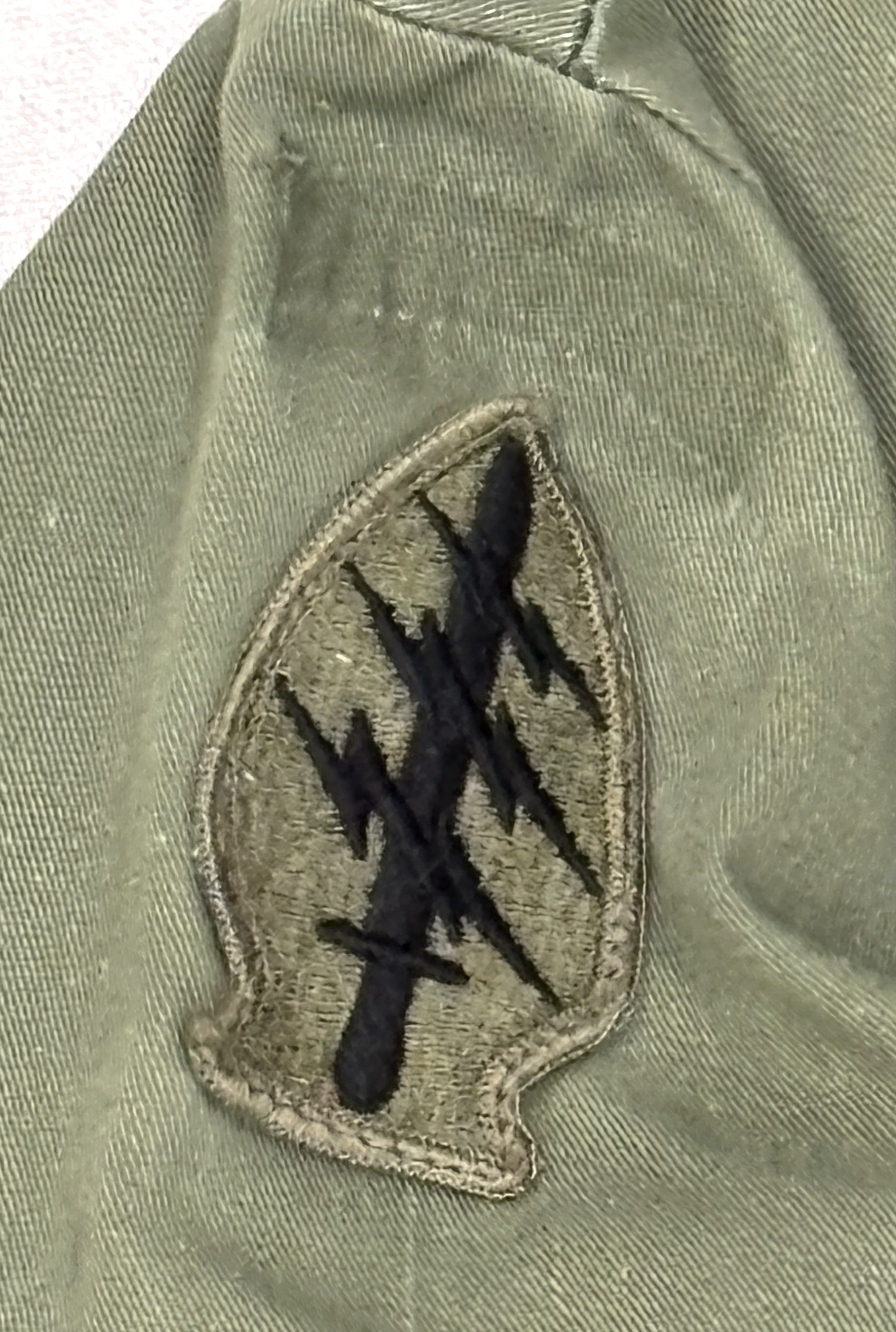
Captain Palmer here represents a Green Beret, back from another 6-month tour, which these soldiers often did, some would extend, or end up doing 2- 3-4-5 tours so they would still have earned several battle bars for their dress uniforms. He served his last with the 7th SFG in Laos, but he’s served as and infntryman before that, with a leg (foot soldier) with an unknown outfit, could have been Airborne, and may have earned his wings long ago. He may have had a couple of tours of Vietnam with the Infantry; he was a Leg long enough to earn the CIB, and recognition for many Air Assaults, again implying he may have been with the 101st Airborne, or the 1st Cavalry, as few had the badge at the time. He’d been to Fort Bragg several times as well, having many jumps under his belt, with the Master Parachutist Badge. That said, he has also done jumps with the South Vietnamese Airborne Forces as well! Earning their “Jump Wings” in possibly Advisor work. With all that time, it’s not real likley he’ll get another tour, unless he demands it. Note that the Right Sleeve’s Airborne Rocker over his Special Forces Patch is missing. This is due to regulations, changing back and forth, and it looks like he had it on there for years, and then they made him take it off; they're sticklers for regulation. You can, I think, have Airborne a part of the patch, and it would stay, but not as a rocker over the patch?
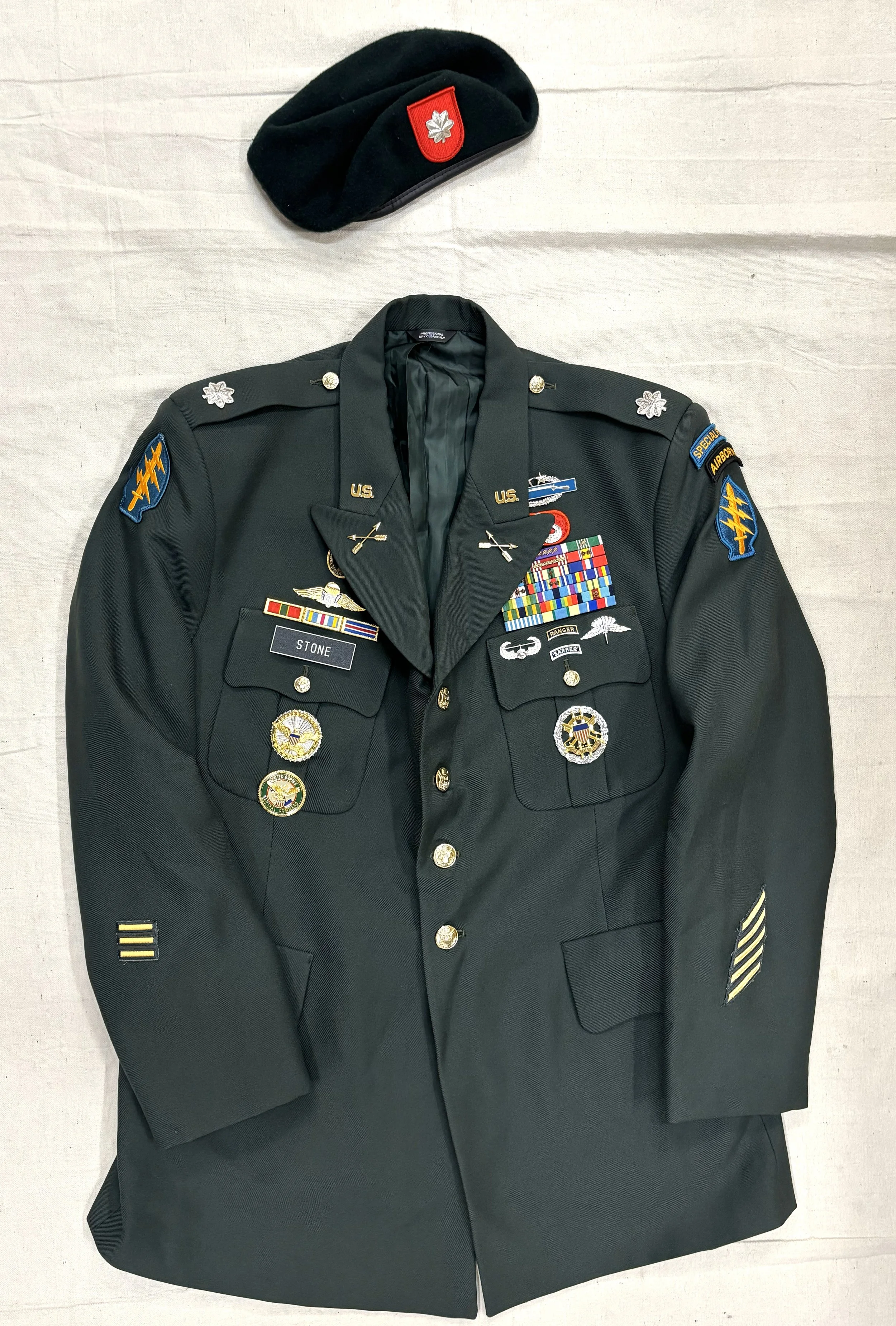
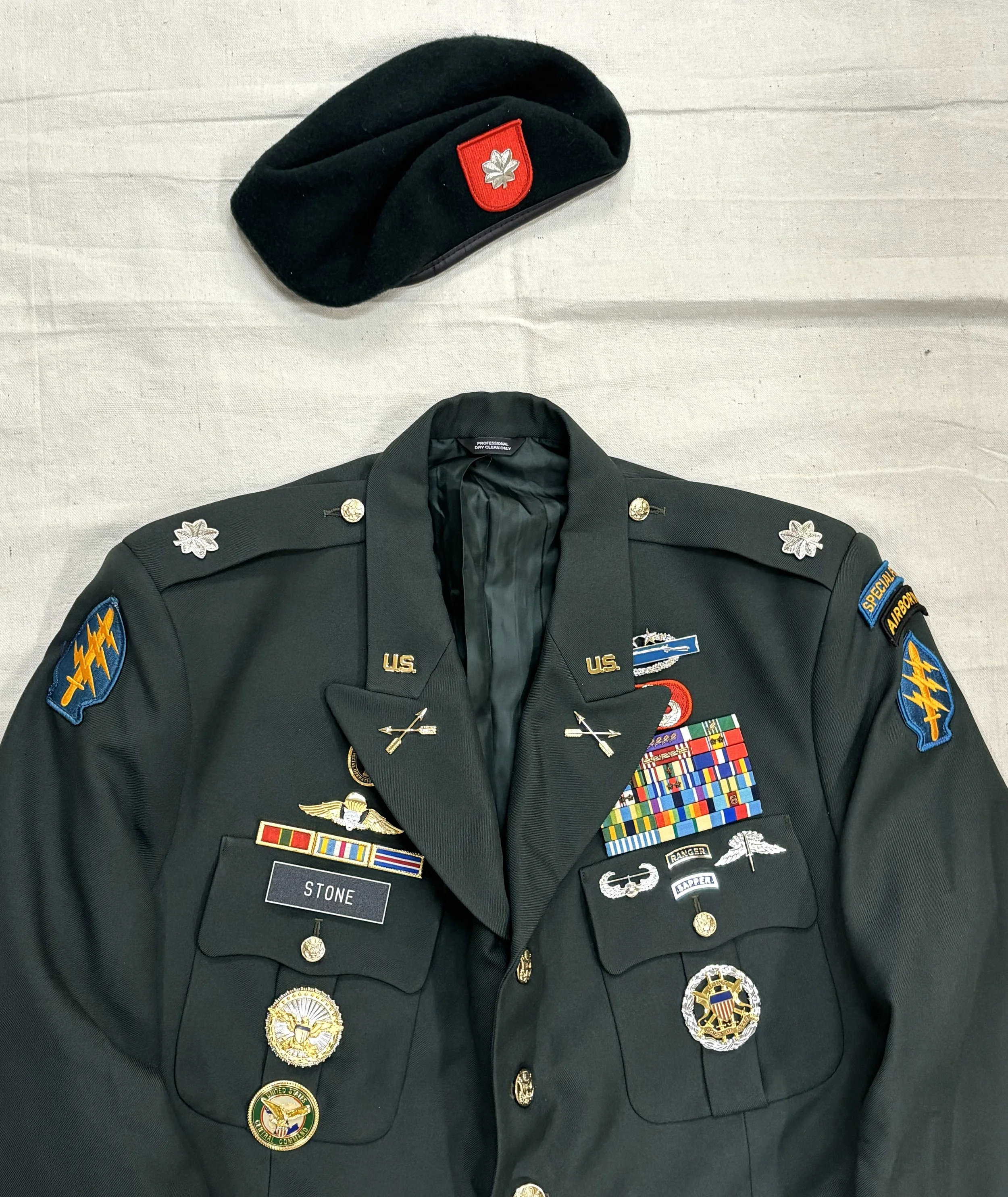
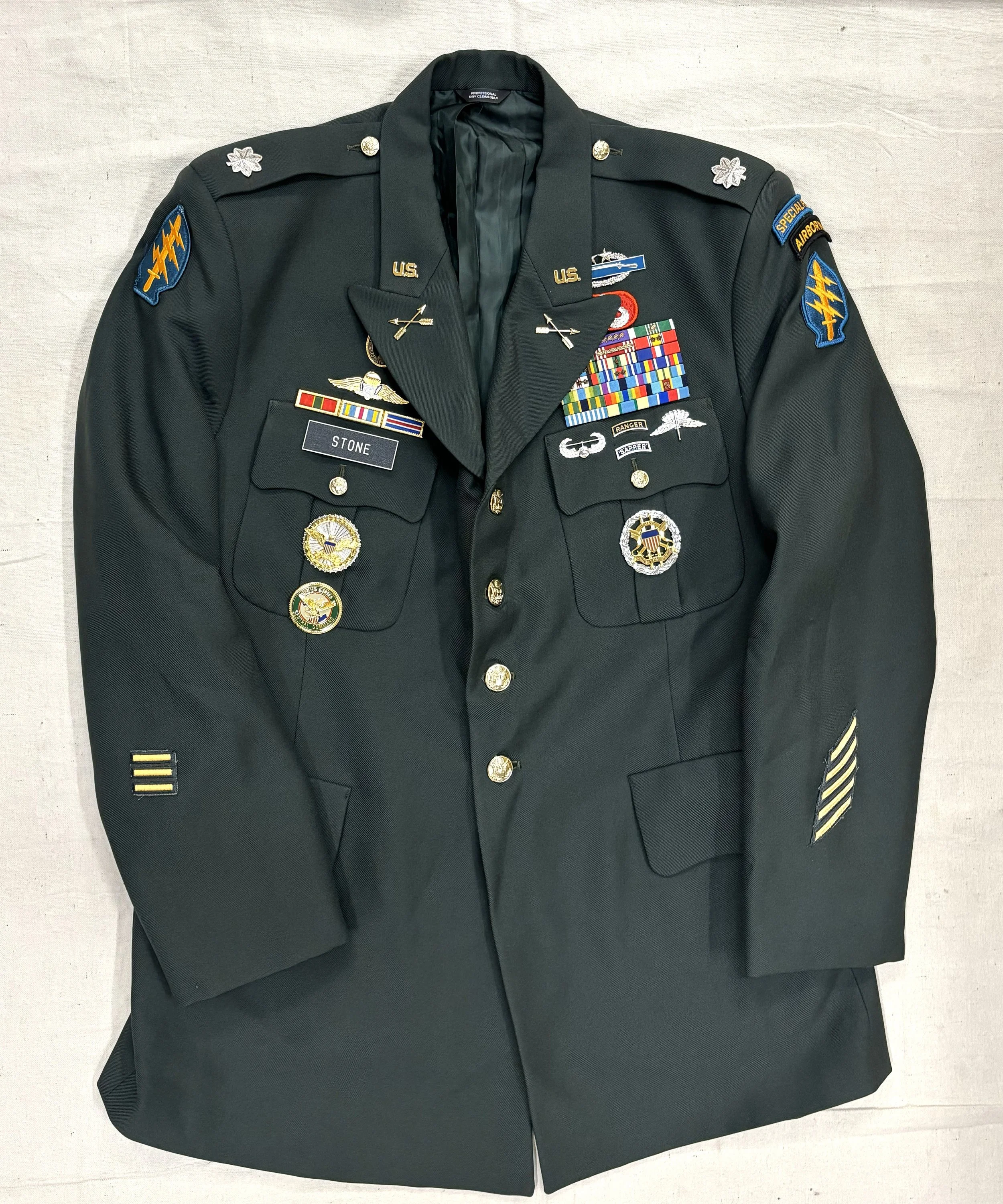


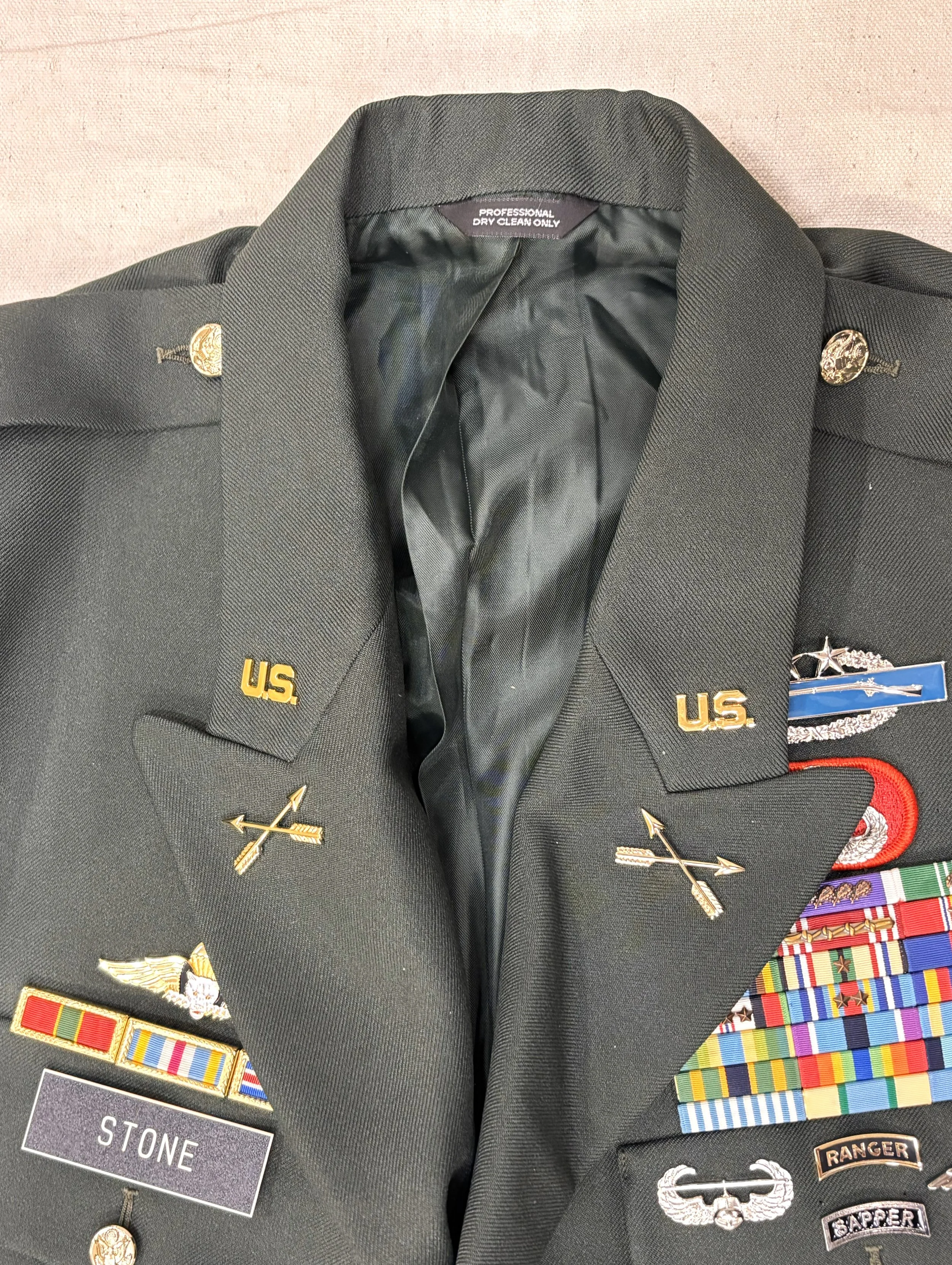


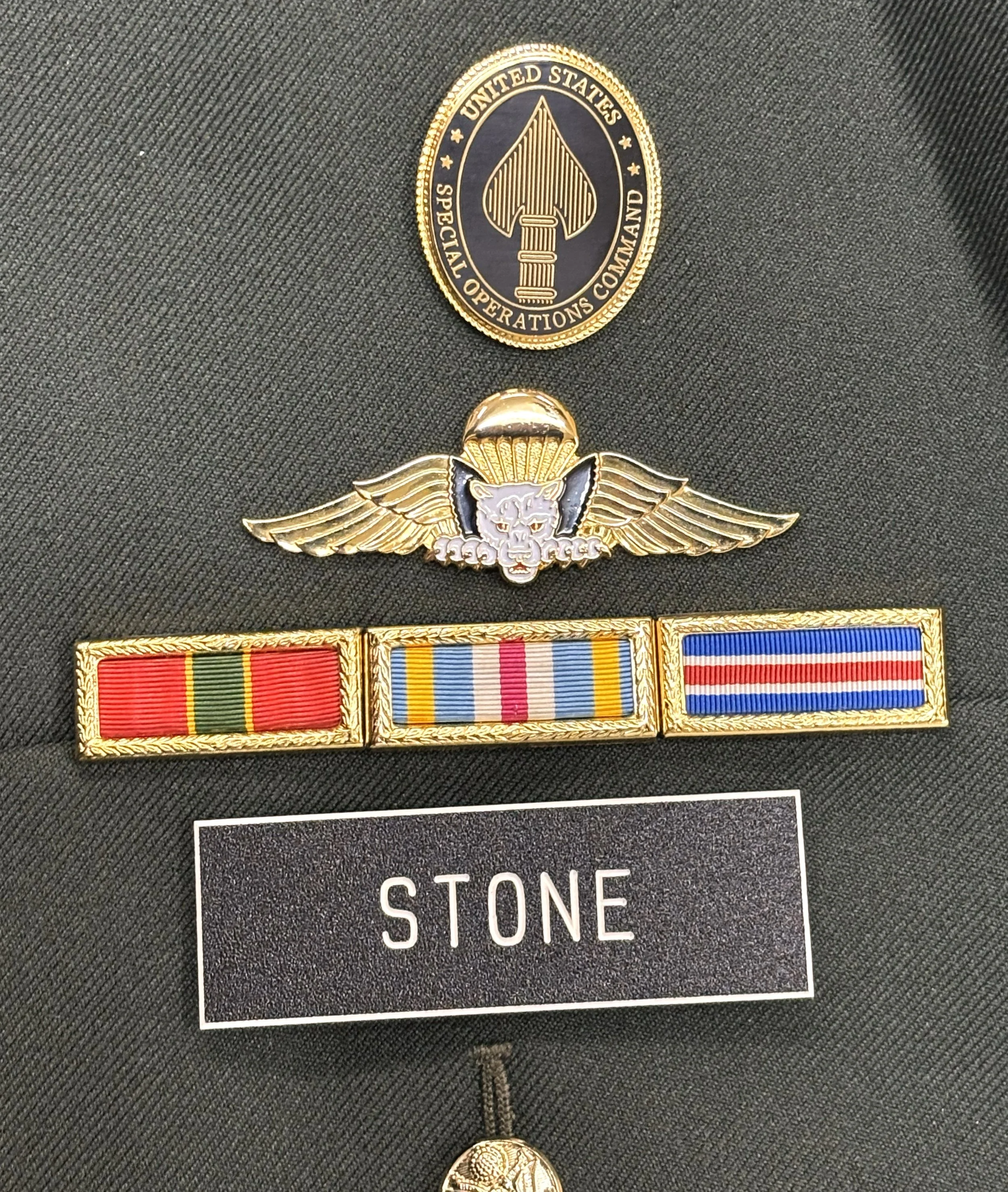
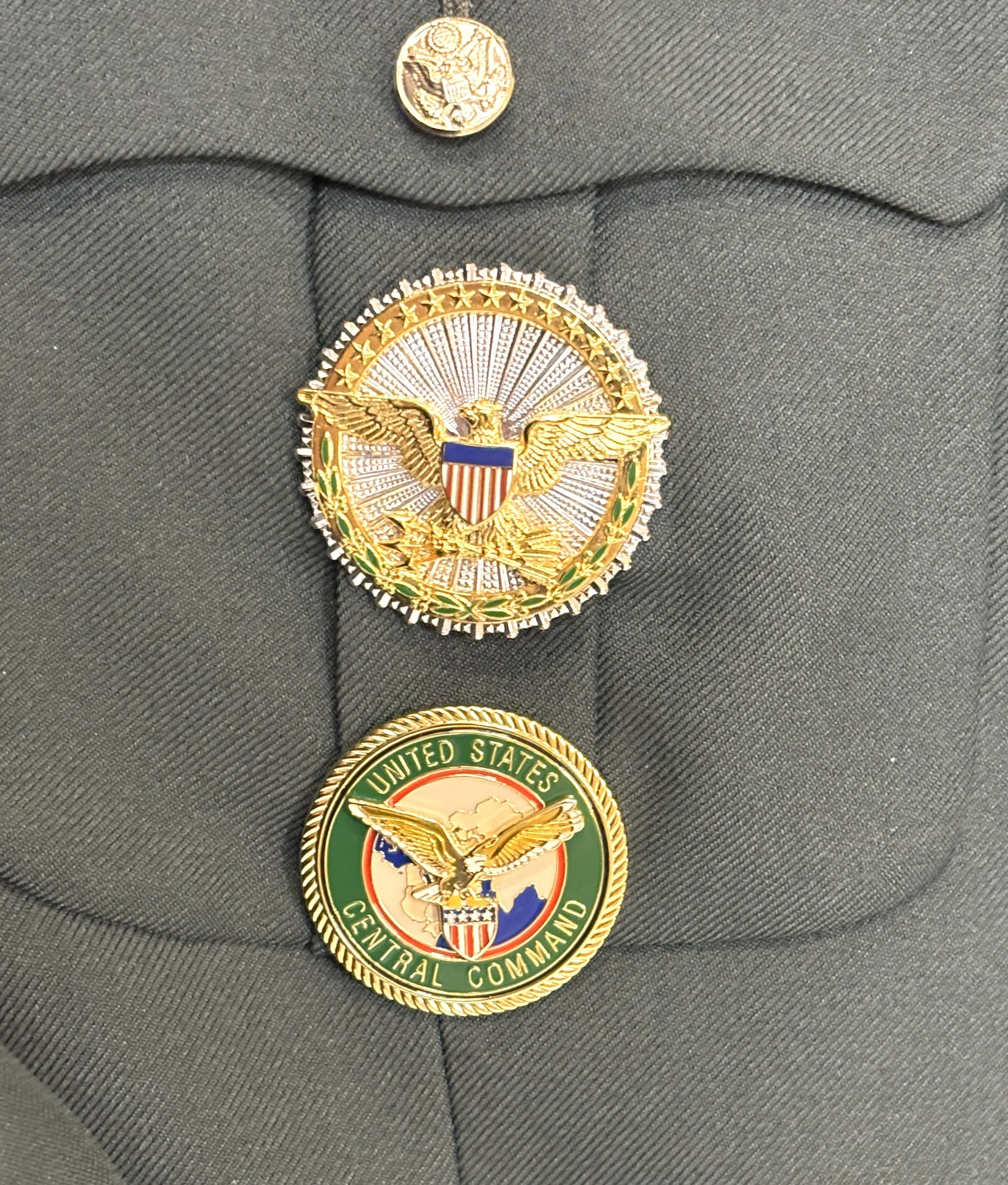
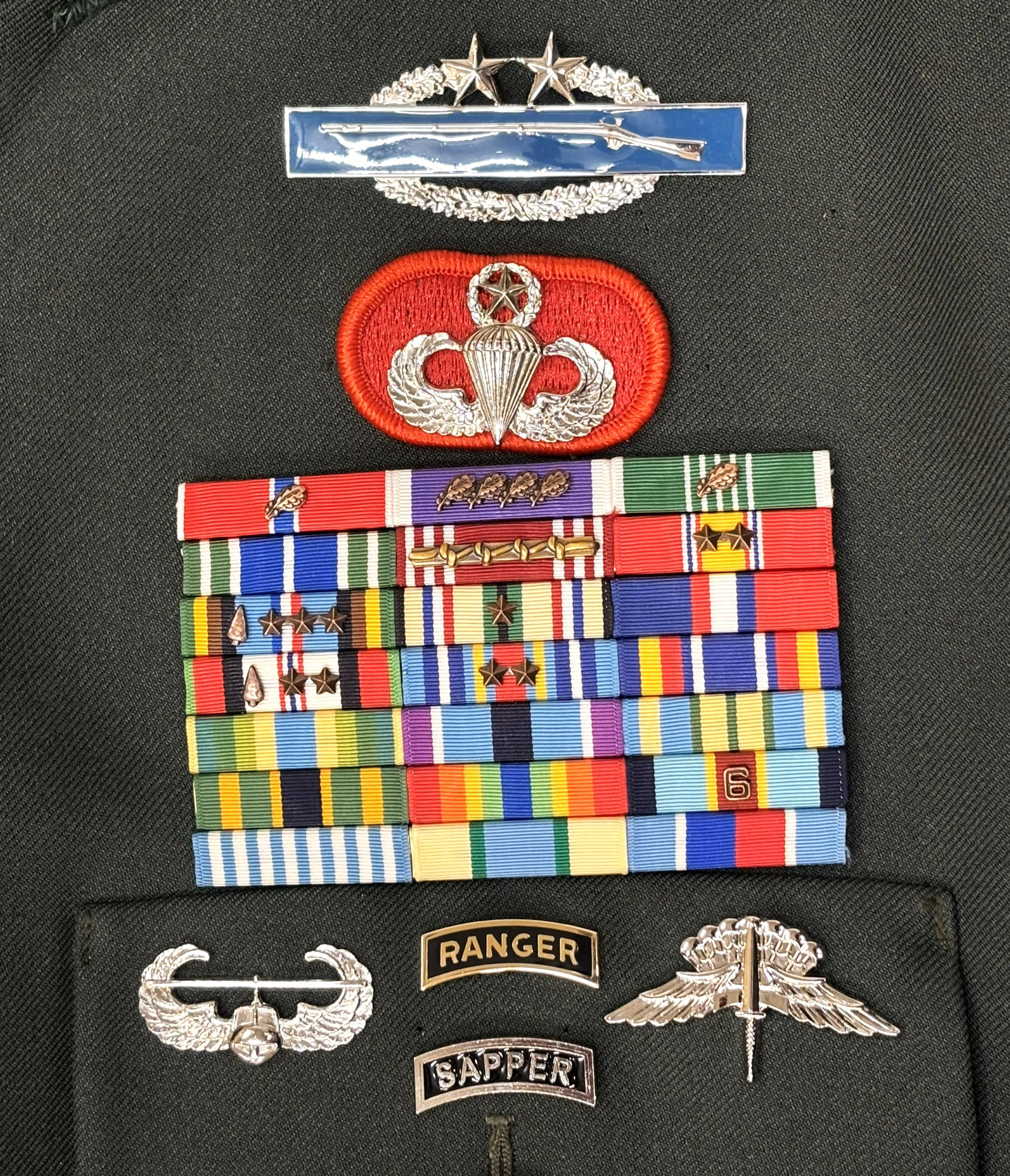

Updated Again! Lieutenant Colonel, 7th Special Forces Group, Class A Uniform:
During the 1980s, the 7th Special Forces Group supported the democratic governments of Central America in their efforts to resist communist insurgencies. From 1981 through 1992, I participated in many counterinsurgency operations during the Civil War in El Salvador.
The uniform represents the final Class A uniform used by the US Army. This uniform was officially adopted in 1957. It has undergone several minor changes over the course of its use, including the use of different materials and the replacement of the khaki shirt with a black tie by a light green shirt; it is no longer in existence. The “Office Suit” greens have disappeared. The dress blue took its place. Now, the popular “WWII Pinks and Greens” are often seen on World War II Officers, such as aces or bomber pilots.
This guy has more decorations, achievements, and citations than I can name! With Prior service with the Special Operations Command, and a set of Foreign Jump Wings on his right chest, above a Row of Unit Citations, he had been on assignment to the Office of the Secretary of Defense, and Special Operations “Central". On his Left Chest, he has the HALO Jump Wings. Below his ribbons bar, the Marksman Badge (Rarely seen on officers), and metal rockers, Ranger and Sapper Schools. He’s assigned to the Joint Chiefs of Staff, too. He has also shown prior assignments with Special Forces on the Right Sleeve.
Just a small note: Its lways challanging for me doing american Cold War Uniforms, even with the help of friends, I get stuff wrong, reversed, upside down, and overlooked time and again, could be were all getting to old for this, dont know, but I re-soot them as I find and fix the mistakes, hopefully military people looking at the collection wont get to bent out of shape, just trying to show what ya’all done, tell a bit of the story, and show “Respectfully” what your uniform looked like, tho otheer thing is that the regulations change every couple years seems like-as stuff is phased in and out, thease cold war uniforms are a perfect example, there were like 3-4 different uniform types overlapping at any given time, including testing of the new uniforms. By looking at his overseas bars and his Purple Heart with oak leaves on it, every 4-5 months he was wounded!


Sergeant, 12th Special Forces Group, preparing for Grenada, Operation Urgent Fury, 1983, BDU uniform:
This is the type of uniform (BDU) that my friends wore when they were in the service, as the jungle fatigues and M65 Field Jackets in colder climates would soon be phased out to these. Many would wear the uniform, and they too would linger for some time as different camouflage patterns came and went.


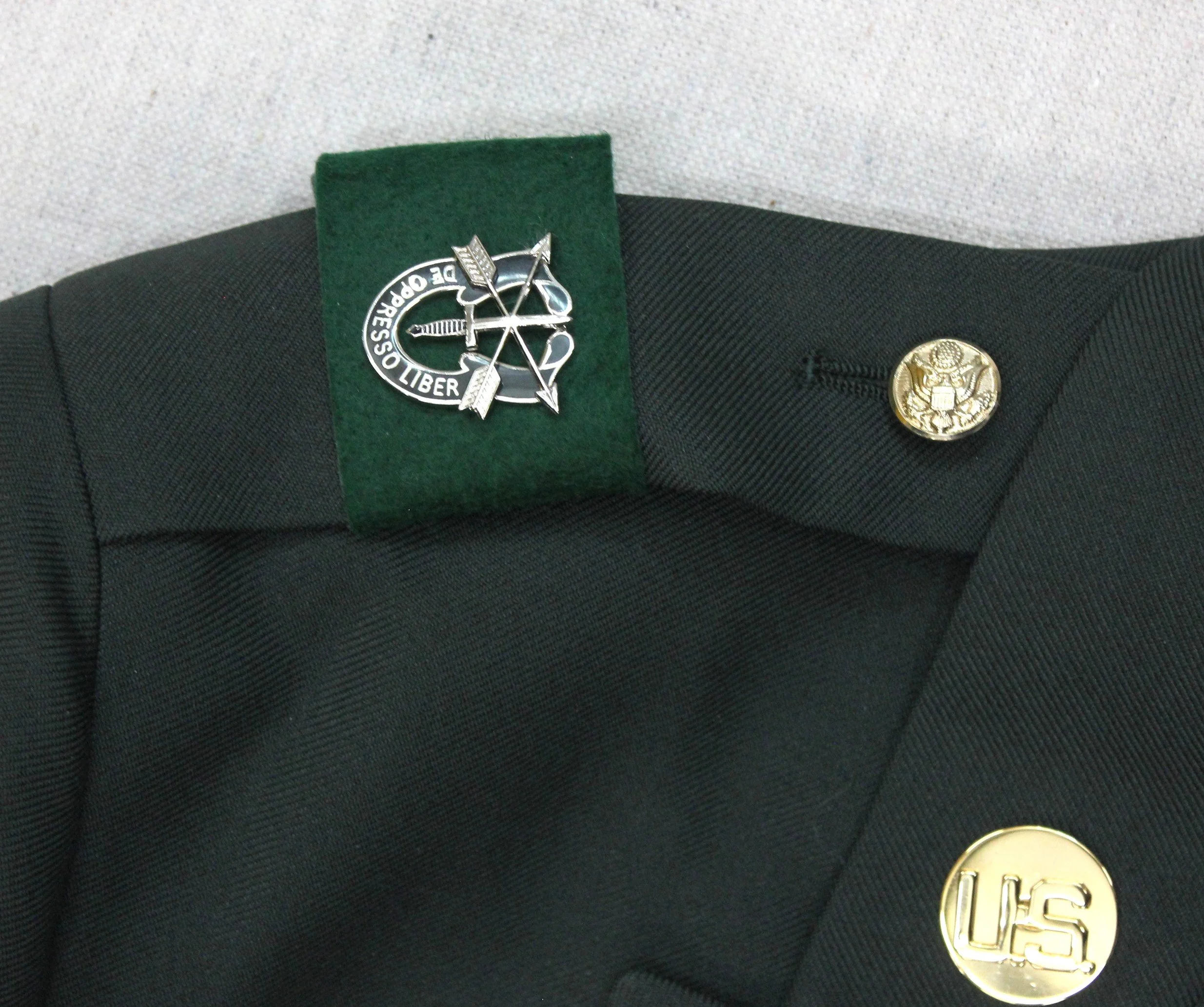

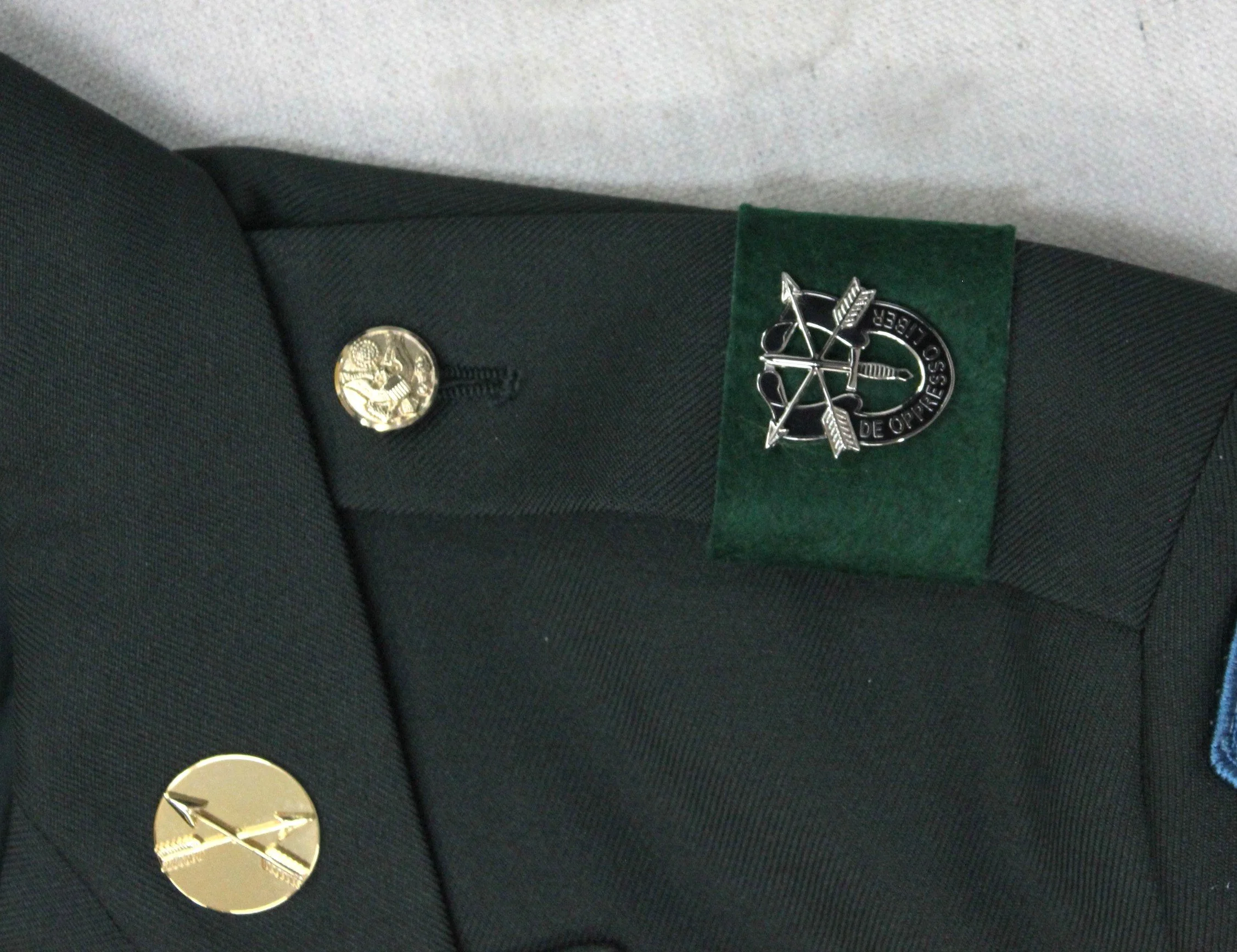


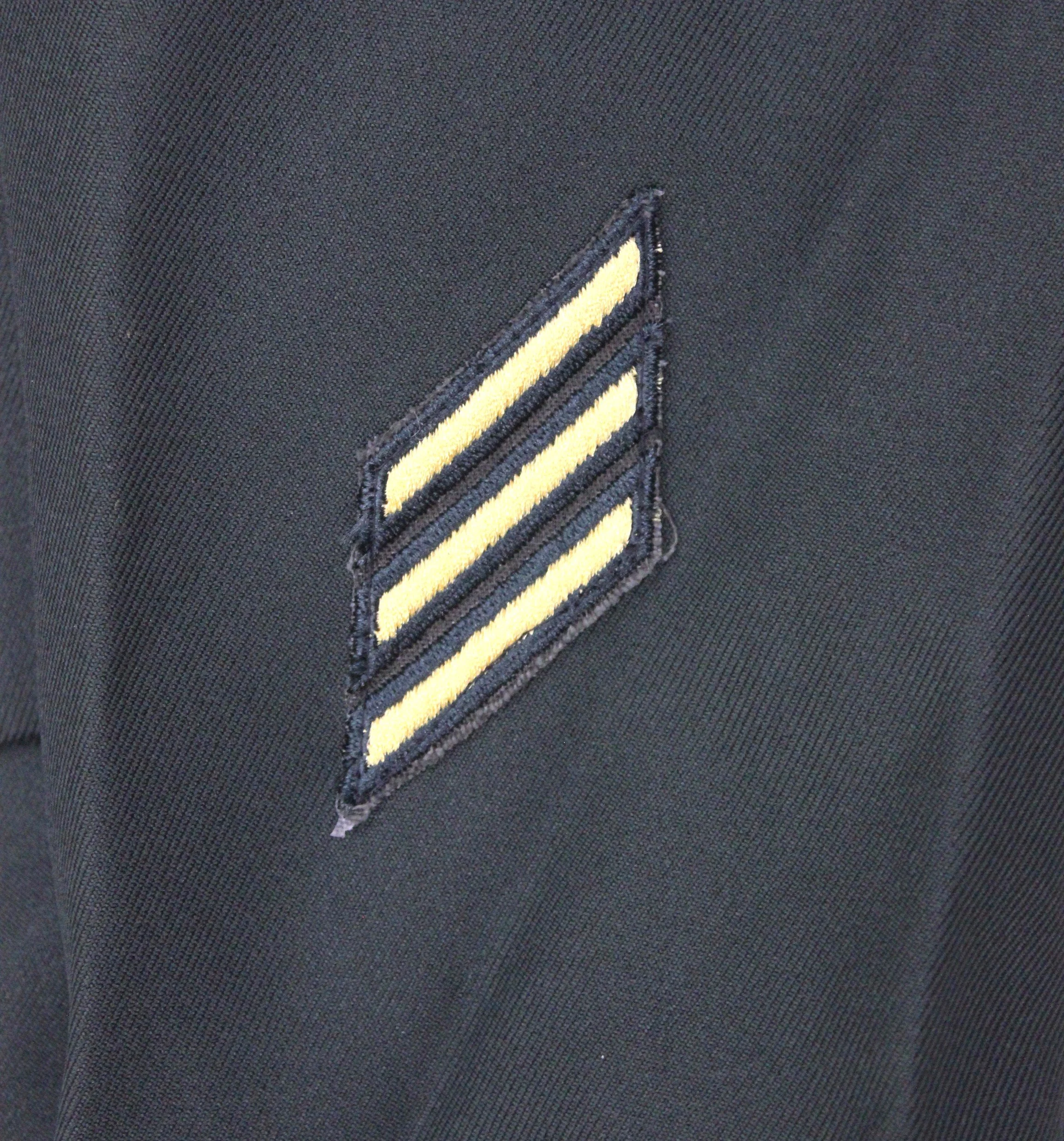


“New” Staff SGT. 12 SFG. Class A Uniform:
OK, so this uniform has, in fact, been re-shot about 5 times now…I “Fixed” a few things and changed Special Forces Groups a couple of times. I’m calling it done, even though I’ve been notified that the “Special Forces” Rocket was only used a few years later, in the 1970s; I’m hoping we got it pretty close to how it should be.
This Soldier has no CIB or Combat Action Badges, But most soldiers dont actully get them unless assigned to a front line-spicific Military job, like infantry, or Mechinised Infantry, or say, even Armor, or Artillery, Special Forces, falls into a different catigory, mo of training of indigenious forces, observstion and clendestine operations, even many work as trainers for the Special Forces men themself, this fellow would have served in Iraq, and he has been on a nuber of helicopter rides, earning the Air Aassault Badge, also training with several foreign Airborne Forces, I’m not positive, but I want to say, Iraqi Army (Top L) and Kuaiti (Bottom L) but I’m not positive, His personel set of “Jump Wings” has a star above it implying he is a Senior Parachutest. The rest of the Ribbons indicate numerous Army commendation medals, training, achievement, Global War on Terrorism, and multiple NCO personnel development Classes, Army Service Ribbon, and multiple Army Overseas Recognitions. He has operated with some very recognised units, having both Presidential Unit Citation and Army Unit Citations.
On his fourth enlistment, he had a prior overseas deployment with the 1st Armored and was a gunner there, but not enough action, I guess, and obviously had a drive to push on to Special Forces and has been to many places with them, with his master-with a “Rifle” (and probably indicating a master at many different weapons), and Small Bore Pistole (Supressed! sor of sublimital indicating, obviously clandestion operations), he probably has many weapons he’s has qualified, and traind in, that could have had bars for, but technicly 3 is the limit. He likely has used RPGs, LAWS, mortars, Mines, grenades, Plastic Explosives, long rifles, carbines, several different Pistols, even belt-fed weapons like the M2 50 cal, M60 with the 7.62, or SAW with the 5.56mm chamber. Often, other training with various radios and intensive medical training, many specialties, and cross-training with different forces, etc. This Staff Sergeant has some hard-earned stripes and has team leader green leadership loops on his shoulder boards.
I am not entirely clear on all the where’s and when’s of where the 12th Special Forces operators served, or where they were stationed, but groups tend to move around; they have operations centers, but the different elements move all over by their nature. He may have served with several different groups when he went overseas. The Army Class A Service Uniform was issued from 1954 till, 2015; it had a long service life, actually.


U.S. ARMY, Special Forces Operator, HALO / HAHO & Nucellar Qualified :
I had a story for this, missing it at the moment. This was not an operational jumpsuit, but what is often referred to as the party suit, literally, used at special occasions, possibly civilian-type parachuting, and with acquaintance operators at some gatherings, and drinking. As I recall, this uniform represents a group of soldiers that had been through a course and trained in Atomic Weapons, “Small Nukes” (if the work can be applied to a nuclear weapon). Airborne-qualified, in High Altitude, Low Opening (HALO), and likely HAHO as well, and it's a bit confusing, but it’s simply High Altitude-High Opening, with a special parachute-and-glide type technology…and very large kahonies, just saying., dropping in, they would deploy the ”Can”, like the suit-case / dirty bomb, in other words, a man-portable container, that could be delivered to a specific place at a certain time, for a very devastating attack, it would only hurt for a second, or on the other hand I suppose, fly in and save the day, by dis-arming such a weapon. It is interesting; he hasnt it Army-Basic Jump Wings, albeit a bit redundant, an important badge that most would display, and in this case, would be Master Jump Wing classification.


FIXED! Major, (USSOCCOM) Special Operations Command:
The United States Special Operations Command and is known as USSOCOM or (SOCOM) is the result of putting all our special operation groups, and command sections together, so they can all work together on missions, and know what each is up to, so missions don’t overlap or conflict with other on-going operation with other forces, and could compromise one another, operations are going on all over the world at any given time.
They are a group of very powerful, highly trained, multi-national military personnel, they’re mission is to oversee and work with the Army’s Special Operations Black-Ops Groups and Special Forces, along with (MARSOC) the Marine Raiders, Force-Recon, and Scout-Sniper Operations. They work with the Navy SEALs and any of their other Secret observer / Sniper Operations, and the Air Forces Elite Police and Rescue Units, all specially trained and talented people working together, theoretically capable of some serious, Black Operations. The USSOCOM is presently headquartered on the East Coast, at MacDill Air Force Base, in Tampa, Florida. The Command is a part of the DoD and was created by an Act of Congress.
SOCOM came to be formed, after several operations failed, like Operation Eagle Claw which was an attempt at rescuing the hostages trapped in the American Embassy in Iran in 1980, its failure led to an investigation was Admiral Hollaway III, and the Chief of Operations (Rtd) cited the inter-service co-ordination the significant factor in the failure of the mission, and things were forced to change…
They were activated on 16 April 1987 as U.S. Special Operations Command, and since then have been in many operations all over, like the 1989 invasion of Panama, 9/11, the response to the Terrorist Strikes, and the aftermath.
Their capabilities must be incredible, with all the joint cross-training, knowledge of each of their capabilities, knowing a joint-direct command was involved, must be a very amazing bunch of talented people to use for instant decisions, an on-call force, with all the militaries branches “Special Forces”, able to work in conjunction with any of the other element’s in field operations, using the most modern of communications, for use in such missions as, direct assaults, or rescue missions, special reconnaissance missions, counter-terrorism, civil affairs, and counter-narcotics raids. We call the Black-Ops.
Each branch has its top cadre, those working with the universal hub of US Special Forces as a whole could also recommend they execute some of the missions more specific to their group’s “Operational Specific Vehicles” as in “Midget Submarines, and Rebreathers, or size like the “Airborne-Ranger’s” or Sniper teams (that they all have) but may be closest to where they are needed.
I guess first off, The uniforms I get in various ways, and I call it completeness, generally, a patch or some insignia gets me going, so what I am saying is, that I do not know for a fact that SOCOM existed before Class A Green uniform disappeared, that is phased out, I believe in or about 1980, and possibly the shoulder patch has replaced the original? I do try to get these uniforms right, the decorations of which there are plenty (at least 16), as well as the Medical “Battle Badge” call it, and no CIB or Combat assault badge, so he’s been attached to the Medical Detachment for some time. As a Major, he carries some “Pull,” one could say, and is in with the top dogs of the military, something like the Pentagon of Special Forces. As a member of Special Forces, it is mandatory to be Airborne Qualified, so you go through that school and pass it, and he has prior service in battle, with Special Forces before assignment to the SOCOM Command itself.
While no longer assigned directly with Special Forces, He wears the Airborne Beret with SOC tap on it, and/or with other elements, the Overseas Cap, with the Airborne Patch on one side of it. But how this might work is all above my pay grade! I would have thought Green Beret, it may have been kept the Green Beret for sentimental reasons, perhaps he was caught up in the time when the powers that be, we’re talking about stopping the use of the Green Beret and went to a Tan one for a bit I think before being adopted to Rangers, and then everyone was to have black, but Airborne will not give up the Beret, as will the Green Berets, but there was a lot of miserable politicking middling with military operations uniforms, all getting digital, even the Navy and Airforce had their own, silly really, but it’s about the military getting their piece of it, and now the popular Olive-Class-A, (WWII Barracks Jacket) it’s like why did you ever stop using it-though now it just no longer looks right either to me, because it represented an era gone by, and respectfully so, but I think of pinks and Greens more with the Army Air Forse of WWII.
The uniform has 4 years of overseas bars, aka Battle Bars (4 Tours), and at least 5 enlistments. He carries his Airborne Wins on the SOCOM Oval, and the Combat Medical Badge (for Medics and Medivac Operations, from his tours to Iraq and Afghanistan, he has the War on Terror Badges too, as well as a Bronze Star and many other recognitions of achievement and service.
*The exact time of use for Class A Uniform is a bit fussy to me, but this is way at the end use of the uniform, before transferring to the Blue Trousers and Blue jacket or white shirt. The patch itself ages the uniform to 1990, is when it began being issued, so that’s the earliest that is was being worn, granted the decorations may not be original to the jacket. I think it was a Garage Sale type of sale, I need to add a nameplate to the right pocket; it won’t be original.


“Fixed” US Army Sergeant First Class, USSOCCOM, Present “OCP “Utility uniform:
What the Special Forces Groups are up to, we can guess at. A lot is going on in the world right now, and they’re there at every one of them, and a bunch were not even thinking about, completely unaware, and most places they are… they don’t look like Special Forces, anyone else, wearing other units’ patches, not drawing attentions to themselfs, I thought about this as a relitive in Europe tonad me about Americans in Ukraine, and I said nope, and he showed me pectures he had from their news-prettly clear pictures, so they were there for a long time. And the story of Special Forces and SOCOM will continue to be written in the Annuals of Military History; their title will change, but the missions will continue, but then, we won’t hear about them for some time, unless they want us to.
*Make up a Burgundy Beret for this uniform.